 Unearth The Voyage
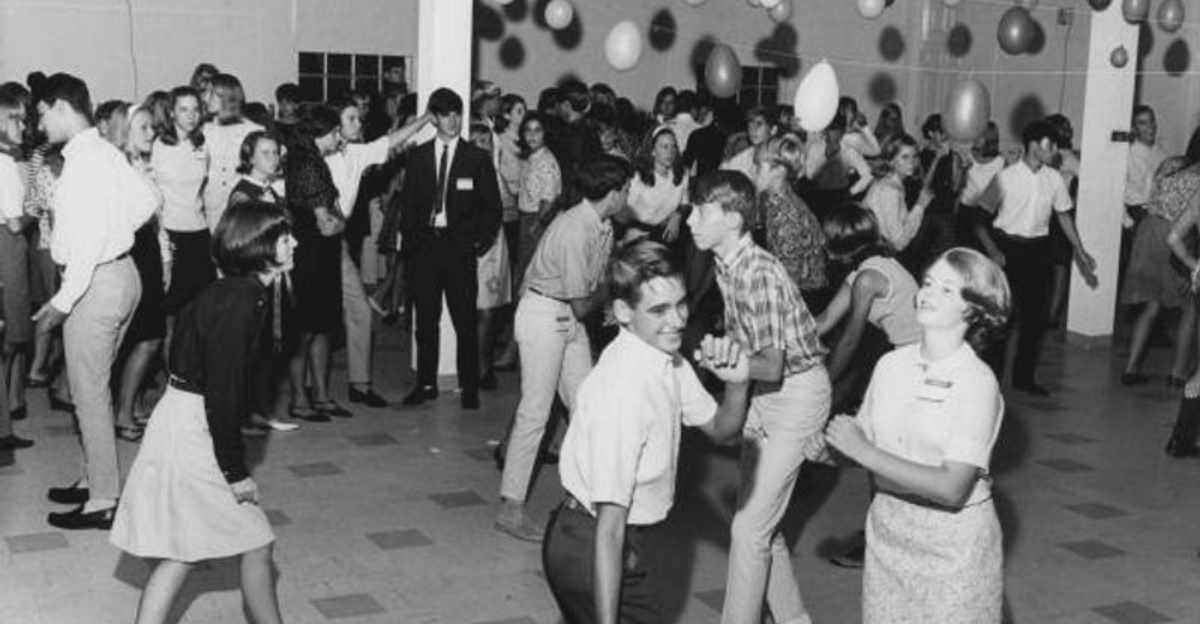
Proms in 1967 captured the pulse of a decade that was reshaping youth culture, fashion, and how people moved together on a dance floor. You will find not just catchy steps but small windows into radio trends, TV showcases, and regional scenes that shaped teen life.
This tour through twelve dances explains who popularized them, which cities pushed them forward, and why they belonged on gym floors under crepe paper arches and spinning decorations. Keep reading to spot the crosscurrents of rhythm and blues, early soul, surf culture, and go-go style that turned high school dances into kinetic history lessons you could learn with your feet.
1. The Twist
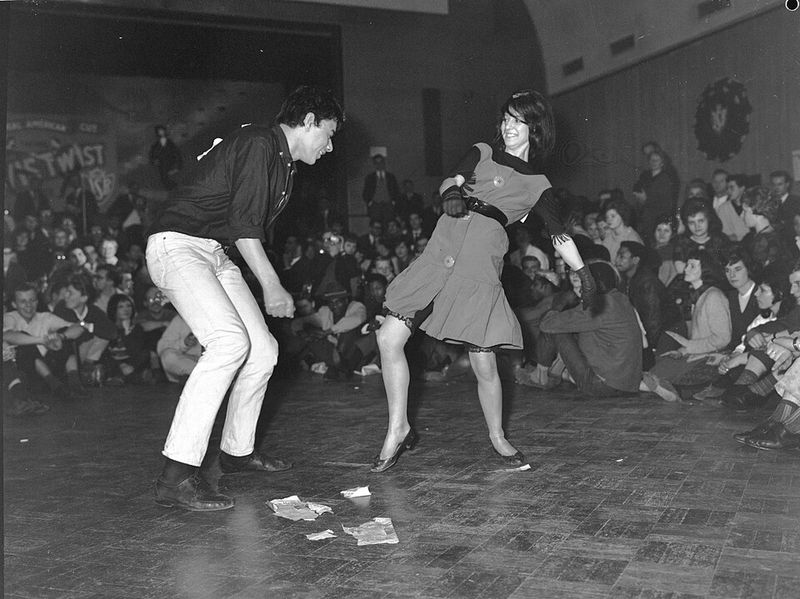
Nothing about teen culture moved faster than a hit that everyone could do without lessons. The Twist became that perfect equalizer, launched nationally by Chubby Checker’s 1960 cover of Hank Ballard’s song and kept alive through mid decade school dances.
It needed no partner hold, which made teachers relax and students braver, and by 1967 it still filled floors because it felt modern and unfussy. You bent knees, rotated hips, and looked confident.
Television accelerated its climb, with American Bandstand and local teen shows demonstrating clean mechanics. Retailers noticed, selling Twist records, instructional singles, and novelty footwear.
Health magazines even referenced it for calorie burn, a very 1960s blend of pop culture and personal improvement. By prom season, DJs knew dropping Checker or an upbeat R&B cut could unify the room in seconds.
The dance’s lasting appeal came from its modular ease. You could layer arm flicks, add pivots, or pause for playful spins without breaking the groove.
In 1967, that flexibility kept The Twist timeless on decorated gym floors.
2. The Mashed Potato
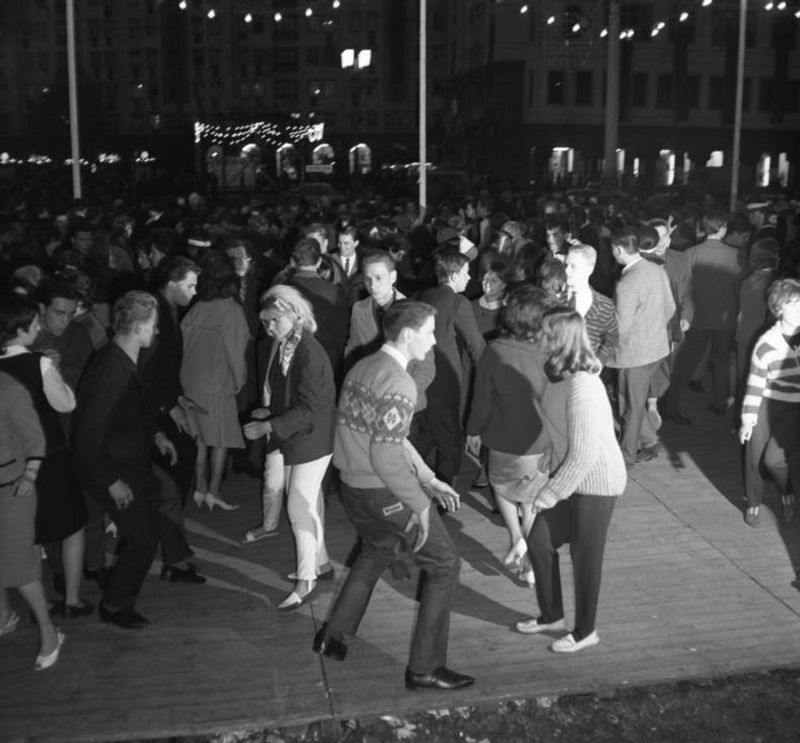
Footwork did the talking when the Mashed Potato spun from regional fad to national standby. Linked closely to Philadelphia’s dance circuit and the show American Bandstand, it matched early 1960s R&B and soul tempos that stayed common at later proms.
The signature move was a shifting, grinding step on the balls of the feet, toes in and out, producing a playful shuffle that looked complex but learned quickly. Teens shared it in cafeterias before the big night.
Dee Dee Sharp’s 1962 hit Mashed Potato Time sealed the branding, though DJs in 1967 still cued it under newer tracks. Local record shops stocked singles with printed diagrams, turning sidewalks into practice stages.
Its popularity also reflected looser dress codes, since slimmer shoes and shorter hemlines made intricate steps more practical.
At prom, the dance worked solo or in mirrored pairs, which kept shy partners comfortable. Chaperones tolerated it because contact remained minimal and clean.
By the late 1960s, the Mashed Potato sat alongside fresher crazes yet held ground through sheer adaptability and crowd memory.
3. The Jerk
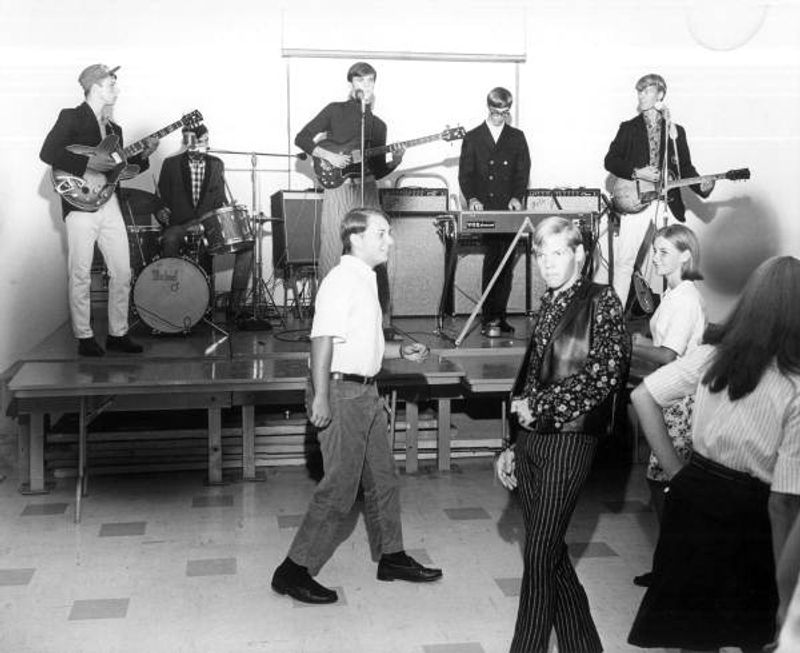
Sharp mechanics made the Jerk a precision favorite even when gowns and tuxes took center stage. Emerging on the West Coast and spreading fast by 1964, it featured crisp arm pulls, slight body retractions, and a bouncy stance that synced with soul and early funk grooves.
Los Angeles clubs and TV spots turned it into a visual hook that teachers recognized and students perfected.
The Larks’ The Jerk gave it a name, while urban radio rotated tracks that fit its clipped rhythm. By 1967, prom bands and DJs slipped in songs with bright snare accents to cue those signature snaps.
The move favored coordination over flair, making it a confidence builder in crowded rooms.
Its influence rippled into later line dances and stage choreography, a reminder that youth culture prized patterns you could learn by watching peers. On prom floors, couples often faced each other, trading clean arm sequences like friendly call and response.
The Jerk rewarded timing, not theatrics, which kept it tidy, photogenic, and deeply memorable.
4. The Frug
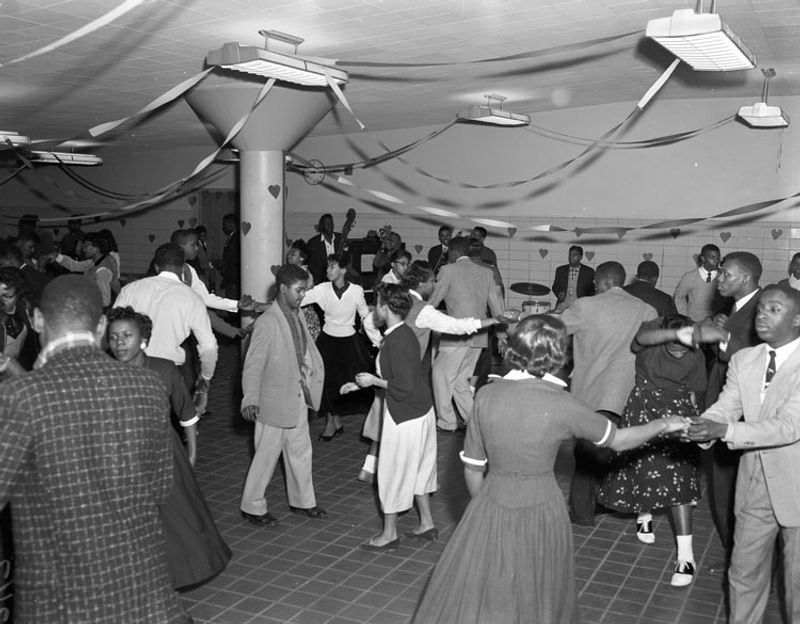
Cool angles beat big spins when the Frug took the floor with downtown confidence. Popularized in mid 1960s New York dance circles and go-go clubs, it favored abrupt stops, stylized poses, and side shifts rather than travel across the room.
The look felt fashion forward, pairing well with slimmer suits and mod dresses that turned geometry into flair.
Television variety shows and Broadway choreography circulated Frug variations, giving promgoers visual references beyond local halls. Students learned quick freezes, head tilts, and micro steps, then adjusted difficulty to the band’s tempo.
By 1967, the Frug signified urban style literacy more than athletic display.
Its cultural staying power came from clean lines and camera readiness. Photographs captured its silhouettes better than blurrier dances, which made yearbook spreads look composed.
Chaperones liked the spacing, while teens liked the attitude. You could dance solo or mirror a partner without awkward holds.
In that balance between artful restraint and social ease, the Frug felt perfectly calibrated for a ceremonial night powered by pop and soul.
5. The Watusi
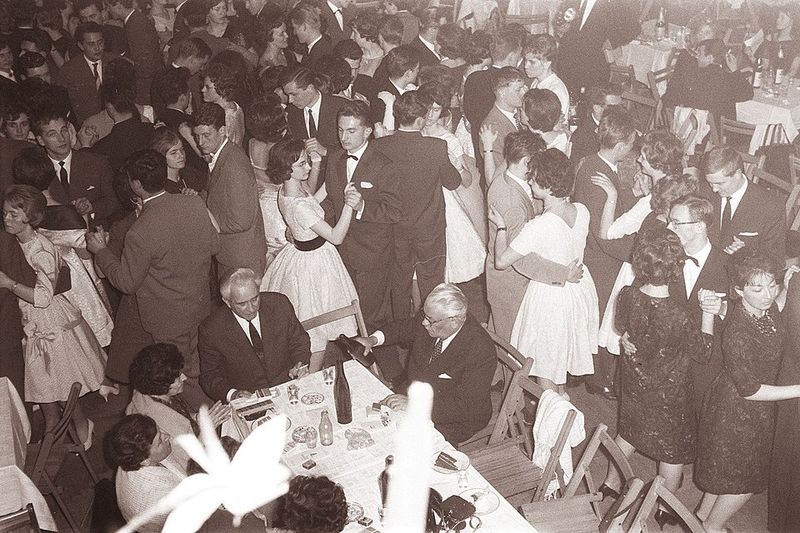
Confidence with rhythm set the Watusi apart from trendier gimmicks. Rooted in African dance influences and filtered through early 1960s American pop, it blended loose hips with patterned arm movements that encouraged expression without breaking social norms.
New York clubs and television programs pushed its visibility, linking it to cosmopolitan tastes.
Ray Barretto’s El Watusi shaped name recognition, while teen magazines diagrammed basic steps for at home practice. By 1967, even as funkier crazes emerged, the Watusi offered dignified flair for couples who wanted room to improvise.
It sat comfortably over Latin soul, R&B, and mid tempo pop played by prom bands seeking versatility.
Because it required no lifts or close holds, photographers captured clear lines and smiling faces, something administrators appreciated in school publications. The dance also encouraged musical listening, teaching students to ride phrasing rather than chase speed.
In gyms dressed for celebration, the Watusi gave everyone a stylish option that felt worldly yet easy to learn within a song or two.
6. The Swim
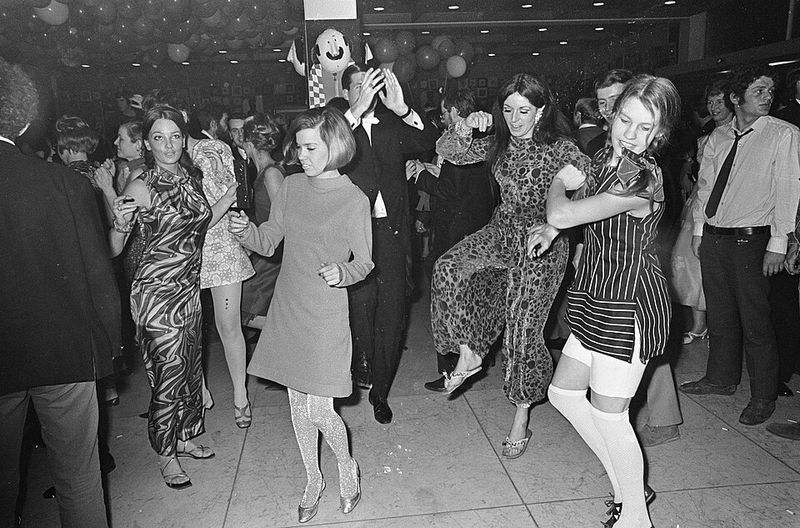
Imagination met choreography when students brought the shoreline to parquet floors. The Swim borrowed literal stroke motions from beach culture, letting dancers mime freestyle, breaststroke, or sidestroke to surf rock and sunny pop.
California scenes popularized it through parties, television, and teen magazines, and by 1967 the gesture language felt instantly readable anywhere.
Prom committees often leaned into themed decorations, so a beach motif made the Swim even more natural. The move favored loose shoulders and steady foot taps, simple enough for big groups.
It doubled as a visual gag that photographs captured cleanly, which yearbook editors noticed.
Musically, the Swim sat well over mid tempo instrumentals and vocal hits that resisted heavy distortion. Bands toggled between surf standards and contemporary soul, keeping the pace comfortable for tuxedo shoes.
As the night unfolded, students mixed the Swim with Twist or Mashed Potato patterns, creating playful medleys. That mix and match quality kept it alive through changing playlists without feeling dated.
7. The Hitchhike
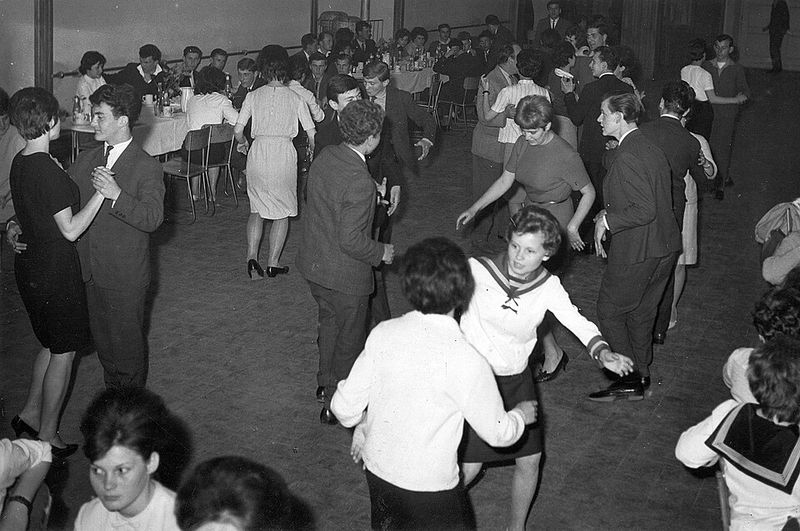
Gesture met groove when the Hitchhike cued the room with a single thumb. Inspired by Marvin Gaye’s 1963 Hitch Hike, it paired directional pointing and hitching motions with simple traveling steps that fit Motown’s polished beats.
Detroit’s musical engine gave it credibility, and by 1967 it felt like shared language on school floors nationwide.
Teens copied combinations from TV, then personalized them with claps or short turns. Prom bands appreciated its clarity, since a bright drum pattern and ringing guitar set dancers in motion without instruction.
The choreography remained tidy, making photos and supervision straightforward.
Culturally, the Hitchhike illustrates how radio hits converted into body cues that teens recognized instantly. It also showed the strength of Motown’s crossover appeal among diverse student bodies.
The dance asked for confidence yet avoided showboating, a balance that suited formal nights. When DJs dropped Marvin Gaye or a similar track, you could scan the floor and watch dozens of thumbs point like directional arrows, guiding the crowd together.
8. The Shake
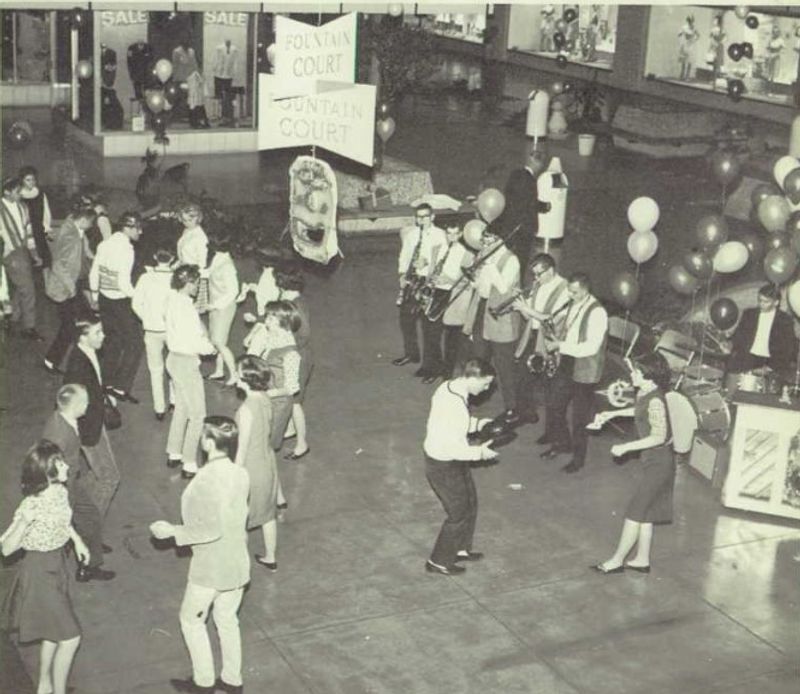
Energy took center stage when the Shake arrived with go-go confidence. It emphasized full body movement, rapid vibrations, and confident stance, often backed by fuzzed guitar and crisp snares.
By 1967, even conservative schools encountered it through TV variety segments and teen nightclubs, where it balanced spontaneity with recognizable pulses.
DJs leaned on tracks with steady drive rather than complex breaks, keeping the room accessible. Students swapped tips like keeping feet grounded to control balance in formal shoes, a practical adaptation for prom settings.
The Shake also paired well with short bursts, allowing groups to rotate partners quickly.
Its importance lies in how it normalized bigger motion without close contact. Chaperones could scan the floor easily, while teens enjoyed the catharsis of vigorous movement within clear boundaries.
Photographers captured lively frames without losing faces to spins. In a decade that valued personal expression wrapped in pop formats, the Shake delivered an uncomplicated outlet that still looked contemporary under school lights.
9. The Boogaloo
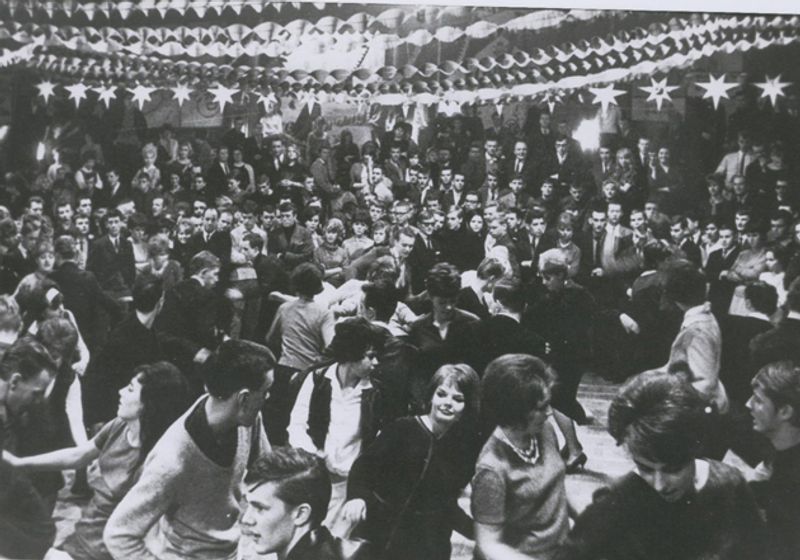
Rhythm literacy set the Boogaloo apart from simpler crazes. Chicago teenagers picked up versions that drew from R&B, Latin soul, and neighborhood party styles, blending knee bends, quick shuffles, and subtle hip rolls.
By 1967, it served as a skill marker, signaling practice time beyond homeroom tutorials.
Records by artists in the broader boogaloo wave, including Latin soul bands, influenced how steps felt in the body. Prom bands experimented with horn lines that framed short breaks, letting dancers show accents without floor acrobatics.
Students compared variations, trading knee drops and arm scoops like collectors swapping cards.
Because the Boogaloo rewarded groove more than spectacle, it stayed approachable for mixed crowds. It was also modular, folding into other steps when tempos shifted.
That adaptability mattered during long sets where pacing counted. On a decorated gym floor, the Boogaloo turned shared musical knowledge into movement, linking Chicago’s local sensibility to a national night of celebration.
10. The Funky Chicken
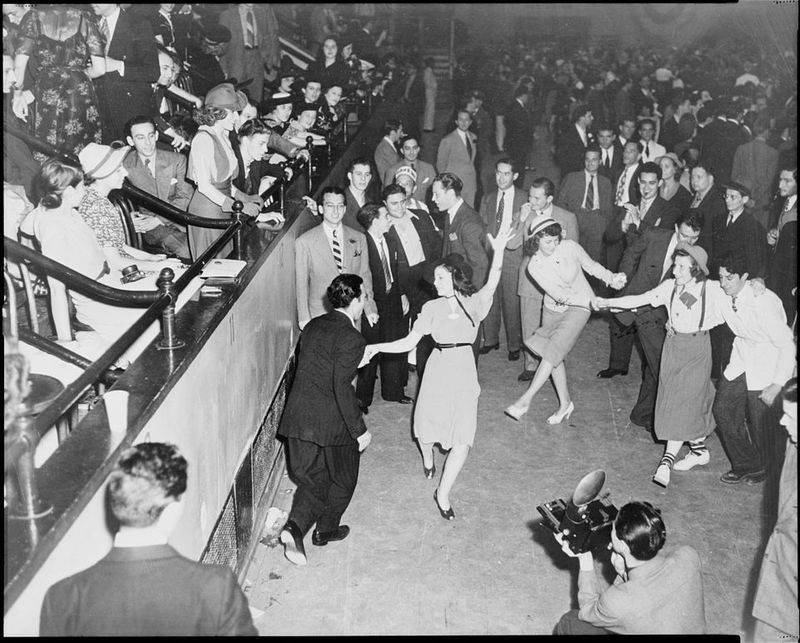
Humor and timing found common ground when the Funky Chicken strutted into school gyms. Linked to Rufus Thomas’s playful performance style and Southern party circuits, it mixed bent knee pulses, arm pecks, and comedic accents that rewarded personality.
By 1967, students from Florida to the Midwest recognized it from radio chatter and touring acts.
Proms used it as a palate cleanser between formal slow dances and tightly arranged band numbers. The moves did not require contact, so mixed friend groups could jump in without awkward introductions.
Teachers accepted the silliness because formations stayed simple and the steps respected personal space.
Historically, the Funky Chicken highlights how novelty infused the decade’s dance vocabulary without stripping away musicianship. Dancers still followed the beat precisely, proving that comedy and control can coexist on polished floors.
Photos from these moments show cheerful snapshots that balanced ritual with spontaneity. It was an all purpose crowd warmer, recognizable in seconds and retired just as fast when the next groove landed.
11. The Loco-Motion
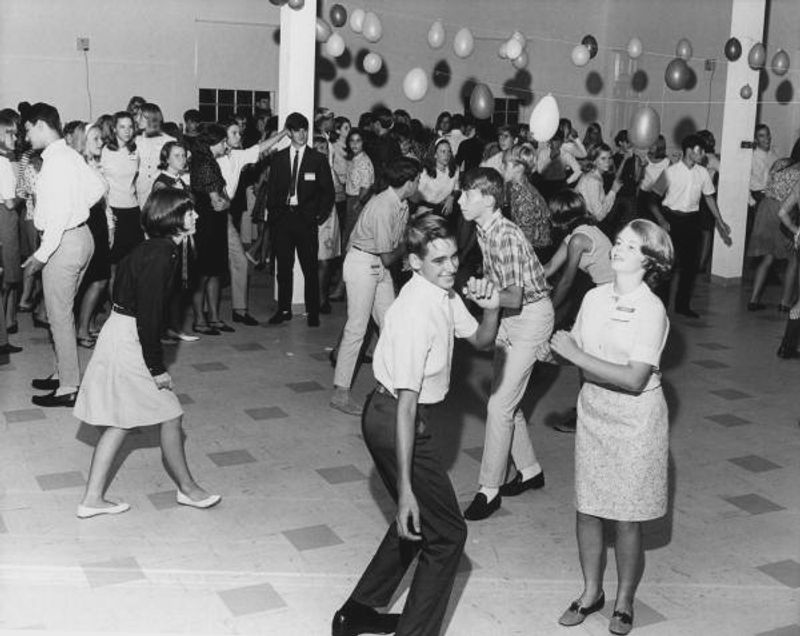
Line structure met pop efficiency when the Loco-Motion rolled through gymnasiums. Popularized by Little Eva’s 1962 hit, it organized dancers into a train with easy step patterns and hand placements, letting newcomers join mid song.
By 1967, its predictability made it a reliable way to restart a scattered floor.
New York’s music industry roots amplified its reach, with Brill Building songcraft giving the tune lifelong radio legs. Prom bands often covered it because the arrangement translated cleanly to live horns and rhythm sections.
Students followed a leader, which reduced hesitation and opened room for light improvisation around corners.
The Loco-Motion’s cultural value sits in how it blended individual fun with group coordination. It supported photos, announcements, and ceremonial moments because the formation could compress or stretch quickly.
When the beat kicked, teens locked steps, smiled for cameras, and coasted through the chorus. The dance turned a formal evening into a cooperative exercise that still respected personal comfort.
12. The Skate
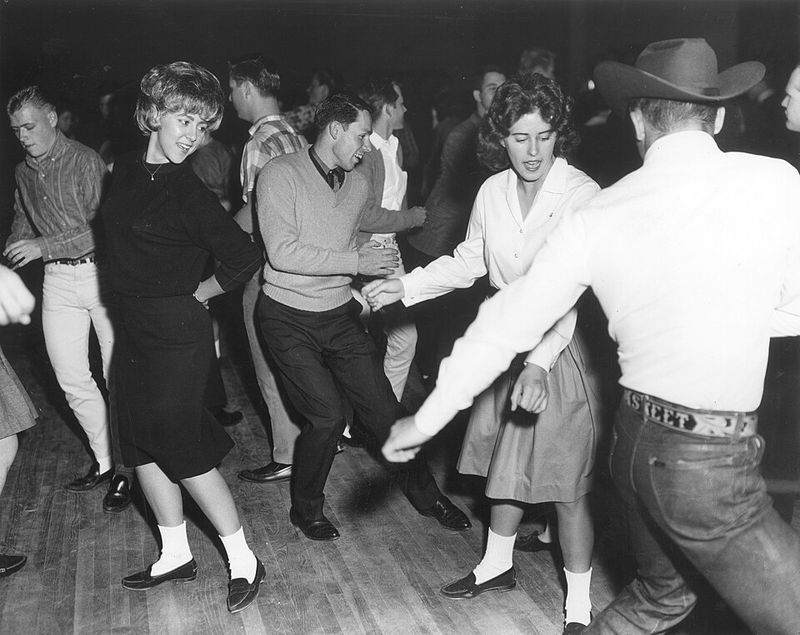
Glide before you stride was the unspoken motto when the Skate hit the playlist. Borrowing smooth rolling motions from skating rinks, it translated wheels into weight shifts, arm circles, and traveling grooves.
Los Angeles dance floors loved its cinematic elegance, and by 1967 the step offered a cool-down option that still looked stylish.
BPMs on the slower side worked best, letting dancers stretch phrases and coordinate arm sweeps. Partners often moved side by side, matching trajectories without tight holds, which protected formal outfits.
Bands emphasized bass lines and steady hi hats to keep travel predictable on crowded gym floors.
The Skate’s impact lies in how it bridged social dance and casual sport culture. It rewarded flow control, posture, and awareness, soft skills that photographs captured as confidence.
When a prom night needed to reset after high energy numbers, the Skate provided continuity without draining momentum. You glided, reset, and prepared for the next uptempo wave.



