 Unearth The Voyage
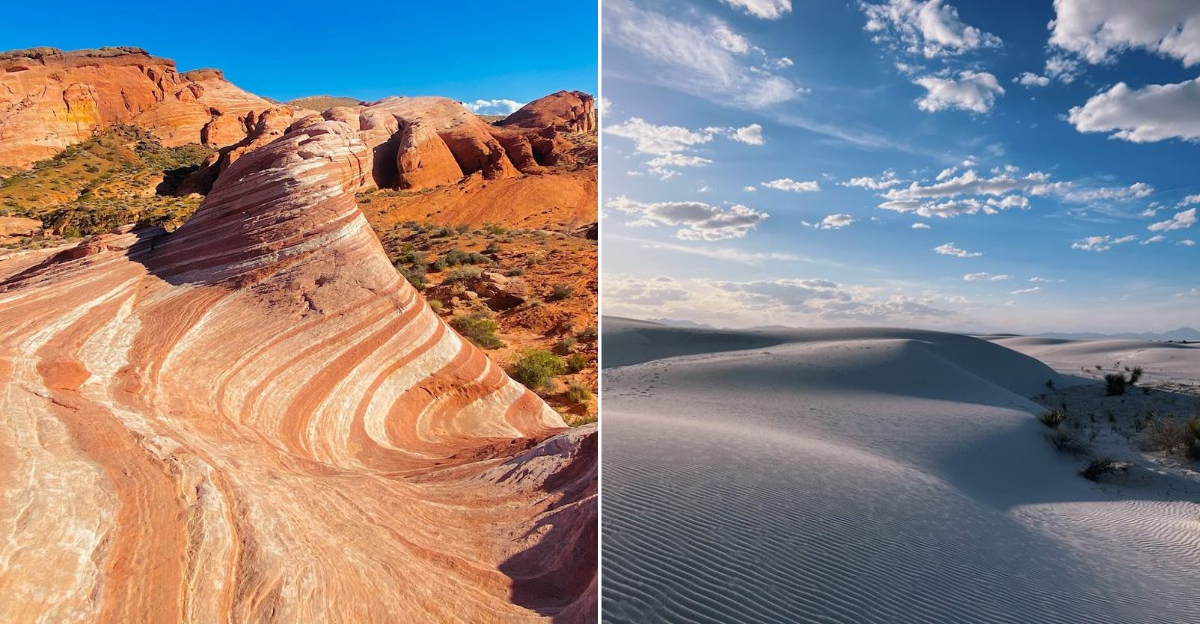
The American desert is not just sand and heat. From glowing red rock formations to dunes that look like snow, the USA’s desert landscapes are some of the most jaw-dropping places on the planet.
I took my first desert road trip expecting dusty emptiness and came back completely hooked. Whether you love hiking, stargazing, or just pulling over to stare at something unbelievably beautiful, these 12 spots will blow your mind.
Death Valley National Park, CA/NV
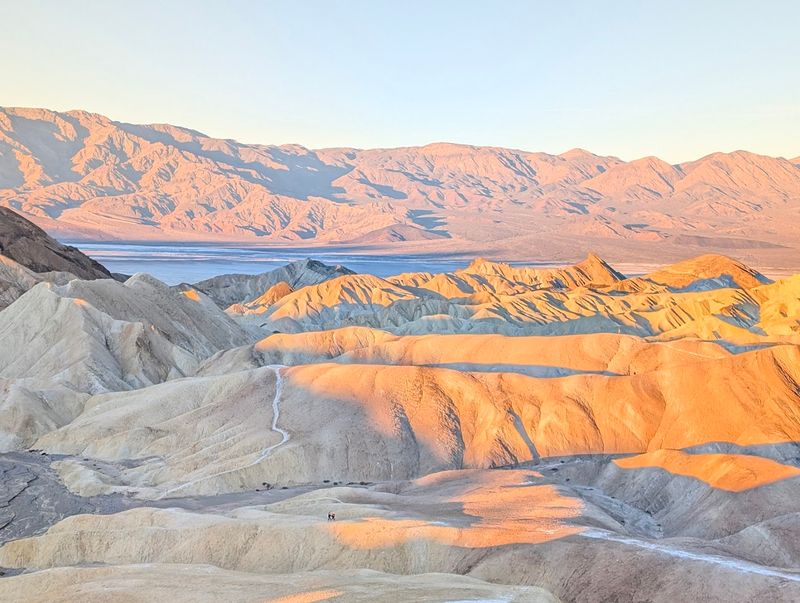
At 282 feet below sea level, Badwater Basin holds the record for the lowest point in North America. That alone is worth the trip.
The salt flats stretch out in every direction, forming geometric white patterns that look almost alien. First time I stood there, I genuinely forgot to take a photo because my brain was too busy processing it all.
Dante’s View is a must-add to your itinerary. From up there, you can see the full scale of the valley below, and it puts everything into perspective fast.
The contrast between the peaks and the basin floor is genuinely hard to wrap your head around.
Timing matters a lot here. Sunrise and sunset are the golden windows for visiting.
Midday heat and glare can hit hard, so plan accordingly. Bring more water than you think you need, because Death Valley does not bluff.
White Sands National Park, NM
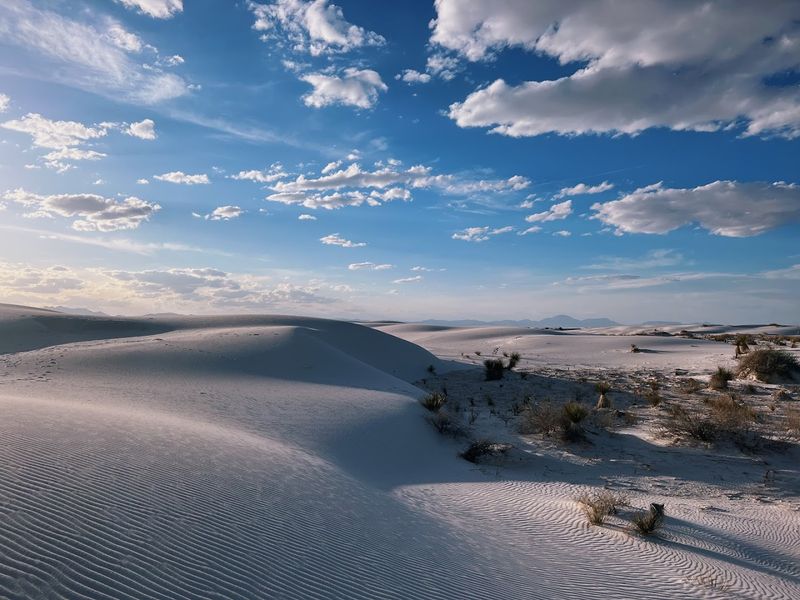
White Sands is not your average beach. These dunes are made of gypsum, a mineral so rare in sand form that this 275-square-mile dunefield is the largest of its kind on Earth.
The dunes glow bright white under the sun, and at sunset they shift through shades of pink, orange, and gold in a way that feels almost theatrical.
Sunset here is the headliner, not just a bonus. The color transitions happen fast, so stake out a good spot early and stay put.
Locals and rangers alike will tell you the same thing: do not rush it.
One practical note worth keeping in mind. Bring eye protection on windy days, because gypsum particles are fine and they get into everything.
Sunglasses, a buff, and closed-toe shoes will save you a lot of grief. The park also offers sled rentals, which is exactly as fun as it sounds.
Antelope Canyon (Navajo Nation), AZ
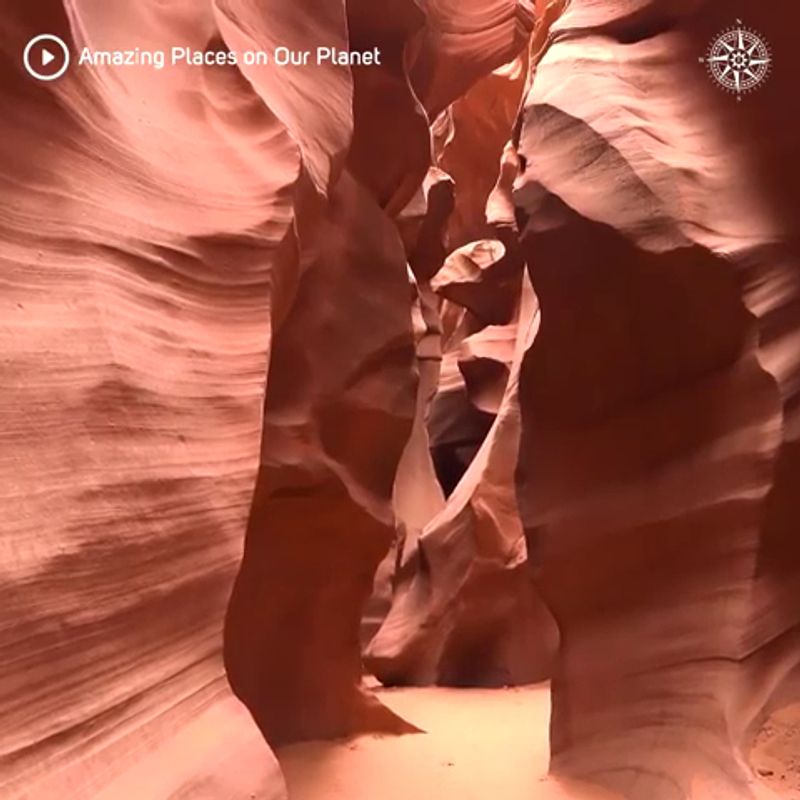
Antelope Canyon is basically a sandstone sculpture that took millions of years to carve, and it shows. The walls twist and curve in waves of orange, red, and purple that shift color depending on where you stand.
Light beams drop through the narrow openings above at midday, and on the right day, they look like something out of a fantasy film.
You cannot visit without a guided tour, which is a good thing. Navajo guides know this canyon inside and out, and their knowledge adds real depth to the experience.
Plus, they know exactly where to stand for the best shots.
Book your slot early, especially for midday tours during peak season. Those fill up weeks in advance.
Upper and Lower Antelope Canyon both have their own vibe, so if you have time, doing both is not overkill. It is honestly just smart planning.
Monument Valley Navajo Tribal Park (Navajo Nation), AZ/UT
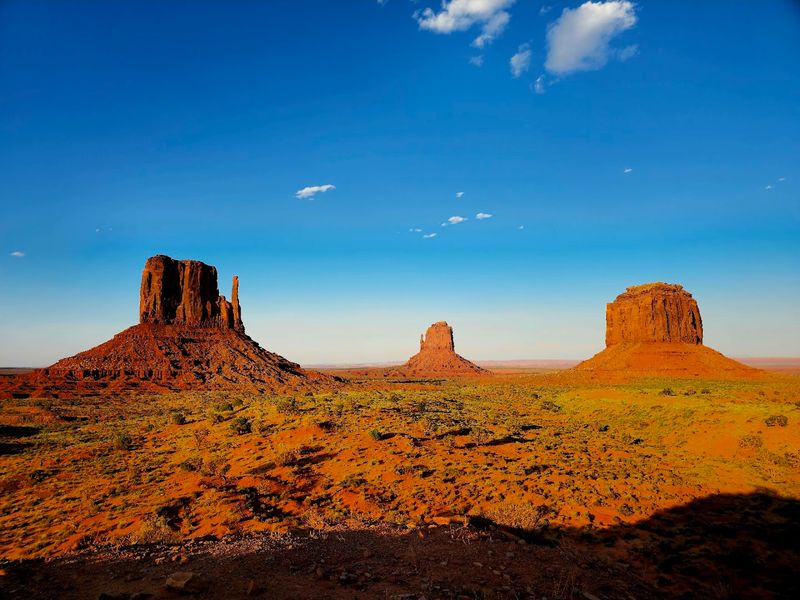
Few places on Earth have appeared in more movies, ads, and road trip fantasies than Monument Valley. Those towering red sandstone buttes rising from a flat desert floor are genuinely as impressive in person as they look on screen.
Sunrise hits them with warm light and long shadows that make the whole scene feel cinematic without any filter needed.
The valley sits within the Navajo Nation, so visiting respectfully matters. Many visitors drive the scenic valley road, which winds past the most iconic formations.
Navajo-led tours are available and offer a richer, more layered experience than driving solo.
Always check road conditions before heading out, especially after rain. The dirt roads can get rough.
Arriving before sunrise means you get the best light and fewer cars in your shots. I have seen photos from here a hundred times, but nothing quite prepared me for how big it actually feels in person.
Joshua Tree National Park, CA
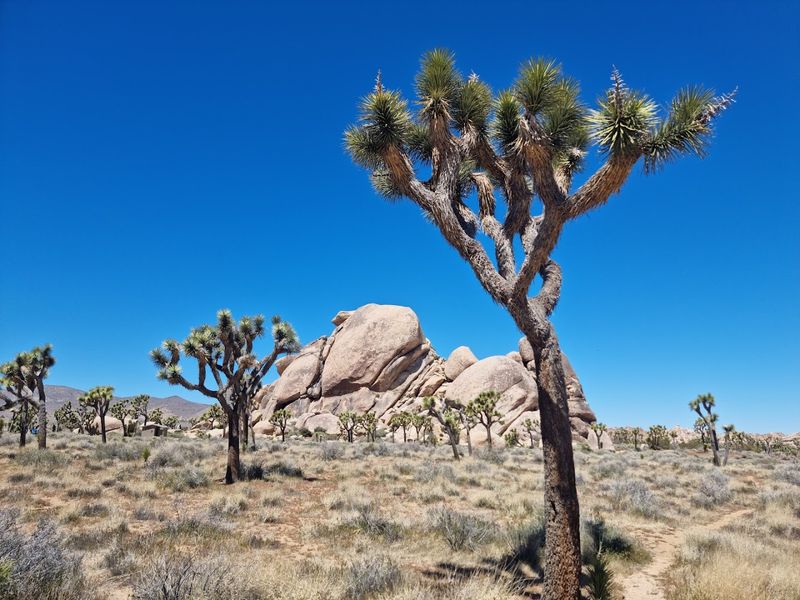
Joshua Tree is the only place in the world where two desert ecosystems collide in one park. The Mojave brings its signature Joshua trees, those wonderfully weird, spiky giants that look like they were designed by a kid with a crayon.
The Colorado Desert side is lower and hotter, with different plants and a wilder, more open feel.
After dark is when Joshua Tree becomes something else entirely. The park sits in a dark sky zone, meaning the Milky Way shows up on clear nights in full, spectacular detail.
I once stayed until 2 a.m. just lying on a boulder watching the stars move. Zero regrets.
Crowds spike from October through May, so arriving early is not optional, it is essential. Parking at popular trailheads fills by 8 a.m. on weekends.
Bring your own water, as the park has very limited water sources. The boulders are also a big hit with climbers of all skill levels.
Saguaro National Park, AZ
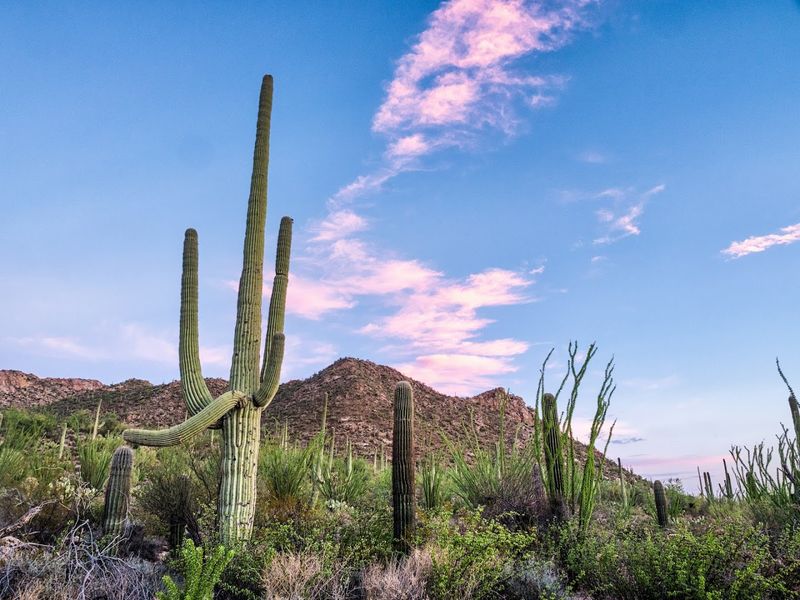
The saguaro cactus grows only in the Sonoran Desert, and it is an absolute character. Some of these giants live for 150 years and do not even grow their first arm until they are 75.
Saguaro National Park, split into two districts flanking Tucson, protects thousands of them in their natural habitat.
Sunset here is practically a local sport. The cactus silhouettes against a blazing Arizona sky are the kind of image that gets printed on every postcard in the state.
The East district offers excellent ridge hikes with panoramic views, while the West district has a great scenic loop drive.
Spring visits are particularly rewarding. Saguaros bloom in May and June, producing white flowers at their tips that attract bats, birds, and bees.
Cooler months from November through March are ideal for longer hikes without the punishing midday heat. Tucson itself is a great base with excellent food and a lively arts scene nearby.
Big Bend National Park, TX
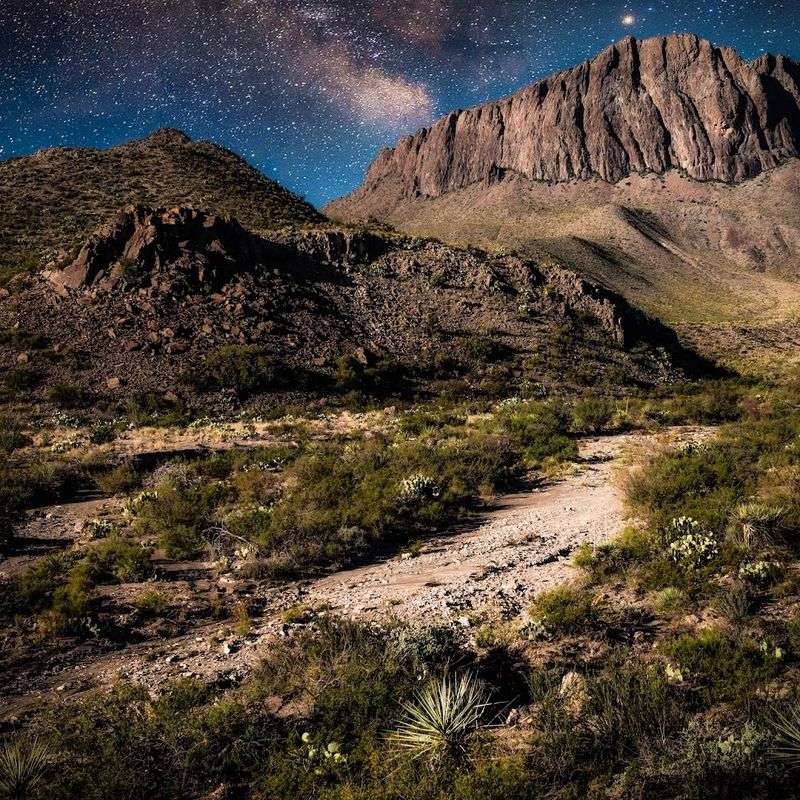
Big Bend is one of the least-visited national parks in the lower 48, and that is exactly its superpower. Out here, the nearest town is hours away, and the silence is the kind you actually notice.
The Rio Grande cuts dramatic canyons through the park, and the Chisos Mountains rise unexpectedly from the desert floor like a surprise plot twist.
Stargazing at Big Bend is world-class. The park has some of the darkest skies in the continental United States, certified by the International Dark-Sky Association.
On a moonless night, the Milky Way is not just visible, it is overwhelming in the best possible way.
Fuel up before entering. Services inside the park are extremely limited, and the distances between points of interest are significant.
Carry extra water, a paper map, and a solid playlist. The park rewards those who come prepared and take their time.
Rushing Big Bend misses the entire point of being there.
Great Sand Dunes National Park & Preserve, CO
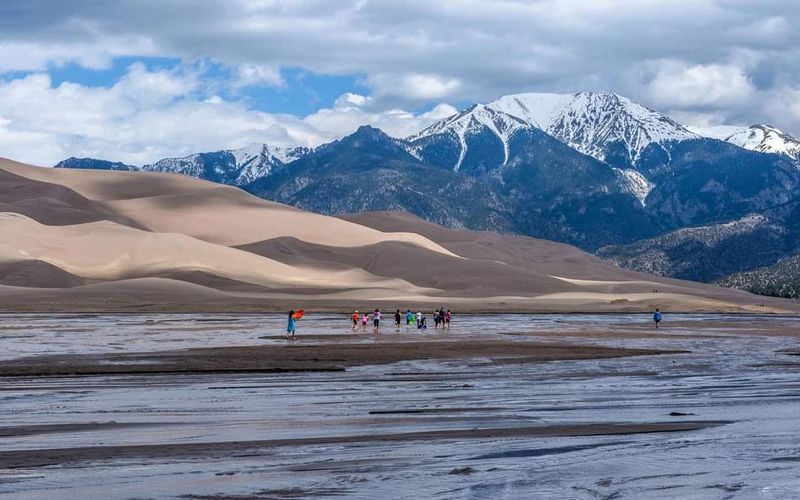
Colorado is not the first state that comes to mind when someone says sand dunes, which makes Great Sand Dunes one of the country’s best surprises. These dunes are the tallest in North America, topping out at over 750 feet.
They sit at the base of the Sangre de Cristo Mountains, which creates one of the most unexpectedly dramatic backdrops you will ever see.
Medano Creek runs along the dune base seasonally, usually in late spring. Kids absolutely lose their minds wading through it while the dunes loom behind them.
Adults do too, honestly. It is a genuinely strange and joyful combination.
Sand temperature at midday can exceed 150 degrees Fahrenheit on the surface, so morning and evening visits are not just recommended, they are smart survival strategy. A moonless night here for stargazing rivals anything in the Southwest.
Pack sandboard rentals into your plans if you want to make the climb back down a lot more fun.
Valley of Fire State Park, NV
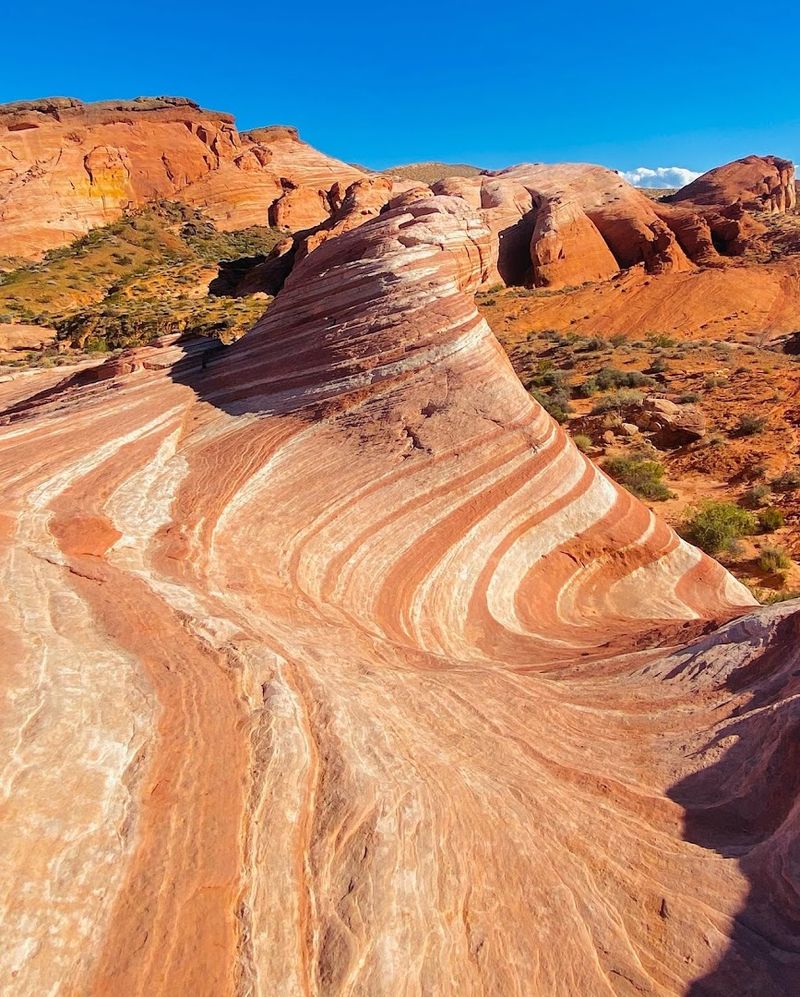
Valley of Fire gets its name honestly. The red Aztec sandstone formations here glow like embers at sunset, and the effect is so vivid it almost looks like a filter has been applied to real life.
Nevada’s oldest state park sits just an hour from Las Vegas, making it one of the most accessible dramatic landscapes in the country.
The petroglyphs scattered throughout the park are a quiet highlight. Some are over 2,000 years old, left by the Ancestral Puebloans who lived in this region long before anyone built a casino nearby.
Mouse’s Tank Trail is a short, easy hike that passes several rock art sites.
Go in the cooler months if you can. The rock absorbs and reflects heat intensely, and summer visits can feel genuinely punishing.
October through April is the sweet spot. The scenic drive through the park is worthwhile even if you never leave your car, though the short hikes are absolutely worth the effort.
Anza-Borrego Desert State Park, CA
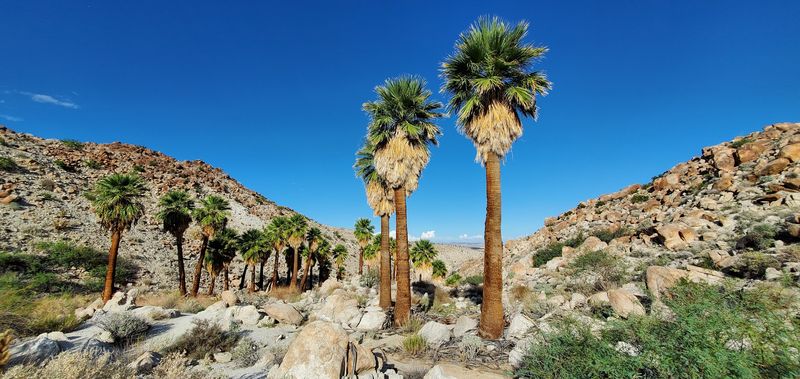
Anza-Borrego is California’s largest state park, covering over 600,000 acres of desert, slot canyons, and badlands. Most years it is a quiet, rugged escape from the coastal crowds.
But in a good rain year, it transforms into something else entirely. The wildflower superbloom here is one of nature’s most dramatic seasonal events, drawing visitors from across the country.
California State Parks tracks bloom conditions and posts regular updates, which is the only reliable way to time a flower trip. The blooms are unpredictable and vary wildly from year to year.
Showing up without checking first is a gamble, and not the fun kind.
Beyond the flowers, the park has excellent slot canyon hikes, open desert camping, and fascinating metal sculptures by artist Ricardo Breceda scattered across the land. The giant dragon and mammoth sculptures are genuinely unexpected and weirdly delightful.
Borrego Springs, the small town at the park’s center, is a certified International Dark Sky Community.
Arches National Park (Moab), UT
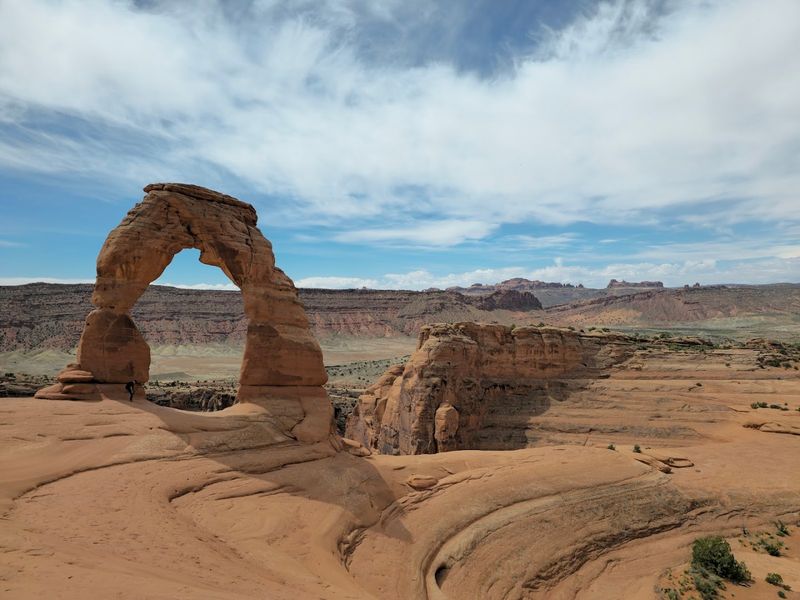
Over 2,000 natural stone arches in a single park. That number sounds made up, but Arches National Park near Moab really does pack in more natural arches than anywhere else on the planet.
From tiny windows in the rock to the iconic Delicate Arch standing 52 feet tall, the variety is staggering.
Golden hour here is not just pretty, it is transformative. The red sandstone absorbs warm light and practically radiates it back at you.
Delicate Arch at sunset is a pilgrimage that thousands make every week, and it earns every bit of the hype. The 3-mile round-trip hike to reach it is moderate and very much worth the effort.
Parking at popular trailheads fills before 8 a.m. in busy months, and the park now uses a timed entry permit system during peak season. Check the National Park Service website before your visit.
Moab itself is a great base with excellent food, gear shops, and a lively outdoor culture year-round.
Petrified Forest National Park (Painted Desert), AZ
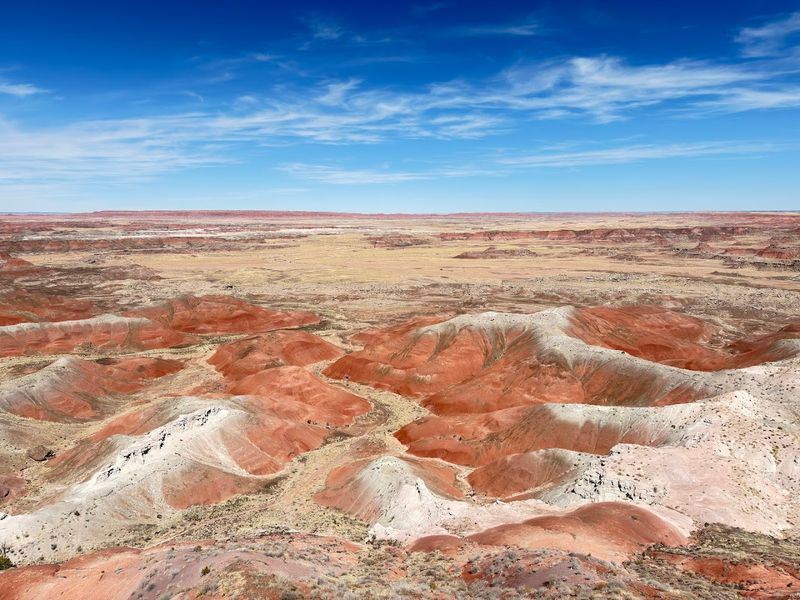
Petrified Forest is one of those parks that sneaks up on you. Most people stop for the ancient logs turned to crystal, which are genuinely fascinating.
But the Painted Desert section of the park delivers something equally special: sweeping, layered badlands in shades of red, lavender, orange, and brown that shift color as the light changes throughout the day.
The overlooks along the north section of the park road require almost no hiking and deliver some of the most dramatic desert vistas in the Southwest. Chinde Point and Tawa Point are particular standouts.
Wind is a near-constant companion here, so a light jacket earns its place in your pack even on sunny days.
The petrified wood itself is protected, so nothing leaves the park. Rangers take that rule seriously.
The park also contains over 600 documented archaeological sites, including petroglyphs at Newspaper Rock. It is a place where geology, history, and color all compete for your attention at the same time.



