 Unearth The Voyage
Rain can do something sunshine never quite manages – it can make a destination feel newly discovered. Streets glow, landscapes deepen, and the usual crowds seem to melt away just when the scenery becomes most unforgettable.
If you want trips that feel more atmospheric, more cinematic, and somehow more alive, these are the places worth seeing under gray skies. Here are 12 destinations that do not just handle rain well – they become better because of it.
1. Kyoto, Japan
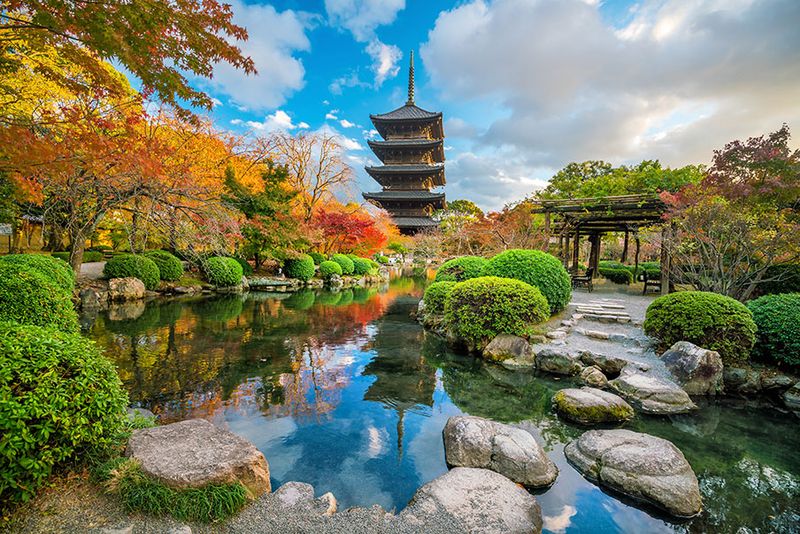
Kyoto already feels timeless, but rain gives it a softer, more mysterious kind of beauty that stays with you. Temple roofs darken, stone paths shine, and every garden seems to deepen into richer shades of green.
I would choose a drizzly day here over a bright one, especially if you want calm instead of crowds. In Arashiyama, the bamboo looks taller and more saturated, and the sound of raindrops turns the whole grove into something almost meditative.
Neighborhoods like Gion feel cinematic when lantern light flickers across wet streets and wooden facades. Even the usual tourist stops slow down, which means you can linger longer at shrines, teahouses, and tucked-away corners without feeling rushed.
If you visit Kyoto after rain, bring shoes with grip, a compact umbrella, and extra time to wander. This is when the city stops performing for visitors and reveals a quieter, more intimate version of itself.
2. Patagonia, Chile and Argentina
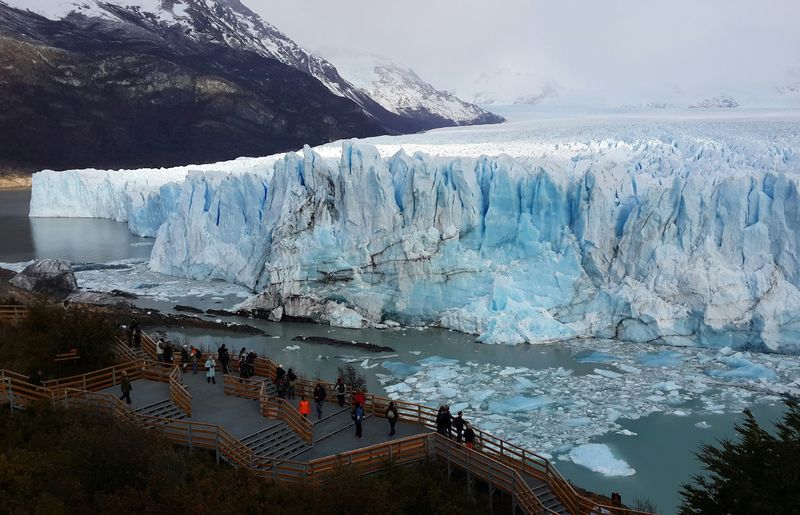
Patagonia does not become less beautiful in the rain – it becomes wilder, sharper, and more unforgettable. The mountains gather clouds like a stage set, waterfalls roar louder, and glaciers seem to shine with a cold blue intensity.
This is the kind of weather that makes the whole region feel untamed in the best way. Trails smell fresher, lakes darken into richer shades, and every viewpoint looks like it belongs in an epic adventure film rather than a travel brochure.
If you only want easy sunshine, Patagonia may test you, but that is part of its power. Rain strips away the polished version of the landscape and shows you something more honest, where wind, water, and rock all seem to compete for your attention.
I would gladly trade a clear forecast for a moody one here, especially if the reward is fewer people and louder nature. With proper layers and patience, rainy Patagonia feels raw, immersive, and completely alive.
3. Paris, France
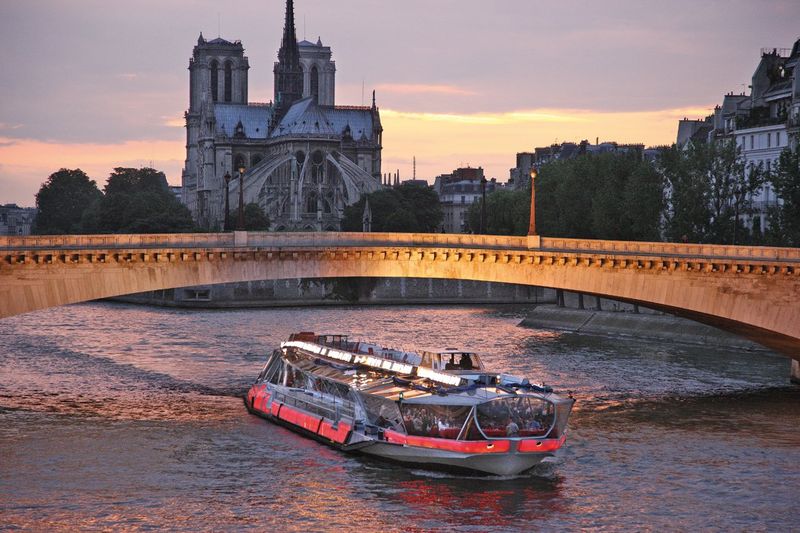
Paris in the rain has a way of making even an ordinary walk feel like a scene from a film. The pavements shine, cafe windows glow warmer, and the city suddenly seems to slow down for anyone willing to keep wandering.
Along the Seine, reflections turn bridges, streetlamps, and passing cars into blurred ribbons of gold. Instead of rushing between landmarks, you notice small details more clearly, like the sound of footsteps on wet stone or the comfort of a crowded little bistro.
I think rain suits Paris because it adds mood without taking away beauty. The Eiffel Tower disappears into mist, bookshops feel cozier, and neighborhoods like Saint-Germain or Le Marais become less about checking sights off a list and more about simply being there.
Bring a good umbrella and let the weather set the pace. When Paris is wet, glossy, and softly gray, it feels less like a fantasy sold to tourists and more like a city you can genuinely fall for.
4. Sahara Desert, Morocco
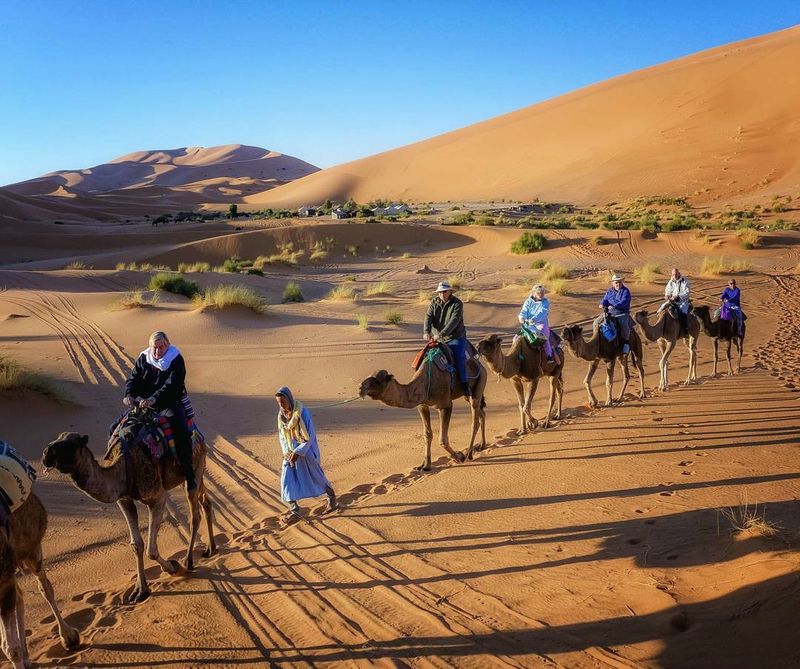
Rain in the Sahara is so rare that when it happens, the desert feels almost reborn before your eyes. The sand deepens in color, the air cools, and the usual endless dryness takes on a richer, more textured look.
This is not the Sahara most people imagine, which is exactly what makes it so remarkable. Moisture sharpens the dunes, dramatic clouds add contrast, and in some places tiny signs of life can appear where you would least expect them.
If you ever witness the desert after rainfall, you are seeing a version of it that few travelers get to experience. The silence feels heavier, the horizon looks more layered, and even familiar camel tracks become part of a landscape that suddenly seems more alive.
I would not call it lush, of course, but the transformation is powerful because it is so brief. A rainy Sahara feels like nature revealing a secret, then taking it back almost as quickly as it arrived.
5. Iceland
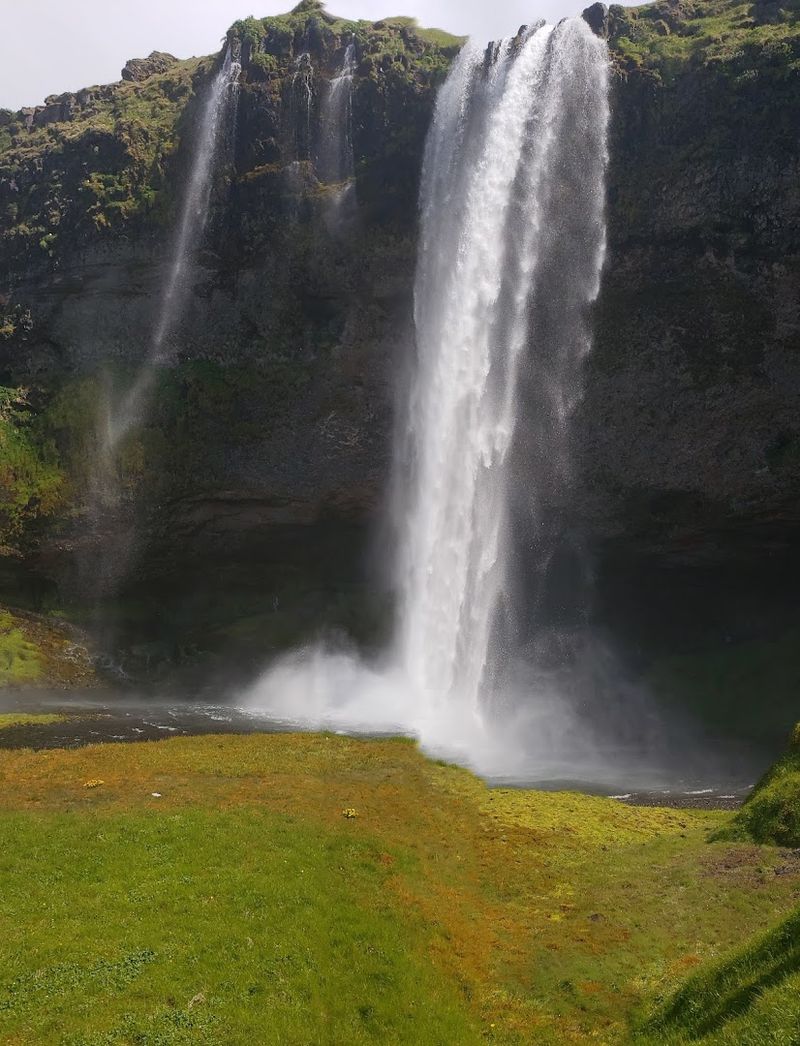
Iceland already looks like another planet, and rain somehow pushes it even further in that direction. Waterfalls thicken, black sand beaches look moodier, and the mossy lava fields seem to glow against low gray clouds.
Places like Skogafoss and Seljalandsfoss feel more powerful when the weather turns, because water is suddenly everywhere. The wind carries mist across the landscape, colors sharpen, and popular stops often feel less crowded than they do on bright summer days.
I actually think Iceland benefits from a little roughness, since perfect sunshine can make it feel almost too polished. Rain restores the drama, reminding you that this country is built on volcanoes, glaciers, and weather that changes by the minute.
You will want waterproof layers, patience, and a flexible plan, but the payoff is enormous. When Iceland is wet and brooding, every road trip stop feels bigger, wilder, and more intensely beautiful than the postcard version.
6. Santorini, Greece
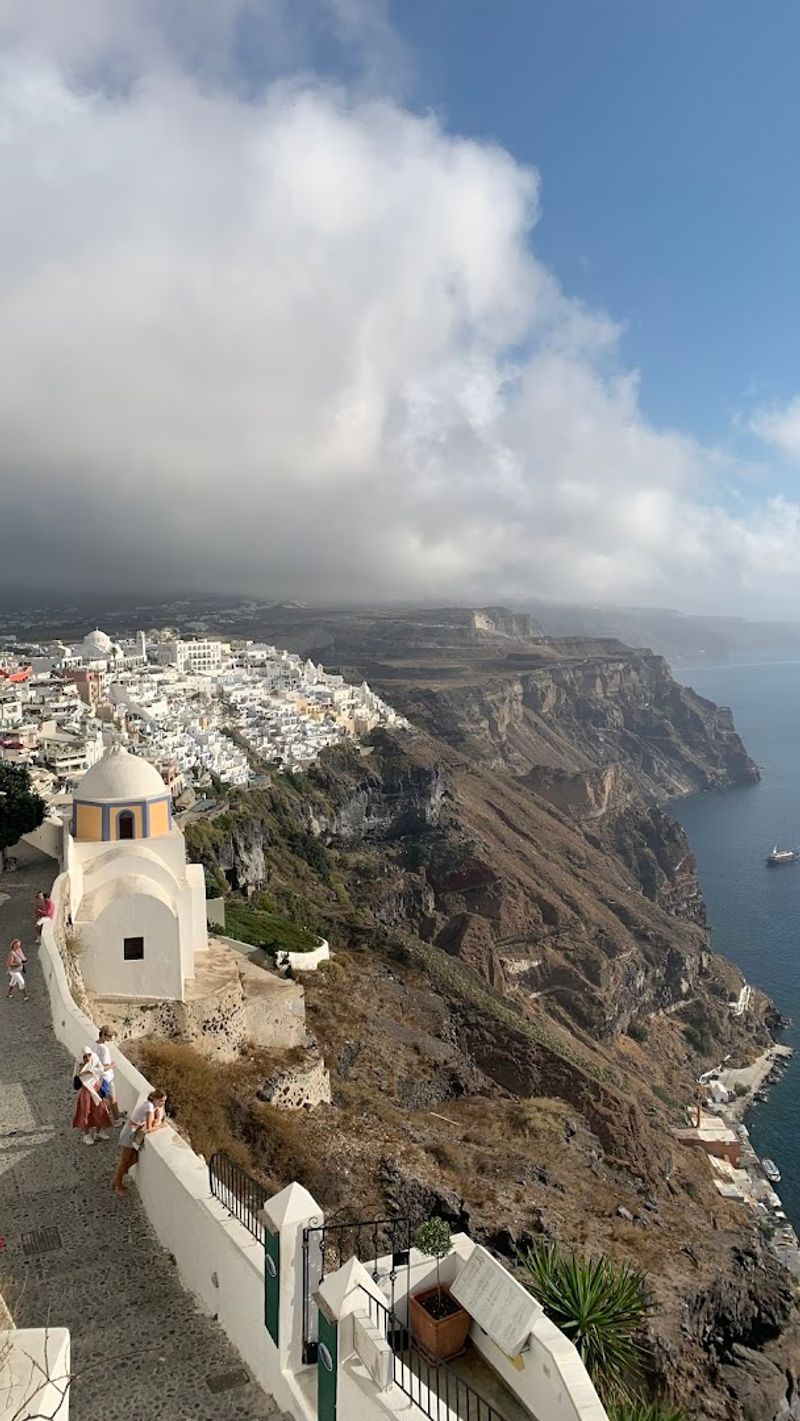
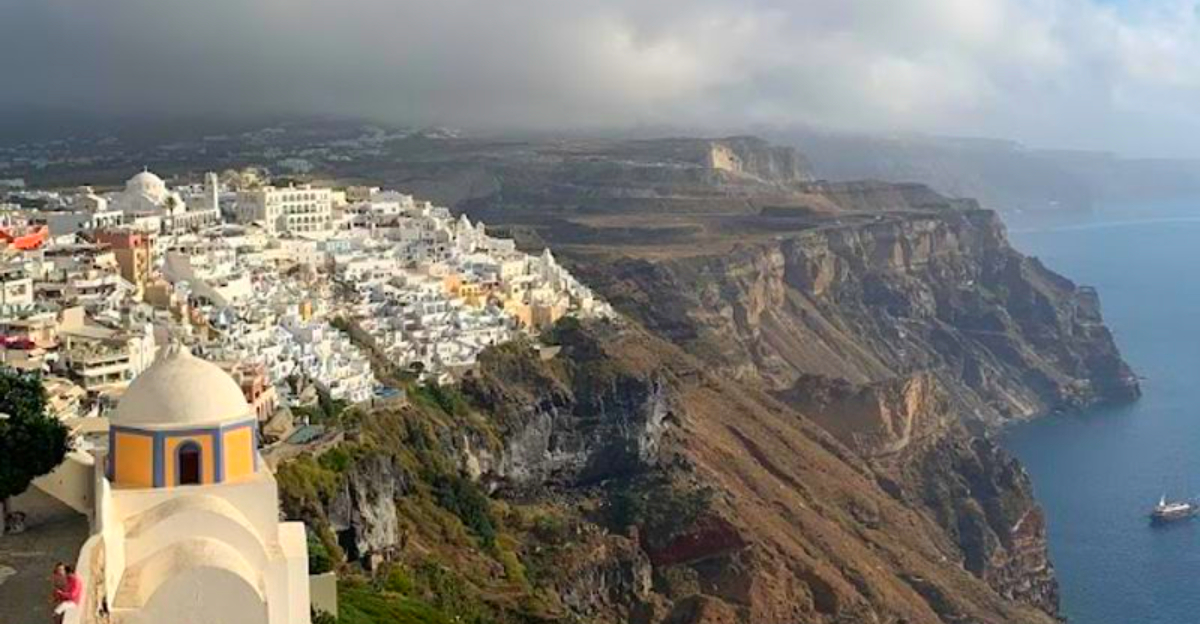
Santorini is famous for blazing sun and blue skies, which is exactly why rain feels so surprising here. When clouds roll in, the island takes on a dramatic mood that makes the whitewashed villages look even brighter.
The caldera seems larger under stormy light, and the sea shifts into deeper blues and silvery gray tones. Wet stone lanes reflect church domes and terrace lights, creating a quieter, more cinematic version of a place that can otherwise feel crowded.
This is when I would skip the rush for photo spots and settle into a cliffside cafe instead. You get uninterrupted views, cooler air, and the rare pleasure of seeing Santorini in a way many travelers never do.
Rain also softens the island’s usual intensity, making walks through Oia or Fira feel slower and more personal. If you catch Santorini in wet weather, treat it like a gift, because the island becomes moody, elegant, and unexpectedly magical.
7. Venice, Italy
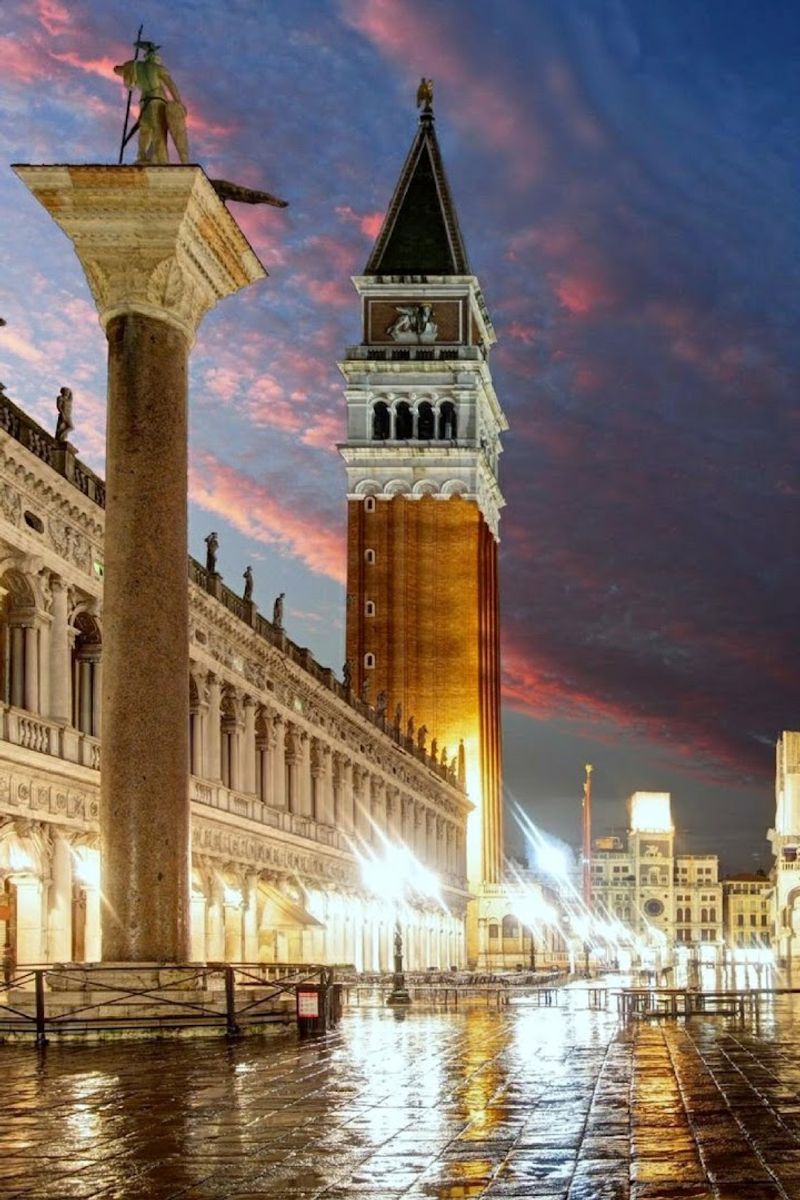
Venice feels made for reflections, so rain only enhances what is already one of its greatest strengths. The canals darken, old buildings shimmer in the water, and narrow lanes become quieter in a way that feels intimate rather than gloomy.
Instead of battling daytime crowds, you can hear footsteps, church bells, and the soft slap of water against stone. Even a simple bridge crossing becomes memorable when the city is glazed with rain and the light from windows stretches across puddles.
I know some travelers worry about wet weather here, especially with acqua alta in the conversation, but that mood is part of Venice’s identity. Rain makes the city feel more suspended in time, less like a checklist of famous sights and more like a living place balanced delicately between land and sea.
Find a covered cafe, wander without an agenda, and let the weather shape your route. In the rain, Venice becomes quieter, more reflective, and somehow even more unmistakably itself.
8. Bali, Indonesia
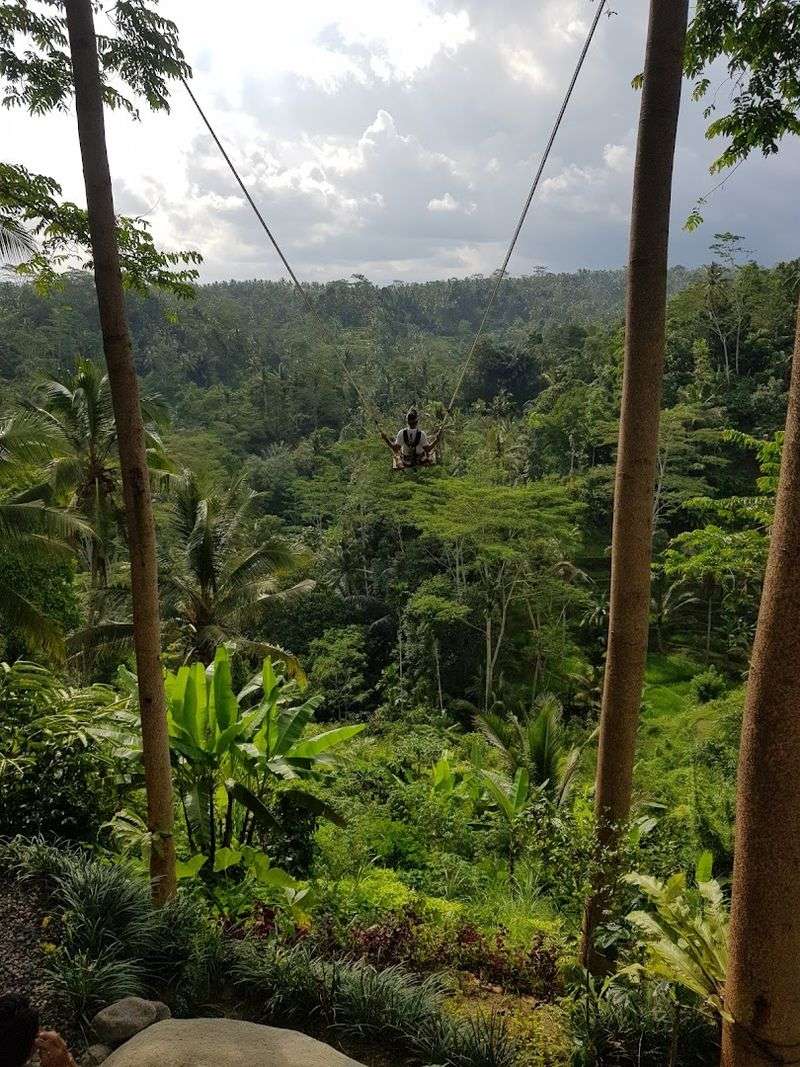
Bali in the rain looks less like a beach postcard and more like a living, breathing tropical world. The rice terraces brighten into impossible shades of green, jungle paths steam gently, and waterfalls suddenly feel louder and more powerful.
This is the side of the island that can get overlooked when dry season perfection takes all the attention. Rain makes the landscape feel fuller, fresher, and more immersive, especially in places like Ubud where every leaf seems polished and every garden looks newly awakened.
I would happily trade a few hours of sunshine for the atmosphere that comes with a tropical downpour. It gives you a great excuse to slow down in a villa, book a spa treatment, join a yoga session, or simply listen to rain hit the palms outside.
When the showers clear, the air feels cooler and the scenery looks astonishingly vibrant. Bali after rain is not just beautiful – it feels restorative, lush, and deeply connected to the natural rhythm that makes the island so compelling.
9. New York City, USA
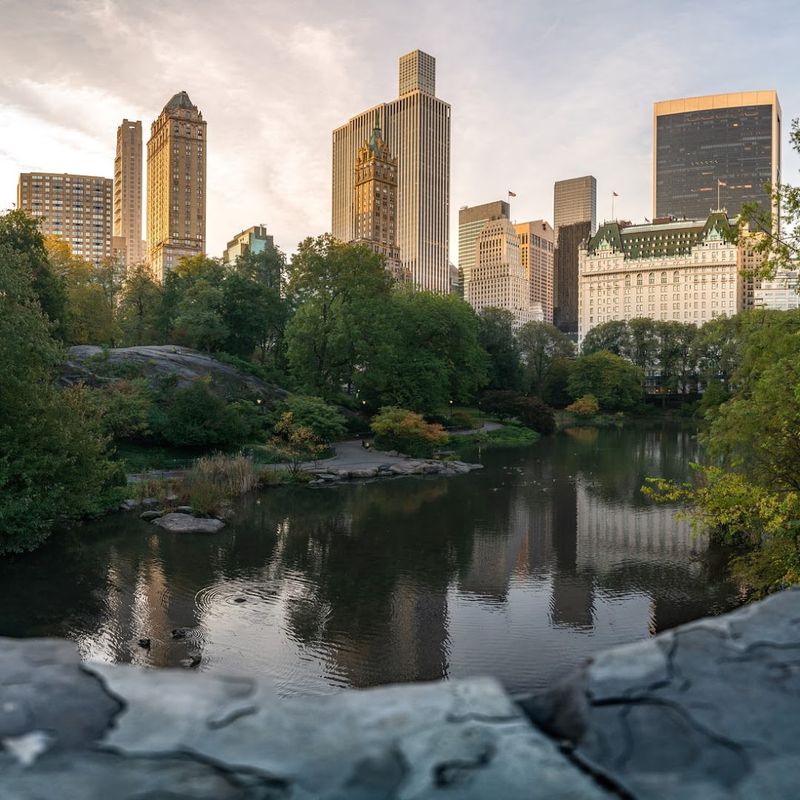
New York City in the rain has a pulse that feels sharper, glossier, and somehow more cinematic than usual. Neon signs spill across wet asphalt, taxi lights blur into reflections, and the whole city seems to hum with extra intensity.
This is the weather that makes you notice movie-scene details everywhere, from steam rising near subway grates to umbrellas moving in sync at crosswalks. Even familiar places shift mood, with Central Park turning unexpectedly calm while avenues downtown feel electric and alive.
I like rainy New York because it strips away the pressure to do everything and replaces it with atmosphere. You duck into bookstores, linger in coffee shops, watch the skyline fade into low clouds, and realize the city can be just as memorable when you slow down.
There is energy here in any forecast, but rain adds texture and contrast that sunshine cannot match. If you embrace the weather, New York feels less like a checklist of landmarks and more like a story you are moving through.
10. Scottish Highlands, Scotland
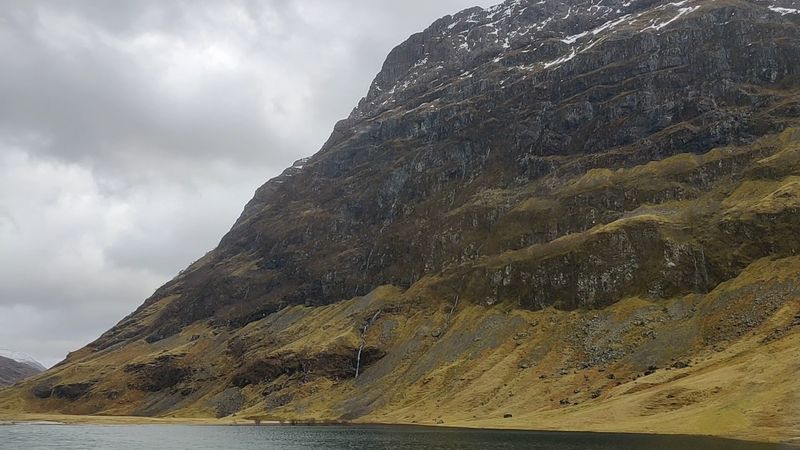
The Scottish Highlands do not need sunshine to impress you, and honestly, they may not even want it. Rain and mist are part of the character here, turning hills, lochs, and glens into something hauntingly beautiful and completely unforgettable.
Greens become deeper, the heather looks richer, and distant mountains appear and disappear behind drifting cloud. Every winding road feels more dramatic, especially when castle ruins or lonely cottages emerge through the gray like details from an old legend.
I would argue that wet weather makes the Highlands feel more authentic, not less enjoyable. You are not just looking at scenery, you are stepping into an atmosphere shaped by centuries of stories, weather, and landscapes that seem built for melancholy in the best sense.
Pack waterproof layers, stop often, and do not rush from viewpoint to viewpoint. In the rain, the Highlands are not polished or cheerful, but they are immersive, mysterious, and so deeply atmospheric that clear skies can almost feel beside the point.
11. Amazon Rainforest
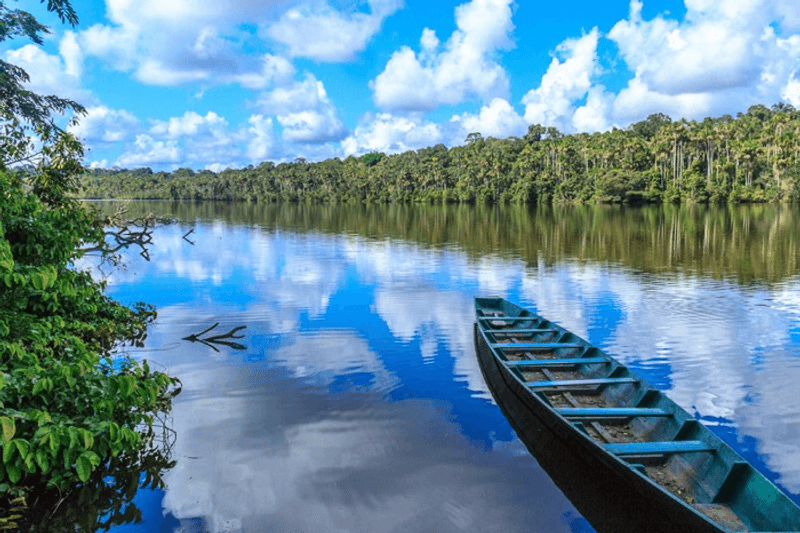
The Amazon is one of those places where rain is not an inconvenience – it is the engine of everything. When a storm moves through, rivers swell, leaves shine, sounds multiply, and the forest feels more alive than any photograph can explain.
You notice quickly that water shapes every experience here, from boat travel to wildlife movement to the heavy, rich scent of the air. Frogs call louder, birds become more active, and the jungle seems to close in around you in the most thrilling way possible.
I would not describe a rainy Amazon visit as relaxing, but that is exactly why it stays with you. It feels immersive and physical, as if the forest is reminding you that you are in a system far bigger, older, and more powerful than anything carefully curated for tourists.
Come prepared for humidity, mud, and unpredictability, and you will get something extraordinary in return. In the rain, the Amazon does not merely look beautiful – it feels dynamic, intense, and completely, overwhelmingly alive.
12. Petra, Jordan
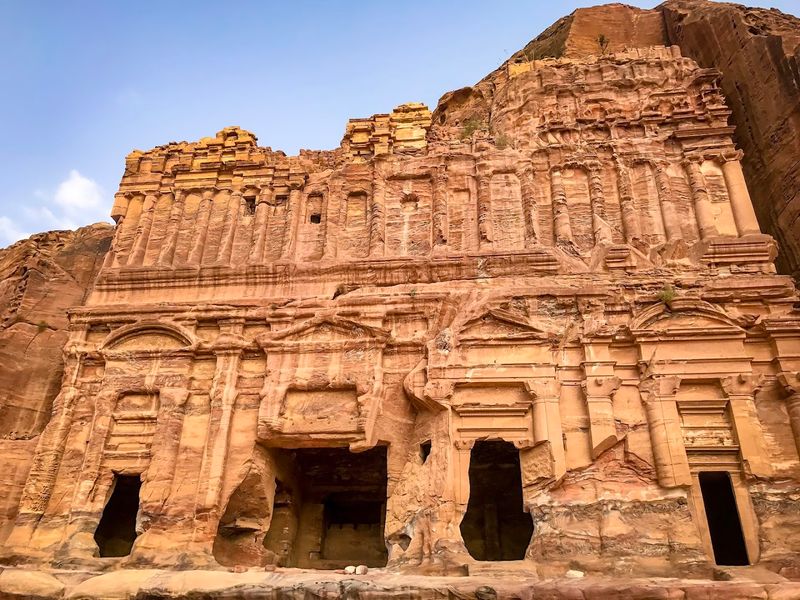
Petra is stunning in dry weather, but after rain its sandstone seems to wake up from within. Reds, oranges, and pinks deepen dramatically, and the carved facades stand out against darkened rock with a richness that feels almost unreal.
The Siq becomes especially memorable when the stone walls are damp and glowing under soft light. With fewer visitors around, the walk feels quieter, more intimate, and closer to the kind of discovery that must have defined Petra for centuries.
I think this is when the site feels most powerful, because the weather adds both color and atmosphere. Instead of a hot, busy archaeological stop, Petra becomes moody and reflective, inviting you to notice details in the rock, the pathways, and the scale of what people created here long ago.
You will want sturdy shoes and a little flexibility if showers appear, but the reward is worth it. After rain, Petra feels less like a famous landmark and more like an ancient city briefly returning to full, breathtaking life.



