 Unearth The Voyage
Getting around a city should be easy, affordable, and reliable. In Europe, many cities have built public transport systems that locals genuinely love using every day.
From automated metros to extensive tram networks, these places prove that great transit makes urban life better for everyone.
1. London, UK

A city where 86% of residents think getting around is either good or downright amazing, is London for you. The British capital topped Time Out’s European survey, proving that the iconic red buses, Underground trains, and Overground services really do work for the people who use them daily.
What makes London’s system stand out? Coverage plays a huge role.
Whether you’re heading to school in Zone 6 or meeting friends in Central London, there’s almost always a bus, Tube, or train nearby. The famous Oyster card and contactless payment make hopping on and off incredibly simple, even for visitors.
Sure, the Tube can get crowded during rush hour, and delays happen. But the sheer frequency of services means you’re rarely waiting long.
Night buses and the Night Tube also keep the city moving after dark, which is a lifesaver for shift workers and night owls alike.
Londoners have high expectations, so earning that 86% approval rating is no small feat. The city continues investing in upgrades, new lines like the Elizabeth Line, and better accessibility.
When locals themselves say it’s amazing, you know the system is doing something right.
2. Vienna, Austria

Vienna’s public transport feels less like a chore and more like a well-oiled machine that just works. Coming in second place across Europe with 84% approval in the Time Out survey, and hitting an impressive 91% satisfaction in European Commission data, Vienna clearly knows how to move people.
The secret sauce? Affordability and frequency.
Vienna offers annual passes that cost less than many cities charge for a single month. Trams glide through elegant streets, the U-Bahn whisks passengers underground, and buses fill in the gaps.
Everything runs on time, and the network covers the entire city beautifully.
Riding a Vienna tram past grand imperial buildings feels like traveling through history, but the experience is thoroughly modern. Clean stations, real-time arrival boards, and friendly staff make the journey pleasant.
Even tourists find the system easy to navigate, which says a lot about its design.
Vienna also invests heavily in sustainability, expanding its network and encouraging residents to ditch cars. The result is a city where using public transport isn’t just practical but genuinely enjoyable.
Those satisfaction scores aren’t accidental; they reflect decades of smart planning and commitment to quality service.
3. Zurich, Switzerland
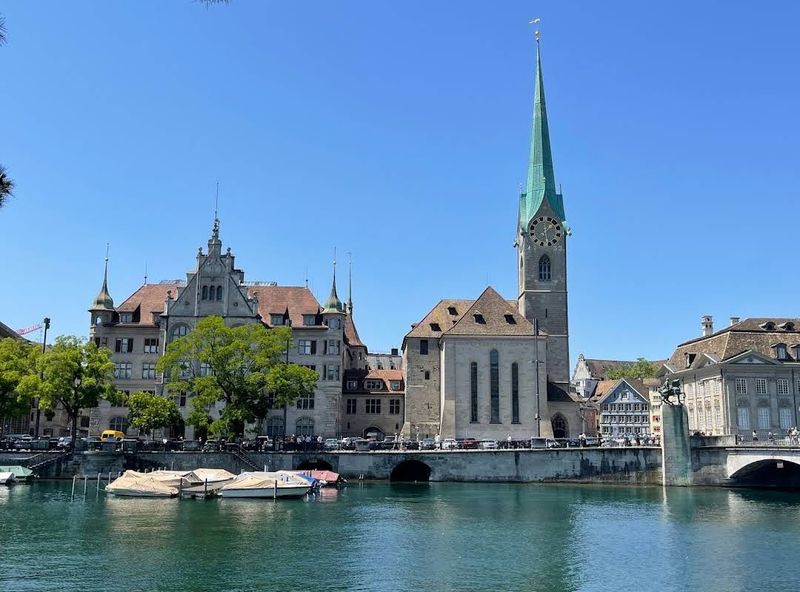
Swiss precision isn’t just for watches. Zurich’s public transport runs with clockwork reliability, earning 81% approval in Time Out’s survey and a stunning 95% satisfaction rating in European Commission-based comparisons.
That’s about as close to universal praise as public services get.
Trams, trains, buses, and even boats on Lake Zurich all work together seamlessly. The integrated ticketing system means one pass covers everything, and connections are timed so perfectly you can plan journeys down to the minute.
Miss your tram? Another one arrives in just a few minutes anyway.
Zurich’s stations are spotless, well-lit, and equipped with clear signage in multiple languages. Accessibility features help everyone get around, from parents with strollers to elderly passengers.
The Swiss take pride in maintaining high standards, and it shows in every detail.
Yes, Switzerland is expensive, but many locals consider the transport pass worth every franc. The system gets you anywhere in the city and surrounding areas quickly and comfortably.
When 95% of users are satisfied, you know the city has figured out the formula for transit excellence that other places can only dream about.
4. Oslo, Norway
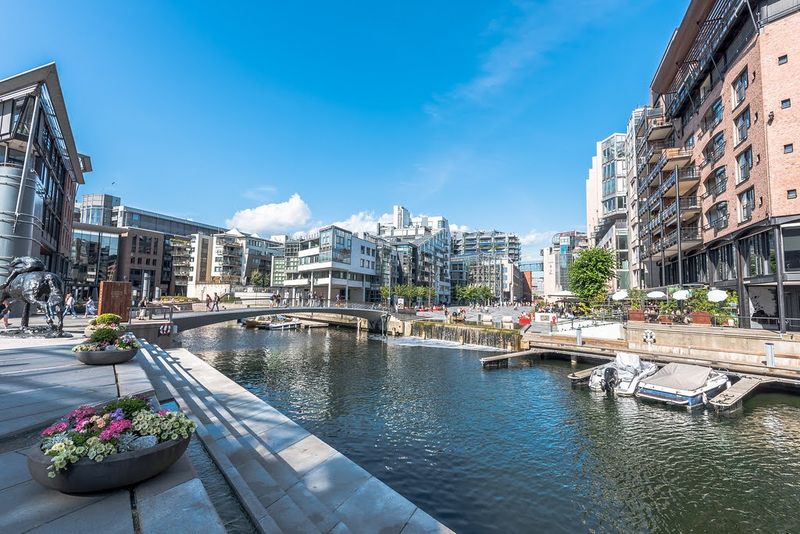
Norway’s capital doesn’t just talk about sustainability; it builds transit systems that make green living easy. Oslo earned its spot among Europe’s top performers with 79% of residents rating the public transport as good or amazing, according to Time Out’s survey.
The city combines trams, metros, buses, and ferries into one cohesive network that reaches neighborhoods, forests, and islands alike. You can ride the metro to go hiking in the hills or catch a ferry to explore the fjord, all on the same ticket.
That versatility makes Oslo’s system feel less like urban infrastructure and more like a gateway to adventure.
Oslo also prioritizes electric and low-emission vehicles, with many buses already running on renewable energy. Stations are designed with Scandinavian minimalism: functional, clean, and pleasant to wait in even during dark winter months.
Real-time information keeps passengers informed, reducing frustration.
The city continues expanding and improving routes, listening to resident feedback and adapting to changing needs. With such high approval ratings, Oslo proves that investing in quality public transport pays off in happier, healthier citizens who actually enjoy their daily commutes.
5. Edinburgh, UK
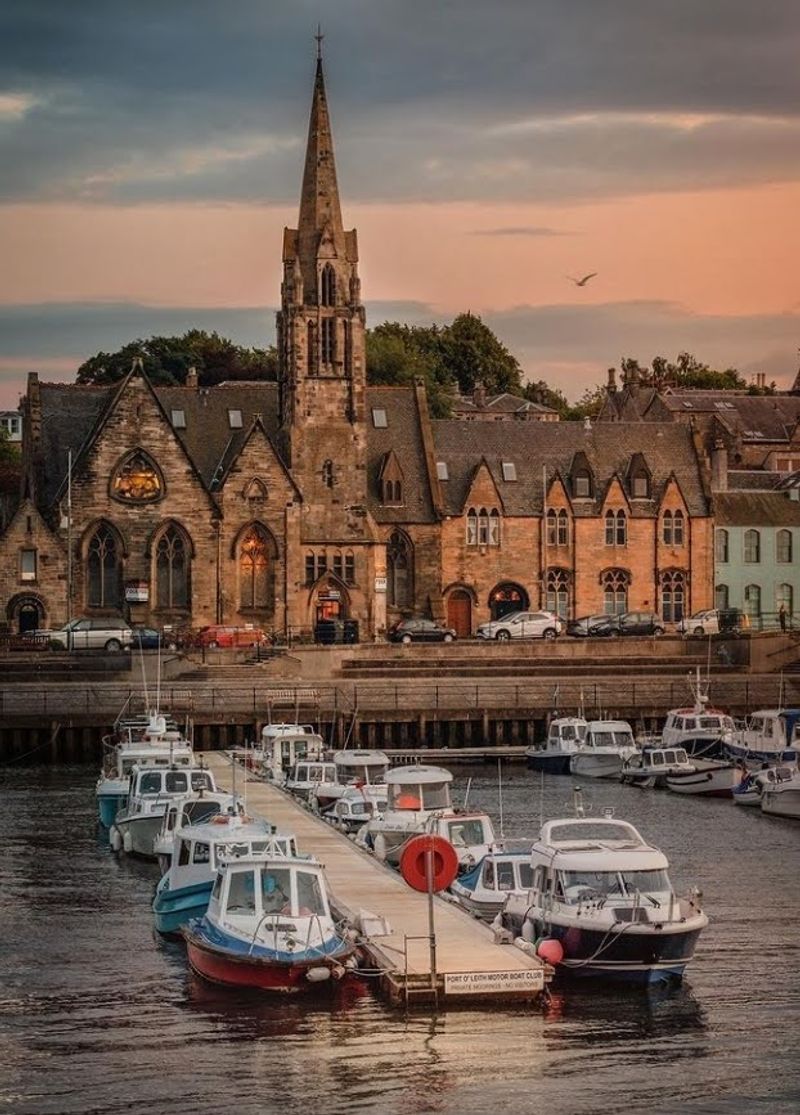
Scotland’s historic capital manages to blend old-world charm with modern transit efficiency. Edinburgh secured an 80% approval rating in Time Out’s European survey, showing that locals genuinely appreciate how the city moves people around its hilly streets and medieval alleys.
Buses dominate Edinburgh’s public transport landscape, with frequent services connecting the Old Town, New Town, and surrounding neighborhoods. The Lothian Buses network is known for being reliable and affordable, with day passes offering unlimited travel.
Trams also run from the airport through the city center, making arrivals stress-free.
Getting around during the famous Edinburgh Festival becomes much easier with solid public transport. When a million extra visitors flood the city each August, the buses keep running, getting performers and audiences to venues across town.
That reliability during peak times speaks volumes about the system’s capacity.
Edinburgh’s compact size helps, but the transit network still deserves credit for smart route planning and consistent service. The city continues investing in improvements, including expanding the tram network.
With four out of five locals rating it positively, Edinburgh shows that even smaller cities can deliver big satisfaction when they prioritize good public transport.
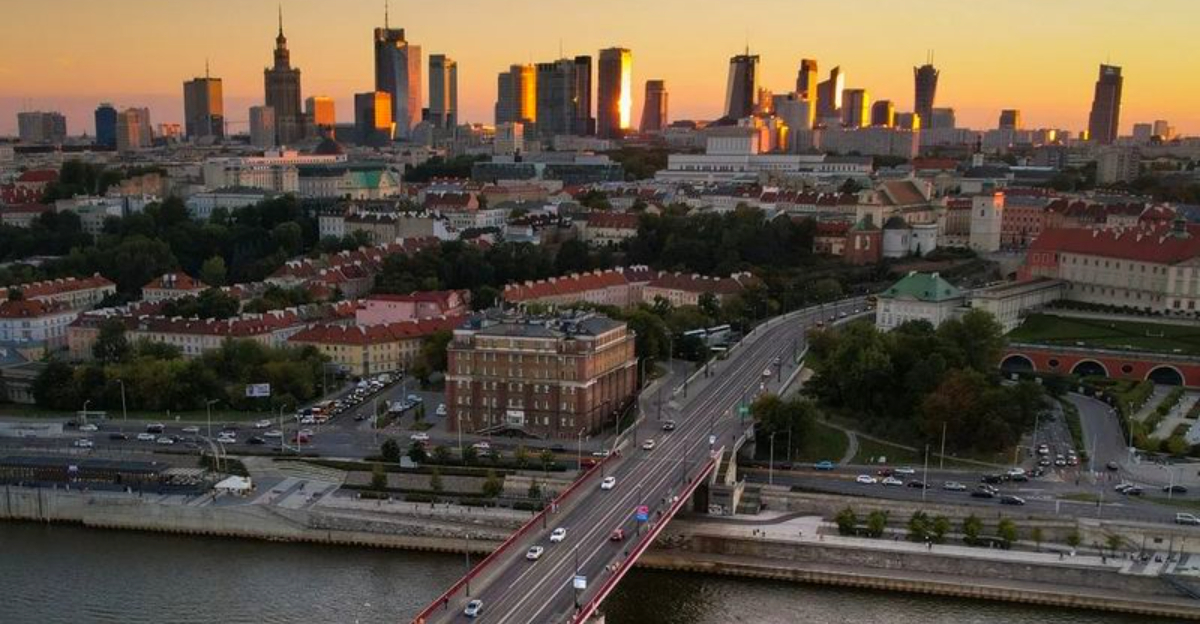
6. Warsaw, Poland
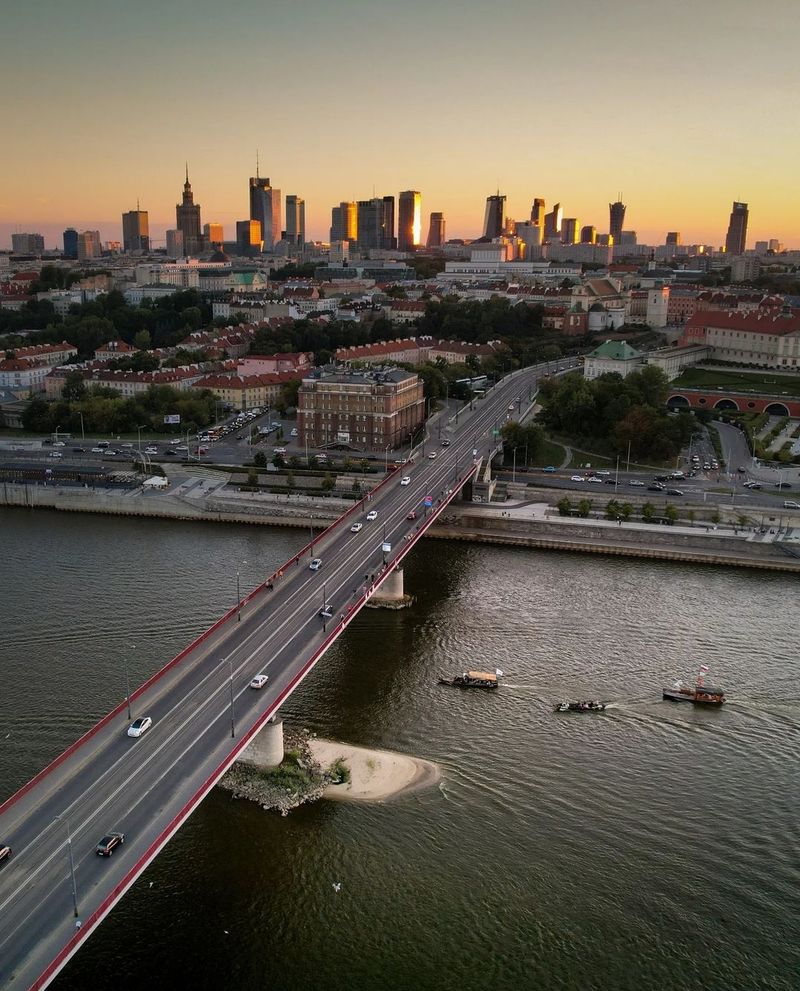
Warsaw has rebuilt itself multiple times throughout history, and today’s public transport system reflects that spirit of resilience and innovation. With 79% of locals giving it a thumbs-up in Time Out’s survey, Poland’s capital has created a network that genuinely serves its people.
The city offers an impressive mix of metro lines, trams, buses, and even commuter trains, all integrated under one ticketing system. The metro is modern, fast, and still expanding, while the extensive tram network covers areas the metro doesn’t reach yet.
Buses fill in the remaining gaps, ensuring no neighborhood gets left behind.
Warsaw’s public transport is also remarkably affordable compared to Western European cities, making it accessible to everyone from students to retirees. The system runs frequently, with night buses keeping the city connected after the metro closes.
Real-time tracking apps help passengers plan journeys efficiently.
The city keeps investing in new lines and vehicle upgrades, showing a commitment to continuous improvement. Warsaw proves that you don’t need to be the wealthiest city to deliver high satisfaction.
Smart planning, consistent service, and listening to riders’ needs can create a system that earns genuine appreciation from the people who use it every day.
7. Tallinn, Estonia
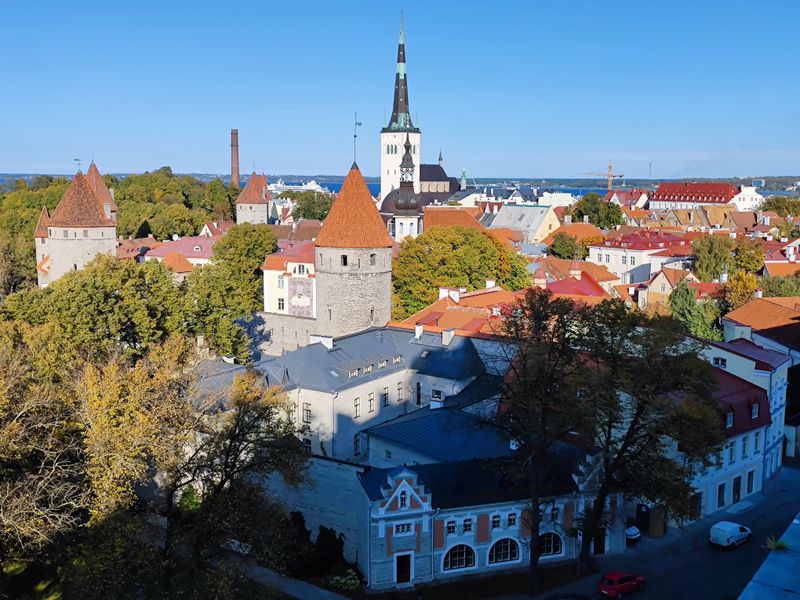
Here’s something remarkable: Tallinn offers free public transport to all registered residents. Yes, completely free.
That bold move helps explain why the Estonian capital appears on Time Out’s European list with 77% approval and tops rankings in ticket-offering studies by Greenpeace and the EU Urban Mobility Observatory.
The free-fare policy, introduced to reduce car traffic and make the city more livable, has transformed how people think about getting around. Buses, trams, and trolleybuses crisscross the compact capital, connecting the medieval Old Town with modern districts and suburban areas.
No more fumbling for change or worrying about ticket inspectors.
Tallinn’s digital-savvy approach extends beyond free fares. The city uses smart technology to track vehicles, optimize routes, and provide real-time updates through apps.
This tech-forward thinking makes the system efficient and user-friendly, especially for younger residents who expect seamless digital integration.
Critics initially worried about sustainability and crowding, but the system continues functioning well. Tallinn demonstrates that innovative policies, when properly implemented, can boost satisfaction dramatically.
Free transport removes barriers, encourages usage, and shows residents that the city values their mobility and wellbeing above ticket revenue.
8. Prague, Czechia
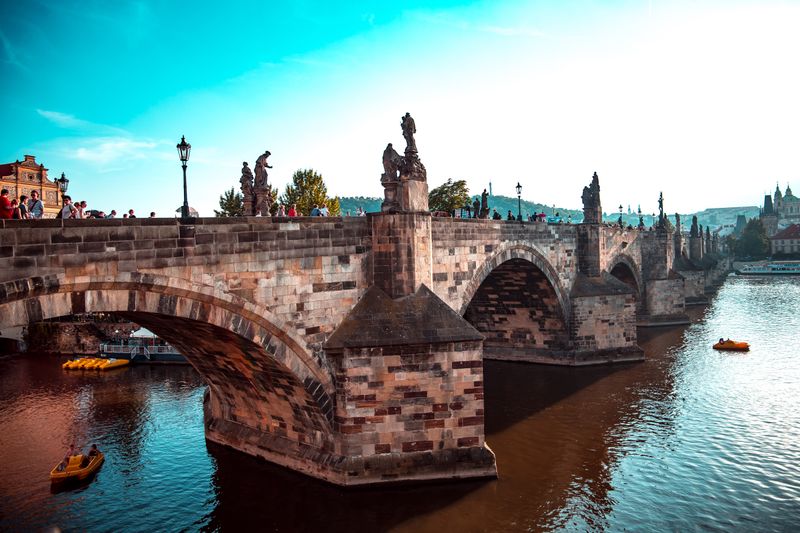
Golden spires and historic bridges might draw tourists to Prague, but locals know the real treasure is the incredibly extensive public transport network. The International Association of Public Transport (UITP) highlights Prague as having one of the most comprehensive systems relative to its population, and Greenpeace rankings confirm its excellence in ticket offerings.
Prague’s metro, tram, and bus network reaches virtually every corner of the city and beyond. The metro is fast and efficient, whisking passengers across town in minutes.
Trams rumble through picturesque neighborhoods, offering scenic rides that double as sightseeing tours. Buses connect outer districts and suburbs seamlessly.
Integration is key here. One ticket works across all modes, and transfers between metro, tram, and bus happen smoothly at well-designed hubs.
The system runs frequently from early morning until midnight, with night trams and buses continuing through the dark hours. Prices remain reasonable, with affordable monthly passes.
Prague’s commitment to maintaining and expanding its network shows in the results. The city keeps adding new routes, upgrading vehicles, and improving accessibility.
When international experts single out your transit system as exceptionally extensive, you’re clearly doing something right. Prague proves that comprehensive coverage breeds satisfied riders.
9. Budapest, Hungary
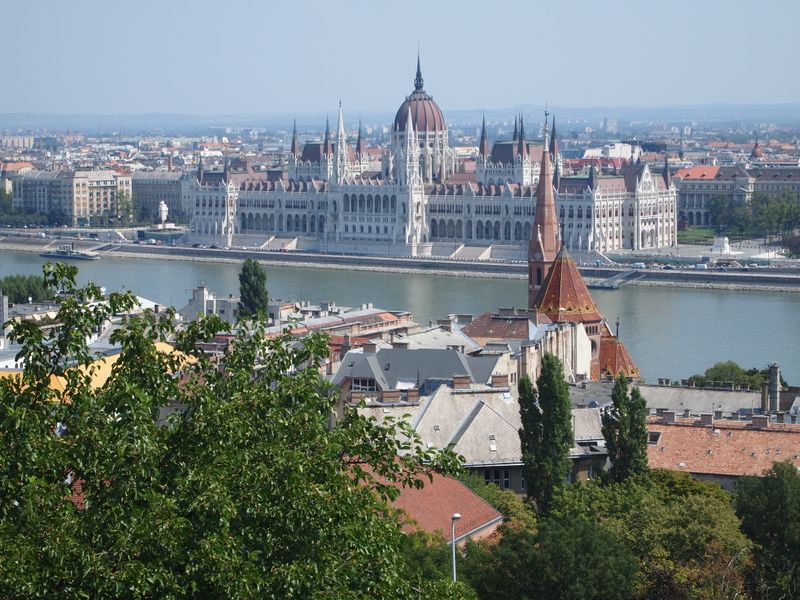
Few cities can match Budapest’s transit variety. UITP recognizes the Hungarian capital as one of the top cities offering metros, light rail, and trolleybuses all in one network.
That diversity means residents can choose the mode that best fits their journey, creating flexibility that drivers simply don’t have.
Budapest’s historic metro line, opened in 1896, was the first underground railway in continental Europe. Today it runs alongside modern metro lines, creating a network that honors history while embracing the future.
Yellow trams wind through Buda’s hills, while trolleybuses silently cruise Pest’s grand boulevards. Regular buses fill every remaining gap.
The Danube River splits the city, but public transport bridges the divide effortlessly. Frequent crossings mean getting from Buda to Pest takes minutes, not the ordeal it might be in less connected cities.
Integration across all these modes happens through unified ticketing and coordinated schedules.
Budapest also keeps prices accessible, making daily commuting affordable for average residents. The extensive network relative to population means less crowding and more convenience.
When a city offers such variety and coverage, satisfaction naturally follows. Budapest’s transit system is a point of pride, showing what’s possible when cities invest in diverse, interconnected public transport.
10. Madrid, Spain

Madrid doesn’t do anything halfway, and its public transport proves it. The Spanish capital ranks near the very top in Greenpeace’s capital-city ticket-offerings comparison, as summarized by the EU Urban Mobility Observatory.
That recognition comes from offering one of Europe’s most extensive and accessible metro networks.
The Madrid Metro is massive, with over 300 stations covering the city and surrounding municipalities. Light-filled modern stations contrast with older, charming stops that have served commuters for decades.
Trains run frequently, so even during rush hour, you’re rarely waiting more than a few minutes. The network operates late into the night, especially on weekends.
Beyond the metro, Madrid offers comprehensive bus routes, commuter trains (Cercanías), and light rail in suburban areas. Everything connects smoothly, making cross-city journeys straightforward.
A single transport card works across all systems, simplifying life for both residents and visitors navigating Spain’s bustling capital.
Madrid’s climate makes reliable public transport even more valuable. During scorching summer months, air-conditioned metros and buses provide welcome relief.
The city continues expanding and modernizing its network, adding accessibility features and new lines. High rankings in European studies confirm what locals already know: Madrid’s public transport is world-class.
11. Luxembourg City, Luxembourg
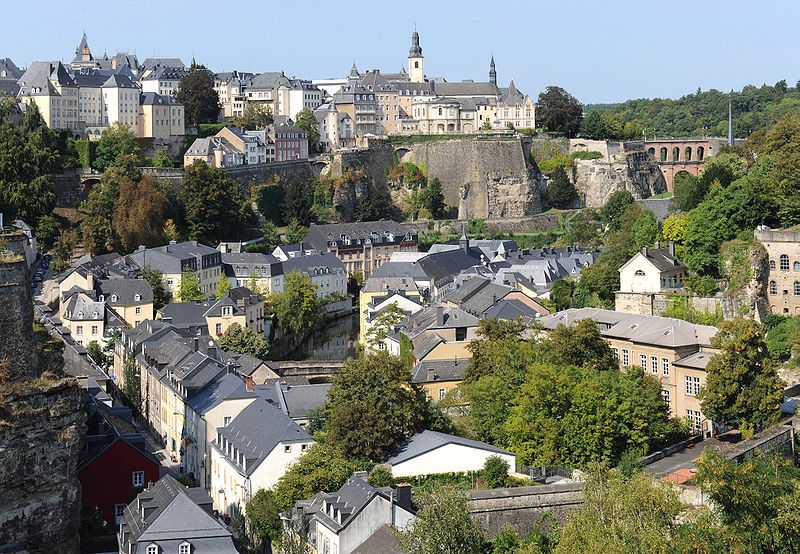
Since March 1, 2020, every bus, tram, and train in Luxembourg became completely free for everyone. Not just residents.
Not just off-peak. Everyone, all the time, standard class.
Luxembourg City ranks among the top three capitals in Greenpeace’s ticket-offerings study, and the free-fare policy is a major reason why.
This tiny nation made a giant statement by eliminating fares nationwide, becoming the first country in the world to do so. The goal?
Reduce traffic congestion, lower emissions, and make mobility a universal right rather than a purchased service. Luxembourg City benefits enormously, with buses and trams moving people throughout the capital without barriers.
The tram system, opened in 2017, is modern, sleek, and incredibly convenient. It connects major districts, the train station, and important destinations across the city.
Buses reach neighborhoods the tram doesn’t, ensuring comprehensive coverage. Everything runs punctually, reflecting the efficiency Luxembourg is known for.
Free public transport removes the most common excuse for driving: cost. Students, workers, tourists, and retirees all benefit equally.
While Luxembourg is wealthy enough to absorb the lost revenue, the principle matters everywhere. The city proves that when you remove financial barriers, satisfaction soars because transit becomes accessible to absolutely everyone.
12. Copenhagen, Denmark
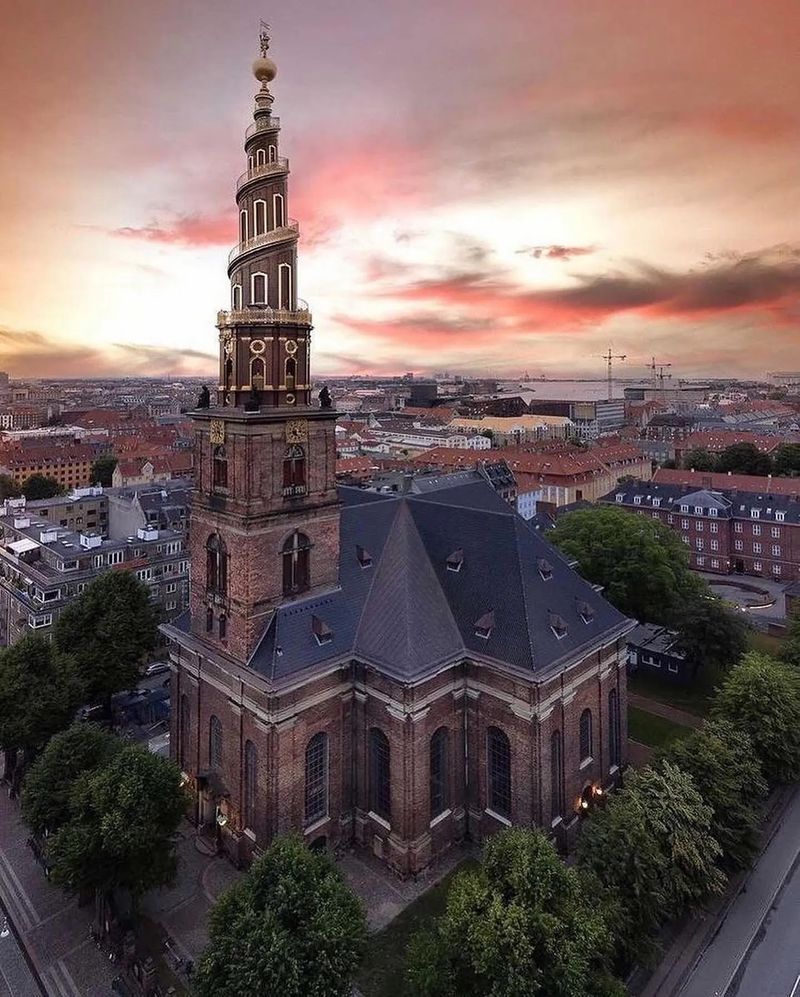
Step onto Copenhagen’s metro and you’ll notice something unusual: no driver. The Danish capital operates a fully automated, driverless metro system that UITP specifically highlights as a model of modern transit technology.
Denmark’s metro authority confirms all trains run completely autonomously, making Copenhagen a pioneer in automated urban rail.
The driverless system isn’t just a gimmick; it brings real advantages. Trains can run more frequently because there’s no need to schedule drivers.
The metro operates 24/7, meaning true round-the-clock service without breaks. Consistency improves because automated systems eliminate human error, keeping schedules tight and predictable.
Copenhagen’s metro complements an already excellent network of buses, harbor ferries, and commuter trains. The city is famous for cycling, but public transport handles longer journeys and bad weather days beautifully.
Integration between modes is seamless, with the same ticket covering everything and stations designed for easy transfers.
The fully automated metro opened in 2002 and has expanded since, with new lines continuing to roll out. Copenhageners trust the system completely, using it daily without hesitation.
The automation demonstrates Denmark’s forward-thinking approach to urban mobility. When technology enhances reliability and service rather than just cutting costs, everyone benefits.
Copenhagen’s metro shows the future of public transport is already here.



