 Unearth The Voyage
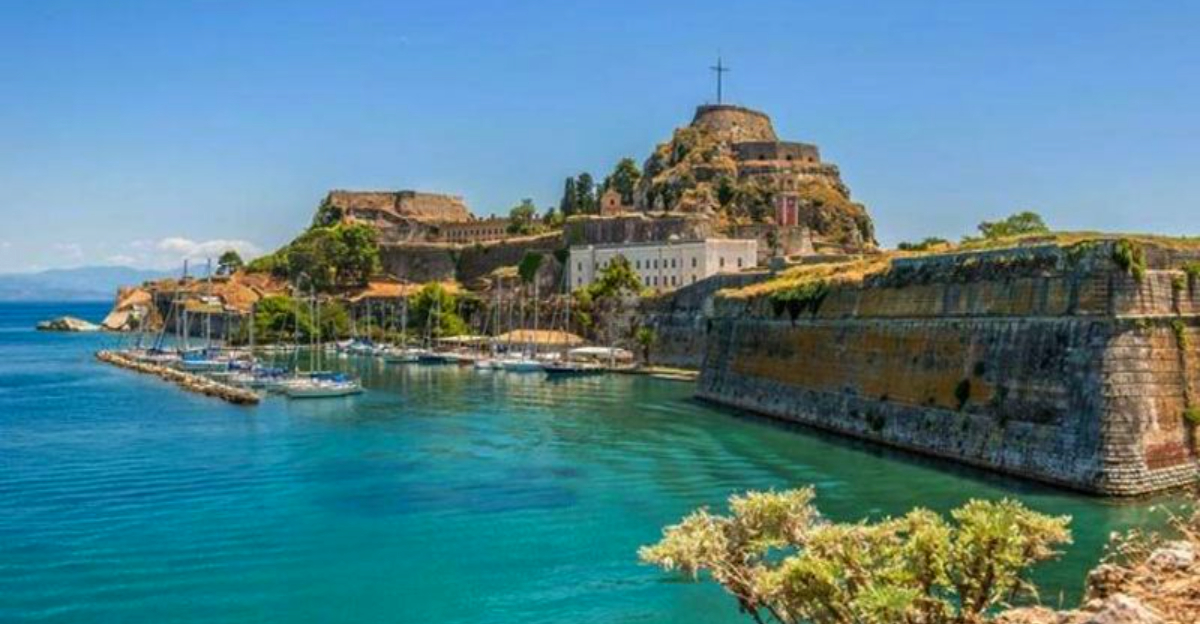
Europe’s coastline is home to some of the most breathtaking places on Earth, and many of them have earned UNESCO World Heritage status for their incredible beauty, history, and natural wonders. From dramatic cliffs and ancient towns to unique ecosystems and sparkling waters, these coastal treasures offer unforgettable experiences for travelers.
Whether you’re dreaming of wandering through medieval streets by the sea or exploring rare geological formations, these 12 spots truly live up to the hype.
1. Venice and its Lagoon (Italy)
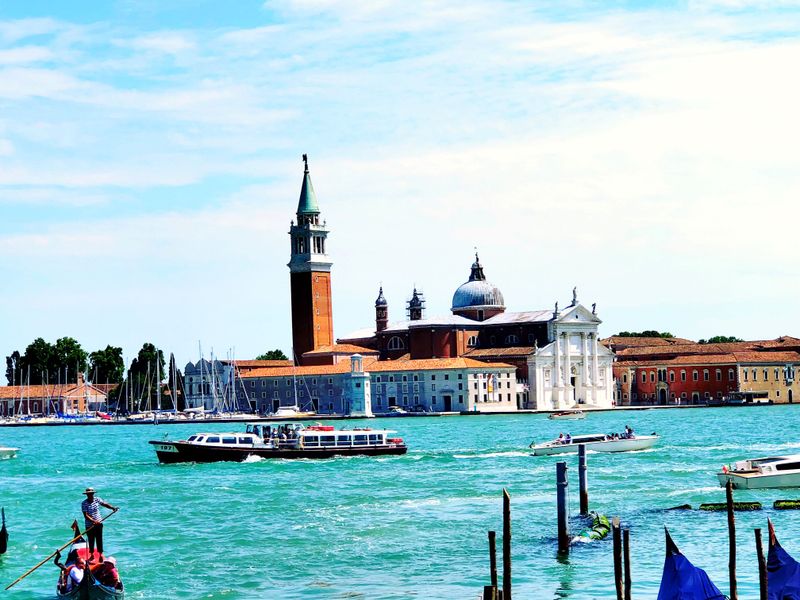
Floating on water like a dream, Venice captivates visitors with its maze of canals, elegant bridges, and stunning architecture. This extraordinary city was built on 118 small islands, connected by over 400 bridges, creating a transportation system unlike anywhere else on the planet.
Gondolas glide through narrow waterways while historic palaces line the Grand Canal.
St. Mark’s Basilica and the Doge’s Palace showcase Byzantine and Gothic artistry that took centuries to perfect. The city’s unique relationship with the sea has shaped its culture, cuisine, and daily life for over a thousand years.
Walking through Venice feels like stepping into a living museum where every corner reveals another masterpiece.
Visiting during quieter seasons helps you appreciate the city’s magic without overwhelming crowds, making the experience even more memorable and peaceful.
2. Costiera Amalfitana / Amalfi Coast (Italy)
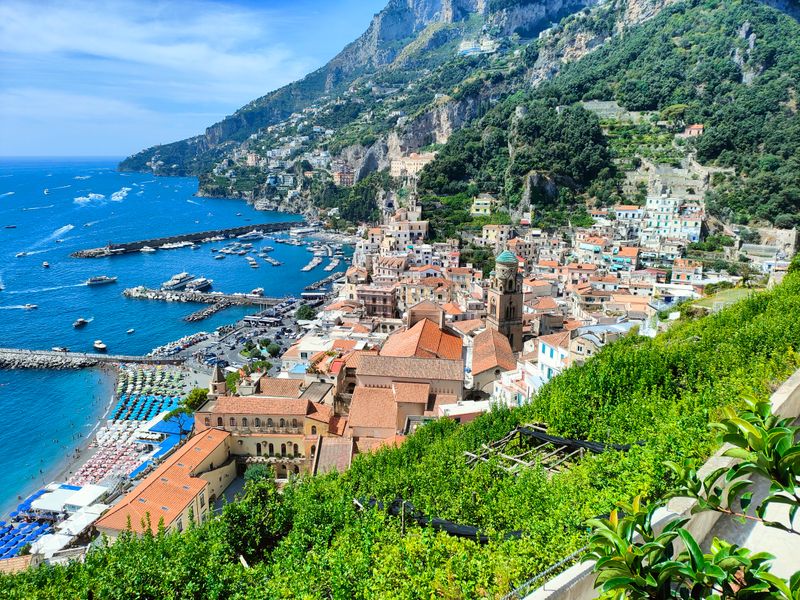
Clinging to cliffsides above the sparkling Mediterranean, the Amalfi Coast dazzles with its colorful villages, lemon groves, and winding coastal roads. Dramatic mountains plunge straight into turquoise waters, creating one of the most photographed landscapes in the world.
Towns like Positano and Ravello seem to cascade down the hillsides in cascades of pastel-colored homes.
Local families have cultivated terraced gardens here for generations, growing the famous Amalfi lemons used in limoncello and regional dishes. The scenic drive along the coast offers jaw-dropping views around every hairpin turn.
Ancient fishing villages maintain their authentic charm despite welcoming visitors from around the globe.
Summer brings warm swimming weather, but spring and fall offer pleasant temperatures with fewer tourists, making exploration more enjoyable and affordable.
3. Portovenere, Cinque Terre, and the Islands (Palmaria, Tino and Tinetto) (Italy)
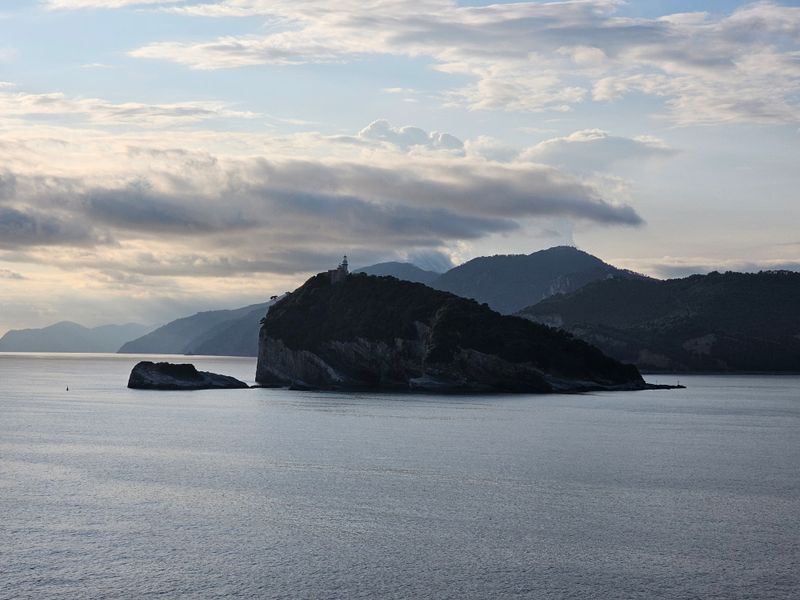
Five vibrant fishing villages cling to rugged cliffs along this stunning stretch of Italian Riviera coastline. Bright houses painted in yellows, pinks, and oranges stack vertically above rocky harbors where fishing boats still bob in the waves.
Hiking trails connect the villages, offering spectacular views of terraced vineyards and the glittering Ligurian Sea below.
Portovenere’s colorful waterfront and medieval castle add historical depth to the natural beauty. The nearby islands of Palmaria, Tino, and Tinetto remain largely wild and undeveloped, preserving important Mediterranean ecosystems.
Local trains make village-hopping easy, though walking the coastal paths provides the most rewarding experience.
Fresh seafood, pesto made from local basil, and crisp white wines define the regional cuisine that visitors absolutely adore.
4. Mont-Saint-Michel and its Bay (France)
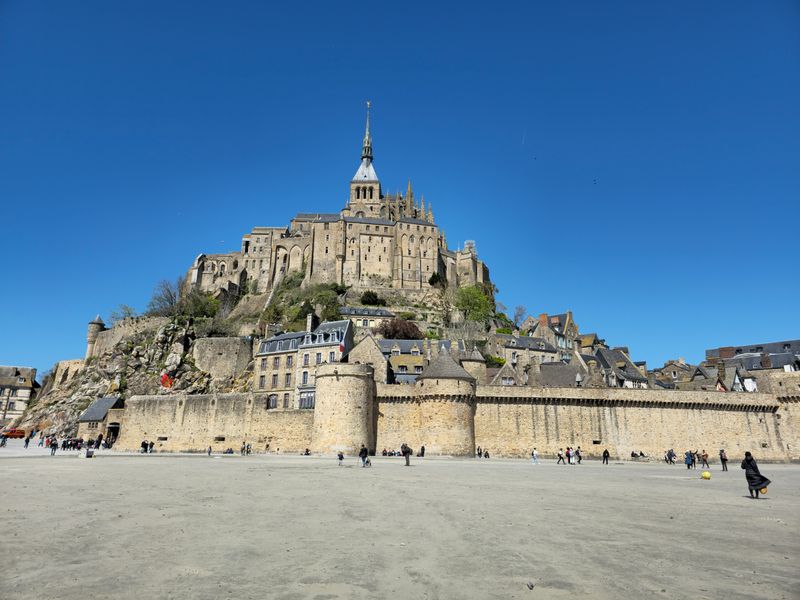
Rising from the sea like something out of a fairy tale, this medieval abbey sits atop a rocky island surrounded by vast tidal flats. The bay experiences some of Europe’s most dramatic tides, with water levels changing up to 50 feet between high and low tide.
During high tide, Mont-Saint-Michel becomes a true island, while low tide reveals miles of sandy beaches and mudflats.
Pilgrims have journeyed here for over a thousand years, climbing the winding village streets to reach the magnificent abbey at the summit. Gothic spires pierce the sky above stone walls that have withstood centuries of storms and sieges.
The surrounding bay hosts unique wildlife adapted to the constantly changing environment.
Watching the tide rush in across the flats remains one of nature’s most impressive shows.
5. Old City of Dubrovnik (Croatia)
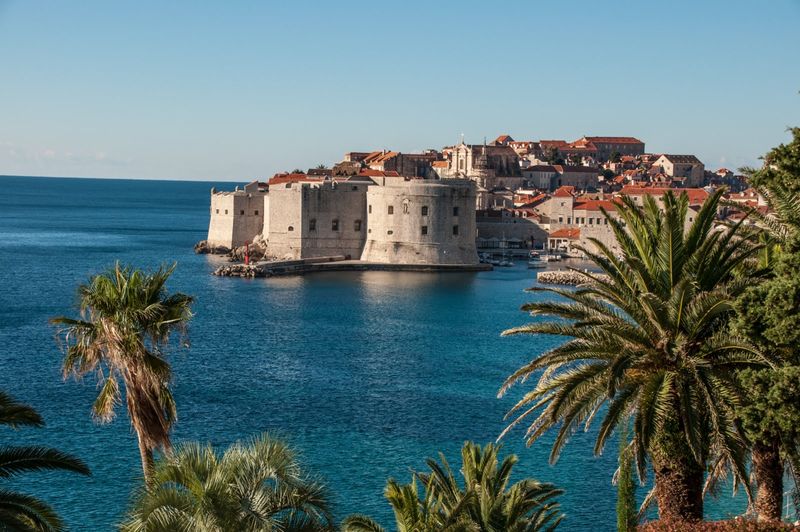
Massive stone walls encircle this stunning medieval city perched on the Adriatic coast. Walking atop the fortifications offers panoramic views of terracotta rooftops, limestone streets, and brilliant blue waters stretching to the horizon.
Marble-paved streets shine under the Mediterranean sun, leading past baroque churches, elegant fountains, and charming cafes.
The city survived a devastating earthquake in 1667 and was carefully rebuilt, creating the harmonious architecture visible today. Crystal-clear waters lap against rocky beaches just outside the city walls, perfect for cooling off after exploring historic sites.
Local culture thrives in small restaurants serving fresh seafood and traditional Croatian dishes.
Summer brings festivals and warm swimming weather, though the city’s beauty shines year-round, making any season perfect for visiting this coastal gem.
6. Old Town of Corfu (Greece)
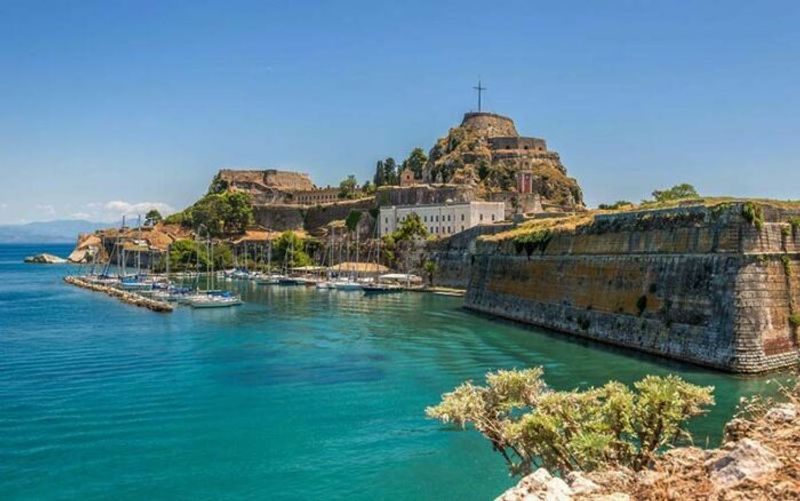
Venetian fortresses guard this charming Greek island town where narrow alleyways wind between pastel-colored buildings with distinctive architecture. Centuries of Venetian, French, and British influence created a unique blend of styles rarely found elsewhere in Greece.
The Old Fortress stands on a rocky promontory jutting into the Ionian Sea, offering sweeping coastal views.
Locals gather in the Spianada, one of Europe’s largest squares, to socialize and enjoy evening strolls. Arcaded streets provide shade during hot summer days, while hidden courtyards reveal unexpected gardens and historic wells.
The island’s lush vegetation and mild climate have attracted visitors since ancient times.
Traditional Greek tavernas serve local specialties like sofrito and pastitsada, dishes that reflect the island’s multicultural heritage and coastal location beautifully.
7. City of Valletta (Malta)
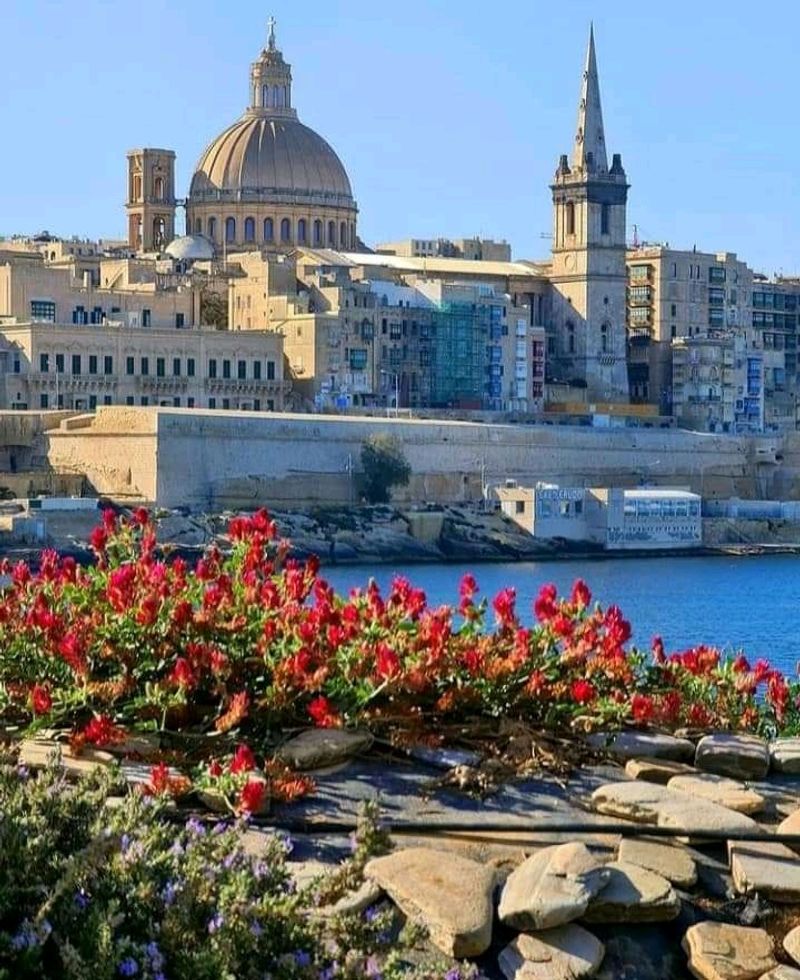
Built by knights on a narrow peninsula, this fortified city showcases some of the finest Renaissance and Baroque architecture in Europe. Honey-colored limestone buildings glow golden in the Mediterranean sunshine, while grand palaces and ornate churches line grid-pattern streets.
The Upper Barrakka Gardens provide stunning views across the Grand Harbour, where historic fortifications still stand guard.
St. John’s Co-Cathedral houses breathtaking artwork, including Caravaggio masterpieces that draw art lovers from around the world. Steep streets descend toward the waterfront, where colorful traditional boats called luzzus bob in the harbor.
The entire city was designed as a fortress, with massive walls protecting it from sea attacks.
Compact size makes Valletta perfect for exploring on foot, and every street corner reveals another architectural treasure or historic landmark.
8. Curonian Spit (Lithuania/Russia)
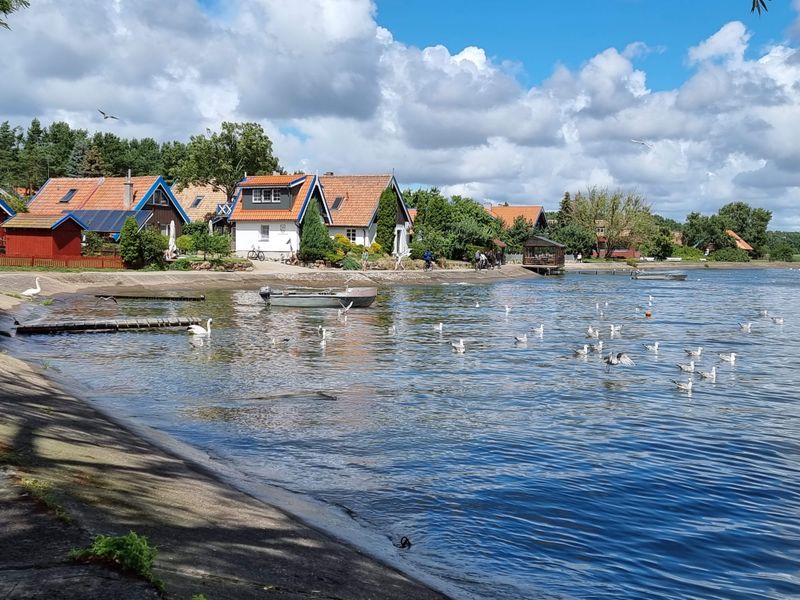
Stretching nearly 100 kilometers along the Baltic Sea, this narrow sand dune peninsula creates a unique landscape shaped entirely by wind and waves. Towering dunes rise over 50 meters high, constantly shifting and moving with the seasons.
Dense pine forests cover much of the spit, planted generations ago to stabilize the sand and protect small fishing villages.
Traditional wooden houses with thatched roofs dot the landscape, preserving the architectural heritage of Curonian fishermen. The lagoon side offers calm waters perfect for swimming, while the Baltic Sea side features wild beaches and powerful waves.
Migrating birds use this natural corridor, making it a paradise for birdwatchers during spring and fall.
Cycling the length of the spit remains the most popular way to experience this remarkable natural wonder.
9. Wadden Sea (Denmark/Germany/Netherlands)
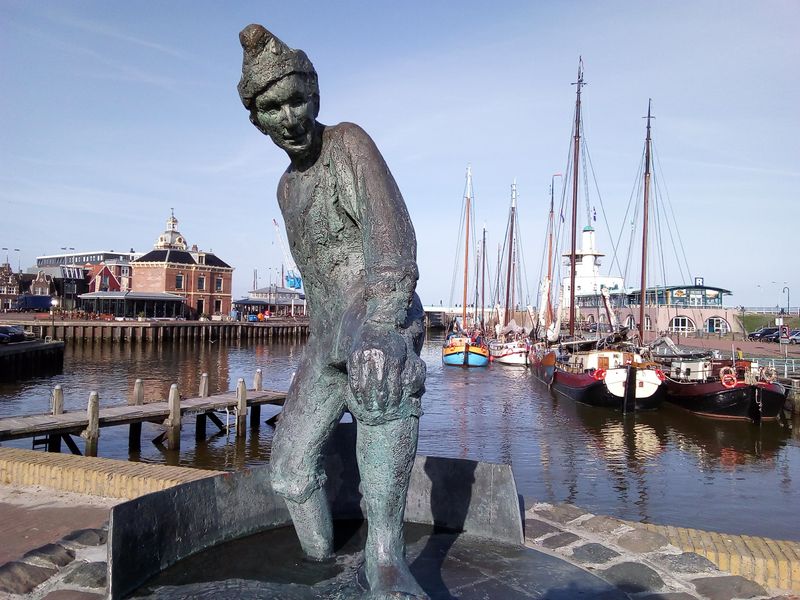
Twice daily, tides transform this coastal region into either vast mudflats or shallow sea, creating the world’s largest unbroken system of tidal flats. During low tide, you can walk for miles across the seabed, discovering shells, crabs, and other marine life left behind by the retreating water.
Millions of migratory birds depend on this rich ecosystem as a crucial stopover point during their long journeys.
Seals bask on sandbanks, while countless invertebrates thrive in the nutrient-rich mud. The constantly changing landscape has shaped local culture and livelihoods for centuries.
Guided mudflat walking tours teach visitors about this unique environment while ensuring safety as tides return.
Watching the tide rush back across the flats provides an unforgettable reminder of nature’s power and the sea’s rhythmic cycles.
10. Giant’s Causeway and Causeway Coast (Northern Ireland, UK)
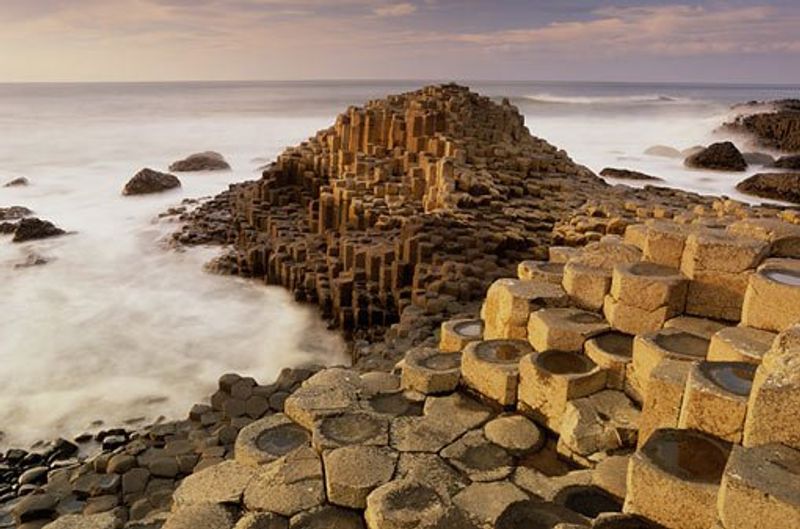
Around 40,000 interlocking basalt columns form stepping stones leading into the sea, creating one of nature’s most geometric wonders. Ancient volcanic eruptions formed these perfectly hexagonal pillars about 60 million years ago, though local legend credits the giant Finn MacCool with building a path to Scotland.
The dark stones contrast dramatically with crashing Atlantic waves and green clifftop meadows.
Coastal paths wind along dramatic cliffs, revealing hidden bays, rope bridges, and ruins of medieval castles. Seabirds nest on rocky ledges while wildflowers bloom across the headlands in spring and summer.
The constantly changing weather creates moody atmospheres perfect for photography and contemplation.
Visitors can explore the formations up close, climbing across the columns and imagining the volcanic forces that shaped this extraordinary landscape.
11. Dorset and East Devon Coast (Jurassic Coast) (England, UK)
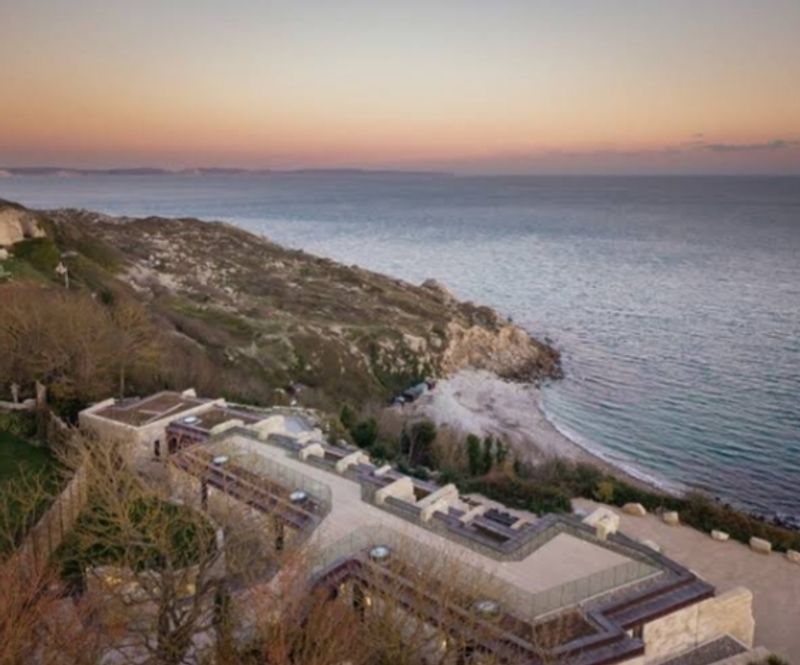
Rock layers spanning 185 million years of Earth’s history lie exposed along this remarkable stretch of English coastline. Fossil hunters regularly discover ancient ammonites, belemnites, and even dinosaur remains weathering out of the cliffs.
Dramatic rock formations like Durdle Door’s natural limestone arch and the stacked rocks at Lulworth Cove showcase powerful geological forces at work.
Coastal erosion continuously reveals new fossils and changes the landscape, making each visit different from the last. Sandy beaches nestle between towering cliffs that change color from golden to gray depending on the rock type.
Mary Anning, one of history’s greatest fossil hunters, made groundbreaking discoveries here in the early 1800s.
Walking the coastal path offers stunning views while teaching lessons about our planet’s ancient past written in stone.
12. Ibiza, Biodiversity and Culture (Spain)
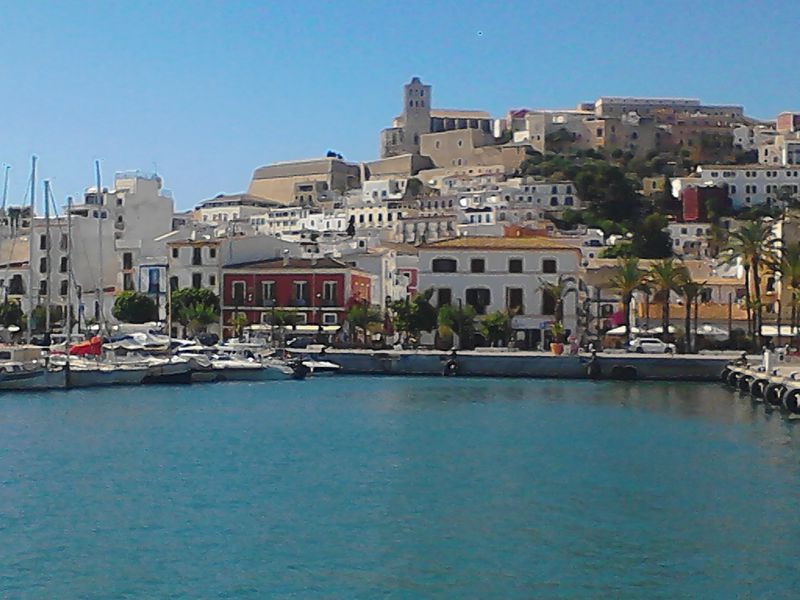
Beyond its famous nightlife, Ibiza preserves important Mediterranean ecosystems and a rich cultural heritage dating back thousands of years. Underwater meadows of Posidonia seagrass create one of the Mediterranean’s most important marine habitats, supporting countless fish species and keeping waters crystal clear.
Ancient Phoenician ruins and medieval fortifications tell stories of the island’s strategic importance throughout history.
Traditional whitewashed villages dot the interior, where locals maintain centuries-old farming practices and crafts. Rocky coves with turquoise waters offer peaceful swimming spots away from busy beaches.
The island’s unique biodiversity includes endemic species found nowhere else on Earth.
Exploring quieter areas reveals the natural beauty and cultural depth that earned Ibiza its UNESCO status beyond the party scene everyone knows about.



