 Unearth The Voyage

Most of us try to follow the rules, but some laws are so unexpected that even well-meaning people break them without realizing it. From collecting rainwater to letting your dog roam free, certain everyday habits can actually get you in legal trouble.
These laws exist for real reasons, whether to protect the environment, public safety, or someone else’s rights. Read on to find out which common activities might be putting you on the wrong side of the law.
1. Collecting Rainwater in Some Places

Rainwater falling from the sky seems like something anyone should be free to collect, right? Surprisingly, that is not always the case.
Historically, states like Colorado and Utah placed strict limits on rainwater collection because water rights are tightly regulated in those regions.
The idea was that water flowing naturally belongs to a system of prior legal claims, meaning someone downstream might have rights to it first. Colorado now allows residents to collect up to 110 gallons, roughly two standard rain barrels, for outdoor use.
Utah also eased its restrictions over time.
Other western states still have rules worth checking before you set up a collection system. Before installing rain barrels, look up your local water laws.
A quick call to your city or county office can save you from unexpected fines and help you collect water the right way.
2. Feeding Wildlife

Tossing a handful of crackers to a deer might feel harmless and even kind, but in many states it is actually against the law. Feeding wild animals like deer, bears, raccoons, or alligators can lead to serious problems for both the animals and the people who live nearby.
When wildlife gets used to being fed by humans, they lose their natural fear of people. That makes encounters more frequent and sometimes dangerous.
A bear that has learned to expect food near homes is far more likely to become aggressive or wander into populated areas.
Many states and national parks have specific ordinances banning wildlife feeding, with fines that can reach hundreds of dollars. The best way to appreciate wild animals is to observe them from a safe distance.
Keeping wildlife wild is actually the kindest thing you can do for them.
3. Pumping Your Own Gas in New Jersey
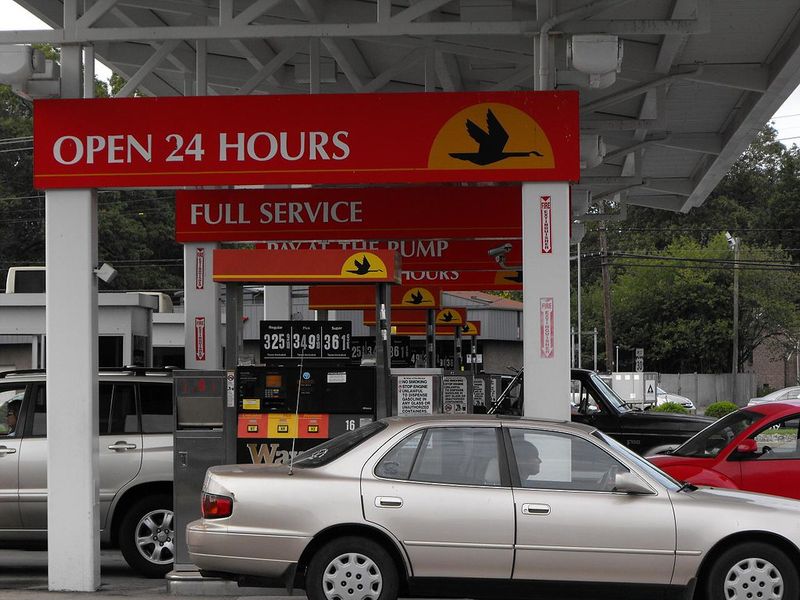
Pull into a gas station in New Jersey and you will quickly notice something unusual: no one pumps their own gas. That is because New Jersey is the only state in the country where self-service fueling is still prohibited by law.
Oregon lifted a similar ban in 2023 for most counties, leaving the Garden State standing alone.
The Retail Gasoline Dispensing Safety Act, passed in 1949, requires licensed attendants to handle all fuel dispensing. Supporters of the law argue it creates jobs and improves safety, especially for elderly or disabled drivers.
Critics say it slows things down and raises operating costs for stations.
Visitors from other states are often caught off guard when an attendant waves them away from the pump. If you are traveling through New Jersey, just sit back, roll down your window, and let the attendant handle everything.
It is one of the state’s most well-known quirks.
4. Jaywalking
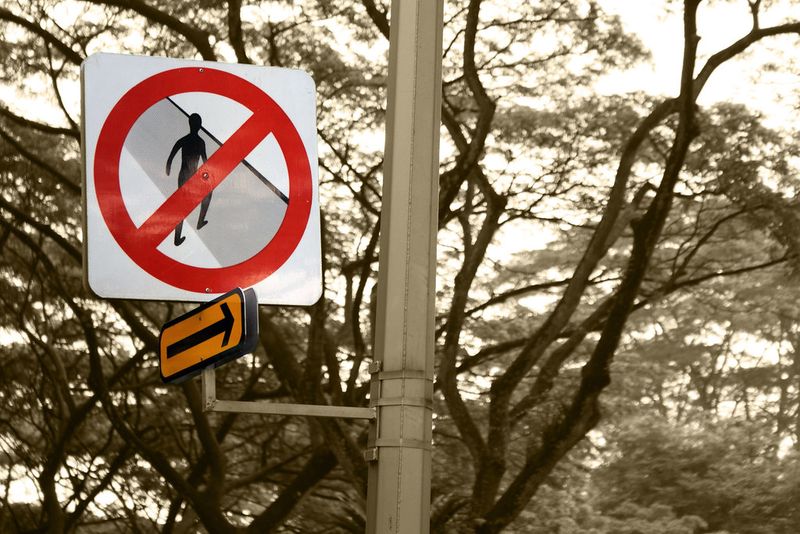
Crossing the street outside of a marked crosswalk, or against a signal, is known as jaywalking, and it is technically illegal in many cities across the United States. Fines can range from around $25 in some places to over $100 in others, depending on local ordinances.
Enforcement has always been inconsistent. Some cities actively ticket pedestrians, while others barely acknowledge the rule.
California made headlines in 2022 when it passed the Freedom to Walk Act, which relaxed jaywalking laws and focused enforcement only on situations that pose an immediate danger to safety.
The word “jaywalking” itself dates back to the early 1900s, when car manufacturers and city planners pushed to give roads primarily to vehicles. Before that, pedestrians crossed wherever they pleased.
Whether or not your city enforces it, crossing carefully at designated spots is always the safest approach, especially in high-traffic areas.
5. Keeping Certain Exotic Pets
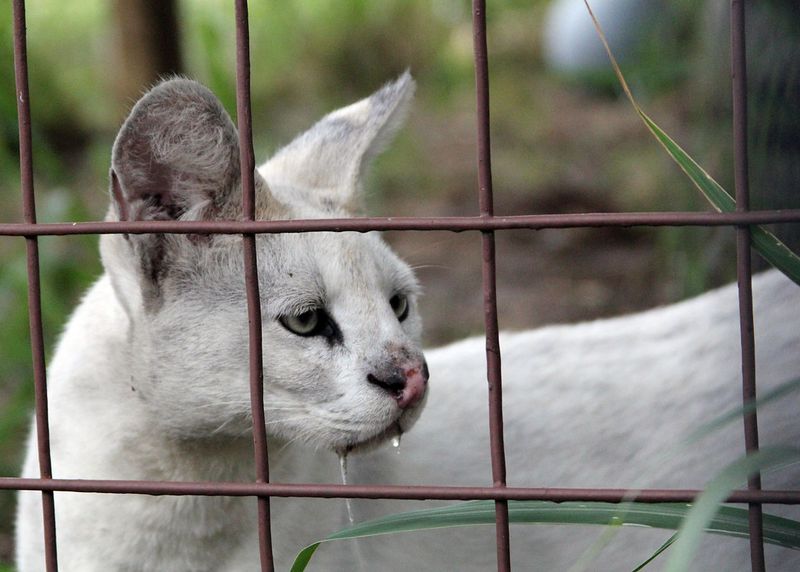
Owning a hedgehog might sound adorable, but in states like California, Georgia, and Hawaii, it is completely illegal. The same goes for animals like sugar gliders, monkeys, large constrictors, and certain reptiles.
Laws vary widely from state to state and even city to city.
These restrictions exist for good reasons. Exotic animals can carry diseases that spread to humans, and if they escape or are released, they can devastate local ecosystems.
Florida’s Everglades, for example, have been significantly impacted by released Burmese pythons that were once kept as pets.
Some states allow exotic pets with special permits, but those permits come with strict requirements and inspections. Before falling in love with an unusual animal at a pet fair or online listing, always research your local laws first.
Owning an illegal exotic pet can result in the animal being seized and the owner facing hefty fines or even criminal charges.
6. Removing Sand or Shells From Some Beaches

Scooping up a few seashells or a small bag of sand as a vacation souvenir seems completely innocent. At many beaches, though, it is actually against the law.
Protected coastlines, national parks, and state preserves often have rules banning the removal of natural materials, including sand, rocks, shells, and even driftwood.
The reasoning is straightforward: when millions of visitors take even small amounts, the cumulative impact on beaches and ecosystems can be significant. Sand loss contributes to erosion, and shells provide habitat for small marine creatures.
In some places like Sardinia, Italy, tourists have faced fines of up to 3,000 euros for packing sand in their luggage.
In the U.S., removing items from national parks is prohibited under the Antiquities Act. Even seemingly harmless pebbles fall under this rule.
Always check the rules at any beach or park you visit, and when in doubt, leave natural materials exactly where you found them.
7. Using Your Phone While Driving

Most drivers know they should not text and drive, but the laws around phone use behind the wheel go further than many people realize. As of 2024, over 25 states have banned all handheld phone use while driving, not just texting.
That means even holding your phone to make a call can earn you a ticket.
Hands-free options like Bluetooth speakers or dashboard mounts are generally allowed, though research shows even hands-free conversations can be distracting. Fines for violations range from around $50 in some states to several hundred dollars in others, and repeat offenses can affect your driving record or insurance rates.
Teenagers face especially strict rules in many states, with laws banning all phone use, even hands-free, for new drivers. The safest habit is to put your phone out of reach before starting the car.
No notification or call is worth the risk of an accident or an expensive fine.
8. Parking Too Close to a Fire Hydrant
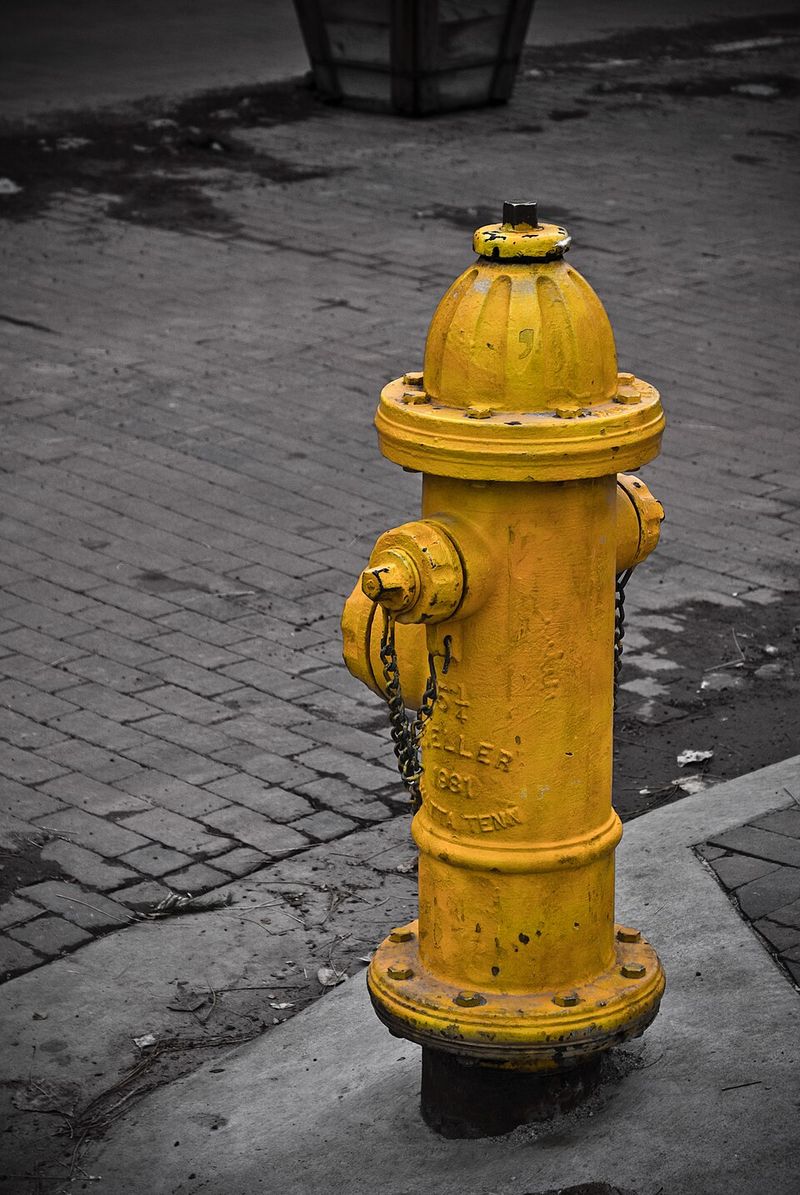
Many drivers have parked near a fire hydrant thinking they would only be gone for a minute. That kind of reasoning has led to a lot of parking tickets, and for good reason.
In most U.S. cities, parking within 15 feet of a fire hydrant is illegal, and some municipalities extend that distance even further.
The rule exists purely for public safety. In an emergency, firefighters need immediate access to hydrants to connect their hoses.
A car blocking that access, even partially, can cost precious seconds during a house fire or other emergency. Firefighters are actually permitted to break car windows to thread hoses through if necessary.
Fines for hydrant violations typically range from $100 to $250 depending on the city, and your car can be towed as well. The yellow or red curb markings near hydrants are your visual cue to keep moving.
It is a simple rule that genuinely saves lives when followed.
9. Cutting Down Certain Trees on Your Property

Owning a home with a big tree in the backyard might make you feel like you can do whatever you want with it, but that is not always true. Many cities and counties have tree ordinances that require homeowners to obtain a permit before removing certain trees, even those on private property.
Protected trees are often designated based on their size, species, or age. Heritage trees, for example, may be legally protected because of their ecological or historical significance.
In cities like San Francisco, Austin, and Atlanta, cutting down a protected tree without permission can result in fines of thousands of dollars and even a requirement to replace the tree.
Before hiring anyone to remove a tree, check with your local planning or code enforcement office. In some cases, a certified arborist must evaluate the tree first.
What seems like a simple yard cleanup project can turn into a costly legal headache without the right paperwork in place.
10. Opening Mail That Is Not Yours

Accidentally grabbing the wrong piece of mail from a shared mailbox is easy to do, but what happens next actually matters legally. Under federal law, specifically 18 U.S.C.
Section 1702, intentionally opening mail addressed to someone else is a federal crime that can result in fines or up to five years in prison.
The key word is “intentionally.” Honest mistakes, like opening a letter that looks like yours before realizing the error, are generally not prosecuted. However, deliberately reading, destroying, or keeping someone else’s mail crosses a serious legal line.
This law covers physical mail delivered by the U.S. Postal Service.
If you receive mail meant for a previous resident or neighbor, simply write “Not at this address” on the envelope and put it back in your mailbox for the carrier to pick up. Do not open it, even out of curiosity.
Federal mail laws are taken seriously, and the consequences are far more significant than most people expect.
11. Letting Your Dog Roam Off-Leash

For dog owners, watching their pup sprint freely across a grassy field is one of life’s simple joys. Unfortunately, in most public spaces across the country, doing that without a leash is actually against the law.
Municipal leash ordinances are extremely common, and violations can result in fines ranging from $25 to over $200.
Beyond the fine, there are real safety concerns. Even the friendliest dog can behave unpredictably around strangers, children, or other animals.
An off-leash dog that approaches someone who is afraid of dogs or causes another dog to react aggressively puts everyone in a difficult position, including the owner.
Many cities do offer designated off-leash areas and dog parks where your pup can run freely and safely. These spaces are fenced, supervised, and designed specifically for that kind of play.
If your dog needs to burn some energy, finding one of those designated spots is the responsible and legal way to let them enjoy the freedom they love.
12. Downloading or Sharing Copyrighted Movies

Streaming or downloading a movie for free from an unofficial site might feel like a victimless shortcut, but it is a federal offense under U.S. copyright law. The Digital Millennium Copyright Act and other statutes make it illegal to reproduce or distribute copyrighted content, including movies, music, and software, without authorization from the rights holder.
Civil penalties for copyright infringement can reach $150,000 per work for willful violations. Criminal charges are also possible in serious cases involving large-scale distribution.
Even sharing a single pirated file through a torrent network counts as distribution under the law.
Internet service providers are legally required to respond to copyright infringement notices, and repeat offenders can have their service suspended. Legal streaming services like Netflix, Hulu, and Disney+ offer affordable access to thousands of titles.
Paying a monthly subscription is a much smarter option than risking a lawsuit or criminal investigation over a movie you could have watched legally.



