 Unearth The Voyage
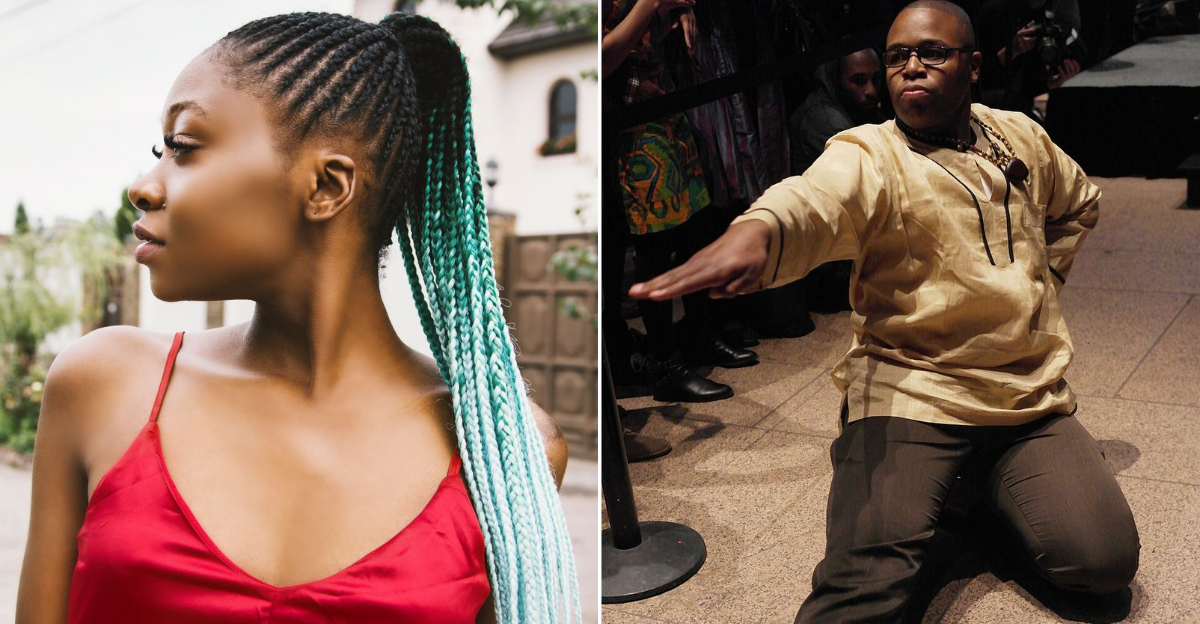
Some of the coolest things in everyday life have a history most people never learned in school. From the music blasting through your headphones to the slang you texted five minutes ago, Black culture has shaped modern life in ways that are often overlooked or uncredited.
I grew up thinking certain trends just appeared out of nowhere, until I started digging deeper and realized the roots run deep, rich, and unapologetically Black. Get ready, because this list is about to change the way you see your daily life.
Rock ‘n’ Roll Was Black First
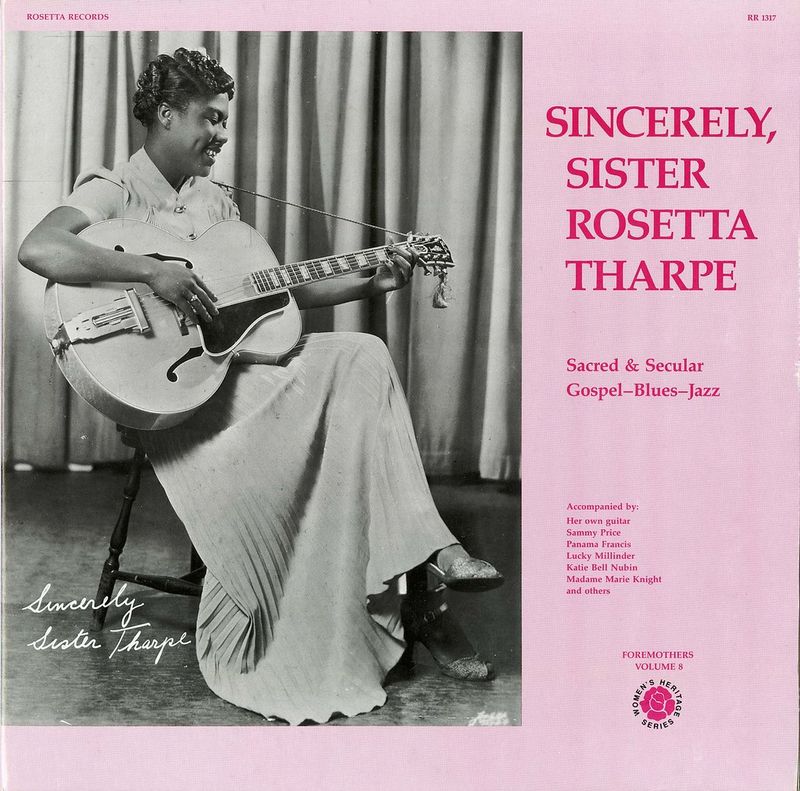
Before Elvis had his blue suede shoes, Sister Rosetta Tharpe was shredding electric guitar and blowing minds in the 1940s. Rock ‘n’ roll did not fall from the sky.
It grew straight out of Black musical traditions, including blues, gospel, and R&B, styles that Black artists had been perfecting for generations.
Sister Rosetta Tharpe was so ahead of her time that modern rock guitarists still study her technique. Her powerful playing and showmanship influenced artists who later became household names.
The genre owes its entire DNA to Black creativity.
When rock ‘n’ roll exploded into mainstream popularity, the Black artists who built it were often pushed aside while others took the spotlight. Knowing the real origin story is not just interesting, it is necessary.
Credit belongs where credit is due, and in this case, it belongs firmly in Black musical history.
Jazz: Born in New Orleans
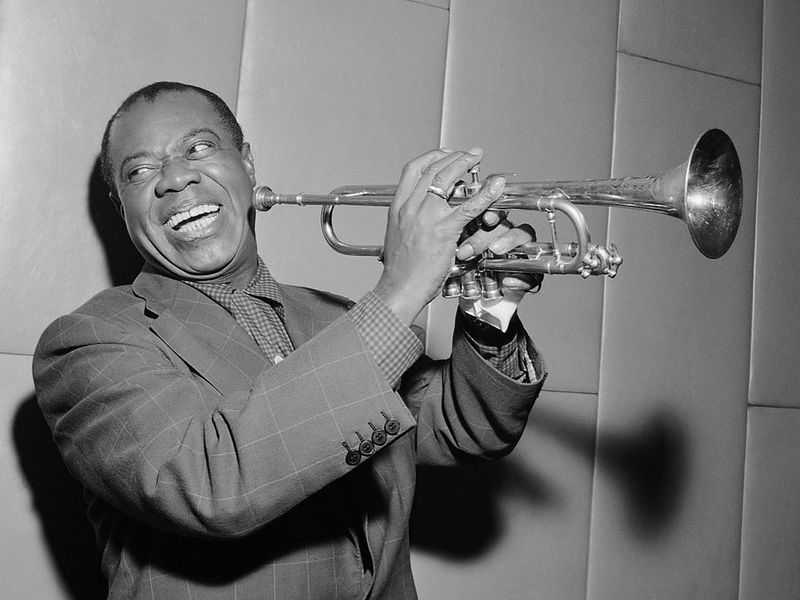
New Orleans in the early 1900s was basically the coolest city on the planet, and jazz was the reason why. African American musicians blended African rhythmic traditions, blues, and ragtime into something completely new and completely electric.
No genre before it sounded quite like jazz.
The city’s Black musical community was the engine behind this revolution. Musicians like Buddy Bolden and later Louis Armstrong took improvisation to a level nobody had heard before.
Jazz was not just music; it was a conversation happening in real time between performers.
Today jazz influences everything from film scores to hip-hop production. The genre spread from New Orleans to Chicago, New York, and eventually the entire world.
Yet its roots remain firmly planted in the African American experience, shaped by joy, struggle, and extraordinary musical genius. Next time a jazz track plays, you are hearing history move through a brass horn.
Hip-Hop Changed Everything
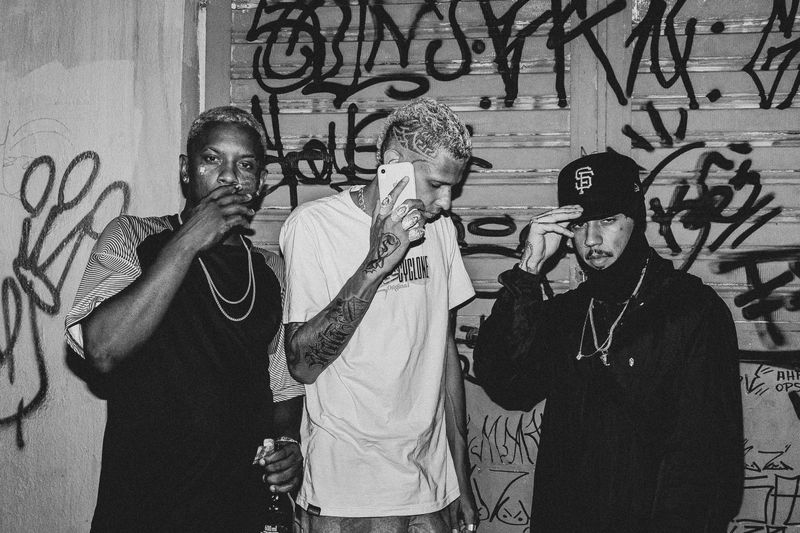
The South Bronx in the early 1970s was struggling economically, but creativity was exploding on every corner. DJ Kool Herc threw block parties where he pioneered a technique called the breakbeat, looping the percussion sections of records to keep people dancing longer.
That one idea launched an entire global culture.
Hip-hop was not just music from the start. It was a full movement built on four elements: DJing, MCing, breakdancing, and graffiti art.
It gave a voice to communities that mainstream media largely ignored. I still remember hearing my first rap record and feeling like someone was finally speaking my language.
Today hip-hop is the most consumed music genre on the planet. It drives fashion, language, film, and politics.
Billion-dollar industries have been built on a foundation poured in a Bronx park. The origin story is one of the most remarkable in all of music history.
Breakdancing Belongs to the Bronx
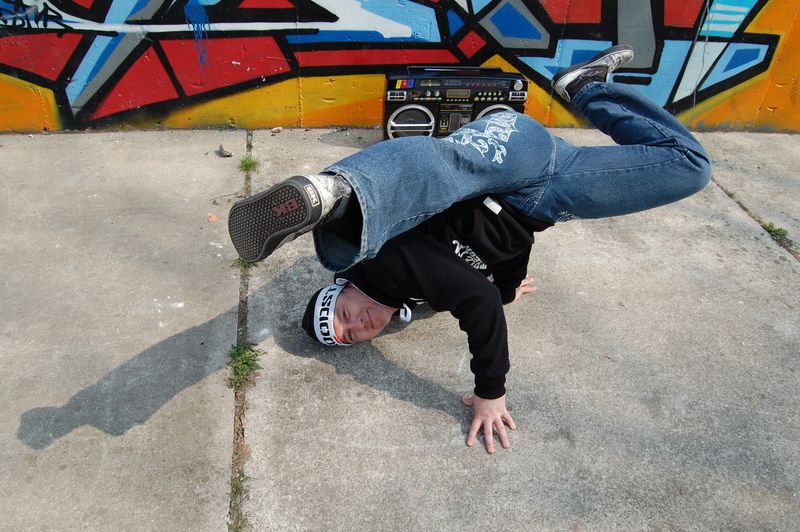
Breakdancing looks like someone decided gravity was optional, and honestly, that description is not far off. B-boying and B-girling emerged in New York City during the early hip-hop era, developed by Black and Puerto Rican youth who turned sidewalks and community centers into performance stages.
The moves were athletic, expressive, and deeply competitive. Crews would face off in battles that were less about fighting and more about who had the most jaw-dropping footwork and freezes.
It was sport, art, and community rolled into one.
Breaking spread globally through music videos, films, and cultural exchange, eventually becoming so respected it was included in the 2024 Paris Olympics. From a Bronx block party to the Olympic stage is quite a journey.
The culture that created breaking never got enough credit for building something that now belongs to the entire world, but the roots are undeniably clear.
Voguing: Harlem’s Runway Revolution
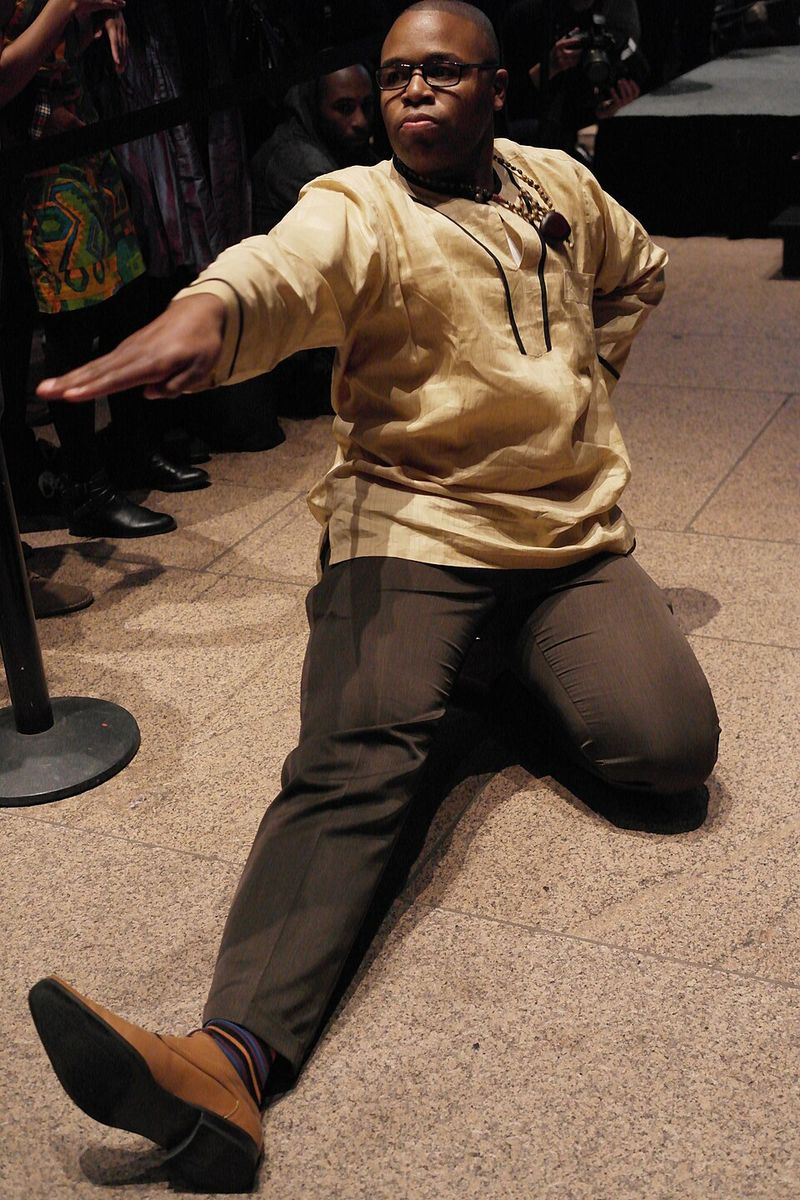
Long before runway models were household names, Harlem ballrooms were hosting competitions that made Fashion Week look underdressed. Voguing was born inside the Black and Latino LGBTQ+ ballroom scene, where performers struck dramatic poses inspired by high-fashion magazine spreads and turned it into a full competitive art form.
The culture had its own language, categories, and legendary houses that competed for trophies and, more importantly, respect. For many participants, the ballroom was a chosen family, a safe space in a world that was not always welcoming.
The artistry was fierce, precise, and deeply personal.
Madonna’s 1990 hit “Vogue” brought the dance to mainstream attention, though the Black and Latino communities who created it did not always receive equal recognition. The documentary “Paris Is Burning” gave the world a more honest look at the culture’s depth and beauty.
Voguing is now a global phenomenon, but Harlem is forever its home.
Soul Food: History on a Plate
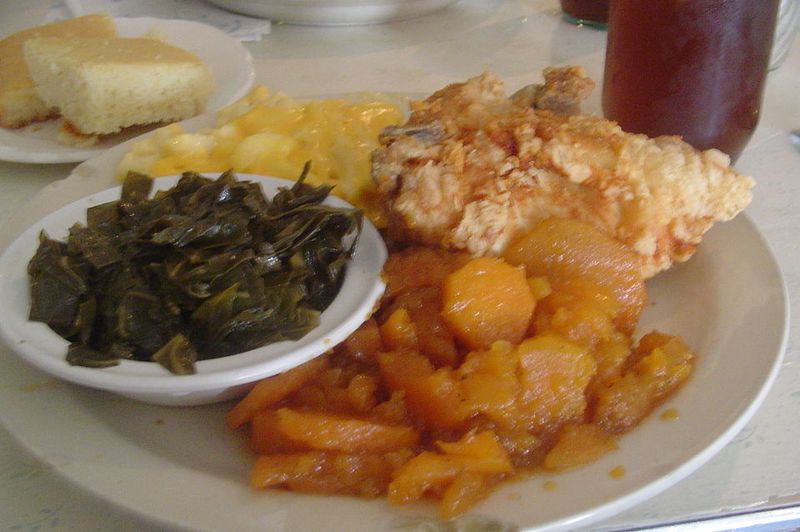
Soul food is not just dinner. It is a history lesson you eat with your hands.
Rooted in the foodways of enslaved African Americans, dishes like collard greens, black-eyed peas, cornbread, and fried chicken were created from limited ingredients and transformed into something extraordinary through skill and love.
Generations of Black cooks passed these recipes down through families, keeping traditions alive long after the circumstances that created them had changed. The flavors carry memory, resilience, and community in every bite.
Many of these dishes were later absorbed into broader “Southern cuisine” narratives without proper credit to their Black origins.
Today soul food restaurants thrive across the country, and chefs are celebrating the cuisine’s African roots with renewed pride. Food historians are working to restore the full story behind these dishes.
Soul food deserves recognition not just as comfort food, but as a living cultural archive built by people who made something beautiful out of very little.
Braids and Locs: More Than a Hairstyle
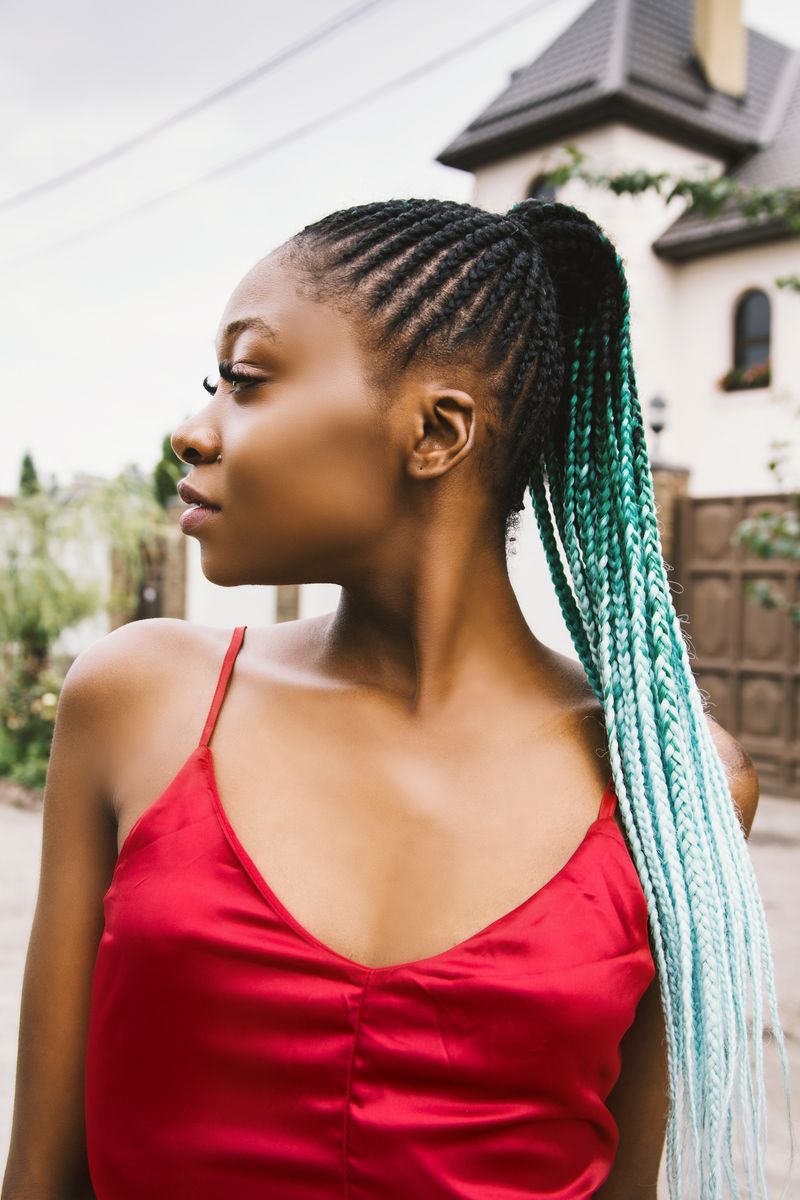
Braids have been communicating identity, status, and cultural belonging across the African continent for thousands of years. In West African communities, specific braid patterns could indicate a person’s tribe, age, marital status, or social rank.
That is a lot of information packed into a hairstyle.
In the United States, braids and locs became powerful symbols of Black identity and natural beauty, especially during the Black Power movement of the 1960s and 70s. Yet these same styles have faced workplace discrimination and school dress code bans for decades, a double standard that continues to spark legal battles today.
Several U.S. states have now passed the CROWN Act, which protects people from discrimination based on natural hair. Meanwhile, these styles have also been widely adopted in mainstream fashion, sometimes without acknowledgment of their origins.
Braids are art, history, and resistance all twisted together into something undeniably beautiful.
Tap Dance Stomped Into History
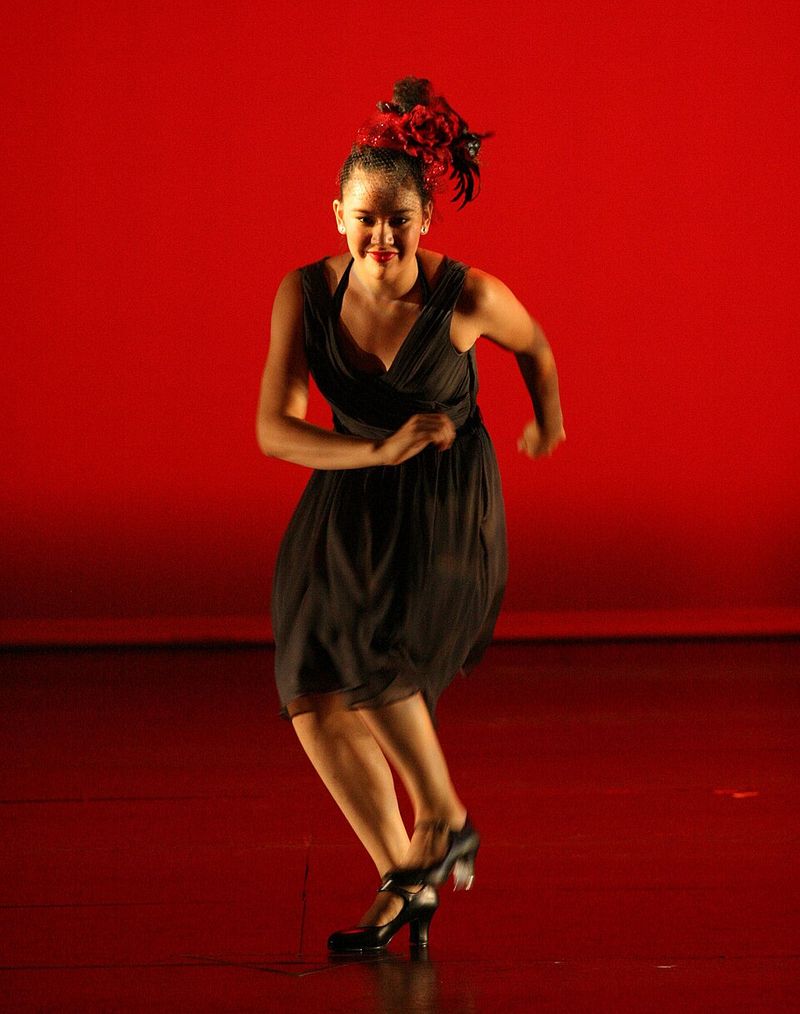
Tap dance is percussion you wear on your feet, and its origins are rooted in African American movement traditions. The rhythmic footwork that defines tap developed through a blend of African percussive dance styles, Irish step dancing, and other influences that collided in America during the 19th century.
Black performers were central to shaping what tap became, even when they were forced to perform in segregated venues or were denied credit for their innovations. Artists like Bill “Bojangles” Robinson and the Nicholas Brothers elevated the form to jaw-dropping athletic artistry that influenced generations of performers.
Tap eventually became a staple of Broadway, Hollywood musicals, and dance schools worldwide. The challenge is that as it crossed into mainstream entertainment, its Black roots were sometimes downplayed or forgotten entirely.
Jazz dance and tap are inseparable from the African American experience, and no history of American dance is complete without saying that clearly.
Gospel Music: The Original Power Ballad
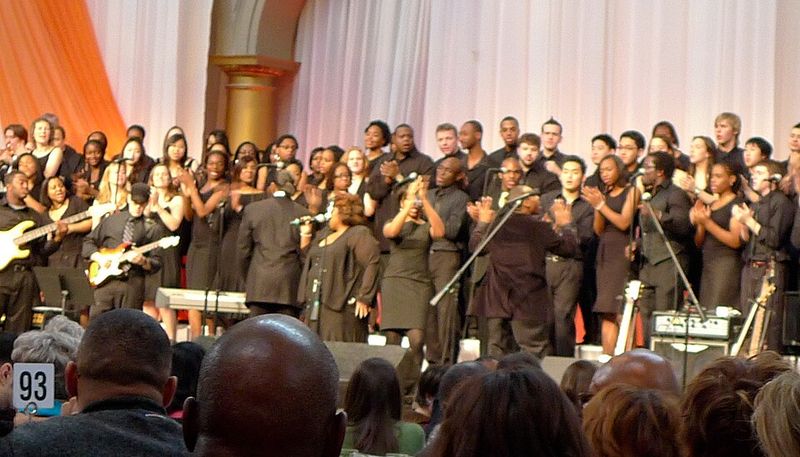
Thomas A. Dorsey is called the father of gospel music for a reason.
In the 1930s, he blended the emotional rawness of blues with the spiritual energy of Black church music and created something that made entire congregations weep and shout simultaneously. That is not an easy thing to do.
Gospel music became the backbone of the Black church experience, a place where community, faith, and musical genius intersected every Sunday morning. The call-and-response structure, the improvisation, the powerful vocals, all of it developed within African American worship traditions.
Gospel’s influence stretches far beyond church walls. It shaped soul music, R&B, rock, and pop.
Artists from Aretha Franklin to Whitney Houston carried gospel training directly into mainstream music. When you hear a powerful vocalist hit a note that makes the hairs on your arm stand up, there is a very good chance gospel is the reason they sound that way.
Streetwear Started on the Block
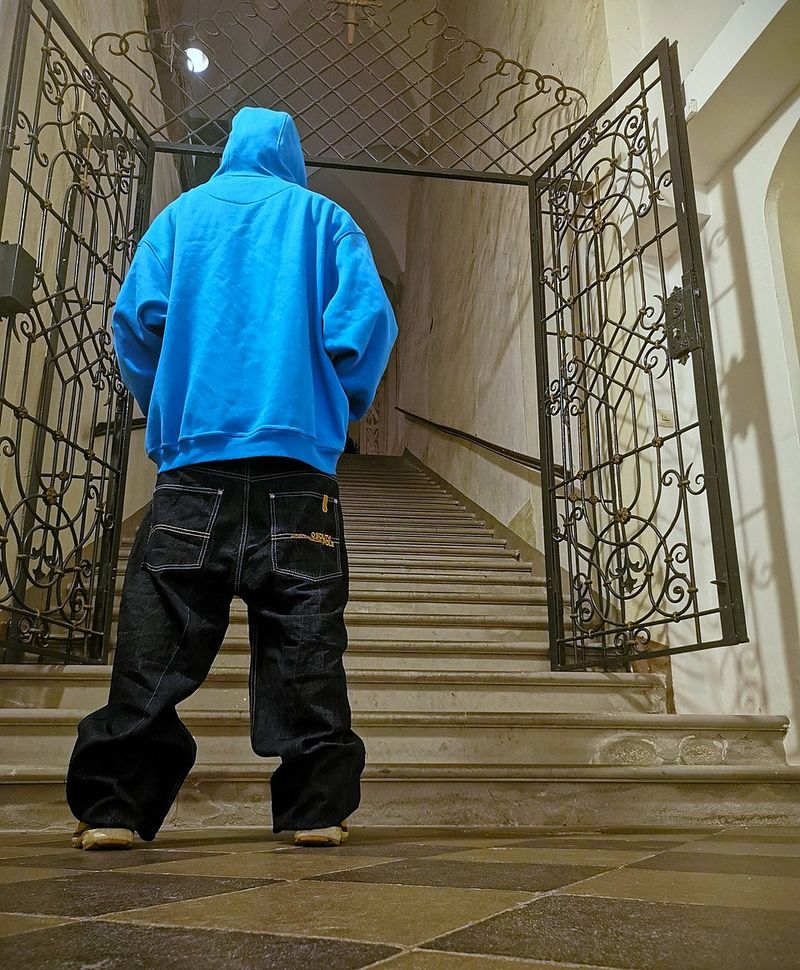
Before streetwear was selling out in luxury boutiques, it was being worn on the streets of Compton, Harlem, and the South Bronx. Hip-hop culture did not just change music, it rewrote the entire rulebook of fashion.
Baggy jeans, hoodies, bucket hats, and fresh sneakers became a full aesthetic movement driven by Black youth.
Sneaker culture in particular exploded through hip-hop’s influence. Run-DMC’s song “My Adidas” in 1986 led to one of the first major endorsement deals between a music act and a sportswear brand.
That moment changed marketing forever and proved that Black culture moved serious money.
Today streetwear collaborations sell out in seconds and resell for thousands of dollars. Fashion museums have dedicated exhibitions to the hip-hop fashion era.
The irony is that some of the same styles that got Black kids dress-coded in schools are now being sold at premium prices by high-end designers. The culture always comes full circle.
Beatboxing: A Human Drum Machine
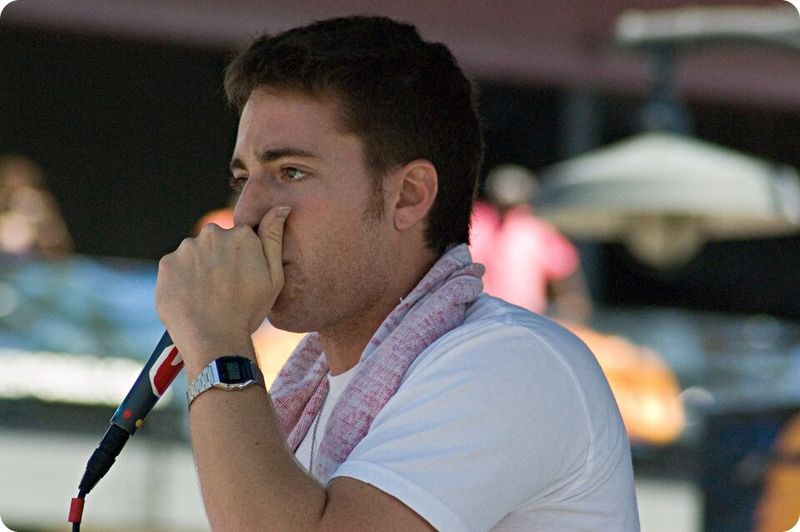
Making a full drum kit come out of one human mouth is a skill that sounds ridiculous until you hear someone actually do it. Beatboxing became a recognized art form through hip-hop’s early era, when performers needed rhythm but did not always have access to instruments or equipment.
Doug E. Fresh is widely credited as one of the pioneers who elevated beatboxing from a party trick to a respected performance skill.
His 1985 track “The Show” featured beatboxing that left audiences genuinely stunned. It proved that the human voice was its own instrument, capable of extraordinary rhythmic complexity.
Beatboxing competitions now happen worldwide, with performers who can layer multiple sounds simultaneously in real time. YouTube tutorials have made it accessible to anyone willing to practice.
But the art form’s home is hip-hop, and its founders were young Black men who turned limitation into innovation. That is a recurring theme in this entire list, and it never gets old.
Protest Tactics That Changed the World
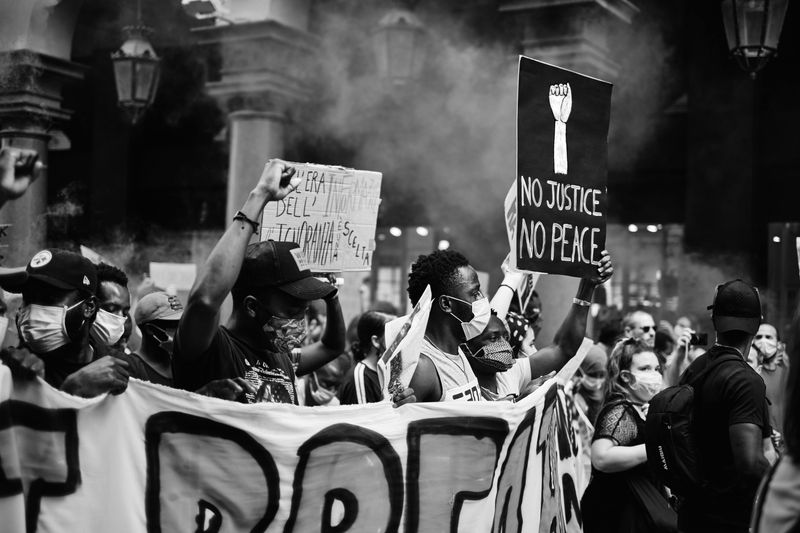
Sitting down at a lunch counter took more courage than most people will ever need in their lifetime. During the U.S.
Civil Rights Movement, Black activists developed and popularized nonviolent direct action as a powerful protest strategy. Sit-ins, freedom rides, and organized marches were not spontaneous.
They were carefully planned acts of resistance.
The Greensboro sit-ins of 1960, led by four Black college students, became one of the most iconic examples. By refusing to leave segregated lunch counters, they forced businesses and governments to respond to injustice.
The strategy was disciplined, dignified, and devastatingly effective.
These tactics were later adopted by protest movements around the world, from anti-apartheid organizers in South Africa to environmental activists today. The blueprint for peaceful, organized civil disobedience was written during the Civil Rights era by Black Americans who risked everything for equality.
Every modern protest movement standing in that tradition owes a direct debt to those original organizers.



