Some of the most beloved fictional characters in books, movies, and television were not purely invented from thin air. Real people, with their quirks, stories, and personalities, quietly shaped the heroes and villains we grew up loving.
From a one-legged poet inspiring a fearsome pirate to a real bear at the London Zoo becoming a children’s icon, the connections between fiction and reality are fascinating. Get ready to see your favorite characters in a completely new light.
1. Sherlock Holmes
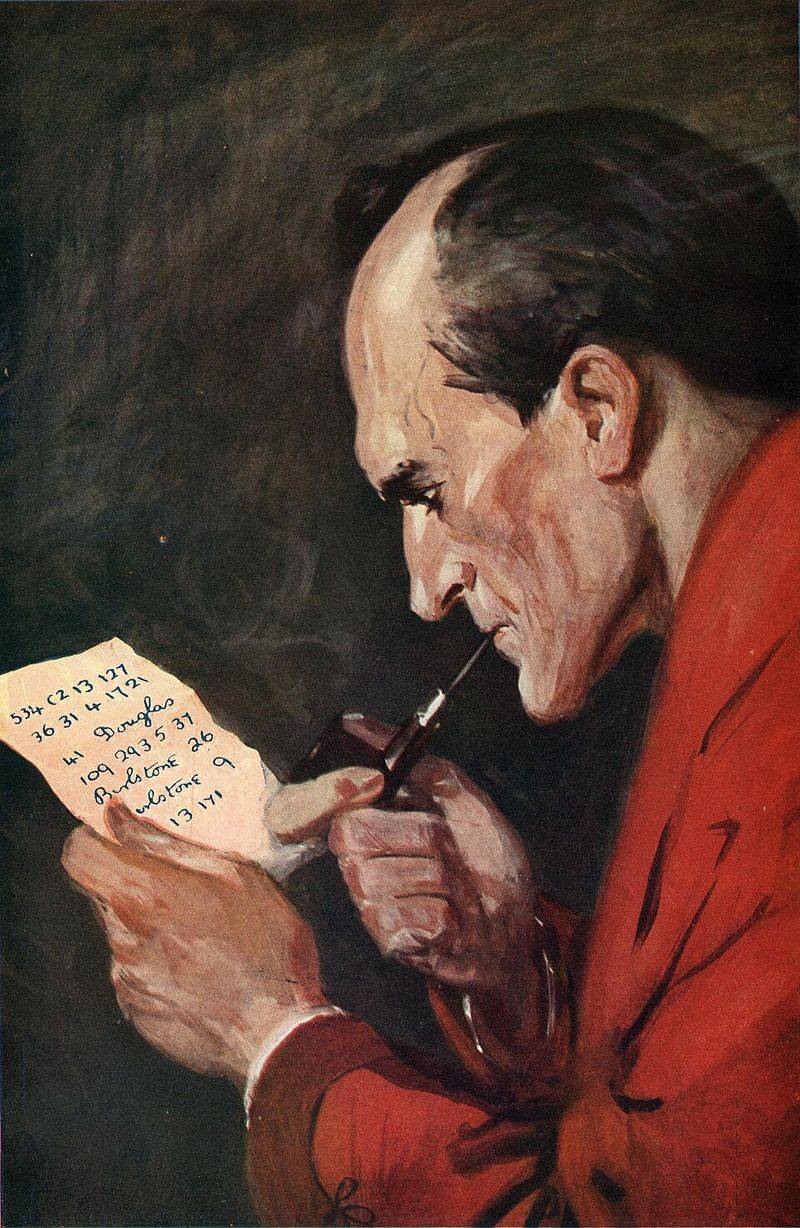
Most people assume Sherlock Holmes sprang entirely from Arthur Conan Doyle’s imagination, but the truth is far more grounded. Doyle based his legendary detective on Dr. Joseph Bell, a professor he studied under at the University of Edinburgh Medical School in the 1870s.
Dr. Bell had an extraordinary ability to observe tiny physical details about patients and deduce their professions, habits, and histories before they even spoke. He once reportedly identified a patient as a left-handed cobbler just from the calluses on his hands.
Doyle was so impressed that he carried those skills directly into Holmes’s character.
Bell himself was flattered by the comparison and even helped Doyle with a real criminal case. Without this sharp-eyed Scottish doctor, the world’s most famous fictional detective might never have existed in the form we know and love today.
2. James Bond
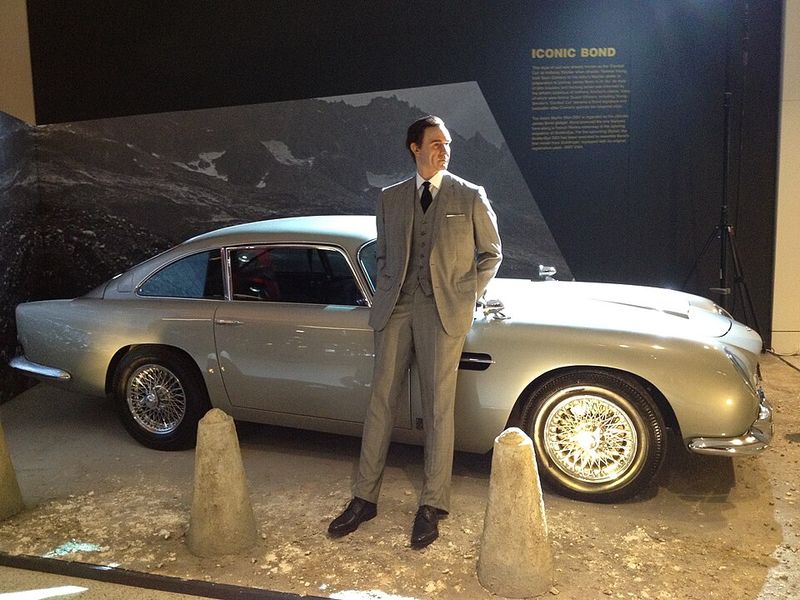
James Bond is the ultimate spy fantasy, but the suave secret agent has roots in a very real wartime double agent named Dusko Popov. Born in Serbia, Popov worked for British intelligence during World War II while simultaneously feeding false information to the Nazis.
Ian Fleming, who created Bond, reportedly encountered Popov at a casino in Portugal in 1941. Popov was known for his lavish lifestyle, charm, and fearlessness, qualities that Fleming found irresistible.
The famous casino scene in Casino Royale is believed to draw directly from that real encounter.
Popov also once handed the FBI a warning about a possible Japanese attack on Pearl Harbor, though his tip was largely ignored. He was a genuine spy who lived dangerously and stylishly.
Fleming took that energy and turned it into the fictional icon the entire world came to know as 007.
3. Indiana Jones
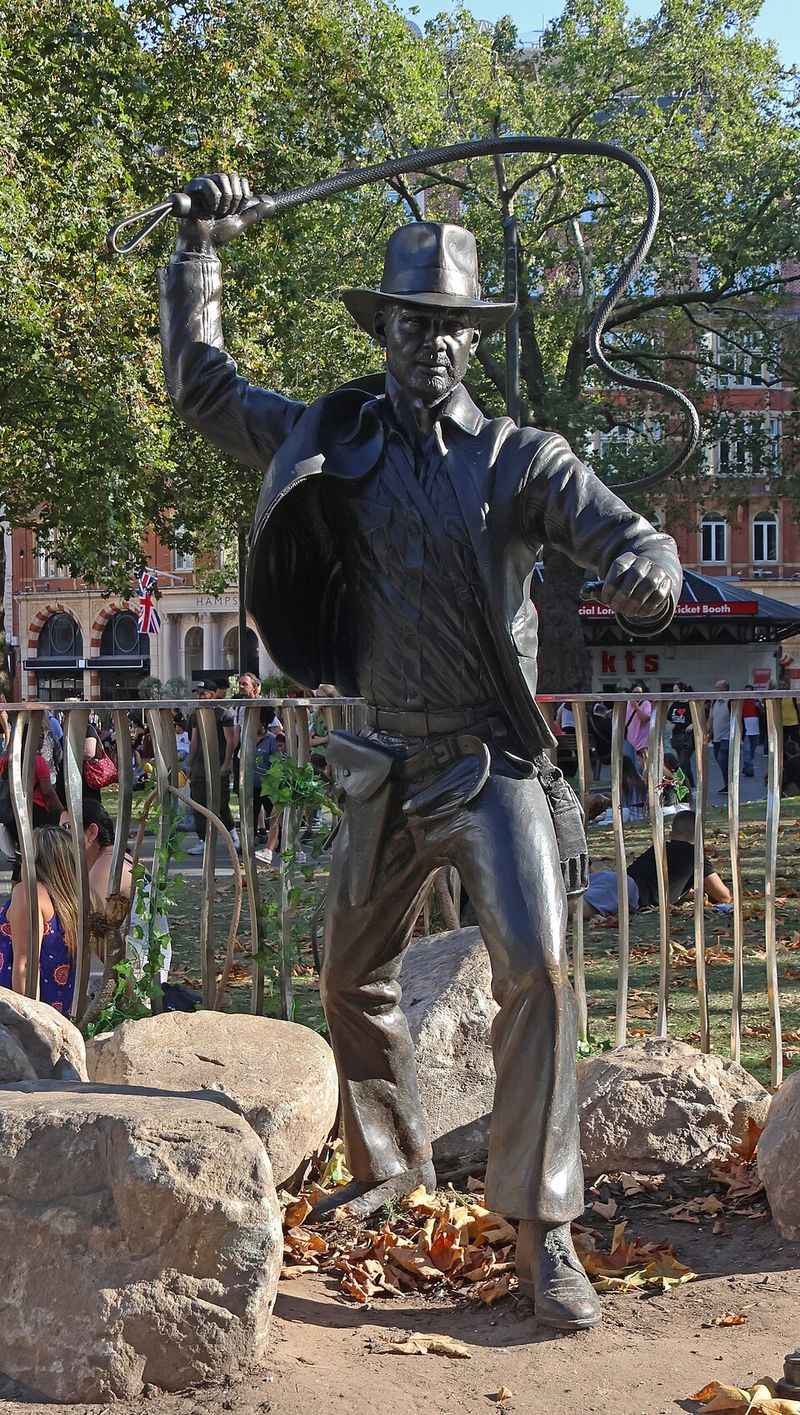
Few adventure heroes feel as real as Indiana Jones, and that is partly because one of his key inspirations actually existed. Hiram Bingham III was an American explorer and historian who brought the Incan citadel of Machu Picchu to international attention in 1911.
George Lucas and Steven Spielberg drew from Bingham’s image when crafting Indy: the rugged hat, the academic background, the thrill-seeking expeditions into remote and dangerous places. Bingham was not just an explorer; he was also a Yale lecturer and later a U.S.
Senator, blending intellect with adventure much like Jones does on screen.
Other real-life archaeologists and pulp fiction heroes also contributed to the character’s DNA. Still, Bingham remains the most cited influence.
His real journeys through South American jungles gave Indiana Jones the authentic sense of discovery that made audiences around the world fall in love with the character.
4. Captain Ahab
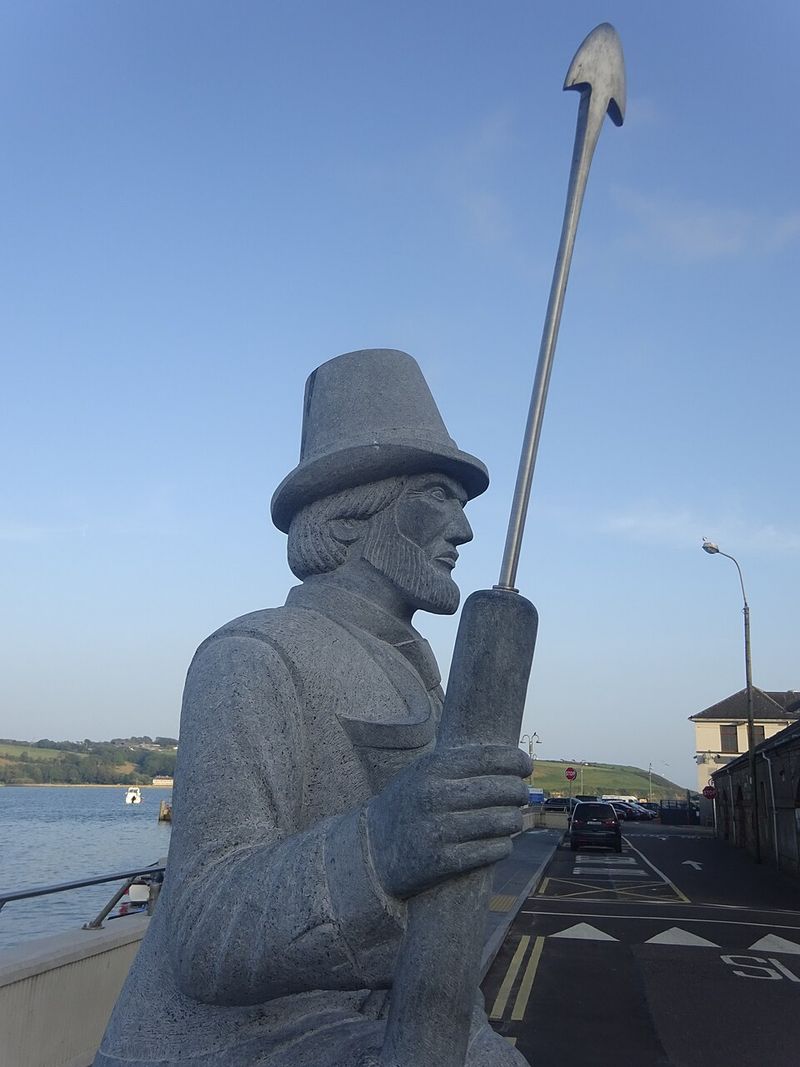
Herman Melville’s obsessed Captain Ahab is one of literature’s most haunting figures, and his creation was grounded in real maritime tragedy. Captain George Pollard Jr. commanded the whaleship Essex, which was rammed and sunk by an enormous sperm whale in 1820 in the Pacific Ocean.
The crew survived weeks adrift at sea under desperate conditions. Pollard’s experience of being defeated by the very creature he hunted left a psychological mark that Melville translated into Ahab’s all-consuming obsession.
Melville actually met Pollard in Nantucket in 1851 and described him as a simple, unassuming man crushed by fate.
What makes Pollard’s story especially striking is that he went back to sea after the Essex disaster, only to have his second ship also wrecked. He eventually retired to become a night watchman.
That quiet, broken ending gave Melville’s grand character much of its tragic emotional weight.
5. Long John Silver
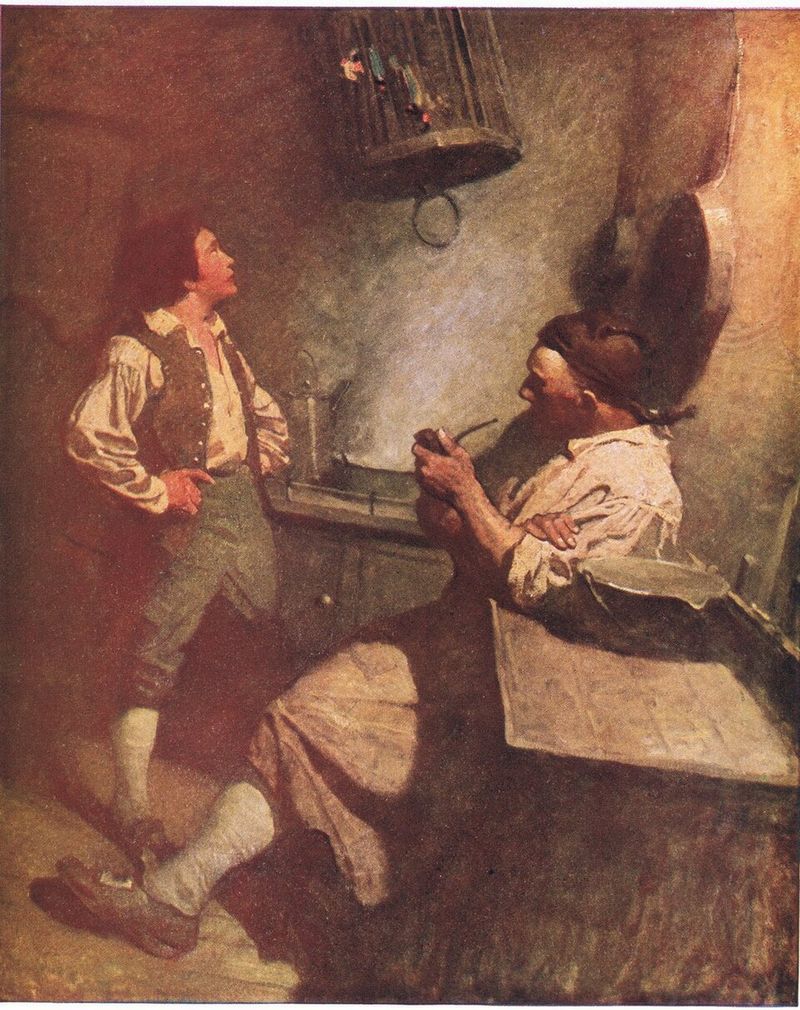
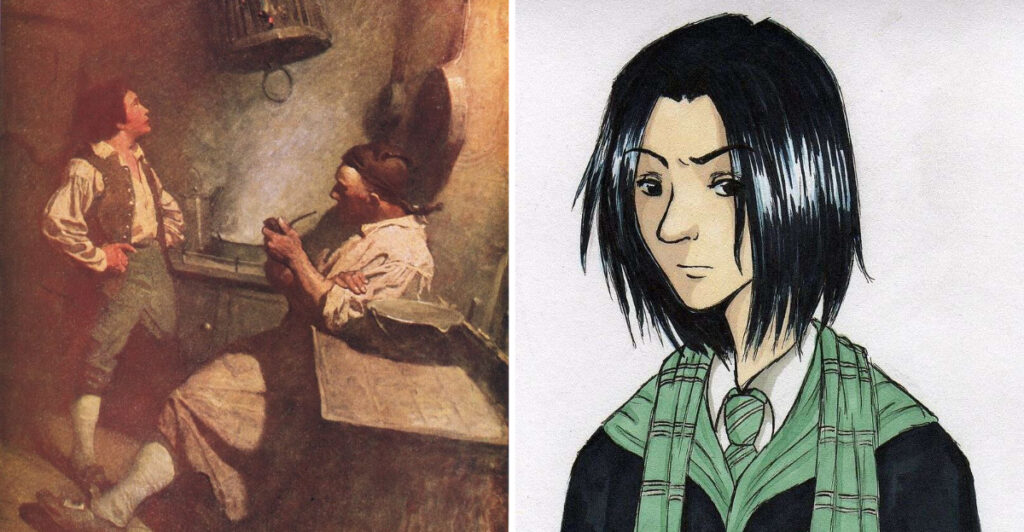
Long John Silver is one of literature’s most memorable pirates, full of charm, cunning, and unpredictability. Robert Louis Stevenson openly admitted that Silver was inspired by his real-life friend, poet William Ernest Henley, who had his left leg amputated below the knee due to tuberculosis of the bone.
Stevenson once wrote to Henley explaining exactly how much of the character came from him, describing Henley’s boisterous energy, physical presence, and magnetic personality as the blueprint for the pirate. Far from being offended, Henley reportedly found the tribute flattering.
Henley is perhaps best remembered today for writing the poem “Invictus,” which includes the famous line “I am the master of my fate.” That fierce resilience in the face of physical hardship translated perfectly into Silver’s swaggering confidence. Stevenson gave Silver the darkness; Henley gave him the undeniable, irresistible life force that keeps readers captivated.
6. Severus Snape
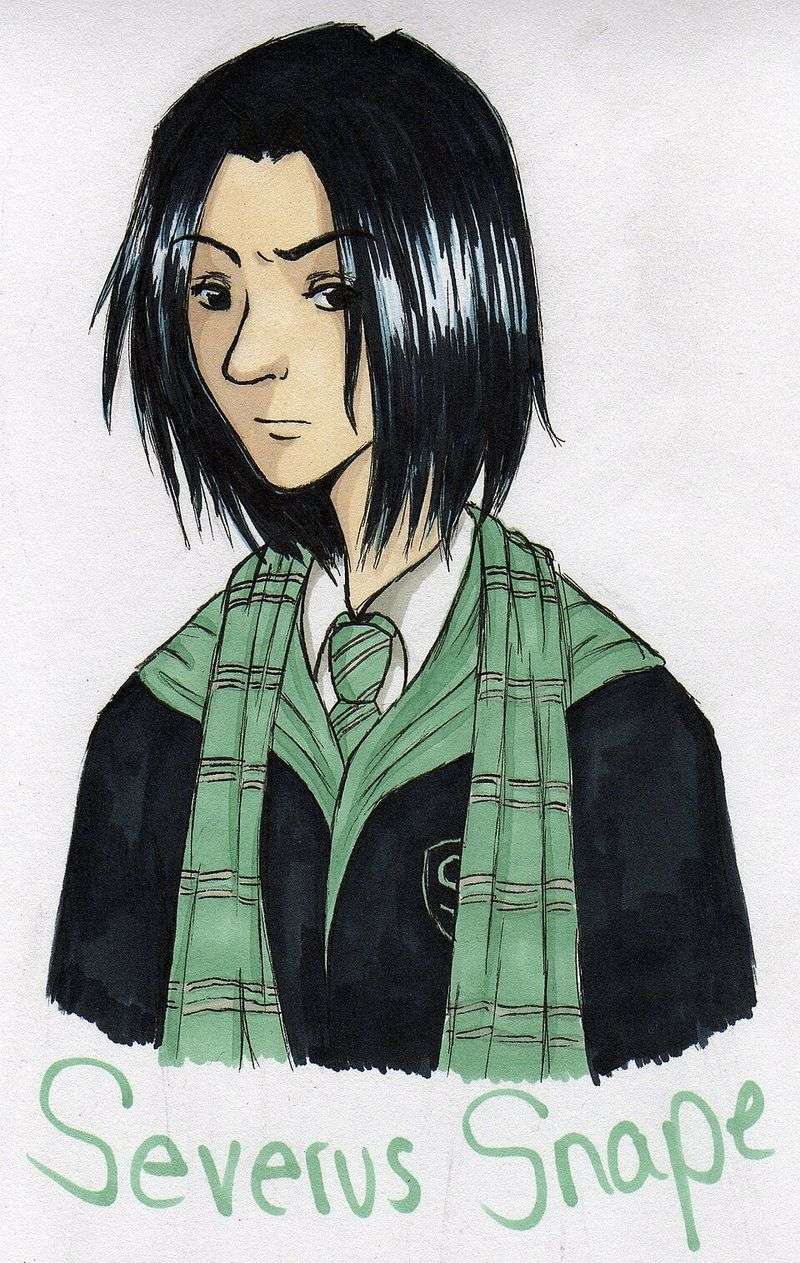
Professor Severus Snape is one of the most complex characters in the Harry Potter series, and J.K. Rowling has confirmed that her real-life chemistry teacher played a significant role in shaping him.
John Nettleship taught at Wyedean School in Gloucestershire, where Rowling was a student in the 1970s and 1980s.
Nettleship was known for being strict and intimidating in class, qualities that fed directly into Snape’s cold, exacting teaching style. Interestingly, Nettleship himself was reportedly surprised to learn he had inspired the character.
He later said he found Snape far more dramatic than he ever was in real life.
What makes this connection especially interesting is that Snape turns out to be one of the story’s most heroic figures despite his harsh exterior. Rowling transformed a memory of classroom discomfort into a layered, unforgettable character whose real-life counterpart became a minor celebrity among Harry Potter fans worldwide.
7. Norman Bates
Robert Bloch’s Norman Bates, the disturbed motel owner in Psycho, was inspired by one of America’s most notorious criminals. Ed Gein was a Wisconsin man arrested in 1957 whose crimes shocked the nation and revealed a deeply troubled psychology rooted in an obsessive relationship with his domineering mother.
Bloch actually lived near Gein’s hometown and drew from the real case to craft Bates’s unsettling mother fixation and hidden violent tendencies. Alfred Hitchcock later adapted the novel into the iconic 1960 film, cementing Bates as a cultural touchstone for psychological horror.
Gein’s disturbing legacy did not stop with Norman Bates. He also influenced the creation of Buffalo Bill in The Silence of the Lambs and Leatherface in The Texas Chain Saw Massacre, making him arguably the single most referenced real criminal in horror fiction history.
One real case spawned an entire genre’s worth of nightmares.
8. Peter Pan Was Born from a Real Boy Named Michael

J.M. Barrie’s Peter Pan, the boy who refuses to grow up, was inspired by real children: the Llewelyn Davies boys, a group of brothers Barrie befriended in London’s Kensington Gardens around the turn of the 20th century.
Among them, Michael Llewelyn Davies held a particularly special place in Barrie’s imagination.
Michael was known for his vivid imagination, playful energy, and the kind of childhood spirit that Barrie found both magical and heartbreaking in its fleeting nature. Barrie originally told stories to the boys during park visits, and those tales eventually grew into the stage play and novel that became Peter Pan.
The story carries a bittersweet quality that reflects Barrie’s genuine grief over childhood’s inevitable end. Michael’s own life was tragically short; he drowned at Oxford in 1921 at age 21.
That loss gave Peter Pan’s theme of never growing up a depth that audiences have felt for over a century.
9. Winnie-the-Pooh Started as a Real Bear at the London Zoo
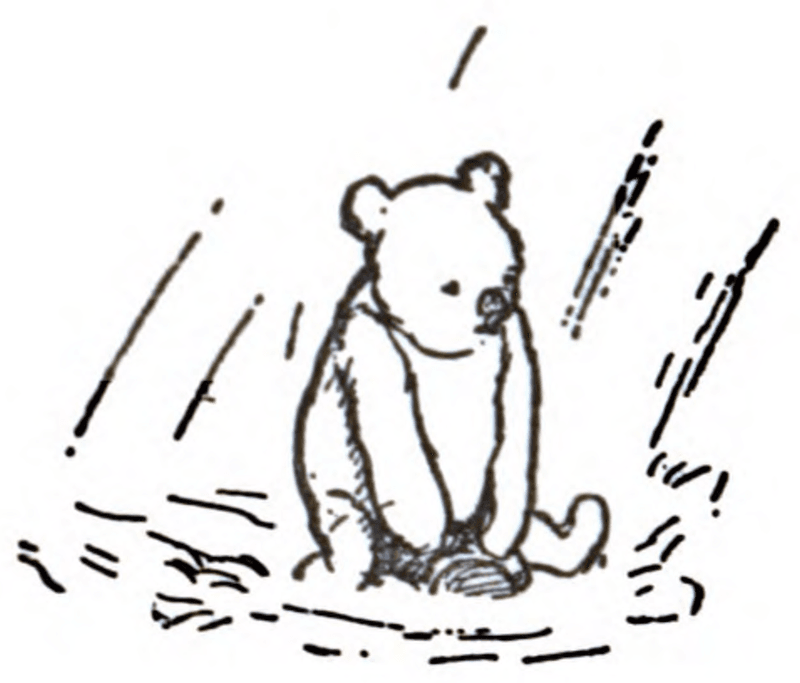
Before Winnie-the-Pooh was a stuffed toy in a storybook, Winnie was an actual bear living at the London Zoo. She was a female black bear originally from White River, Ontario, Canada, purchased as a mascot by a Canadian Army officer named Lieutenant Harry Colebourn during World War I.
When Colebourn was deployed to France, he donated Winnie to the London Zoo, where she became a beloved attraction. Christopher Robin Milne, son of author A.A.
Milne, visited the zoo regularly and adored Winnie so much that he named his own teddy bear after her.
A.A. Milne then used the name for the fictional bear in his stories, giving the world one of children’s literature’s most cherished characters.
Winnie the real bear was known for being gentle and playful with visitors. She lived at the zoo until 1934, leaving behind a legacy far bigger than anyone could have imagined.
10. Dorian Gray
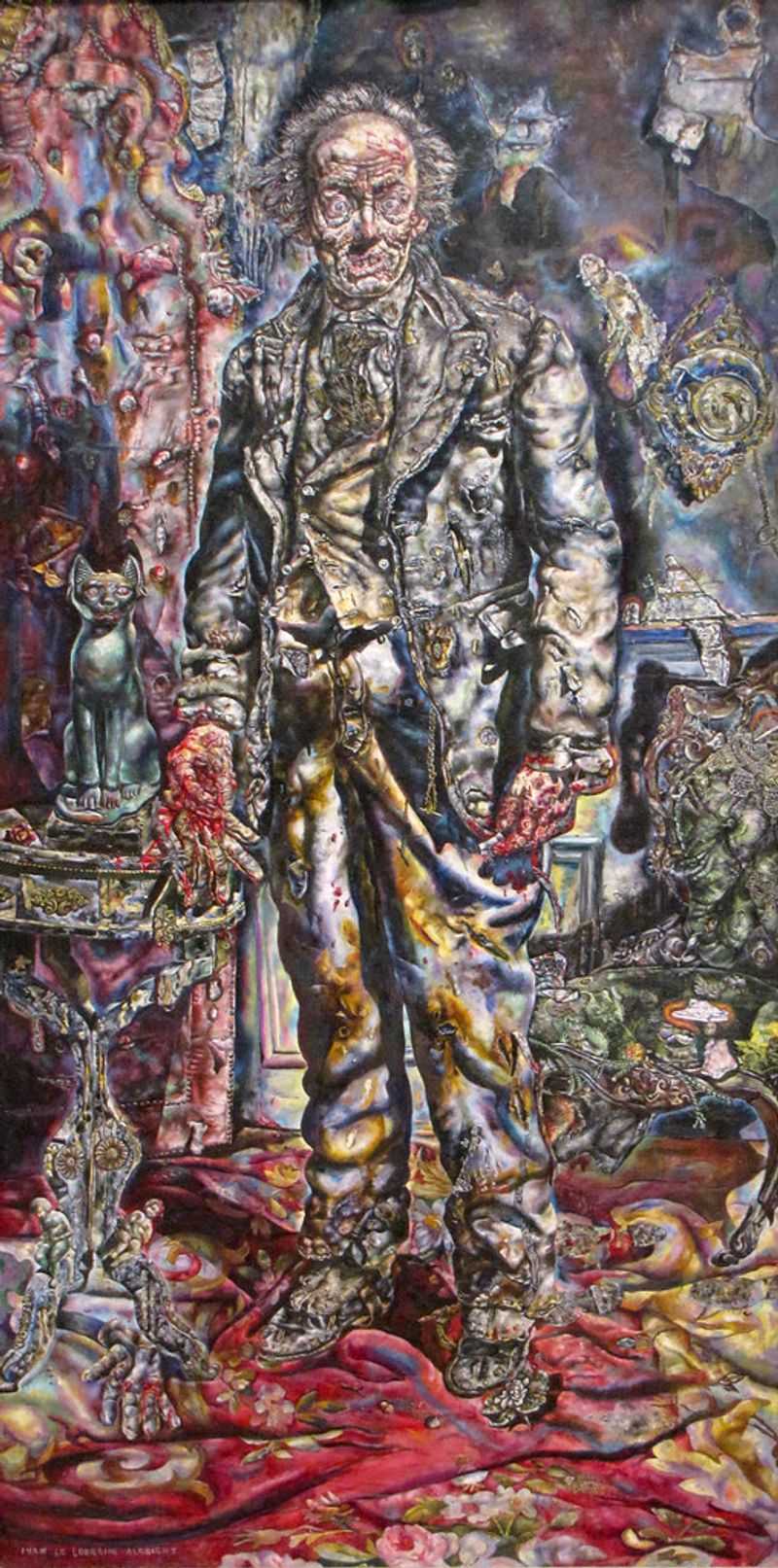
Oscar Wilde’s The Picture of Dorian Gray tells the story of a beautiful young man who stays forever youthful while a hidden portrait ages and decays in his place. Many literary scholars believe Wilde drew inspiration for the character from John Gray, a poet and close acquaintance who moved in the same London artistic circles during the late 19th century.
John Gray was known for his striking looks and his association with the aesthetic movement, which prized beauty and art above all else. His friendship with Wilde was close enough that some of Wilde’s letters were addressed simply to “Dorian.” Whether this was playful or meaningful has been debated by scholars for decades.
Wilde never explicitly confirmed the connection, which only adds to the mystery. John Gray later became a Catholic priest, dramatically distancing himself from his earlier bohemian life.
That transformation makes the Dorian Gray parallel even more intriguing and layered with irony.
11. Count Dracula
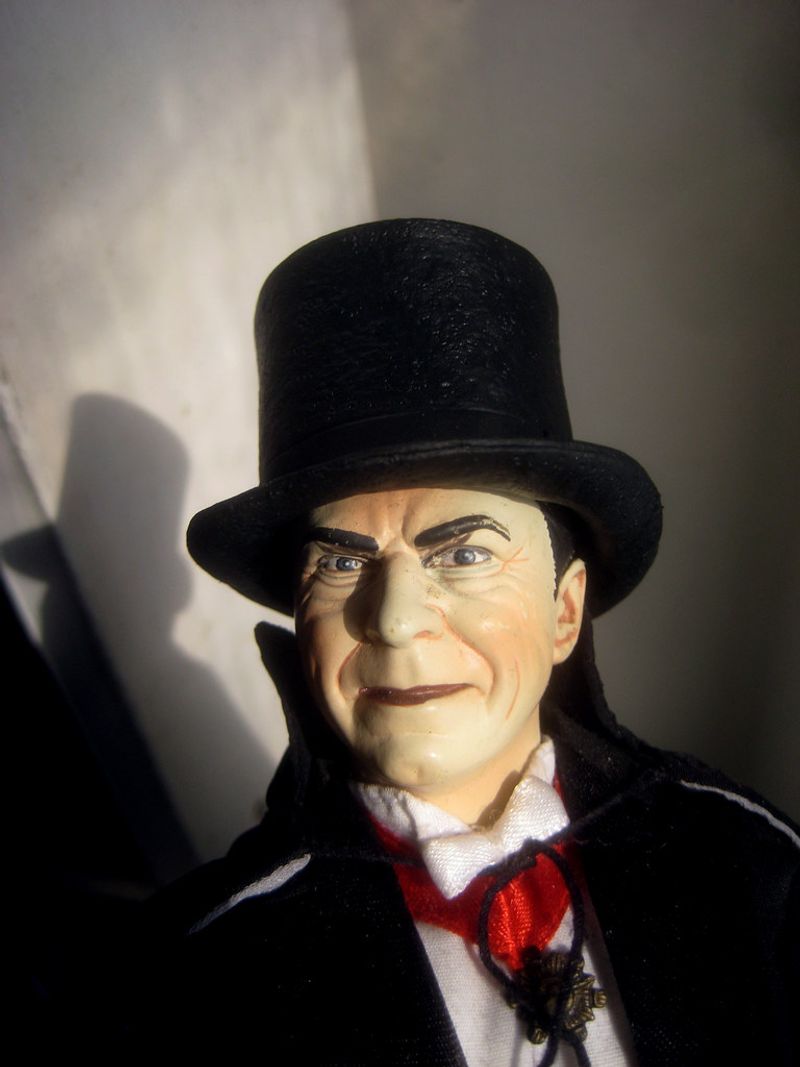
Bram Stoker’s Count Dracula is the most famous vampire in literary history, and while he is entirely fictional, his name and some of his historical associations trace back to a very real and very fearsome ruler. Vlad III, known as Vlad the Impaler, was a 15th-century prince of Wallachia in what is now Romania.
Stoker came across Vlad’s name and history while researching Eastern European folklore and history for his novel. The name “Dracula” derives from “Dracul,” meaning dragon or devil, a title held by Vlad’s father.
Stoker borrowed the name and the Transylvanian setting, though the vampire’s personality and mythology are largely Stoker’s own invention.
Vlad was notorious for his brutal methods of punishing enemies, which earned him his grim nickname. Historians note that Stoker’s use of his legacy was loose rather than literal.
Still, that historical connection gave Dracula a grounded, unsettling edge that pure fantasy alone could never have provided.
12. Robinson Crusoe
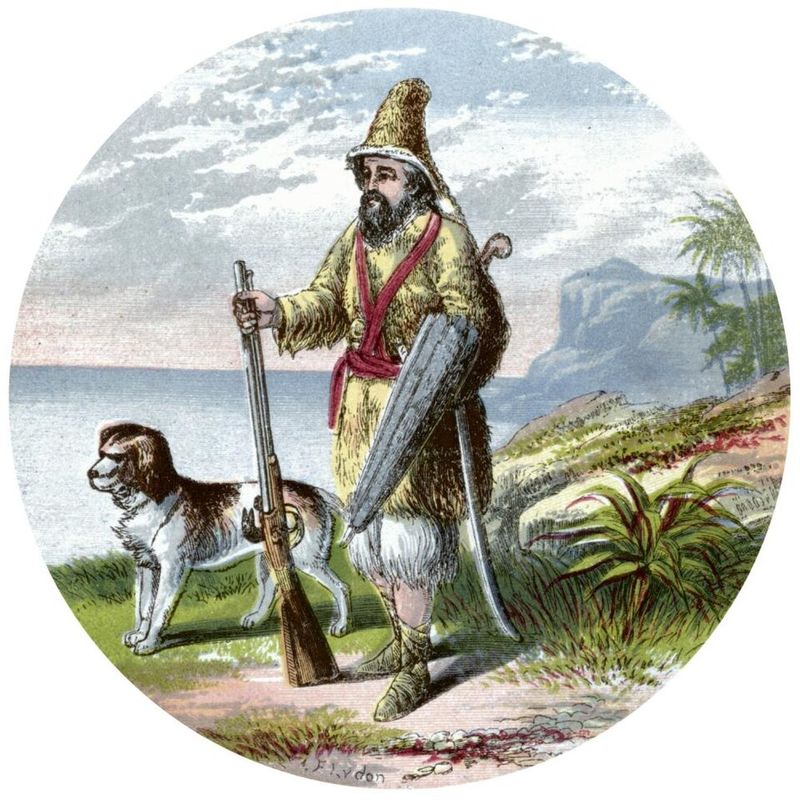
Daniel Defoe’s Robinson Crusoe, the castaway who survives alone on a deserted island through ingenuity and determination, was directly inspired by the real ordeal of Alexander Selkirk, a Scottish sailor who lived this story before Defoe ever wrote it down.
In 1704, Selkirk was marooned on the uninhabited island of Mas a Tierra in the South Pacific after a dispute with his ship’s captain. He survived there entirely alone for four years and four months before being rescued in 1709.
His story made headlines across Britain and became widely known.
Defoe published Robinson Crusoe in 1719, and while he never directly credited Selkirk, the parallels are undeniable. Selkirk reportedly struggled to readjust to society after his rescue, preferring solitude, a detail that adds a poignant layer to Crusoe’s fictional journey.
Today, Mas a Tierra has been officially renamed Robinson Crusoe Island in honor of the literary legacy Selkirk unknowingly inspired.
Share this story