Growing up in the spotlight sounds like a dream, but for many child stars, fame came with a heavy price. The pressure of Hollywood, combined with personal struggles and poor decisions, led some of the most promising young talents to self-destruct.
These stories are not meant to shame anyone but to show how quickly things can fall apart when the right support is missing. From TV icons to sports prodigies, here are 12 famous kids who, at some point, derailed their own careers.
1. Amanda Bynes

Once one of Nickelodeon’s brightest stars, Amanda Bynes charmed millions with her quick wit and natural comedic timing on shows like The Amanda Show and What I Like About You. Her transition to film seemed promising, with roles in She’s the Man and Hairspray earning solid reviews.
But by 2012, things began unraveling publicly. Erratic behavior, run-ins with law enforcement, and alarming social media posts raised serious concerns about her mental health.
A 2013 psychiatric hold marked a turning point that kept her out of the industry for years.
To her credit, Bynes has been open about her struggles with mental illness and has sought treatment. She enrolled in fashion school and expressed interest in returning to acting.
Her story is less about blame and more about how the entertainment industry often fails to protect young performers when they need help most.
2. Lindsay Lohan

Few fall-from-grace stories hit as hard as Lindsay Lohan’s. As a child, she was magnetic on screen, delivering standout performances in The Parent TrapFreaky Friday and that made her one of Hollywood’s most bankable young stars.
Studios were lining up for her.
Then came a series of arrests, substance abuse issues, and missed film commitments that made her essentially uninsurable in Hollywood. Between 2007 and 2013, she faced multiple DUI charges, probation violations, and stints in rehabilitation centers that dominated tabloid headlines.
Directors and producers who once fought for her talent began distancing themselves entirely. While Lohan has made some comeback attempts, including a Netflix holiday film, she never fully recaptured her earlier momentum.
Her story serves as a sobering reminder that talent alone cannot sustain a career when personal chaos consistently overshadows professional opportunity.
3. Edward Furlong

Edward Furlong burst onto the scene at just 13 years old, playing John Connor in Terminator 2: Judgment Day. His raw, natural performance earned him widespread praise and industry buzz that most actors only dream about.
For a brief moment, he seemed destined for superstardom.
Substance abuse problems began derailing his career through the late 1990s and into the 2000s. Missed auditions, erratic behavior on set, and multiple legal troubles made studios reluctant to cast him in major productions.
He lost significant roles as a result of his unreliability.
Furlong has spoken candidly about his addiction battles, acknowledging that his early Hollywood environment contributed to poor choices. He continued working in smaller independent films but never reclaimed the mainstream spotlight he once held.
His career arc is a classic example of enormous potential meeting destructive personal habits at a critical crossroads.
4. Dana Plato

Dana Plato was a beloved fixture on Diff’rent Strokes, the hit sitcom that ran from 1978 to 1986. Playing Kimberly Drummond, she was warm, likable, and genuinely talented.
Audiences adored her, and her future in entertainment looked bright heading into the late 1980s.
Unfortunately, personal struggles took over quickly after the show ended. She became pregnant at 18, which led producers to write her character out of the series.
Financial difficulties and substance abuse followed, and in 1991 she was arrested for robbing a Las Vegas video store with a pellet gun.
The incident became a cultural punchline, and serious acting opportunities disappeared entirely. Plato passed away in 1999 at the age of 34 from a drug overdose.
Her tragic story remains one of Hollywood’s most heartbreaking cautionary tales about what happens when young stars are left without adequate support systems after fame fades.
5. Orlando Brown

Orlando Brown was a fan favorite on Disney Channel’s That’s So Raven, playing the lovable and funny Eddie Thomas alongside Raven-Symone. His comedic energy was effortless, and he had a natural chemistry with his co-stars that made the show a massive hit for the network.
After the show ended, Brown struggled to find consistent work, and his personal life began making headlines for all the wrong reasons. Multiple arrests on charges including drug possession and domestic violence painted a troubling picture.
His behavior became increasingly erratic, and public interviews raised widespread concern.
In later years, Brown made headlines with bizarre media appearances that were difficult to watch. He has talked about personal hardships and health struggles, though his path to recovery has been inconsistent.
His situation underscores how abruptly Disney stardom can end and how few resources are available to help young performers navigate life after the cameras stop rolling.
6. Jake Lloyd

Landing the role of young Anakin Skywalker in Star Wars: Episode I – The Phantom Menace should have been a career-launching moment for Jake Lloyd. Instead, the intense scrutiny and relentless criticism the film received turned his childhood into something painful and isolating.
Lloyd has said that after the film’s release, he was bullied mercilessly at school, with classmates mocking him and making lightsaber sounds constantly. The experience made him deeply resentful of acting, and he retired from the industry entirely at age 12, destroying all of his Star Wars memorabilia.
In 2015, he was arrested following a high-speed car chase in South Carolina, and his family later disclosed that he had been diagnosed with schizophrenia. Lloyd’s story is a powerful reminder that child actors are still children, and the weight of franchise expectations can cause real and lasting psychological harm.
7. Mischa Barton

Mischa Barton was everywhere in the mid-2000s. As Marissa Cooper on Fox’s hit drama The O.C., she became a pop culture icon practically overnight, gracing magazine covers and commanding serious attention from major Hollywood studios.
Her star power felt undeniable at the time.
But the pressure of constant public attention took a visible toll. In 2007, she was hospitalized for a psychiatric evaluation, and her behavior became increasingly unpredictable.
Legal troubles, including a DUI arrest, added to growing concerns about her well-being.
After leaving The O.C., she struggled to land roles that matched her earlier success, cycling through smaller projects and reality television appearances. Barton has since spoken about feeling overwhelmed by fame at a young age and not having the right guidance around her.
Her story highlights how quickly a promising television career can plateau when mental health goes unaddressed in a high-pressure industry.
8. Danny Bonaduce

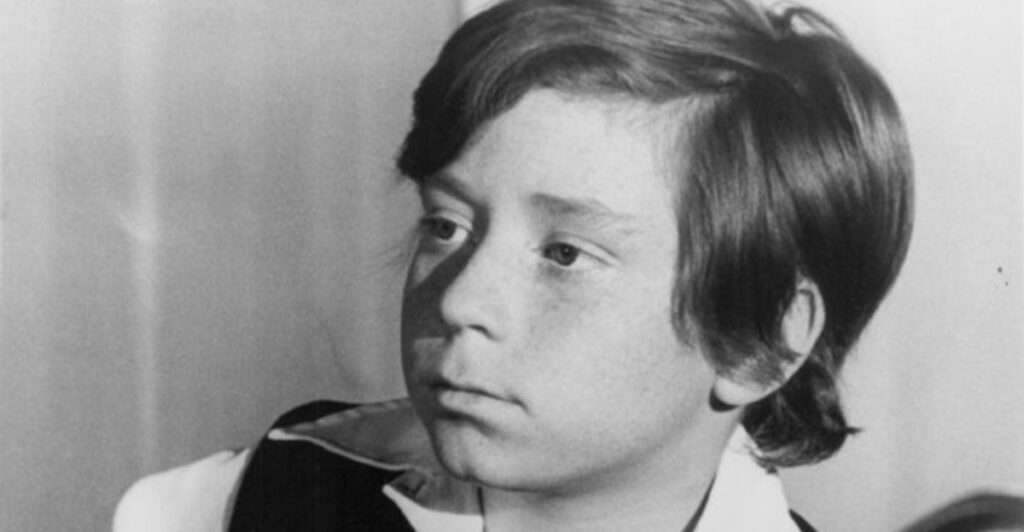
Danny Bonaduce was just 11 years old when he became a household name playing Danny Partridge on The Partridge Family. The show ran from 1970 to 1974, and his wisecracking personality made him a standout character that audiences genuinely loved week after week.
After the show ended, Bonaduce fell into a cycle of substance abuse, homelessness, and legal problems that stretched across multiple decades. He was arrested for drug possession, assault, and other offenses that kept him in and out of courtrooms throughout the 1980s and 1990s.
What makes his story unique is that he managed to rebuild through sheer persistence, eventually carving out a second career in radio and reality television. He has been refreshingly honest about his past mistakes and the toll that early fame took on him emotionally.
His journey is messy, but it also shows that recovery and reinvention are genuinely possible with enough determination.
9. Corey Feldman

During the 1980s, Corey Feldman was one of Hollywood’s most recognizable young faces, appearing in beloved films like The Goonies, Stand by Me, and The Lost Boys. He had a cool, edgy charm that set him apart from other child actors of the era.
Substance abuse became a serious problem as he aged out of the roles that had made him famous. His friendship with Corey Haim, another troubled child star, became a public symbol of Hollywood’s dark side.
Both struggled with addiction simultaneously, with Haim passing away in 2010.
Feldman has spent years speaking out about alleged abuse he experienced as a child in the entertainment industry, a subject that has brought him both attention and controversy. His career never returned to its 1980s peak, but he has remained vocal and visible.
His story raises important questions about how the film industry treats its youngest and most vulnerable performers.
10. Shia LaBeouf

Shia LaBeouf grew up on Disney Channel’s Even Stevens before making an impressive leap to blockbuster films like Transformers and the Indiana Jones franchise. By his mid-20s, he was one of the most recognizable young actors in Hollywood, earning serious critical attention along the way.
Then things got strange. Public meltdowns, plagiarism controversies, bizarre performance art stunts, and a series of arrests for disorderly conduct and assault created a narrative that overshadowed his actual work.
His behavior alienated collaborators and confused audiences who had rooted for him.
Interestingly, LaBeouf has shown genuine artistic range in more recent years, earning strong reviews for Honey Boy, a film he wrote based on his own troubled childhood. His story is complicated because real talent has always been present.
Whether his career fully recovers depends largely on whether audiences and studios are willing to separate the art from the turbulent personal history.
11. JaMarcus Russell

JaMarcus Russell arrived in the NFL in 2007 as the first overall pick in the draft, selected by the Oakland Raiders with enormous expectations attached to his name. Standing at 6 feet 6 inches with a powerful arm, he looked like the franchise quarterback the Raiders had been desperately searching for.
What followed was one of the most stunning busts in professional sports history. Russell showed little commitment to studying game film, showed up to training camp overweight, and struggled badly with consistency on the field.
He was released by the Raiders in 2010 after just three seasons.
Reports later surfaced about his use of codeine-based drinks, which contributed to his decline in focus and physical conditioning. He earned over 36 million dollars but delivered almost nothing in return.
Russell’s story is a cautionary tale about how natural ability means very little without the discipline and work ethic needed to sustain a professional sports career.
12. Johnny Manziel

Johnny Manziel won the Heisman Trophy in 2012 as a freshman at Texas A&M, making him the first freshman ever to win college football’s most prestigious individual award. The nickname Johnny Football followed him everywhere, and NFL scouts were buzzing with excitement heading into the 2014 draft.
Cleveland selected him in the first round, but his professional career was plagued by off-field distractions almost immediately. Partying, missed team meetings, and legal troubles including a domestic violence allegation consumed his public image.
The Browns released him after just two seasons.
No other NFL team gave him a serious opportunity after Cleveland, and attempts to revive his career in the Canadian Football League also fizzled. Manziel has since acknowledged struggles with bipolar disorder and substance abuse, which he says went undiagnosed and untreated during his playing years.
His story is a painful example of how mental health issues, when ignored, can dismantle even the most gifted athletic careers.
Share this story