Some of life’s hardest choices happen behind closed doors, far from the spotlight. For a number of well-known celebrities, one of those choices was placing a child for adoption.
Whether driven by financial hardship, youth, or social pressure, these decisions were deeply personal and often carried lasting emotional weight. Their stories remind us that fame does not make difficult moments any easier.
1. Joni Mitchell
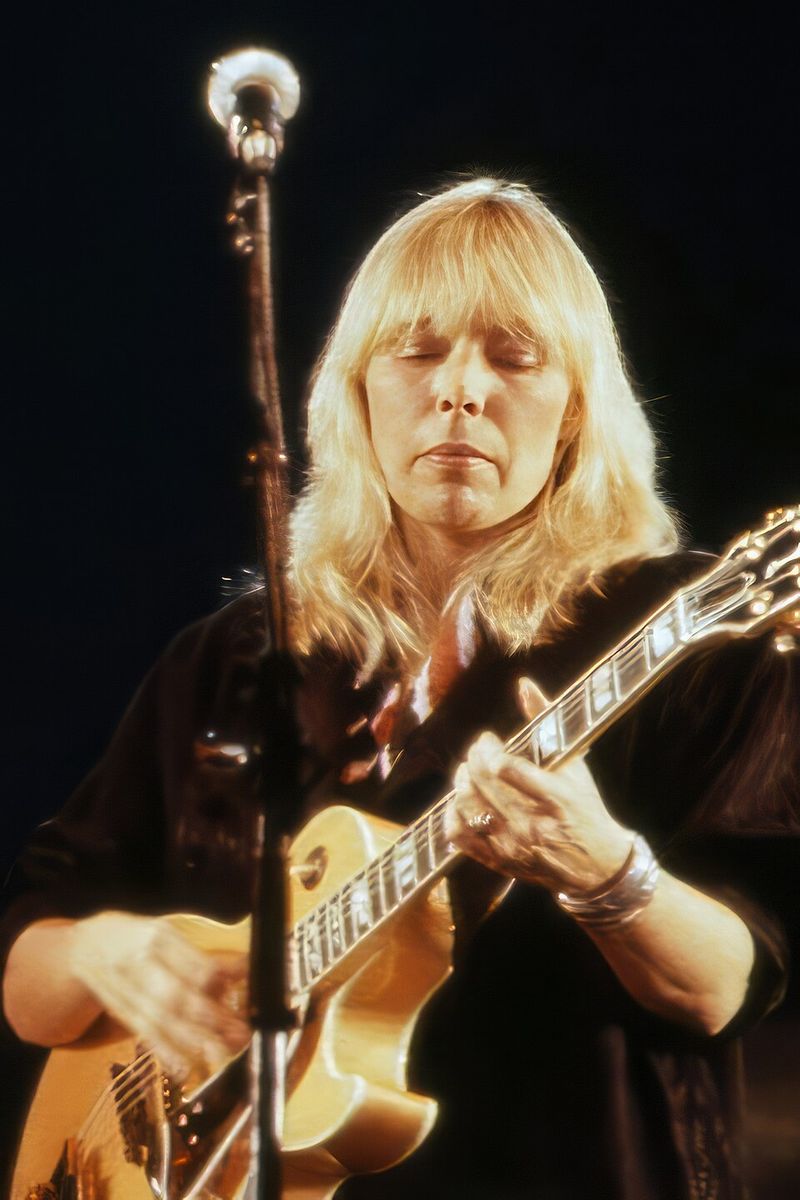
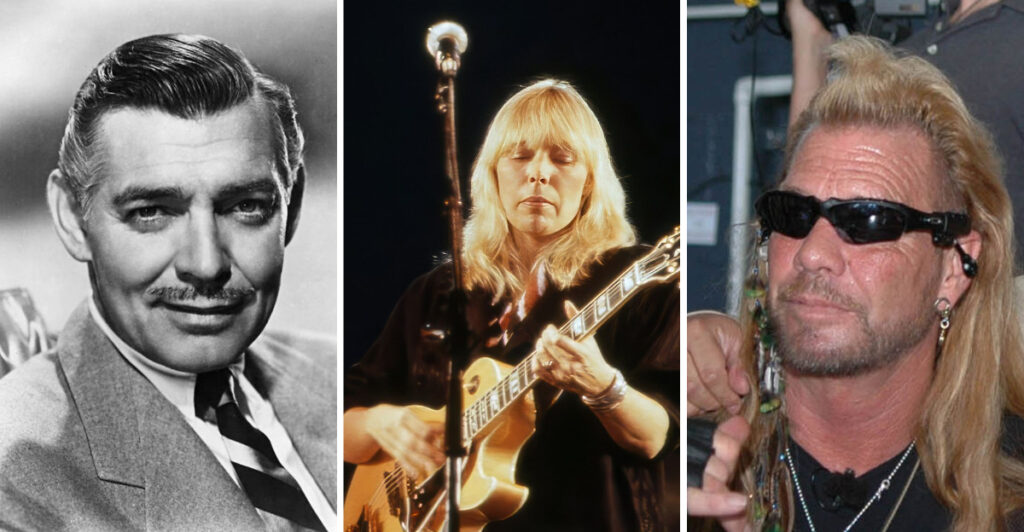
Joni Mitchell is celebrated as one of the greatest singer-songwriters of all time, but behind the music was a deeply personal story few knew for decades. In 1965, at just 21 years old, she gave birth to a daughter named Kelly Dale Anderson.
Struggling financially and facing enormous social pressure as an unmarried young woman, Mitchell made the heartbreaking decision to place her daughter for adoption.
For years, the pain of that choice quietly shaped her songwriting. Mitchell rarely spoke publicly about it, carrying the grief largely in private.
Then, in the 1990s, the two women finally reunited, bringing a long-awaited sense of closure to both of them.
Their reunion was emotional and meaningful. Mitchell has since spoken openly about how difficult the decision was and how much she thought about her daughter over the years.
It is a story of loss, love, and eventual healing.
2. Rod Stewart
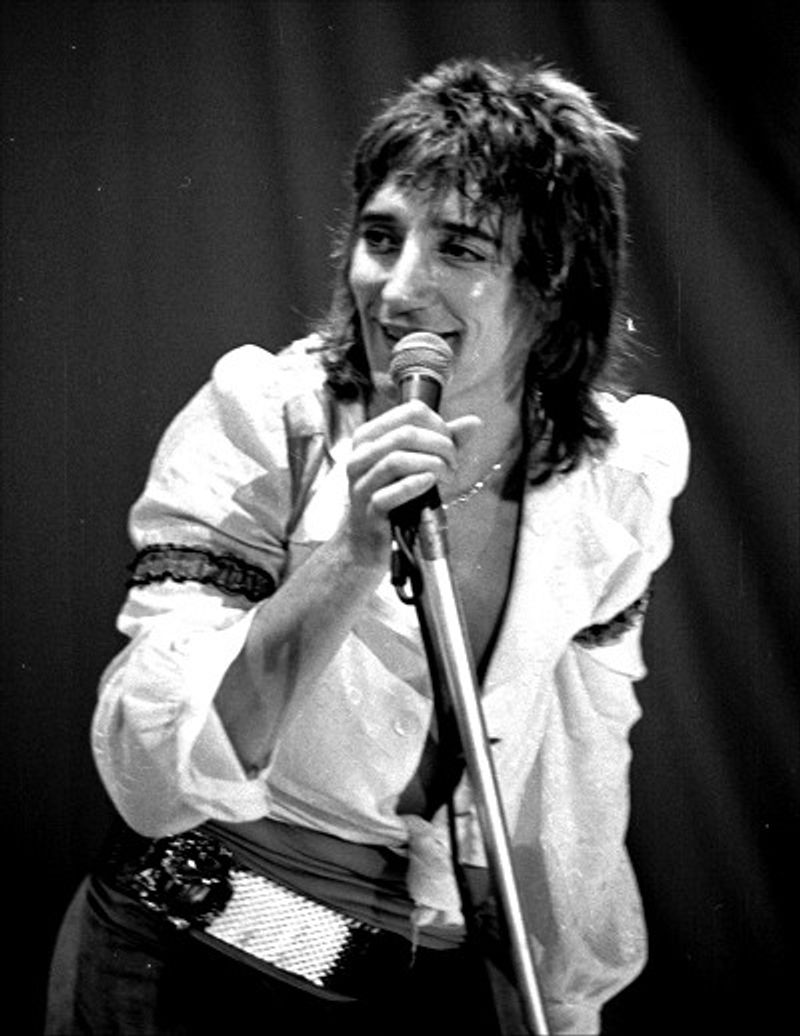
Rod Stewart is known worldwide for his raspy voice and decades of hit songs, but at age 17, he faced a situation no teenager is truly prepared for. He fathered a daughter named Sarah Streeter and, feeling far too young and unready to be a parent, made the decision to place her for adoption.
It was a choice that stayed with him. Stewart has acknowledged the decision publicly and has expressed regret about not being part of Sarah’s early life.
Growing up without knowing her biological father was not easy for Sarah either, and the two eventually worked toward building a relationship as adults.
Their story reflects a common reality for young parents in the 1960s, when resources and support for unmarried fathers were almost nonexistent. Stewart’s openness about this chapter of his life has helped many people feel less alone in similar situations.
3. Kate Mulgrew
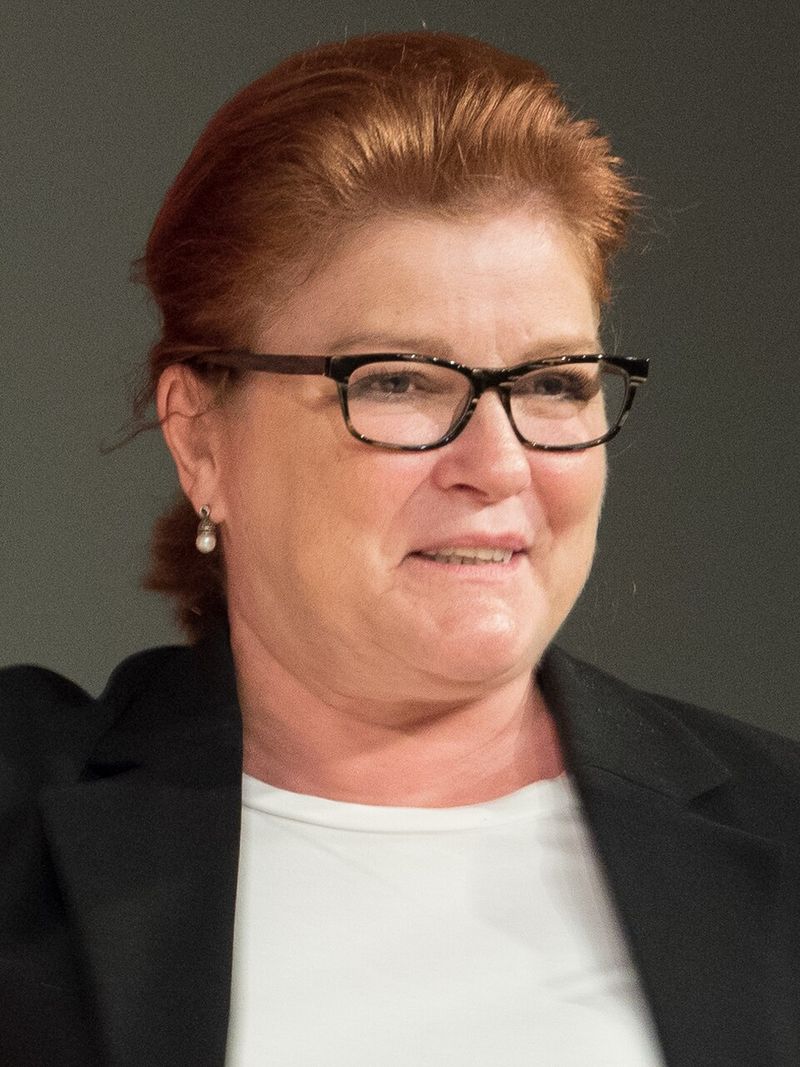
Best known for playing Captain Janeway on Star Trek: Voyager, Kate Mulgrew has had a remarkable career in television and theater. But before the fame came a deeply personal chapter that took decades to fully process.
While still in college, Mulgrew became pregnant and chose to place her daughter for adoption, believing it was the most responsible path she could offer at the time.
The emotional weight of that decision never fully left her. Mulgrew has spoken candidly in interviews and in her memoir about the grief and guilt that followed her for years.
She described it as one of the most painful experiences of her life, even as she understood her own reasoning.
The two eventually reunited, and Mulgrew has been honest about how complicated and healing that process was. Her willingness to share her experience publicly has opened important conversations about the emotional reality of adoption for birth mothers.
4. Patti Smith
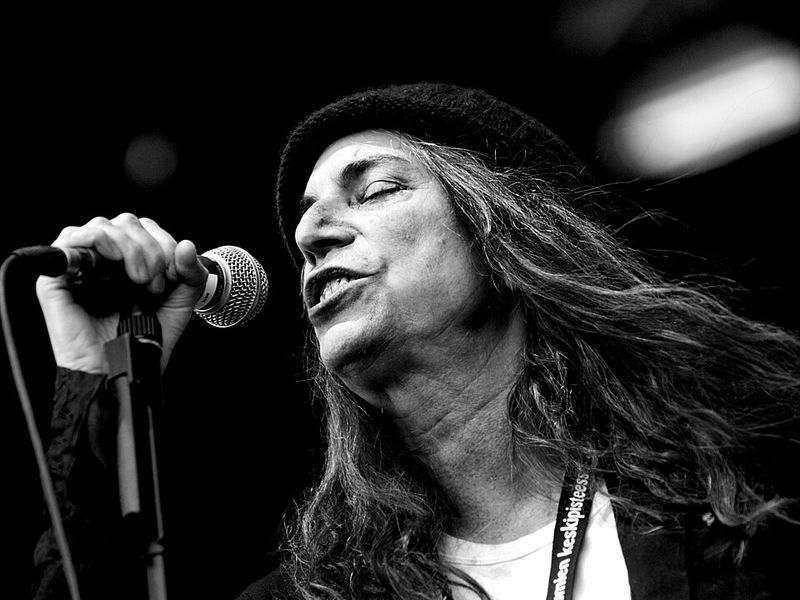
Patti Smith became a defining voice of punk poetry and rock music, but her path to fame began in hardship. Before anyone knew her name, she was a young artist living in New York City with very little money and even fewer options.
In 1967, she gave birth to her first child and, unable to provide a stable life, made the agonizing decision to place the baby for adoption.
Smith rarely discussed this part of her past publicly for many years. Her focus turned to art, poetry, and eventually music, but the experience undoubtedly left its mark.
Those who have read her memoirs know she carried deep emotional complexity throughout her early years.
Her story is a reminder that creativity and personal struggle often walk side by side. Smith went on to become an icon, but she built that legacy while quietly carrying one of the most personal losses a person can experience.
5. Roseanne Barr
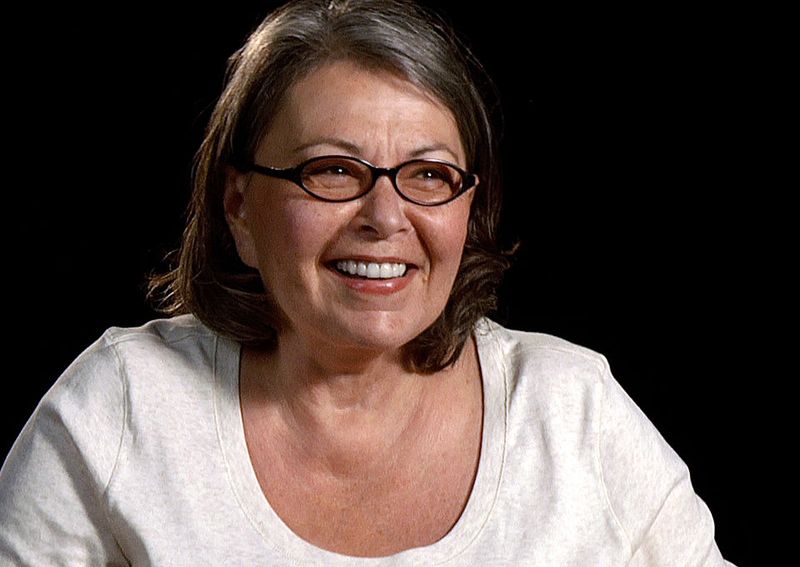
Long before Roseanne Barr became a household name through her groundbreaking sitcom, she was a teenager dealing with an unplanned pregnancy. At 17, she gave birth to a daughter and made the decision to place her for adoption, believing she could not give the child the life she deserved at that point in her life.
Years passed, and Barr went on to build a successful career in comedy and television. Then, after she became famous, she and her daughter reunited.
The reunion brought its own set of complicated emotions, as both women had lived full lives apart from each other.
Barr has addressed this story in public over the years, acknowledging the weight of the choice she made as a teenager. Her honesty helped shine a light on how common this experience was for young women in earlier decades, when support systems were limited and social stigma was heavy.
6. David Foster
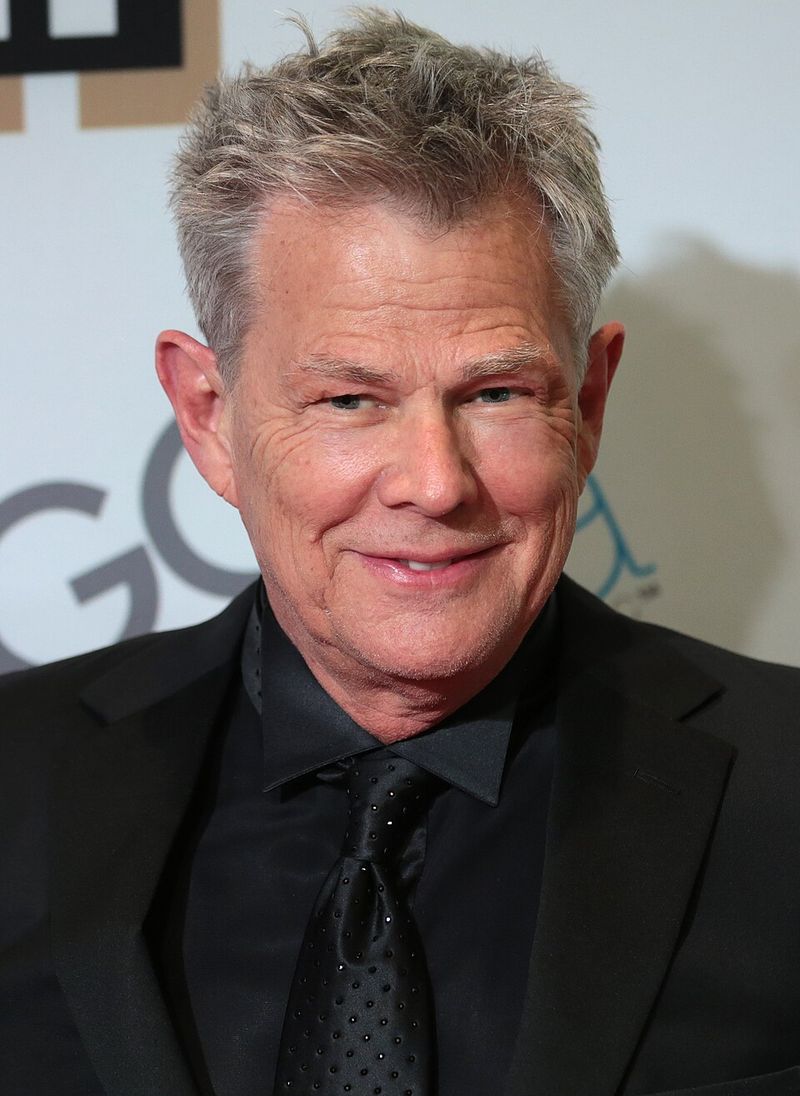
David Foster has won more Grammy Awards than most people can count, and his name is behind some of the biggest songs in pop history. But early in his life, before the studios and the spotlight, he faced a situation that would shape him personally for years to come.
As a young man, Foster fathered a daughter named Allison Jones Foster and placed her for adoption.
The decision was made during a time when he had little stability and felt unprepared for fatherhood. It was not a choice made without emotion, and Foster has acknowledged the lasting impact it had on him.
Years later, the two reconnected and worked to build a meaningful relationship as adults.
Allison has spoken publicly about her experience as an adoptee and her journey to finding her biological father. Their story is one of reconnection and growth, showing that it is never too late to begin building a bond.
7. Mercedes Ruehl
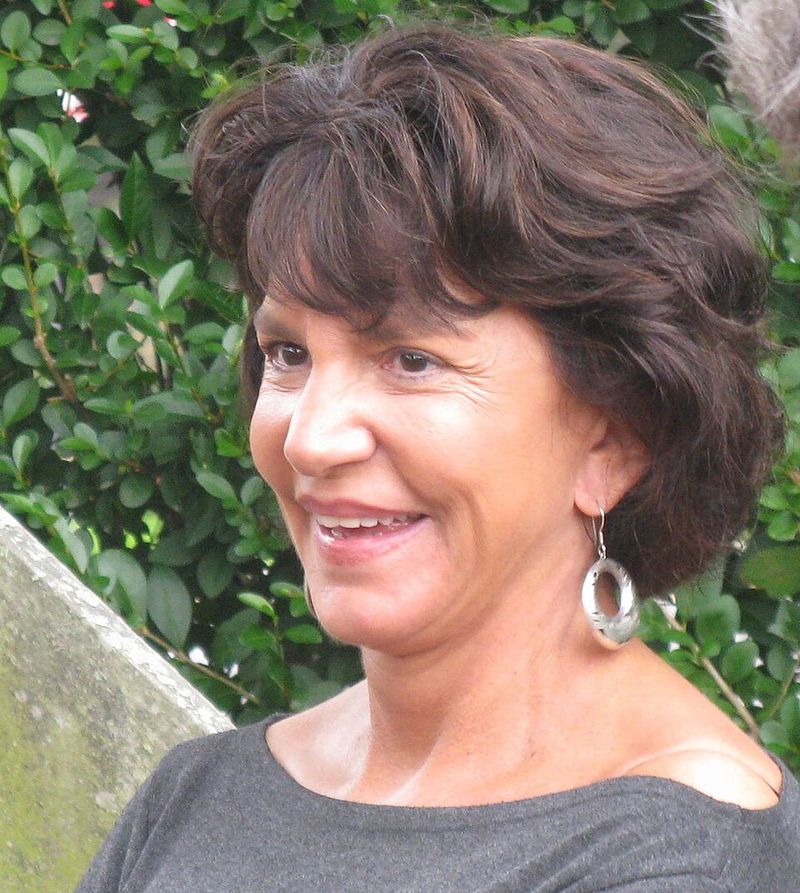
Mercedes Ruehl won an Academy Award for her role in The Fisher King, and she has earned respect throughout her career for her raw, emotionally honest performances. That emotional depth may be rooted, in part, in a very personal experience she carried long before Hollywood recognized her talent.
Ruehl publicly revealed that she had placed a son for adoption before her acting career took off.
Speaking about it required courage, especially in an industry that often avoids vulnerable disclosures. Her openness helped humanize the experience of birth parents, showing that the decision to place a child is not made without love or sacrifice.
Ruehl’s willingness to address this part of her story publicly added another dimension to how people understood her as both an artist and a person. Her honesty has resonated with many who have faced similar crossroads, reminding them that difficult choices do not define a person’s entire story.
8. Ted Nugent
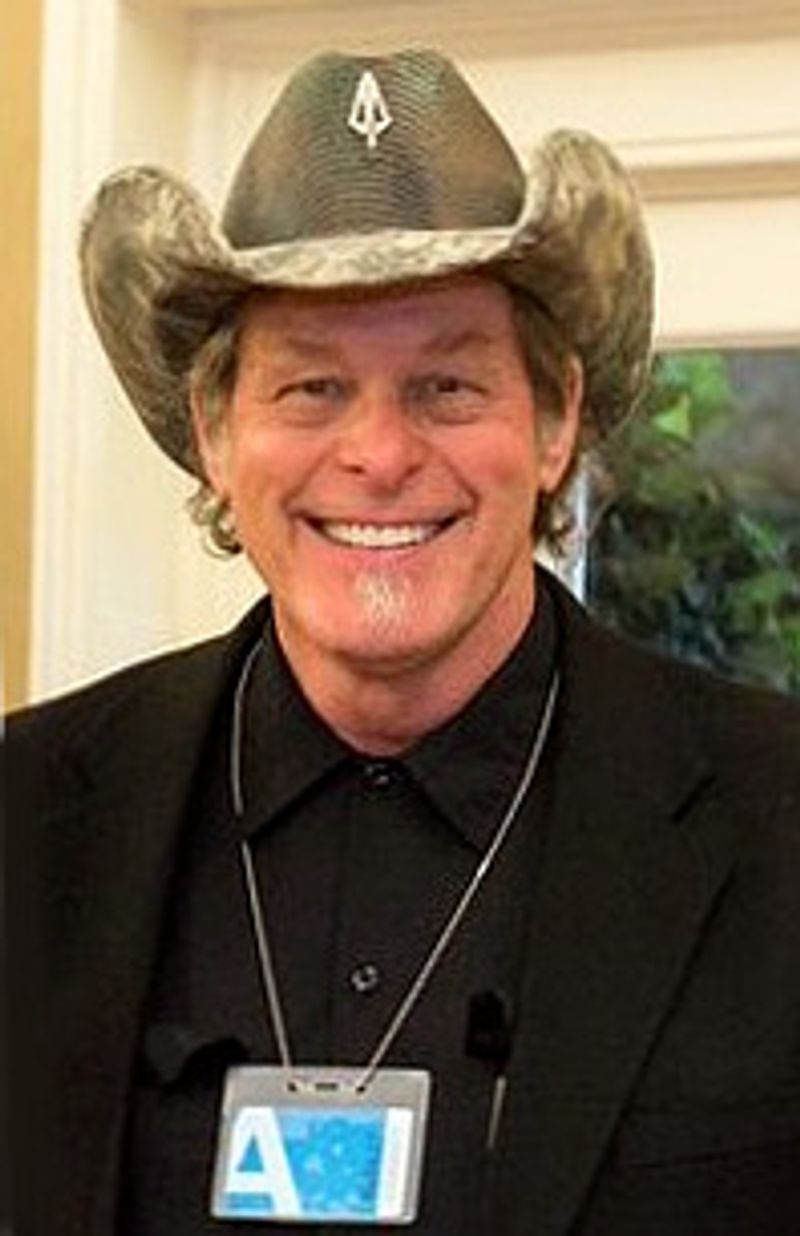
Ted Nugent is known for his loud guitar riffs and even louder personality, but there is a quieter, more complicated side to his personal history. The rock musician has confirmed that as a teenager, he fathered children and that two of them were placed for adoption before he became a well-known figure in the music world.
Nugent has been unusually candid about this, acknowledging that he was not in a position to be a responsible parent at that stage of his life. The admissions were not without controversy, particularly given his outspoken public persona on other matters.
Over time, some of his biological children have come forward and sought connections with their birth father. Their stories add a human layer to a man often seen only through the lens of his music and political views.
It is a reminder that public figures carry private histories that rarely make headlines.
9. Linda Lovelace
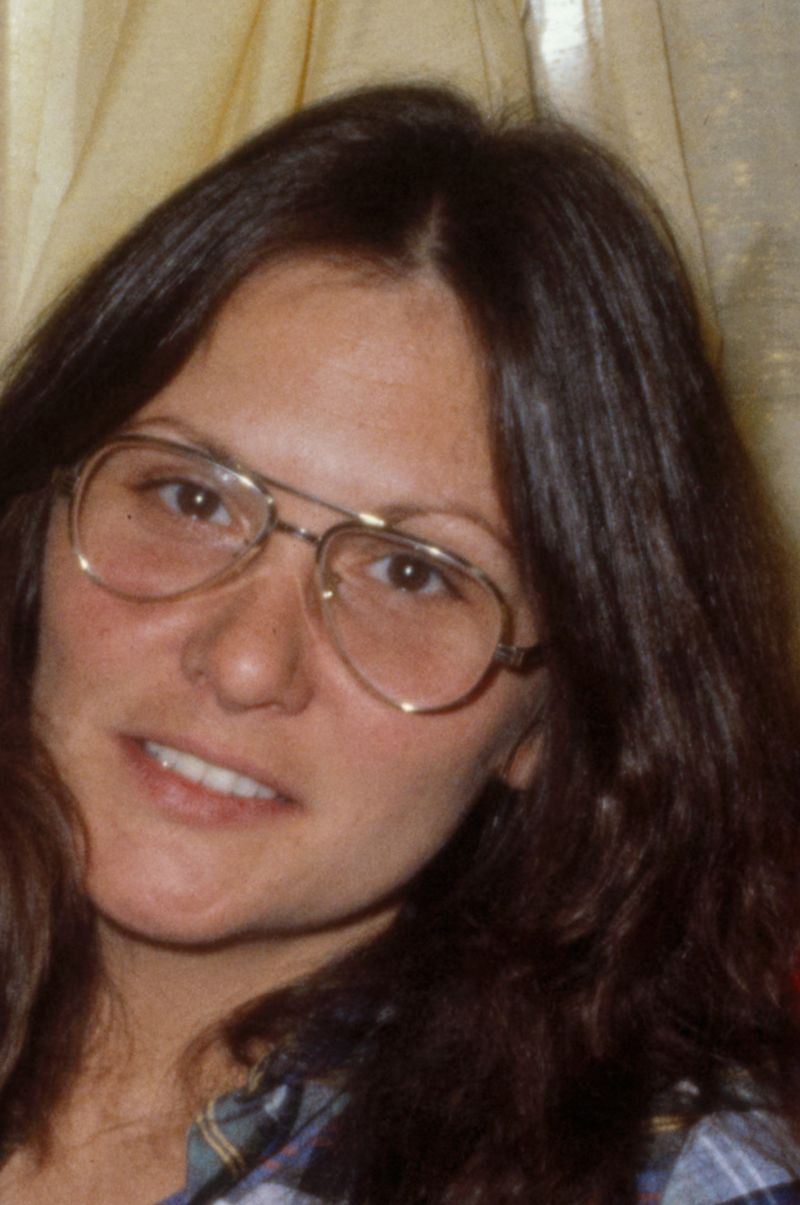
Linda Lovelace became one of the most controversial figures in entertainment history, but before any of that notoriety, she was a teenage girl facing an unplanned pregnancy. She gave birth as a teenager and placed her child for adoption, a decision made at a time when she had almost no resources or support.
Her life was marked by hardship from early on, and this chapter was just one of many difficult moments she navigated largely on her own. Lovelace later became an advocate for those who had been exploited, speaking out about the pressures and circumstances that had shaped her path.
Her story is a sobering one, but it is also a reminder that behind every public persona is a private human being with a full history. The child she placed for adoption represents a part of her life that predated fame and reflects the vulnerability of her earliest years.
10. Duane Chapman (Dog the Bounty Hunter)
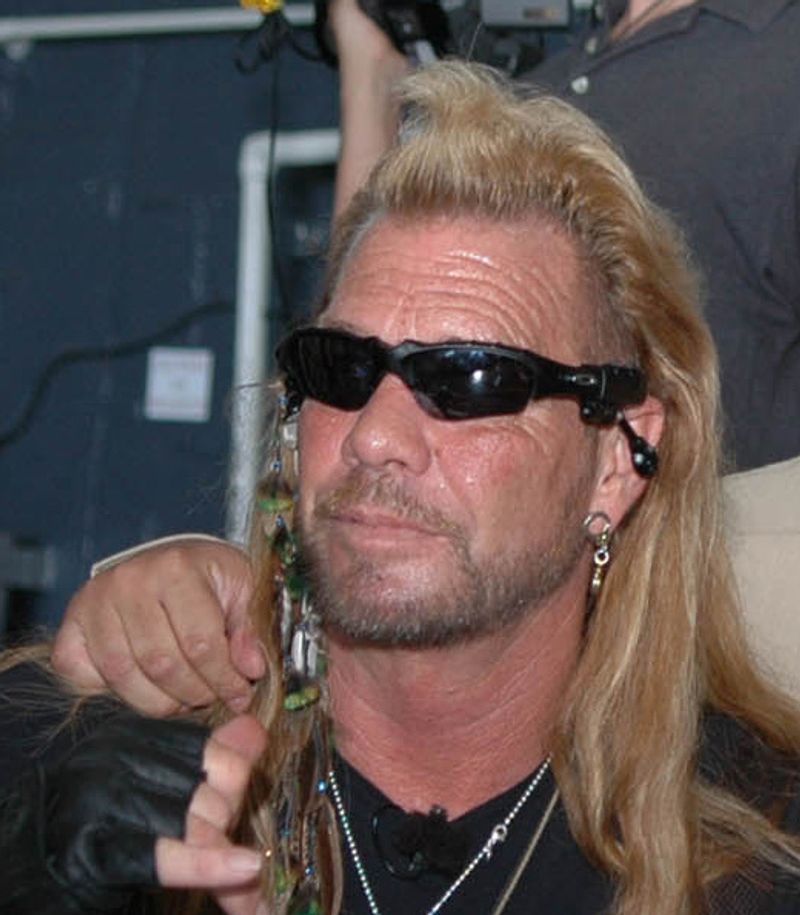
Duane Chapman, widely recognized as Dog the Bounty Hunter, built a television career around tracking down people who had gone missing from their responsibilities. Ironically, it was later in his own life that he discovered a responsibility he had not known about.
Chapman learned that he had fathered a son who had been placed for adoption shortly after birth.
The revelation came as a surprise to Chapman, who had not been aware of the child’s existence for years. Learning this kind of news as an adult can be disorienting, and Chapman has spoken about the complexity of processing it alongside his already large and well-known family.
Stories like his highlight a reality that many adoptees and birth parents share: sometimes the truth surfaces decades later. The experience added another layer to Chapman’s public story, showing a more personal and reflective side beyond the bounty-hunting persona most people recognize.
11. David Crosby
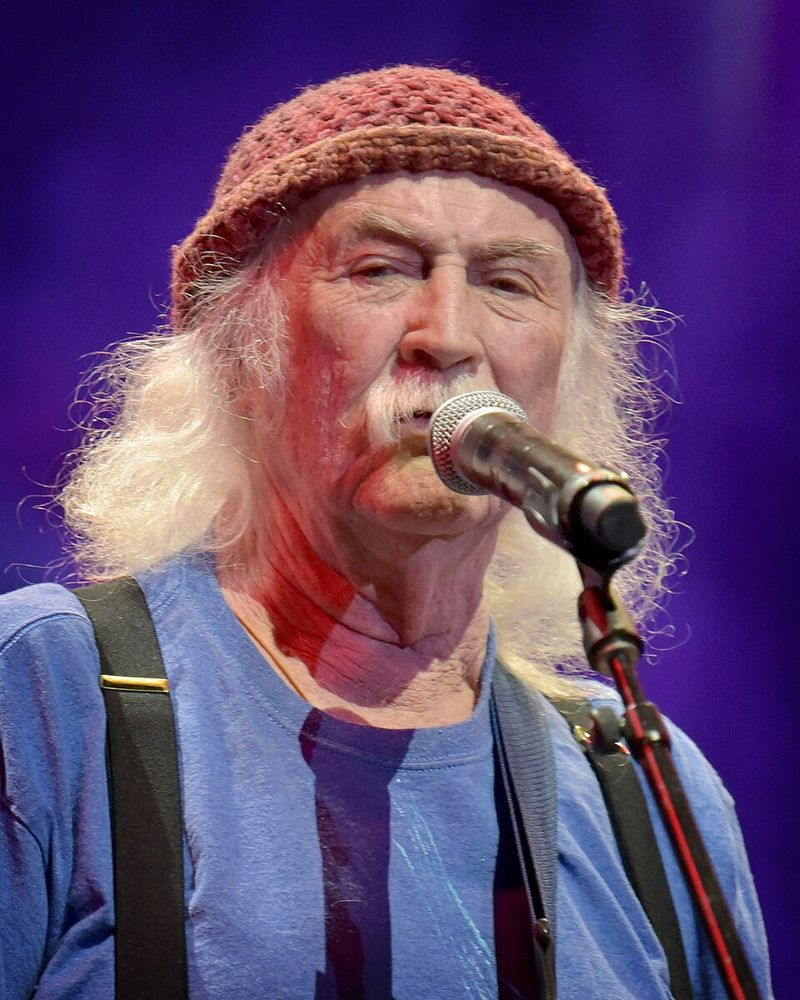
David Crosby was a founding member of two legendary bands, The Byrds and Crosby, Stills and Nash, and his voice helped define the sound of a generation. But before the music festivals and gold records, Crosby was a young man navigating personal choices he would carry for the rest of his life.
He revealed that he helped place a child for adoption during his younger years, a decision made before he had any real stability.
Crosby was known throughout his life for his honesty, sometimes brutally so, and he did not shy away from acknowledging this part of his past. He understood that the circumstances of his youth made parenting impossible at the time.
His story adds a quietly human dimension to a larger-than-life musical figure. Crosby passed away in 2023, but his openness about his personal history remains part of the fuller picture of who he was beyond the stage.
12. Clark Gable and Loretta Young
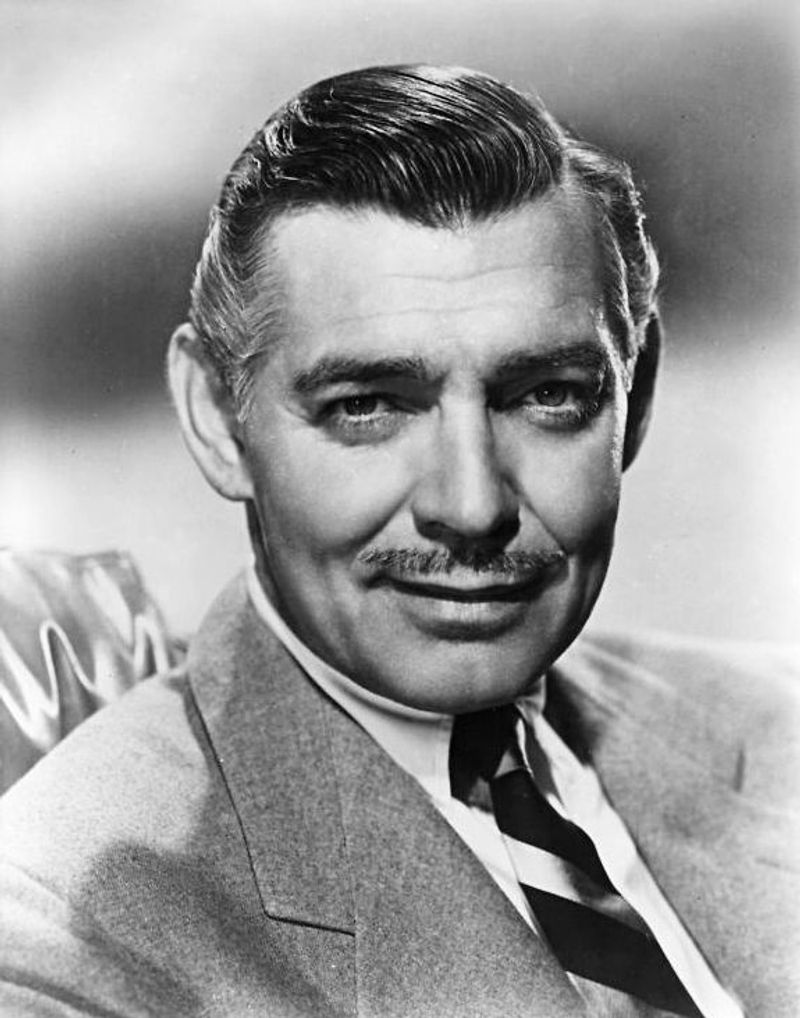
Clark Gable was the undisputed King of Hollywood, and Loretta Young was one of the most glamorous actresses of the studio era. What the public did not know for decades was that the two had a daughter together named Judy Lewis, born in 1935 under circumstances kept tightly hidden from the world.
Young, unwilling to face the social and professional fallout of an out-of-wedlock birth, arranged for Judy to be placed in an orphanage temporarily. She then quietly adopted the child publicly, presenting it as an act of charity rather than acknowledging the truth.
Gable’s involvement was never confirmed during his lifetime.
Judy Lewis eventually wrote a memoir revealing the full story after both of her parents had passed away. Her account exposed the lengths to which Hollywood studios went to protect their stars’ images, even at the cost of a child’s identity and the truth.
Share this story