Some restaurants earn fame for a signature dish, a famous dining room, or a century of loyal regulars. A rarer group earns another badge too: they faced devastating fires, rebuilt with grit, and returned sharper, smarter, and somehow even more legendary.
In this lineup, you will get the backstory, the rebuild, and the details that prove a comeback can change a restaurant without erasing what made people care in the first place. Think historic dining rooms, updated kitchens, revived menus, and the kind of stubborn determination that deserves a standing ovation with a side of dessert.
1. Brennan’s – New Orleans, LA
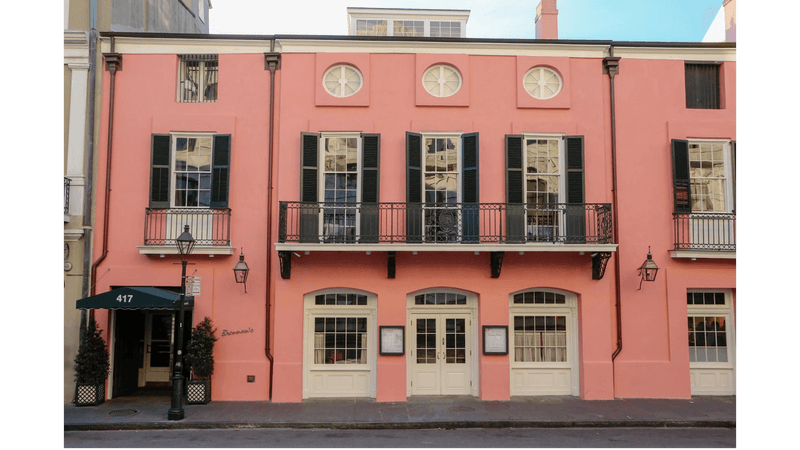
Fire may have taken the kitchen, but Brennan’s refused to surrender its tablecloth swagger. The 1880s New Orleans institution was gutted by a kitchen fire in May 2013, forcing a major closure at one of the city’s best-known Creole addresses.
What followed was a reported $7.5 million rebuild that balanced preservation with practical upgrades. Owners kept the gracious character people loved, then added modern venting, improved back-of-house systems, and refreshed dining spaces built for another long chapter.
The reopening in 2014 did more than restore a landmark. It gave the restaurant a sharper identity, with a tuned-up menu, renewed service standards, and updated presentations including a playful Bananas Foster 2.0 that nodded to tradition without getting stuck in it.
Today, diners still come for the classic New Orleans formality, but they also notice the confidence of a place that has already passed a serious test. Brennan’s came back polished, practical, and more deeply woven into the city because of it.
2. Commander’s Palace – New Orleans, LA
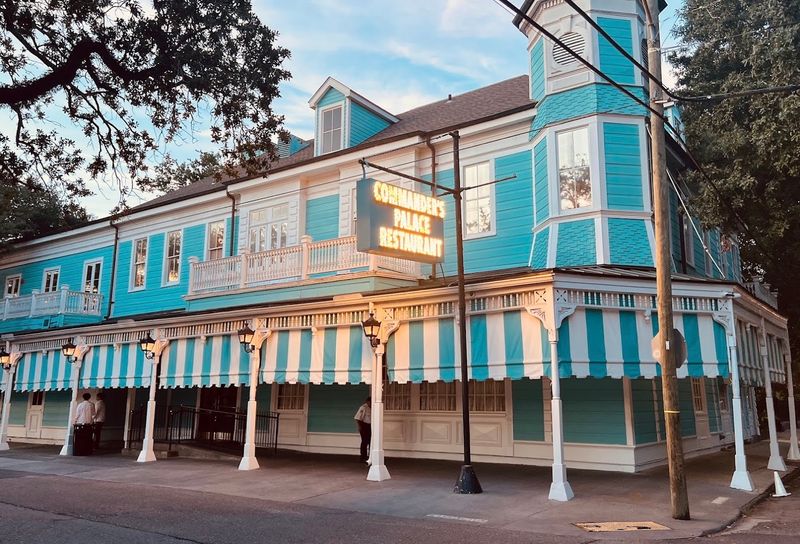
A bright turquoise landmark with serious staying power, Commander’s Palace has handled setbacks with remarkable poise. An electrical fire in 1974 badly damaged the beloved Victorian restaurant, yet the family behind it treated the restoration as both rescue mission and reset button.
Rather than flattening its personality, the rebuild protected the famous look, the layered dining rooms, and the ceremonial style of service that regulars expected. At the same time, practical upgrades modernized the operation, helping the restaurant work more efficiently without turning into a museum piece.
That balance matters because Commander’s Palace is not just a pretty building with a famous name. Its turtle soup, Creole classics, and hospitality traditions helped define New Orleans dining for generations, and the post-fire version leaned harder into those strengths.
The result has been lasting relevance, not just nostalgic survival. Today, awards and national praise follow a restaurant that rebuilt wisely, kept the family touch, and proved that restoration can preserve heritage while quietly giving it better bones for the future.
3. Chez Panisse – Berkeley, CA
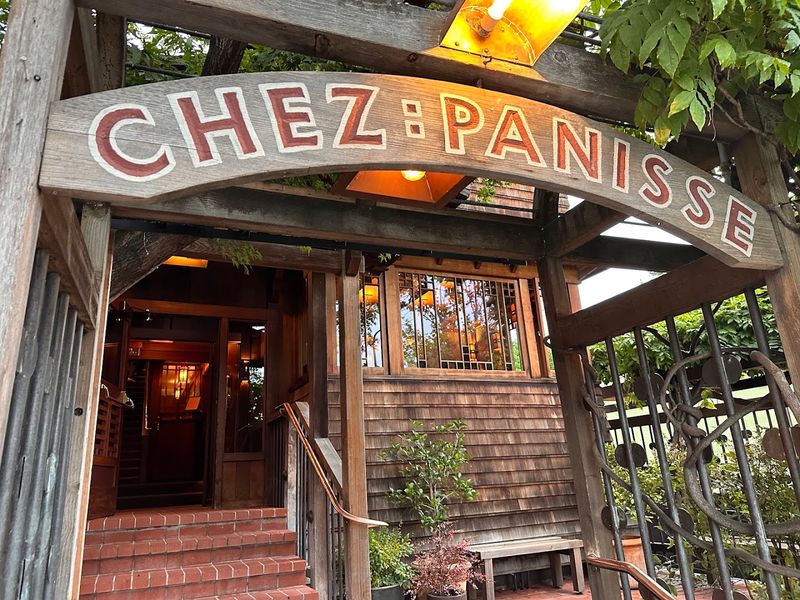
Few restaurant recoveries had a fan club as swift and determined as Chez Panisse. When an intentionally set fire damaged the Berkeley icon in October 2013 and wrecked the kitchen, supporters moved fast because this was no ordinary neighborhood dining room.
A community fundraising drive reportedly brought in around $300,000, helping the team rebuild in about five months. That quick response said plenty about the place Alice Waters created, a restaurant whose influence on seasonal cooking and ingredient-first menus reaches far beyond California.
The comeback stayed true to the original philosophy while making the operation greener and more resilient. Updates improved kitchen function and efficiency, yet the restaurant did not lose the straightforward menu structure and calm confidence that made it a pioneer rather than a passing trend.
Diners returned to the same core promise: carefully sourced produce, focused cooking, and a room that never needs gimmicks. After the fire, Chez Panisse looked less like a survivor chasing the past and more like a leader reminding everyone why it changed dining in the first place.
4. The River Café – London, UK
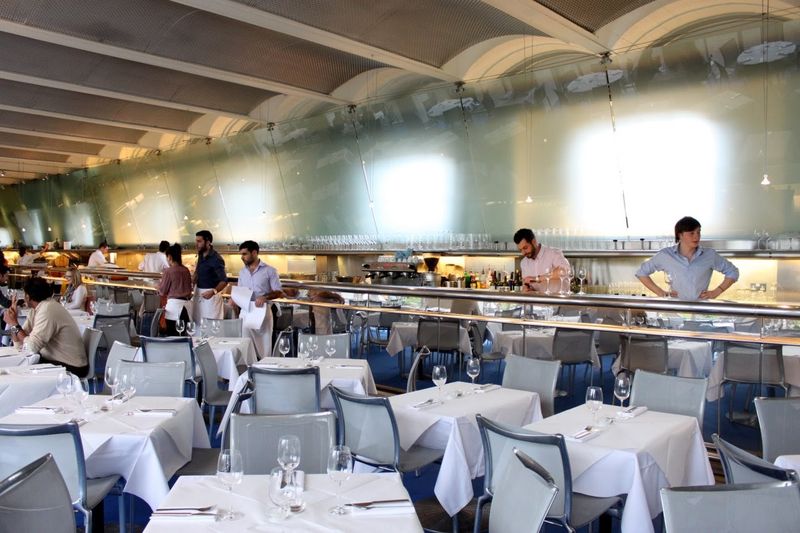
Plenty of restaurants claim reinvention, but The River Café actually earned the word. A 2008 fire gutted the famous Thames-side restaurant, leaving one of London’s most admired Italian dining rooms facing a rebuild that had to respect reputation and rethink function.
The answer was not timid. The restored restaurant returned with solar panels, a more open kitchen, and a layout that made the operation feel contemporary while keeping the direct, ingredient-led approach Ruth Rogers helped make internationally influential.
That mattered because The River Café was never just about being fashionable. Its menu shaped how many cooks and diners viewed Italian food in Britain: clean lines, serious produce, and an edit-everything approach that trusted skill over clutter.
After reopening, the restaurant did not behave like a place easing back into service. It pushed forward with renewed confidence, maintaining Michelin-level regard and proving that a stronger second act can come from better systems as much as from a famous chef.
In comeback terms, this one was sleek, smart, and impressively unsentimental.
5. Antoine’s – New Orleans, LA
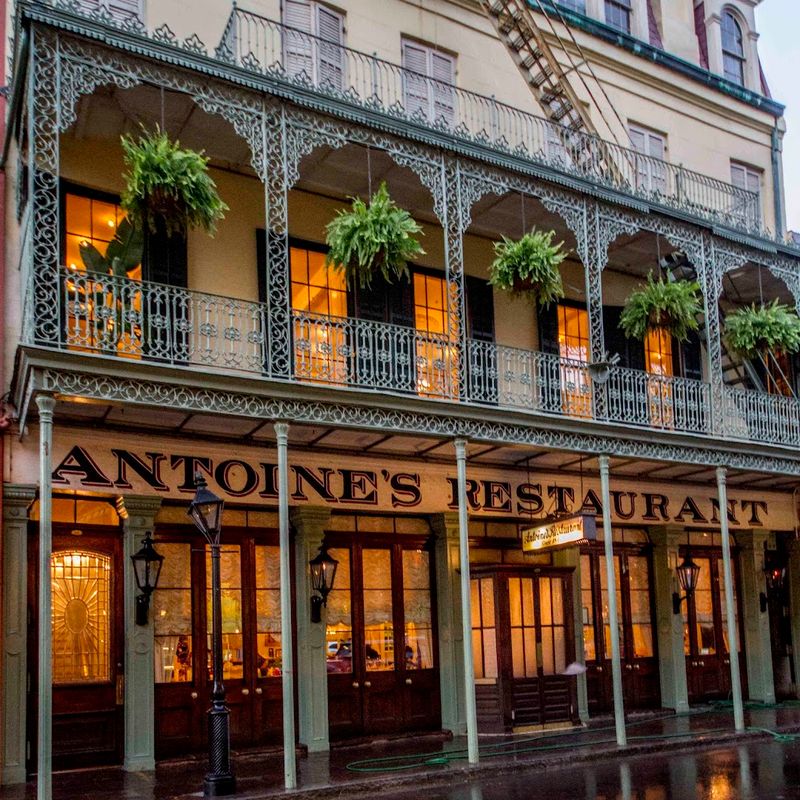
Age alone does not make a restaurant tough, but Antoine’s has receipts stretching back to 1840. Over the decades, the grand New Orleans institution endured multiple fires, including a notable 1963 kitchen blaze, and each restoration added another layer to its legend.
That history could have turned the place brittle, yet Antoine’s has managed the opposite trick. Rebuilding efforts consistently reinforced the operation while preserving the maze of dining rooms, the family-run identity, and the deep archive of traditions that make a meal there feel tied to an earlier era.
Of course, menu history helps too. Antoine’s is widely linked to Oysters Rockefeller, and diners still arrive ready for classic French-Creole dishes served with ceremony rather than trend chasing.
The impressive part is how the restaurant keeps using repairs as a way to strengthen continuity. Instead of emerging as a copy of itself, Antoine’s returns each time with sturdier systems behind the scenes and the same grand personality out front.
Some places merely reopen after hardship. This one seems to add another chapter and keep the reservations moving.
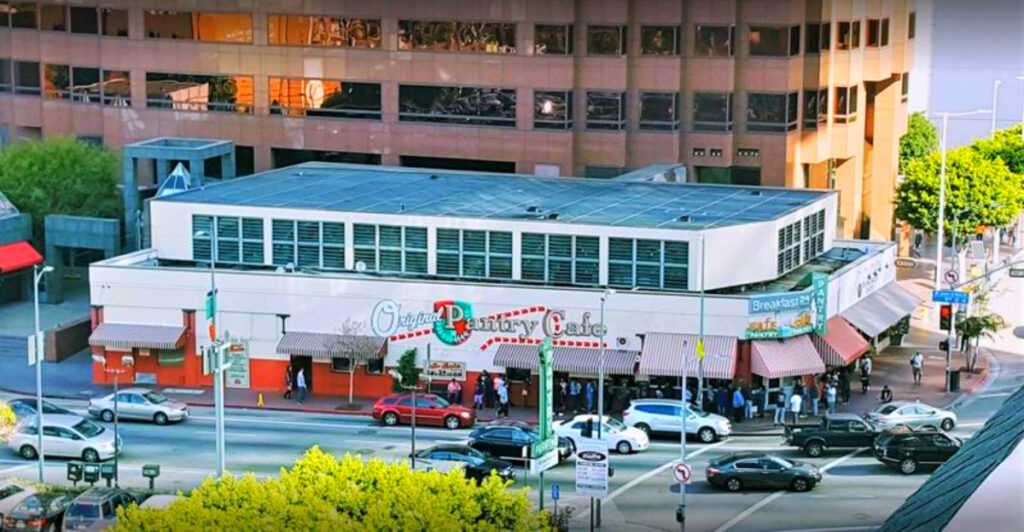
6. Original Pantry Cafe – Los Angeles, CA
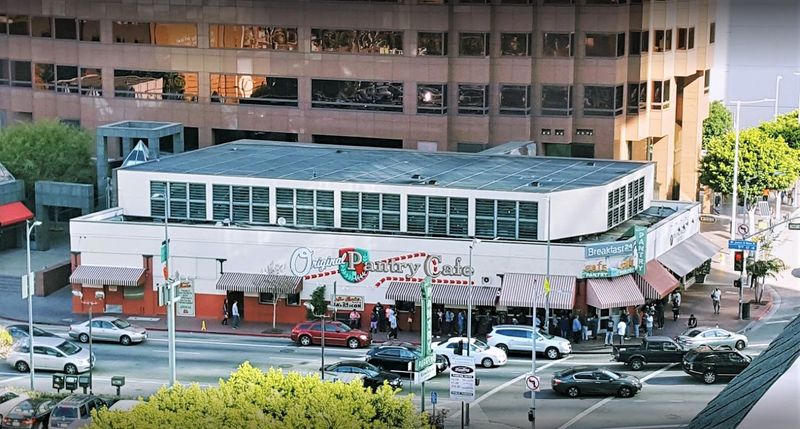
Some comebacks wear a tuxedo, but the Original Pantry Cafe came back in diner clothes and meant business. After a 2001 fire destroyed the longtime Los Angeles favorite that dated to the 1920s, rebuilding became a civic priority for people who treat breakfast like local heritage.
The reported $2 million restoration aimed to protect the old-school identity instead of replacing it with polished nostalgia. Counter service, familiar layout cues, and the around-the-clock spirit stayed central, because this place built its following on reliability and hearty portions, not reinvention for reinvention’s sake.
That continuity mattered most on the plate. Regulars wanted the corned beef hash, the giant breakfasts, and the no-fuss rhythm that made the Pantry feel like a democratic meeting ground for night owls, early risers, workers, and visitors chasing classic LA.
When the restaurant returned, it reclaimed more than an address. It reclaimed the role of road-trip essential, local institution, and comfort-food stronghold with a rebuilt shell and an unchanged sense of purpose.
In restaurant terms, that is the gold standard: fix what failed, keep what people missed.
7. Benihana – New York, NY
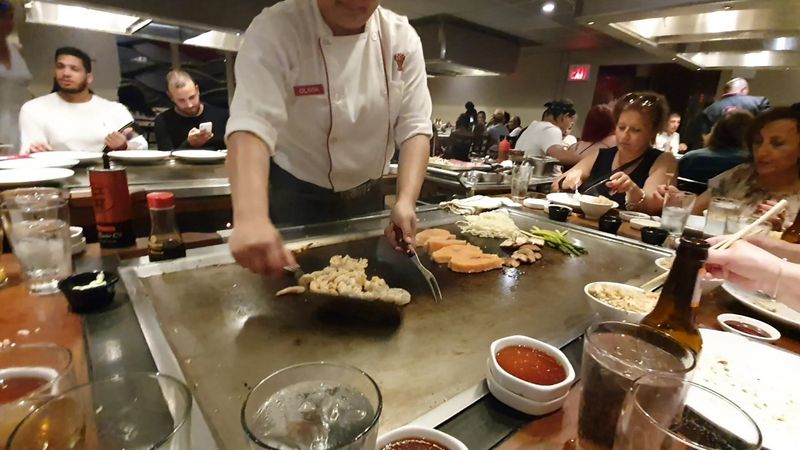
Showmanship met resilience at Benihana, where dinner has always arrived with a bit of theater. A 1975 kitchen fire leveled the pioneering New York restaurant, but the setback did not stall the concept for long.
It sharpened the brand’s path forward.
Benihana had already introduced many American diners to teppanyaki cooking as performance, with communal hibachi tables, fast knife work, and a meal paced around the chef’s station. Rebuilding preserved that signature format while giving the operation a chance to refine logistics and expand with clearer national ambition.
That is the key to this comeback: it was not just a reopening, it was a launchpad. The revived restaurant reinforced a dining style that felt social, interactive, and easy to export, helping turn one damaged flagship into the seed of a global chain.
Today, people may think of Benihana as a familiar brand, but its recovery story reveals the risky early chapter behind the spectacle. Fire interrupted the original stage, yet the concept returned bigger, better organized, and ready for prime time.
Not many restaurants rebuild into an international format. Benihana did exactly that.
8. Threadgill’s – Austin, TX
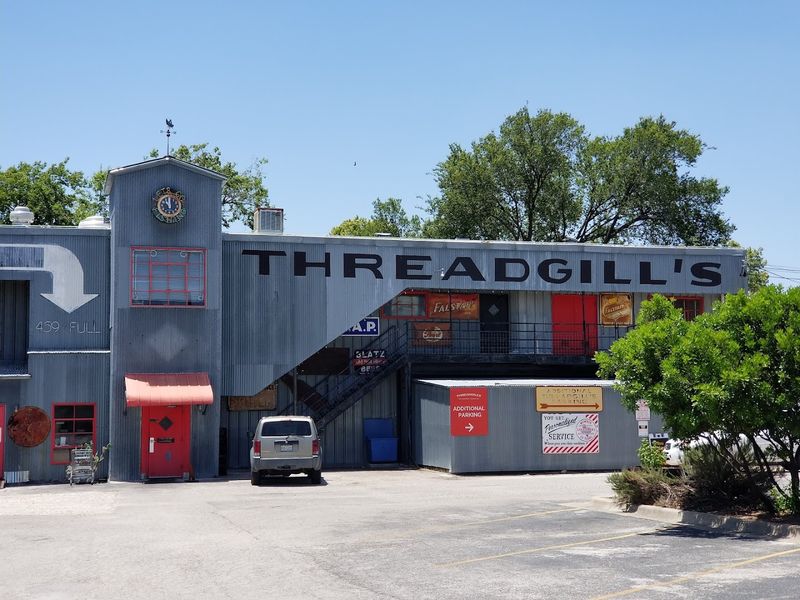
Austin loves a place with stories, and Threadgill’s always had plenty to spare. When a 2007 blaze tore through the music-venue-meets-diner institution, the loss hit more than one business model.
It disrupted a local tradition built on Southern comfort food and performance history.
The revival leaned into both identities instead of choosing one. The new setup amplified the restaurant’s reputation for fried chicken and classic plates while giving live music a renewed platform, which made sense in a city that likes dinner with a side of stage time.
Threadgill’s mattered because it sat at the crossroads of everyday eating and Austin culture. People came for familiar Texas-friendly dishes, but they also came for the sense that this was part restaurant, part community bulletin board, part memory bank with tables.
After the rebuild, that role only grew clearer. The comeback gave the brand more visibility, refreshed energy, and fresh reasons for visitors to put it on the itinerary.
In a city crowded with newer names, Threadgill’s proved that older institutions can still command attention when they return with confidence and keep the essentials firmly on the plate.
9. The Old Pro Steakhouse – Palo Alto, CA
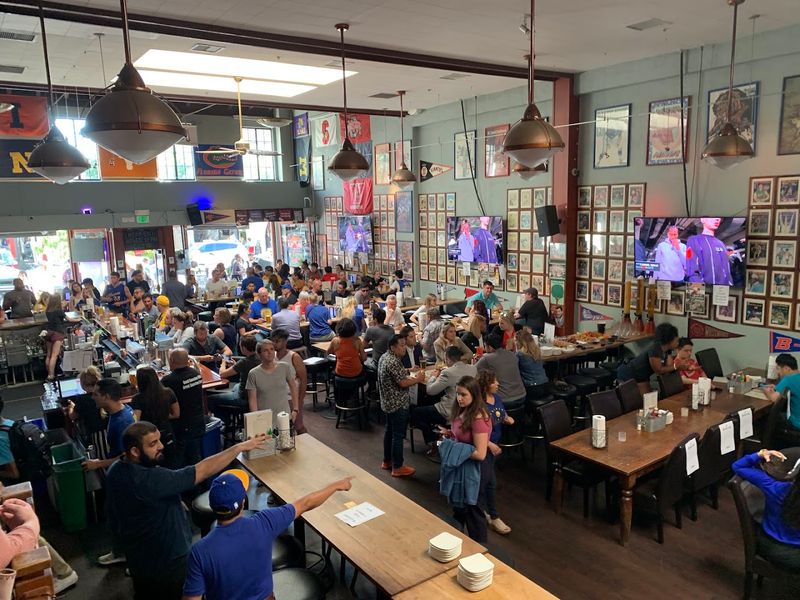
College hangouts rarely get elegant second acts, but The Old Pro Steakhouse pulled one off. A 2017 fire razed the longtime Palo Alto favorite near Stanford, forcing a full rethink of a place known for easygoing loyalty and regular traffic from students, alumni, and locals.
The rebuilt version returned with a more polished design and a broader menu strategy, keeping steaks and familiar crowd-pleasers while nudging the concept upward. It still served as a social hub, yet the refreshed space signaled that this was no simple copy of the old room.
That evolution fit the neighborhood. Palo Alto changes quickly, and restaurants that survive there often need to satisfy nostalgia and modern expectations at the same time.
The Old Pro used the rebuild to sharpen service, upgrade interiors, and appeal to a tech-heavy audience without abandoning its original role.
Today, the restaurant stands as proof that a campus-adjacent institution can mature without becoming stiff. It came back cleaner, sleeker, and better aligned with current habits, while preserving the casual familiarity that made generations of diners treat it as a default plan.
10. Lakeside Inn Dining Room – Omena/Hollywood, MI
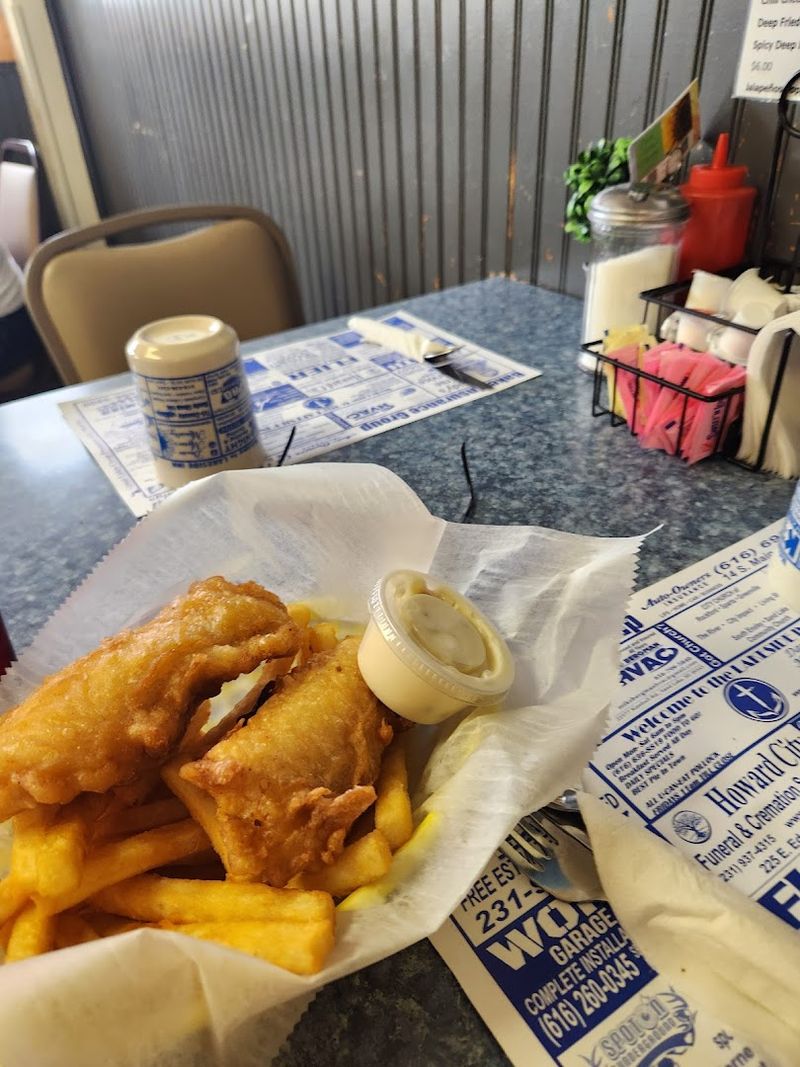
Quiet survivors deserve headlines too, and the Lakeside Inn Dining Room has earned one. This Grand Traverse Bay-area classic in Michigan endured fire damage in the 1980s, then rebuilt in a way that kept its road-trip appeal while improving how the property worked.
The charm here has always been straightforward rather than flashy. Diners come for the waterfront setting, familiar service rhythm, and regional comfort on the menu, with perch fries standing out as the kind of dish that quietly anchors repeat visits and family traditions.
After the rebuild, the dining room benefited from a cleaner, more durable setup that supported the inn’s long-term future. That matters in places like this, where people do not chase novelty as much as consistency, location, and the reassurance that an old favorite still understands its role.
What makes the comeback special is its modesty. The Lakeside Inn Dining Room did not return as a publicity machine or a national talking point.
It came back as something arguably better: a dependable waterfront stop that kept its identity intact and continued rewarding the kind of traveler who notices these places and tells friends.
11. Sylvia’s Restaurant – Harlem, NY
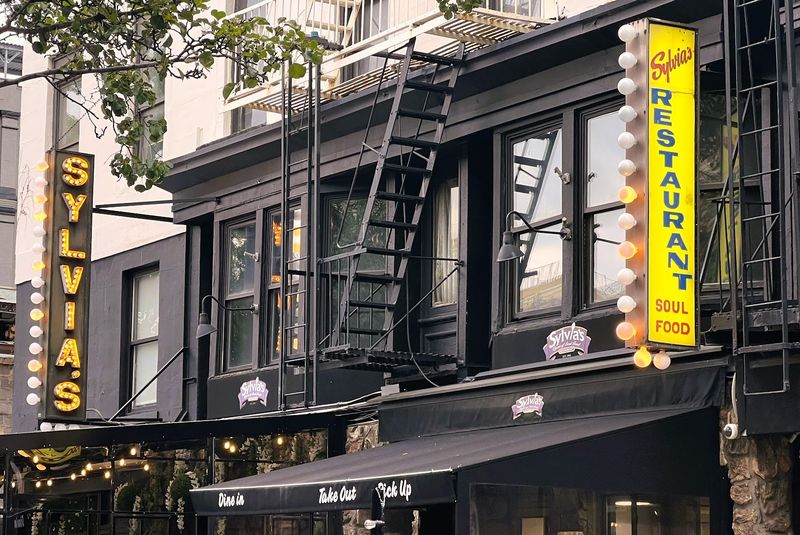
Harlem does not hand out legend status lightly, and Sylvia’s has held it for decades. When a 2015 kitchen fire gutted much of the restaurant, the setback threatened one of New York’s most recognized soul food institutions, a place many diners treat as part meal, part ritual.
The rebuild reportedly topped $1 million and included modern ventilation and practical kitchen improvements. Just as important, the renovation protected the familiar spirit of the dining room and the menu staples that made the restaurant synonymous with Sylvia Woods, often called the Queen of Soul Food.
People returned for the dishes that carried the brand: peach cobbler, fried chicken, and comforting standards tied to family-style hospitality. The point was never to become unrecognizable.
It was to reopen stronger while preserving the warmth and consistency that built trust over generations.
That strategy worked. Sylvia’s came back busy, beloved, and fully reconnected to its neighborhood role as a gathering place for visitors, regulars, and public figures alike.
Plenty of restaurants recover structurally. The harder task is recovering cultural momentum.
Sylvia’s managed both, and did it without losing the heart of the experience.
12. Poole’s Diner – Raleigh, NC
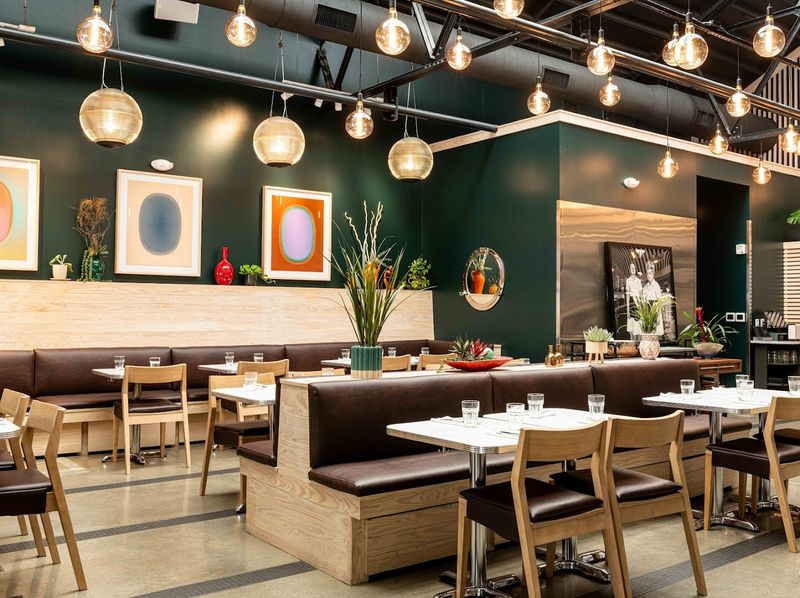
Retro bones and modern ambition make a strong pairing, and Poole’s Diner proved it after crisis hit. A 2016 blaze destroyed the Raleigh favorite, but chef Ashley Christensen used the disruption to reintroduce the restaurant in a sleek new space with even sharper focus.
Poole’s already had a serious reputation for updating diner form through a chef-driven Southern lens. The revival kept that identity front and center, especially the celebrated macaroni and cheese, while refining the room and service style to match its national profile.
This comeback stands out because it did not treat rebuilding as a sentimental rewind. The new version felt intentional, using better design and improved operations to support a restaurant that had grown beyond local buzz into an awards-level destination.
That growth continued after reopening, with further praise confirming that the fire had interrupted momentum without stopping it. Diners still got the familiar signatures and the relaxed structure suggested by the name, but the overall experience carried more confidence and clarity.
Poole’s returned as a smarter, stronger version of itself, which is exactly what a second act should look like.
Share this story