Florida gardeners know the struggle: you plant something beautiful, and the summer heat and humidity turn it into a sad, wilted mess within weeks. But some vines actually love the Florida climate and reward you with stunning blooms all season long.
Whether you have a fence, a trellis, or a pergola begging for some color, these flowering vines are built to handle the heat. Get ready to meet 12 tough, gorgeous climbers that will make your yard the talk of the neighborhood.
1. Bougainvillea
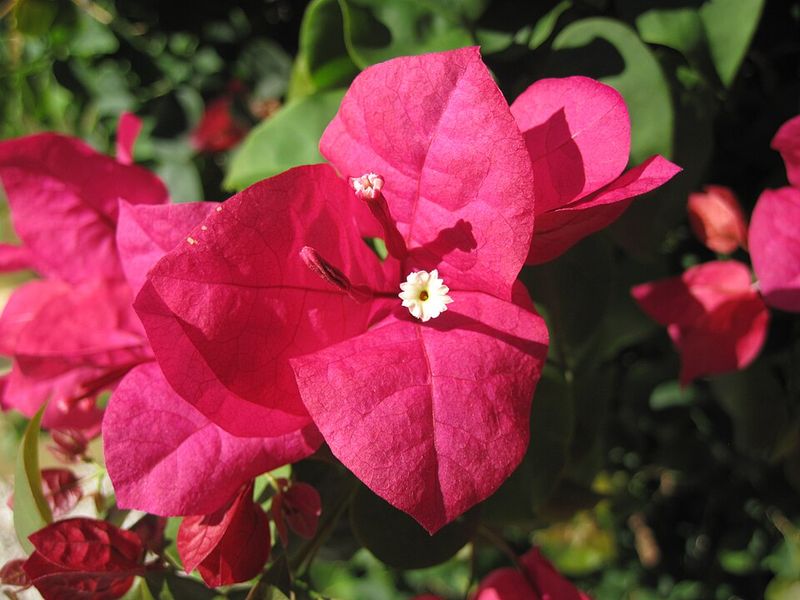
Few plants put on a show quite like bougainvillea. Those brilliant magenta, purple, orange, or red papery bracts are not actually flowers but modified leaves that surround tiny white blooms.
The real flowers are almost an afterthought compared to the drama this vine delivers.
In Florida, bougainvillea is practically unstoppable. It thrives in full sun, handles drought like a champ, and blooms most heavily when it is slightly stressed from dry conditions.
Give it a strong trellis or fence because this vine gets big and heavy fast.
One thing to respect: those thorns are no joke. Always wear gloves when pruning.
Plant it in well-draining soil, cut back watering once established, and watch it explode with color. It is one of the most rewarding vines you can grow in the Florida landscape.
2. Mandevilla
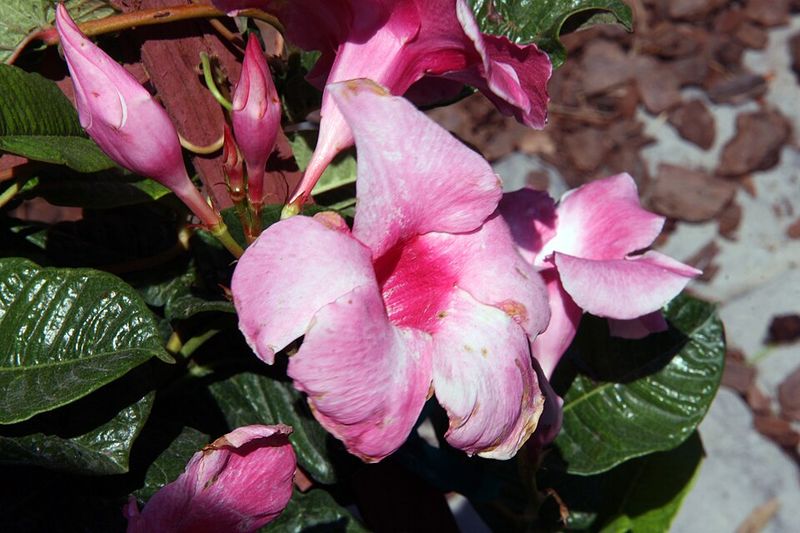
Walk past any Florida nursery in summer and mandevilla is impossible to miss. Those giant, glossy leaves and wide trumpet-shaped blooms in hot pink, red, or white make it look like a tropical magazine cover come to life.
It grows fast and flowers almost nonstop from spring through fall.
Plant mandevilla in a spot with full sun and rich, well-draining soil. It loves the heat and actually performs better as temperatures climb.
Water it regularly while it gets established, then ease off slightly to encourage more blooms and stronger roots.
This vine works beautifully on trellises, mailbox posts, fences, and even large containers with a support stake. Feed it with a balanced fertilizer every few weeks during the growing season.
With a little attention early on, mandevilla rewards you with months of stunning, show-stopping color.
3. Passionflower (Passiflora)
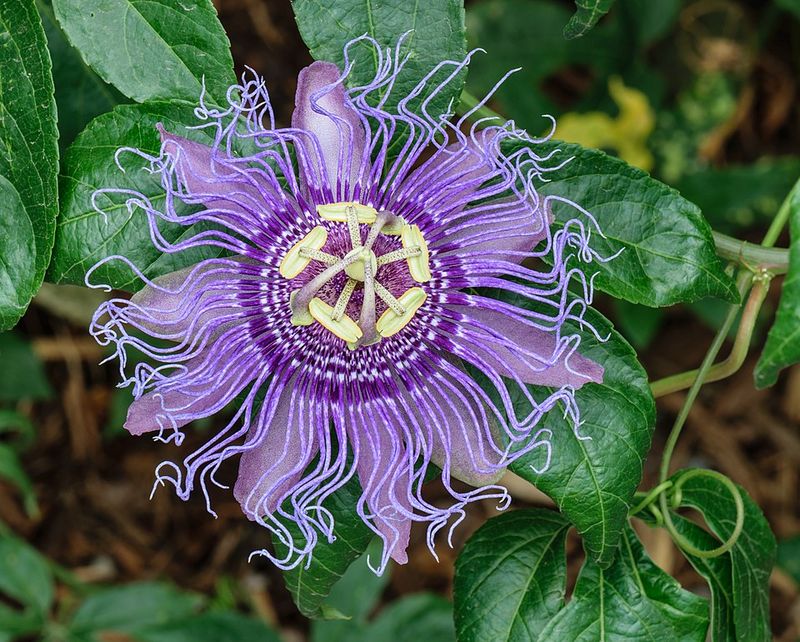
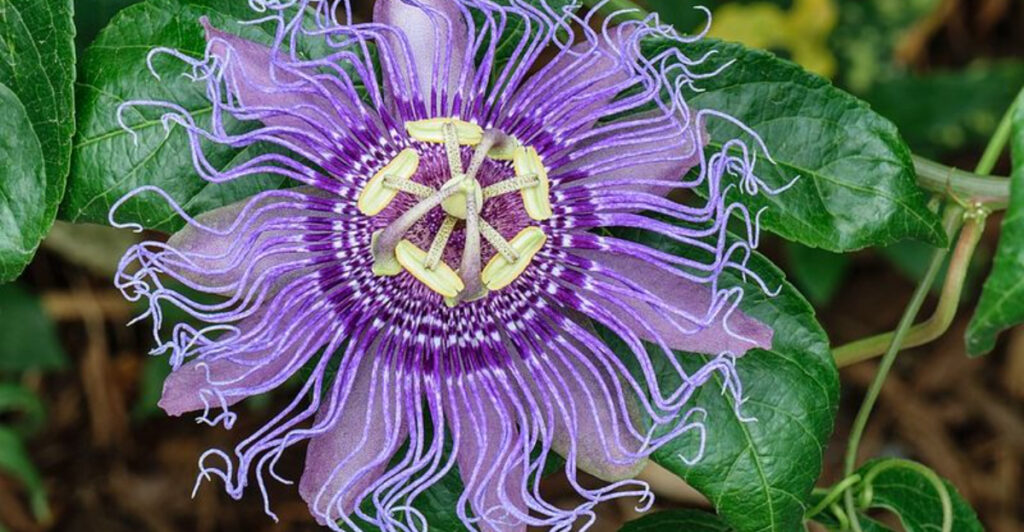
No vine on this list has a more jaw-dropping flower than passionflower. The blooms look like something an alien botanist designed, with layered petals, a fringe of purple filaments, and a complex center that genuinely stops people in their tracks.
First-time visitors to a Florida garden often mistake it for an artificial decoration.
Beyond its wild good looks, passionflower is a powerhouse for wildlife. It serves as the host plant for several butterfly species, including the zebra longwing, which is Florida’s state butterfly.
You will likely spot caterpillars munching the leaves, which is a sign of a healthy garden ecosystem.
Plant it in full sun to partial shade and give it a sturdy support to climb. It spreads enthusiastically, so occasional trimming keeps it in check.
Florida’s heat and humidity suit passionflower perfectly, and it often blooms multiple times a year.
4. Coral honeysuckle
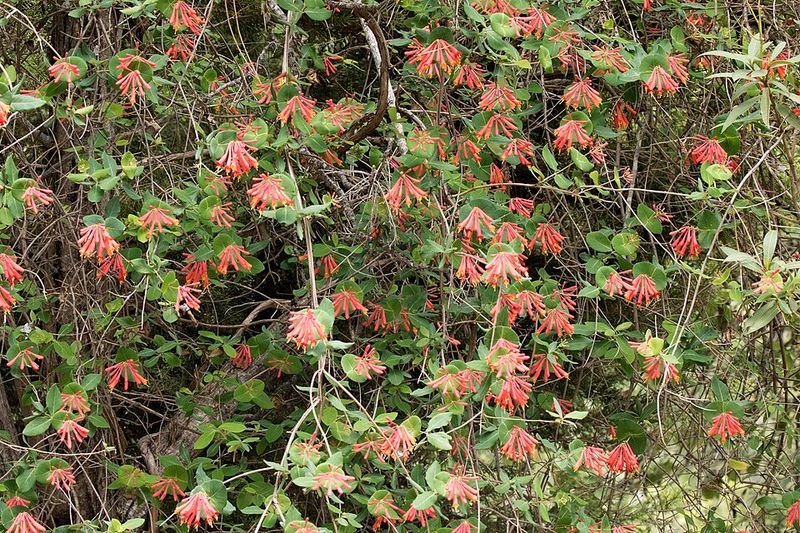
If you want hummingbirds visiting your yard on a regular basis, coral honeysuckle is the vine to plant. Those slender, tubular red-orange flowers are basically a hummingbird’s dream buffet, and the birds will find your garden faster than you might expect.
It also attracts butterflies and native bees.
Unlike its invasive Japanese cousin, coral honeysuckle is a Florida native that plays nicely in the garden. It does not take over every surface in sight, making it a responsible and beautiful choice for fences, trellises, and arbors.
It blooms from late winter through fall, giving you months of color.
Plant coral honeysuckle in full sun to partial shade in well-draining soil. It is drought-tolerant once established and rarely needs much fussing.
For a vine that gives back to local wildlife while looking spectacular, this native beauty is hard to beat.
5. Confederate jasmine
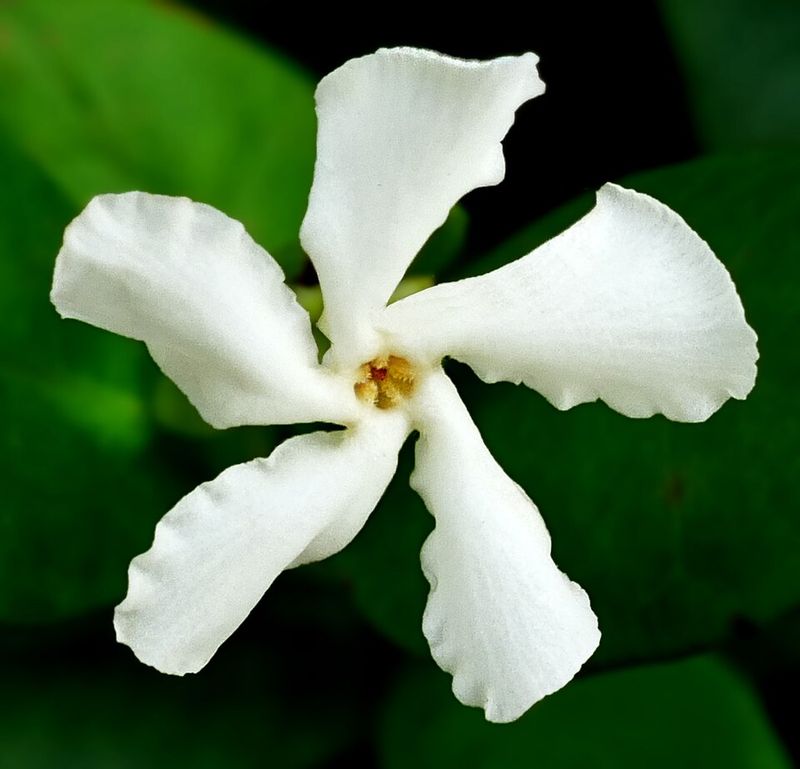
The scent hits you before you even see the flowers. Confederate jasmine fills the air with a sweet, intoxicating fragrance that makes walking past a fence or trellis covered in it feel like a luxury experience.
The small, white, pinwheel-shaped flowers appear in spring and early summer in breathtaking clusters.
This vine is a Florida classic for good reason. It handles heat, humidity, and even brief cold snaps without much drama.
It grows vigorously on fences, trellises, arbors, and walls, and the dense, glossy foliage stays attractive even when the plant is not in bloom.
Plant confederate jasmine in full sun to partial shade. It tolerates a range of soil types but performs best with decent drainage.
Light pruning after the main bloom keeps it tidy and encourages fresh growth. If fragrance is high on your priority list, this vine belongs in your yard.
6. Carolina jessamine
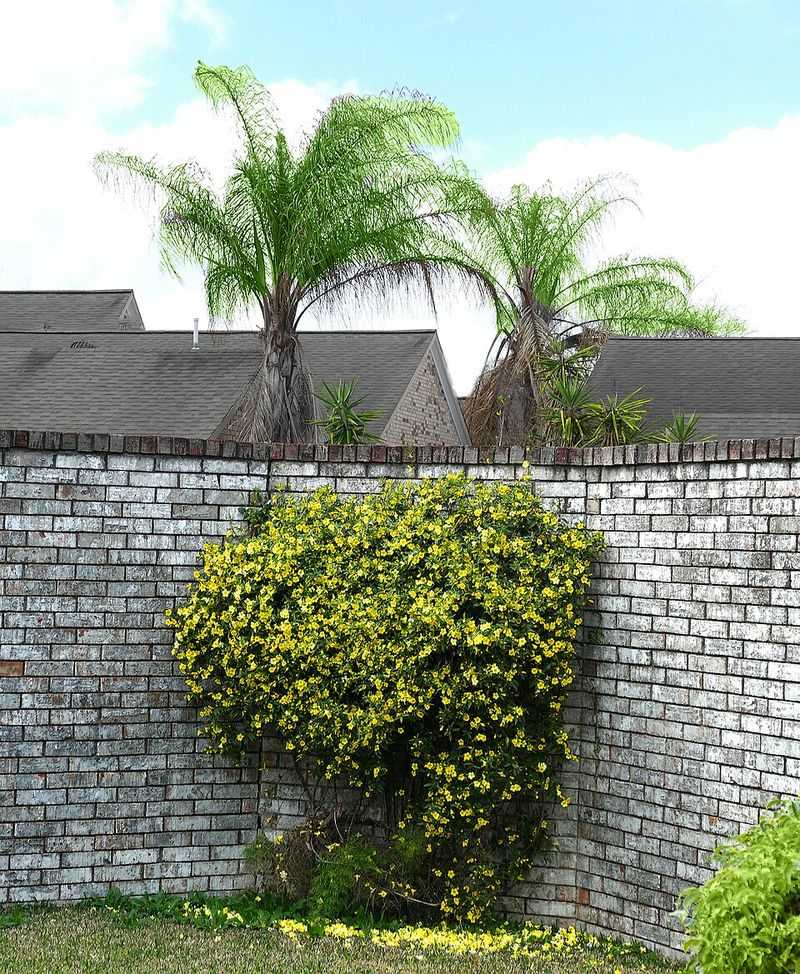
Carolina jessamine is the vine that announces spring has arrived in Florida, often bursting into cheerful yellow blooms while winter is barely finished. The bright, tubular yellow flowers cover the vine in such abundance that the foliage nearly disappears beneath them.
It is a striking sight that signals warmer days ahead.
This native vine is tough and adaptable. It handles Florida’s heat and humidity without complaint and tolerates a range of soil conditions.
It grows well on fences, trellises, and even as a ground cover on slopes. Once established, it needs very little water or attention.
One important note: all parts of Carolina jessamine are toxic if ingested, so keep it away from areas where small children or pets play unsupervised. Outside of that consideration, it is an incredibly rewarding, low-maintenance vine that brings brilliant color to any Florida landscape.
7. Blue sky vine
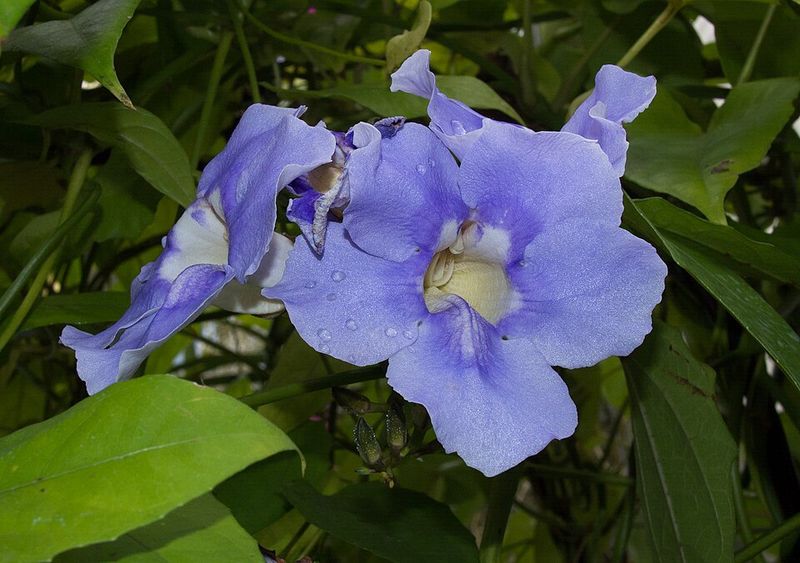
There are not many true blue flowering vines in the plant world, which makes blue sky vine feel like a rare treasure. The large, lavender-blue trumpet flowers with pale yellow throats hang in graceful clusters that sway in the breeze, giving any pergola or trellis a dreamy, tropical look that is hard to replicate with anything else.
In Florida, this vine is a powerhouse. It grows aggressively in the heat and humidity, putting on rapid growth that can cover a large structure in a single season.
Give it strong support because it gets heavy and spreads enthusiastically once established.
Plant it in full sun with regular watering for best results. It can become invasive in South Florida, so keep an eye on it and trim it back regularly.
With proper management, blue sky vine delivers one of the most spectacular floral displays in any Florida garden.
8. Black-eyed susan vine
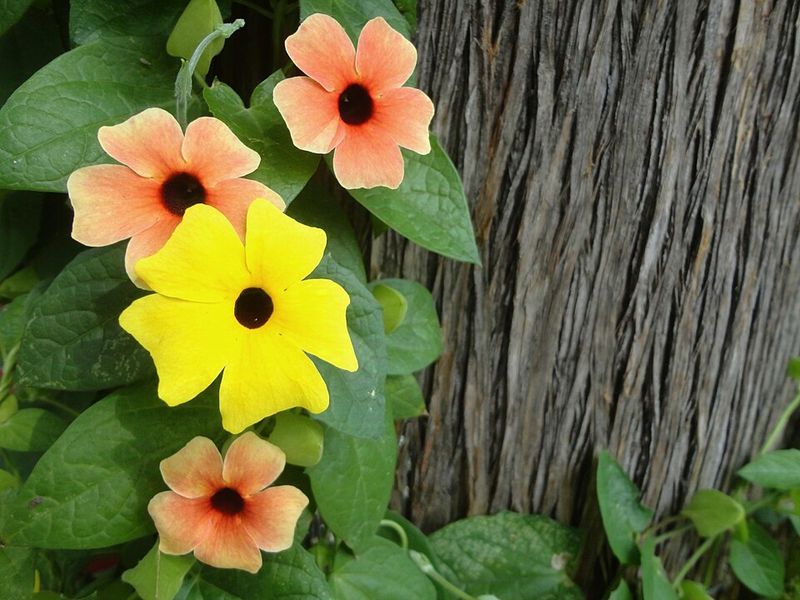
Despite sharing a name with the classic meadow wildflower, this vine brings something entirely different to the table. Black-eyed Susan vine produces cheerful orange, yellow, or white flowers with a distinctive dark chocolate center, and it blooms continuously throughout Florida’s long growing season without needing much encouragement.
It is a fast climber that works beautifully on trellises, mailbox posts, porch railings, and fences. It also spills attractively from hanging baskets and containers.
The compact size compared to other vines makes it manageable for smaller garden spaces and urban yards.
Full sun and regular watering keep black-eyed Susan vine performing at its best. It appreciates a light fertilizer application every few weeks during the growing season.
Florida gardeners love it because it delivers constant color with minimal fuss, and the bright blooms pair well with almost any other plant in the garden.
9. Firecracker vine
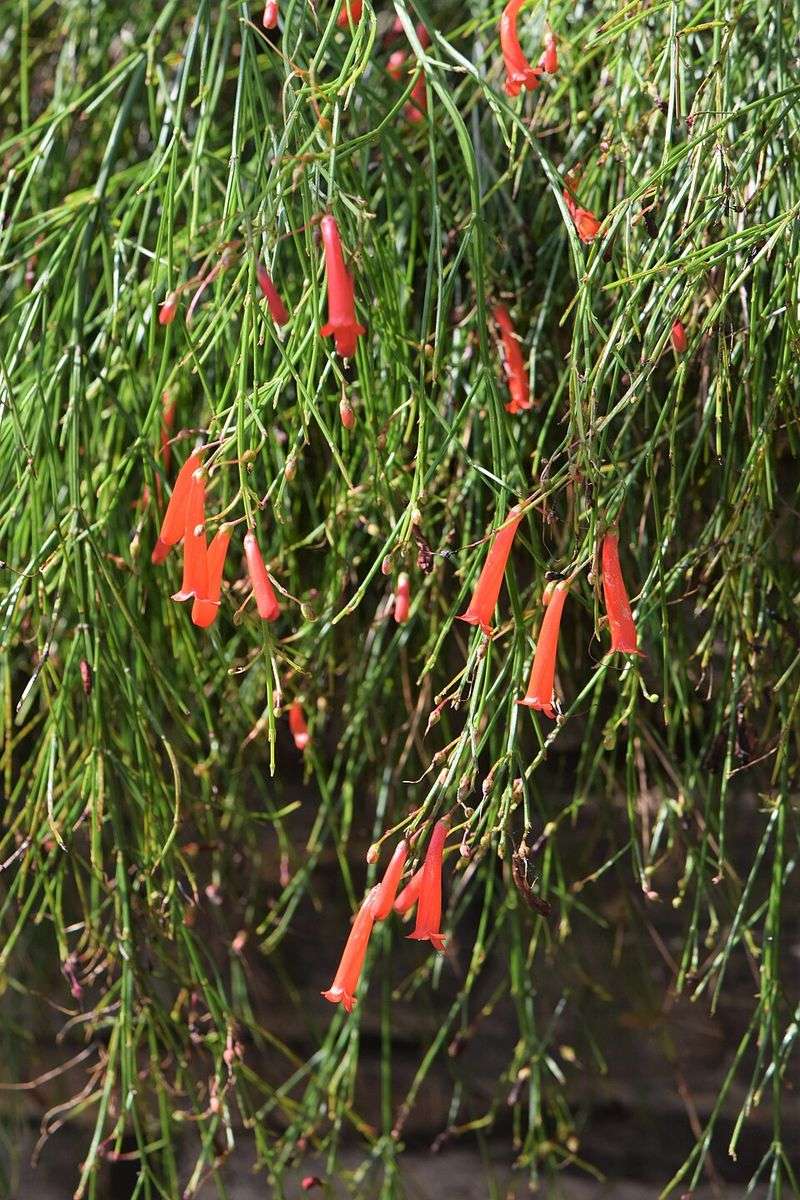
Picture slender, arching green stems covered in dozens of tiny tubular red flowers, and you have firecracker vine in full swing. The plant earned its name honestly because those scarlet blooms really do look like a burst of fireworks frozen mid-explosion.
It is one of the most visually exciting plants you can add to a Florida garden.
Despite its dramatic appearance, firecracker vine is surprisingly easy to grow. It thrives in full sun, handles drought once established, and blooms almost year-round in South Florida.
It is technically more of a shrubby scrambler than a traditional climber, but it drapes beautifully over walls, fences, and slopes.
Plant it in well-draining soil and water it regularly until established. After that, it is largely self-sufficient.
It attracts hummingbirds constantly, making it a double win for any Florida gardener who wants both beauty and wildlife activity in the yard.
10. Flame vine
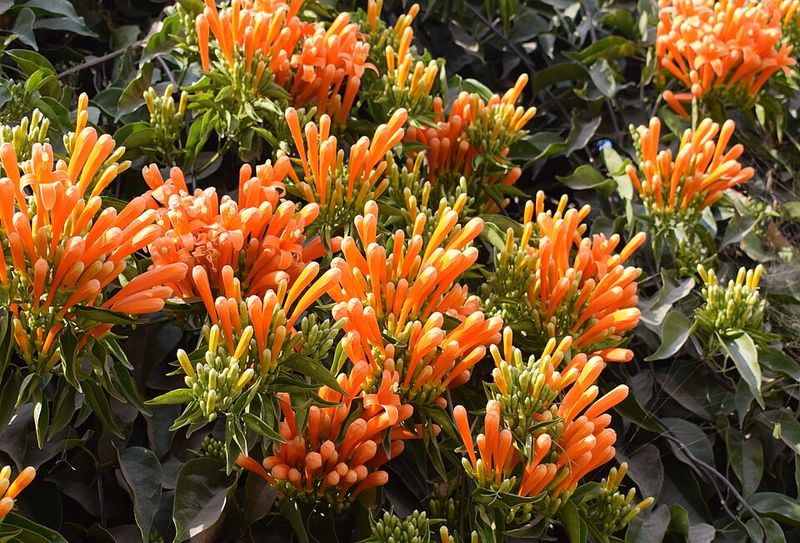
When most Florida gardens go quiet in winter, flame vine steals the entire show. From November through March, it erupts in a blaze of deep orange tubular flowers so dense they can completely hide the foliage underneath.
It is genuinely one of the most dramatic winter-blooming plants in the entire state.
Originally from Brazil, flame vine has found a perfect home in Florida’s climate. It grows vigorously and can cover a large fence or wall in just a few seasons.
Full sun is essential for the best bloom production, and it is very drought-tolerant once established.
Give flame vine a strong, sturdy support structure because it gets heavy. Light pruning after the bloom season keeps it from becoming too unruly.
If you want a vine that turns your garden into a winter fireworks display without any effort, flame vine absolutely delivers on that promise.
11. Allamanda vine
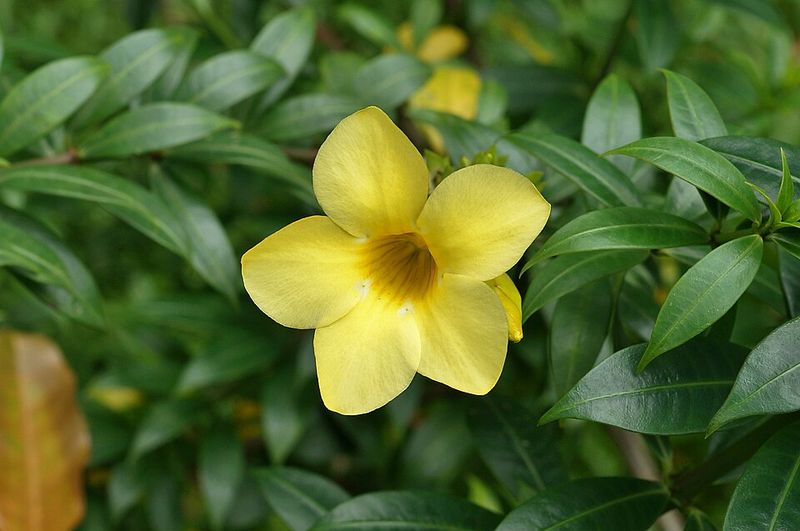
There is something undeniably cheerful about allamanda vine’s bold yellow trumpet flowers. They are large, glossy, and intensely yellow, the kind of yellow that makes a gray day feel instantly brighter.
The plant blooms prolifically throughout Florida’s warm months, which in many parts of the state means almost the entire year.
This tropical vine loves heat and humidity, making Florida’s climate feel like home. It performs best in full sun with rich, well-draining soil and regular fertilizing.
Give it a trellis or fence to climb, and it will cover the structure with lush foliage and consistent blooms.
Keep in mind that all parts of allamanda are toxic if ingested, so placement matters if you have curious pets or young children nearby. With proper placement and a little regular feeding, allamanda vine is one of the most rewarding and reliably beautiful vines in the Florida garden toolkit.
12. Bleeding heart vine
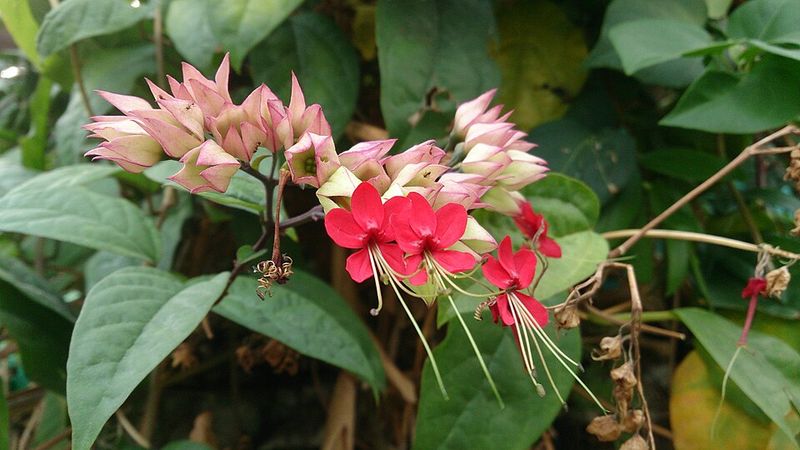
Nature occasionally produces something so dramatically beautiful it seems almost theatrical, and bleeding heart vine fits that description perfectly. The flowers feature pure white balloon-like calyxes with vivid crimson petals peeking out from the center, creating a two-toned display that looks hand-painted.
No filter needed for photos of this one.
Unlike most vines on this list, bleeding heart vine actually prefers partial shade. This makes it a brilliant solution for those tricky spots under trees or on north-facing fences where other flowering vines refuse to perform.
Florida’s humidity suits it well, and it blooms beautifully in spring and summer.
Plant it in rich, well-draining soil and water it consistently. It responds very well to regular fertilizing during the growing season.
If you have a shaded pergola or a fence that never gets full sun, bleeding heart vine will transform that overlooked space into something genuinely spectacular.
Share this story