The 2000s were a wild ride of frosted tips, flip phones, and pop stars who ruled every TV screen and radio station. Some of those artists went on to become legends, but a surprising number of them quietly faded from the spotlight.
You might not think about them every day, but the second you hear their songs, it all comes rushing back. This list is a tribute to the stars who were absolutely everywhere back then and deserve way more credit than they get today.
Mýa
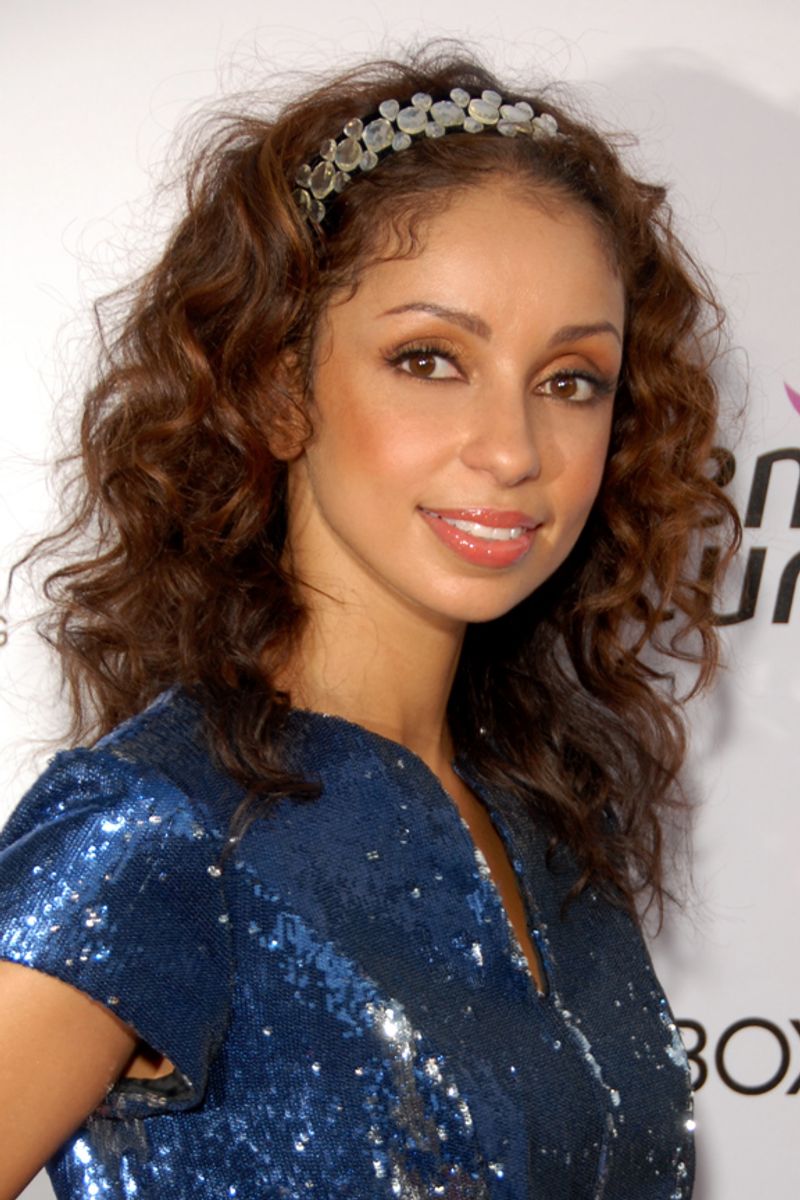
Nobody in the early 2000s made R&B look as effortless as Mýa. She had this rare combination of elegance, attitude, and raw talent that made every song feel like a statement. “Case of the Ex” was basically the breakup anthem of its generation.
Her part in “Lady Marmalade” alongside Beyonce, Pink, and Christina Aguilera proved she could hold her own against anyone. She was not a background voice.
She was a full presence, and she knew it.
What really makes Mýa worth celebrating is her staying power. She kept releasing music independently, building her career on her own terms long after the MTV spotlight moved on.
I still catch myself humming “Free” out of nowhere, and honestly, that says everything. She never stopped creating, which puts her above plenty of artists who had twice the mainstream attention she did.
Kelis
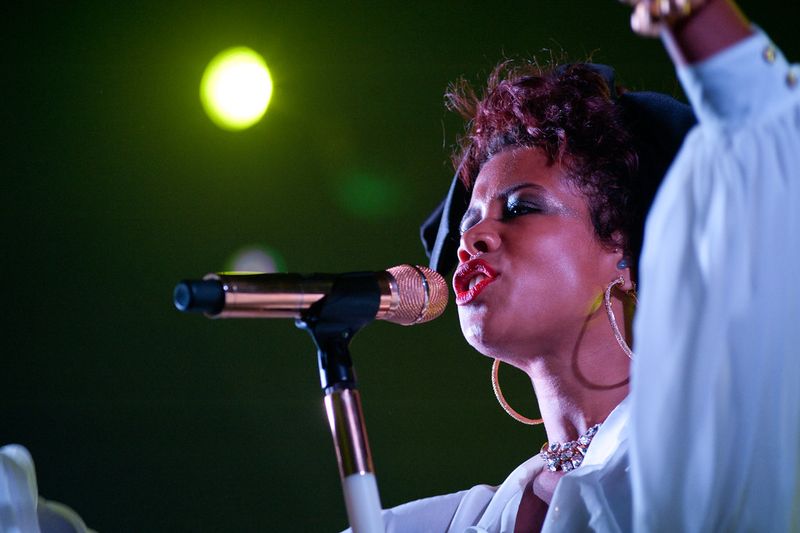
Kelis walked into the 2000s and immediately made it clear she was not playing by anyone else’s rules. “Milkshake” was everywhere, sure, but that song was just the loudest moment in a much bigger career. Her albums were bold, genre-blending experiments that most pop stars would not have dared to release.
She mixed R&B, funk, electronic, and hip-hop in ways that felt genuinely futuristic. That fearless creativity was always her strongest quality, and casual listeners often missed it because they stopped at the hits.
The culinary chapter of her life is honestly just as fascinating. She trained professionally in cooking, launched a sauce brand, and released a cookbook that got serious attention.
Not many artists can say they built two completely distinct creative careers without losing what made them original in the first place. Kelis managed exactly that.
JoJo
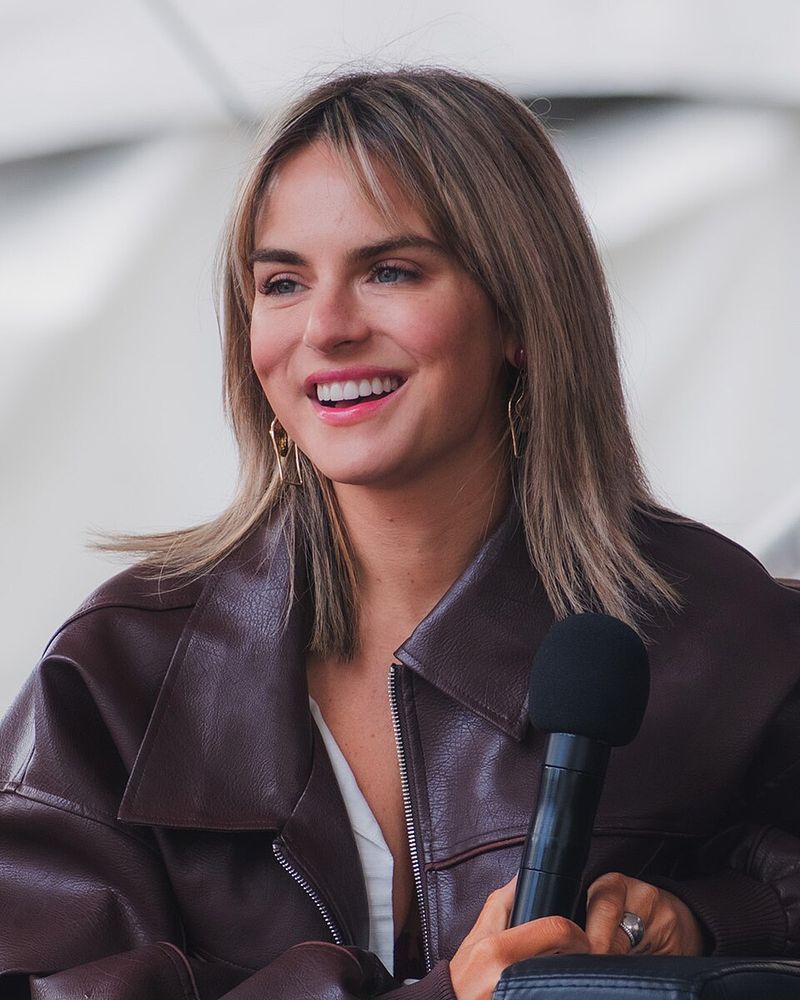
Being 13 years old and releasing a debut single that immediately sounds like a classic is not something that happens very often. JoJo pulled it off with “Leave (Get Out),” and the music world genuinely did not know what to do with a voice that mature coming from someone that young.
“Too Little Too Late” then became one of the defining heartbreak anthems of the mid-2000s. It had that perfect dramatic energy that felt huge on the radio and even bigger in your bedroom with headphones on at full volume.
Her label situation was a mess for years, blocking her from releasing new music and keeping her earlier work off streaming platforms. She fought back hard, re-recorded her albums, released new projects, performed on Broadway, won a Grammy, and wrote a memoir.
JoJo is genuinely one of the best comeback stories the 2000s ever produced.
Vanessa Carlton
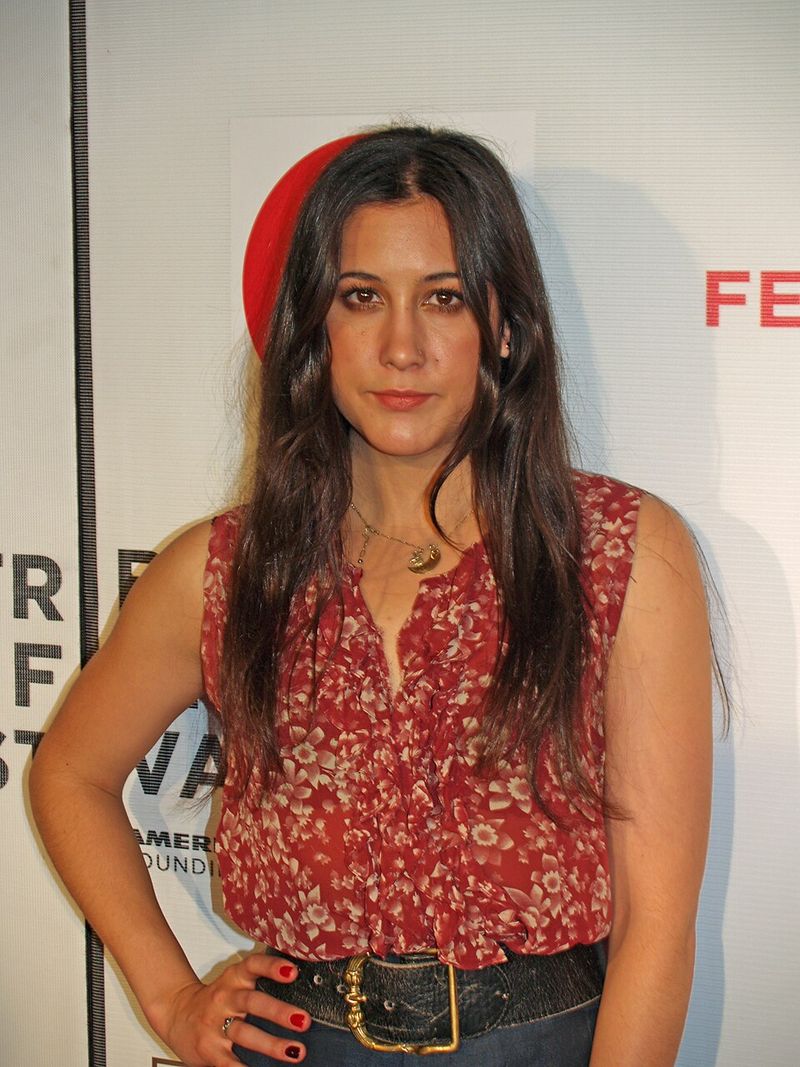
That piano intro from “A Thousand Miles” is one of those sounds that lives permanently in your brain whether you invited it or not. Vanessa Carlton wrote one of the most recognized opening bars of the entire decade, and somehow that became both her greatest achievement and her biggest challenge to move past.
Her later albums showed serious artistic growth. She leaned into more atmospheric, intimate songwriting that had much more depth than the radio-friendly version of her people first encountered.
Casual fans who only know the hit genuinely missed out.
What makes Carlton especially worth revisiting is that she never chased trends to stay relevant. She kept making music on her own terms, which takes real confidence when the industry keeps pushing artists toward whatever is currently selling.
Her catalog rewards anyone willing to go past track one. Seriously, give her second and third albums a proper listen.
Michelle Branch
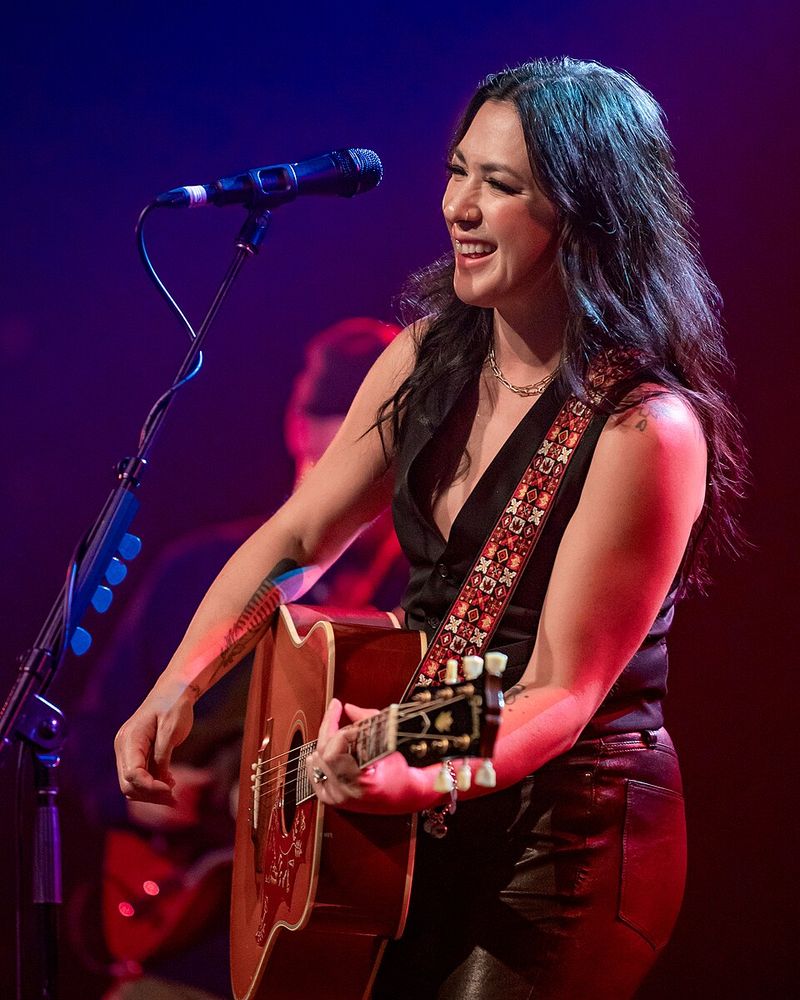
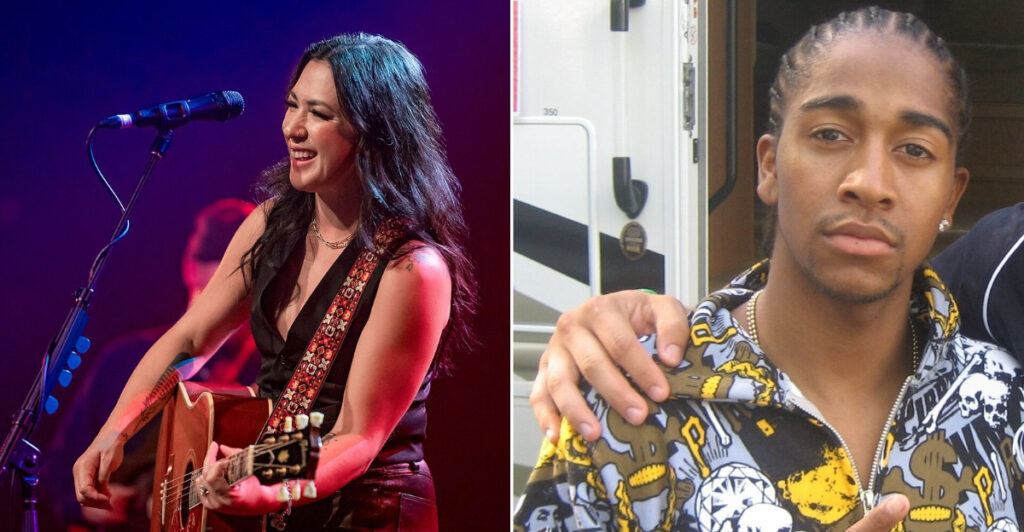
Michelle Branch was the exact right artist for anyone who wanted pop music with a little more emotional grit. “Everywhere,” “All You Wanted,” and “Goodbye to You” were not just catchy songs. They felt lived-in, like they came from someone who actually meant every word.
She had guitars, hooks, and a confessional quality that connected with listeners who felt a little too much for regular bubblegum pop. That combination put her right at the intersection of pop and rock in a way that felt completely natural rather than calculated.
Branch also helped create space for young women writing and performing their own material at a time when many female pop acts were working with large teams of outside writers. Her influence on the singer-songwriter lane of the 2000s deserves serious credit.
Many artists who came after her built their careers on the same emotional, guitar-forward foundation she helped establish.
Fefe Dobson
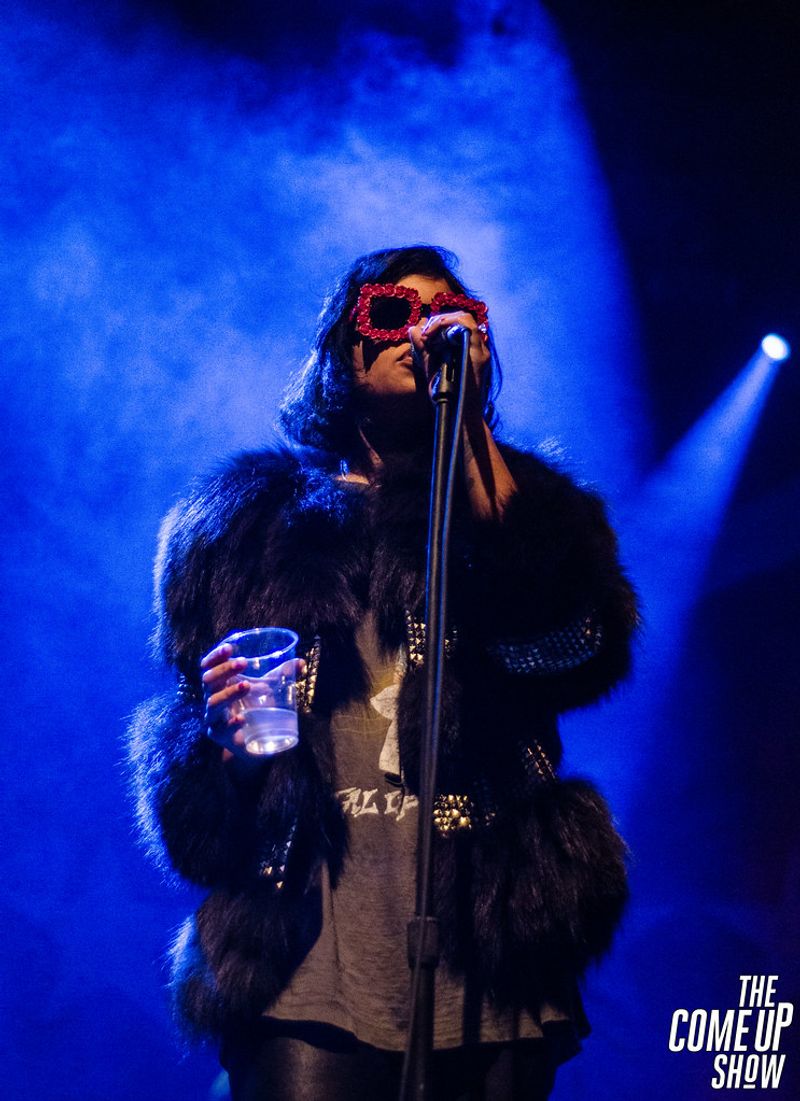
Fefe Dobson had the kind of pop-rock energy that should have launched her into the absolute top tier of the 2000s. “Take Me Away” was the kind of anthem that belonged in every teen movie soundtrack, and honestly it ended up in quite a few of them.
She brought a rebellious spark and genuine charisma that made her stand apart from the polished, label-manufactured acts around her. Her voice had real edge, and her look matched it perfectly.
She felt authentic in a decade that sometimes struggled to tell the difference between attitude and performance.
Looking back, it is hard not to notice that the pop-rock space of that era was not always welcoming to biracial Black women. Fefe was not just overlooked because of shifting trends.
The industry simply did not push her the way it pushed others with less range. She deserved a bigger stage, full stop.
Stacie Orrico

“(There’s Gotta Be) More to Life” was one of those songs that hit differently depending on how old you were when you first heard it. As a kid it just sounded like a great pop track.
A few years later, it felt like it was reading your diary out loud.
Stacie Orrico had a soulful, grounded voice that felt more mature than her age suggested. Her lyrics were thoughtful and reflective in a way that the average teen-pop release rarely bothered to be. “Stuck” was another solid example of how she packed real emotional weight into a three-minute song.
Her peak was shorter than it should have been, but the songs she left behind genuinely hold up. She belongs in any honest conversation about early-2000s pop voices who connected with listeners on a deeper level.
Sometimes the most meaningful music comes from artists who did not stick around the longest.
Jesse McCartney

“Beautiful Soul” made Jesse McCartney the kind of teen idol whose poster was legally required to be on at least one bedroom wall in every school district. But writing him off as just a teen-pop product would be a serious mistake, and the receipts prove it.
He co-wrote “Bleeding Love,” which became one of the biggest pop hits Leona Lewis ever released. That songwriting credit alone changes the entire conversation about what he brought to the decade.
He was not just performing songs. He was helping build them.
“Leavin'” later showed a more mature, R&B-influenced sound that demonstrated real artistic growth. McCartney understood how pop worked from the inside, and that knowledge made his evolution feel natural rather than forced.
He was part of the 2000s teen-pop machine, yes, but he also understood how to write songs that outlasted the machine itself.
Omarion
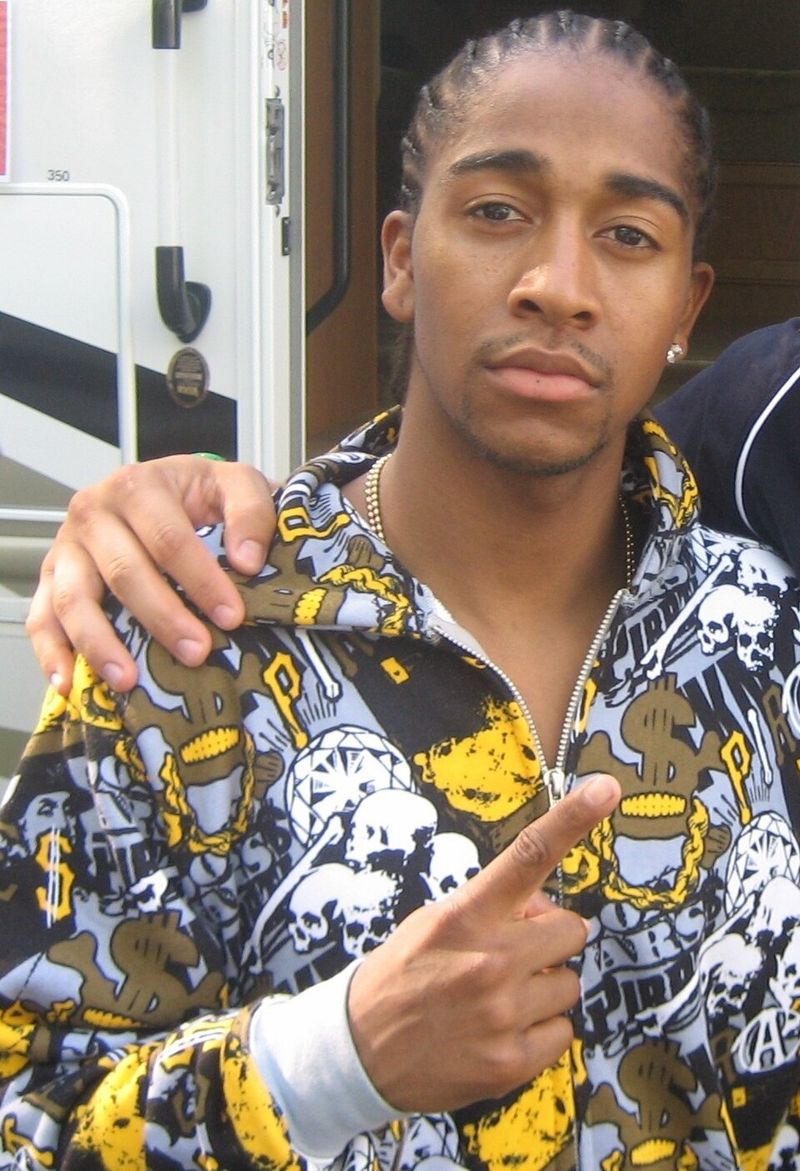
Few artists had as much cool packed into one package as Omarion did during the early 2000s. Between B2K and his solo run, he stacked up hits like “Bump, Bump, Bump,” “O,” and “Ice Box” while simultaneously becoming one of the best dancers in R&B, which is genuinely saying something.
B2K helped define what boy-band R&B looked and sounded like for a generation of fans who grew up watching BET and attending Scream Tour concerts. That group had a specific energy that felt both polished and street-ready at the same time.
Omarion’s continued presence in entertainment proves he was never just a nostalgia act waiting to happen. He represents a real bridge between classic early-2000s R&B and the smoother, performance-heavy sound that came after it.
His fingerprints are genuinely all over the decade, and that legacy holds up just fine on its own.
Christy Carlson Romano
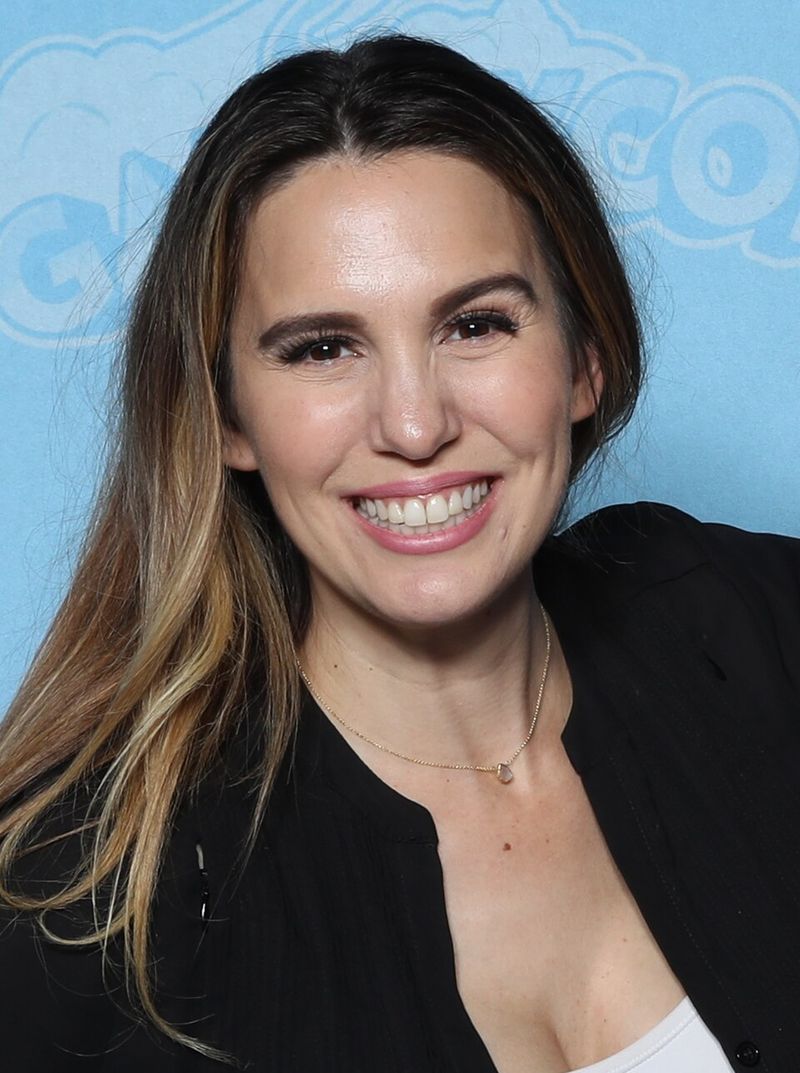
Growing up in the early 2000s meant that Christy Carlson Romano was basically unavoidable, and honestly that was a great thing. Between Even Stevens, Cadet Kelly, and voicing Kim Possible, she was everywhere kids looked on a Saturday morning or after school.
What made her stand out was the genuine range she showed across those roles. Playing the overachieving older sister, an animated secret agent, and a Disney musical-theater star are three very different jobs, and she made all of them feel natural.
In recent years she has built a fascinating second chapter by speaking openly about her experiences growing up inside the Disney machine. Her podcast work has helped frame important conversations about what child stardom actually looks like from the inside.
That honesty has earned her a whole new audience of people who appreciate her for reasons that go far beyond nostalgia for the old episodes.
Devon Werkheiser
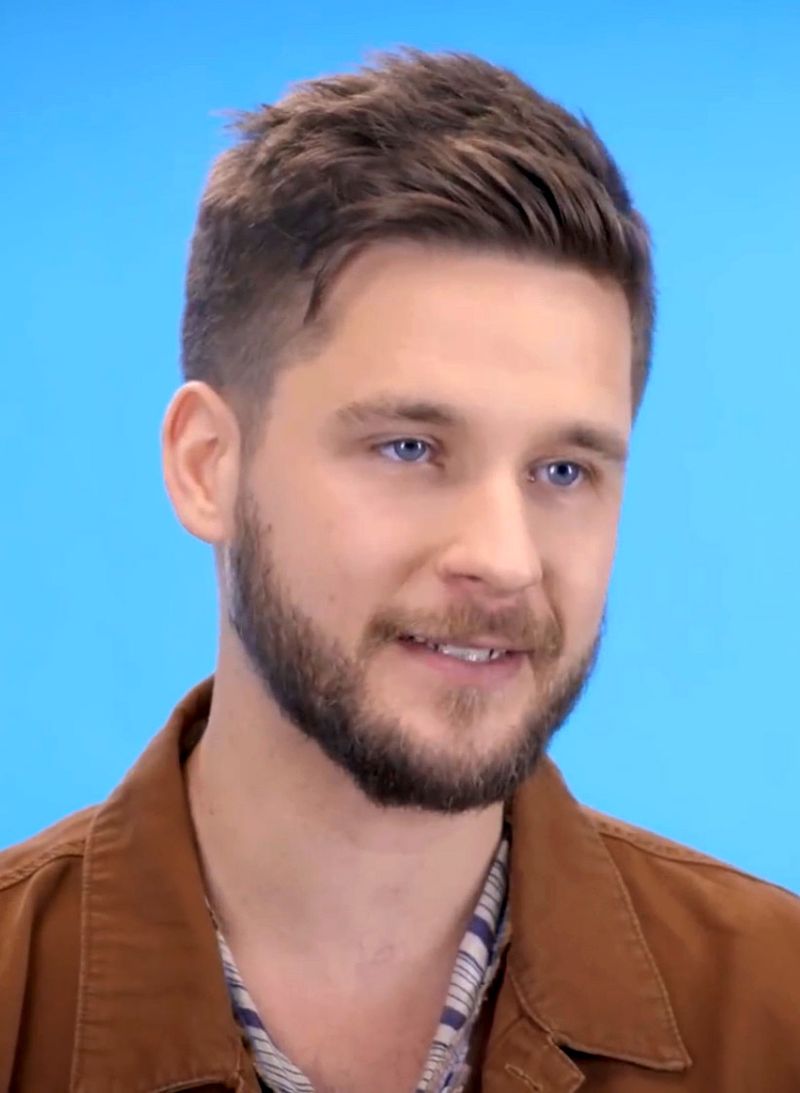
Ned’s Declassified School Survival Guide was one of those shows that made middle school feel slightly less terrifying, and Devon Werkheiser was the reason it worked as well as it did. His easy, likable screen presence turned Ned into the kind of TV friend every kid actually wanted.
The show had this clever format where Ned offered survival tips for navigating the chaos of middle school. It was silly and funny, but it also touched on real anxieties that kids genuinely felt.
Werkheiser sold that balance perfectly every single episode.
The cast recently revisited the show through a podcast, and the affection people still carry for it is genuinely touching. Werkheiser represents a very specific kind of 2000s fame that is hard to replicate: the after-school Nickelodeon variety, tied to orange logos, slime, and the feeling of rushing home to catch your favorite show before dinner.
That kind of cultural imprint does not fade easily.
Freddie Prinze Jr.
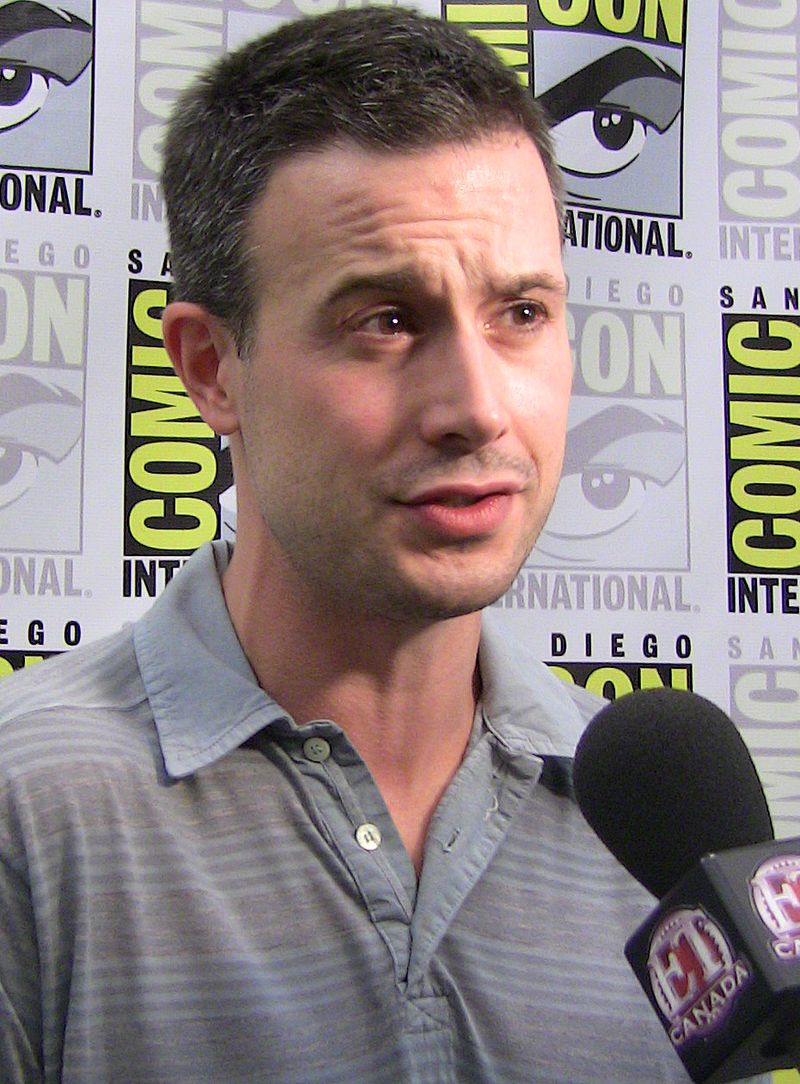
Freddie Prinze Jr. had the kind of charming, low-key screen presence that made every teen movie feel warmer just by having him in it. He carried his late-90s heartthrob status straight into the 2000s without missing a beat, showing up in Down to You, Summer Catch, and both live-action Scooby-Doo films.
While other actors in that era leaned hard into brooding or chaotic energy, Prinze was reliably warm and easygoing. He was the nice guy of the teen-movie world, and audiences genuinely liked him for it.
That is actually a harder quality to pull off than it sounds.
He never fully disappeared from entertainment either. He stayed busy in voice acting, writing, producing, and genre projects including Star Wars Rebels, where he voiced Kanan Jarrus.
His career is a solid reminder that not every 2000s star vanished. Some of them simply moved into quieter, equally interesting corners of the industry.
Share this story