 Unearth The Voyage
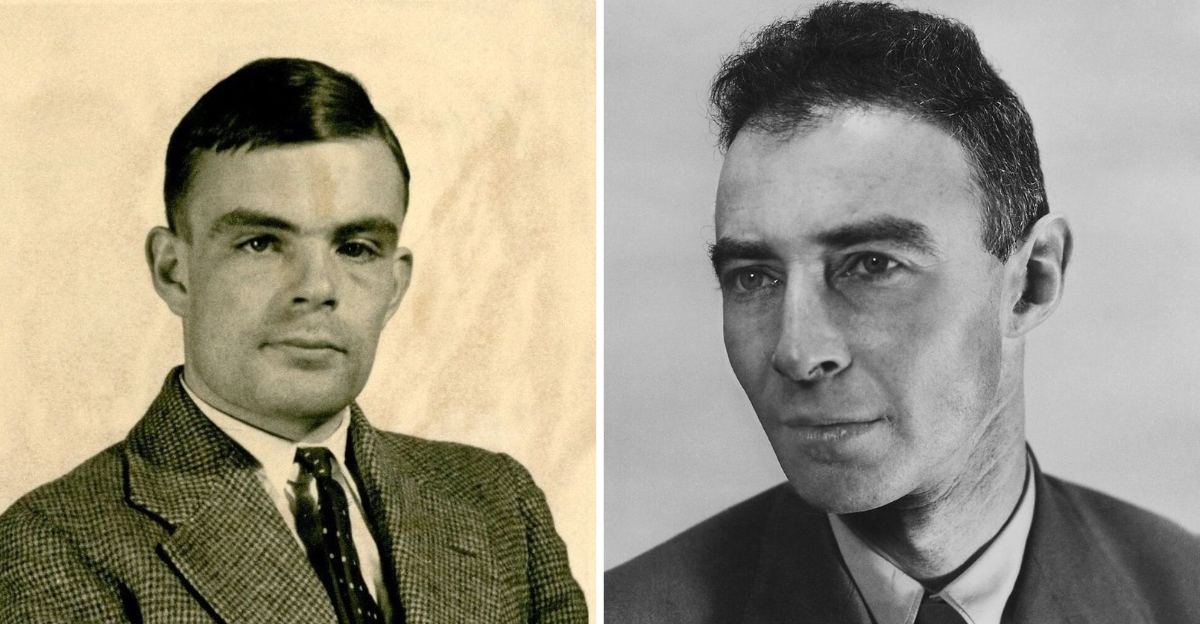
History is full of brilliant minds who changed the world in ways most people could never imagine. But for some of the greatest thinkers, scientists, and artists who ever lived, their extraordinary gifts came with a heavy price.
Fame, persecution, mental illness, and tragedy followed many of them throughout their lives. Their stories remind us that genius and struggle are often two sides of the same coin.
1. Nikola Tesla
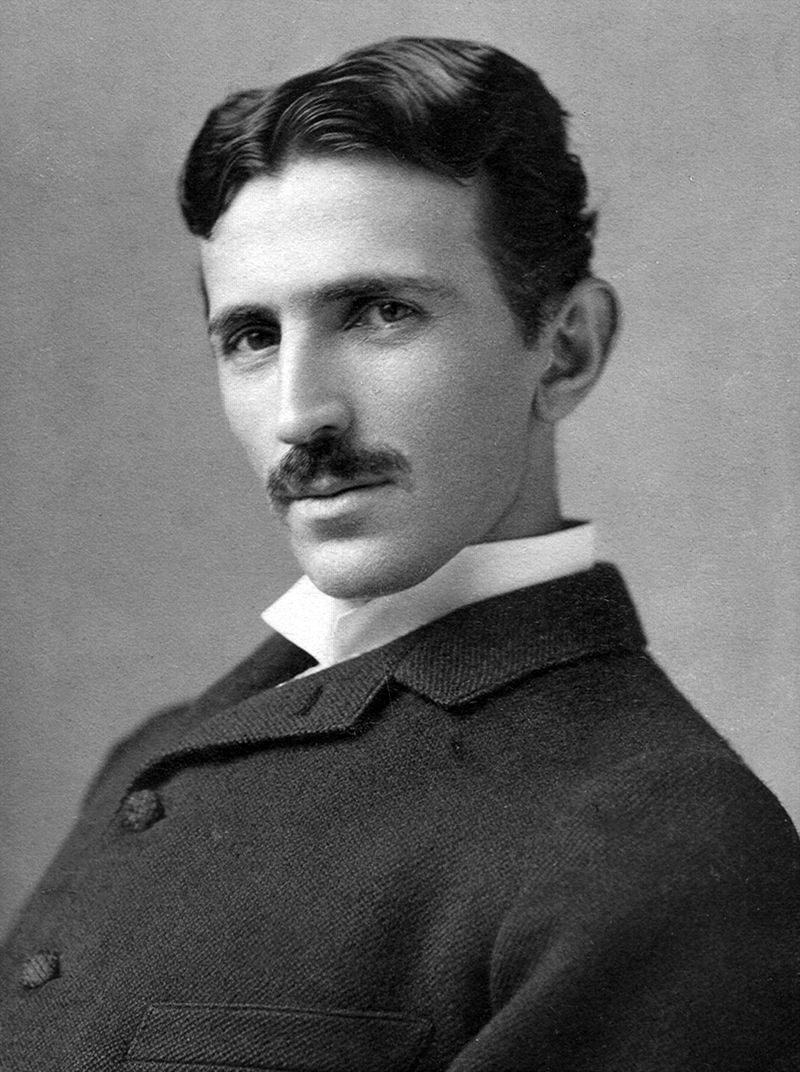
Nikola Tesla had a mind that seemed to run on electricity itself. He could visualize complex inventions entirely in his head before ever touching a single tool.
His ideas about alternating current, wireless energy, and radio transmission were so far ahead of their time that many people simply did not understand them.
But Tesla made poor business decisions and trusted the wrong people. His rivalry with Thomas Edison cost him both money and public recognition.
Investors pulled funding from his most ambitious projects, leaving him unable to finish what he started.
He died alone in a New York hotel room in 1943, nearly broke and largely forgotten by the public. Only decades later did the world fully appreciate how much of modern technology traces back to his work.
Tesla is now celebrated as one of history’s most visionary inventors, though recognition came far too late for him to enjoy it.
2. Alan Turing
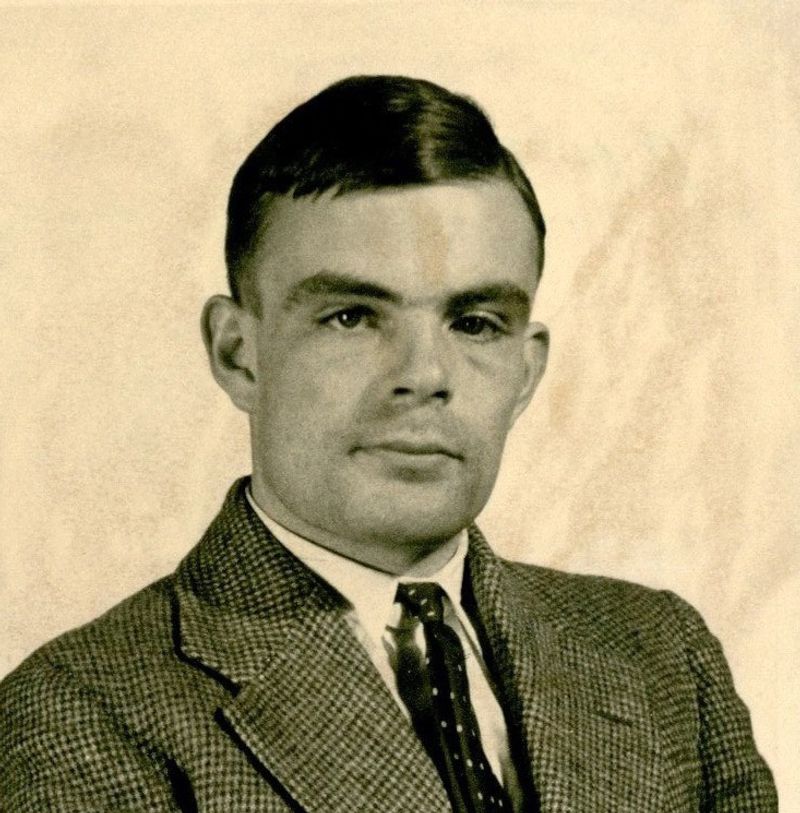
Alan Turing cracked the Nazi Enigma code during World War II, a breakthrough that historians believe shortened the war by several years and saved millions of lives. He also laid the groundwork for modern computing, essentially inventing the concept of the programmable machine.
Without Turing, the computers and smartphones we use every day might not exist.
Yet Britain rewarded him not with honors but with prosecution. In 1952, he was convicted of gross indecency simply for being gay, which was illegal in the UK at the time.
He was forced to undergo chemical castration as punishment.
Two years later, at just 41 years old, Turing died from cyanide poisoning. Many believe it was suicide.
The British government issued a formal apology in 2009 and granted him a royal pardon in 2013, but none of that could undo the cruelty he endured during his lifetime.
3. Socrates
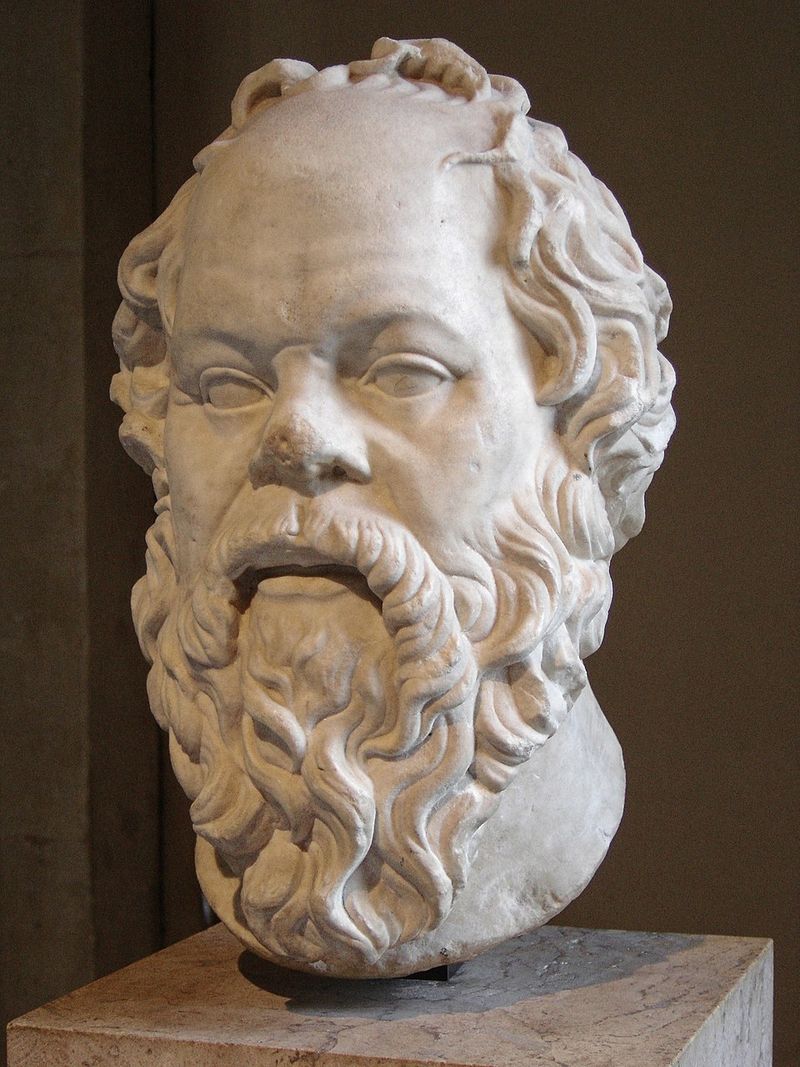
Socrates never wrote a single book, yet he is considered one of the founding fathers of Western philosophy. He walked the streets of ancient Athens asking questions that made powerful people deeply uncomfortable.
His method of relentless questioning, known today as the Socratic method, forced people to examine their beliefs and admit what they did not know.
That habit of poking holes in other people’s certainty made him dangerous enemies. In 399 BCE, the city of Athens put him on trial for corrupting the youth and showing disrespect toward the gods.
The charges were largely political, driven by men who feared his influence.
He was found guilty and sentenced to death by drinking hemlock. Socrates calmly accepted the verdict, refusing to escape when his friends offered him the chance.
His courage in the face of death became as legendary as his philosophy, inspiring thinkers for more than two thousand years.
4. Galileo Galilei
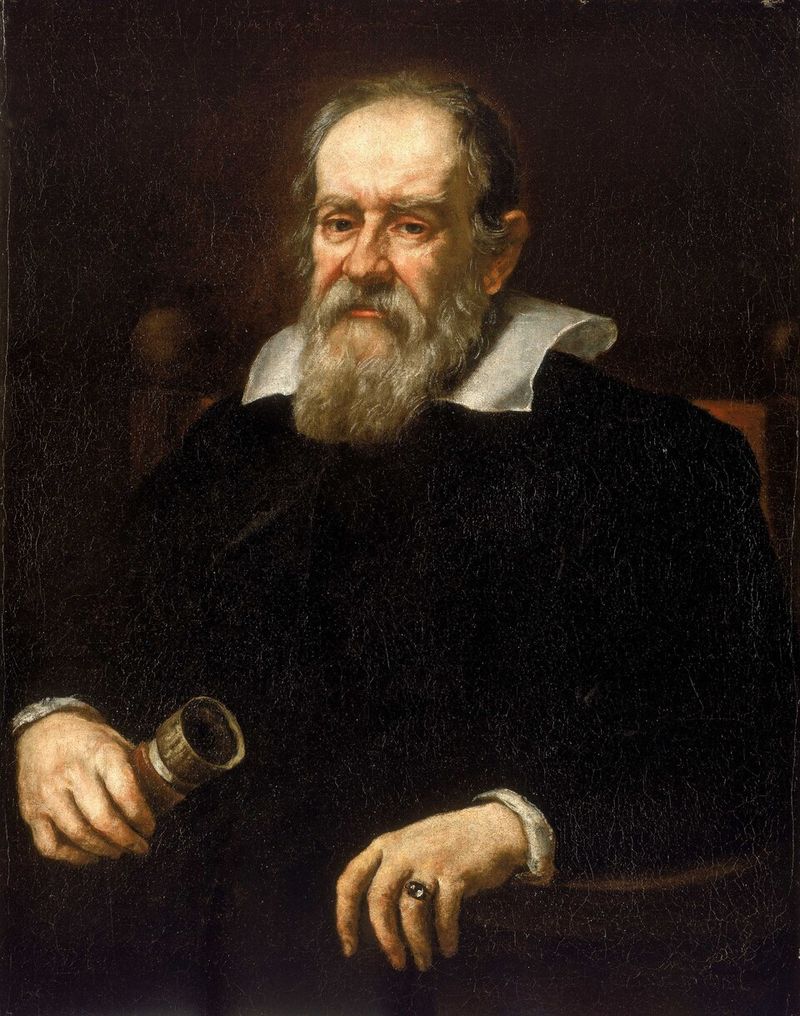
Galileo Galilei pointed his telescope at the sky and saw a universe that shattered centuries of accepted belief. His observations confirmed that the Earth orbits the Sun, not the other way around, a concept called heliocentrism.
This was a revolutionary idea backed by real evidence, but it directly contradicted the official teachings of the Catholic Church.
The Church was not pleased. In 1633, the Inquisition put Galileo on trial for heresy.
He was forced to publicly deny his own findings, kneeling before church officials and recanting what he knew to be true.
Legend says he muttered under his breath, “And yet it moves.”
He spent the last eight years of his life under house arrest, forbidden from publishing further work. He went blind near the end and died in 1642.
The Church did not officially acknowledge his correctness until 1992, more than three hundred years after his death.
5. Leonardo da Vinci
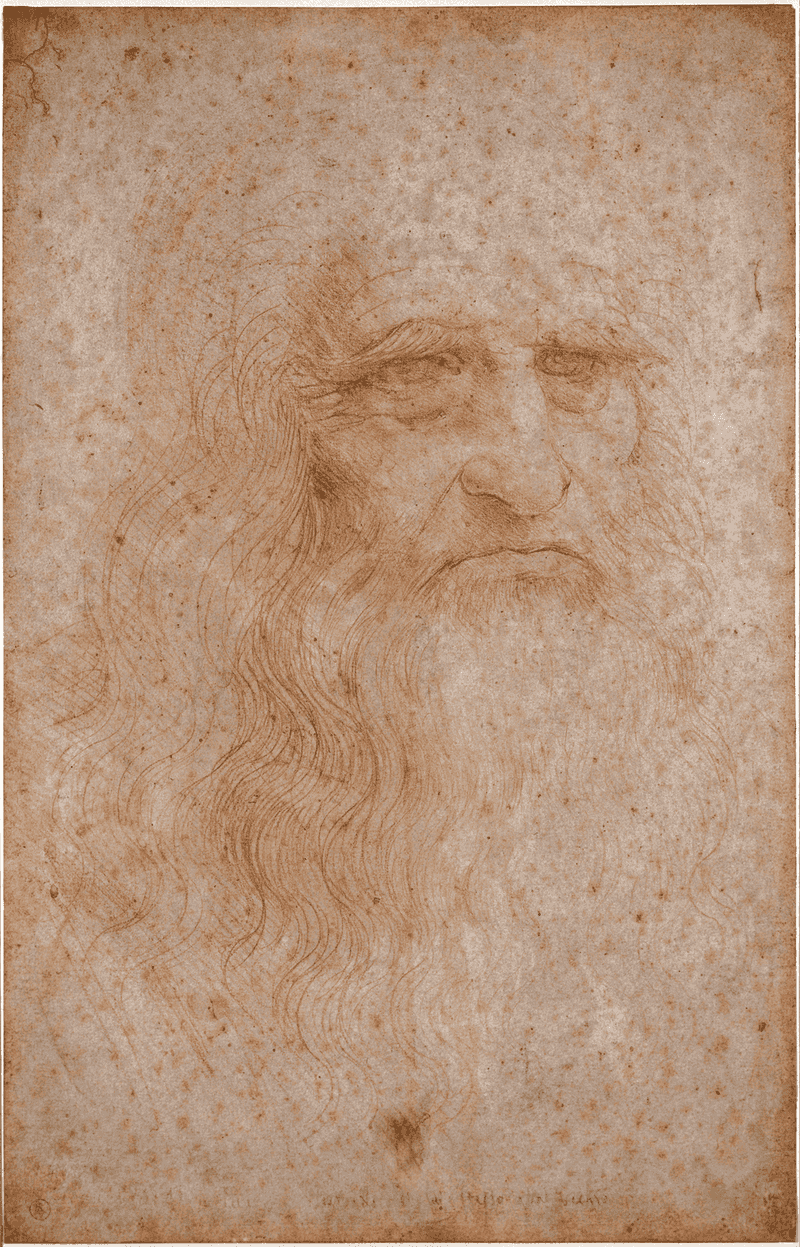
Leonardo da Vinci was perhaps the most multi-talented person who ever lived. He was a master painter, sculptor, architect, musician, mathematician, engineer, and scientist all at once.
His notebooks were filled with designs for flying machines, solar power systems, and armored vehicles, ideas that would not become reality for centuries.
But Leonardo had a well-documented problem with finishing things. His perfectionism was so extreme that he would abandon projects mid-stroke, convinced they could never meet the standard in his imagination.
Patrons grew frustrated waiting for work he had promised and never delivered.
He left behind fewer than twenty confirmed paintings, a surprisingly small number for someone who lived to age 67 and worked for decades. Many of his greatest ideas existed only in private notebooks that were not widely studied until long after his death.
The world received a fraction of what his mind actually produced, which is both astonishing and a little heartbreaking.
6. J. Robert Oppenheimer
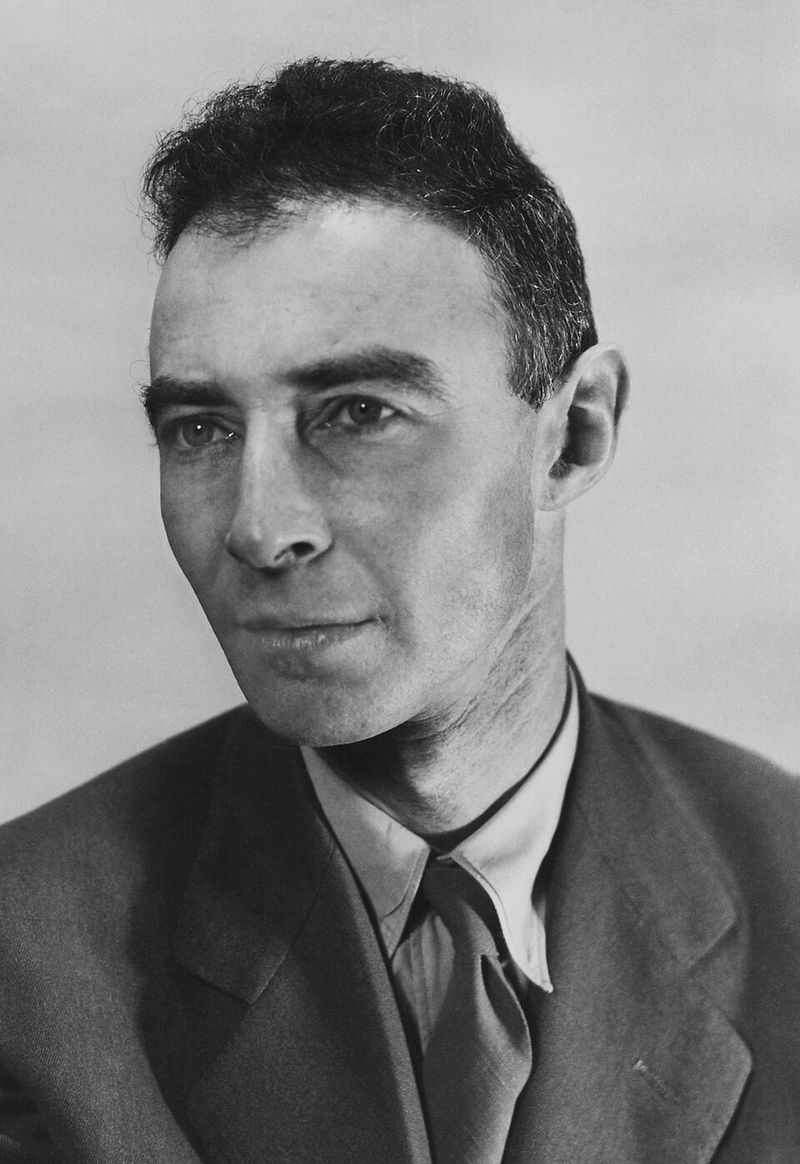
J. Robert Oppenheimer led the Manhattan Project, the secret scientific program that built the world’s first atomic bomb.
When the bomb was successfully tested in July 1945, he reportedly quoted an ancient Hindu scripture: “Now I am become Death, the destroyer of worlds.” It was a haunting moment of self-awareness from the man who made it possible.
After atomic bombs destroyed Hiroshima and Nagasaki, Oppenheimer became a prominent voice against nuclear weapons expansion. That stance made powerful enemies in the U.S. government during the Cold War era.
In 1954, he was stripped of his security clearance following a politically charged hearing that many historians now view as deeply unjust.
He spent his later years marginalized and publicly humiliated, despite having helped win the war. The U.S. government formally restored his honor in 2022, nearly 55 years after his death.
His story is a sobering reminder of what can happen when science meets politics.
7. Hypatia of Alexandria
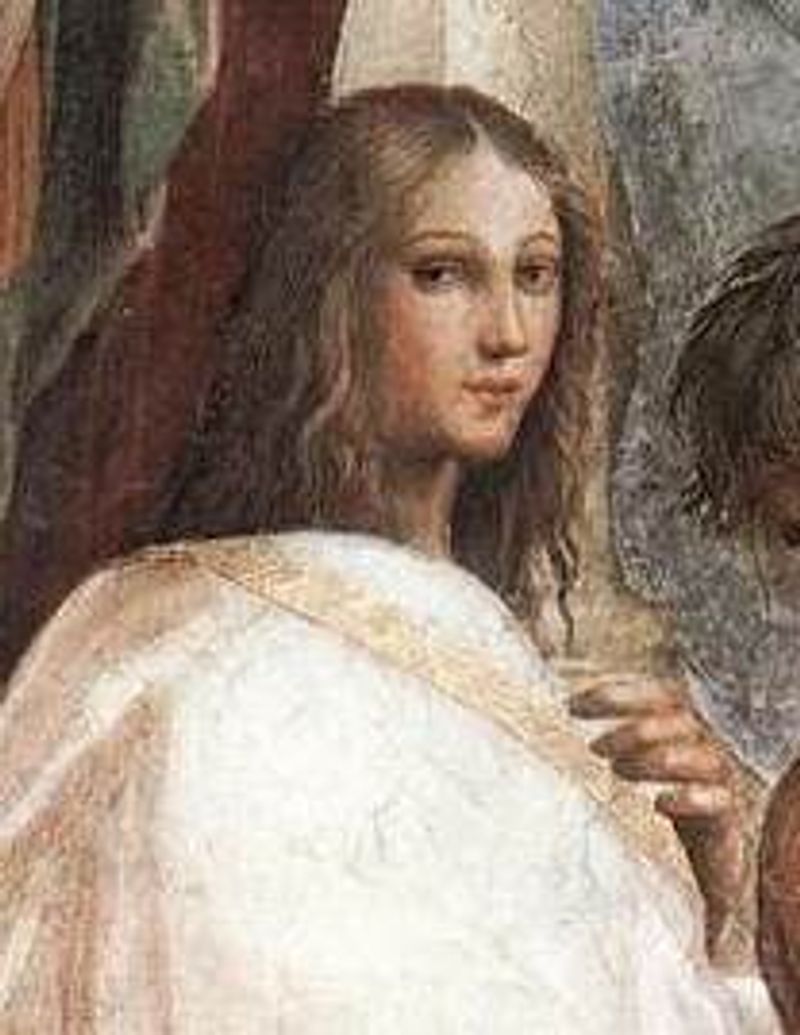
Hypatia of Alexandria was a mathematician, astronomer, and philosopher in a time when women were rarely allowed to hold any of those titles. She taught students from across the ancient world and was widely respected as one of the sharpest minds in the city.
Her lectures drew crowds, and her reputation stretched far beyond Egypt.
But Alexandria in the early 5th century was a powder keg of political and religious tension. Hypatia was closely associated with Orestes, the Roman governor of Alexandria, who was in a bitter feud with Cyril, the powerful Christian bishop.
Her reputation for pagan philosophy made her a target in an increasingly hostile environment.
In 415 CE, a mob dragged her from her carriage, murdered her, and destroyed her body. She was roughly 60 years old.
Her death marked a turning point in the decline of classical learning in Alexandria, and she remains a symbol of reason silenced by fear and intolerance.
8. John Nash

John Nash developed Game Theory in his 20s, a mathematical framework that transformed economics, political science, and biology. His work was so groundbreaking that it earned him the Nobel Prize in Economics in 1994.
The film A Beautiful Mind brought his story to millions of people around the world, though it softened many of the harder edges of his real life.
What the movie captured was his decades-long battle with paranoid schizophrenia. Nash began experiencing severe delusions and hallucinations in his late 20s, believing he was receiving secret messages from outer space and that government agents were following him.
He was hospitalized multiple times and spent years unable to work.
Remarkably, Nash managed to recover enough to return to academic life at Princeton. His journey from brilliance to breakdown and back again is one of the most extraordinary stories in modern science.
He died in a taxi accident in 2015, returning home from his Nobel Prize celebration in Norway.
9. Marie Curie
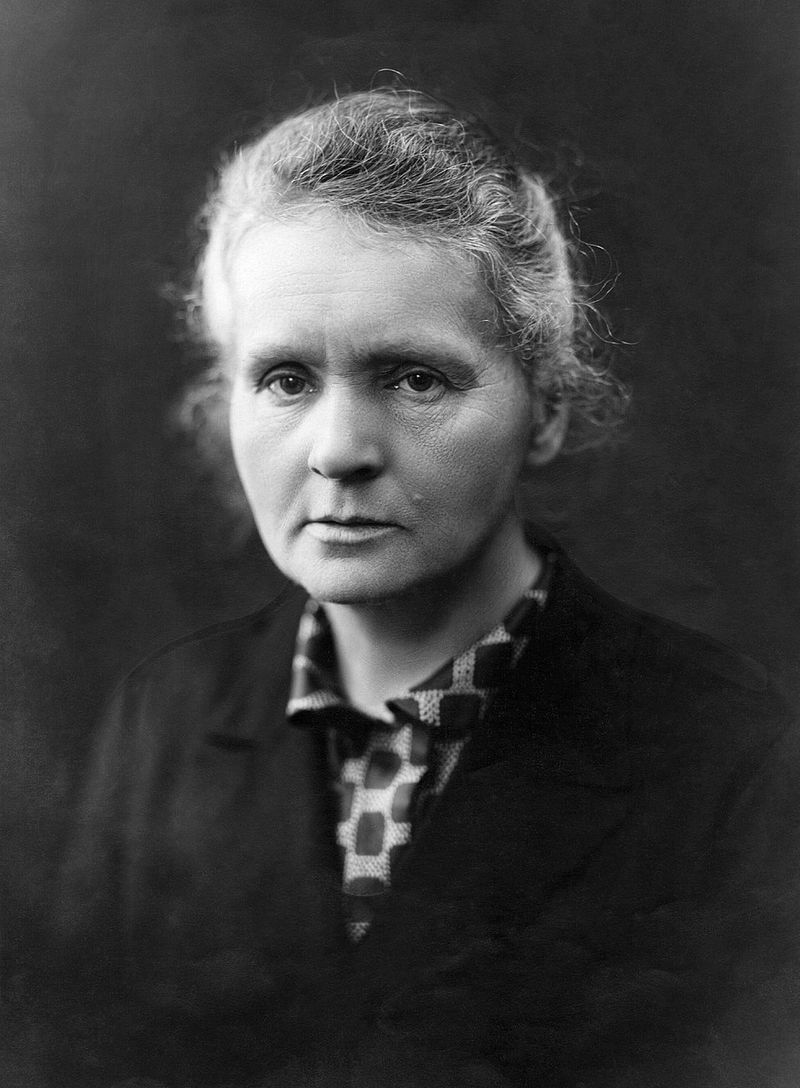
Marie Curie was the first woman to win a Nobel Prize and the only person ever to win Nobel Prizes in two different scientific fields, physics and chemistry. She discovered two elements, polonium and radium, and her research on radioactivity opened an entirely new chapter in science.
She broke barrier after barrier in a world that routinely dismissed women in academia.
But the very substance that made her famous was slowly killing her. Radioactivity was not well understood at the time, and Curie regularly handled radioactive materials without protection.
She carried test tubes of radioactive isotopes in her pockets and stored them in her desk drawer. Her notebooks from the 1890s are still so radioactive that researchers must wear protective gear to handle them.
She died in 1934 from aplastic anemia, a blood disease caused directly by her years of radiation exposure. Her discovery changed medicine and science forever, but the cost was her own life.
10. Kurt Godel
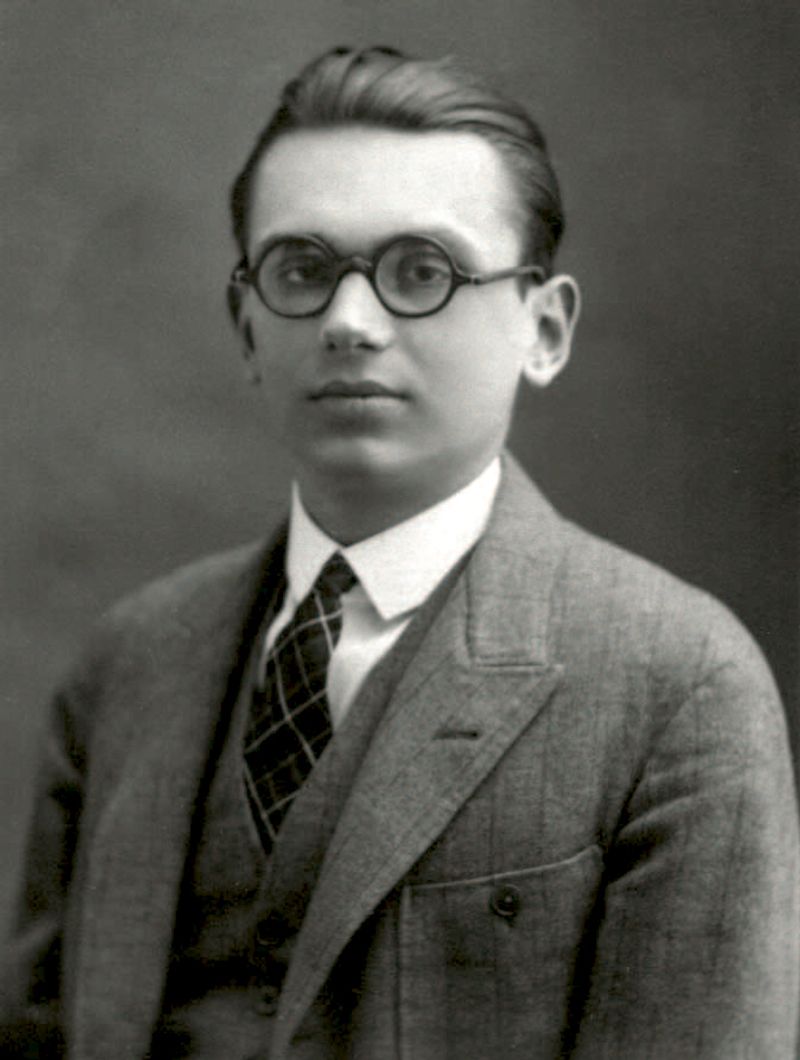
Kurt Godel published his Incompleteness Theorems in 1931 at just 25 years old, and mathematicians immediately recognized them as world-changing. He proved that within any mathematical system, there will always be true statements that cannot be proven within that system.
It was a result so profound that it reshaped how humans understand logic, mathematics, and even the limits of knowledge itself.
But Godel’s mental health deteriorated severely over the years. He developed extreme paranoia and became convinced that people were trying to poison him.
The only food he trusted was what his wife Adele prepared personally. When Adele became ill and was hospitalized for six months, Godel simply stopped eating.
He starved to death in January 1978, weighing just 65 pounds when he died. One of the greatest logical minds in history was undone not by a rival or an institution, but by the relentless fears inside his own head.
His tragedy is as haunting as his genius was brilliant.
11. Grigori Perelman
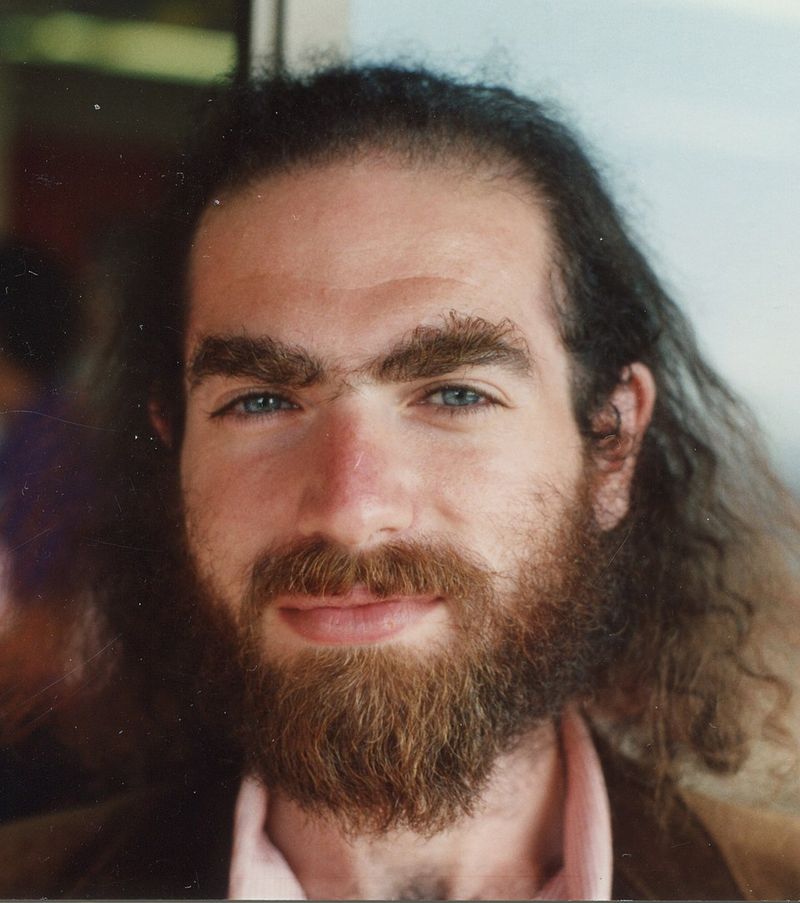
In 2003, Grigori Perelman quietly posted the solution to the Poincare Conjecture online without fanfare or formal publication. Mathematicians had been trying to solve this problem for nearly a hundred years.
When experts finally verified his proof, the math world erupted with astonishment. He had done it, and he had done it almost casually.
The recognition that followed seemed to terrify him rather than please him. He was awarded the Fields Medal in 2006, the highest honor in mathematics, and he refused it.
He was later awarded the Millennium Prize, which came with one million dollars, and he turned that down too. He reportedly said the prize was unfair because others had contributed to related work.
Perelman withdrew completely from public life and now lives in a small apartment in St. Petersburg with his mother. He no longer works in mathematics.
His retreat from the world raises a fascinating question about whether extraordinary minds can ever truly feel at home in ordinary society.
12. Vincent van Gogh
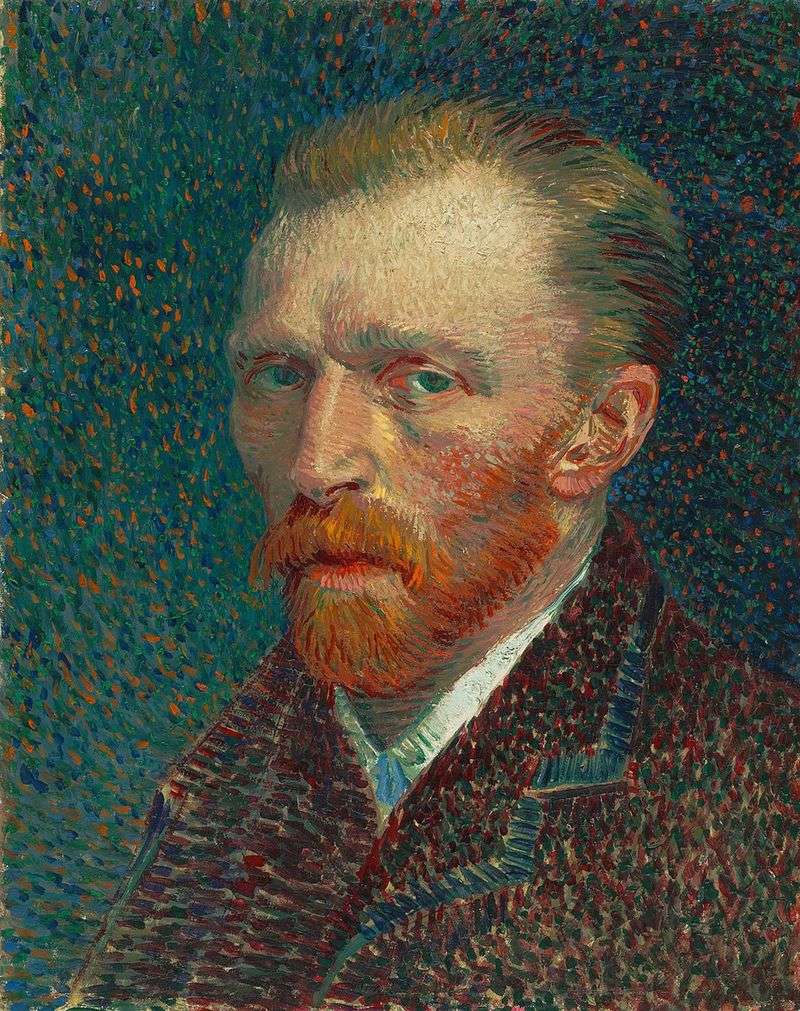
Vincent van Gogh produced over 2,100 artworks in just a decade, including some of the most recognizable paintings in human history. Starry Night, Sunflowers, and The Bedroom are now worth hundreds of millions of dollars and hang in the world’s greatest museums.
But during his lifetime, he sold only one painting. Almost no one recognized his talent while he was alive.
Van Gogh battled severe mental illness throughout his adult life, experiencing episodes of psychosis, depression, and extreme anxiety. He famously cut off part of his own ear during a mental breakdown in 1888.
He voluntarily admitted himself to a psychiatric asylum in Saint-Remy-de-Provence, where he continued painting obsessively even during his darkest periods.
He died in July 1890 at age 37 from a gunshot wound, widely believed to be self-inflicted. His younger brother Theo, his only consistent supporter, died just six months later.
Van Gogh’s story is one of the most profound examples of brilliance going completely unappreciated in its own time.



