 Unearth The Voyage
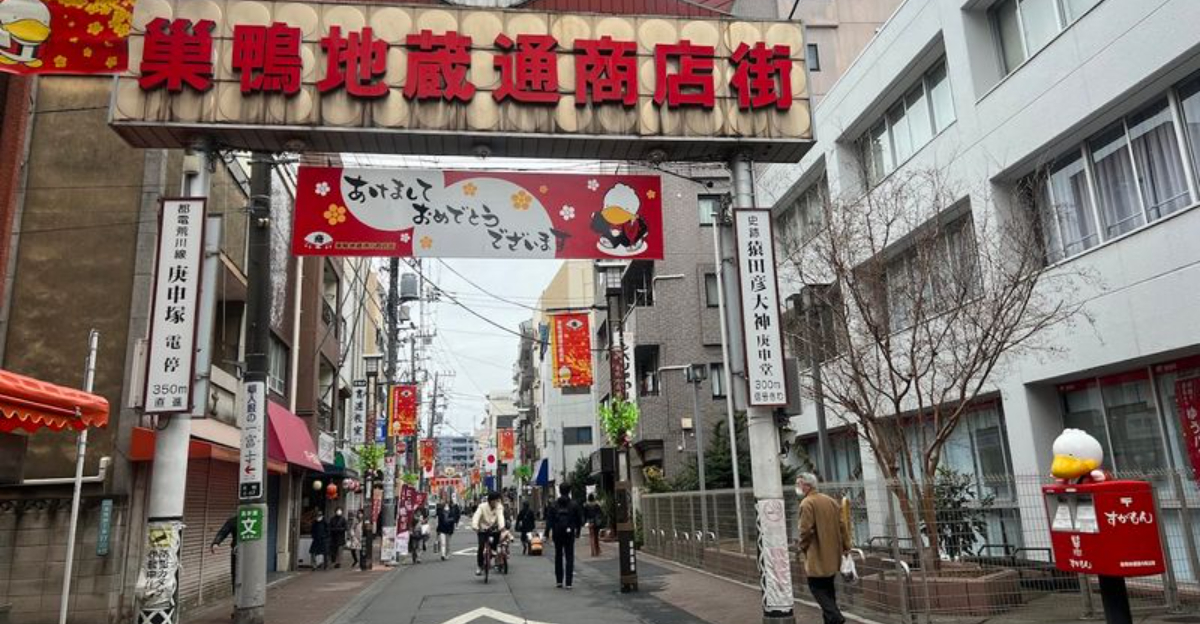
Tokyo is one of those cities that rewards the curious. Sure, Shibuya Crossing and Senso-ji are worth your time, but the real magic hides in the streets most visitors never find.
I spent weeks wandering off the tourist trail, and what I discovered changed how I see this city entirely. Here are 12 hidden corners of Tokyo that most tourists walk right past.
Yanaka Ginza: Tokyo’s Throwback Shopping Street
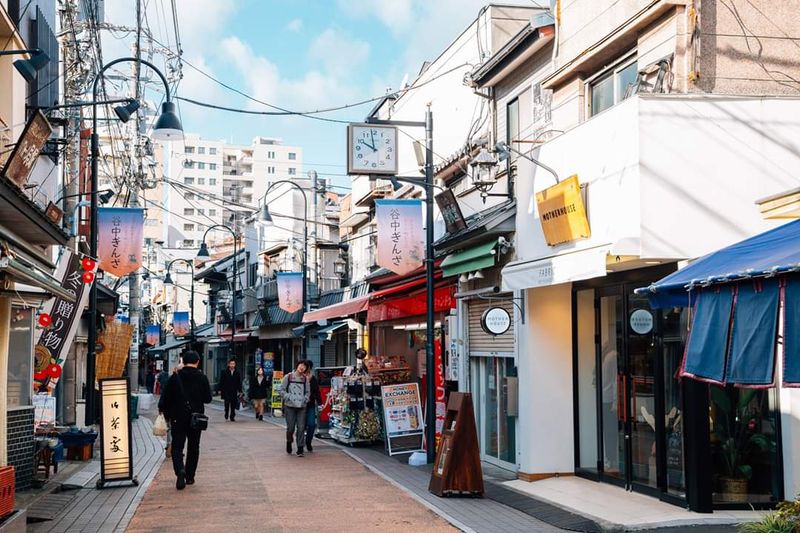
Yanaka Ginza is basically Tokyo refusing to grow up, and honestly, good for it. This short, bustling shopping street survived both the 1923 earthquake and World War II, making it one of the few places in the city that still looks like old Showa-era Japan.
You will find fishmongers, tofu sellers, sweet shops, and tiny restaurants all crammed into a few cheerful blocks. Nobody is performing for tourists here.
Locals actually shop on this street, which makes wandering through it feel like a genuine slice of daily Tokyo life.
The best move is to arrive around noon when the food stalls are fully stocked. Grab some menchi-katsu from one of the butcher shops and eat it while walking.
Fair warning: you will almost certainly buy something you did not plan to. That little ceramic cat was calling your name the whole time.
Yanaka Cemetery: A Peaceful Stroll Through Old Tokyo
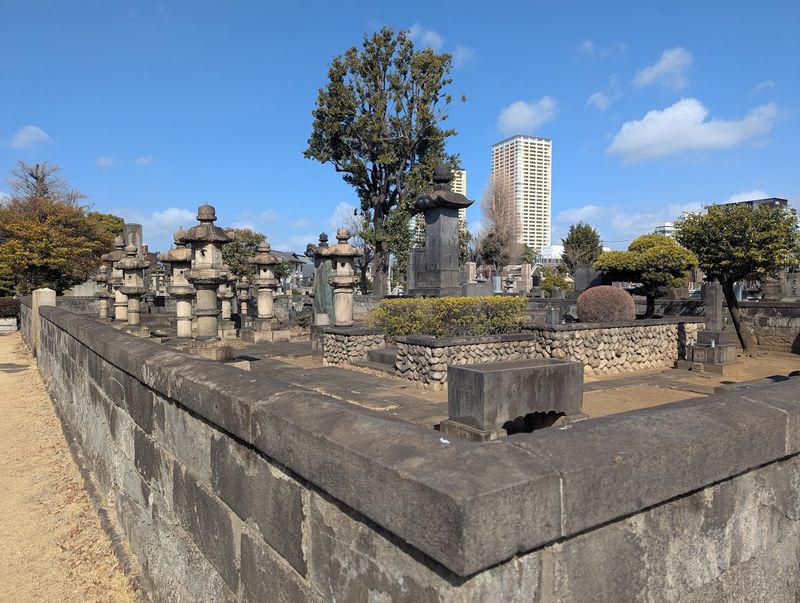
Most people skip cemeteries on vacation. At Yanaka Cemetery, that is a genuine mistake.
This sprawling graveyard doubles as one of Tokyo’s best green spaces, packed with towering trees, old stone lanterns, and an atmosphere so calm you forget you are in one of the world’s busiest cities.
The cemetery dates back to the Meiji era and holds the graves of several famous Japanese figures, including the last Tokugawa shogun. History buffs will enjoy tracking down notable plots, while everyone else can simply enjoy the rare luxury of a quiet Tokyo afternoon.
During cherry blossom season, the main avenue transforms into a tunnel of pink that rivals anywhere in the city, minus the shoulder-to-shoulder crowds. Cats also roam freely here, which has turned the cemetery into a beloved local spot for cat-spotters.
Bring a coffee from a nearby Yanaka cafe and take your time. There is no rush.
Nezu-jinja Shrine: The Torii Tunnel Without the Crowds
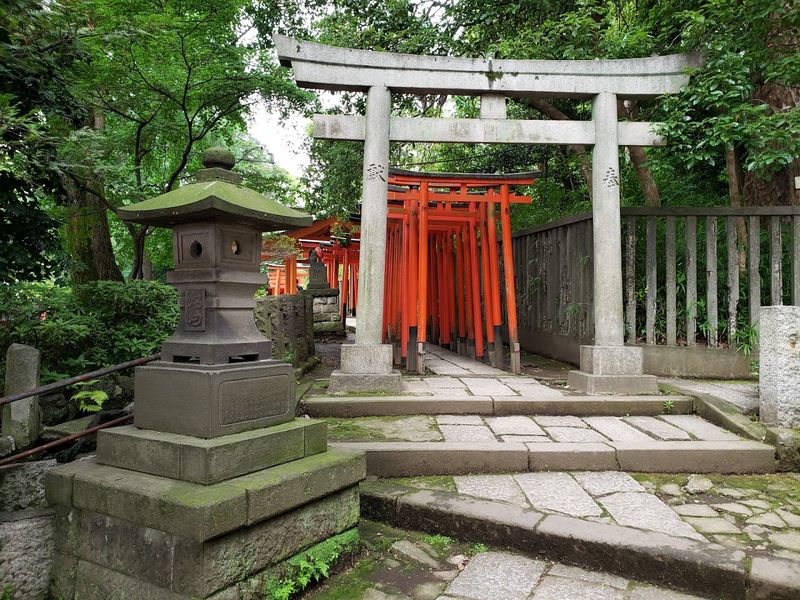
Everyone has seen the famous torii gate tunnels of Kyoto’s Fushimi Inari. Fewer people know that Tokyo has its own version, and it comes without the tour groups, selfie sticks, and two-hour waits.
Nezu-jinja is one of Tokyo’s oldest shrines, established in the early 18th century. Its series of vermillion torii gates winds up a forested hillside in a way that feels genuinely ancient and unhurried.
On a weekday morning, you might have the whole path almost entirely to yourself, which is practically unheard of at major Tokyo attractions.
The shrine also holds an azalea festival every spring that draws locals rather than tourists, turning the grounds into a soft explosion of pink and red blooms. Even outside festival season, the grounds are lovely.
The resident cats add bonus charm. Getting here takes about ten minutes on foot from Nezu or Sendagi station, making it an easy addition to any Yanaka day trip.
Fuku-no-yu: A Retro Sento That Still Feels Local
Public bathhouses in Tokyo are disappearing fast, which makes finding one like Fuku-no-yu feel like striking gold. This retro sento in the Yanaka area has been serving the neighborhood for decades and has zero interest in becoming a trendy wellness destination.
The interior is classic old-school Japan: painted tile murals of Mount Fuji, high ceilings, wooden changing room furniture, and a row of low faucets where regulars scrub down with practiced efficiency. Admission costs just a few hundred yen, which is extraordinary value for a genuine cultural experience.
First-timers should know the basic rules: wash thoroughly before entering the communal bath, keep your small towel out of the water, and speak quietly. The regulars are friendly but value the calm routine of the place.
I went in expecting a quick dip and ended up staying nearly an hour, completely relaxed and weirdly proud of myself for figuring out the etiquette without causing a scene.
Ueno Sakuragi Atari: Renovated Showa-Era Houses for Bites and Beer
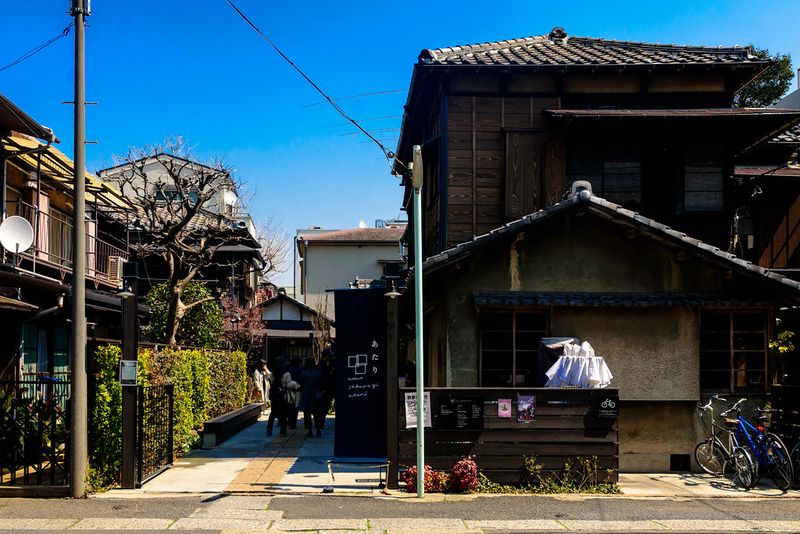
Three old wooden houses, a handful of small businesses, and one of the most relaxed atmospheres in all of Tokyo. Ueno Sakuragi Atari is the kind of place that makes you slow down without even trying.
The cluster of Showa-era buildings was carefully renovated rather than demolished, which puts it in a rare category in this city. Inside and around the structures, you will find a bakery, a craft beer spot, and a few other small vendors that change periodically.
The outdoor seating area is perfect for an afternoon beer surrounded by old wooden walls and overgrown greenery.
It sits just a short walk from Ueno Park, making it a smart escape from the museum crowds. Weekday afternoons are ideal for a quieter visit.
Weekend evenings get lively in a low-key, neighborhood-party kind of way. The whole spot covers a small footprint, but it punches well above its size in terms of charm and good vibes.
Kagurazaka Backstreets: Cobblestones, Quiet Lanes, and Geisha Vibes
Kagurazaka has a split personality, and both sides are worth knowing. The main street buzzes with French bakeries and modern restaurants, a legacy of the neighborhood’s old French expat community.
Step one alley over, though, and the atmosphere shifts completely.
The backstreets, known locally as the yokocho, are narrow cobblestone lanes that wind between stone walls and traditional wooden buildings. This area was once a thriving geisha district, and a small number of geisha still work here today.
Spotting one in the early evening, gliding quietly toward an appointment, is a genuinely memorable moment.
Many of the lanes are private and lead to exclusive ryotei restaurants that require introductions to enter. But simply walking through is reward enough.
The best time to explore is late afternoon into early evening, when lanterns flicker on and the area takes on a beautifully cinematic quality. Wear comfortable shoes because those cobblestones are charming but unforgiving.
Kiyosumi-Shirakawa: Coffee-and-Art Calm in Eastern Tokyo
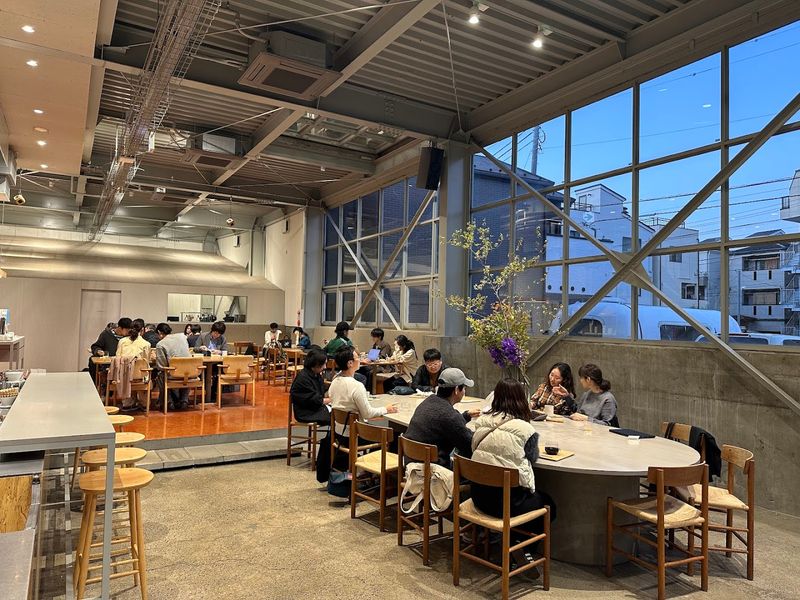
Tokyo’s specialty coffee scene has a capital, and it is not Shibuya or Shinjuku. Kiyosumi-Shirakawa, a quiet residential neighborhood in eastern Tokyo, quietly became the city’s third-wave coffee hub, and it wears the title without any fuss.
Blue Bottle Coffee opened its Japan flagship here, which triggered a wave of excellent roasters and cafes setting up shop in the surrounding streets. The neighborhood itself is low-rise, calm, and completely lacking in tourist infrastructure, which is exactly its appeal.
Kiyosumi Garden, a classic Japanese strolling garden, sits nearby and offers a beautiful hour of greenery between coffee stops.
The area also has a growing gallery and art space scene, making it a solid half-day destination for anyone who wants culture without the crowds. Getting there is easy from Kiyosumi-Shirakawa station on the Toei Oedo or Tokyo Metro Hanzomon lines.
Go on a weekday and the whole neighborhood feels like it belongs to you.
Koto City Fukagawa Edo Museum: Step Into a Life-Size Edo Streetscape
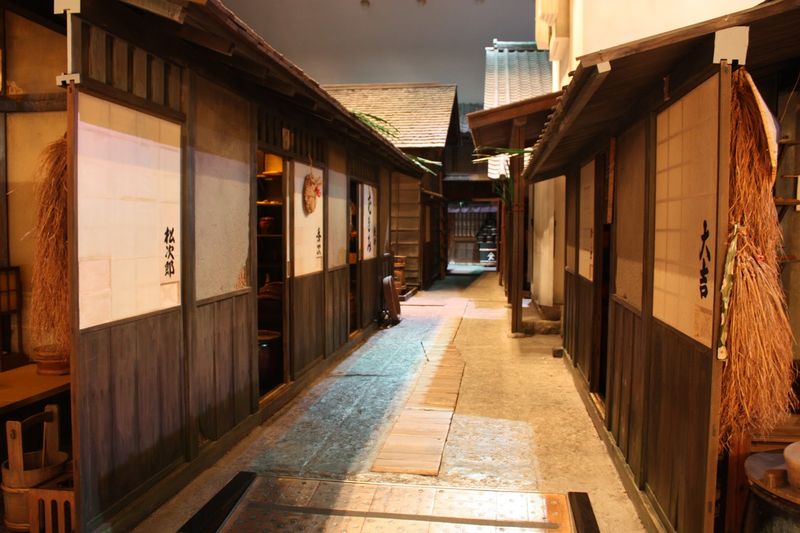
Most museums show you things behind glass. Fukagawa Edo Museum lets you walk straight into a full-scale reconstruction of an 18th-century Tokyo neighborhood, complete with canals, merchant houses, a rice warehouse, and a working fire tower.
The attention to detail is extraordinary. Interiors are fully furnished, sounds of the period play softly in the background, and the lighting shifts to simulate different times of day.
It is the closest thing to actual time travel that Tokyo currently offers, and the admission price is surprisingly modest for what you get.
The museum focuses on the lives of ordinary Edo citizens rather than samurai or shoguns, which makes it feel unusually human and relatable. Staff are knowledgeable and happy to answer questions.
Plan for at least ninety minutes. The museum sits in Koto City, an area that most Tokyo itineraries completely skip, which makes the whole trip feel like a proper discovery rather than a checkbox.
Sunamachi Ginza: A Food-Snacking Shotengai Where Locals Actually Shop
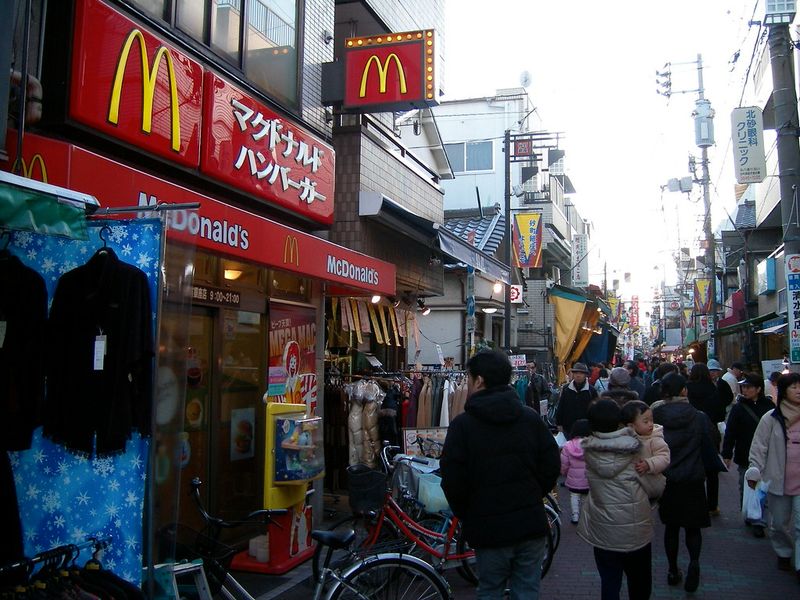
Sunamachi Ginza is the real deal. While many of Tokyo’s old shotengai shopping streets have quietly turned into convenience stores and phone repair shops, Sunamachi has held its ground with impressive stubbornness.
The covered arcade stretches for about 200 meters and packs in traditional confectionery shops, pickled vegetable sellers, grilled skewer vendors, and tofu makers who have been doing this for generations. Prices are local, not tourist-adjusted.
Nobody is performing authenticity here because authenticity is simply what this place has always been.
The best strategy is to arrive hungry and graze your way from one end to the other. Mitarashi dango, sweet potato snacks, and freshly fried items are all worth stopping for.
The crowd skews older, and the pace is wonderfully unhurried. Sunamachi sits in Koto City near the Fukagawa Edo Museum, so combining both into one eastern Tokyo day trip makes excellent logistical and gastronomic sense.
Sugamo Jizo-dori: Old Ladies’ Harajuku, in the Best Way
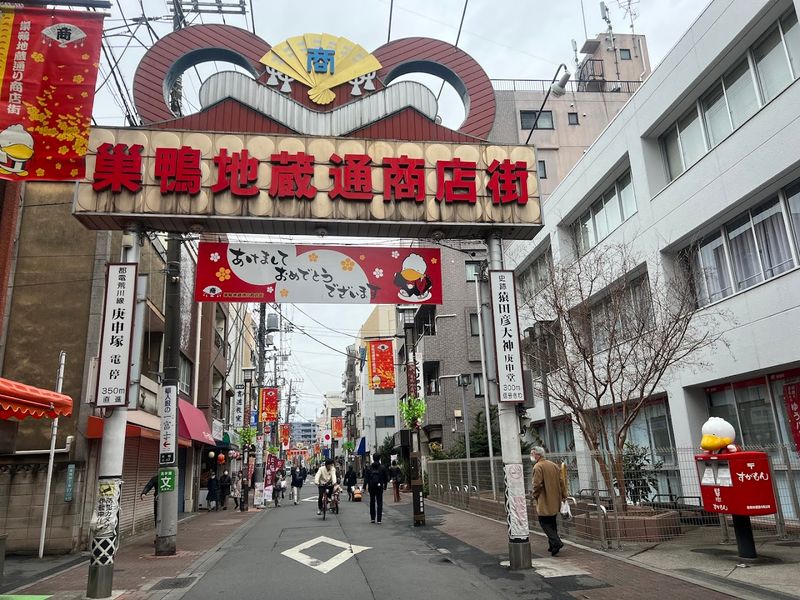
Sugamo Jizo-dori has earned its nickname fair and square. Known as “Grandma’s Harajuku,” this lively covered shopping street caters almost exclusively to Tokyo’s older population, and it is one of the most joyful places in the entire city.
The specialty here is red underwear, which is sold in multiple shops along the street and believed to bring health and good luck to older wearers. Whether or not you are in the market for lucky red undergarments, the street is full of traditional sweets, herbal remedies, religious goods, and the best people-watching in eastern Tokyo.
The anchor of the street is Koganji Temple, home to the Togenuki Jizo statue, a deity associated with healing. Elderly pilgrims pour water over a small stone figure and wipe it with cloths to address their own ailments.
It is tender, sincere, and completely unlike anything you will see at a typical Tokyo tourist site. Go on a weekend for maximum energy.
Koenji: Punky Side Streets, Thrift Treasure-Hunting, and Tiny Live Houses
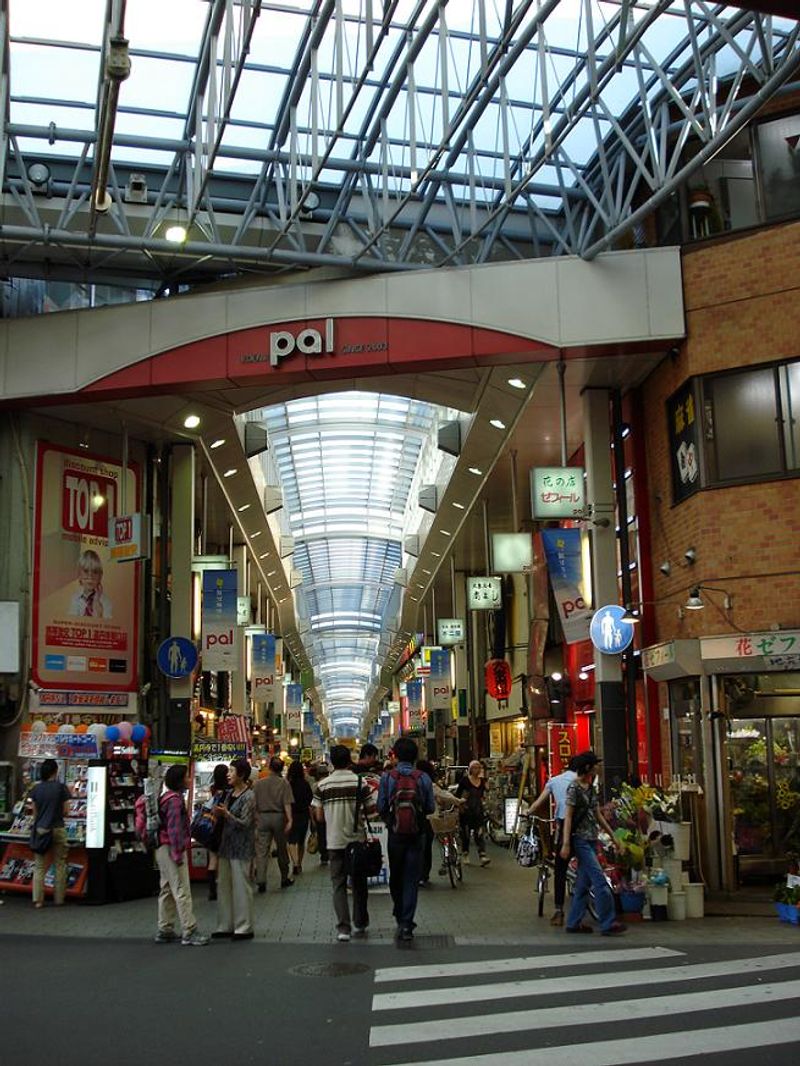
Koenji is where Tokyo’s counterculture quietly relocated after Shimokitazawa got too popular. The neighborhood has been the city’s bohemian heartland since the 1970s, and it has absolutely no intention of cleaning up its act.
The streets around the north and south exits of Koenji station are dense with vintage clothing stores, record shops, used book sellers, and tiny live music venues that hold maybe forty people on a good night. Prices at the thrift shops are genuinely reasonable, which is increasingly rare in Tokyo’s secondhand scene.
The Koenji Awa Odori festival in late August draws hundreds of thousands of people to watch traditional dance performed by local teams who train year-round with serious dedication. Outside festival season, weekend afternoons are ideal for wandering.
Grab ramen at one of the many no-fuss local spots, then spend an hour flipping through vinyl at a record shop that smells exactly like it should. Pure Tokyo soul.
Shibamata Taishakuten-sando: An Untouched Old-School Approach Street
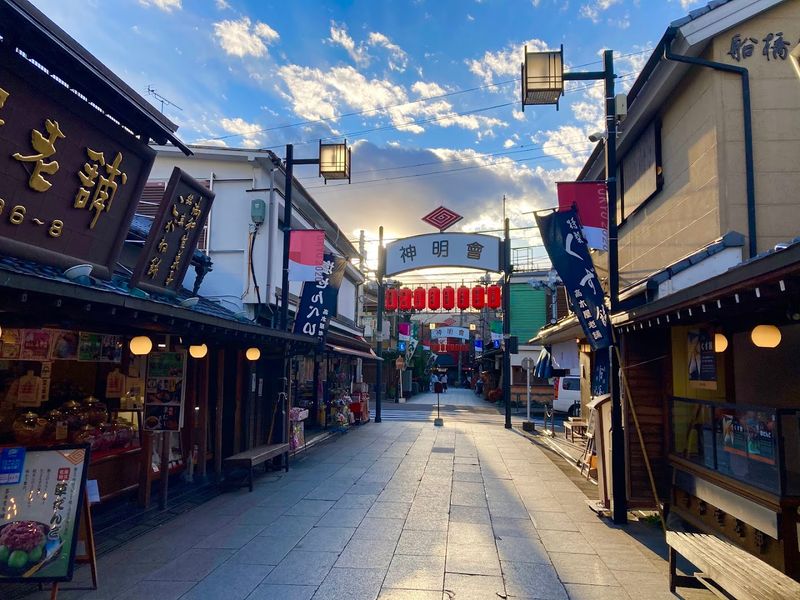
Getting to Shibamata requires a train ride to the very edge of Tokyo, and that small effort is exactly why the place still feels the way it does. This short approach street leading to Taishakuten temple has barely changed in decades.
The lane is lined with wooden shop fronts selling kuzumochi, a local jelly dessert made from fermented wheat starch that has been a Shibamata specialty for generations. Several shops have been run by the same families since before World War II.
The calm, unhurried pace here feels like a different city entirely.
The temple itself is ornately carved and genuinely impressive, but the approach street is the real draw. Shibamata is also famous as the setting for the beloved Japanese film series “Otoko wa Tsurai yo,” and a statue of the main character stands near the station.
Fans of the films will feel the nostalgia immediately. Everyone else will simply feel charmed.



