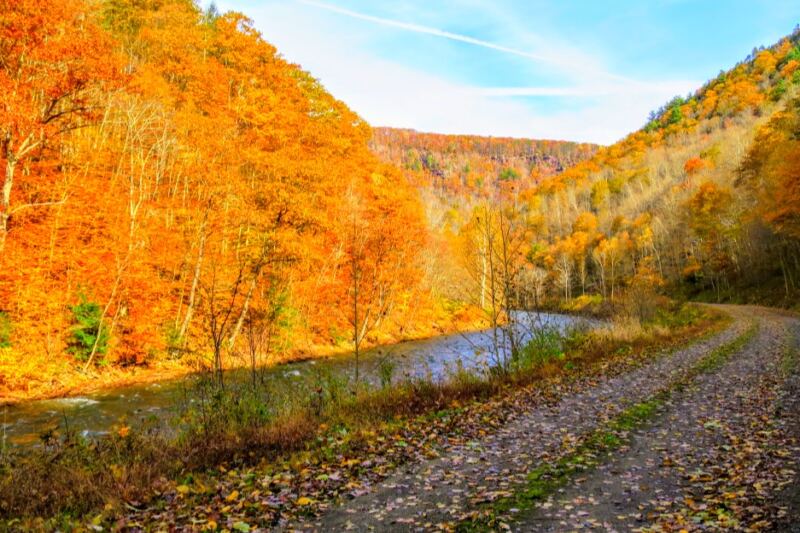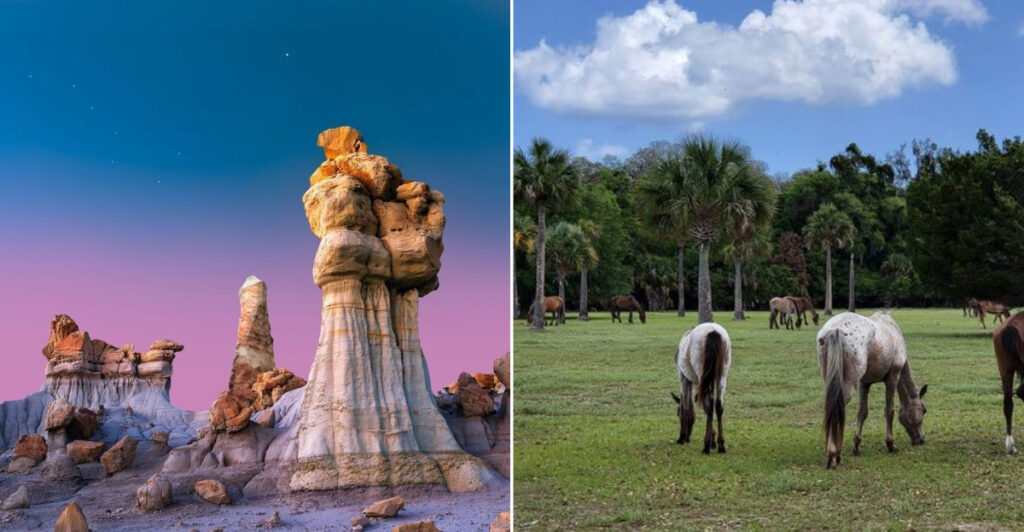
Not every great destination makes it onto a billboard or a top-ten list. Some of the best places to visit are the ones most people drive right past.
After years of squeezing through crowded overlooks and waiting in line just to see a waterfall, I started hunting for spots that offer real beauty without the chaos. These 12 places are proof that the best trips are often the ones nobody warned you about.
Willcox, Arizona: Chiricahua National Monument
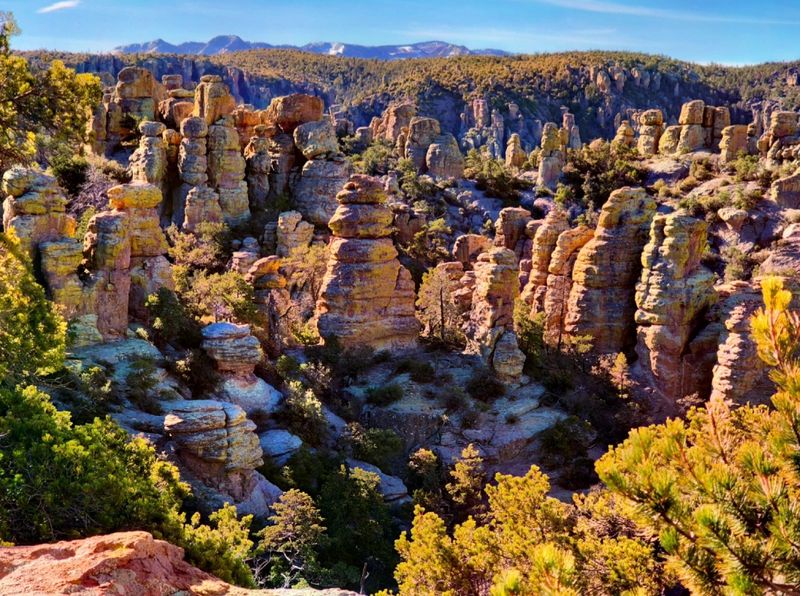
Forget Sedona for a second. Chiricahua National Monument has rock formations so dramatic they look like a giant knocked over a stone city and just left it there.
Towering pinnacles shoot up from the canyon floor, and winding trails lead you deeper into terrain that feels genuinely wild.
The visitor center is open daily, and the trails range from easy walks to more challenging hikes. I stumbled onto this park years ago after a wrong turn, and it turned out to be one of the best wrong turns of my life.
Crowds here are refreshingly thin, even on weekends. You can actually stop in the middle of a trail, look around, and hear nothing but wind.
For anyone exhausted by Arizona’s more famous stops, Chiricahua is the quiet, jaw-dropping alternative you did not know you needed.
Baker, Nevada: Great Basin National Park
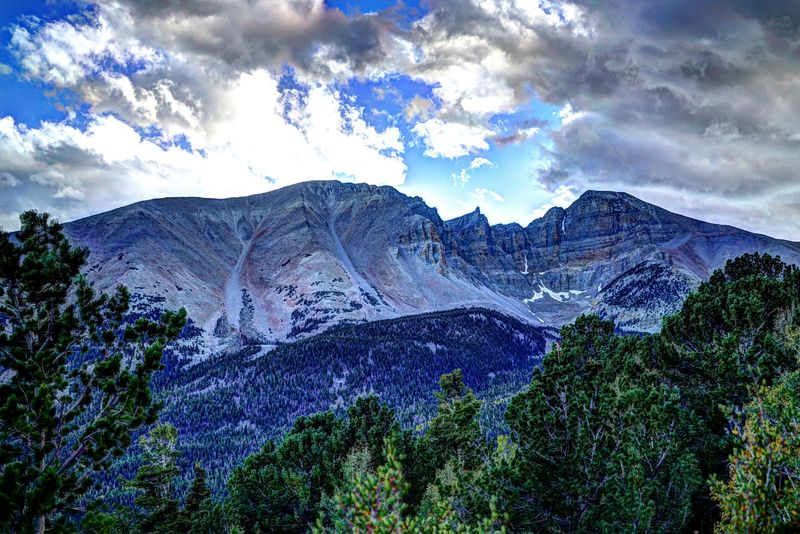
Most people have never heard of Great Basin National Park, which is exactly what makes it so good. While the crowds pile into Zion or Yellowstone, this Nevada gem sits quietly with ancient bristlecone pines, alpine lakes, and mountain trails that feel like yours alone.
The bristlecone pines here are among the oldest living organisms on Earth, some topping 4,000 years old. That is a fun fact to casually drop at dinner.
The park also sits in one of the darkest regions in the country, making nighttime stargazing genuinely spectacular.
Getting here requires a real drive through remote Nevada highway, but that is part of the deal. The isolation is the point.
No shuttle buses, no reservation lotteries, no themed gift shops selling overpriced magnets. Just mountains, silence, and the kind of wide-open experience that reminds you why travel is worth it in the first place.
St. Marys, Georgia: Cumberland Island National Seashore
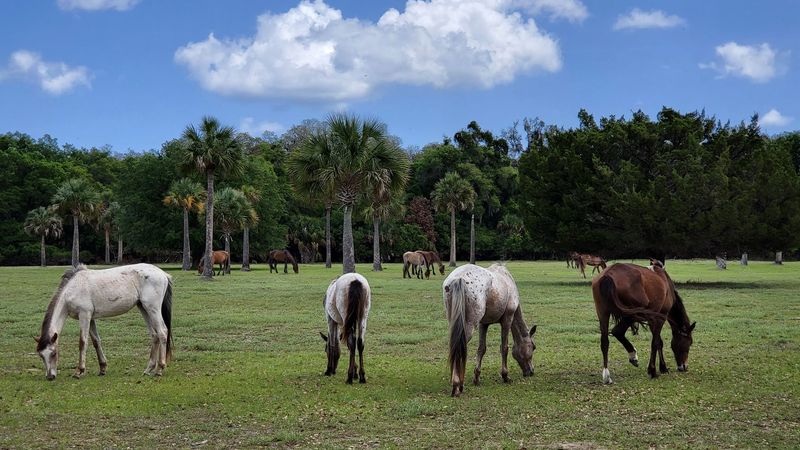
Wild horses on a deserted beach with no hotels, no beach bars, and no umbrella rentals in sight. That is Cumberland Island, and it is unlike any coastal destination you have been to before.
The only way to reach it is by ferry from St. Marys, which naturally keeps the crowds manageable.
The island has maritime forests, crumbling historic ruins, and miles of undeveloped shoreline. Feral horses wander freely, and they have zero interest in posing for your photos, which somehow makes them even cooler.
The ruins of the Carnegie family mansion add a layer of eerie, overgrown history to the whole experience.
Camping is available for those who want to stay overnight, and it is absolutely worth it. Waking up on an island with no cars and no noise is a rare thing.
Cumberland Island is not flashy, but it earns a permanent spot on any serious traveler’s list.
Tulelake, California: Lava Beds National Monument
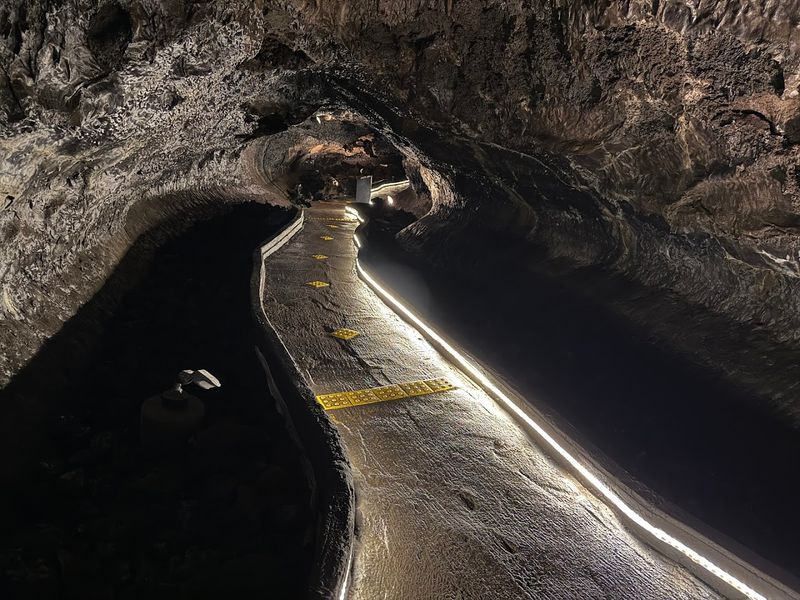
There are not many places where you can crawl through ancient lava tubes, study Native American rock art, and spot a bald eagle before noon. Lava Beds National Monument in Northern California does all three without breaking a sweat.
The landscape looks like something out of a geology textbook, but way more fun to walk through.
The caves are the real draw here. Over 700 lava tube caves dot the monument, and many are open to self-guided exploration.
The visitor center loans out flashlights, which is a genuinely thoughtful touch. Some caves require a bit of crouching, so leave the fancy clothes at home.
The monument is open year-round, and visitor numbers stay low enough that you can wander without bumping into tour groups every five minutes. The high desert setting adds drama to the whole scene.
Lava Beds is one of those rare places that rewards curious travelers who actually look things up.
Bayfield, Wisconsin: Apostle Islands National Lakeshore
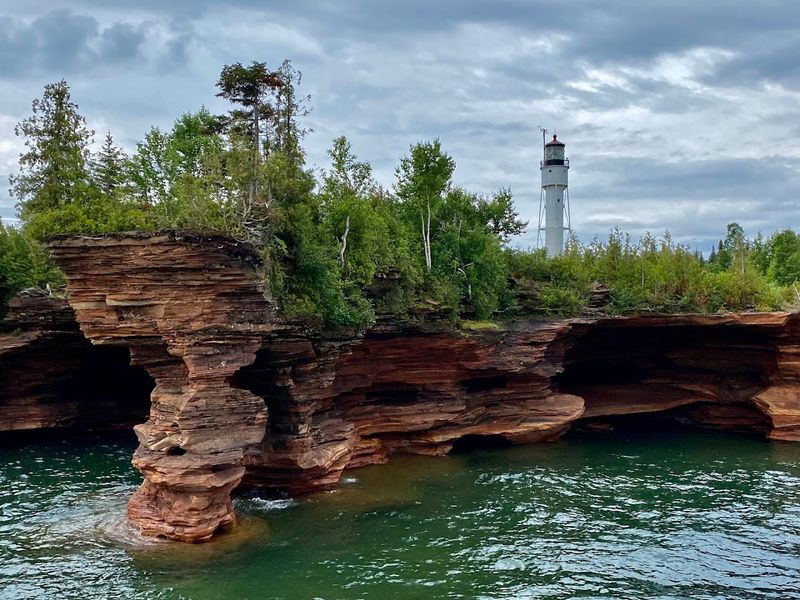
Lake Superior is massive, cold, and completely underrated as a travel destination. The Apostle Islands National Lakeshore sits along its southern shore near Bayfield, Wisconsin, offering sea caves, forested islands, and historic lighthouses that feel nothing like the typical Midwest road trip.
Kayaking through the sea caves is the highlight most visitors talk about for years after. The caves carve into red sandstone cliffs, and the water color inside them is surprisingly vivid.
In winter, the frozen lake turns those same caves into cathedral-like ice formations, attracting a completely different crowd of winter adventurers.
Bayfield itself is a charming small town with good food, local orchards, and ferry access to the islands. Some areas have seasonal closures, so checking ahead is smart.
The lakeshore never feels overrun, even during peak summer. For travelers who think the Midwest has nothing exciting to offer, Apostle Islands is a very satisfying correction.
Karnack, Texas: Caddo Lake State Park
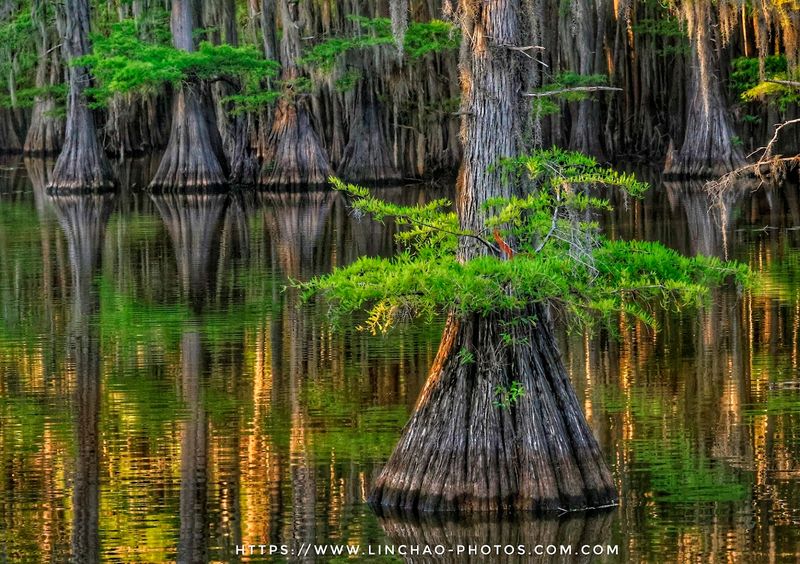
Caddo Lake looks like it was designed by someone who wanted Texas to have its own bayou, and honestly, it delivered. Bald cypress trees rise from the water draped in Spanish moss, canoe trails wind through narrow channels, and the whole place has a quiet, almost mysterious mood that is hard to shake.
Caddo Lake is the only natural lake in Texas, which is a trivia fact worth memorizing. The state park offers cabin rentals, fishing, paddling, and birdwatching that keeps serious birders very happy.
Over 200 bird species have been recorded here, so bring binoculars if that is your thing.
The park sits near the Louisiana border, giving it a distinctly different feel from most Texas outdoor destinations. It is not loud, it is not flashy, and it does not need to be.
Caddo Lake earns its place on this list by being genuinely one-of-a-kind in a state full of big personalities.
Strong City, Kansas: Tallgrass Prairie National Preserve
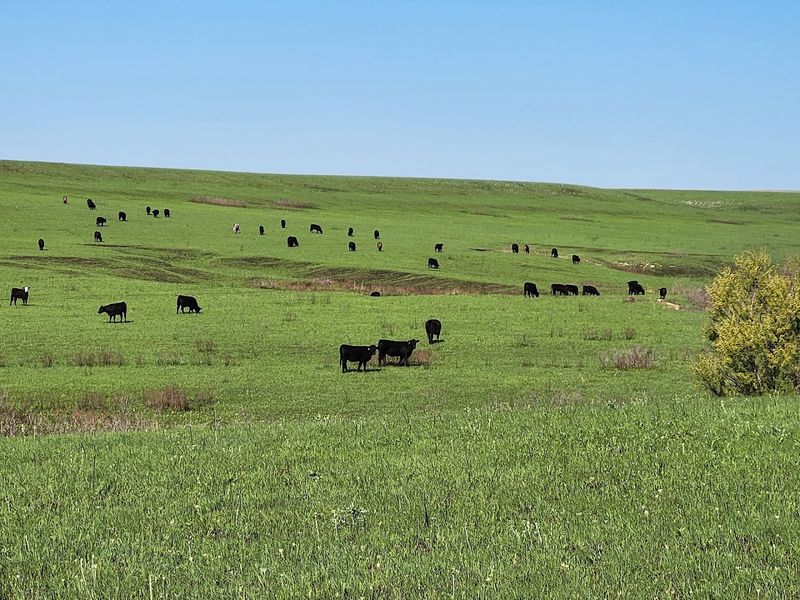
Kansas gets a rough reputation from travelers, which is a shame because the Flint Hills are genuinely stunning. Tallgrass Prairie National Preserve protects one of the last remaining stretches of native tallgrass prairie in North America, and the landscape has a quiet, rolling beauty that sneaks up on you.
Less than four percent of original tallgrass prairie still exists, so what you see here is genuinely rare. Bison roam the preserve, and spotting a herd against that wide Kansas sky is the kind of moment that sticks.
The historic Spring Hill Ranch adds a layer of 19th-century ranch history that makes the visit feel more layered than just a walk through grass.
The preserve is open, though checking access routes beforehand is a good habit. Trails range from short loops to longer hikes through open land.
The silence out here is deep and real. Tallgrass Prairie is the kind of place that converts skeptics into believers one rolling hill at a time.
Hopkins, South Carolina: Congaree National Park
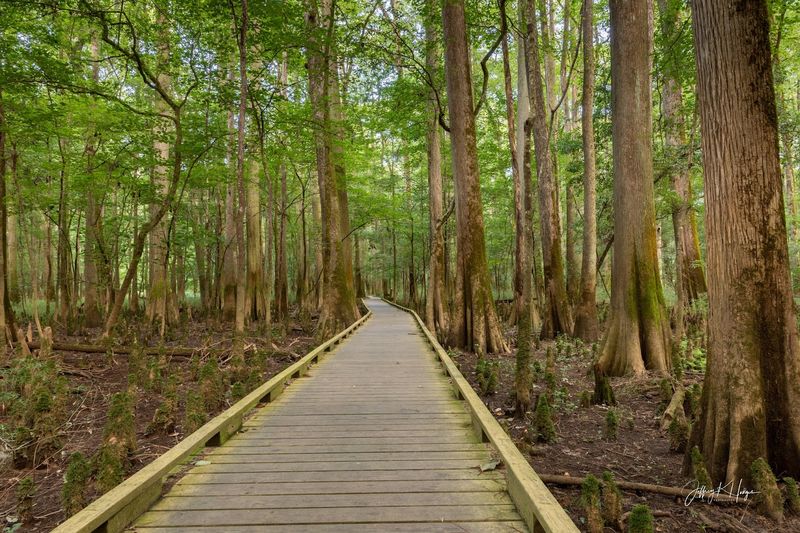
Congaree National Park holds some of the tallest trees in the eastern United States, and walking beneath them feels like standing inside a cathedral that took centuries to build. The boardwalk trail winds through old-growth bottomland forest, past mirror-still water and moss-covered trunks that have been growing since before the country existed.
The park sits just outside Columbia, South Carolina, making it surprisingly accessible. Yet somehow it stays off most travelers’ radar.
Kayaking the Congaree River through the park is one of the better ways to see it, especially if you want to cover more ground without hiking the full trail network.
Wildlife here is serious business. River otters, owls, deer, and even the occasional bobcat have been spotted by patient visitors.
The park also has a firefly synchronization event in late spring that draws crowds, so book campsites early if that is your goal. Otherwise, most visits are refreshingly uncrowded and deeply worth the detour.
Overton, Nevada: Valley of Fire State Park
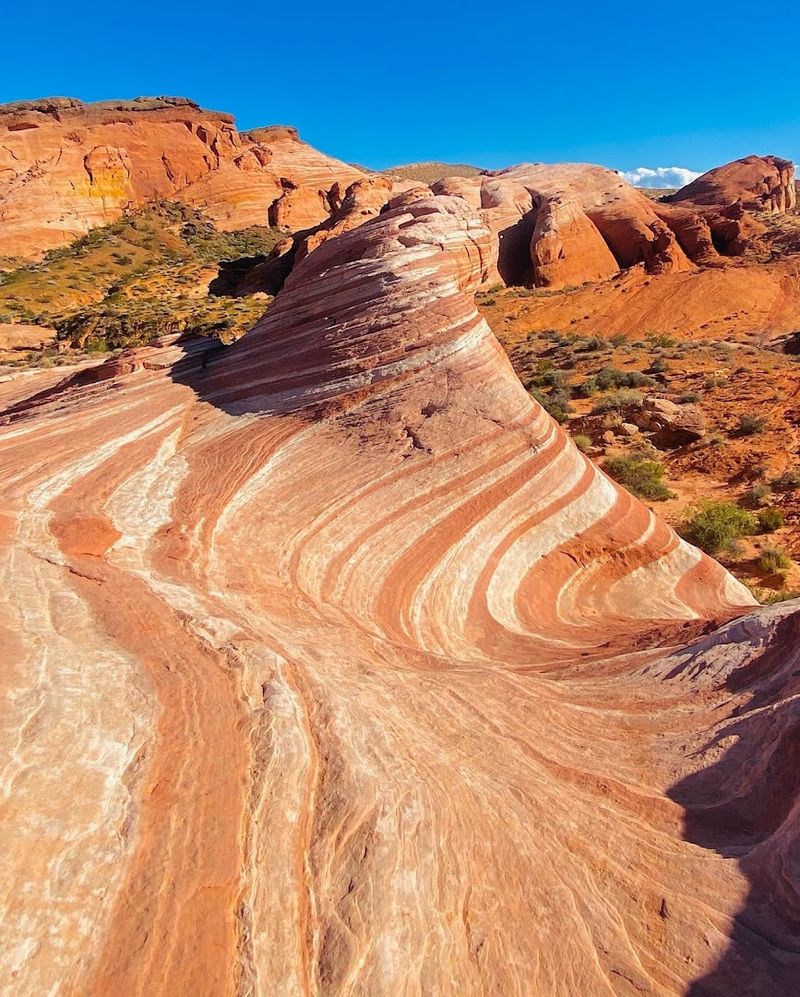
Valley of Fire State Park sits about an hour from Las Vegas, which means most visitors blow right past it on their way to the Strip. That is a significant mistake.
The park’s red Aztec sandstone formations turn almost neon at sunrise and sunset, and the color contrast against the blue Nevada sky is the kind of thing cameras struggle to fully capture.
Petroglyphs carved by the Ancestral Puebloans thousands of years ago are visible along several trails, adding real historical weight to what is already a visually wild landscape. The Mouse’s Tank trail is short, easy, and packed with rock art worth examining closely.
Some trails close seasonally during extreme heat, so summer morning visits are the smart call.
The park is open year-round from dawn to dusk. Entry fees are modest.
Compared with the Las Vegas options a short drive away, Valley of Fire offers something that no amount of neon can replicate: actual geological wonder without a cover charge.
Silverton, Oregon: Silver Falls State Park
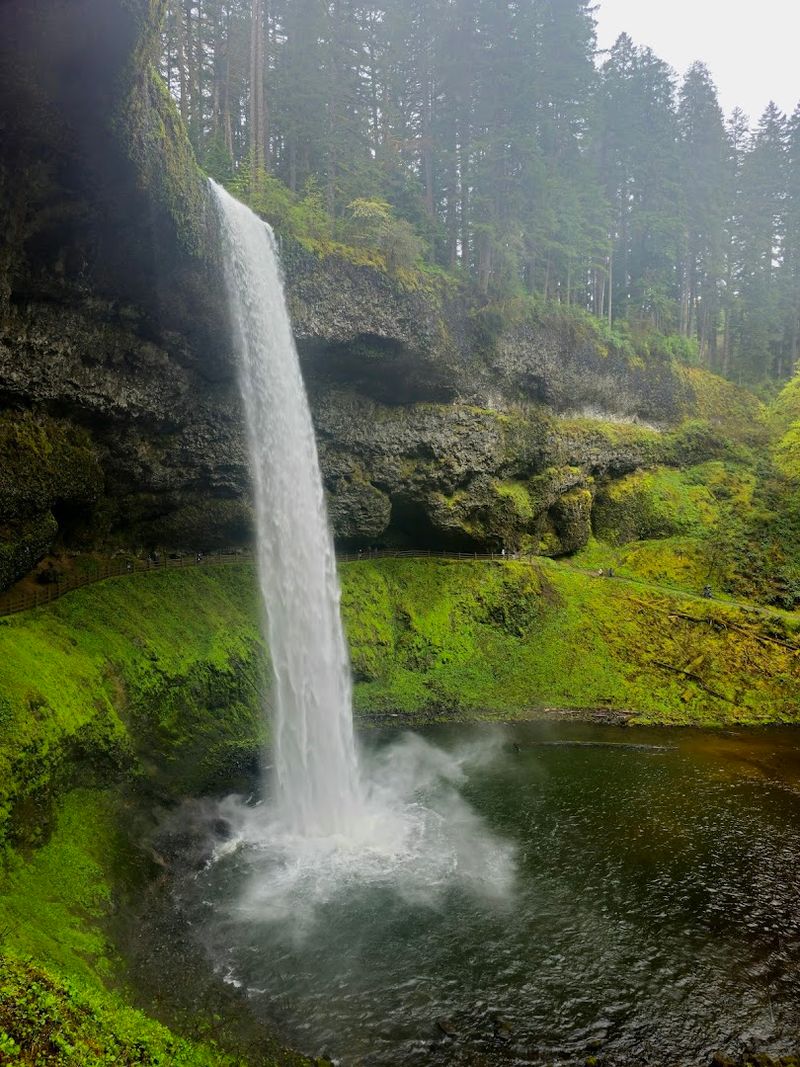
Silver Falls State Park has a trail that passes behind ten separate waterfalls, which sounds made up but is absolutely real. The Trail of Ten Falls is one of Oregon’s most rewarding hikes, winding through old-growth forest and dropping you into mossy canyon passages where you walk directly behind curtains of falling water.
The park sits about an hour southeast of Salem, making it a solid day trip from Portland too. Despite being genuinely spectacular, it draws far fewer visitors than Crater Lake or Multnomah Falls.
One section of trail currently has a storm-damage closure, but alternate routes keep the experience largely intact.
Fall is arguably the best time to visit, when the maples turn gold and the water levels are high after early rains. Camping is available inside the park for those who want a longer stay.
Silver Falls is the kind of place that makes you feel slightly smug for knowing about it before everyone else does.
Bloomfield, New Mexico: Bisti/De-Na-Zin Wilderness
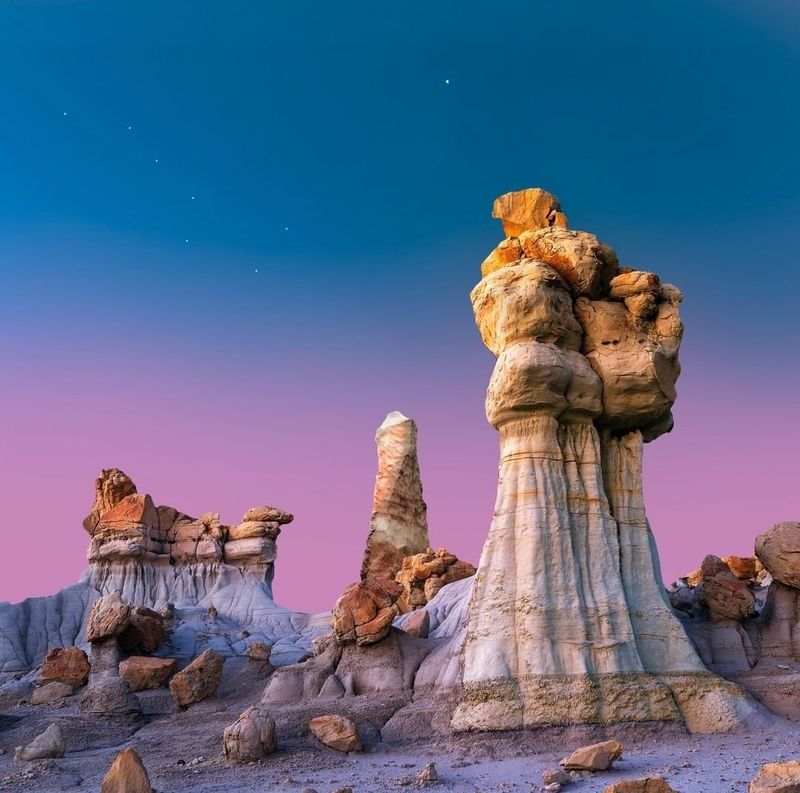
Bisti/De-Na-Zin Wilderness looks like the set of a science fiction film that forgot to add the actors. Hoodoos, eroded badlands, and fossil-bearing terrain spread across a remote stretch of northwestern New Mexico that most travelers never hear about, let alone visit.
The silence here is the kind that makes you check if your ears are working.
There are no marked trails, no visitor center, and no services. That is not a complaint; it is the entire point.
The Bureau of Land Management oversees the area, and prepared visitors with good maps and plenty of water will find it deeply rewarding. The landscape changes color through the day as the light shifts across the formations.
Getting here involves a drive on unpaved roads, so a vehicle with decent clearance helps. Early morning visits avoid the midday heat and give you the best light for photos.
Bisti is not for casual tourists, but for travelers who want something genuinely strange and unforgettable, it delivers completely.
Marblemount, Washington: North Cascades National Park
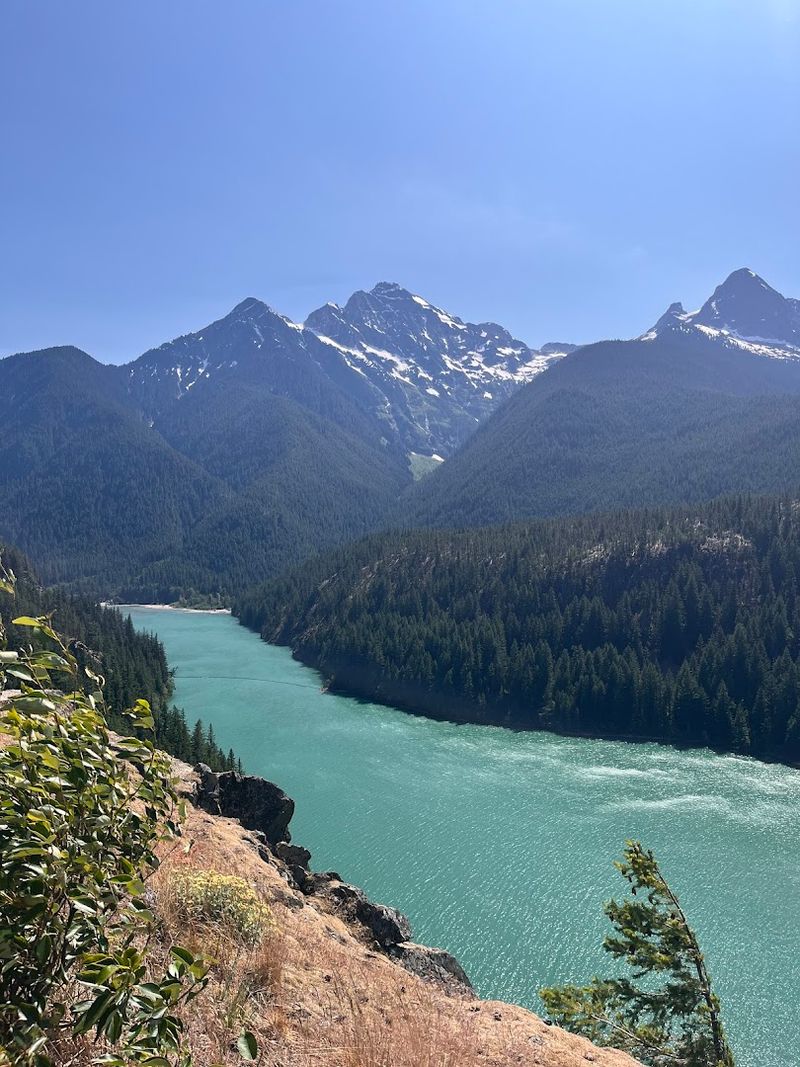
North Cascades National Park receives fewer annual visitors than some city parking lots, which is genuinely baffling given how beautiful it is. Jagged peaks, turquoise glacial lakes, and dense old-growth forest pack into a landscape that rivals anything in the American West, without the reservation systems and shuttle queues.
The park is sometimes called the American Alps, and that nickname is not exaggerating. Over 300 glaciers sit within the park boundaries, the most of any area in the lower 48 states outside Alaska.
Highway 20 through the park is one of the most scenic drives in the country and is worth doing even if hiking is not on your agenda.
Weather and road conditions can shift quickly here, so checking current access before your trip is genuinely important. Marblemount serves as a practical base with a ranger station where staff are helpful and refreshingly honest about trail conditions.
North Cascades rewards the travelers willing to go slightly out of their way to find it.
Share this story