Delaware is the kind of state that people tend to underestimate. It is small, easy to pass through, and often overshadowed by its louder neighbors. But that is exactly what makes it so interesting. Behind the well-known beaches and historic landmarks, there is a whole other Delaware waiting to be noticed.
Think quiet wildlife refuges packed with rare birds, a museum dedicated to the invention that changed how the world listens to music, a fairy tale garden tucked inside a world-class estate, and a single-screen movie theater that still makes people feel like they belong to something special. None of these places show up on the typical tourist checklist, and that is precisely why they are worth seeking out. This list covers 12 spots across the state that reward curious travelers with real stories, genuine experiences, and far fewer crowds than you might expect.
Bombay Hook National Wildlife Refuge, Smyrna, Delaware
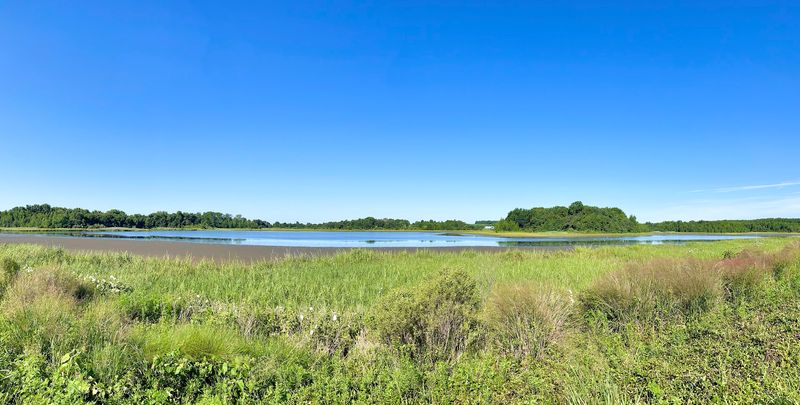
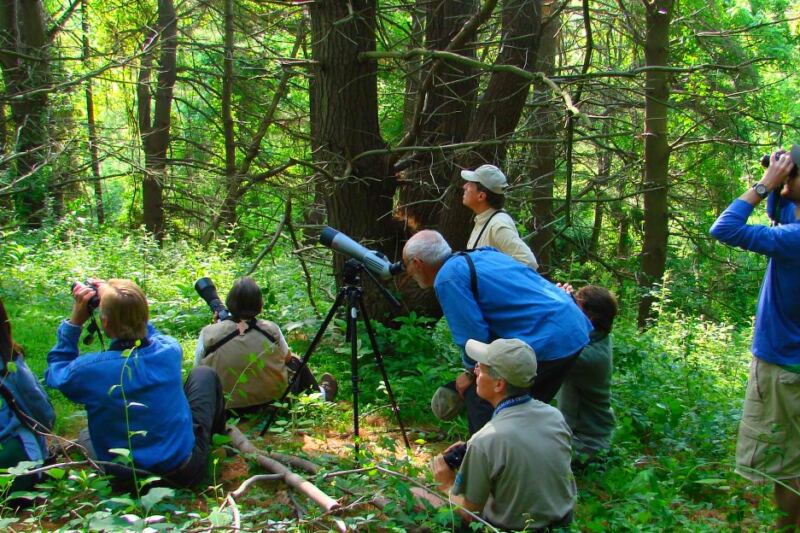
Every year, hundreds of thousands of migrating birds funnel through this stretch of Delaware, and most of the people watching them cannot believe they almost skipped it. Bombay Hook National Wildlife Refuge covers around 16,000 acres of tidal salt marshes, freshwater impoundments, and upland forest along the Delaware Bay.
A 12-mile wildlife drive loops through the refuge, making it accessible even for visitors who prefer not to hike. Several observation towers are positioned along the route, giving you elevated views of herons, egrets, bald eagles, and massive flocks of snow geese during peak migration seasons in spring and fall.
Shorebird numbers here regularly reach into the tens of thousands during May, when horseshoe crabs spawn along nearby beaches and birds arrive to feed. The refuge is open year-round, and admission is modest. Even visitors with zero birdwatching experience routinely describe their first visit as unexpectedly impressive.
Rockwood Park & Museum, Wilmington, Delaware
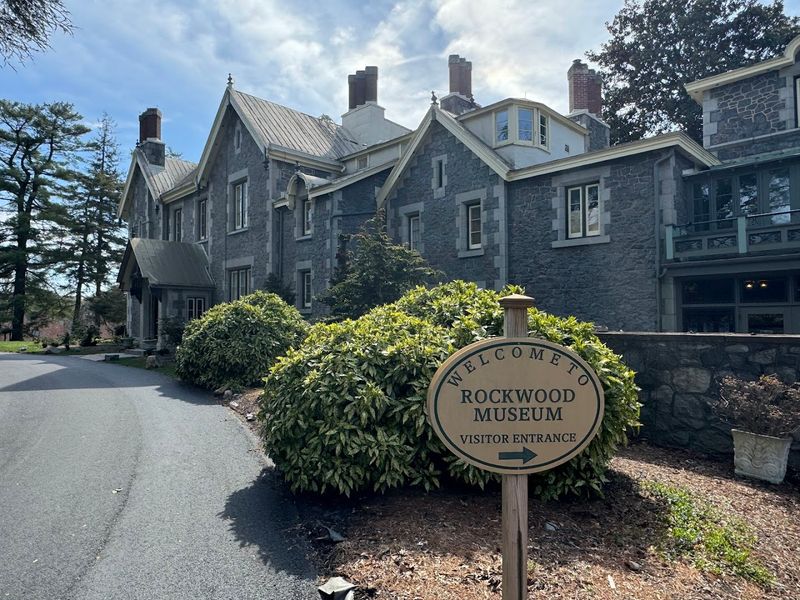
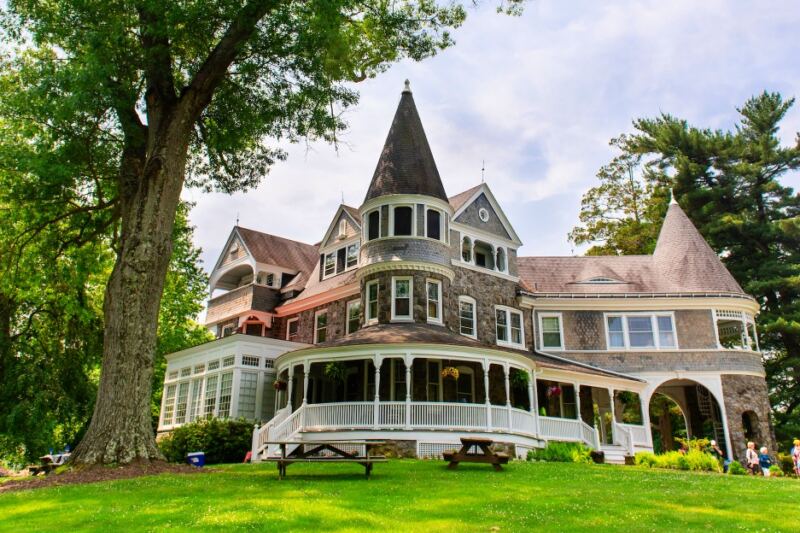
Built in the 1850s, this Gothic Revival country estate sits on 72 acres just outside downtown Wilmington and looks like it belongs in a British countryside novel. Rockwood Park and Museum was originally constructed for merchant banker Joseph Shipley, who designed it to reflect the English Rural Gothic style popular at the time.
The mansion features original Victorian furnishings, decorative arts, and period rooms that have been carefully preserved to reflect life in the mid-to-late 1800s. Guided tours walk visitors through the house while covering the estate’s history and the family who lived there for generations.
Beyond the mansion, the surrounding park includes mature trees, open lawns, and a gardener’s cottage that adds to the historic character of the property. The grounds are free to explore and attract picnickers, photographers, and history enthusiasts throughout the year. It is one of Wilmington’s most underappreciated landmarks, and the visitor numbers prove it.
Lavender Fields, Milton, Delaware
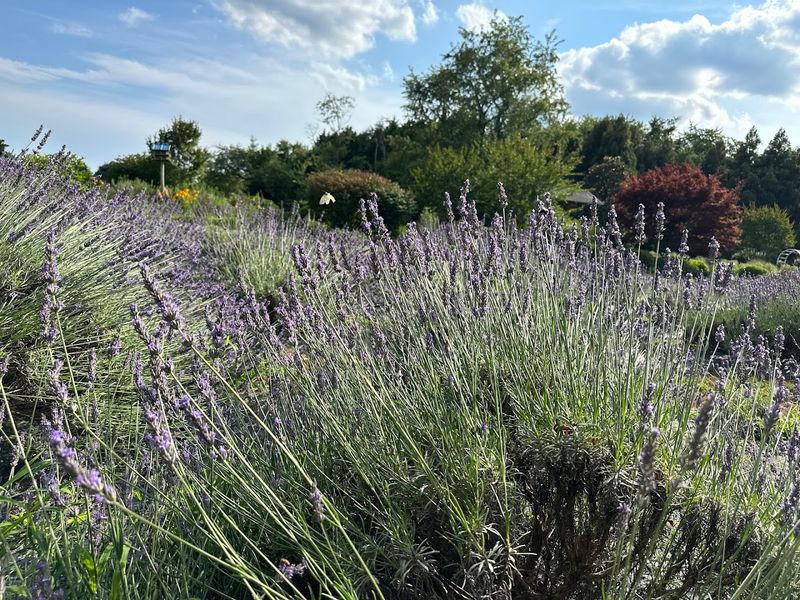
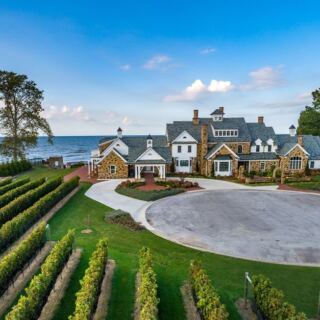
Originally established as a fruit farm in the 1800s, this property in Milton took a very different turn when the current owners planted lavender and never looked back. Today, Lavender Fields is one of Delaware’s most photographed seasonal destinations, drawing visitors from across the region during bloom season.
The farm features lavender fields alongside a bee and butterfly garden and a dahlia garden that adds visual variety throughout the growing season. A cottage store on the property sells handmade lavender products including soaps, sachets, and culinary items, all produced on-site. The Wildflower Cafe offers light refreshments for visitors who want to slow down and spend a proper afternoon.
Seasonal events bring additional activity to the farm, and the property hosts workshops and community gatherings throughout the warmer months. The farm sits just a short drive from the busy beach towns along the Delaware coast, making it an easy and refreshing detour for anyone looking to trade the crowds for something calmer.
Johnson Victrola Museum, Dover, Delaware
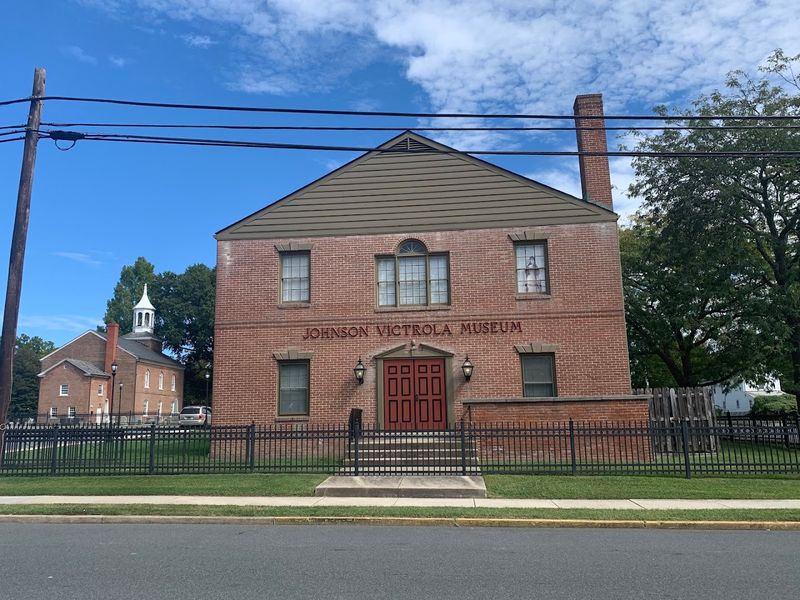
Most people have no idea that the invention behind the modern music industry has deep roots in Dover, Delaware. Eldridge Reeves Johnson, a native of nearby Smyrna, founded the Victor Talking Machine Company and transformed how the world listened to recorded sound in the early twentieth century.
The Johnson Victrola Museum in Dover is dedicated entirely to his legacy. The collection includes antique phonographs, original Victor records, early advertising materials, and beautifully restored Victrola machines that demonstrate the evolution of recorded audio from fragile cylinders to flat discs. Many of the machines on display are fully functional.
The museum is compact, free to enter, and located in the heart of Dover’s historic district, making it an easy add-on to any visit to the state capital. It regularly surprises first-time visitors who expected a dry history exhibit and instead find themselves genuinely fascinated by the story of one inventor who changed entertainment forever.
James Farm Ecological Preserve, Ocean View, Delaware
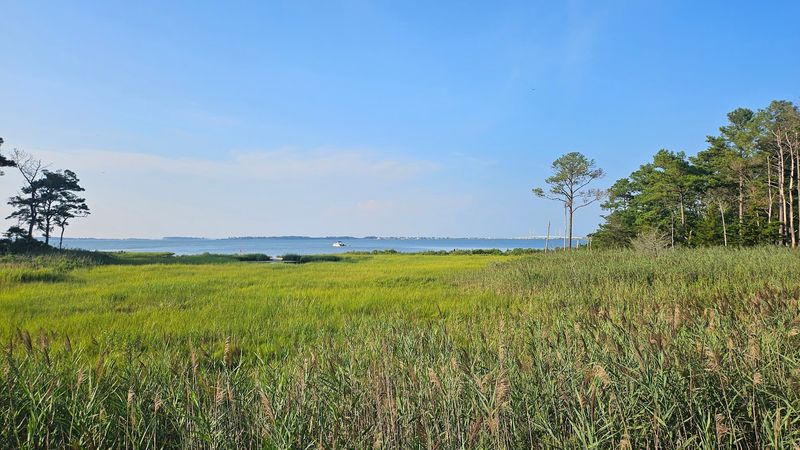
Tucked between Ocean View and the Indian River Bay, this 150-acre preserve is the kind of place that makes you forget the beach traffic is only a few minutes away. James Farm Ecological Preserve protects a mix of upland forest, tidal salt marsh, freshwater wetlands, and bay shoreline within easy reach of Delaware’s busiest coastal communities.
A network of easy walking trails covers about three miles total, winding through multiple habitat types where visitors regularly spot osprey, painted turtles, blue herons, and seasonal wildflowers. The bay shoreline offers open views across the water and a peaceful spot to watch boats and shorebirds without the noise of a crowded beach.
The preserve is managed by Sussex County and is free to visit year-round. There are no fees, no reservations, and no crowds. Families with young children find the flat, well-maintained trails especially manageable. It is one of those quiet corners of coastal Delaware that locals know well but rarely share with out-of-towners.
Dickens Parlour Theatre, Millville, Delaware
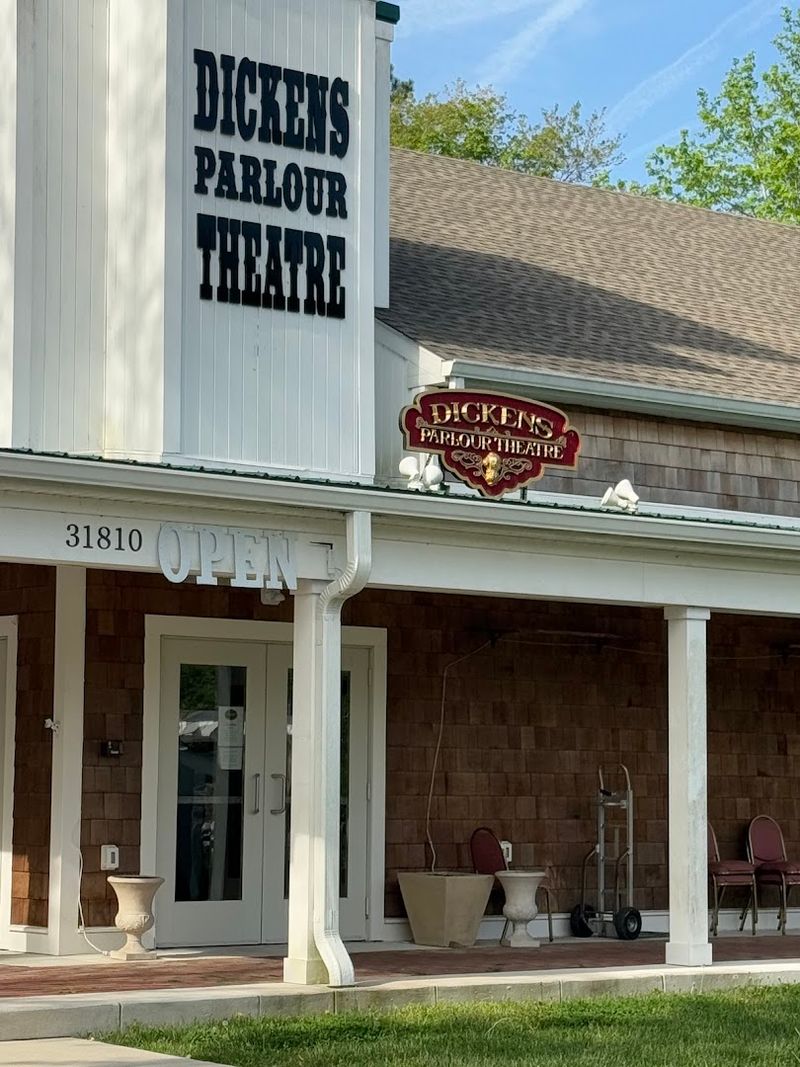
A few miles from the Delaware coast, this intimate venue has quietly built one of the most loyal audiences in the state, one performance at a time. Dickens Parlour Theatre in Millville seats around 100 guests and presents a rotating schedule of magic shows, comedy acts, live music, and family-friendly productions throughout the year.
The theater was founded by a professional magician and has maintained a reputation for polished, personal performances that larger venues cannot replicate. Every seat in the house is close to the stage, which means no bad views and no detached, stadium-style experience. The performers engage directly with the audience, and the format encourages interaction rather than passive watching.
Tickets are reasonably priced, and the theater runs shows on weekends with occasional special events during holiday seasons. Visitors staying in Rehoboth Beach or Bethany Beach often discover it while looking for evening activities and end up making it a repeat stop on future trips. The word-of-mouth reputation here is well earned.
Newark Reservoir, Newark, Delaware
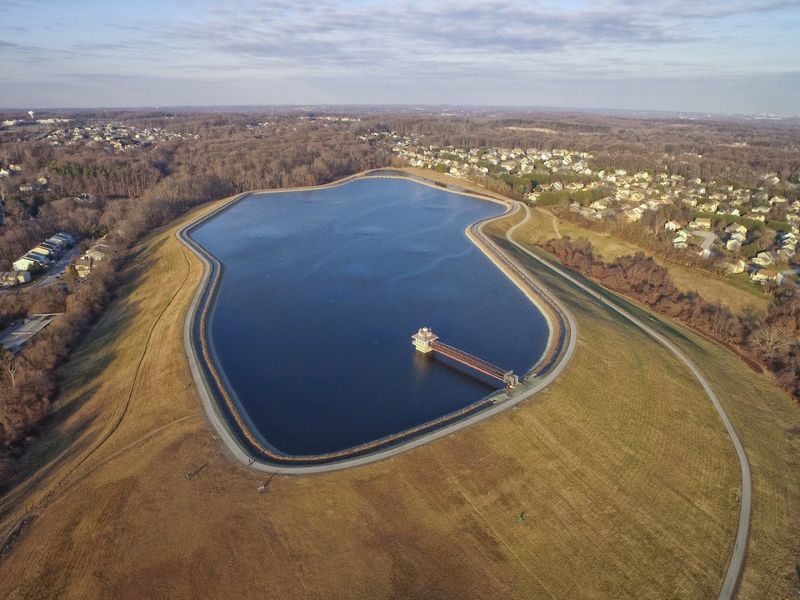
Built in the early twentieth century as part of Newark’s municipal water system, this reservoir has quietly become one of northern Delaware’s most popular spots for daily outdoor activity. Newark Reservoir sits just outside the city center and offers a paved loop trail of approximately two miles that circles the water on gently rolling terrain.
The views from the upper sections of the trail are genuinely panoramic, stretching across the reservoir and into the surrounding woodland. Early morning walkers regularly report seeing deer, fox, and a wide variety of birds along the trail. The reservoir is also a popular spot for photographers during fall foliage season, when the surrounding trees reflect in the still water.
The area is free to access and open daily. University of Delaware students and Newark locals use it heavily, but the trail is long enough that it rarely feels crowded. Travelers passing through northern Delaware on their way to or from Wilmington can add a quick reservoir loop without losing much time on their itinerary.
Governor Ross Mansion, Seaford, Delaware
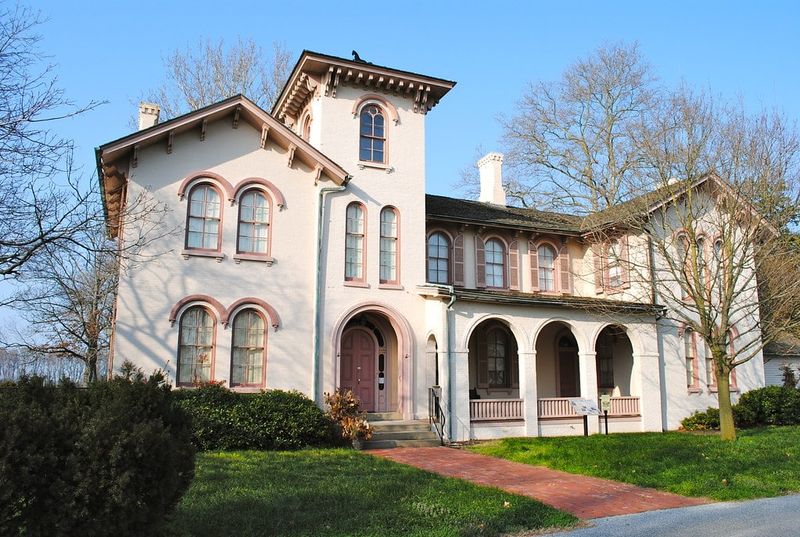
Southern Delaware does not get nearly enough attention from history travelers, and the Governor Ross Mansion in Seaford is a perfect example of what gets overlooked as a result. The mansion was built in the 1850s and served as the home of William Henry Harrison Ross, who served as Governor of Delaware from 1851 to 1855.
The property features classic Victorian architecture with period furnishings, restored interior rooms, and decorative details that reflect the lifestyle of a prominent nineteenth-century Delaware family. Guided tours are available and cover both the architecture and the historical context of the Ross family’s role in state politics during a particularly significant era in American history.
Admission is affordable, and the mansion is managed by the Seaford Historical Society, which maintains the property with genuine care for its preservation. Visitors who combine the mansion with a walk through Seaford’s historic district get a fuller picture of how this corner of Delaware developed over the past two centuries. It is an underrated stop in every sense.
Nassau Valley Vineyards, Lewes, Delaware
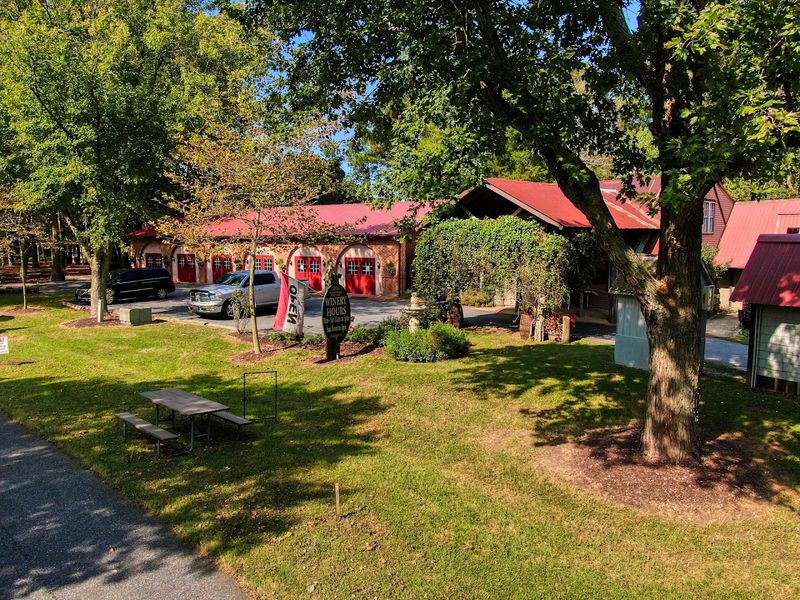
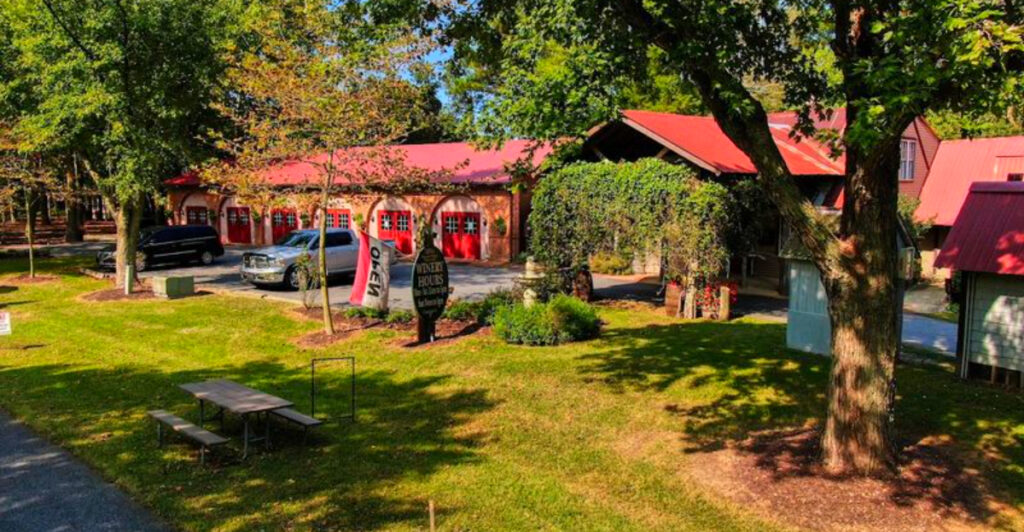
Delaware’s first licensed winery after Prohibition, Nassau Valley Vineyards has been producing estate wines near Lewes since 1993, making it a genuine pioneer in the state’s modern agricultural story. The vineyard sits on farmland that has been in the founding family for generations, and that sense of deep local roots comes through in how the operation is run.
The tasting room offers flights of wines produced from grapes grown on the property, with varieties that reflect the mid-Atlantic growing conditions of coastal Delaware. Staff are knowledgeable about the production process and happy to walk visitors through the differences between the estate’s offerings. The setting is relaxed and unpretentious, which suits the location perfectly.
The vineyard is open seasonally, so checking ahead before visiting is a good idea. It sits just a few miles from downtown Lewes, making it an easy half-day addition to a beach trip. For visitors who want to experience something local and genuinely rooted in Delaware’s agricultural heritage, it delivers exactly that.
Russell W. Peterson Urban Wildlife Refuge, Wilmington, Delaware
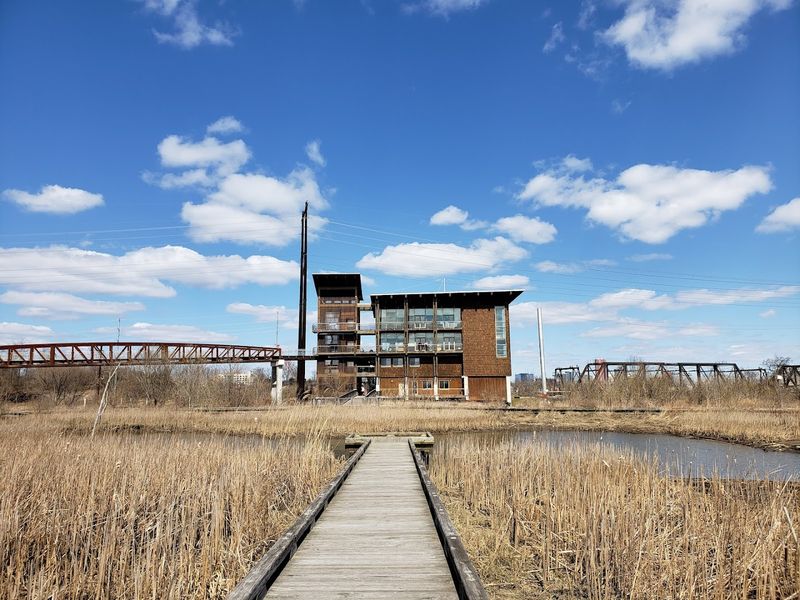
Most people associate urban waterfronts with restaurants and parking garages, not nesting herons and painted turtles. The Russell W. Peterson Urban Wildlife Refuge sits along the Christina River in Wilmington and protects over 200 acres of restored freshwater marsh right at the edge of the city.
Elevated boardwalks and observation platforms provide access to the marsh without disturbing the habitat, and the views from the walkways include both the wetland wildlife and the Wilmington skyline in the background. The contrast between the two is striking and makes for some genuinely unique photographs. Bird species documented at the refuge number over 170, with herons, egrets, ospreys, and migratory waterfowl among the most commonly spotted.
The refuge is managed by the Delaware Nature Society and offers free public access along with guided programs at various times throughout the year. It is also directly adjacent to the DuPont Environmental Education Center, which provides exhibits and resources for visitors who want more context about Delaware’s wetland conservation efforts.
Clayton Theatre, Dagsboro, Delaware
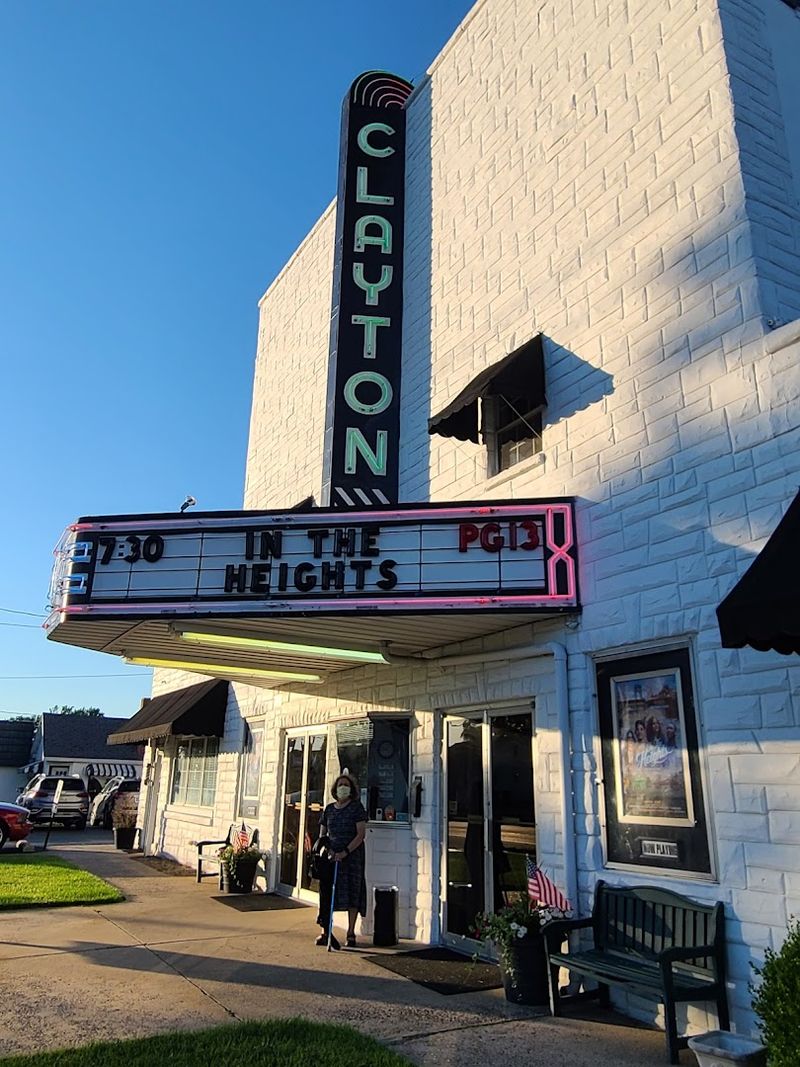
In an era when multiplex cinemas have replaced most small-town movie houses, the Clayton Theatre in Dagsboro has stubbornly and admirably refused to follow the trend. This single-screen theater has been entertaining audiences in southern Delaware for decades, and it still operates with the kind of community-first approach that larger chains abandoned long ago.
The marquee out front announces current showings in the classic changeable-letter style, and the interior retains much of its original character. Ticket prices are noticeably lower than what you would pay at a modern multiplex, and the concession stand keeps things straightforward and affordable. First-run films appear here regularly, so visitors are not limited to art-house or revival screenings.
The theater is a favorite among locals in the Millsboro and Dagsboro area, and it draws visitors from the nearby beach towns who prefer its low-key format to the larger commercial options. Finding it feels like discovering something that should not still exist but somehow does, which is exactly the kind of discovery worth making.
Milton Theatre, Milton, Delaware
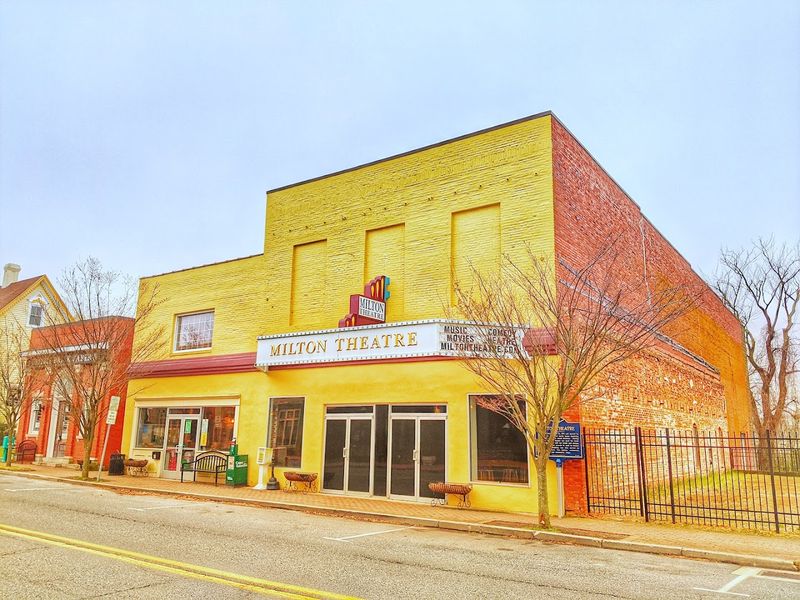
Downtown Milton is one of those small Delaware towns that rewards slow exploration, and the centerpiece of any visit there is a beautifully restored historic theater that has been bringing live entertainment to the community for over a century. The Milton Theatre originally opened in the early 1900s and has gone through several chapters of use and renovation over the decades.
Today it operates as a full-service performing arts venue with a schedule that includes concerts, stand-up comedy, theatrical productions, and community events. Regional and national performers appear regularly on its calendar, and the intimate size of the venue means that even general admission tickets put you close to the stage. Capacity sits around 220, which keeps every show feeling personal rather than anonymous.
The theater is also a catalyst for the surrounding downtown area, with local restaurants and shops benefiting from the foot traffic that events generate. Visitors who time their trip to Milton around a show at the theater tend to make an entire evening of it, which is exactly how a good local venue should work.
Share this story