New Hampshire is known for its mountains and fall foliage, but some of its most rewarding destinations lie off the beaten path. Scattered across the state are hidden attractions ranging from ancient geological wonders and mysterious stone structures to historic villages and unique landmarks.
Whether you’re interested in history, nature, or discovering something unexpected, these 12 hidden gems offer a different perspective on the Granite State. Each is well worth adding to your next New Hampshire road trip.
1. The Fells Historic Estate & Gardens, Newbury, New Hampshire
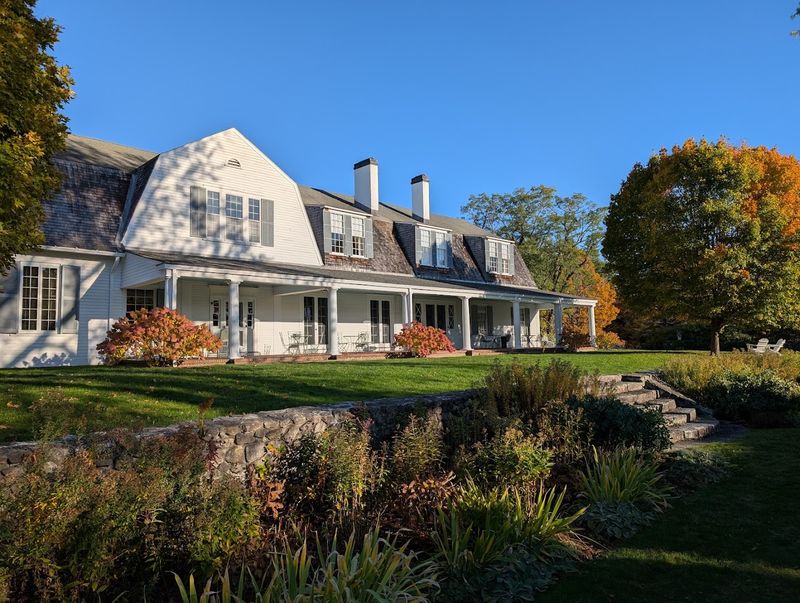
Senator John Milton Hay had an impressive resume: private secretary to Abraham Lincoln, Secretary of State under both Presidents McKinley and Theodore Roosevelt. He also had excellent taste in summer retreats. The Fells, his lakefront estate on the shores of Lake Sunapee, is one of the most quietly spectacular properties in New Hampshire.
The 83-acre nonprofit property includes woodlands, meadows, a rock garden, formal garden beds, stone walls, and miles of walking trails. The main house features period furnishings and personal items belonging to the Hay family, giving visitors a real sense of how prominent political figures lived in the early 1900s.
The organization behind the estate focuses on conservation and horticulture, hosting workshops, seasonal programs, and events tied to gardening and local history. It is a family-friendly destination that works equally well as a quiet afternoon walk or a deeper historical visit. Admission is affordable, and the gardens are genuinely worth the drive.
2. Saint-Gaudens National Historical Park, Cornish, New Hampshire
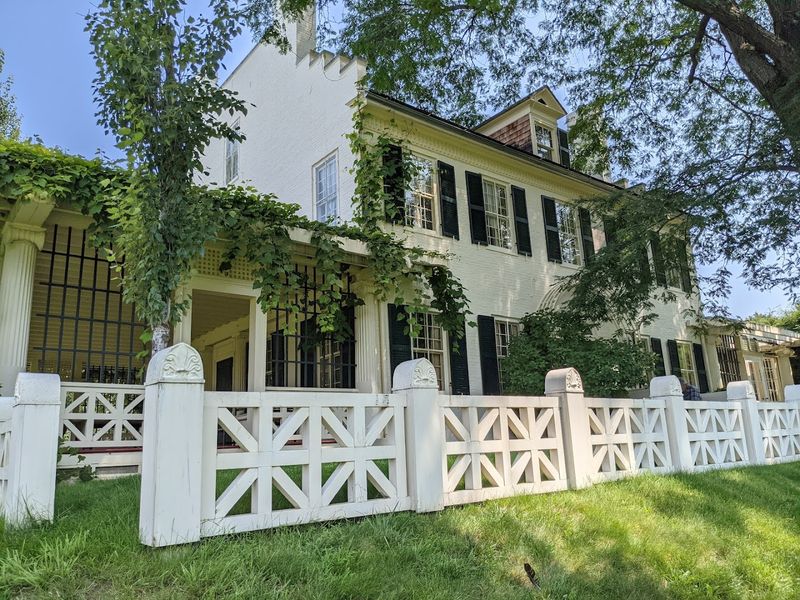
Augustus Saint-Gaudens was the sculptor behind some of the most recognized public monuments in American history, including the Shaw Memorial in Boston and the Admiral Farragut statue in New York City. His home and studios in Cornish, New Hampshire, are now a National Historical Park, and they are well worth an afternoon.
The property, called Aspet, served as his summer residence starting in 1885 and became his permanent home until his passing in 1907. It also became the heart of the Cornish Art Colony, a gathering place for artists, writers, and intellectuals of the era. Visitors can tour the house, walk the beautiful gardens Saint-Gaudens designed himself, and view his original sculptures displayed throughout the studios.
Three hiking trails wind through the 190-acre site, offering a mix of art, history, and outdoor exploration. The park also runs the oldest artist residency in the National Park Service, where a working sculptor engages with visitors through demonstrations and open studio sessions.
3. Madison Boulder Natural Area, Madison, New Hampshire
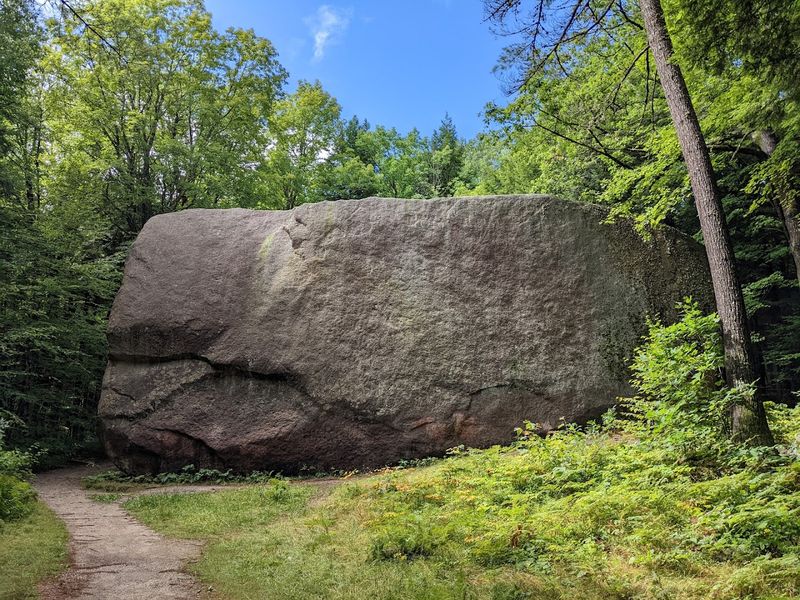
At 83 feet long, 37 feet wide, and 23 feet above ground level, the Madison Boulder is not the kind of thing you expect to stumble across in the New Hampshire woods. Weighing an estimated 5,000 tons, it is one of the largest known glacial erratics in North America and among the biggest in the entire world.
A glacial erratic is a rock that has been transported far from its original location by moving ice sheets during the last Ice Age. The base of the Madison Boulder extends up to 10 feet underground, meaning visitors only see part of its full size. The U.S. Department of the Interior designated it a National Natural Landmark in 1970.
The 17-acre site has been state property since 1946 and is open year-round without a fee. A short, easy walk from the parking area leads directly to the boulder. There are no crowds, no gift shops, just one genuinely jaw-dropping rock sitting quietly in the forest.
4. Sculptured Rocks Natural Area, Groton, New Hampshire
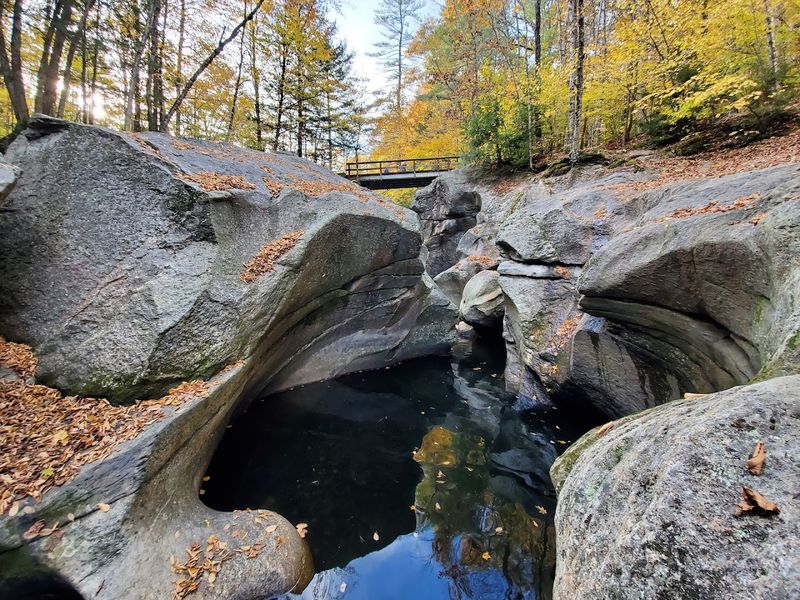
Water is a patient sculptor. At Sculptured Rocks Natural Area in Groton, the Cockermouth River has spent thousands of years carving curved channels, smooth walls, and deep circular potholes into the bedrock below. The result is one of the more unusual geological sights in the state.
Potholes form when swirling water carries sand and small stones in tight circles, slowly grinding away the rock beneath. Over time, these depressions grow deeper and wider, creating the bowl-shaped formations visible throughout the site. Some of the carvings here have remarkably precise edges and fluid shapes that look almost deliberate.
A short trail runs along the river, offering multiple viewpoints where visitors can get close to the formations and observe the ongoing work of erosion. The area is uncrowded, free to visit, and requires minimal hiking. It is an ideal stop for anyone curious about natural processes and geology, and a genuinely interesting detour for families traveling through central New Hampshire.
5. Polar Caves Park, Rumney, New Hampshire
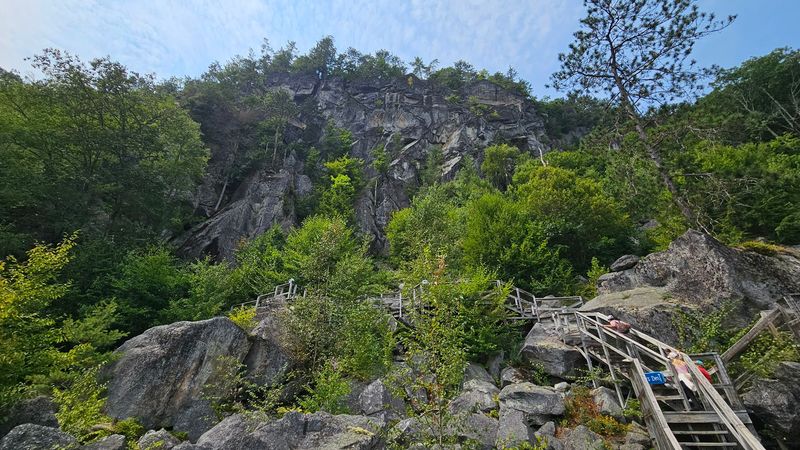
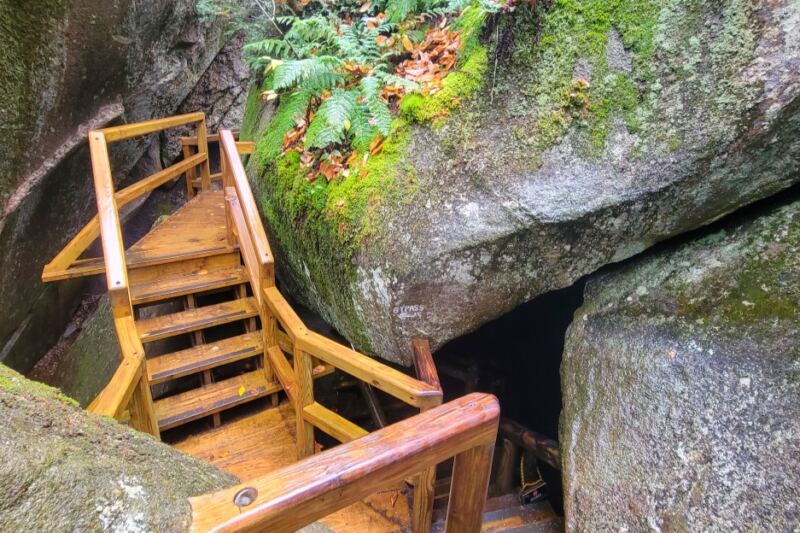
Nine caves, countless tight squeezes, and zero stalactites. Polar Caves Park in Rumney offers a caving experience unlike the limestone caverns found in other parts of the country. The caves here are actually gaps and passages between enormous granite boulders left behind when glaciers retreated thousands of years ago.
Getting through the cave system means climbing, crouching, ducking, and occasionally crawling on your stomach. Each cave has its own name and characteristics, ranging from relatively open passages to near-impossible squeezes that challenge even slim adults. Every route through the boulder field can be bypassed, so visitors of all fitness levels can still enjoy the experience without feeling left out.
Well-marked boardwalks and trails guide the way, and educational displays throughout the park explain the geological backstory behind the formations. Above ground, walking trails provide views of the surrounding White Mountains. The park also includes an animal area with fallow deer. It is an entertaining, hands-on outing that works especially well for kids and adventure-minded visitors.
6. Mount Kearsarge Indian Museum, Warner, New Hampshire
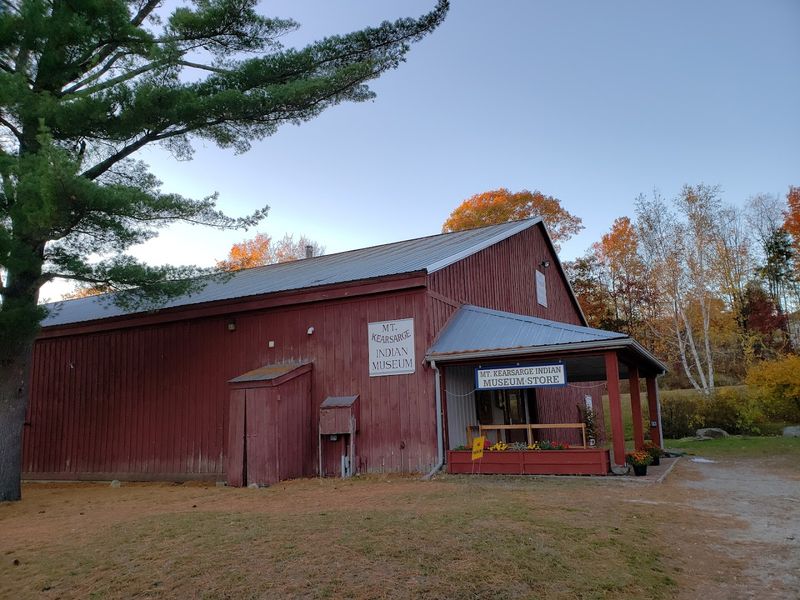
Most history museums focus on a single era or region. The Mount Kearsarge Indian Museum in Warner takes a broader approach, presenting Native American cultures from across North America through seven regional galleries that span prehistoric times to the present day. Founded in 1990, its mission centers on education and genuine cultural appreciation rather than simple display.
Visitors can explore collections of artifacts, artwork, and historical materials that highlight Indigenous perspectives on storytelling, craftsmanship, land use, and community life. The 12.5-acre campus also includes the Medicine Woods Trail and the Betsy Janeway Arboretum, where visitors learn about plants historically used by Native peoples for food, medicine, shelter, dye, and tools.
The museum hosts hands-on workshops, lectures, and family events throughout the year, including the annual Intertribal Powwow, which draws visitors from across the region. It is an educational stop that feels personal and thoughtfully curated rather than institutional. Plan at least two hours to appreciate everything the campus has to offer.
7. Castle in the Clouds, Moultonborough, New Hampshire
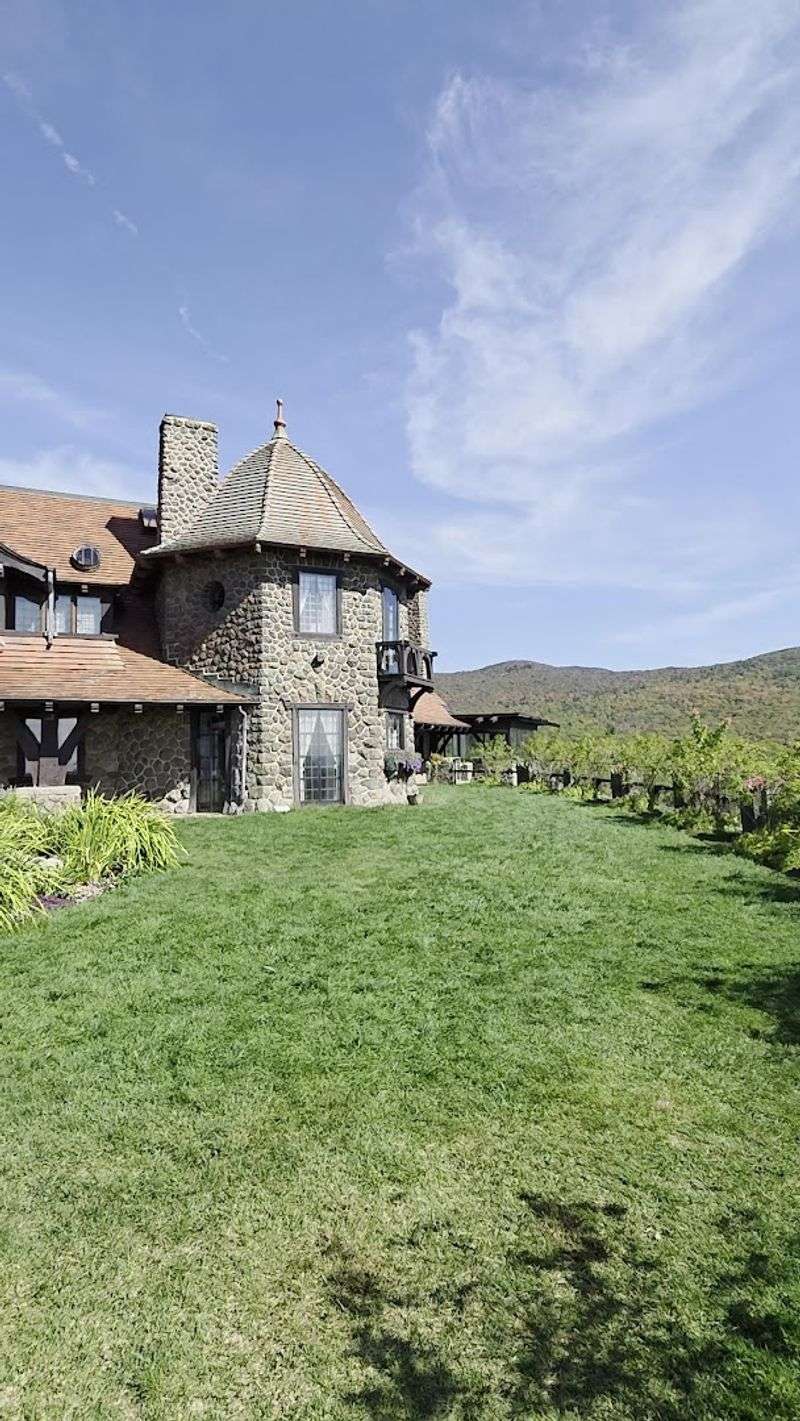
Thomas Gustave Plant made his fortune in the shoe industry, and when it came time to build a home, he did not hold back. Constructed between 1913 and 1914, Castle in the Clouds sits 1,300 feet above sea level in the Ossipee Mountains, with sweeping views of Lake Winnipesaukee and the distant peaks beyond.
The 16-room mansion is a notable example of Arts and Crafts architecture, built with Maine white oak timbers and New Hampshire granite to blend naturally with its surroundings. For its era, the house was remarkably advanced, featuring a central vacuum system, ammonia-brine refrigeration, and an interphone communication system. Self-guided tours take visitors through rooms staged as though the Plants had just stepped out.
The original estate covered 6,300 acres and included stables, a greenhouse, a golf course, a garage, and miles of carriage trails. Much of the land is now protected by a conservation trust. The combination of architectural history, engineering curiosity, and mountain scenery makes this one of the most rewarding stops in the Lakes Region.
8. Lost River Gorge & Boulder Caves, North Woodstock, New Hampshire
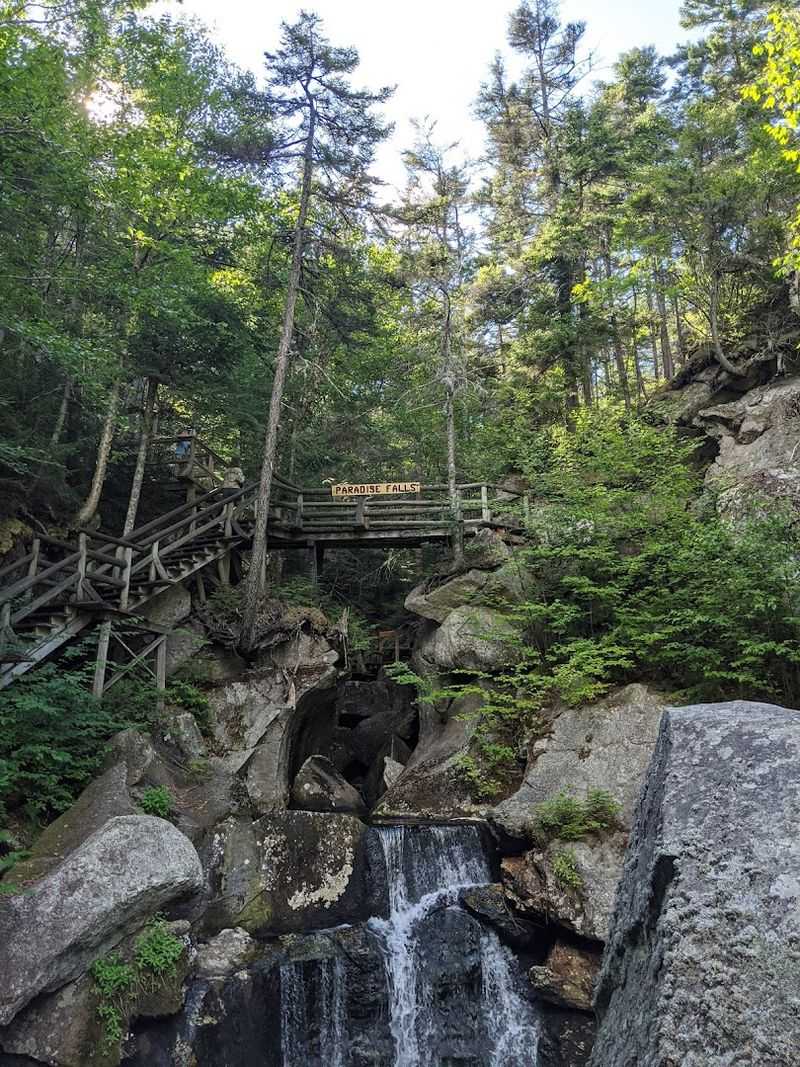
A river that disappears underground and reappears further downstream sounds like something from a fairy tale, but that is exactly what happens at Lost River Gorge in Kinsman Notch. The site combines a scenic gorge walk with a series of boulder caves that range from spacious to genuinely tight, making it one of the more physically engaging attractions in the White Mountains region.
The main trail is a mile-long wooden boardwalk featuring more than 1,300 steps that wind through towering rock walls, past waterfalls, and into the cave system. Some passages require crawling on hands and knees, while others demand a belly crawl. All caves can be bypassed for those who prefer to skip the confined spaces.
Highlights along the route include the Valley Viewpoint Overlook and the Giant Bird’s Nest viewing platform, both offering strong views of the surrounding mountains. The attraction also offers guided tours focused on local geology and history, along with a gemstone panning sluice that tends to be a hit with younger visitors. Sturdy footwear is strongly recommended.
9. Canterbury Shaker Village, Canterbury, New Hampshire
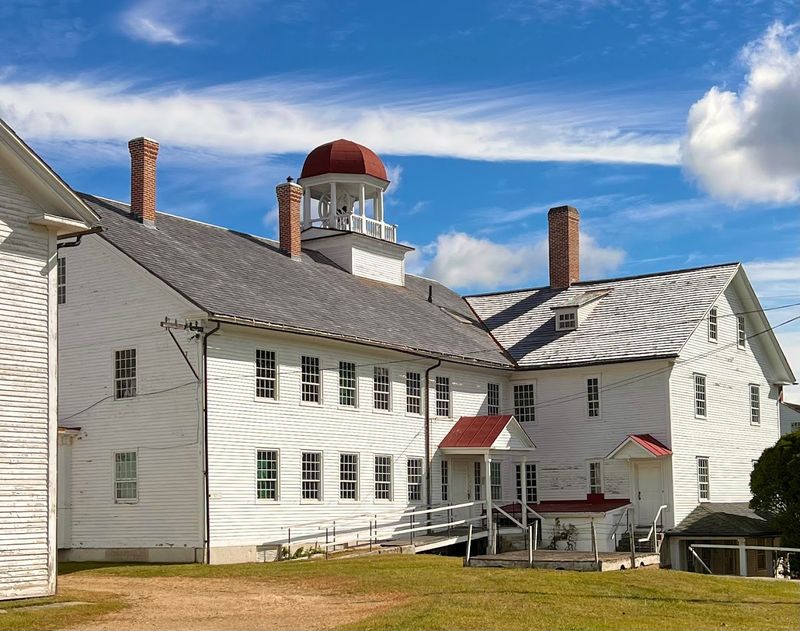
Founded in 1792, Canterbury Shaker Village is one of the most intact surviving Shaker communities in the United States. The Shakers were a religious group that believed in communal living, equality between men and women, and celibacy. Their influence on American design, agriculture, and craftsmanship was significant, and this National Historic Landmark preserves that legacy across nearly 700 acres.
The village includes 25 original buildings and four reconstructed structures, among them dwelling houses, a school, a meeting house, a laundry, stables, and workshops. Guided tours walk visitors through Shaker daily life, including their farming practices, herbal medicine production, seed business, and livestock work. The architecture throughout reflects the Shaker principle that beauty and function are inseparable.
Beyond the tours, the property offers walking trails, cross-country skiing in winter, and seasonal workshops tied to traditional Shaker crafts and practices. It is a rare opportunity to spend time in a place that genuinely looks and feels like a different century, without the crowds that often accompany larger heritage sites.
10. Rhododendron State Park, Fitzwilliam, New Hampshire
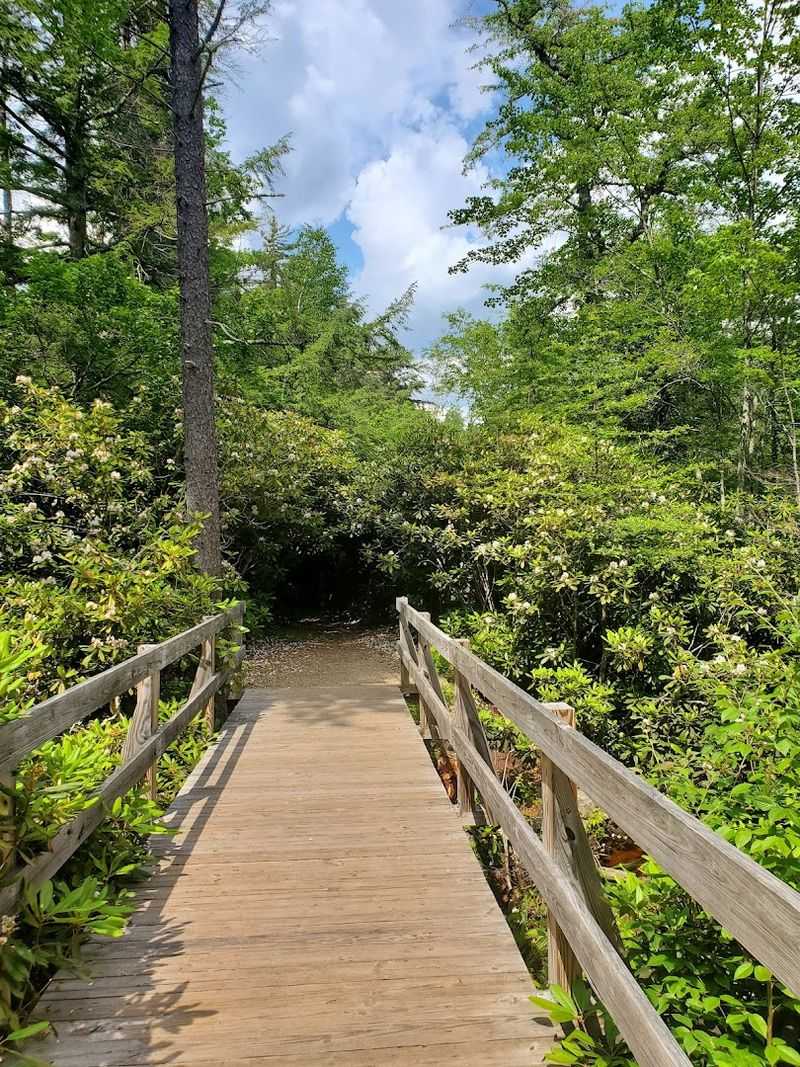
Every July, a quiet corner of southwestern New Hampshire transforms into something that stops hikers mid-stride. Rhododendron State Park in Fitzwilliam is home to over 1,600 native Rhododendron maximum plants, commonly known as great laurel, forming one of the largest old-growth stands of the species in New England. Peak bloom typically runs from mid-July through early August.
A loop trail winds directly through the dense thickets, allowing close-up views of the plants and their distinctive flower clusters. The trail is generally easy to navigate and accessible for most visitors. Interpretive signs along the path cover the ecology of the area, the biology of the rhododendron species, and the park’s history as a protected natural area.
Outside of blooming season, the park remains a pleasant woodland destination with diverse plant life and calm walking conditions. There are no crowds, no entry fees, and no elaborate facilities, just a genuinely remarkable botanical display set within a natural forest environment. It is the kind of place that earns a return visit year after year.
11. America’s Stonehenge, Salem, New Hampshire
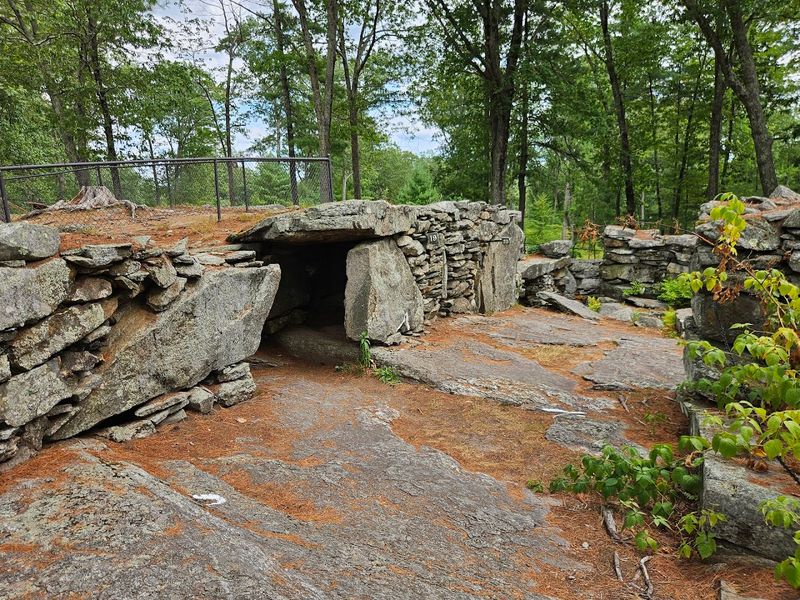
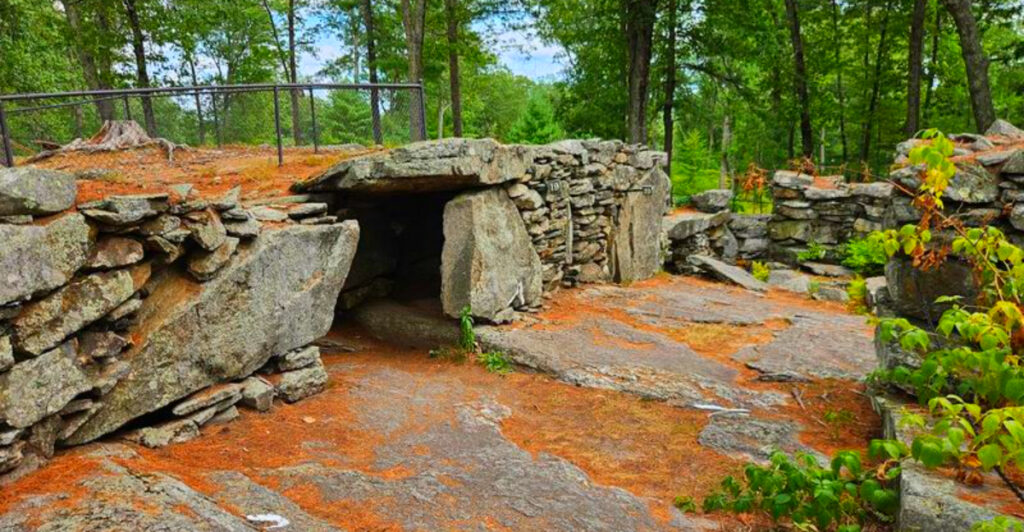
Nobody can fully agree on who built it, when, or why. America’s Stonehenge in Salem, New Hampshire, covers roughly 30 acres and features a collection of stone chambers, walls, and standing stones that have fueled debate among archaeologists, historians, and enthusiasts for decades. The site has documented human activity spanning more than 4,000 years.
Some researchers have proposed connections to ancient European or Mediterranean cultures, pointing to similarities with megalithic structures overseas. Mainstream archaeologists more commonly attribute the visible construction to local 18th and 19th century farmers, along with modifications made by owner William Goodwin after he purchased the property in 1937. Originally called Mystery Hill, the site was rebranded in 1982.
Native American artifacts including pottery fragments and stone tools have been found on the property, confirming a significant Indigenous presence regardless of the structures’ origins. Visitors can walk among the chambers and standing stones, some of which appear to align with astronomical events. The ongoing mystery is a large part of the appeal, and the site rewards curious, open-minded visitors.
12. Woodman Museum, Dover, New Hampshire
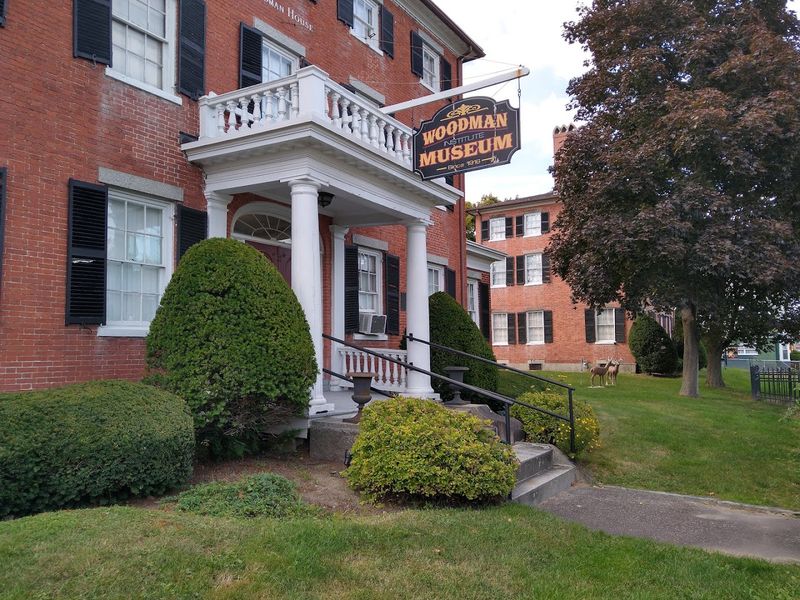
Four buildings, four completely different stories. The Woodman Museum in Dover is one of those rare institutions that manages to cover local history, natural science, industrial heritage, and early colonial life all on a single walkable campus. It was established by a local philanthropist and has been collecting and preserving artifacts related to the Dover region for well over a century.
The main Woodman House is a colonial-era dwelling filled with historical furnishings that document everyday life in Dover across several centuries. The John P. Hale House focuses on the city’s industrial past, including its textile and manufacturing history. The Garrison House, a fortified structure, illustrates early colonial defense strategies and the lives of the region’s first European settlers.
Rounding out the campus is the D.N. Skillings House, which holds natural history collections including taxidermy specimens, geological displays, and Indigenous artifacts. Moving between the four buildings feels like flipping through different chapters of the same long story. For history enthusiasts who enjoy depth without the crowds of larger museums, this campus is a genuinely rewarding find.
Share this story