 Unearth The Voyage

Success can look immovable right up to the moment it buckles. Across industries and eras, from Wall Street to Silicon Valley to global sports, some figures seemed to reach untouchable heights – until their stories took a sudden turn.
These journeys reveal how quickly fortune, reputation, and influence can shift when reality catches up with ambition. More than just collapses, they reflect the pressures of modern success, the power of perception, and the fragile balance between image and truth.
Step into a series of rises and falls that unfolded in real time, where confidence met consequence – and where the distance from the top to the bottom proved far shorter than anyone expected.
1. Bernie Madoff
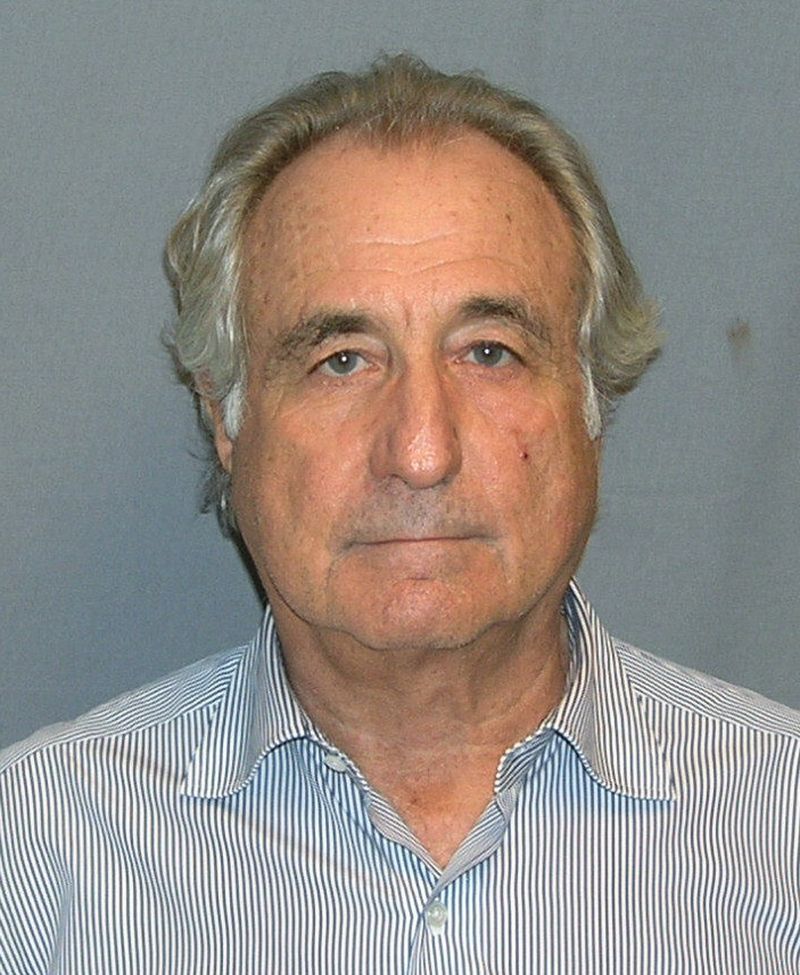
For years, the numbers looked so tidy that many people stopped asking hard questions. Bernie Madoff had built a reputation as a reliable Wall Street insider, a former Nasdaq chairman, and a figure whose steady returns seemed almost too polished to challenge.
That confidence evaporated in December 2008 when his sons reported his confession, exposing a massive Ponzi scheme valued at roughly $65 billion on paper. Within days, the image of elite financial competence gave way to a portrait of deception that stunned charities, celebrities, hedge funds, and ordinary investors alike.
The speed of the collapse was part of the shock. One week he was a respected market veteran; the next he was the center of one of the largest financial fraud cases in history.
Madoff pleaded guilty in 2009 and received a 150-year sentence, while investigators sorted through the wreckage for years. His downfall became shorthand for unchecked trust, exclusive investing circles, and the danger of believing consistency without transparency.
2. Elizabeth Holmes

A black turtleneck and a bold promise carried enormous weight in Silicon Valley. Elizabeth Holmes presented Theranos as a company that would transform blood testing with tiny samples, sleek devices, and a message that blended medicine, technology, and entrepreneurial confidence.
Investors, media outlets, and prominent board members lined up behind the vision, pushing her status into billionaire territory. Then reporting by The Wall Street Journal and later regulatory findings revealed that the technology did not perform as advertised, and the carefully built image cracked with startling speed.
Once the doubts became public, the unraveling moved quickly. Partnerships disappeared, legal pressure intensified, and the company that had symbolized startup ambition dissolved into lawsuits, penalties, and criminal charges.
Holmes went from celebrated founder to cautionary case in just a few years, but the public swing felt almost instant because the hype had been so concentrated. Her story remains a clear lesson in charisma, weak oversight, and the cost of selling certainty before the science exists.
3. Sam Bankman-Fried

Few modern business collapses moved as fast as this one. Sam Bankman-Fried became the public face of crypto credibility, presenting himself as a math-driven founder in rumpled clothes who could talk regulation, philanthropy, and billion-dollar growth in the same breath.
FTX expanded rapidly, bought naming rights, attracted celebrity endorsements, and convinced many customers it was one of the safer platforms in a volatile sector. In November 2022, reporting about the ties between FTX and Alameda Research triggered a crisis of confidence, a rush of withdrawals, and a bankruptcy filing that landed with breathtaking speed.
The carefully managed image of responsible disruption collapsed almost overnight. Suddenly, the founder who appeared before lawmakers and investors as crypto’s adult in the room was facing intense scrutiny over missing customer funds and internal controls.
His conviction turned the episode into a defining scandal of the digital asset era. It also reminded everyone that new technology does not cancel old rules about transparency, governance, and what happens when people confuse hype with structure.
4. Lance Armstrong
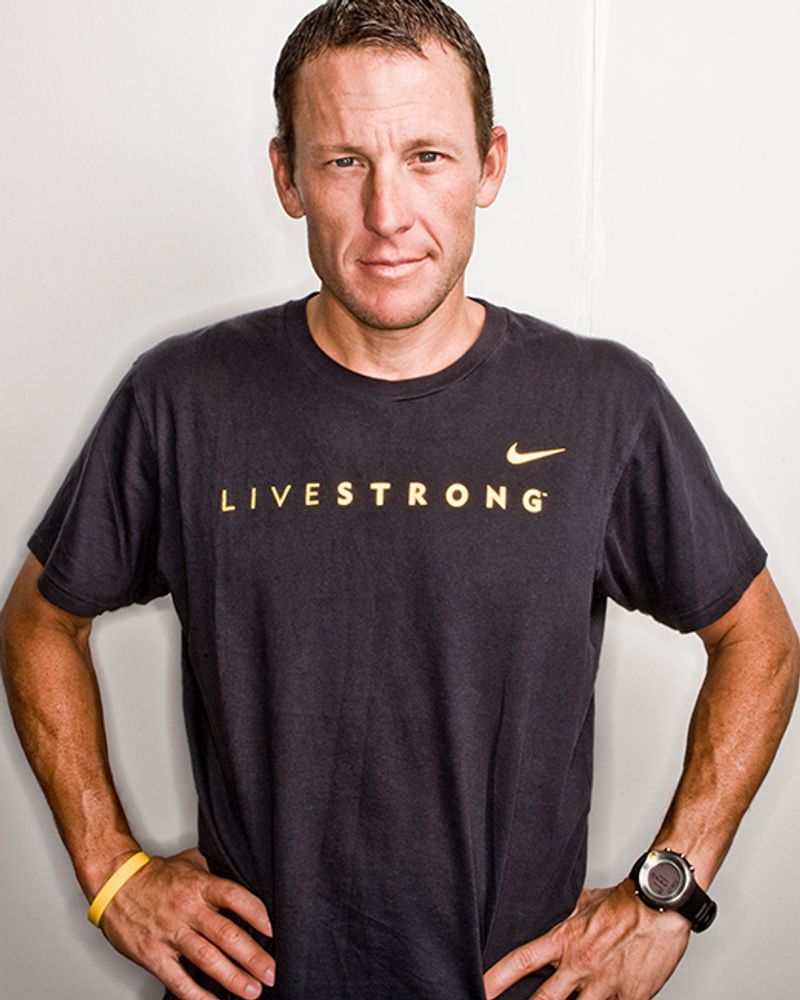
Champions are supposed to look durable, but public trust can be surprisingly fragile. Lance Armstrong was more than a cycling star.
He was a global brand, a cancer survivor icon, and a dominant Tour de France winner whose influence stretched into sponsorships, media, and philanthropy.
For years, he denied doping allegations with aggressive confidence, and many supporters accepted the defense. Then the United States Anti-Doping Agency released a detailed case in 2012, and the structure holding up his legend gave way quickly.
He was stripped of his seven Tour de France titles, major sponsors dropped him, and his once-formidable reputation shrank at remarkable speed. The fall felt especially abrupt because his image had been so thoroughly tied to resilience and certainty.
Armstrong’s story became one of the clearest examples of how denial can extend a scandal but also intensify the eventual collapse. What had been marketed as one of sport’s greatest redemption arcs was recast as a cautionary chapter about performance, pressure, and the consequences of sustained deception.
5. Tiger Woods (2010 scandal)

One tabloid story can hit harder than a bad round. By 2009, Tiger Woods stood at the center of global sports marketing, with tournament wins, unmatched brand value, and a carefully protected image built on discipline, excellence, and broad corporate appeal.
After reports about his personal life surfaced in late 2009, the balance changed almost immediately. The scandal dominated headlines, sponsors reacted, and the athlete who had seemed commercially unbeatable entered 2010 with his reputation under intense public review.
Several endorsement deals ended or faded, his private life became international news, and his aura of total control took a direct hit. Even for a superstar with an extraordinary resume, the shift showed how quickly public trust can weaken when image and conduct stop matching.
Woods eventually rebuilt much of his standing through later competitive success, which makes this episode more nuanced than a simple permanent fall. Still, in that moment, the change was swift and unmistakable, a case study in how celebrity branding can be both immensely profitable and startlingly delicate.
6. Martha Stewart

Perfection sells well until the legal paperwork arrives. Martha Stewart had turned domestic expertise into a major media and merchandising empire, making her one of the most recognizable lifestyle entrepreneurs in America by the early 2000s.
That polished success ran into serious trouble after a stock sale tied to ImClone drew federal scrutiny. In 2004, Stewart was convicted on charges related to obstruction and false statements, and the effect on her public standing was immediate.
She served prison time, stepped down from key leadership roles, and watched a carefully managed brand of authority suddenly look vulnerable. For someone whose appeal depended on trust, precision, and competence, the reversal carried unusual force.
Yet her story also stands out because she later rebuilt much of her cultural relevance. The collapse was real and fast, but so was the reminder that American celebrity has a curious relationship with reinvention.
Even so, the original downfall remains striking: a billionaire-adjacent business presence, reduced in weeks by one legal case and a flood of headlines. It was a sharp lesson in how brand empires can hinge on personal credibility.
7. Travis Kalanick
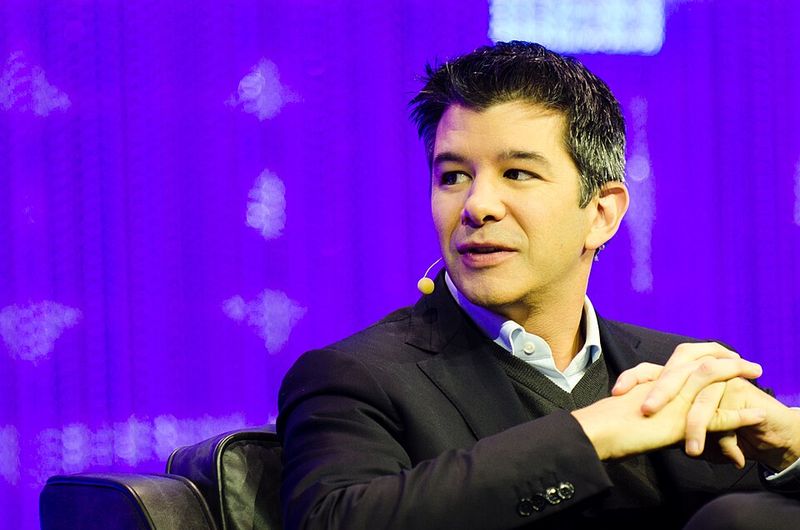
Disruption sounds glamorous until the board starts making calls. Travis Kalanick helped build Uber into one of the most influential companies of the smartphone era, changing how millions of people thought about taxis, convenience, and urban transportation.
But Uber’s growth was repeatedly shadowed by reports of aggressive internal culture, regulatory fights, executive departures, and management controversies. In 2017, after a cascade of scandals and a high-profile investigation into workplace practices, investor pressure mounted and Kalanick resigned as chief executive.
The speed of the shift was remarkable. A founder once celebrated as a hard-charging symbol of tech ambition was suddenly out, with his leadership style framed less as visionary and more as a liability.
His fall did not involve instant bankruptcy or criminal conviction, but it did show how quickly power can evaporate in modern corporate governance. When investors decide the story has become too expensive, even founders who helped rewrite an industry can find themselves pushed aside faster than they expected, and with far less control over the ending.
8. Johnny Manziel

Hype can move faster than development, and Johnny Manziel became proof. After a dazzling college career at Texas A&M, including a Heisman Trophy, he entered the NFL as a magnetic prospect with celebrity attention, endorsements, and a nickname that practically marketed itself.
The professional rise never settled into lasting success. Off-field issues, inconsistent preparation, and unstable play quickly overshadowed the excitement that surrounded his draft status, and by 2016 his NFL run had effectively collapsed.
What made the reversal so striking was how compressed it felt. Manziel went from headline attraction and jersey-selling phenomenon to cautionary example in just a few seasons, with the public conversation shifting from potential to missed opportunity almost in real time.
His story says a lot about modern sports culture, where college stardom, television exposure, and personal branding can create expectations that professional structure does not automatically fulfill. Talent brought him to the door, but discipline, support, and steady decision-making were needed to stay inside, and those pieces never aligned for long enough.
9. Adam Neumann
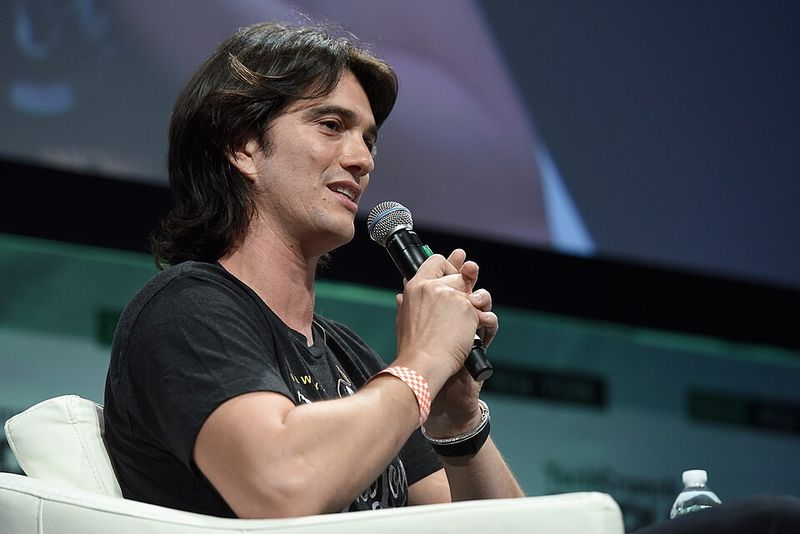
For a while, office space was being pitched like a social movement. Adam Neumann turned WeWork into one of the most talked-about startups of the 2010s, blending coworking rentals with grand language about community, scale, and changing how people worked.
Investors rewarded the vision with a soaring private valuation, and Neumann became one of the era’s most visible founder-celebrities. Then the 2019 IPO filing exposed governance problems, unusual related-party deals, major losses, and a business model that looked far less magical under public market scrutiny.
The reappraisal was brutal and fast. WeWork’s valuation plunged, the offering was withdrawn, and Neumann lost the chief executive role in a collapse that became required reading for anyone interested in startup excess.
The case mattered because it punctured a broader style of business storytelling that had flourished for years. Big promises, relentless growth language, and founder mystique had carried enormous weight until a prospectus forced specifics onto the table.
Once that happened, billions in paper wealth and a carefully managed image disappeared with unusual speed.
10. Jordan Belfort

Excess made the sales pitch look exciting until regulators started reading the fine print. Jordan Belfort built Stratton Oakmont into a notorious brokerage operation during the 1990s, using high-pressure tactics and stock manipulation that generated huge profits and an equally huge reputation.
For a time, the lifestyle around that success became part of the brand. Then federal investigations tightened, the business unraveled, and Belfort pleaded guilty to fraud and related crimes, turning a swaggering market persona into a cautionary exhibit almost overnight.
His downfall had all the ingredients the public notices quickly: money, bravado, and a dramatic legal reversal. Once the case was exposed, the mythology of the self-made financial star was replaced by a far less flattering record of deception.
The later movie adaptation gave the story a second life in pop culture, but the real historical point remains simple. Belfort’s empire depended on manipulation, and when scrutiny arrived, the collapse was swift.
It was a vivid lesson in how an image of unstoppable success can disappear the moment the business underneath it is forced into daylight.
11. Allen Stanford

Global prestige can vanish quickly when the paperwork stops cooperating. Allen Stanford cultivated the image of a billionaire financier with international reach, sports sponsorships, and a banking empire centered on certificates of deposit that were marketed as unusually secure and attractive.
That image collapsed in 2009 when U.S. authorities accused him of running a massive fraud tied to Stanford International Bank. Assets were frozen, confidence evaporated, and a business network that had looked powerful across borders suddenly appeared deeply unstable.
The speed of the fall stunned clients and observers alike. One moment Stanford was hosting major events and moving through elite circles; the next he was facing charges that recast his empire as one of the most significant financial scandals of the period.
He was later convicted and sentenced to 110 years in prison, sealing one of the sharpest reversals in modern finance. The case stands as another reminder that prestige, philanthropy, and polished branding can delay skepticism, but they cannot protect a business model once investigators expose what is actually holding it together.
12. Kodak (Corporate Case)

Sometimes the most dramatic collapse belongs to a company that practically defined an industry. Kodak spent much of the twentieth century as a giant of photography, shaping consumer habits around film, prints, and the very idea of capturing everyday life for later viewing.
What makes the story especially striking is that Kodak engineers helped pioneer digital camera technology in the 1970s. Yet the company struggled to adapt its business model to a world where digital images reduced the need for film, processing, and the lucrative ecosystem that had sustained Kodak for decades.
As consumer behavior changed in the 1990s and 2000s, the company’s dominance weakened faster than many expected. By the time Kodak filed for bankruptcy protection in 2012, the move felt like a historic turning point, not just a corporate filing.
This was not a scandal-driven implosion like several others on the list. It was a strategic collapse, rooted in hesitation, legacy economics, and the difficulty of replacing your own cash machine before someone else does it for you.
Kodak’s fall remains a textbook case in innovation without adaptation.



