Montana is filled with towns where history remains part of the everyday landscape. From former gold rush settlements and mining hubs to communities shaped by railroads and frontier life, these places have preserved much of the character that made them famous more than a century ago.
Some are nearly frozen in time, while others continue to thrive amid historic buildings and old-fashioned main streets. Together, they offer a fascinating glimpse into the people and events that helped shape the American West.
These twelve Montana towns prove that the past is never far away in Big Sky Country.
1. Virginia City, Montana
Back in 1863, a gold discovery in Alder Gulch turned this quiet Montana valley into one of the most chaotic boomtowns in the American West, practically overnight.
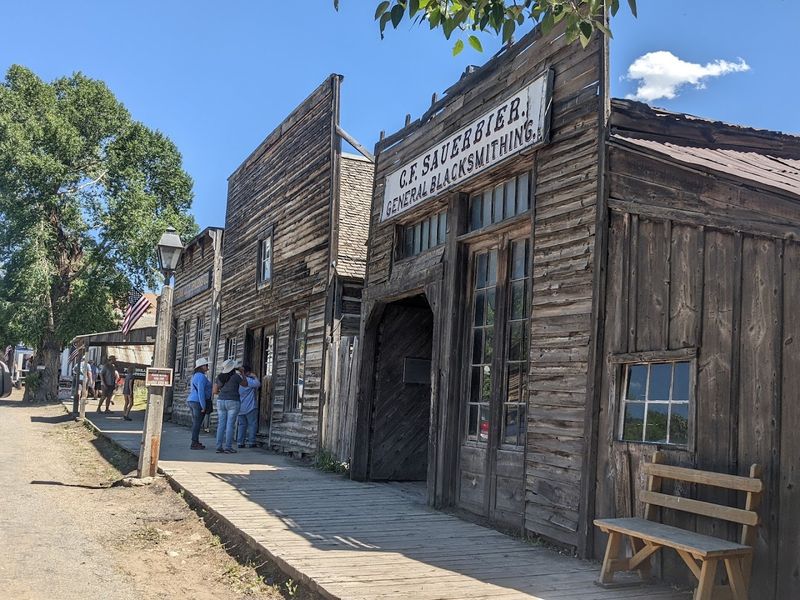
Virginia City grew so fast and so big that it became Montana’s territorial capital by 1865, a title it held for a full decade. Nearly half of its original structures still stand today, making it one of the best-preserved 19th-century mining camps anywhere in the country.
Visitors can walk the original dirt roads, browse buildings that still hold period furniture and tools, and join guided tours that bring frontier life into sharp focus. The wooden boardwalks creak underfoot just as they did 160 years ago.
Historical reenactments run during the warmer months, giving the town a lively character that sets it apart from a typical museum. Virginia City is not a recreation of history.
It is the real thing, still standing right where the prospectors left it.
2. Bannack, Montana
Montana’s very first major gold discovery happened here in 1862 along Grasshopper Creek, and the rush that followed was nothing short of spectacular.
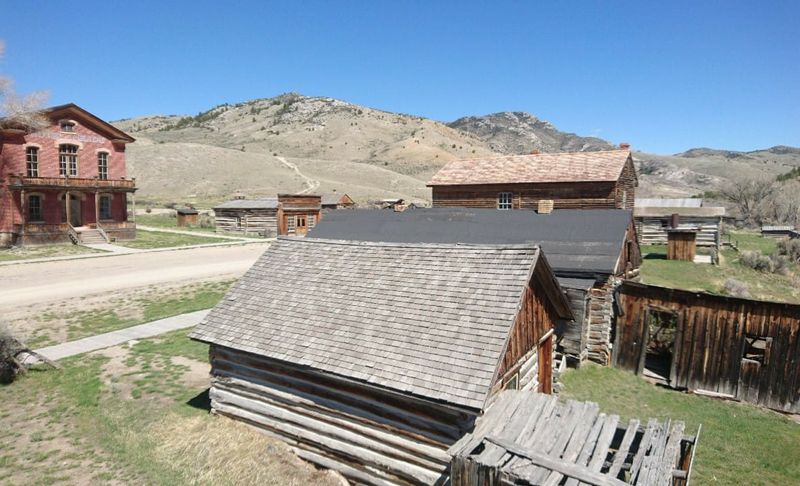
Bannack grew fast enough to become Montana’s first territorial capital, drawing thousands of prospectors, merchants, and outlaws into its dusty streets. Today, more than 50 original buildings still stand within Bannack State Park, preserved in a state that historians describe as arrested decay rather than active restoration.
That distinction matters. The buildings look lived-in rather than polished, which gives the town a rawness that more groomed historic sites simply cannot match.
The old jail, the hotel, the school, and the church all sit exactly where they were built, quietly weathering the Montana seasons.
The park is open year-round, and a ghost town weekend event draws visitors every summer for a particularly immersive experience. For anyone curious about what a real frontier boomtown looked like, Bannack delivers without any theatrical embellishment.
3. Fort Benton, Montana
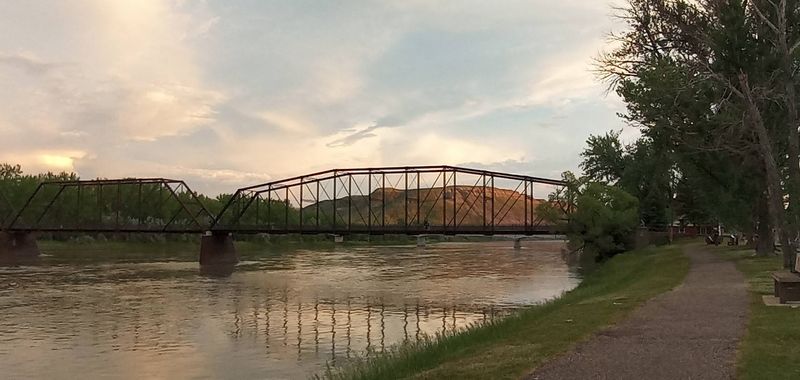
Established in 1846 as a fur trading post on the Missouri River, Fort Benton holds the title of Montana’s oldest continuously occupied settlement, and it wears that distinction with considerable pride.
The town became a critical hub during the steamboat era, serving as the farthest inland port reachable by riverboat on the entire Missouri River system. Merchants, trappers, and military personnel all passed through here, making it one of the most strategically important spots in the entire northern frontier.
Today, Fort Benton is a National Historic Landmark with a beautifully preserved downtown, a historic steamboat levee, and four separate museums covering its fur trade, agricultural, and military history. The pace of the town remains unhurried, which feels entirely appropriate given its age.
The riverfront walk offers views that have changed remarkably little over the past century. Few Montana towns have maintained such a clear, unbroken connection to the earliest chapters of the state’s story as Fort Benton has.
4. Philipsburg, Montana
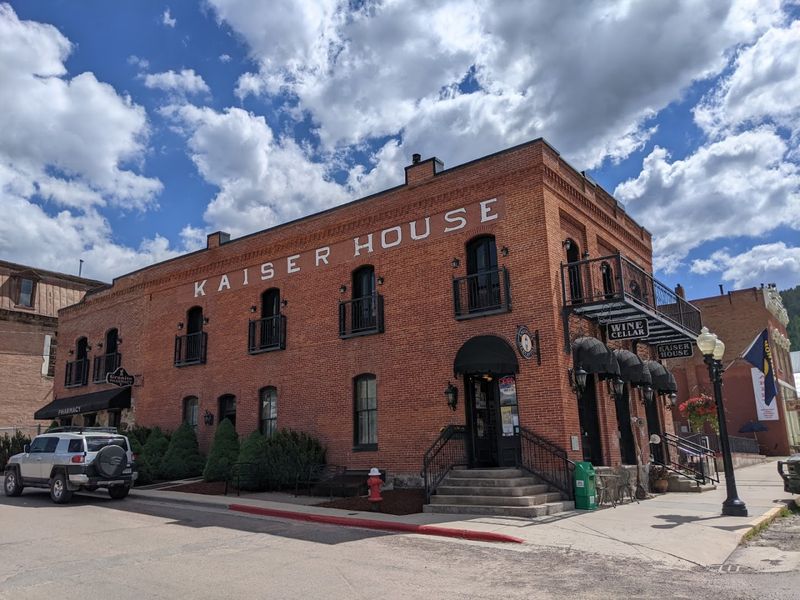
Tucked between mountain ranges in the heart of sapphire country, Philipsburg is the kind of town that surprises visitors who were not expecting much from a former silver mining camp.
Its roots go back to the 19th century when silver and sapphire mining brought serious money and serious ambition to this corner of western Montana. The historic downtown along Broadway Street features beautifully restored brick buildings that house an interesting mix of local businesses, antique shops, and one of Montana’s most famous candy stores.
The nearby Granite Ghost Town, just a short drive away, adds another layer of mining history for those who want more context. Philipsburg has managed to preserve its architectural heritage without turning itself into a theme park, which is a balance many small towns struggle to find.
Visitors who spend an afternoon here tend to stay longer than planned. The town has a genuine character that comes from real history rather than careful staging, and that makes all the difference.
5. Deer Lodge, Montana
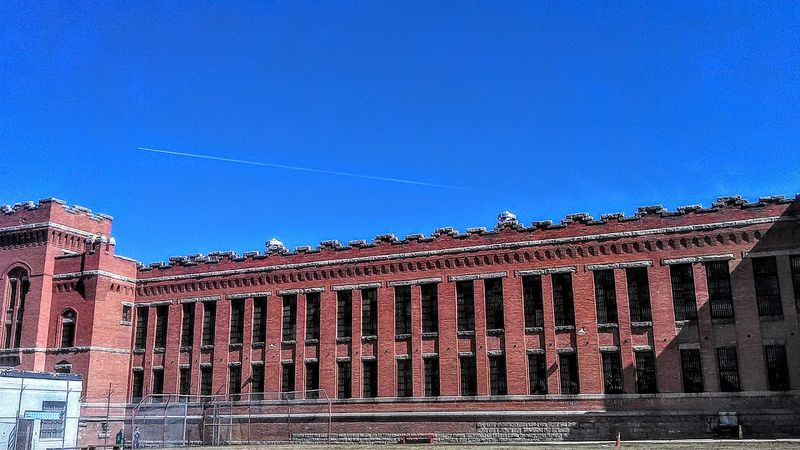
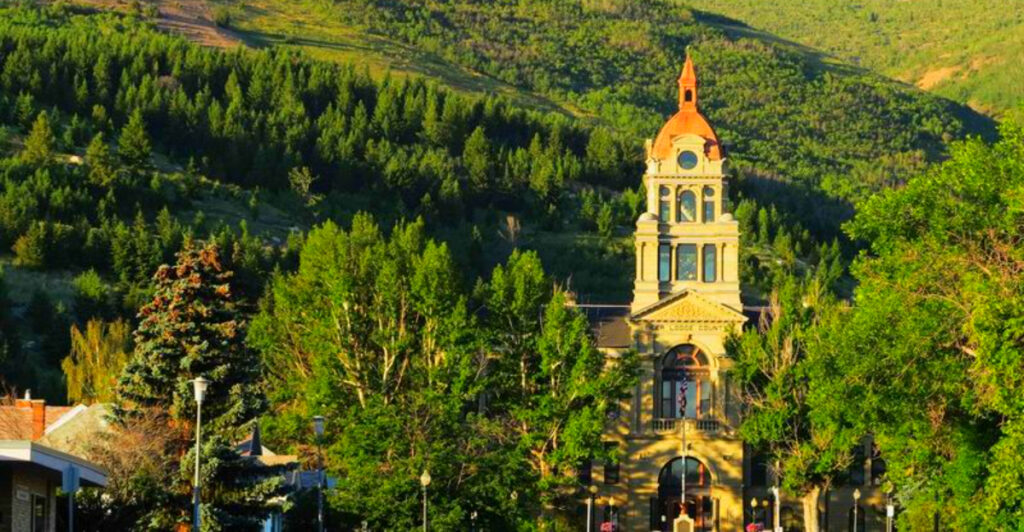
Few towns in Montana can claim a history as layered as Deer Lodge, which traces its origins to the very earliest days of non-indigenous settlement in the region.
The town developed as a supply center during the gold rush years, sitting at a crossroads that made it useful to miners, ranchers, and travelers alike. Its most famous landmark, the Old Montana Prison, operated from 1871 to 1979 and now functions as a major historic attraction drawing visitors from across the country.
The prison complex includes several museums covering frontier law enforcement, automobiles, and Montana history, making it a surprisingly rich destination for a town of its size. Beyond the prison walls, Deer Lodge has preserved a number of frontier-era buildings that reflect its role as an early agricultural and commercial center.
Grant-Kohrs Ranch National Historic Site sits just outside of town, preserving one of the largest and most complete 19th-century cattle ranches in the American West. Together, these sites make Deer Lodge a genuinely compelling stop on any Montana history tour.
6. Stevensville, Montana
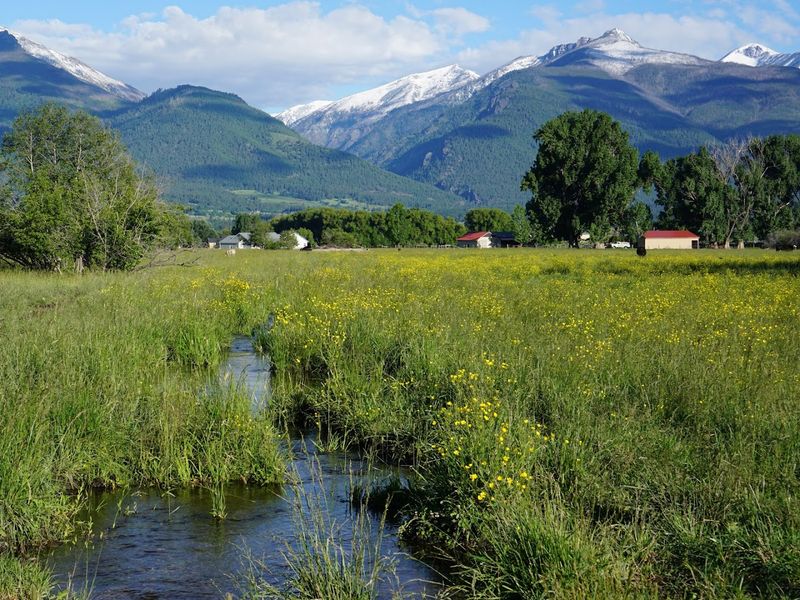
Stevensville holds a record that no other Montana town can claim: it is the state’s first permanent settlement established by non-indigenous people, founded by Jesuit missionaries in 1841.
St. Mary’s Mission, still standing and open to visitors, is the anchor of the town’s history and one of the most significant historic sites in the entire Pacific Northwest. The missionaries who built it also introduced irrigation, agriculture, and cattle ranching to the Bitterroot Valley, shaping the region’s development for generations to come.
The town’s main street features a collection of small shops and antique centers that give it a low-key charm without overselling its history. The Stevensville Museum adds more depth for those who want to understand the full arc of the community’s development from mission outpost to functioning town.
Surrounded by the Bitterroot Mountains on one side and the valley’s wide open farmland on the other, Stevensville has a setting that makes its age feel entirely believable. History here is not behind glass.
It is still part of the landscape.
7. Butte, Montana
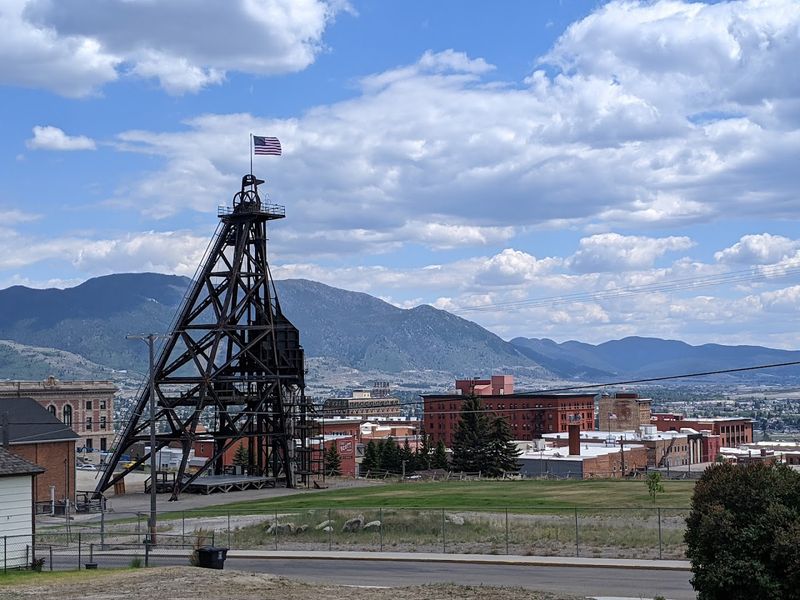
At its peak, Butte was the largest city between Chicago and San Francisco, a hard-driving industrial powerhouse built entirely on copper and audacity.
The copper deposits beneath Butte were so vast that the city earned the nickname the Richest Hill on Earth, and the wealth that came out of the ground went straight into the architecture above it. Uptown Butte is now part of one of the largest National Historic Landmark Districts in the United States, covering hundreds of buildings that reflect the prosperity and ambition of the late 19th and early 20th centuries.
Grand brick buildings, ornate facades, old mining headframes, and opulent mansions like the Copper King Mansion all survive in remarkable condition. The contrast between the industrial grit and the architectural elegance makes Butte unlike any other historic town in Montana.
History tours run regularly through the uptown district, covering everything from labor history to the stories of the copper magnates who shaped the city. Butte rewards curious visitors who take the time to look past the surface.
8. Helena, Montana
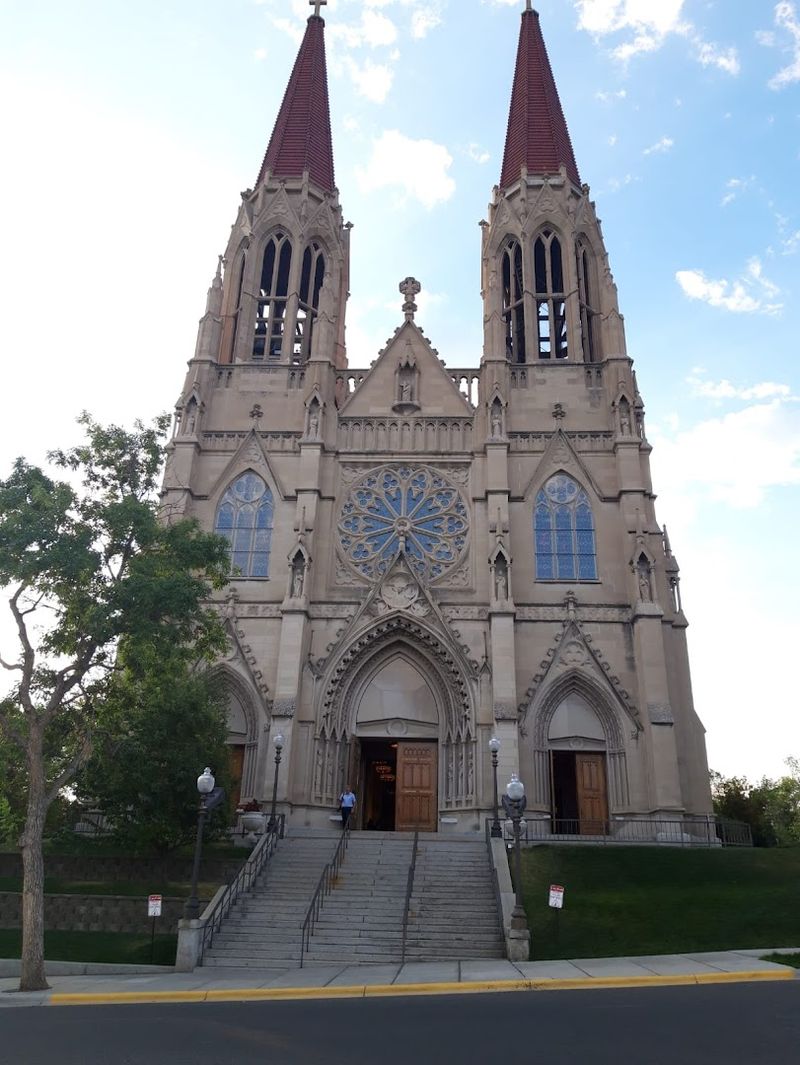
Helena started as a gold camp in 1864 with the deeply optimistic name of Last Chance Gulch, and the name stuck even after the town became one of the wealthiest cities in the entire American West.
By the 1880s, Helena reportedly had more millionaires per capita than any other city in the country, and the architecture that era produced still defines the downtown today. Victorian mansions, ornate churches, and elaborately decorated commercial buildings line streets that follow the original path of the gold-bearing gulch.
The Cathedral of Saint Helena, modeled on the Votive Church in Vienna, stands as one of the most striking buildings in Montana and draws visitors who had no particular interest in architecture until they saw it. The Montana State Capitol building, completed in 1902, adds another layer of grandeur to a city already full of impressive structures.
Helena’s historic walking tours cover both the mining era and the political history that followed, making it one of the most historically dense destinations in the state. The gold is long gone but the legacy it funded is very much intact.
9. Livingston, Montana
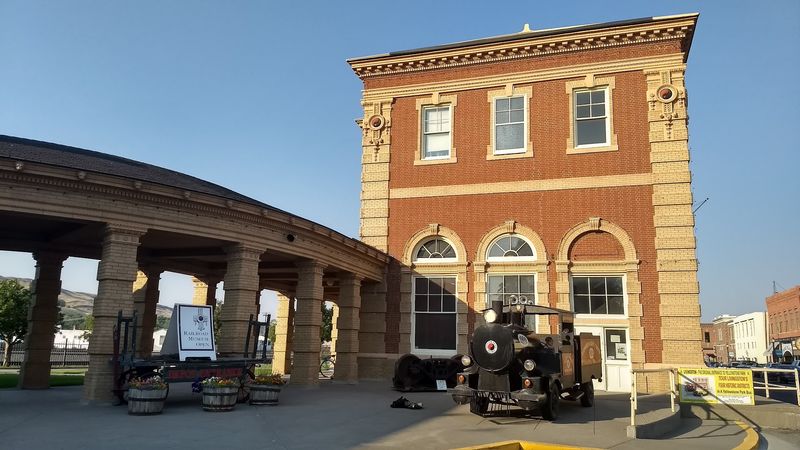
The Northern Pacific Railroad put Livingston on the map in 1882, and the town has been trading on that railroad heritage ever since, with very good reason.
Built as a division point on the transcontinental line, Livingston developed a downtown of solid brick commercial buildings, grand hotels, and wide streets that still look remarkably close to their original form. The historic Livingston Depot, completed in 1902, is a particularly beautiful example of the railroad architecture that once defined towns across the American West.
The Yellowstone River runs right through town, connecting Livingston to the broader landscape of southern Montana and adding a scenic dimension that most historic towns cannot offer. Yellowstone National Park sits just 53 miles to the south, which gave Livingston an early role as a gateway community and brought a steady stream of travelers through its streets from the very beginning.
Writers, artists, and outdoor enthusiasts have been drawn to Livingston for decades, giving it a cultural energy that sits comfortably alongside its frontier history. The combination makes it one of Montana’s most appealing small towns.
10. Nevada City, Montana
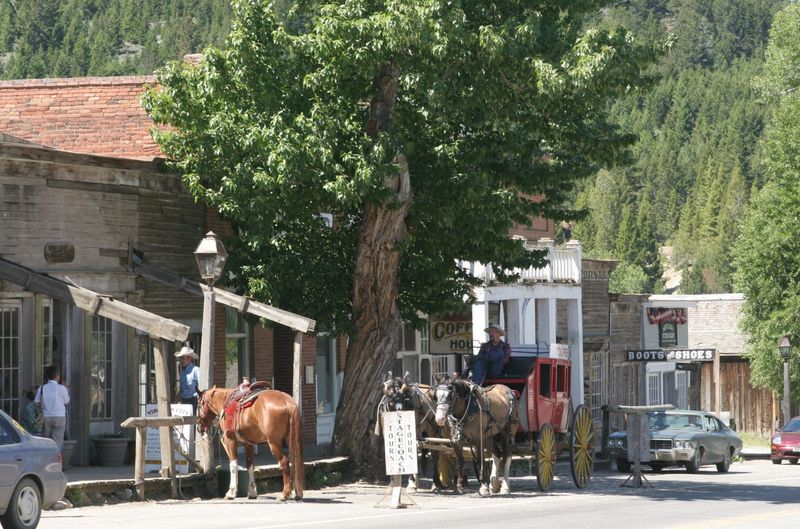
Just one mile down the road from Virginia City, Nevada City operates as one of the most unusual historic sites in the American West, and that is saying something in a state full of unusual historic sites.
The Nevada City Museum and Music Hall houses one of the largest collections of Old West artifacts outside the Smithsonian Institution, spread across roughly 100 historical buildings gathered from across Montana. Some structures are original to the site while others were relocated here to preserve them, creating a concentrated snapshot of frontier Montana that would otherwise have been scattered and lost.
Many of the buildings retain their original contents, from period furniture to tools and personal belongings, giving visitors an unusually direct connection to the people who actually used them. The Music Hall’s mechanical music collection is a particular highlight, featuring rare instruments that were once the entertainment backbone of frontier communities.
Nevada City rewards slow exploration rather than a quick walk-through. The more time visitors spend here, the more details they find tucked into corners that a rushed visit would completely miss.
11. Anaconda, Montana
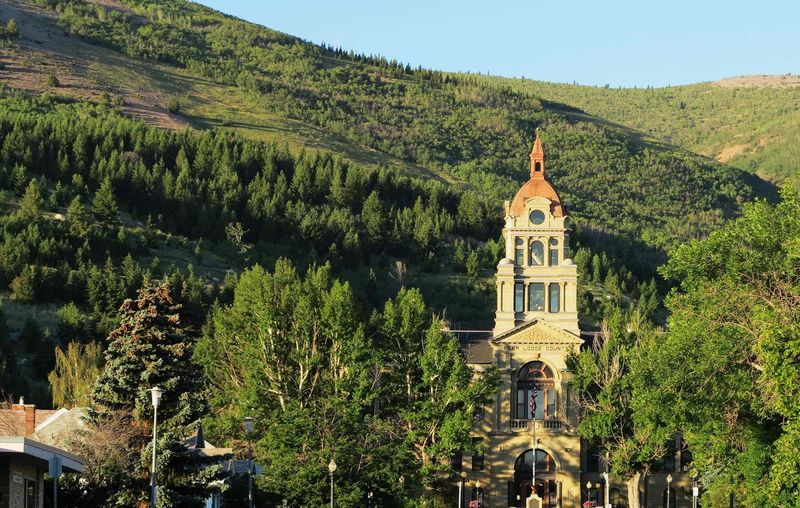
Anaconda was essentially built from scratch by one man, copper magnate Marcus Daly, who founded the town in 1883 to support his smelting operations and designed it with an ambition that still shows in the architecture today.
The historic downtown features an impressive collection of early 20th-century commercial buildings that reflect the serious money generated by Montana’s copper industry. The Washoe Theater, completed in 1936 in an art deco style, is regularly cited as one of the most beautiful movie theaters in the United States and still operates as a working cinema.
The Washoe Smelter Stack, standing at 585 feet, is the tallest surviving masonry structure in the United States and serves as a highly visible reminder of the industrial scale of Anaconda’s past. It now anchors a state park that tells the story of copper smelting in Montana.
Old neighborhoods of well-preserved homes surround the downtown, giving Anaconda a residential character that complements its industrial history. The town has a quiet dignity that comes from knowing exactly what it was and being honest about it.
12. Red Lodge, Montana
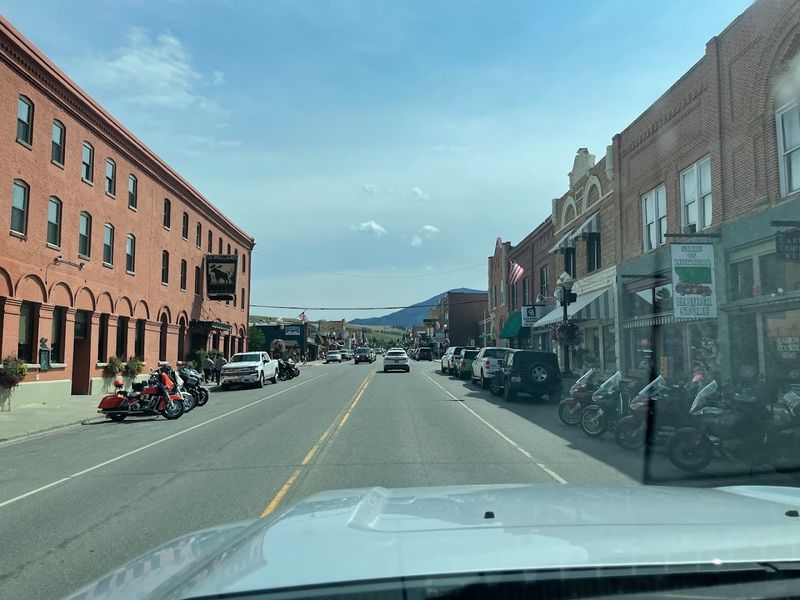
Red Lodge sits at the base of the Beartooth Mountains with a historic downtown so well preserved that a walk down Broadway genuinely feels like flipping through the pages of a Montana history book.
Coal was discovered here in 1866 and gold followed in 1870, drawing a diverse mix of miners, merchants, and immigrants who left a lasting architectural mark on the town’s main street. Finnish, Scottish, and Eastern European mining families all settled here, giving Red Lodge a cultural variety that was unusual for a frontier town of its size.
The historic commercial district features handsome brick buildings housing shops, restaurants, and galleries that have kept the streetscape intact without turning it into a purely tourist-facing operation. The town functions as a real community first and a historic destination second, which gives it an authenticity that is easy to appreciate.
Red Lodge also serves as the northern gateway to the Beartooth Highway, one of the most celebrated scenic drives in the country. The combination of accessible history and dramatic mountain scenery makes it a genuinely hard town to leave behind.
Share this story