 Unearth The Voyage
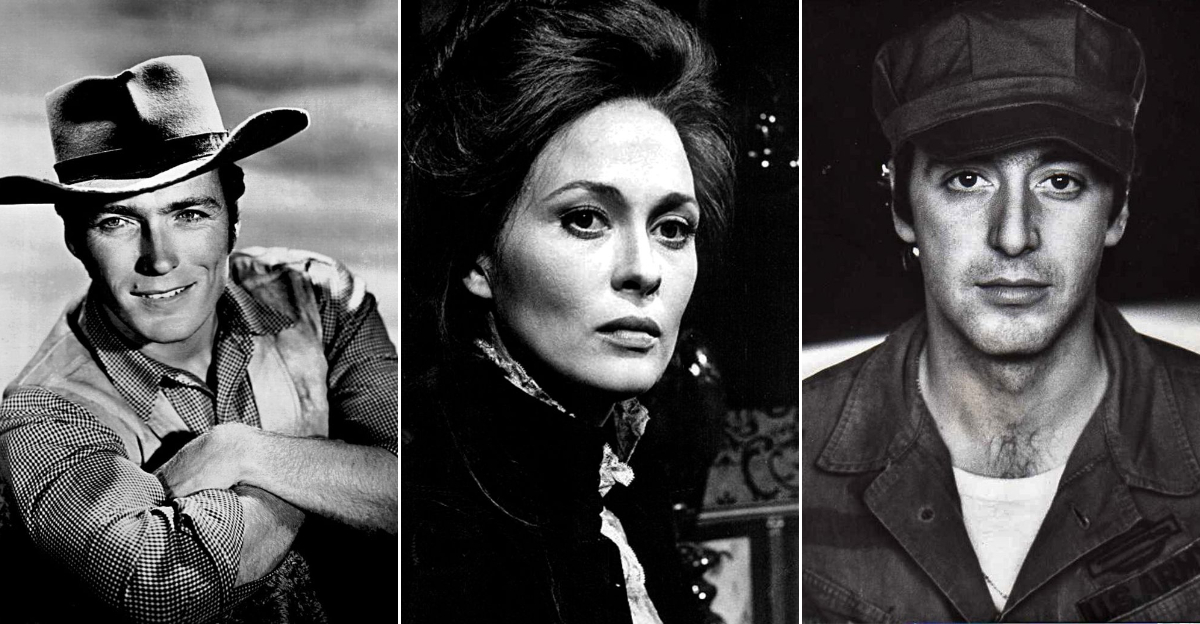
The 1970s were a wild, rule-breaking era for Hollywood. Studios handed the keys to a new generation of directors and actors who were hungry to tell real, raw, and daring stories.
The result was some of the greatest films ever made, and the stars who carried them became legends. Here are 15 performers who owned that decade and permanently changed what movies could be.
Al Pacino – The Quiet Stare That Could Start a War
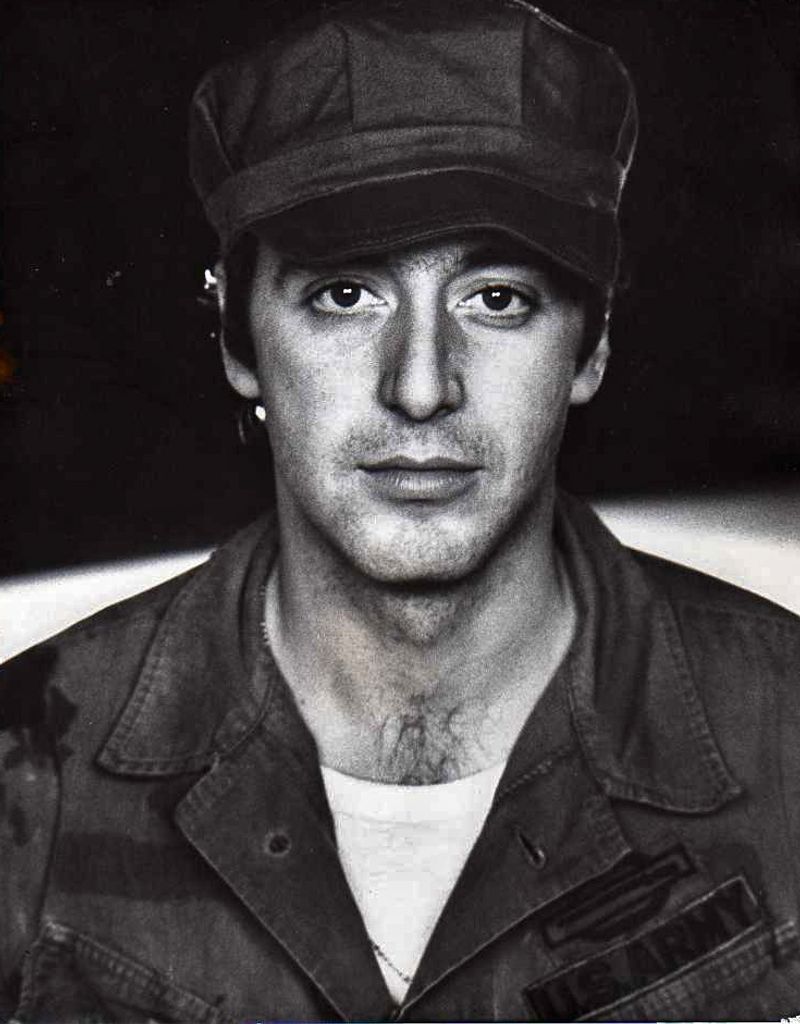
Nobody in the 1970s could do more with less than Al Pacino. He turned silence into a weapon.
As Michael Corleone in The Godfather films, he showed that the scariest characters don’t shout. They wait.
Before Pacino, Hollywood leading men were expected to be loud and obvious. He flipped that script completely.
His work in Serpico (1973) gave us a cop too honest for a corrupt system, and it felt uncomfortably real.
Dog Day Afternoon (1975) pushed him even further, delivering one of the most electric, sweat-soaked performances in cinema history. He earned four Academy Award nominations just in this decade alone.
That’s not a career. That’s a rampage.
Pacino didn’t just act in the 1970s. He redefined what acting looked like, proving that stillness, when loaded with intention, hits harder than any explosion on screen.
Robert De Niro – The Master of the Slow-Burn Explosion
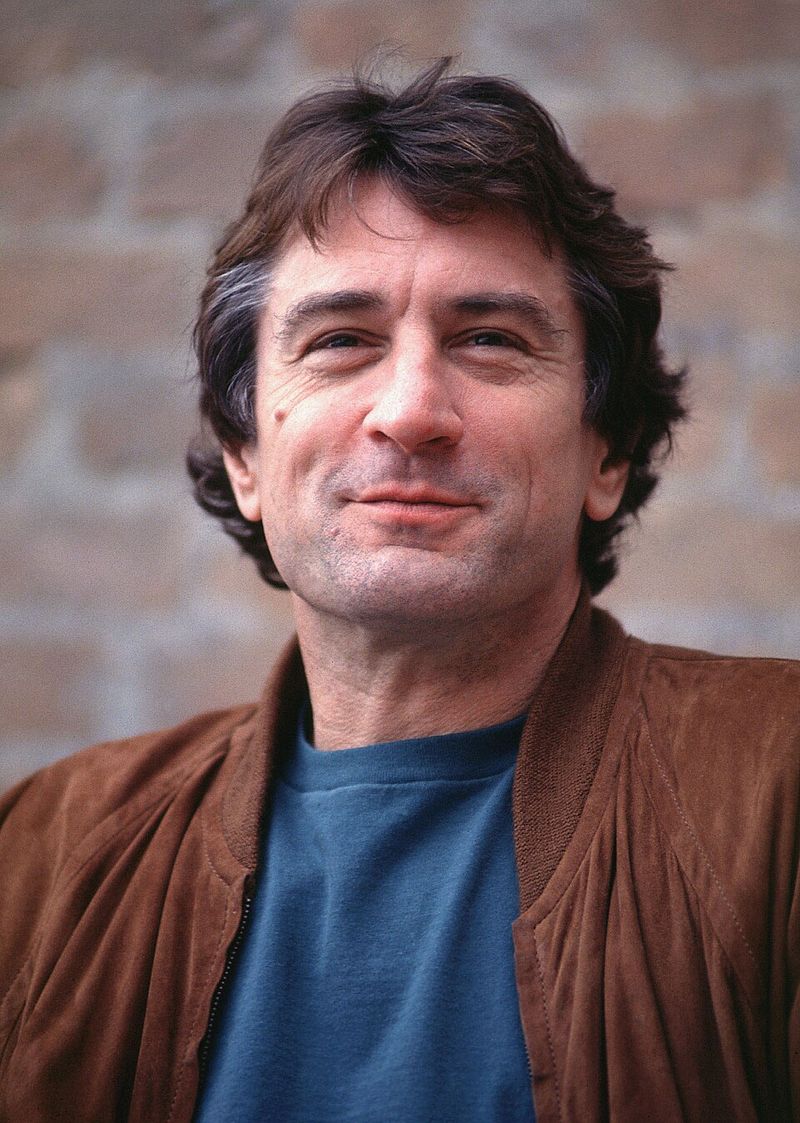
Robert De Niro didn’t just play characters in the 1970s. He became them, bones and all.
His preparation was legendary even then, and audiences could feel the difference on screen.
Mean Streets (1973) introduced the world to his electric, dangerous energy. Then came The Godfather Part II (1974), where he played a young Vito Corleone entirely in a different language and still walked away with the Oscar.
That takes nerve and serious talent.
Taxi Driver (1976) gave us Travis Bickle, one of the most haunting characters in film history. The Deer Hunter (1978) showed a quieter, more devastating side of his range.
In a decade full of incredible actors, De Niro stood at the very top. His 1970s body of work isn’t just impressive.
It’s the kind of filmography that film students still study today with their jaws on the floor.
Jack Nicholson – The Grin That Dared Hollywood to Flinch
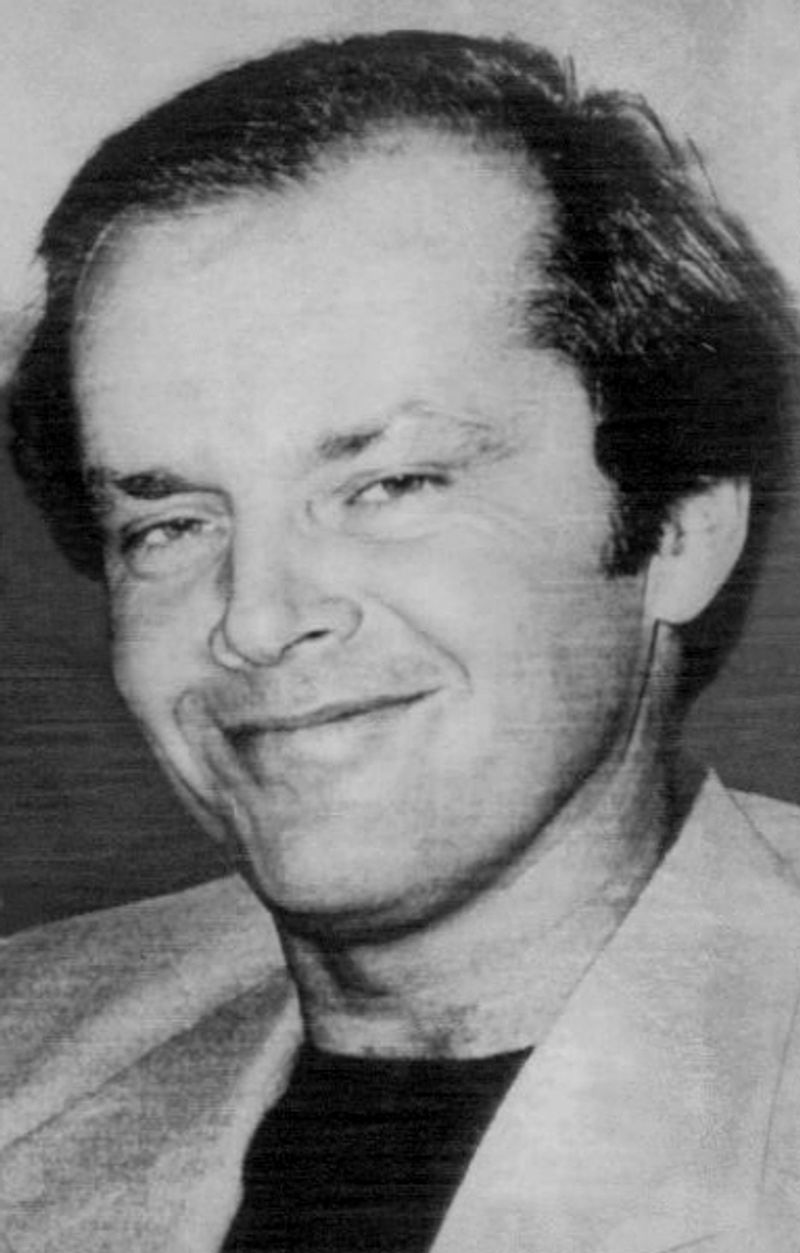
Jack Nicholson had a grin that could mean absolutely anything, and that unpredictability was pure gold on screen. You never quite knew if his character was about to laugh or explode.
Sometimes both.
Chinatown (1974) proved he could anchor a serious, layered noir with real emotional weight. His Jake Gittes was clever, flawed, and ultimately helpless against a corrupt world.
It’s a masterclass in restrained tragedy.
Then One Flew Over the Cuckoo’s Nest (1975) arrived and blew the roof off. His R.P.
McMurphy was a force of nature, a rebel who fought a system designed to crush the human spirit. He won Best Actor for that role, and honestly, it wasn’t even close.
Nicholson turned Hollywood rebellion into a legitimate art form in the 1970s, and studios never quite figured out how to contain him. They were smart enough not to try.
Meryl Streep – The Arrival That Felt Inevitable
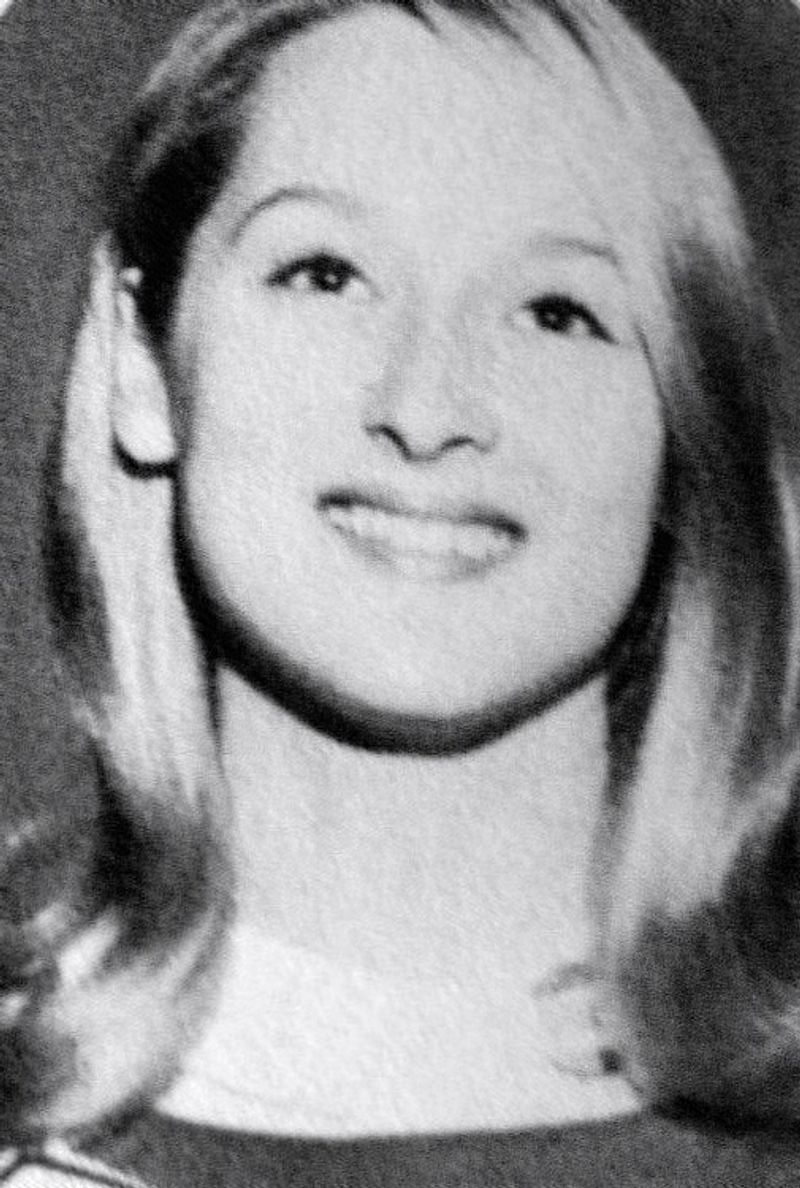
Some talents arrive quietly and then suddenly everyone wonders how they ever missed them. Meryl Streep’s entrance into Hollywood was exactly like that, effortless and completely overwhelming.
The Deer Hunter (1978) was her major calling card, and she used it well. In a film packed with powerhouse male performances, Streep held her own without breaking a sweat.
Her Academy Award nomination for Best Supporting Actress confirmed what sharp-eyed viewers already suspected: something extraordinary had just walked through the door.
What made Streep different was her complete absence of vanity on screen. She wasn’t interested in being glamorous.
She was interested in being true. That commitment to emotional honesty set her apart from almost everyone working in the decade.
The 1970s gave Hollywood a lot of great performers. It also gave us Meryl Streep, and that changed the conversation about what screen acting could achieve at its absolute highest level.
Diane Keaton – Quirky, Sharp, and Instantly Iconic
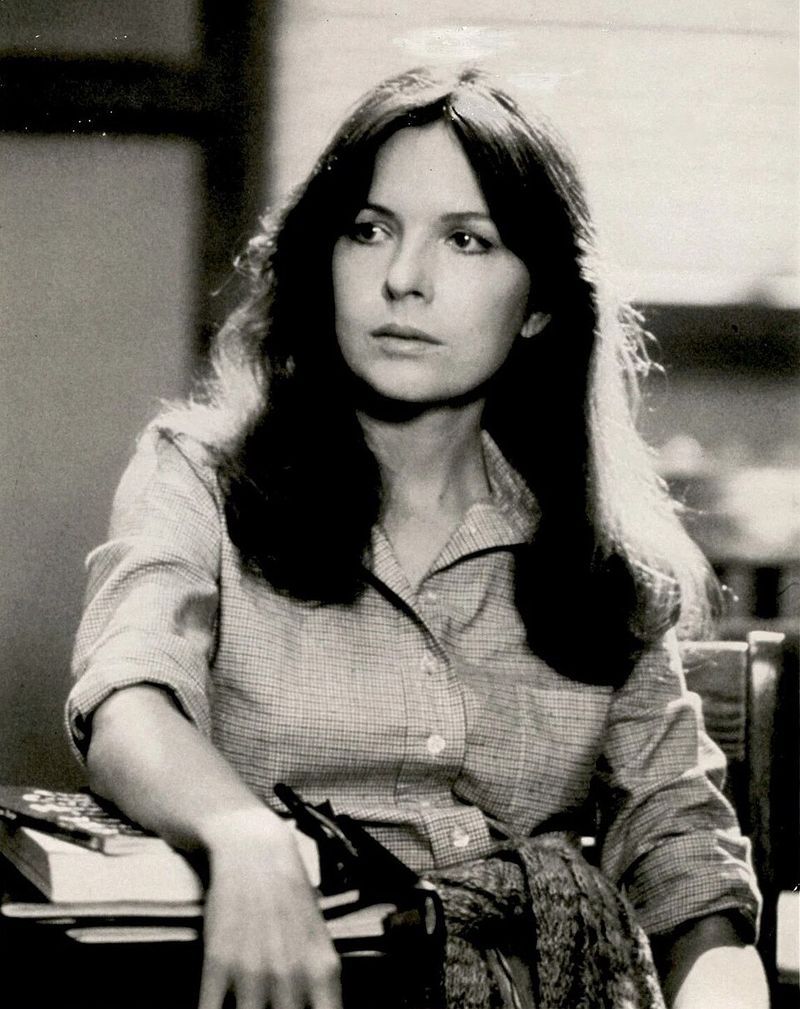
Diane Keaton didn’t just wear the clothes in Annie Hall. She wore the whole personality, the hesitations, the charm, the wonderful awkward pauses that made her feel like someone you actually knew.
Annie Hall (1977) was a cultural earthquake. Woody Allen’s film rewrote romantic comedy for a generation, and Keaton was the beating heart of every scene she was in.
She won the Academy Award for Best Actress, which felt less like a surprise and more like a long-overdue confirmation.
Her fashion choices in the film, those layered menswear-inspired looks, inspired real-world trends almost immediately. But beyond the style, her performance was genuinely brave.
Playing someone lovably neurotic without making them annoying is incredibly hard. Keaton made it look easy and natural.
She gave the decade one of its most quoted, most copied, and most beloved performances. La-di-da, indeed.
Hollywood has never quite recovered from her particular brand of charm.
Clint Eastwood – The Squint That Became a Brand
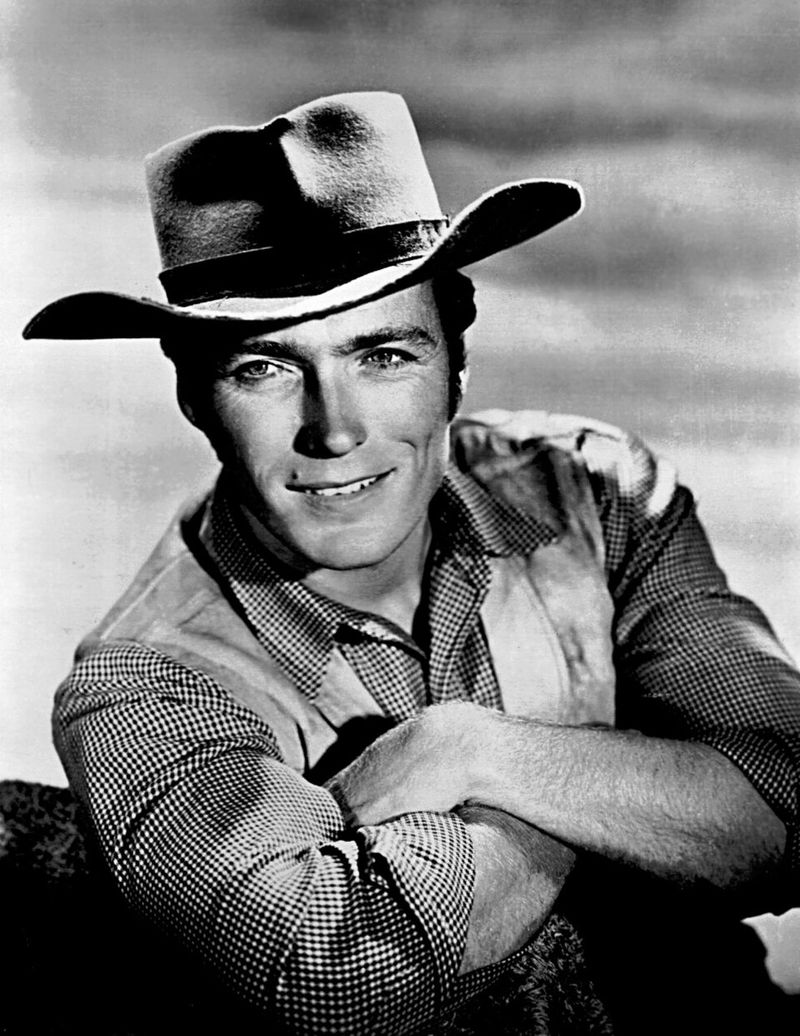
Clint Eastwood had already made his name in Westerns before the 1970s, but this decade was where he turned a screen persona into a full-blown cultural institution. The squint alone could carry a scene.
Dirty Harry (1971) made him the face of a new kind of American tough guy, one who operated in moral grey zones and didn’t apologize for it. The film sparked serious debate about law, justice, and vigilantism.
Not bad for a cop movie.
The Outlaw Josey Wales (1976) showed a more complex side. He directed and starred in it, crafting a revisionist Western that had genuine emotional depth beneath all the dust and gunfire.
By the end of the decade, Eastwood wasn’t just an actor anymore. He was a director, a producer, and a brand.
He built a career on controlled cool, and the 1970s were where that cool became completely unassailable and permanent.
Jane Fonda – Star Power With an Actual Spine
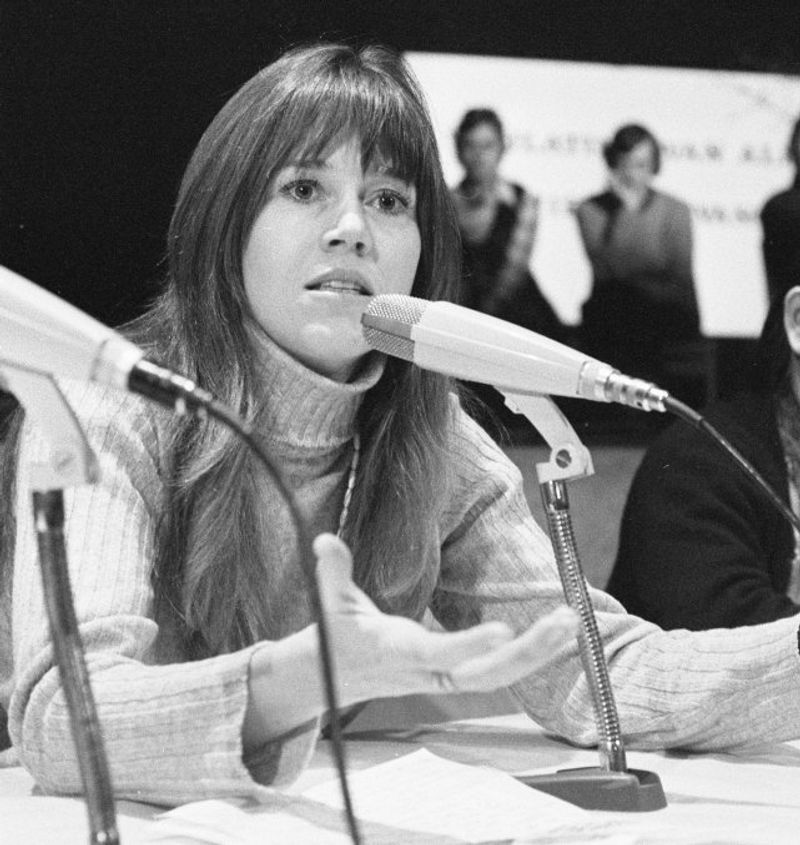
Jane Fonda refused to be decorative. In a decade when female stars were often sidelined into supporting roles, she consistently demanded center stage and got it on pure talent alone.
Klute (1971) gave her a role with real psychological complexity, a woman navigating danger and desire in equal measure. She won Best Actress for it, and the performance still holds up as one of the decade’s finest.
Coming Home (1978) brought her a second Oscar win, this time for a film directly confronting the emotional wreckage of the Vietnam War.
Fonda was also deeply political off screen, which made her a controversial figure but never a dull one. She used her platform loudly and unapologetically.
Some loved her for it. Some didn’t.
Either way, nobody ignored her. In the 1970s, Jane Fonda proved that conviction and craft could coexist, and that a female star could be both a serious artist and a serious force.
Dustin Hoffman – The Everyman Who Made Realism Thrilling
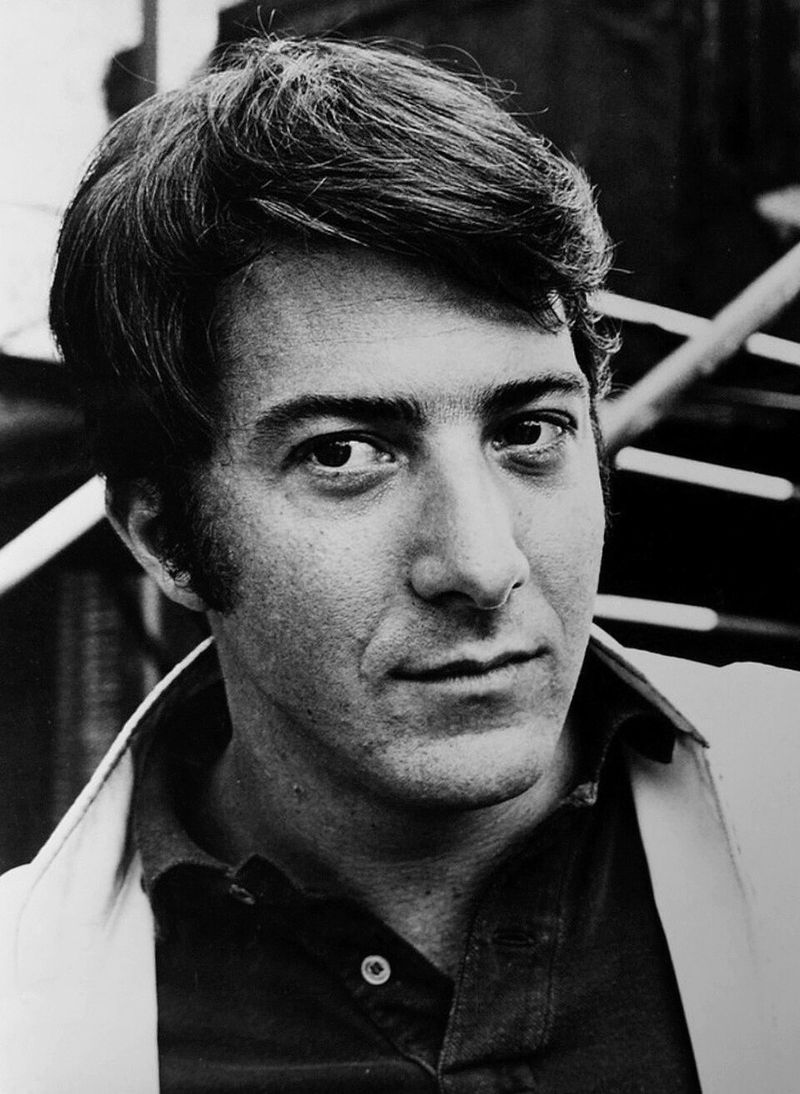
Before Dustin Hoffman, Hollywood leading men were supposed to be tall, square-jawed, and effortlessly cool. Hoffman had none of those things, and he used that gap to absolute perfection.
He proved that ordinary-looking people could carry blockbusters and prestige films alike. All the President’s Men (1976) cast him as Bob Woodward, one of the journalists who helped bring down a presidency.
Paired with Robert Redford, his low-key energy was the perfect counterbalance to the story’s enormous stakes.
Kramer vs. Kramer (1979) was his crown jewel of the decade. Playing a father suddenly responsible for a child he barely knows, Hoffman delivered something raw and genuinely moving.
He won Best Actor, and it felt completely earned. Hoffman’s 1970s run was a lesson in subtlety.
He never oversold a moment. He trusted the material, trusted the audience, and consistently delivered performances that felt lived-in rather than performed.
That’s a rare and underrated gift.
Faye Dunaway – Ice-Cold Glamour With a Razor Edge
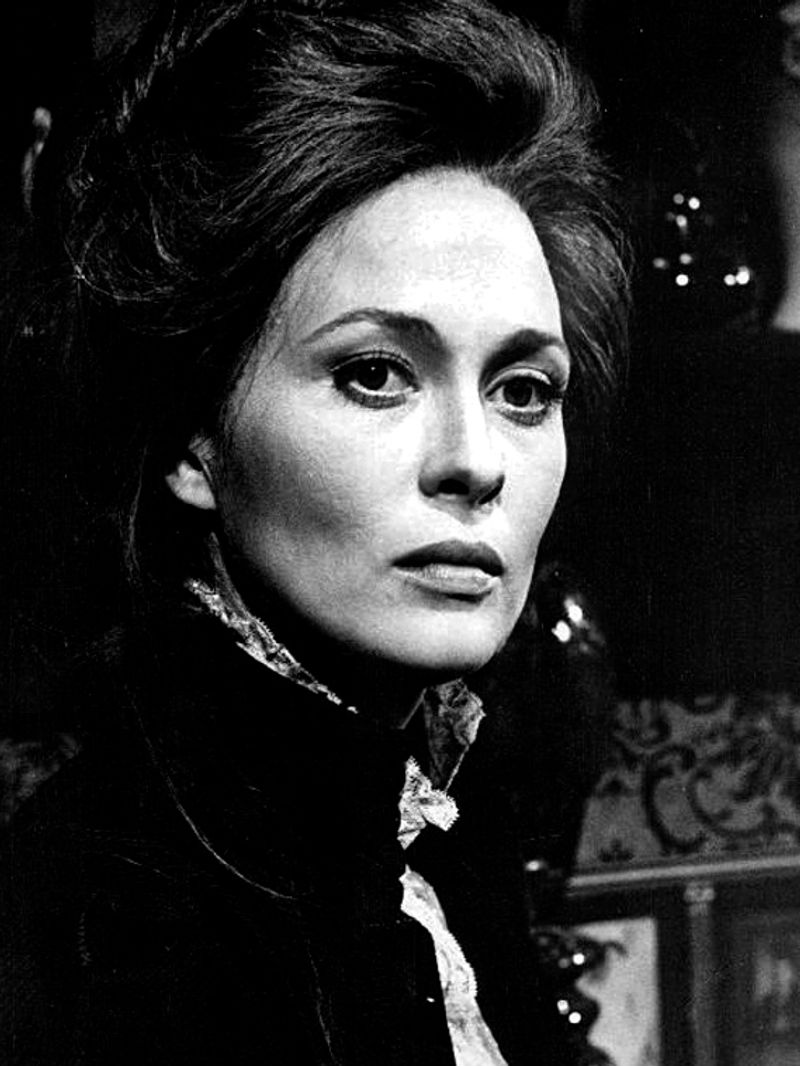
Faye Dunaway had a way of making intelligence look dangerous, and in the 1970s, that combination was absolutely electric on screen. Nobody wore ambition quite like her.
Network (1976) is her masterpiece from this era. She played a ruthless television executive who treats human suffering as programming content.
It was satirical, chilling, and decades ahead of its time. She won Best Actress, and the character she created, Diana Christensen, became a shorthand for corporate ruthlessness in popular culture.
What’s remarkable about Dunaway in this decade is how she avoided being typecast. She could do thriller, drama, satire, and prestige period pieces with equal authority.
Chinatown (1974) cast her opposite Nicholson in a role full of secrets and sorrow, and she matched him beat for beat. Dunaway in the 1970s was proof that a female star could be the most commanding presence in any room she walked into.
Gene Hackman – The Most Believable Man in the Room
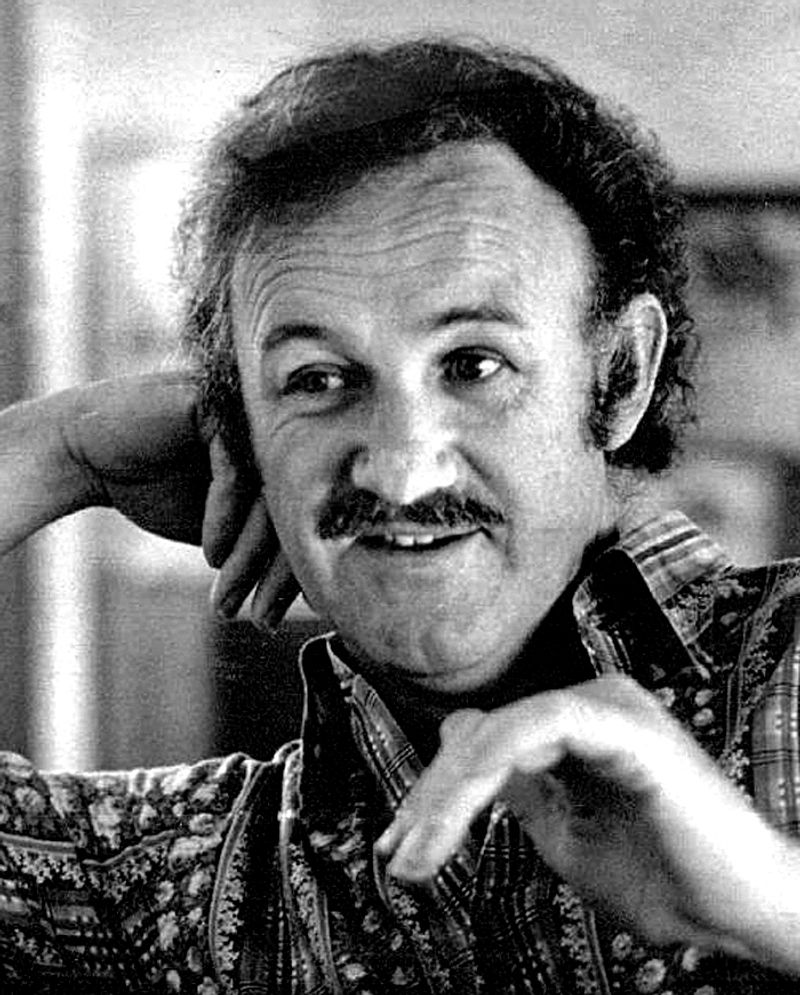
Gene Hackman had a face that belonged in real life, not on a movie screen. That was exactly his superpower.
Every character he played felt like someone you might actually encounter, which made everything he did feel genuinely urgent.
The French Connection (1971) launched him into the top tier. His Popeye Doyle was relentless, morally complicated, and completely gripping.
The film’s famous car chase remains one of cinema’s greatest sequences, and Hackman anchored every frame of it. He won Best Actor and deserved every bit of it.
The Conversation (1974) showed a completely different register. Playing a surveillance expert slowly consumed by paranoia, he was quiet, internal, and deeply unsettling.
Francis Ford Coppola directed that one, and the pairing was inspired. Hackman never played to the back of the house.
He played to the truth of the scene, and in the 1970s, truth was exactly what audiences were hungry for.
Sylvester Stallone – The Underdog Who Punched Through the Screen
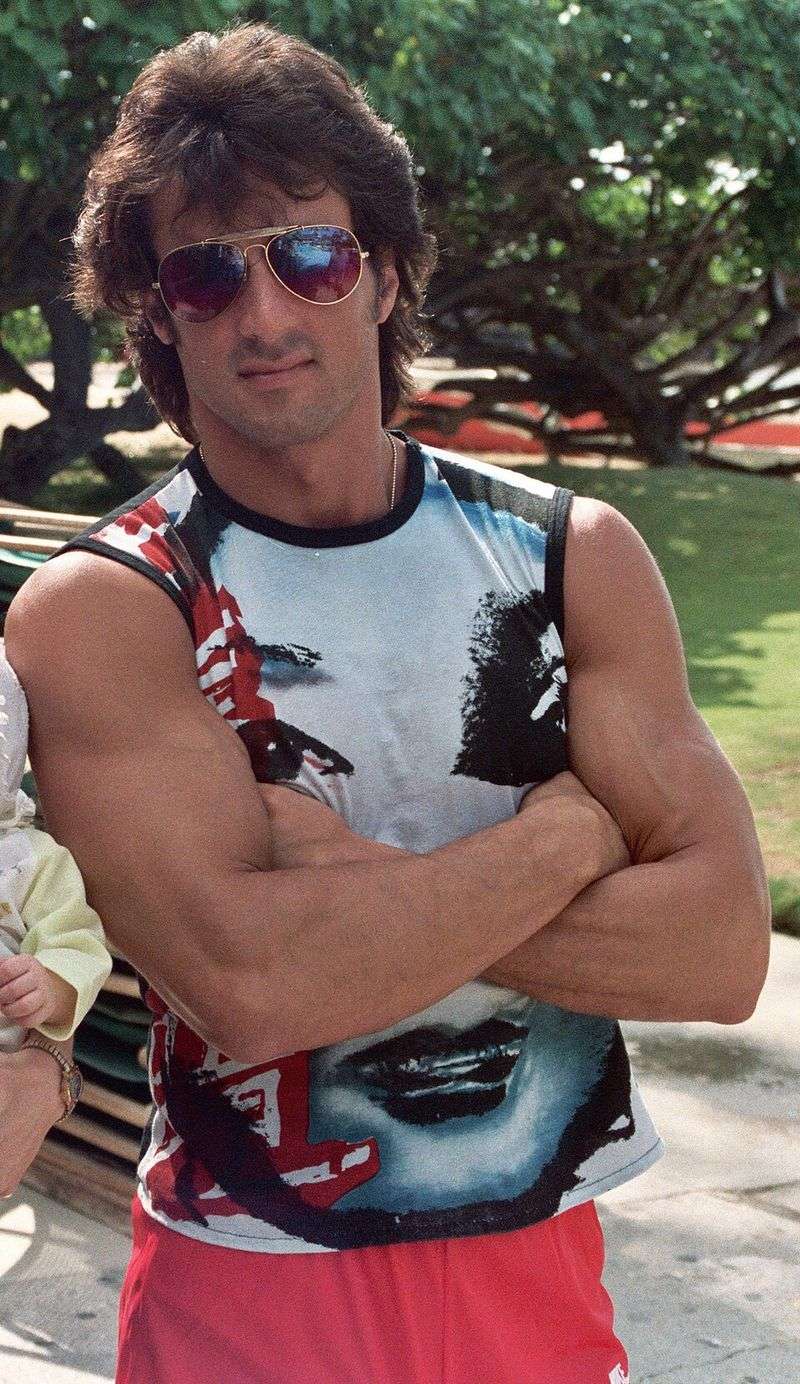
Sylvester Stallone wrote Rocky (1976) himself and then refused to sell the script unless he could star in it. Studios thought he was crazy.
He turned out to be completely right.
Rocky became one of the biggest films of the decade, winning the Academy Award for Best Picture and launching a franchise that’s still running today. Stallone’s Rocky Balboa was the perfect hero for a nation that felt beaten up and needed someone to root for.
The character was simple but deeply felt, and the film’s sincerity hit audiences right in the chest.
What often gets overlooked is how good Stallone’s actual performance is. He’s funny, vulnerable, and completely committed.
He also earned Academy Award nominations for both Best Actor and Best Original Screenplay, which is extraordinarily rare. Stallone in the 1970s wasn’t just a new star.
He was a new kind of star, one who proved that heart and hustle could still beat the Hollywood system.
Jodie Foster – The Child Actor Who Stole the Whole Movie
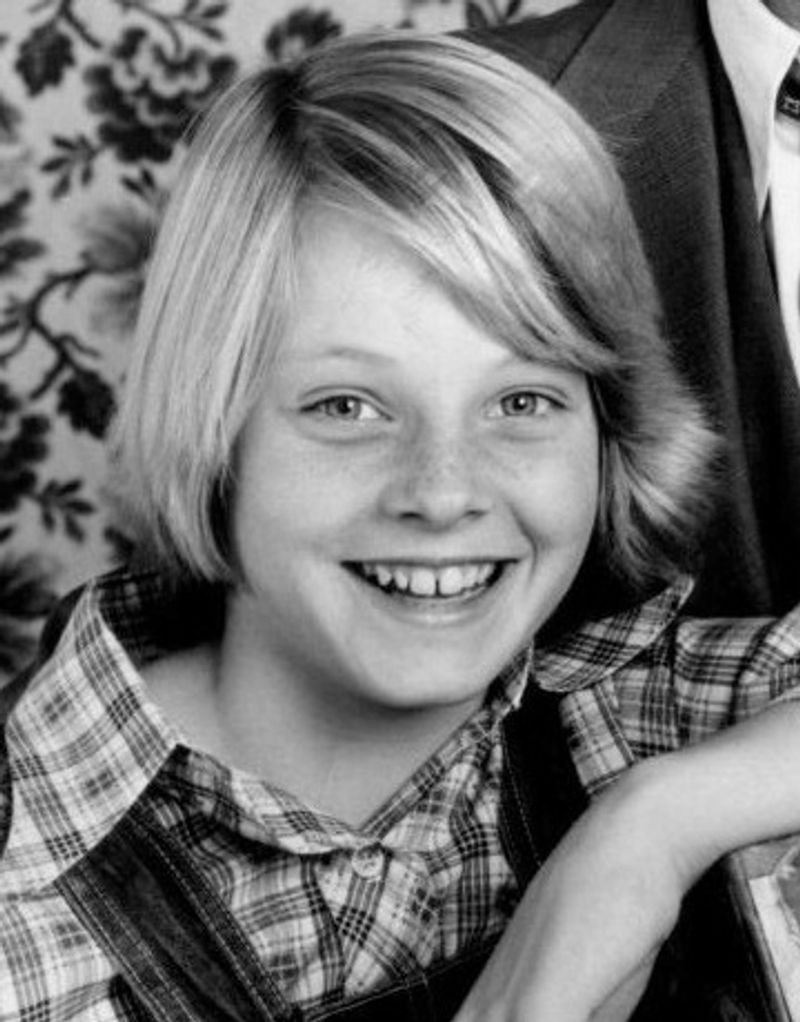
Most child actors are cute. Jodie Foster at 13 was genuinely alarming in the best possible way.
She walked into Taxi Driver (1976) and matched Robert De Niro scene for scene without blinking.
Her role as Iris, a young runaway caught in dangerous circumstances, required her to play far beyond her years. The fact that she pulled it off completely is one of the most impressive things in 1970s cinema.
She earned an Academy Award nomination for Best Supporting Actress, which announced to the industry that this was not a normal child actor.
Foster navigated the pressures of early fame with unusual intelligence and eventually went on to Yale University. But in the 1970s, she was already operating at a level most adult performers never reach.
Taxi Driver remains one of the defining films of its era, and Foster’s performance is a huge reason why it still carries so much weight and discomfort today.



