 Unearth The Voyage
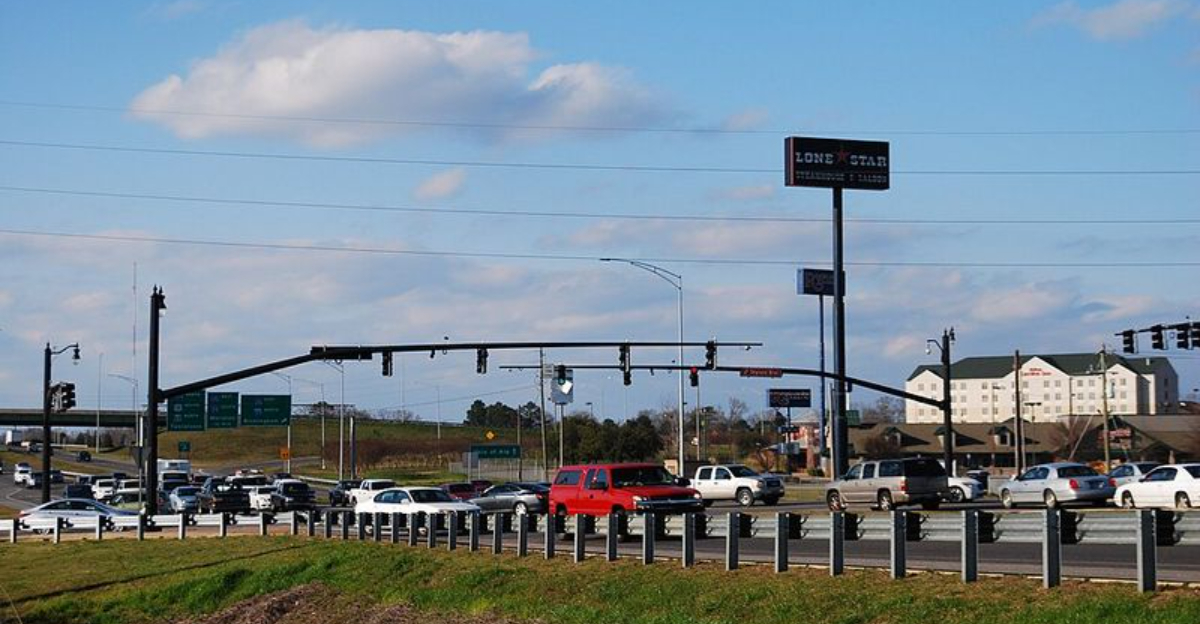
Living in the South is an experience unlike anywhere else in the United States. From the culture and food to the weather and wildlife, life down here has its own set of rules.
Whether you are thinking about moving South or just curious what the fuss is about, these honest truths will give you a real picture of what daily life actually looks like.
1. The Heat Is Relentless
Step outside in July and you will feel it within seconds. The Southern heat is not the dry, manageable kind you might find out West.
It is thick, heavy, and wraps around you like a warm, wet blanket that never comes off.
From May through September, temperatures regularly climb above 90 degrees Fahrenheit. The sun beats down hard, and shade barely makes a dent.
Even evenings stay warm long after the sun sets.
New residents are often caught off guard by just how long the heat season lasts. There is no quick cool-down in the fall.
Locals learn to plan outdoor activities for early morning or late evening, and they keep cold drinks on hand at all times. The South does not do mild summers.
2. Humidity Changes Everything

Humidity is the South’s uninvited houseguest that never leaves. Even on a cloudy day, stepping outside can feel like walking into a steam room.
Your clothes stick, your hair expands, and your glasses fog up the moment you leave an air-conditioned building.
Furniture, walls, and even books can warp or grow mold if a home is not properly ventilated. Leather goods, wood floors, and musical instruments all take a beating in high-humidity environments.
Locals quickly learn which products hold up and which ones fall apart.
On the bright side, that same moisture keeps skin from drying out the way it does in desert climates. Some people genuinely love the lush, green landscape that heavy rainfall and humidity create.
But make no mistake, adjusting to constant moisture in the air takes time and a whole lot of patience.
3. Bugs Are on Another Level
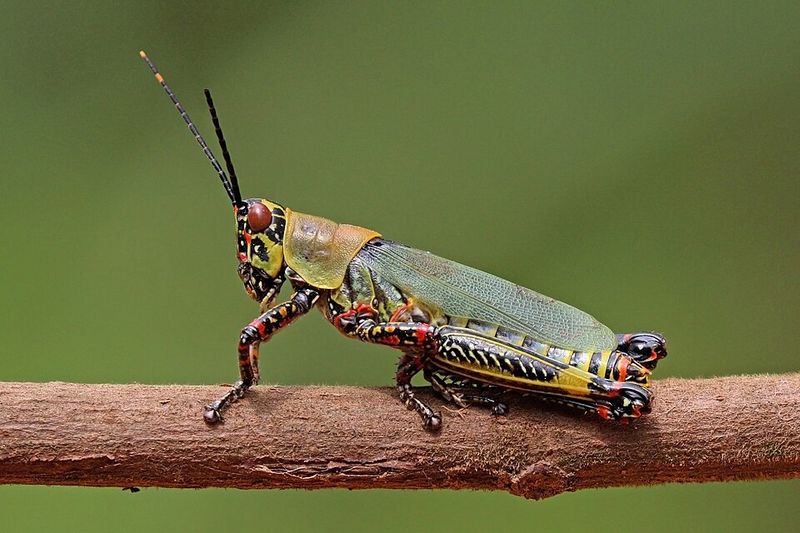
Nobody warns you quite enough about the bugs. The South is home to mosquitoes the size of small aircraft, cockroaches that can fly, fire ants that attack in organized swarms, and insects you may have never seen in your life before moving here.
Mosquitoes are especially aggressive during warm months, which, as mentioned, is most of the year. A short walk at dusk without bug spray can leave you covered in itchy bites.
Fire ant mounds pop up in lawns, parks, and playgrounds with little warning.
Pest control becomes a regular household expense rather than a rare emergency call. Screens on windows and doors are not optional.
Many locals keep bug spray by the front door the same way others keep an umbrella. Once you accept that bugs are simply part of Southern life, it becomes much easier to manage.
4. Air Conditioning Is Survival
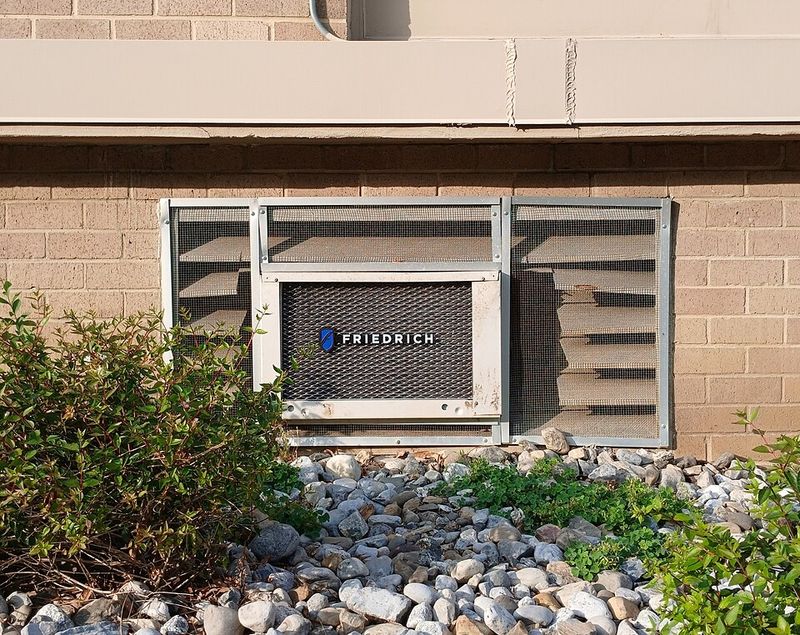
Air conditioning in the South is not a luxury. It is as essential as running water.
Homes, cars, grocery stores, and restaurants all blast cold air to make the heat bearable, and locals plan their days around staying cool.
Your electricity bill during summer months will likely be one of the biggest shocks of Southern living. Keeping a home at a comfortable temperature when it is 95 degrees outside with 80 percent humidity is expensive.
Many households spend several hundred dollars a month just on cooling costs.
Power outages during summer storms become genuine emergencies rather than minor inconveniences. Hotels fill up fast when neighborhoods lose power in July.
Locals often own backup fans, generators, or know which family members have electricity. Learning to manage your energy use and prepare for outages is a skill every Southerner eventually develops.
5. Storm Season Is Very Real
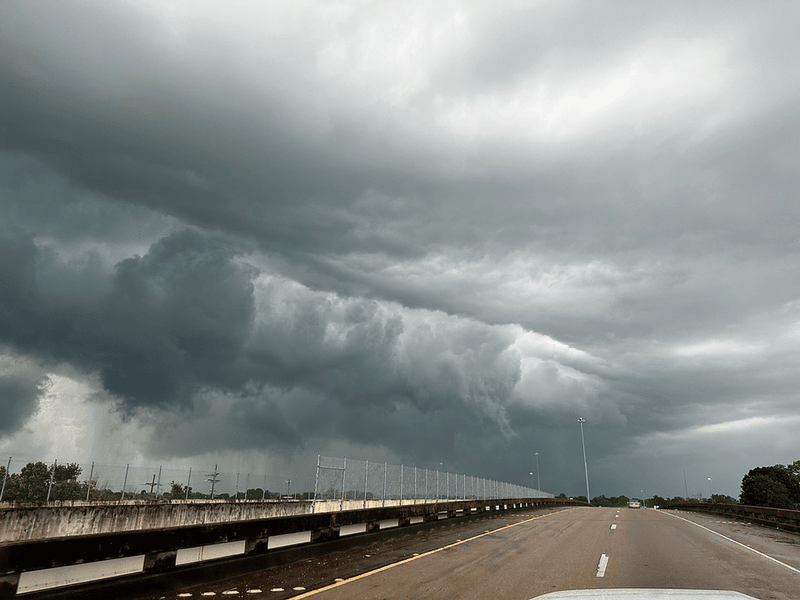
Thunderstorms in the South are not gentle spring showers. They arrive fast, hit hard, and can drop several inches of rain within an hour.
Flash flooding is common in low-lying areas, and roads can become impassable within minutes of a heavy downpour starting.
Coastal and Gulf states deal with hurricane season from June through November every single year. Evacuation routes, emergency kits, and storm shutters are part of life for millions of Southerners.
Inland areas are not completely safe either, as tornadoes and severe thunderstorms regularly push through the region.
Weather apps become essential tools, and locals develop a sharp sense for when the sky looks serious. Most veterans of Southern storms know to keep flashlights, bottled water, and non-perishable food stocked at home.
Respecting storm season is not paranoia down here. It is simply being prepared for what the region regularly delivers.
6. Things Move at a Slower Pace
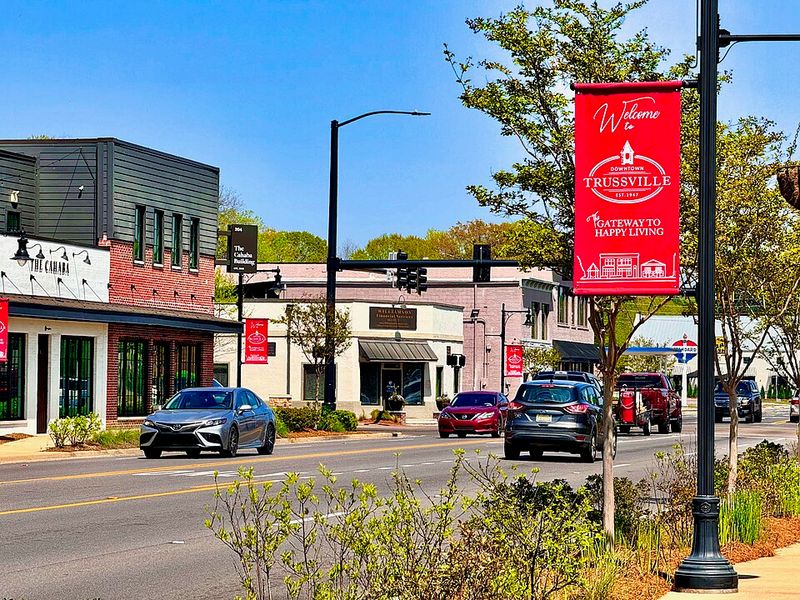
There is a rhythm to life in the South that runs at a noticeably different speed than cities like New York or Chicago. Conversations linger, service takes a little longer, and people rarely seem to be in a rush.
For newcomers from fast-paced urban areas, this can feel maddening at first.
Waiting in line at a local diner might turn into a twenty-minute chat with the cashier about her grandchildren. A quick errand can stretch into an hour if neighbors stop to talk.
Business meetings sometimes start late, and nobody seems particularly stressed about it.
Over time, many transplants come to appreciate this slower rhythm. Stress levels drop, relationships deepen, and life starts to feel less like a race.
The South teaches you that not everything needs to happen immediately, and that lesson, once learned, is surprisingly hard to give up.
7. Sweet Tea Is Basically Water

Order iced tea in the South and you are getting sweet tea unless you specifically ask otherwise. The sugar level might surprise you on your first sip.
It is not a light sweetness either. Southern sweet tea is rich, strong, and sugary in a way that feels like a dessert drink to newcomers.
Sweet tea shows up everywhere: diners, church potlucks, backyard barbecues, and family dinners. Some households brew it fresh daily.
Recipes vary by family, but the commitment to the drink is nearly universal across the region.
Beyond sweet tea, sugar finds its way into many Southern dishes that you would not expect. Cornbread, barbecue sauce, baked beans, and even some savory casseroles carry a sweetness that catches people off guard.
The South has a well-earned sweet tooth, and once you adjust to it, going back to unsweetened anything starts to feel oddly disappointing.
8. Driving Can Test Your Patience
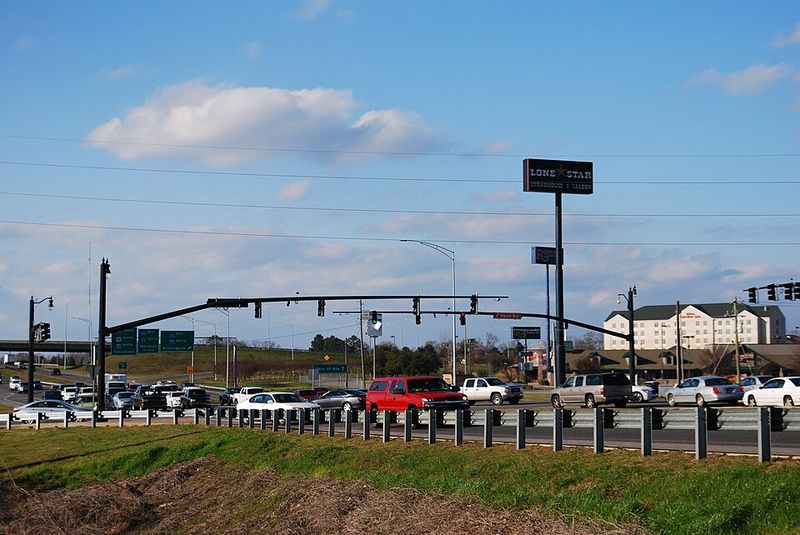
Driving in the South comes with its own unique set of challenges. In rural areas, roads are often two lanes with no passing zones for miles.
Tractors, farm equipment, and slow-moving trucks are common road companions on weekday mornings.
Traffic laws are followed loosely in some areas, and turn signals seem optional for a portion of the driving population. Four-way stops can turn into an awkward standoff where nobody wants to go first.
Speed limits on back roads are treated more as suggestions than rules.
Urban Southern cities like Atlanta, Houston, and Charlotte have their own issues, with some of the worst traffic congestion in the entire country. Commutes that look short on a map can take an hour or more.
Locals learn quickly to leave early, find alternate routes, and keep their patience well stocked for the daily drive.
9. You Will Sweat a Lot
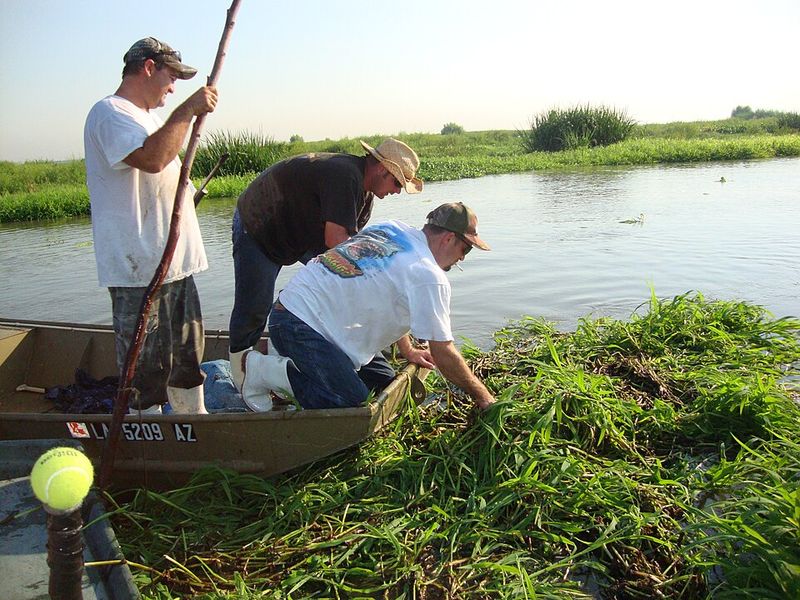
Sweating is just part of the Southern experience, and there is no polite way around it. Walk from your front door to your car and you may already need a change of shirt.
The combination of heat and humidity means your body works overtime to stay cool from the moment you step outside.
Outdoor workers, athletes, and anyone who spends time in the sun quickly learn the importance of hydration. Heat exhaustion is a real risk, especially for people new to the region who have not yet adjusted to the climate.
Locals often carry extra water and wear lightweight, breathable fabrics year-round.
Deodorant becomes a non-negotiable daily essential. Many Southerners keep a spare shirt in their car or bag during summer months.
First-time visitors are often startled by how quickly they start perspiring. Once you embrace it as normal rather than embarrassing, Southern summers become much more manageable.
10. Wildlife Is Everywhere
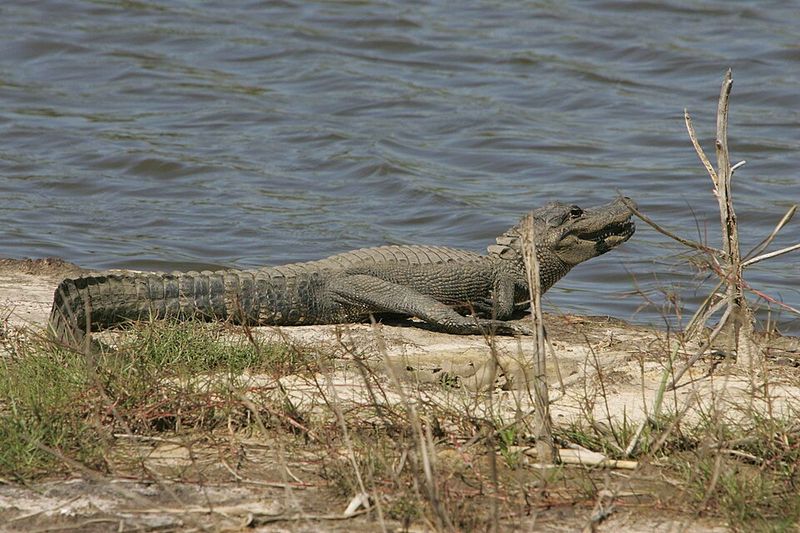
Depending on where in the South you settle, wildlife encounters will be a regular part of life. Florida residents share space with alligators in retention ponds and neighborhood lakes.
Louisiana has nutria, cottonmouth snakes, and snapping turtles in waterways. Even suburban yards in Georgia can host black snakes, opossums, and the occasional deer.
Copperhead and rattlesnake sightings are not rare in wooded or rural areas. Learning to identify venomous versus non-venomous snakes becomes a practical life skill rather than a fun trivia fact.
Wildlife control companies stay very busy throughout the region.
Most locals develop a calm, practical attitude toward animals that would send newcomers running. Keeping garage doors closed, checking shoes before putting them on, and watching where you step in tall grass become second nature over time.
The South is wild in the most literal sense, and respecting that wildness keeps you safer.
11. Southern Hospitality Has Its Limits
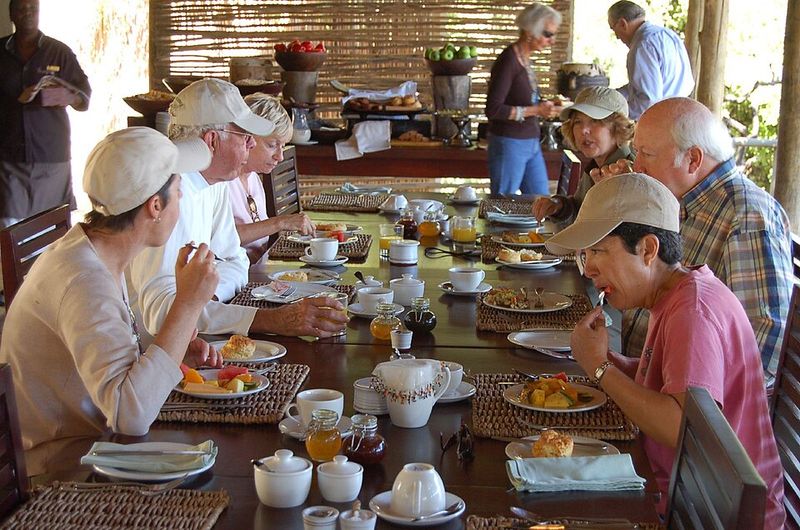
Southern hospitality is real, but it is not a guarantee for everyone. Newcomers, especially those from different cultural backgrounds or political viewpoints, sometimes find that the warmth shown to them has a surface quality to it.
The smile is genuine, but the invitation inside may never come.
Social circles in small Southern towns can be tight and deeply rooted in family history, church membership, and generational ties. Breaking into those circles as an outsider takes time, patience, and a willingness to show up consistently.
Friendliness and true friendship are two very different things.
That said, moments of genuine kindness are real and plentiful. Neighbors show up with food after a loss.
Strangers help push your car out of a ditch without being asked. The hospitality is not fake, it is just layered.
Understanding that complexity makes it much easier to build real connections over time.
12. You Might Fall in Love With It Anyway
For all its heat, bugs, and quirks, the South has a magnetic pull that is genuinely hard to explain until you have felt it yourself. There is a warmth to the culture, a richness to the food, and a beauty to the landscape that sneaks up on you when you least expect it.
Front porch culture, live music at local diners, Friday night football, and church potlucks create a sense of community that many people from larger cities deeply miss. Life feels rooted here in a way that is increasingly rare in modern American culture.
Many people who moved to the South expecting to stay a year or two end up building their entire lives there. The slower pace, the strong traditions, and the genuine connections people form make it a place that holds onto you.
Whatever its flaws, the South has a soul that is hard to walk away from.



