 Unearth The Voyage
Packing for a flight seems simple until you hit the security checkpoint and watch your favorite shampoo get tossed in the trash. Airport rules have gotten stricter over the years, and many travelers still make the same avoidable mistakes.
Knowing what not to bring can save you time, money, and a lot of frustration. Here is a straightforward breakdown of items you should leave at home before your next trip.
1. Liquids Over 100 ml (3.4 oz)

Every year, thousands of travelers watch helplessly as security agents toss perfectly good shampoo, conditioner, and lotion into the trash. The 3-1-1 rule has been around since 2006, yet it remains the number one cause of confiscated items at checkpoints worldwide.
Any liquid, gel, cream, or paste over 100 ml simply does not make it through.
That includes toothpaste, face wash, sunscreen, and even peanut butter, which the TSA classifies as a liquid. Your best move is to buy travel-size versions before your trip or transfer products into small reusable containers.
Many pharmacies and dollar stores sell affordable options.
Checked baggage gives you more flexibility for full-size bottles, as long as they are properly sealed. Planning ahead takes just a few minutes and completely eliminates this headache at the gate.
2. Full Water Bottles or Drinks
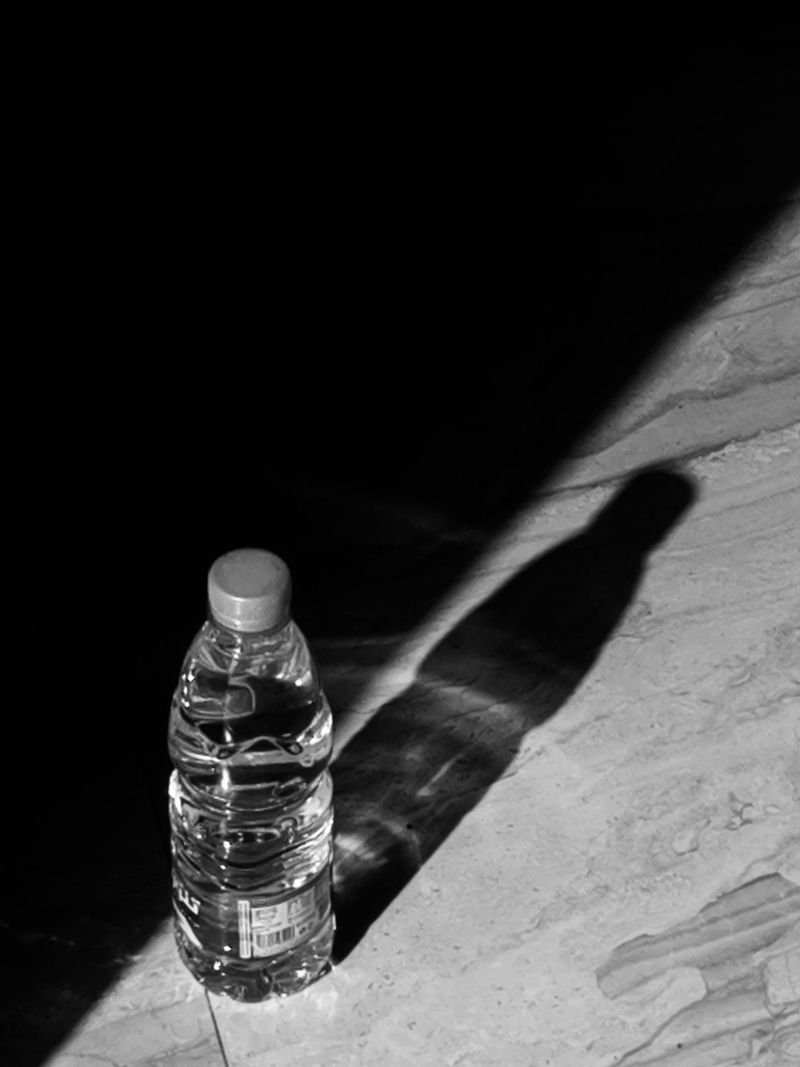
Bringing a full water bottle through airport security is one of those mistakes that feels unfair the first time it happens to you. Even if the bottle is factory sealed and completely untouched, anything above the 100 ml liquid limit will be confiscated at the checkpoint.
It does not matter how expensive the drink was or how thirsty you are feeling.
The good news is there is an easy workaround. Carry an empty reusable water bottle through security and fill it up at a water fountain or hydration station on the other side.
Most modern airports have free filling stations near the gates.
Buying water after security is always an option, though prices can sting. Packing a collapsible or lightweight bottle takes up almost no space and keeps you hydrated throughout your journey without spending a fortune on airport beverages.
3. Power Banks in Checked Luggage
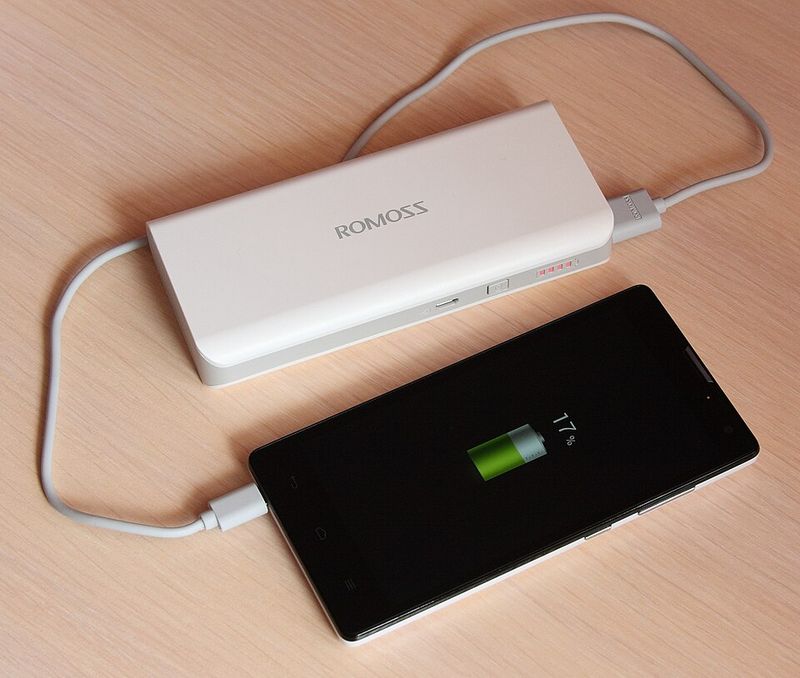
Here is something many travelers get wrong even after years of flying: power banks do not belong in checked baggage. Full stop.
Lithium-ion batteries can overheat, short-circuit, and in rare cases catch fire. When that happens inside the dark cargo hold of an aircraft, there is no crew member nearby to catch it early.
Aviation safety regulations require that all spare lithium batteries and power banks travel in your carry-on bag, where any issue can be spotted and handled quickly. Airlines including major carriers like Delta, United, and Emirates enforce this rule strictly.
Bags containing power banks in checked luggage may be pulled and delayed.
A good rule of thumb is to keep your power bank in your personal item or backpack. Most models under 100Wh are permitted in carry-on bags without prior approval, making this an easy adjustment before you pack.
4. Fireworks or Sparklers
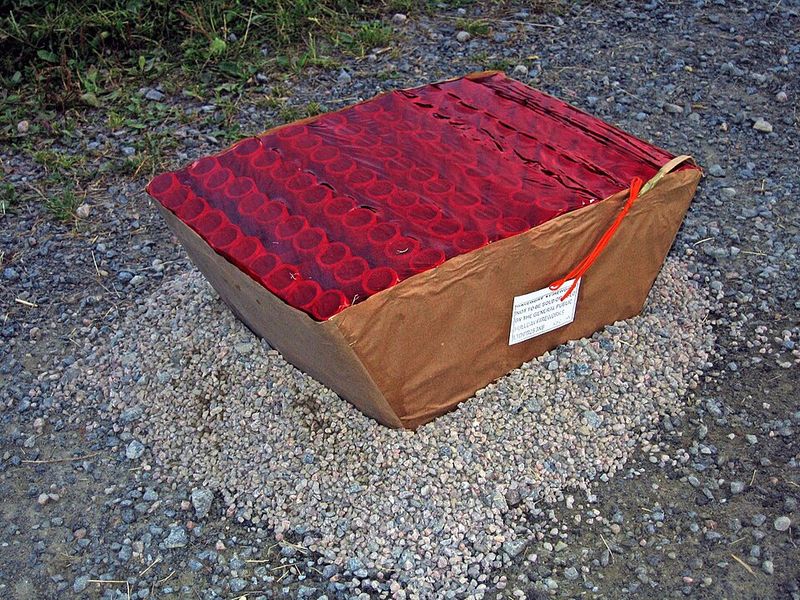
Fireworks might be a celebration staple on the ground, but they have absolutely no place on an airplane. Every type of pyrotechnic item, including sparklers, party poppers, signal flares, and consumer fireworks, is banned from both carry-on and checked baggage on commercial flights.
This is not a gray area.
The Federal Aviation Administration and international aviation bodies treat explosive and flammable items with zero tolerance. Even a single sparkler, which burns at around 1,800 degrees Fahrenheit, poses a catastrophic risk in an enclosed aircraft cabin or pressurized cargo hold.
Travelers who plan to celebrate at their destination should purchase fireworks locally after they arrive. Attempting to pack them can result in fines, confiscation, and even criminal charges depending on the country.
No party is worth that kind of trouble, especially when local options are usually easy to find.
5. Flammable Liquids Like Fuel or Lighter Fluid
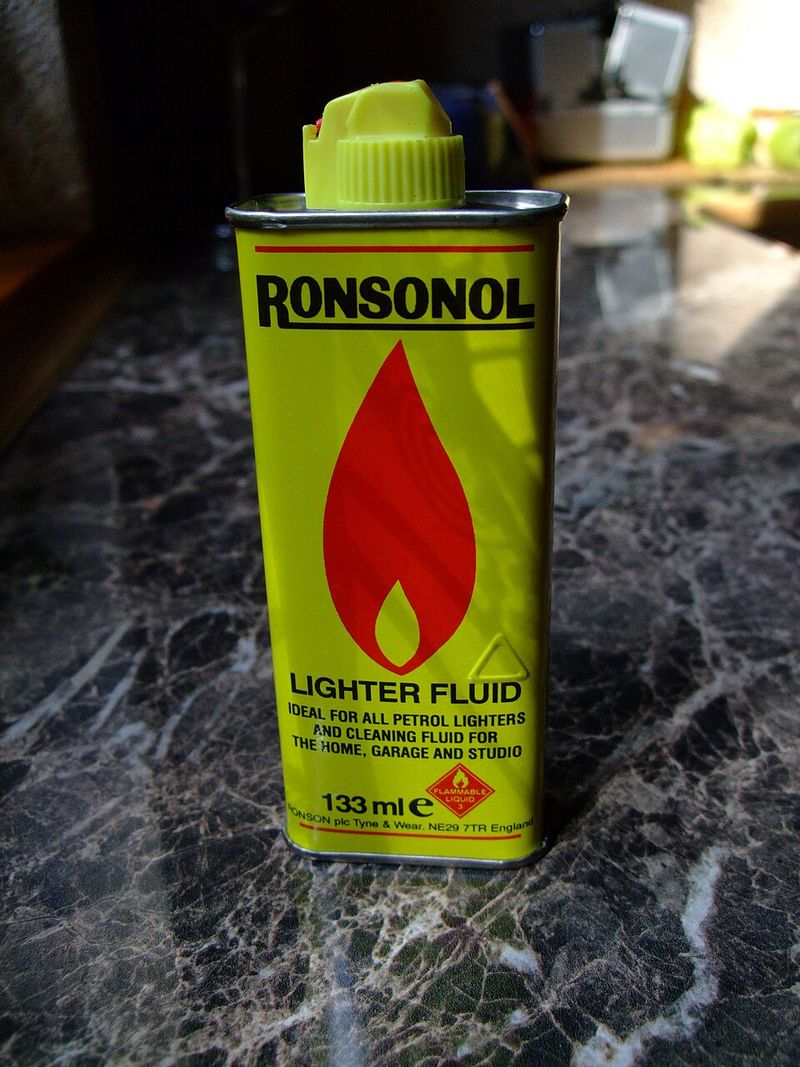
Camping enthusiasts and outdoor adventurers often make the mistake of packing fuel canisters, lighter fluid, or paint thinner in their luggage. These substances are classified as hazardous materials by aviation authorities and are strictly prohibited in both carry-on and checked bags.
The risk of leakage, ignition, or pressure buildup at altitude makes them genuinely dangerous.
The list of banned flammable liquids also includes gasoline, turpentine, acetone, and certain cleaning solvents. Even small amounts in supposedly sealed containers can cause serious problems during a flight.
Airlines and security agencies do not make exceptions for outdoor gear or professional equipment.
If you need fuel for a camping stove or similar gear at your destination, plan to buy it locally after you land. Hardware stores, outdoor retailers, and even some gas stations carry common fuel types.
Shipping supplies ahead of time through a ground carrier is another practical alternative worth considering.
6. Knives and Sharp Objects in Carry-On Bags

Pocket knives, hunting knives, box cutters, large scissors, and similar sharp tools are not allowed in carry-on luggage, period. This rule has been firmly in place since the security overhauls that followed the September 11 attacks, and it applies at virtually every commercial airport around the world.
Forgetting to move a pocket knife from your everyday bag into checked luggage is one of the most common mistakes frequent travelers make.
Small scissors with blades shorter than four inches are generally permitted in carry-ons, but anything longer must be packed in checked baggage. Sporting equipment like fencing foils, spear guns, and martial arts weapons also fall under strict restrictions.
Before your trip, go through your everyday bag carefully. It is surprisingly easy to overlook a Swiss Army knife or a small utility blade tucked in a side pocket.
A few minutes of checking saves a lot of time at the checkpoint.
7. Replica Weapons or Fake Guns
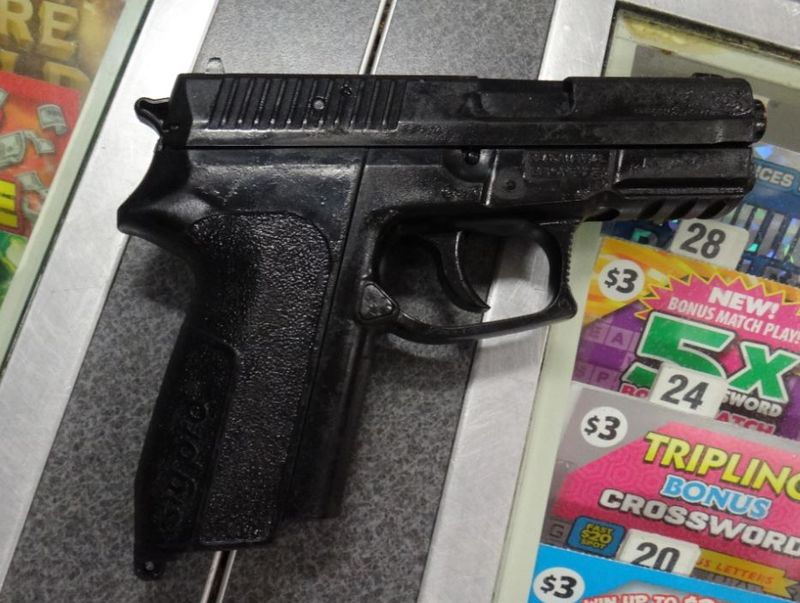
Toy guns, fake bombs, prop grenades, and anything that looks like a real weapon can cause serious problems at airport security, even when the intent is completely innocent. Security scanners are designed to detect shapes and materials, not intentions.
A realistic-looking replica can trigger alarms, halt entire security lanes, and result in law enforcement involvement within minutes.
This rule catches costume collectors, film prop handlers, and parents traveling with toy gifts off guard every year. Even a clearly labeled toy pistol in packaging can be flagged if it scans as suspicious.
The TSA and international equivalents take replica weapons extremely seriously regardless of context.
If you need to travel with props or realistic-looking toys, always check airline-specific policies and declare the items at check-in. Packing them deep in checked luggage with clear documentation is the safest approach.
When in doubt, ship them separately or leave them behind entirely.
8. Self-Defense Sprays Like Pepper Spray or Bear Spray
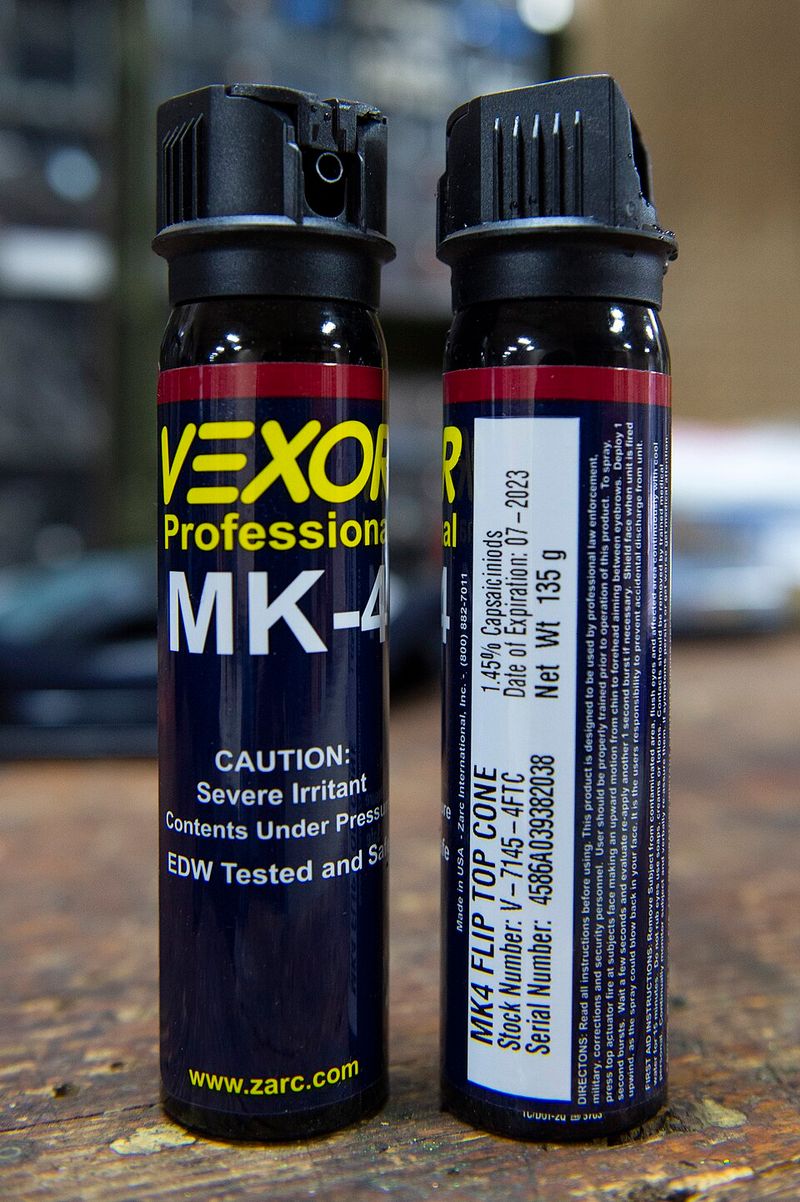
Pepper spray, bear spray, mace, and similar self-defense aerosols are among the most restricted items in air travel. Carrying them in a carry-on bag is banned outright because they pose a direct threat in an enclosed cabin.
Even accidental discharge at altitude could cause panic and serious harm to passengers and crew.
Bear spray is an especially common issue for hikers and campers heading into wilderness destinations. Unlike standard pepper spray, bear spray canisters are large and highly pressurized, making them prohibited in both carry-on and checked baggage on most airlines.
A few carriers allow small amounts of pepper spray in checked luggage under very specific conditions, but regulations vary widely by airline and country.
Travelers who rely on self-defense products should research local laws at their destination and plan to purchase what they need after arriving. Mailing items ahead through ground shipping is another option that avoids airport complications entirely.
9. Pressurized Containers Like Propane Tanks or Spray Paint
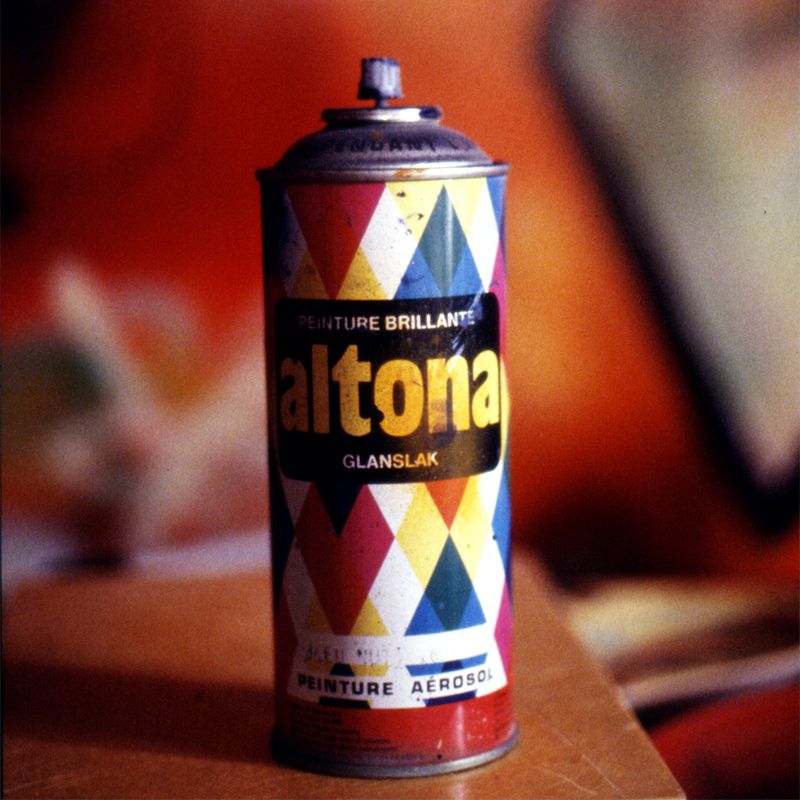
Pressurized containers are a category that surprises a lot of travelers, especially those who enjoy camping or DIY projects. Propane tanks, butane canisters, CO2 cartridges, and spray paint are all classified as hazardous materials under aviation safety rules.
The pressure inside these containers can change dramatically at altitude, creating a genuine explosion risk.
Even empty propane canisters are often rejected because residual gas can remain inside. CO2 cartridges used in soda makers, paintball guns, or bike tire inflators fall under the same restrictions.
Aerosol spray paint is banned regardless of the size of the can.
Certain personal care aerosols like hairspray and deodorant are allowed in limited quantities in carry-on bags, but they must comply with the standard liquid rules. For everything else in this category, check the specific guidelines from your airline and the TSA or equivalent authority before you even start packing.
10. High-Proof Alcohol Over 70 Percent
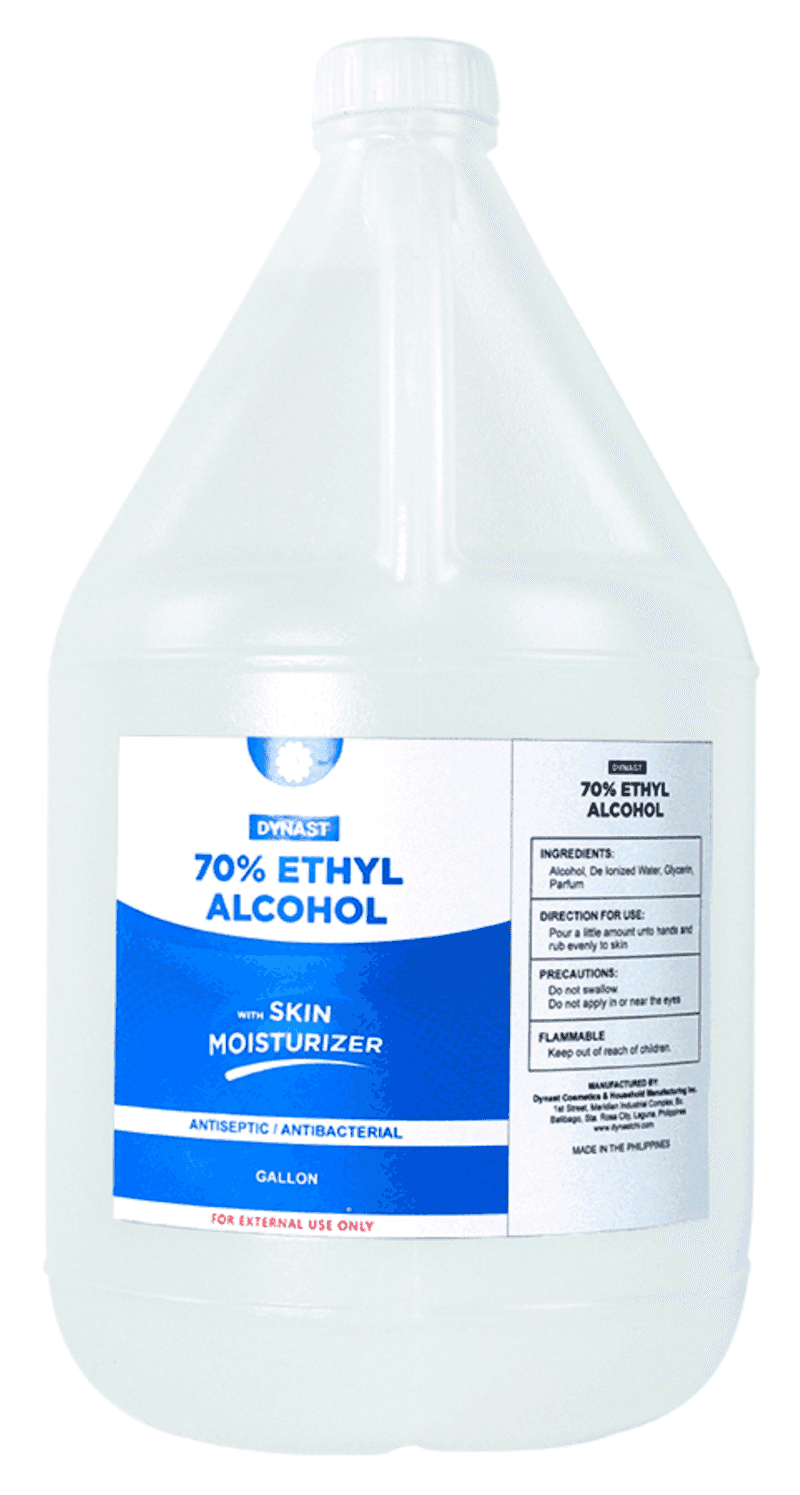
Most people know you can pack a bottle of wine or a six-pack in checked luggage, but high-proof spirits are a different story. Alcohol with more than 70 percent ABV, which equals 140 proof, is completely banned from both carry-on and checked baggage on commercial flights.
This includes products like Everclear grain alcohol and certain overproof rums that exceed the threshold.
The reasoning is straightforward: extremely high-proof alcohol is essentially flammable liquid, and aviation safety authorities treat it accordingly. Spirits between 24 and 70 percent ABV are allowed in checked baggage in quantities up to five liters per person, as long as they are in retail packaging.
If you want to bring back a unique spirit as a souvenir, check the label carefully before packing. Anything at or below 140 proof in a sealed bottle is generally fine for checked luggage within the allowed quantity limits.
11. Smart Luggage With Non-Removable Batteries
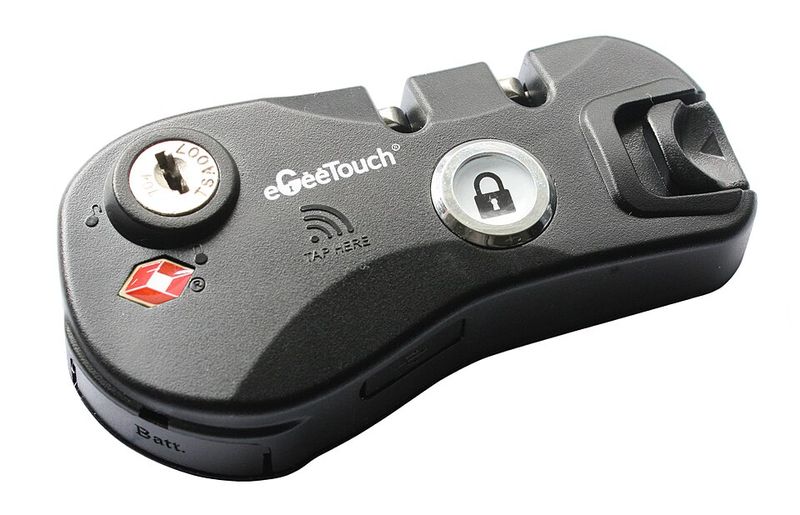
Smart luggage seemed like the future of travel when it first appeared, loaded with GPS tracking, USB charging ports, and digital locks. The problem is that most of these features are powered by built-in lithium batteries, and airlines have become increasingly strict about where those batteries can travel.
Since around 2018, most major carriers have banned smart luggage with non-removable batteries from both cabins and cargo holds.
The concern is the same as with power banks: lithium batteries can overheat and cause fires. When the battery is permanently sealed inside the suitcase frame, there is no way to remove it if a problem develops mid-flight.
If you own smart luggage, check whether the battery is removable before your next trip. Many newer models are designed with this in mind.
If the battery cannot come out, consider using a different bag or contacting your airline to confirm their specific policy before arriving at the airport.
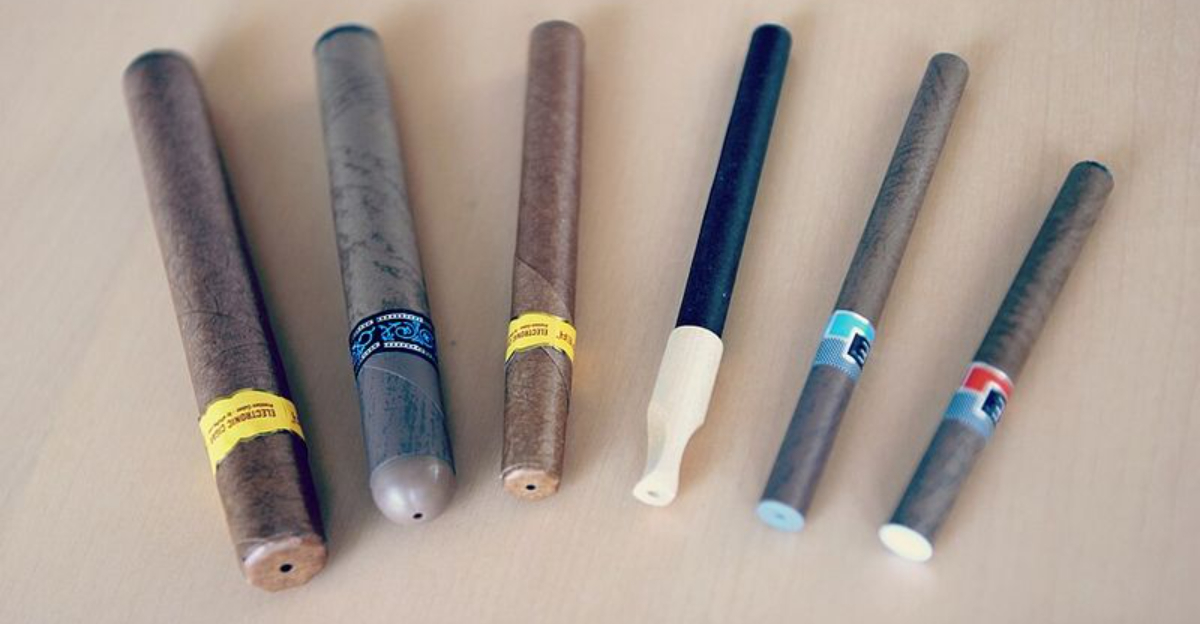
12. E-Cigarettes or Vapes in Checked Baggage
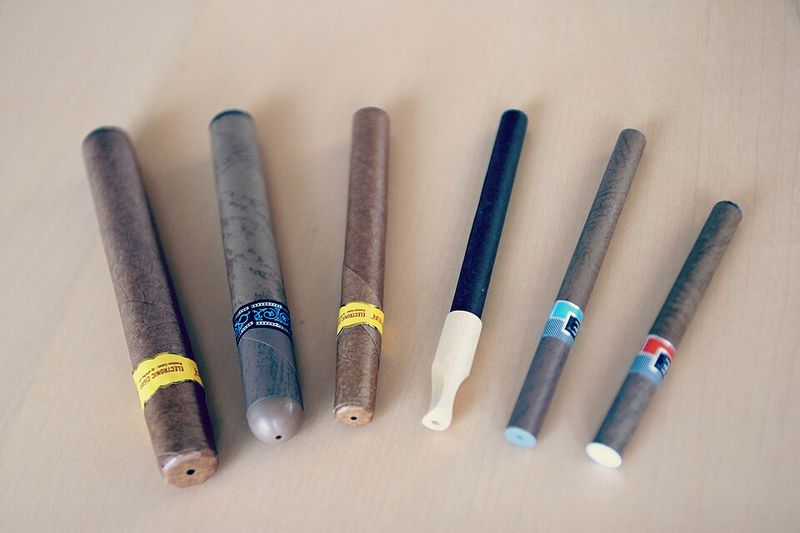
Vapes and e-cigarettes have become incredibly common travel companions, but a huge number of users still pack them in the wrong bag. These devices must always travel in your carry-on luggage, never in checked baggage.
The lithium batteries inside them carry the same fire risk as power banks, and a battery fire in the cargo hold is far more dangerous than one in the cabin where it can be addressed immediately.
Beyond battery concerns, using or charging a vape on board is completely prohibited. Most countries also have strict rules about importing vaping products, so it is worth researching your destination before you fly.
Spare pods, e-liquid, and cartridges must follow the standard liquid rules if carried in your carry-on. Checked bags can hold sealed e-liquid bottles in reasonable quantities, but the device itself and its battery must stay with you in the cabin at all times during the flight.



