 Unearth The Voyage
California has some of the best Japanese food outside of Japan, and certain restaurants prove it every single day. From sunrise to sunset, these spots are packed with hungry diners who know exactly what they want: authentic flavors, incredible craftsmanship, and experiences worth waiting for. Whether you crave handmade noodles, delicate sushi, or multi-course kaiseki meals, these restaurants have earned their loyal crowds and never-ending lines.
1. n/naka (Los Angeles – Palms/Culver City area)
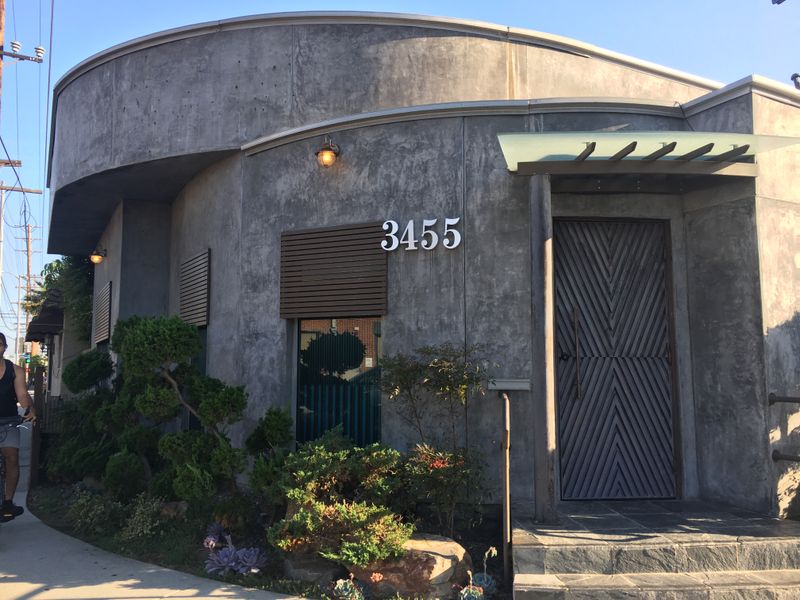
Chef Niki Nakayama has created something truly special here. Her modern kaiseki restaurant blends traditional Japanese techniques with California ingredients, resulting in a dining experience that feels both timeless and innovative. Every dish tells a story, carefully composed to reflect the seasons.
Getting a table is notoriously challenging. Michelin has noted that securing a reservation is no easy task, and loyal fans know to plan weeks in advance. The intimate setting means limited seating, which only adds to the exclusivity.
Despite the difficulty, diners keep coming back. The 13-course tasting menu changes regularly, ensuring repeat guests always discover something new. Each visit feels like a personal invitation into Chef Nakayama’s creative world, where food becomes art and every bite matters.
2. Tsujita LA Artisan Noodle (Los Angeles – Sawtelle)
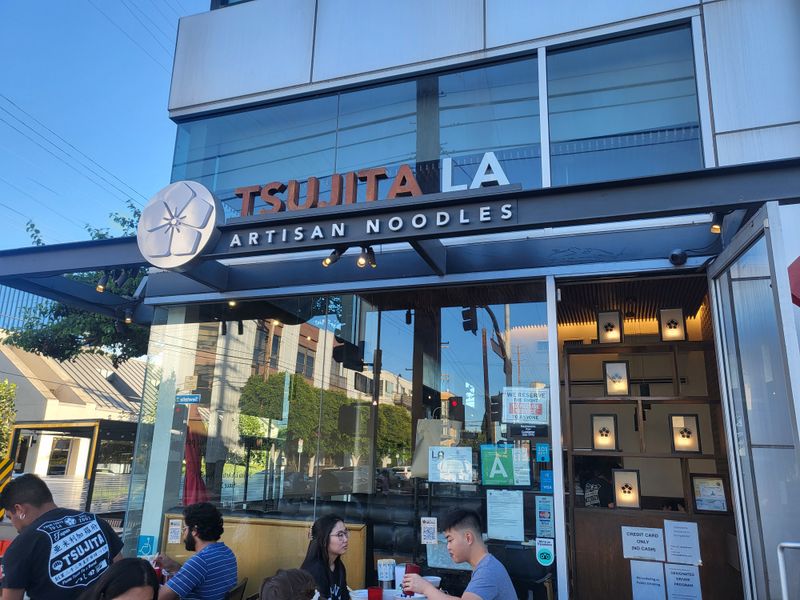
This Tokyo import brought tsukemen to Los Angeles and created an instant cult following. Unlike traditional ramen, tsukemen features noodles served separately from a rich, concentrated dipping broth. The result is an intensely flavorful experience that keeps people lining up daily.
Timing your visit matters here. Reviews are blunt about it: if you are not waiting at the door at 11 a.m., expect a long wait. The lunch rush can stretch well into the afternoon, and dinner brings its own wave of devoted fans.
The noodles are made fresh daily, thick and chewy with just the right texture. Dipping them into the pork-based broth creates an explosion of umami that justifies every minute spent waiting. First-timers often become regulars after just one bowl.
3. Daikokuya (Los Angeles – Little Tokyo)
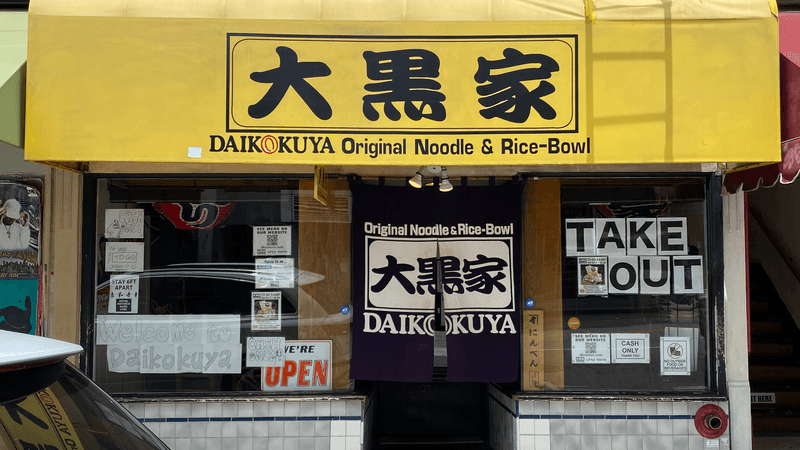
Walking through Little Tokyo, you will likely spot the line before you see the sign. Daikokuya has become a pilgrimage site for ramen lovers, drawing crowds who gladly wait for their signature tonkotsu broth. The restaurant has expanded around the city, but the original location remains the busiest.
What makes it so special? The broth simmers for hours, developing a creamy richness that coats every noodle. Toppings are simple but perfectly executed: tender pork belly, soft-boiled eggs, and green onions that add just enough freshness.
Even with multiple locations now open, lines can get long at peak times. The atmosphere feels authentic and unpretentious, like stepping into a neighborhood spot in Osaka. Regulars have their favorite seats and usual orders, but newcomers always feel welcome in the bustling, friendly space.
4. Marugame Monzo (Los Angeles – Little Tokyo)
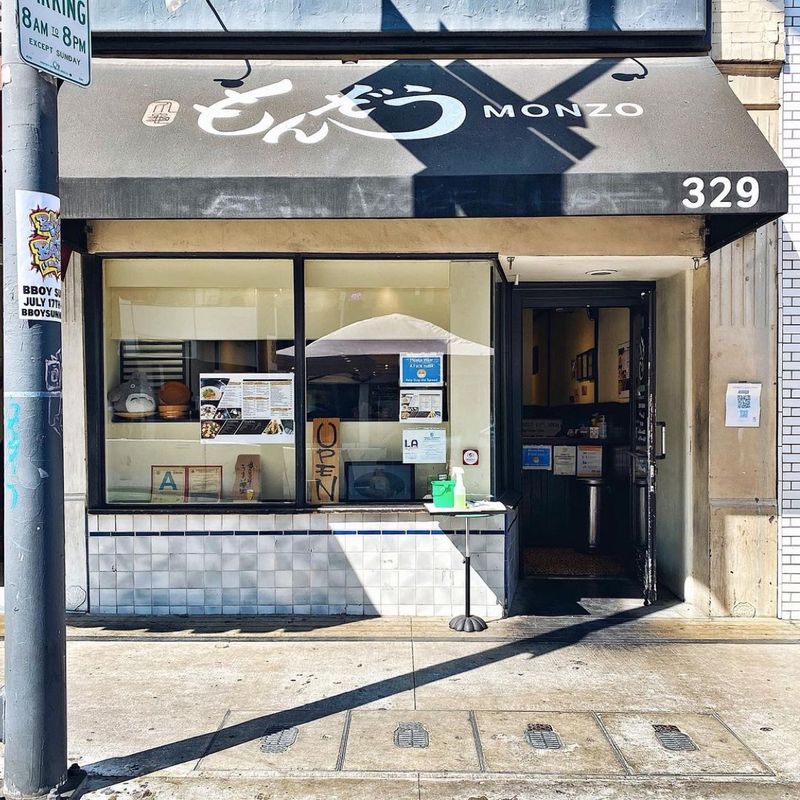
Few things are more satisfying than watching udon being made right before your eyes. Marugame Monzo specializes in handmade noodles, and the open kitchen lets you see the entire process. Dough is kneaded, rolled, and cut with practiced precision, creating thick, bouncy noodles that have serious chew.
The Infatuation notes that lines wrap outside on any given day, and Eater highlights its long-running popularity. This is not a quick-service spot despite the casual vibe. People wait because they know the difference fresh noodles make, and shortcuts simply do not exist here.
Menu options range from hot broths to cold dipping styles, each showcasing the noodles in different ways. Tempura sides are crispy and light, perfect for adding texture. The combination of quality, authenticity, and reasonable prices keeps this Little Tokyo gem constantly busy throughout the week.
5. KazuNori: The Original Hand Roll Bar (Los Angeles – multiple locations)
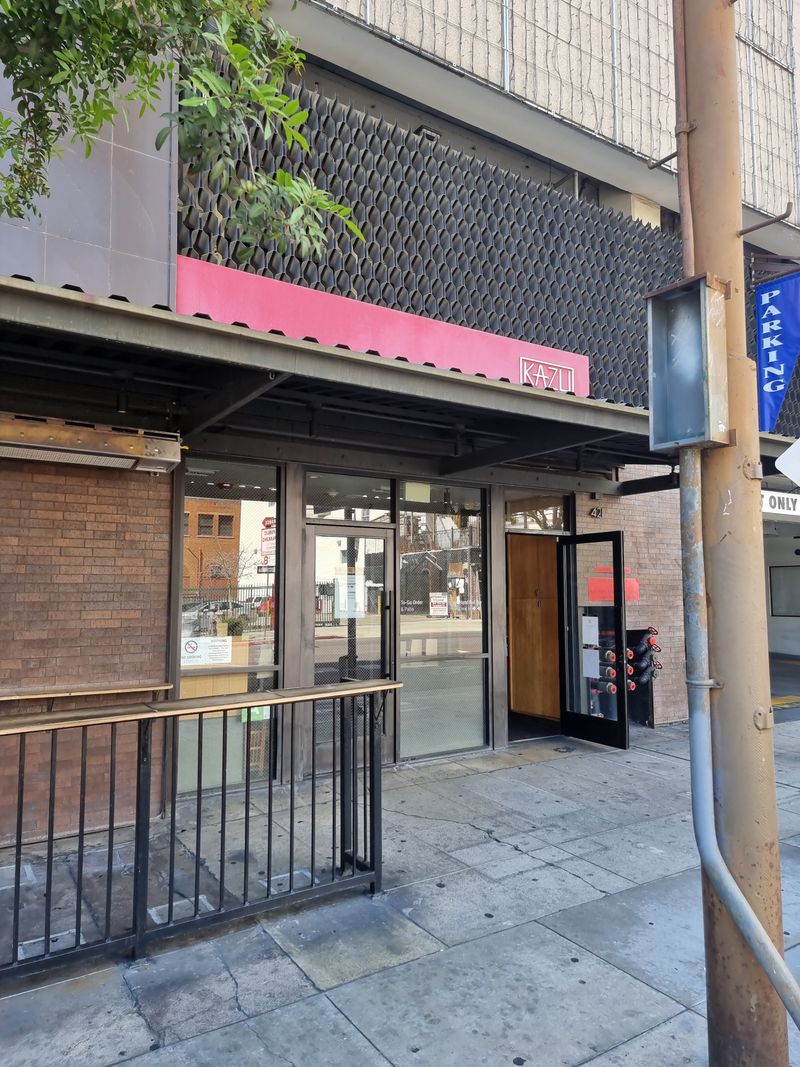
Hand rolls are meant to be eaten immediately, while the nori is still crispy. KazuNori built an entire concept around this simple truth, creating a fast-paced, no-reservation experience that keeps tables turning all day long. The setup is brilliantly efficient: order your selection, watch chefs assemble each roll, and enjoy them one by one.
First-come, first-served means lines form quickly, especially during lunch and dinner rushes. The self-regulating line system keeps things moving, but popular times still require patience. Multiple locations across Los Angeles make it slightly easier to find a spot, though all of them stay consistently busy.
Each hand roll features high-quality fish wrapped in warm rice and crisp seaweed. The menu is focused rather than overwhelming, letting the ingredients shine. The experience feels both casual and special, perfect for a quick meal that does not sacrifice quality.
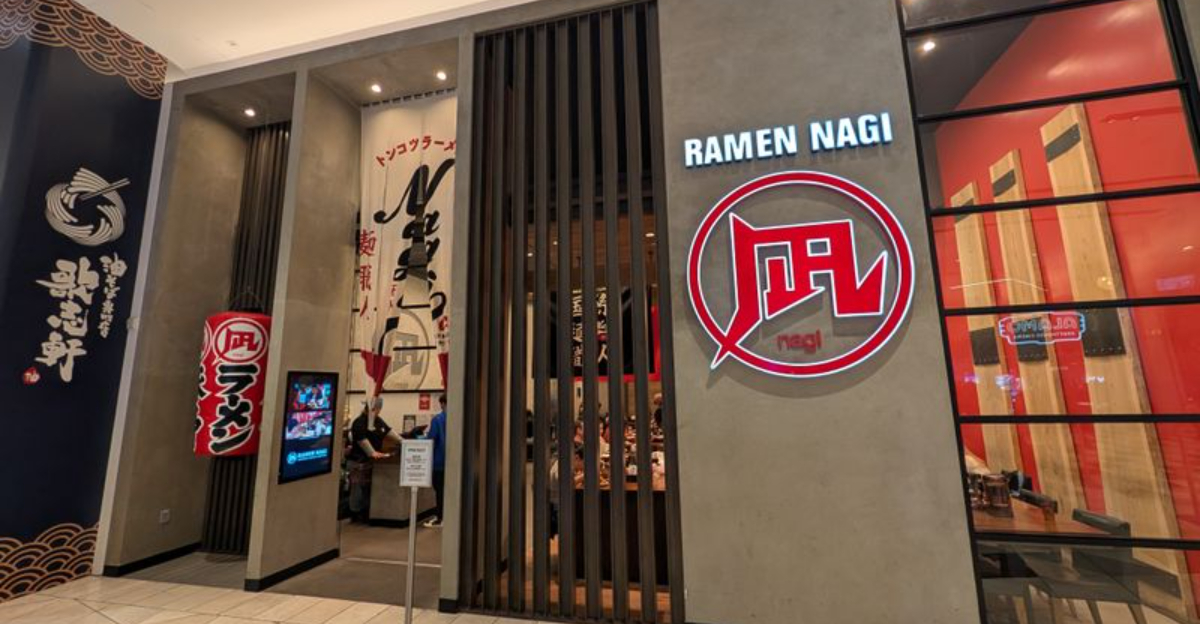
6. Ramen Nagi (Palo Alto – Valley Fair & elsewhere)
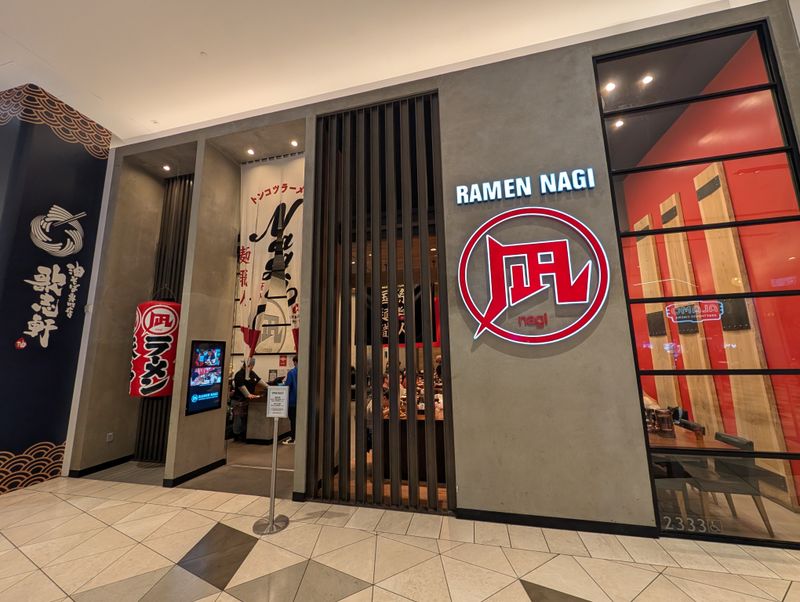
Customization is the name of the game here. Ramen Nagi lets diners control almost every aspect of their bowl, from broth richness to noodle firmness to spice level. This interactive approach has created a devoted following, especially at the Palo Alto location near Valley Fair.
The Infatuation calls out the reality plainly: hour-long waits every night of the week. This is not an exaggeration during peak dining times. The restaurant operates with posted hours, so you can plan your visit, but be prepared to wait regardless of when you arrive.
What keeps people coming back despite the lines? The quality is consistently excellent, and the ability to personalize each bowl means every visit can be different. First-timers often feel overwhelmed by the options, but the staff happily guides newcomers through the process, ensuring everyone leaves satisfied.
7. Marufuku Ramen (San Francisco – Japantown)
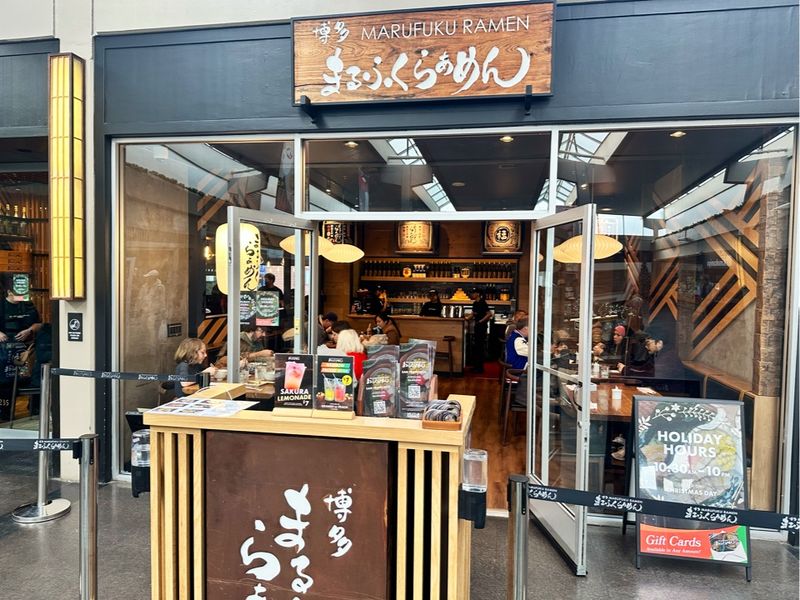
Hakata-style ramen from Kyushu has found a passionate audience in San Francisco. Marufuku specializes in this regional style, featuring ultra-rich tonkotsu broth that is simmered until it turns milky white. The noodles are thin and straight, designed to soak up maximum flavor with every slurp.
The Infatuation says it attracts hordes nightly, and notes you might be waiting about an hour at peak times. The restaurant is officially listed as open daily, making it a reliable option for ramen cravings any day of the week. Japantown provides the perfect backdrop for this authentic experience.
Beyond the signature tonkotsu, seasonal specials and appetizers round out the menu. The atmosphere is lively and communal, with counter seating that encourages interaction. Regulars know to arrive early or late to avoid the longest waits, but the consistent quality makes any wait worthwhile.
8. Sushi Yoshizumi (San Mateo)
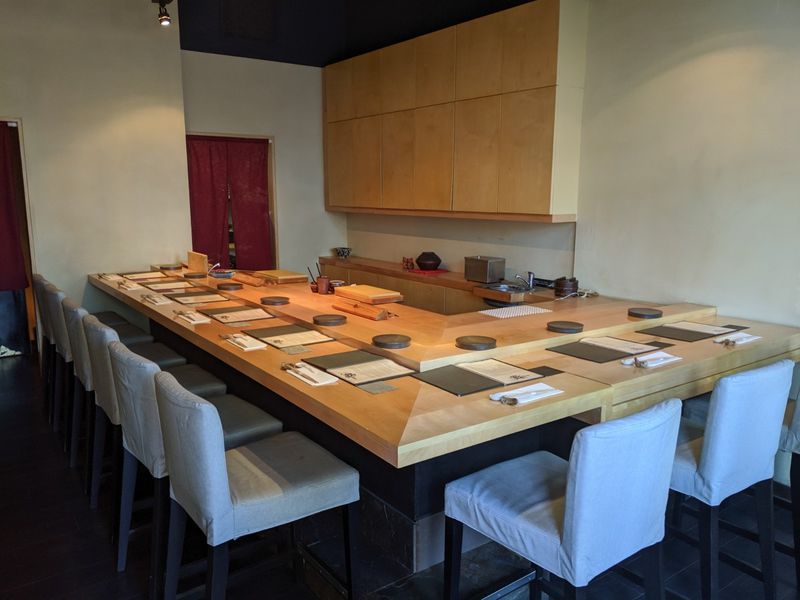
Only eight seats surround the counter where Chef Akira Yoshizumi works his magic. This tiny setup creates an incredibly intimate experience, where every guest receives personal attention and can watch each piece of nigiri being crafted. The omakase format means surrendering control and trusting the chef’s vision completely.
Michelin says reservations may be hard to secure, which is an understatement given the limited capacity. The ultra-exclusive nature means planning far ahead is essential. Once you are seated, however, the experience unfolds like a private performance, with each course timed perfectly.
Chef Yoshizumi sources exceptional fish and treats it with respect and precision. Rice temperature, wasabi strength, and soy sauce application are all carefully considered. Conversation flows naturally at the counter, creating connections between chef and diners. This is sushi as it was meant to be experienced: personal, thoughtful, and absolutely unforgettable.
9. Omakase (San Francisco – SoMa)
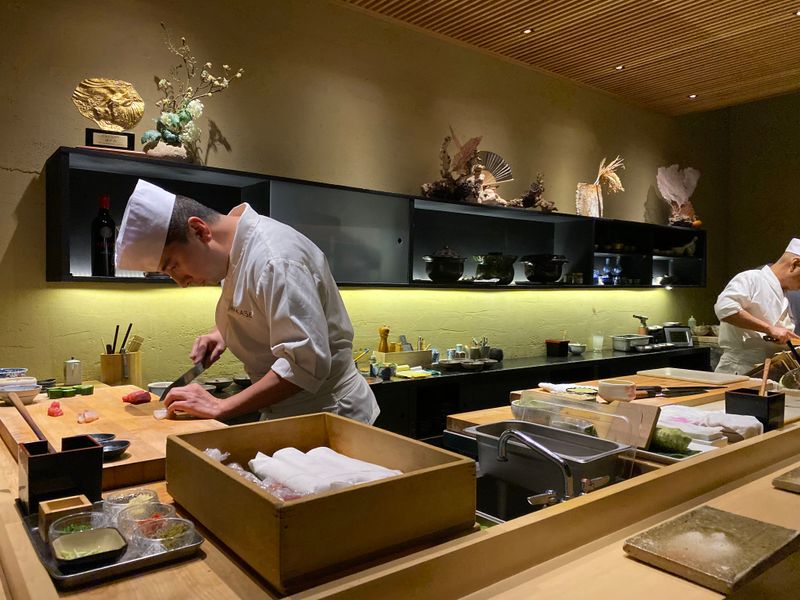
The name says it all: this is a place where the chef decides your meal. Located in San Francisco’s SoMa neighborhood, Omakase has built a reputation for exceptional sushi served in a refined setting. Michelin describes it as a destination where reservations are required, signaling this is definitely not a walk-in-and-chill kind of place.
The requirement for reservations speaks to consistent demand. Diners who appreciate traditional Edomae-style sushi appreciate the careful sourcing and preparation that goes into every piece. The fish selection changes with seasons and availability, ensuring freshness and variety throughout the year.
Service is attentive without being overbearing, striking the right balance for an upscale experience. The atmosphere feels special but not stuffy, welcoming serious sushi enthusiasts and curious newcomers alike. Each course builds on the last, creating a progression that highlights different flavors, textures, and techniques throughout the meal.
10. Jū-Ni (San Francisco – near Divisadero)
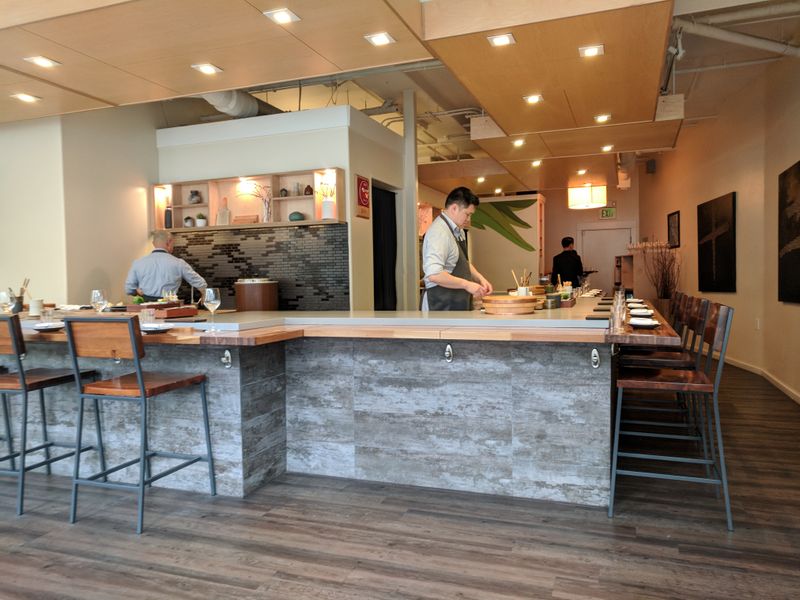
Twelve seats. That is all you will find at this omakase-only destination near Divisadero. The name itself means twelve in Japanese, reflecting the intimate scale and exclusive nature of the experience. Michelin notes the high-demand setup, where every seat matters and every reservation is precious.
Their reservation policy underscores the pressure: reservations are final with no refunds or changes. This strict approach might seem harsh, but it protects the restaurant from no-shows and ensures committed diners fill every seat. The limited capacity means each service can maintain exacting standards.
Chef Geoffrey Lee brings serious credentials and creativity to the counter. His approach balances tradition with personal touches, resulting in omakase that feels both respectful and innovative. Ingredients are sourced meticulously, and presentation is elegant without being fussy. The entire experience lasts about two hours, offering enough time to savor each course and appreciate the craftsmanship involved.
11. Sushi Tadokoro (San Diego)
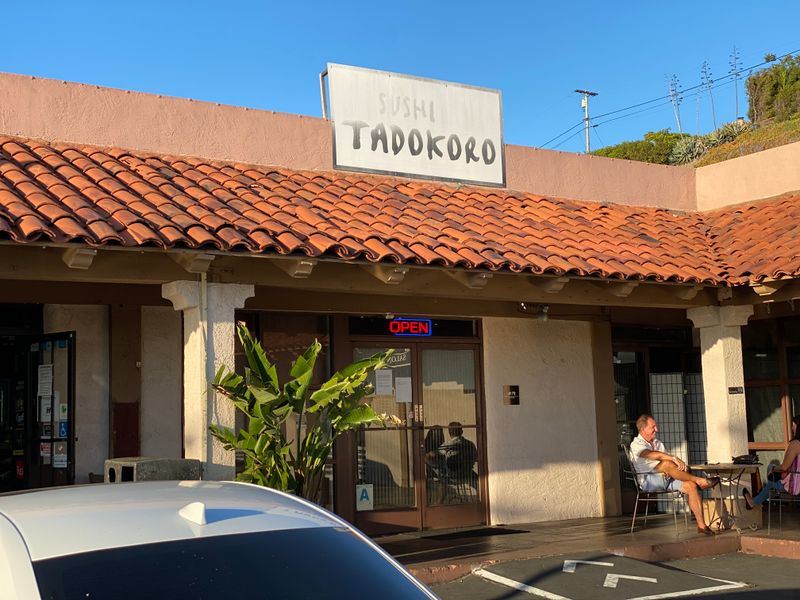
San Diego’s sushi scene has grown remarkably sophisticated, and Sushi Tadokoro stands at the forefront. This sushi counter operates with serious demand, using a formal reservation system through Tock that requires deposits. Such measures are necessary given the limited seating and consistently high interest from diners throughout the region.
The restaurant is actively operating with published hours on its official website, making it accessible for those who plan ahead. Chef Tadokoro brings extensive training and a commitment to traditional techniques, visible in every slice and every carefully formed piece of nigiri.
Fish quality is exceptional, with many items flown in directly from Japan’s famous Toyosu Market. The omakase progression showcases seasonal highlights and chef specialties, often including rare cuts and preparations. Sake pairings complement the meal beautifully, enhancing flavors without overpowering the delicate fish. The intimate counter setting allows for interaction and education, as the chef explains each course with genuine enthusiasm.
12. Menya Ultra (San Diego – Kearny Mesa)
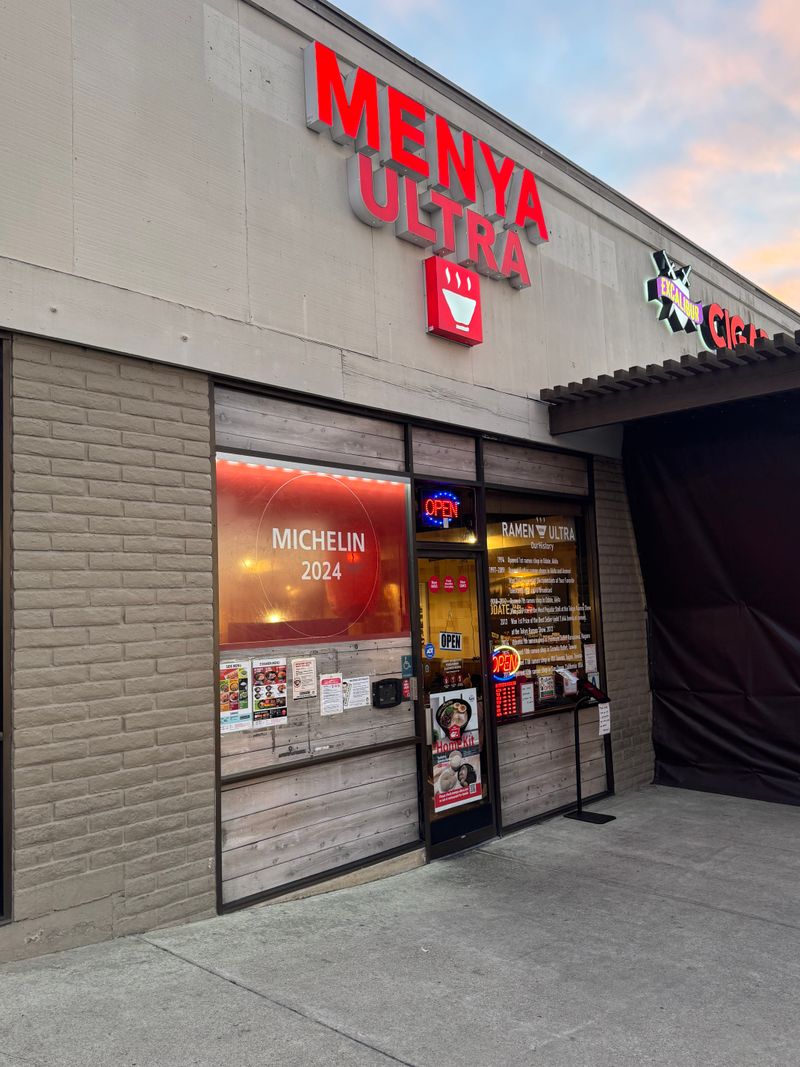
Chicken paitan ramen has a devoted following, and Menya Ultra serves one of the best versions in Southern California. The broth is made from chicken bones simmered until they break down completely, creating a creamy, almost porridge-like consistency. This style is lighter than pork tonkotsu but equally rich and satisfying.
The Infatuation says it continues to draw lines and that there is still a line whenever you go. They even run a live waitlist workflow on their own site, allowing guests to check wait times and add their names remotely. This modern approach helps manage the crowds without sacrificing the quality experience.
Located in Kearny Mesa, the restaurant has become a destination despite the strip-mall setting. The interior is simple and focused entirely on the food. Toppings are generous, and customization options let you adjust spice and richness levels. Regulars often order extra noodles to make the most of every drop of that incredible broth.



