Kansas offers far more natural beauty than many travelers expect. Across the state, scenic parks feature peaceful lakes, rolling prairies, rugged bluffs, and striking rock formations, creating ideal destinations for a relaxing weekend outdoors.
Whether you’re interested in hiking, fishing, camping, wildlife watching, or simply enjoying the scenery, these 12 Kansas state parks have something to offer. From well-known recreation areas to quieter hidden gems, each showcases a different side of the Sunflower State.
1. Wilson State Park, Sylvan Grove, Kansas
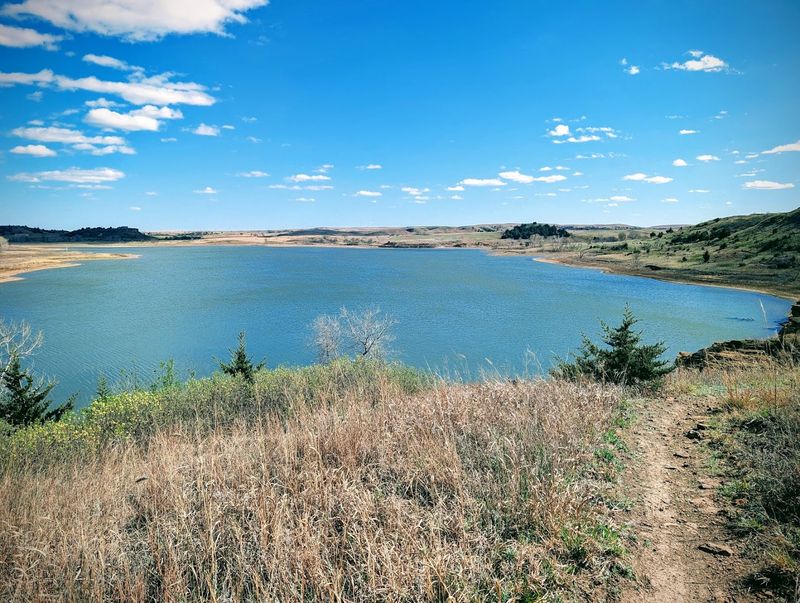
Clear water and dramatic limestone bluffs are not usually what people picture when they think of Kansas, but Wilson State Park delivers both without apology.
The park wraps around 9,000-acre Wilson Reservoir, which is widely recognized as one of the clearest lakes in the state. Rugged rocky outcrops and scenic cliffs line the shoreline, creating a landscape that feels more adventurous than your average prairie getaway.
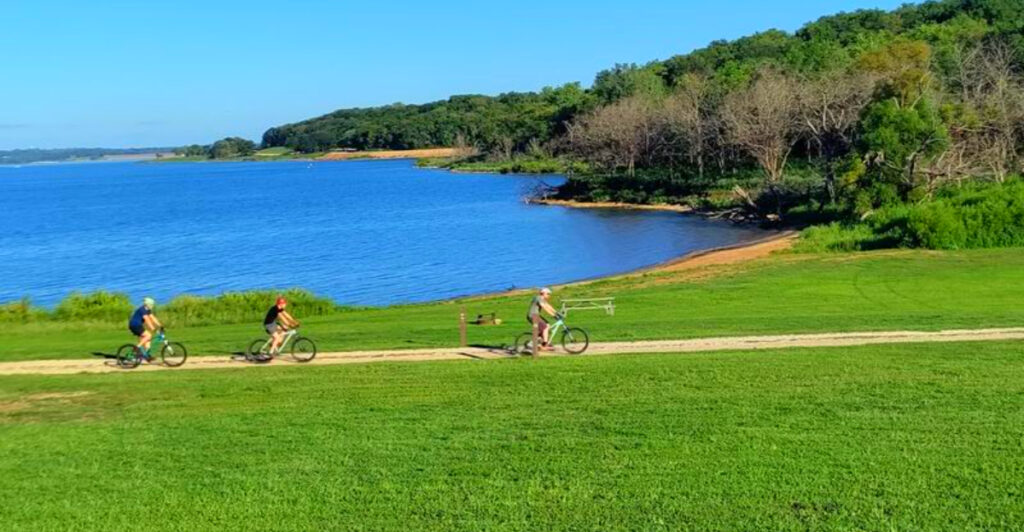
Hikers have several trail options to choose from. The one-mile Cedar Trail is paved and fully accessible, while the two-mile Dakota Trail offers wide open reservoir views. Mountain bikers and ambitious hikers can tackle the 24.5-mile Switchgrass Bike Trail for a longer challenge.
Wildlife is abundant throughout the park. Deer, wild turkey, waterfowl, and migratory birds are regularly spotted across the 945 acres. Anglers target white bass, striped bass, walleye, and crappie in the reservoir. Eight lakeside cabins and multiple campgrounds make it easy to extend a weekend visit comfortably.
2. Kanopolis State Park, Marquette, Kansas
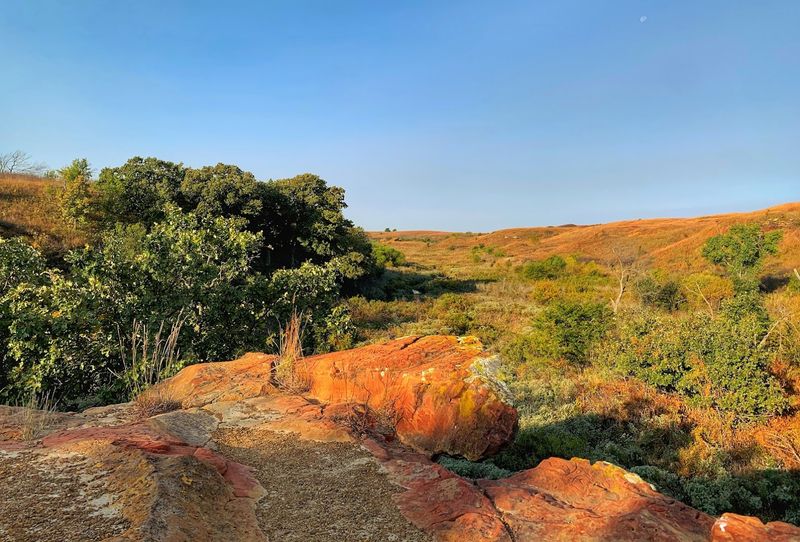
Horsethief Canyon did not get its name from a tourism brochure, and that history alone makes Kanopolis State Park worth the trip.
Located in the Smoky Hills region, the park surrounds Kanopolis Reservoir and features striking sandstone formations carved by centuries of erosion. The canyon walls glow in shades of tan and rust, and the trails that wind through them feel refreshingly rugged for a state park experience.
The Dakota Trail system offers hikers and equestrians over 26 miles of routes through the canyon country. Shorter loops are available for casual walkers who prefer a two-hour outing over a full-day trek. Mountain bikers also have dedicated trail access throughout the park.
Camping options range from basic primitive sites to utility hookups, and the reservoir provides solid fishing for walleye, channel catfish, and white bass. Wildlife sightings are common, with white-tailed deer and wild turkey frequently spotted along the canyon trails. The variety of terrain guarantees that no two visits feel exactly the same.
3. Lake Scott State Park, Scott City, Kansas
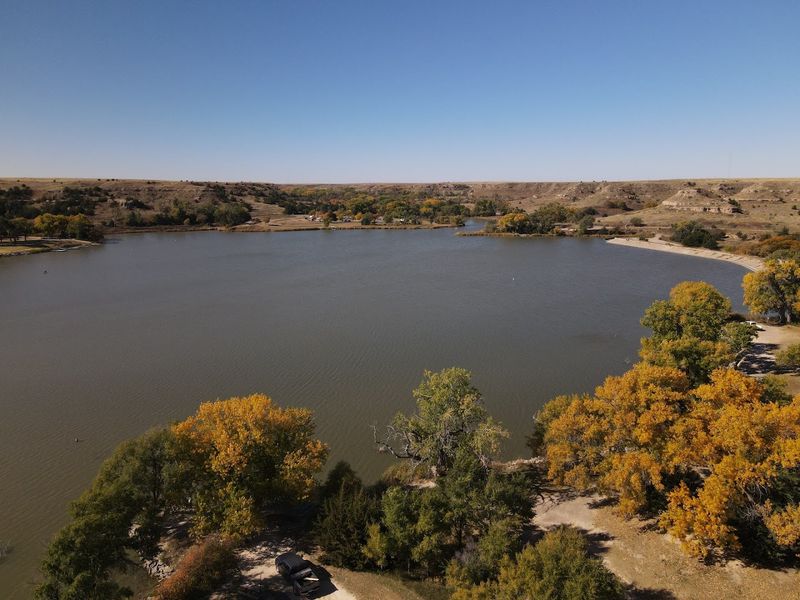
Most people driving through western Kansas are not expecting to stumble across a spring-fed lake tucked between rocky bluffs and towering cottonwood trees, but that is exactly what Lake Scott State Park offers.
The park sits in a sheltered canyon that feels genuinely isolated from the surrounding flatlands. El Quartelejo, a partially reconstructed Native American pueblo located within the park, adds a fascinating historical dimension that most visitors do not anticipate finding this far west in Kansas.
Birdwatchers regularly spot species that are unusual for the region, partly because the mature trees and reliable water source attract birds that avoid the open prairie. Photographers appreciate the dramatic contrast between the canyon walls and the calm lake surface.
Camping is available with both utility and primitive sites, and the park maintains a relatively quiet atmosphere throughout the season. Fishing for largemouth bass, channel catfish, and bluegill keeps anglers occupied without the crowds that larger reservoirs tend to attract. It is a genuinely rewarding stop for travelers crossing western Kansas.
4. Cedar Bluff State Park, Ellis, Kansas
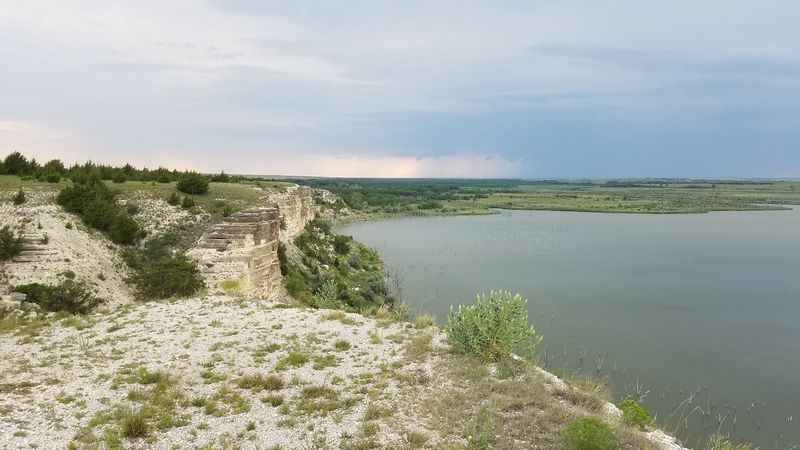
Few Kansas landscapes stop people in their tracks the way Cedar Bluff does, where towering limestone cliffs rise sharply above a broad reservoir in the middle of western Kansas.
The bluffs themselves are the main attraction, and they reward visitors who simply sit and observe as the light shifts across the pale stone throughout the day. Cedar Bluff Reservoir stretches across roughly 6,000 acres, giving anglers, paddlers, and boaters plenty of room to spread out.
Fishing is a primary draw here, with walleye, wipers, and channel catfish among the most commonly targeted species. The park also has designated swimming areas and boat ramps to accommodate a range of water activities.
Camping options include both full-hookup and primitive sites, and the remote location in western Kansas means the night sky is remarkably clear. Stargazers who plan an overnight visit are rarely disappointed by the lack of light pollution. The combination of dramatic geology, open water, and quiet campgrounds makes Cedar Bluff a standout destination in the state park system.
5. Cross Timbers State Park, Toronto, Kansas
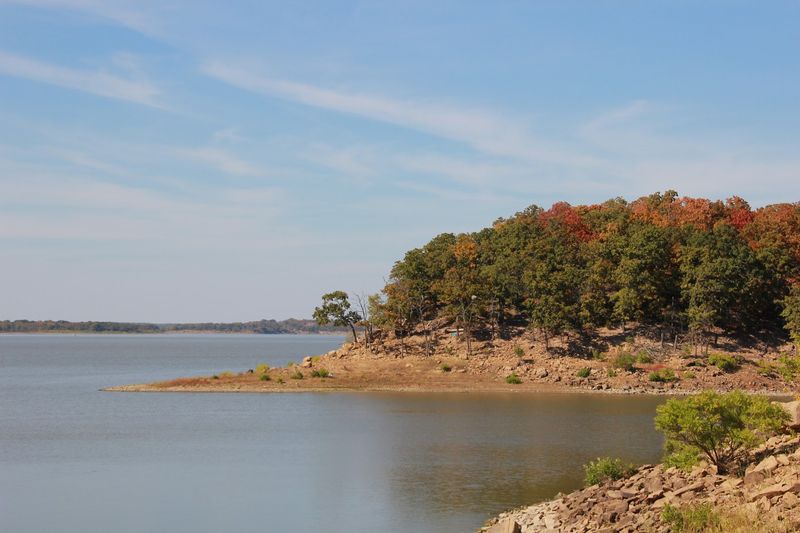
Cross Timbers State Park is the kind of place that reminds you Kansas has more than one landscape to offer, and the post oak woodland here is unlike anything else in the state park system.
The park protects one of the oldest remaining stands of post oak forest in Kansas, a habitat that once covered a narrow band stretching from Texas into the lower Midwest. Toronto Lake provides a quiet shoreline backdrop, and the combination of forest, limestone outcrops, and open water gives the park an unusually layered character.
Trails here are gentle and well-suited for casual hikers, with distances that make it easy to cover the highlights in a single afternoon. Wildlife watching is excellent, with white-tailed deer, wild turkey, and a wide variety of songbirds moving regularly through the woodland.
Camping is available on both sides of the lake, and the park’s relatively small size keeps the atmosphere relaxed throughout the season. Anglers target largemouth bass and channel catfish in Toronto Lake. The slower pace is the whole point, and Cross Timbers delivers it consistently.
6. Elk City State Park, Independence, Kansas
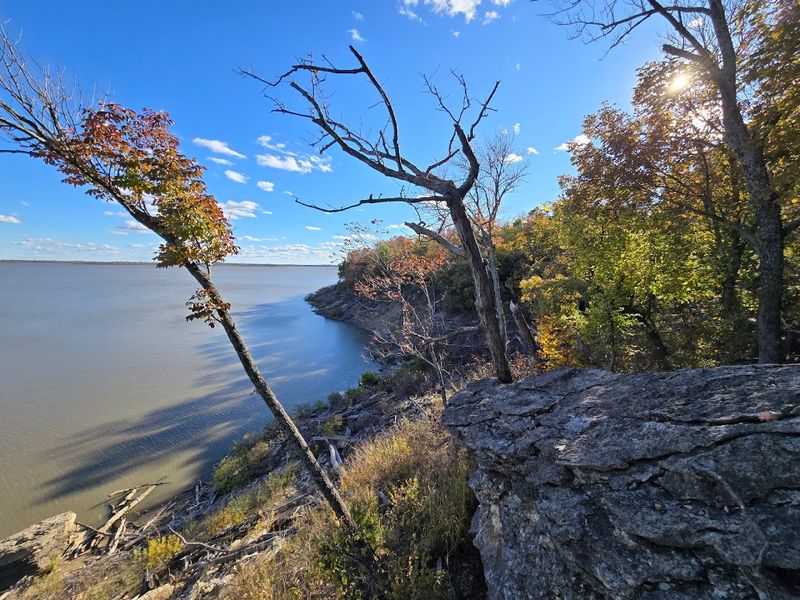
Hikers who feel shortchanged by flat terrain will find a genuinely satisfying trail network at Elk City State Park, where the routes roll through dense forest and open up to broad lake views.
The park sits along Elk City Lake in southeastern Kansas and features one of the more extensive trail systems in the state park network. The Table Mound hiking trail covers about 15 miles and passes through mature woodland, open meadows, and elevated ridges that offer clear sightlines across the reservoir.
Shorter nature trails are also available for visitors who prefer a relaxed two-hour walk over a half-day commitment. The variety of trail lengths makes the park genuinely accessible to both casual visitors and dedicated hikers without feeling crowded at either end.
Fishing is productive on Elk City Lake, with largemouth bass, crappie, and channel catfish among the regular catches. Camping facilities include utility hookups and primitive sites spread across several areas. The wooded setting keeps temperatures noticeably cooler during summer visits, which is a practical bonus that regular visitors tend to mention first.
7. Clinton State Park, Lawrence, Kansas
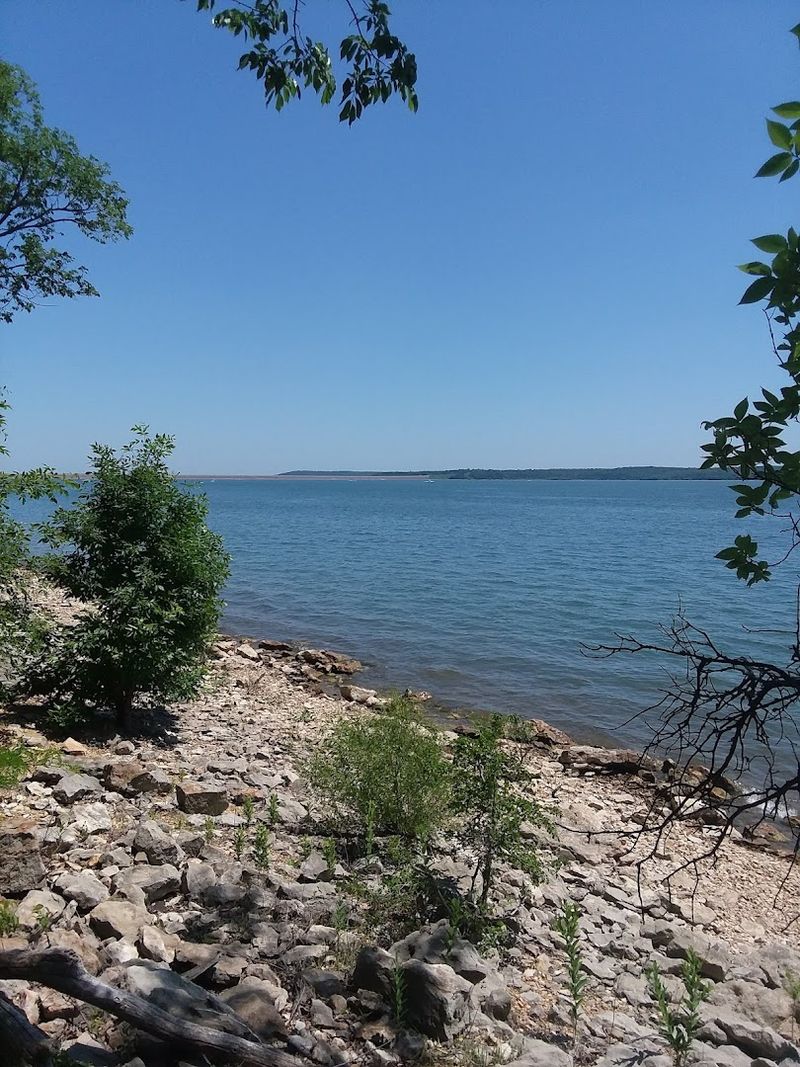
Not every great weekend escape requires a long drive, and Clinton State Park proves that point with ease from nearly anywhere in northeastern Kansas.
Located just west of Lawrence, the park wraps around Clinton Lake, a 7,000-acre reservoir that supports a full range of outdoor activities without ever feeling overrun. Wooded trails wind along the shoreline and through upland forest, giving walkers a pleasant route that changes character depending on the season.
Early mornings at the lake are particularly calm, with flat water and frequent bird activity along the marshy coves. Birdwatchers regularly spot herons, egrets, and shorebirds moving through the area during spring and fall migration periods.
The park has one of the larger campgrounds in the Kansas state park system, with hundreds of sites ranging from full-hookup spots to primitive tent camping. Picnic areas are spacious and well-maintained, making the park a practical choice for families. Fishing for white bass, crappie, and channel catfish keeps anglers busy throughout the warmer months. The proximity to Lawrence also means restaurants and supplies are never far away.
8. Perry State Park, Ozawkie, Kansas
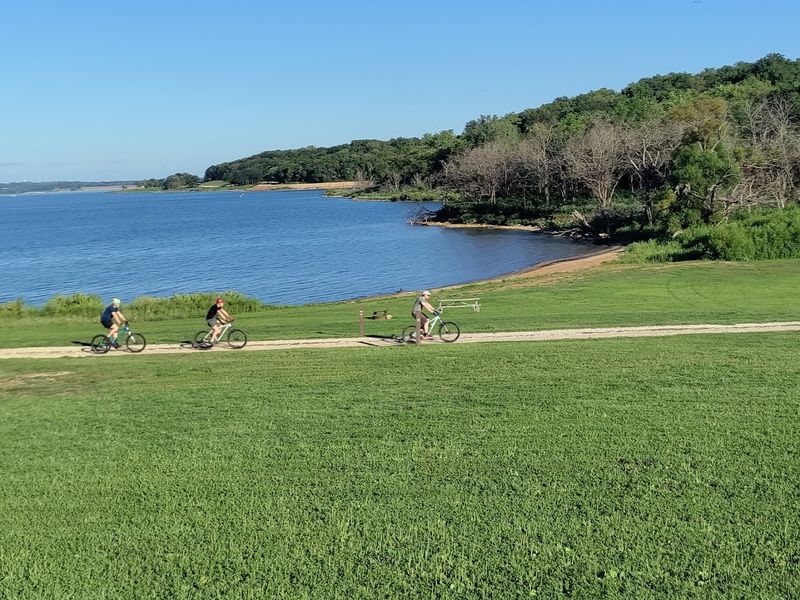
Perry Lake has a reputation among Kansas campers for being the kind of place that actually delivers on the promise of getting away from it all, and the dense woodland surrounding the reservoir is a big reason why.
The park covers over 1,600 acres of rolling hills and mature forest along the eastern shore of Perry Lake in Jefferson County. Hiking and mountain biking trails weave through the trees, with enough elevation change to keep the routes interesting without becoming exhausting.
Campsites are tucked beneath a solid canopy of trees, which provides genuine shade during summer visits and a dramatic show of color during fall weekends. The forested setting gives the campground a more secluded atmosphere than many Kansas parks manage to achieve.
Fishing on Perry Lake targets white bass, crappie, largemouth bass, and channel catfish. The lake also has a designated swim beach and several boat ramps. Wildlife sightings throughout the park include white-tailed deer, wild turkey, and a wide range of woodland birds. Weekend visitors consistently describe Perry as one of the most relaxing parks in the northeastern part of the state.
9. Fall River State Park, Fall River, Kansas
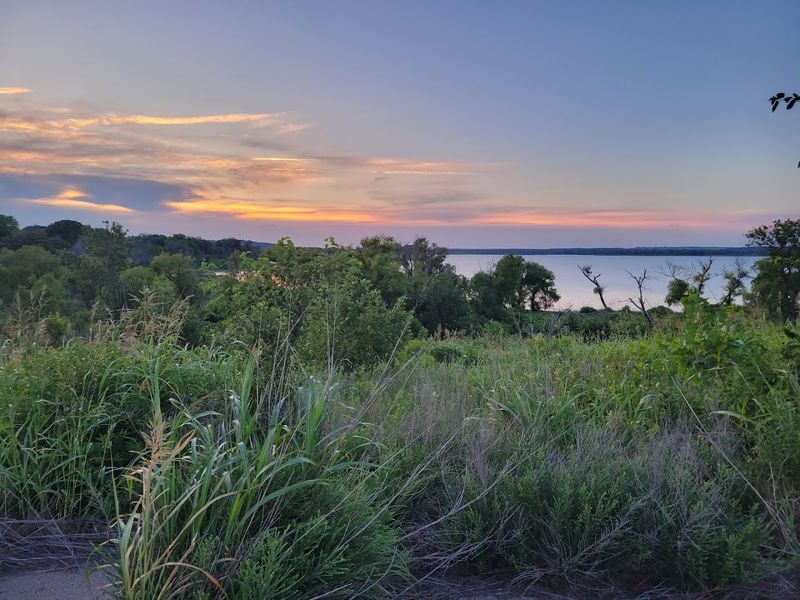
There is a particular kind of quiet at Fall River State Park that visitors tend to notice within the first hour, and it is the kind that actually sticks around through the whole weekend.
The park sits along Fall River Lake in the Flint Hills region of southeastern Kansas, and the surrounding tallgrass prairie gives it a wide open, unhurried character. The lake covers roughly 2,500 acres, but the park itself stays relatively uncrowded compared to larger state park destinations in the region.
Fishing is a primary activity here, with channel catfish, largemouth bass, and crappie regularly caught from the shoreline and by boat. Kayaking and canoeing suit the calm coves well, and the lake rarely feels congested even on busy weekends.
Hiking trails pass through prairie grassland and along the shoreline, offering straightforward routes with good wildlife viewing opportunities. White-tailed deer, wild turkey, and various shorebirds are frequently spotted. Camping options include utility sites and primitive areas, and the park maintains a relaxed pace throughout the season. The Flint Hills backdrop adds quiet scenery to every activity.
10. Webster State Park, Stockton, Kansas
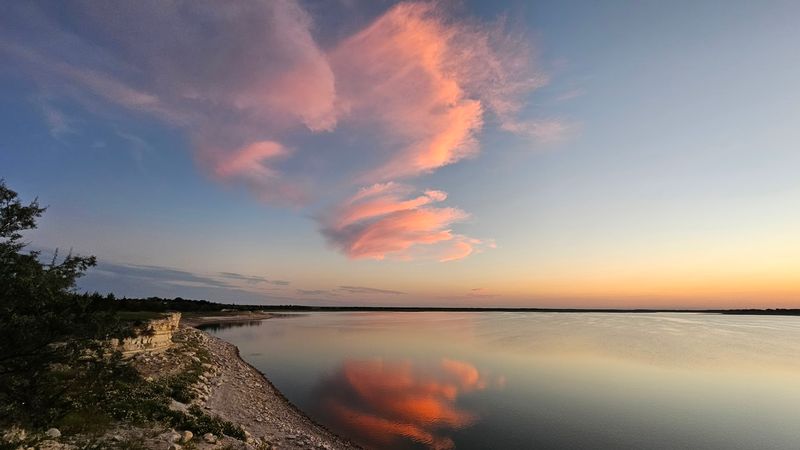
Wide open skies and broad water views are the defining features of Webster State Park, and for visitors who genuinely want to disconnect, the remote northwestern Kansas setting does most of the work.
Webster Reservoir covers about 3,900 acres and sits just west of Stockton, offering a peaceful expanse of water that feels far removed from any urban noise or congestion. The park is straightforward and uncomplicated, which is exactly what makes it appealing for a low-key weekend retreat.
Fishing is productive throughout the season, with walleye, channel catfish, and white bass among the most commonly caught species. The flat shoreline provides easy access for bank fishing, and several boat ramps accommodate visitors arriving with watercraft.
Camping is available with utility hookups and primitive options, and the open terrain means sunrise and sunset views from the campground are genuinely spectacular. Birdwatchers find the reservoir and surrounding grassland productive, particularly during spring and fall migration. The lack of crowds and the unhurried atmosphere make Webster an honest choice for travelers seeking a simple, restorative weekend without a complicated itinerary.
11. Sand Hills State Park, Hutchinson, Kansas
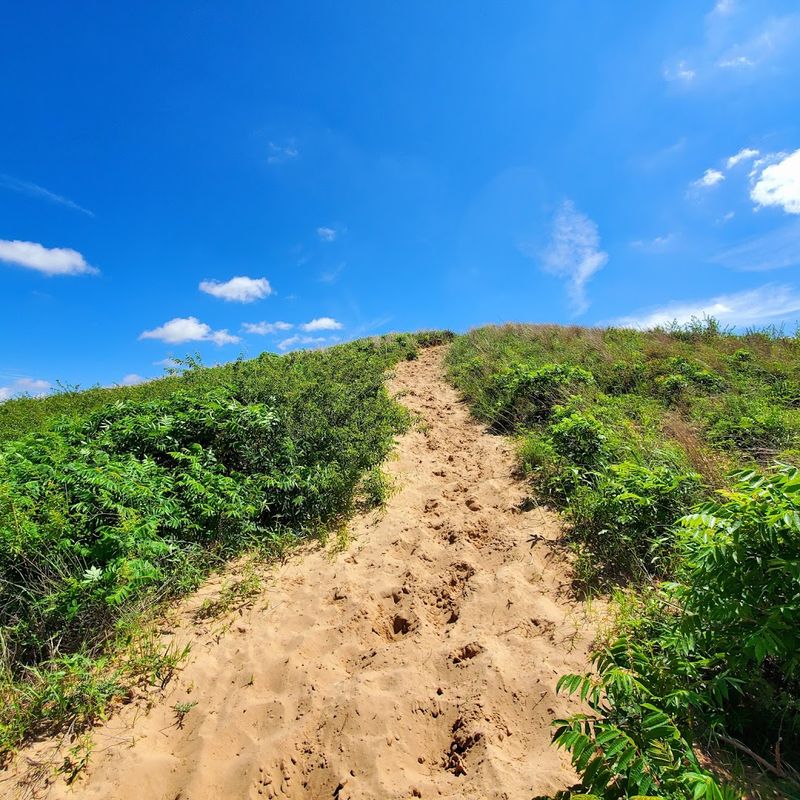
Kansas has sand dunes, and most Kansans have no idea they exist, which makes Sand Hills State Park one of the more satisfying discoveries in the entire state park system.
Located just north of Hutchinson, the park protects a rare landscape of rolling inland sand dunes stabilized by native grasses, wildflowers, and scattered shrubs. The terrain looks nothing like the surrounding central Kansas farmland, and that contrast is part of what makes the park so memorable for first-time visitors.
Hiking trails cross the dunes and open prairie, covering a modest distance that suits a relaxed morning or afternoon outing. Horseback riding is also permitted on designated trails, making the park one of the few in Kansas that actively accommodates equestrians.
Wildflower blooms across the dunes are particularly impressive in late spring and early summer, attracting photographers and naturalists. The park does not have overnight camping, so it works best as a day trip destination. Birdwatching is rewarding throughout the year, with grassland species that are increasingly difficult to find elsewhere in central Kansas. Admission requires a Kansas state park vehicle permit.
12. Little Jerusalem Badlands State Park, Oakley, Kansas
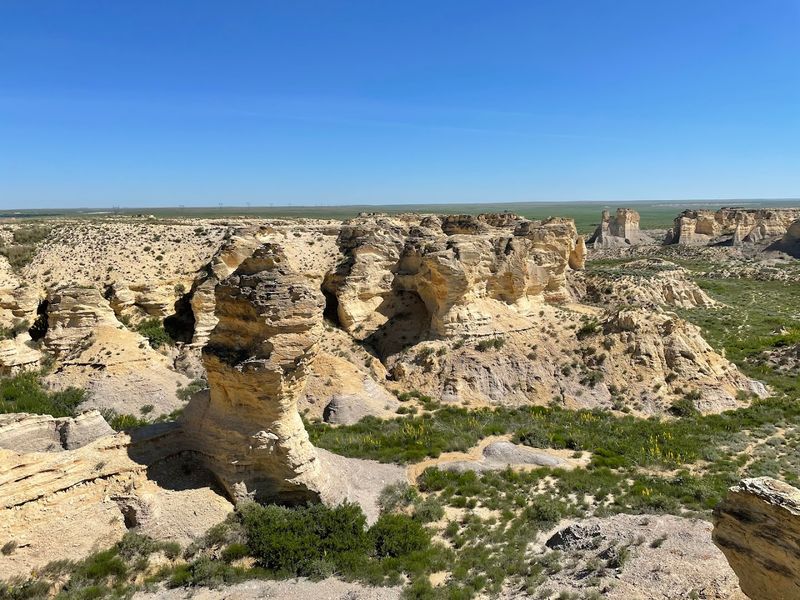
Nothing quite prepares a first-time visitor for the sight of massive white chalk formations rising from the flat High Plains, and Little Jerusalem Badlands State Park is the only place in Kansas where that view exists.
Located near Oakley, the park protects the largest remaining exposure of Niobrara Chalk in the state. The formations were created by an ancient inland sea and shaped over millions of years into spires, ridges, and eroded columns that stand in stark contrast to the surrounding prairie grassland.
Designated trails and overlook platforms guide visitors through the fragile landscape without damaging the chalk structures. The main trail covers about a mile and is manageable for most visitors, though the terrain is uneven in places. Guided tours are periodically available and provide additional geological context.
Share this story