 Unearth The Voyage
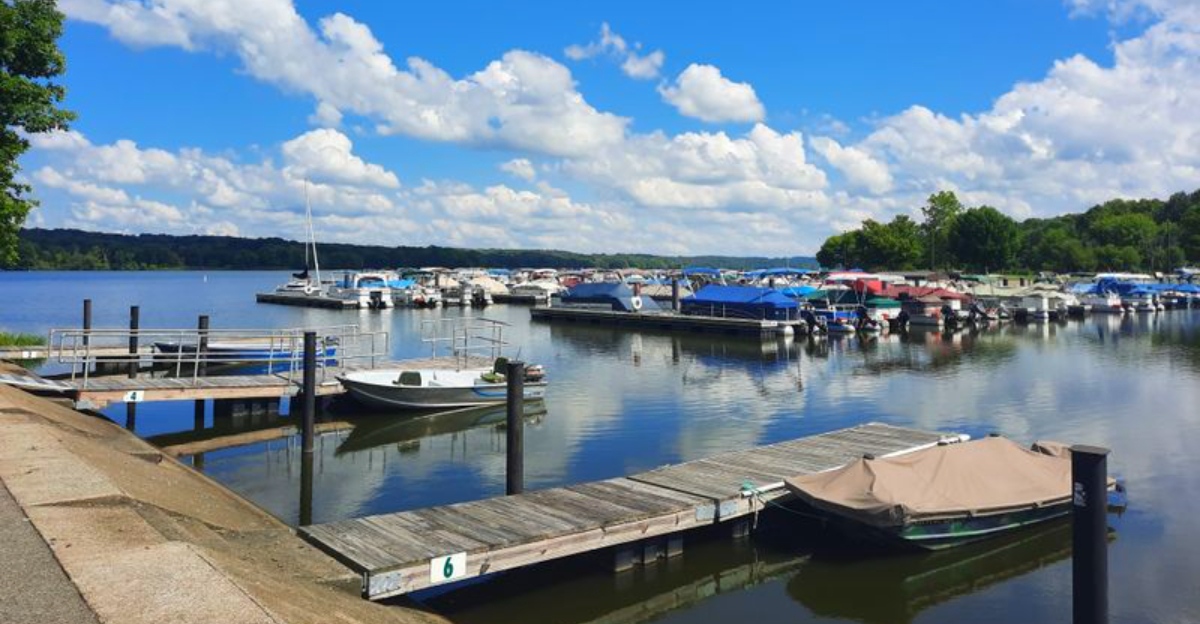
Pennsylvania is full of well-known parks, but some of its most breathtaking outdoor spaces are the ones most people never visit. While crowds pack into the same familiar destinations, there are quieter places where nature feels untouched and peaceful.
After years of exploring the state’s backroads and lesser-known trails, it’s clear that the most memorable experiences happen far from the tourist crowds. These overlooked spots offer scenery, solitude, and a sense of discovery that’s hard to find elsewhere.
Below are some truly special places across Pennsylvania that deserve far more attention than they get and might just change the way you explore the state.
1. Quehanna Wild Area (Moshannon + Elk State Forests)
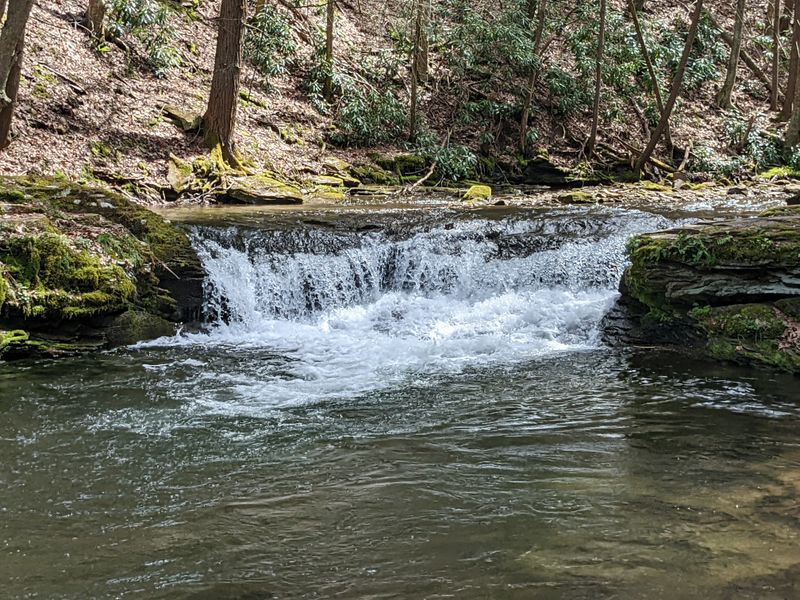
Standing in the middle of 50,000 acres where your cell phone becomes a useless brick and the only sounds are wind and birdsong, that’s Quehanna for you.
Managed jointly by two state forest districts, this place takes its wild character seriously with special restrictions to keep things pristine. You won’t find paved paths or gift shops here.
What you will find is mile after mile of genuine backcountry where you can hike all day without seeing another soul.
The forest scenery stretches wide and open in spots, giving you that rare feeling of being truly small in nature’s grand scheme. I once spent an entire afternoon here without checking my phone once, not because I’m some zen master, but because there was literally no signal to tempt me.
Pack everything you need because there are no convenience stores around the corner. The remoteness is exactly the point.
If you’re tired of sharing your outdoor time with crowds taking selfies, Quehanna offers the antidote. Just remember to tell someone where you’re going, because this wilderness doesn’t mess around.
2. Hammersley Wild Area (Susquehannock State Forest)
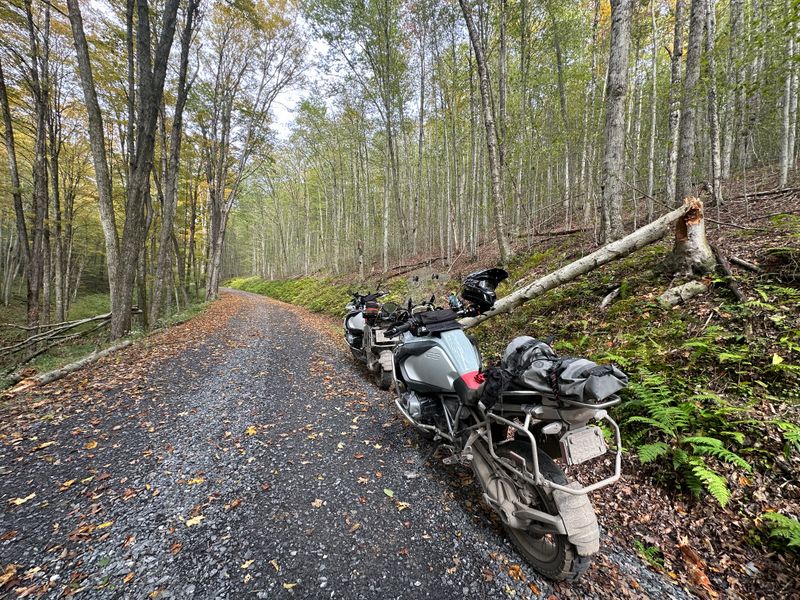
Some hikes hand you beauty on a silver platter. Hammersley makes you work for it, and honestly, that’s what makes it memorable.
Spanning one of the most roadless-feeling landscapes in Pennsylvania, this wild area attracts hikers who appreciate a challenge and don’t mind getting a little muddy. DCNR even provides a special hiking trails PDF because navigation here requires actual attention.
You can’t just zombie-walk while scrolling Instagram.
The terrain gets rugged fast, with steep climbs and primitive conditions that separate the casual strollers from the serious trekkers. No fancy boardwalks or interpretive signs cluttering the view.
Just raw Pennsylvania wilderness doing its thing.
I’ll be honest, my first trip here humbled me. What looked like a simple loop on the map turned into a legitimate workout that left my legs shaking.
But standing on a ridge overlooking endless forested valleys made every burning muscle worth it.
Bring a compass, download offline maps, and pack more water than you think you’ll need. Hammersley rewards preparation and punishes overconfidence.
It’s perfect for anyone who thinks modern hiking has gotten a little too comfortable.
3. Bucktail State Park Natural Area (PA Route 120 scenic corridor)
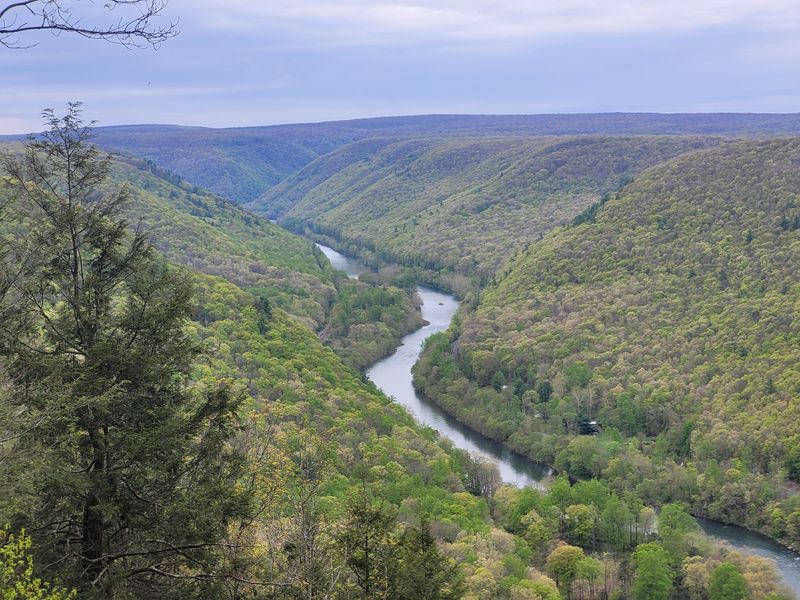
Calling Bucktail a park is like calling a symphony a song. Technically true, but missing the bigger picture.
This 75-mile scenic corridor snakes along PA Route 120 through a narrow, jaw-dropping valley that makes you want to pull over every half mile. And you should!
The whole point is soaking in those dramatic valley views without rushing.
Most drivers blast through here on their way to somewhere else, completely missing the magic happening right outside their windows. Their loss, your gain.
Fall foliage season turns this corridor into a painter’s fever dream, with colors so vibrant they almost seem photoshopped.
Even short walks from the pull-offs reveal perspectives that make you question why you don’t road trip more often. I once stopped at a random overlook, expecting a quick photo op, and ended up staying for an hour watching fog roll through the valley below.
The beauty here doesn’t require athletic ability or special gear. Just slow down, pull off when something catches your eye, and let the landscape do its thing.
Bucktail proves that sometimes the journey really is better than the destination.
4. Tionesta Scenic Area + Tionesta Research Area (Allegheny National Forest)
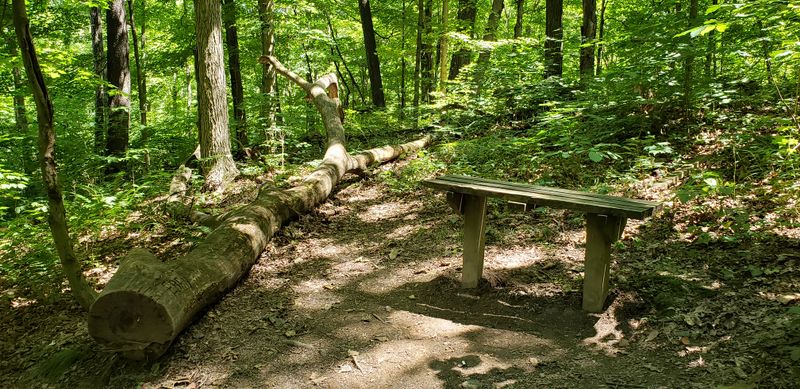
Walking among old-growth trees feels like stepping into nature’s cathedral, and Tionesta delivers that spiritual vibe without the tourist buses.
Massive trees tower overhead, some predating the Industrial Revolution, creating a canopy that filters sunlight into golden shafts. The trail system here connects into larger networks, including the North Country National Scenic Trail, so you can make your hike as long or short as your legs allow.
Unlike famous old-growth spots that get loved to death by Instagram crowds, Tionesta maintains a peaceful atmosphere where you can actually hear yourself think. The research area designation adds an extra layer of protection, ensuring these giants stick around for future generations.
I remember touching a tree here that was already mature when my great-grandparents were kids. That kind of perspective shift hits different when you’re standing in the actual presence of something so ancient.
The trails aren’t particularly difficult, making this accessible for most fitness levels. Bring a good camera because the light through these trees creates photo opportunities that’ll make your friends think you hired a professional.
Just remember to look up from your viewfinder occasionally and actually experience the moment.
5. Hickory Creek Wilderness (Allegheny National Forest)
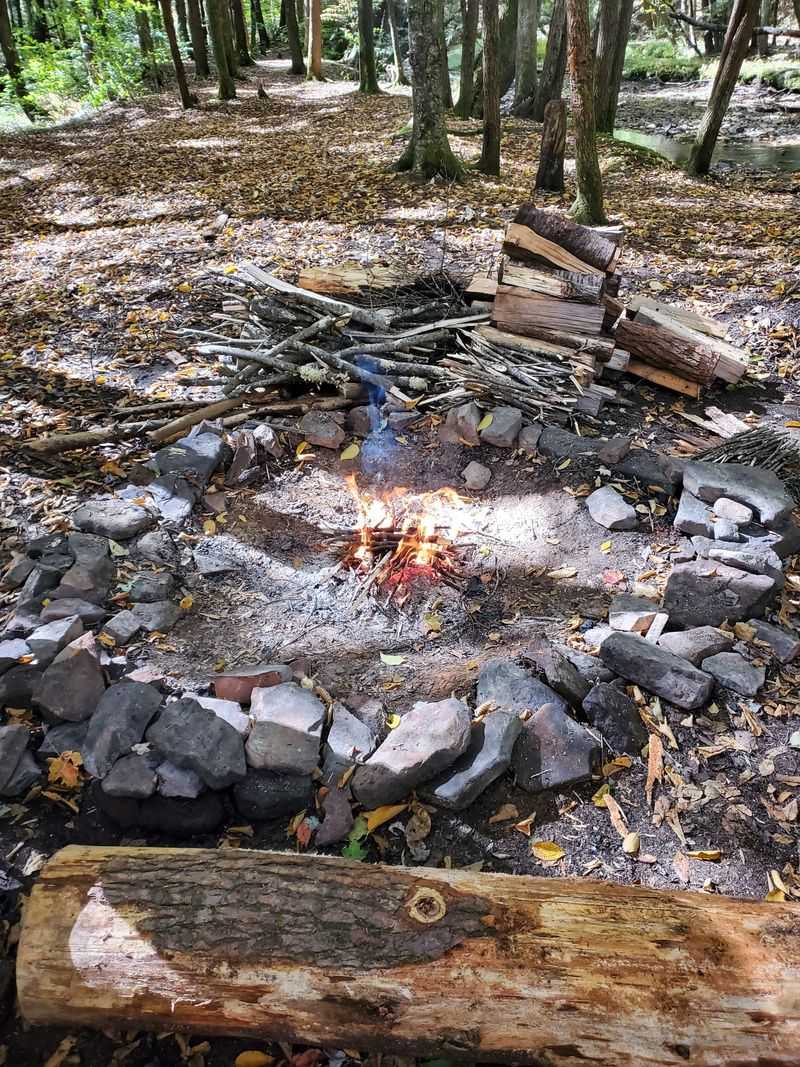
Designated wilderness areas are places where nature gets to be the boss, and Hickory Creek takes that job seriously.
Thousands of acres of forest, creeks, and intentionally minimal signage create an environment where your navigation skills actually matter. The Forest Service keeps things wild on purpose, which means you won’t find helpful arrows pointing you toward the scenic overlook.
Creeks babble through valleys, wildlife roams freely, and the terrain shifts from gentle to challenging without warning. This is where offline maps become your best friend, because cell service is basically a fairy tale here.
Some people find the lack of hand-holding intimidating. Others find it liberating.
I fall firmly in the second camp, especially after a particularly memorable trip where getting slightly turned around led me to a creek crossing so beautiful I wouldn’t have found it on any marked trail.
Pack like you’re responsible for your own safety, because you are. Water filter, first aid kit, extra food, and actual navigation tools, not just your phone’s GPS.
Hickory Creek rewards self-reliance and offers an increasingly rare chance to test yourself against genuine wilderness conditions.
6. Bear Meadows Natural Area (Rothrock State Forest)
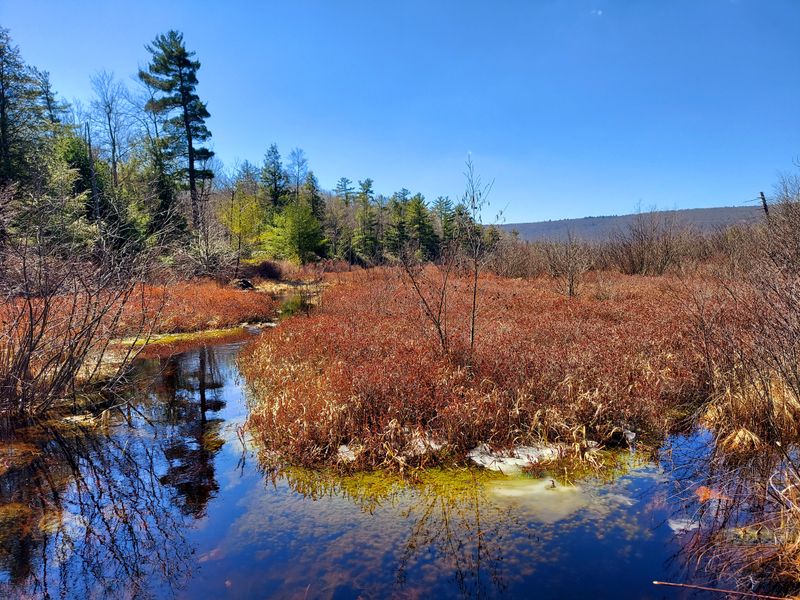
Pennsylvania isn’t exactly famous for wetlands, which makes Bear Meadows feel like stumbling onto a secret ecosystem.
Perched at high elevation in Rothrock State Forest, this rare bog habitat creates an environment totally different from the typical hardwood trails dominating the region. DCNR has publicly recognized its significance, including old-growth designation that protects some seriously impressive trees.
The boardwalk trail keeps your feet dry while letting you explore a landscape that feels more like northern Canada than central Pennsylvania. Unique plants thrive here, birds you won’t see elsewhere stop by, and the whole vibe shifts from typical forest to something almost otherworldly.
I visited during spring migration and counted more bird species in two hours than I’d seen in the previous month combined. The wetland acts like a magnet for wildlife, creating viewing opportunities that make lugging binoculars totally worthwhile.
The trail isn’t long or difficult, making this perfect for a quick nature fix that feels substantial. Bring bug spray during warmer months because wetlands and mosquitoes are basically best friends.
The unique habitat makes any minor insect annoyance completely worth enduring for the experience.
7. Boyd Big Tree Preserve Conservation Area (near Harrisburg)
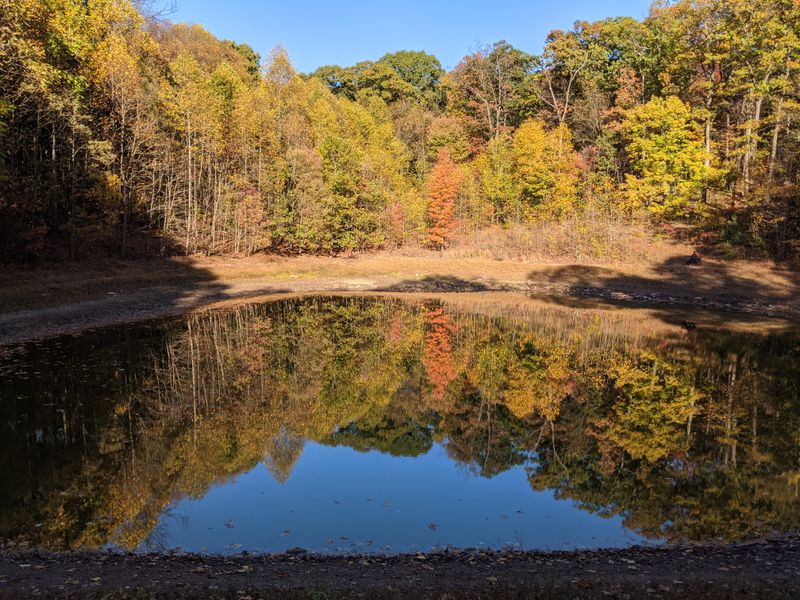
Finding genuine wilderness close to cities usually requires compromising on quality, but Boyd Big Tree Preserve breaks that rule spectacularly.
Covering 1,025 acres near Harrisburg, this preserve protects massive trees and provides crucial habitat for deep-forest birds, especially warblers during spring migration. The name isn’t marketing hype.
The trees here genuinely qualify as big, creating that cathedral forest feeling usually reserved for remote locations.
Birders flock here during migration season, armed with binoculars and field guides, hoping to spot rare warblers passing through. Even if you can’t tell a warbler from a sparrow, the peaceful atmosphere and impressive trees make this worth visiting.
I brought my non-birding friend here once, expecting her to be bored within ten minutes. Two hours later, I had to practically drag her away from a spot where she’d been watching a family of woodpeckers excavating a dead tree.
The proximity to Harrisburg means you can scratch your nature itch during a lunch break or after work without major planning. Trails stay relatively quiet even on nice weekends, probably because most people don’t realize this gem exists.
Low-key hiking with high-quality nature experiences, right in the city’s backyard.
8. Jennings Environmental Education Center (near Slippery Rock)
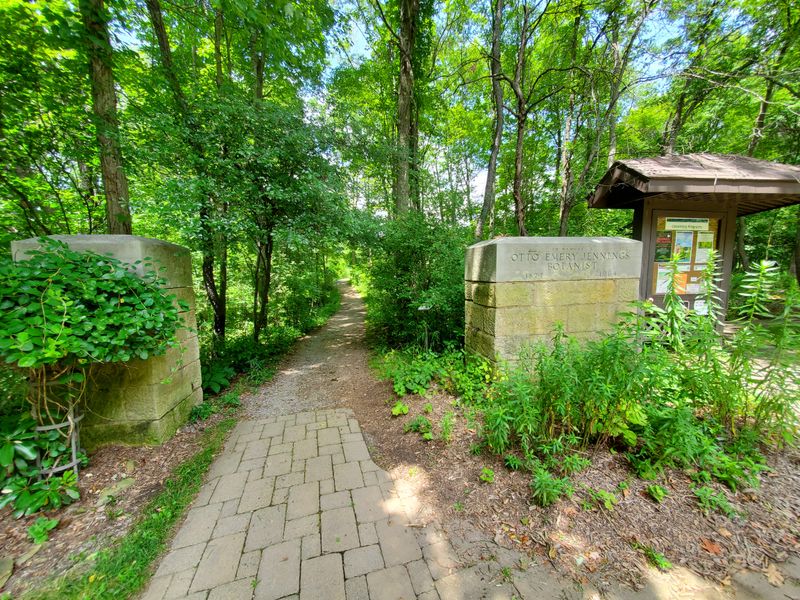
Learning about nature while wandering through it hits different than reading about it in a classroom, and Jennings gets that completely.
Run by DCNR with a specific focus on environmental education, this park combines beautiful trails with interpretive programs that actually make you smarter about what you’re seeing. Guided walks led by knowledgeable naturalists reveal details you’d walk right past otherwise.
The preserve protects a rare prairie ecosystem, complete with wildflowers and plants you won’t find in typical Pennsylvania forests. Interpretive signs along the trails explain what makes this habitat special without being preachy or boring.
What separates Jennings from regular parks is the intentional educational mission woven into everything. You’re not just walking trails.
You’re discovering how ecosystems work, why certain plants grow where they do, and how everything connects in ways you never considered.
I visited during a wildflower program and learned to identify species I’d been ignoring my entire life. Suddenly, every hike became more interesting because I could actually name what I was looking at.
The educational aspect enhances rather than distracts from the natural beauty, creating experiences that stick with you long after you leave.
9. Swatara State Park (Lebanon County)
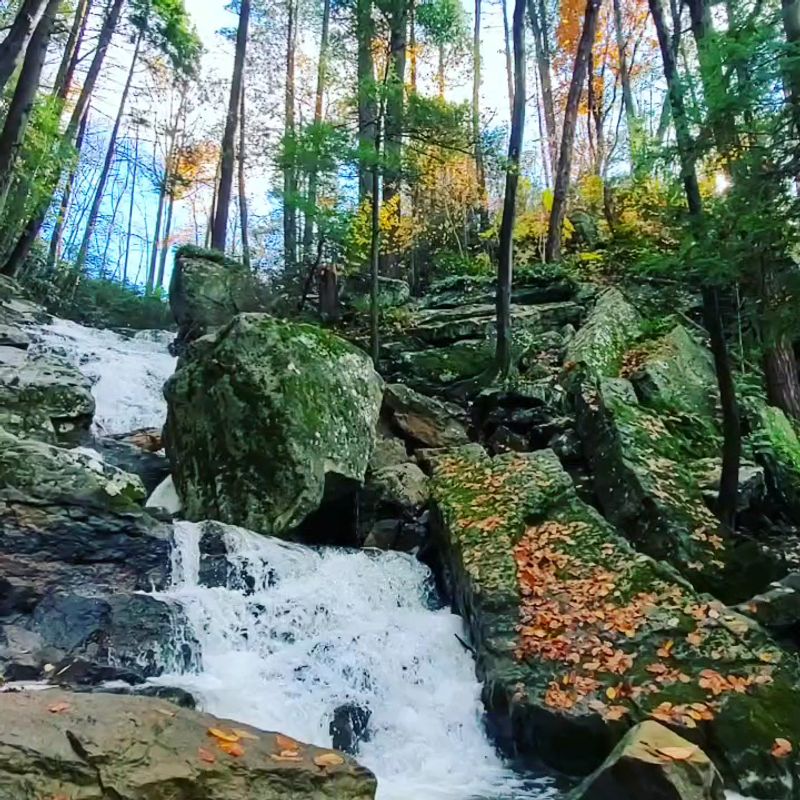
Sprawling across 3,520 acres, Swatara offers the kind of easygoing outdoor experience that doesn’t require athletic training or survival skills.
Rolling fields transition into woodlands, wetlands pop up where you least expect them, and a creek meanders through the park like it’s got nowhere particular to be. The habitat diversity means wildlife viewing opportunities stay interesting throughout your visit.
Officially open daily from sunrise to sunset, this park welcomes visitors without the crowding issues plaguing more famous Pennsylvania destinations. You can actually find parking on nice weekends, which alone makes it worth considering.
The trail system accommodates various fitness levels, from short nature walks to longer day hikes that’ll definitely earn you a post-hike nap. I appreciate parks that don’t make me feel like I’m training for a mountaineering expedition just to see something pretty.
Swatara excels at uncrowded, unpretentious outdoor time where you can relax without constantly dodging other hikers or competing for viewpoints. Nature watching here rewards patience, with birds, deer, and smaller critters making regular appearances.
Sometimes the best outdoor experiences are the ones that don’t try too hard, and Swatara nails that laid-back vibe perfectly.
10. Kettle Creek State Park (Clinton County)
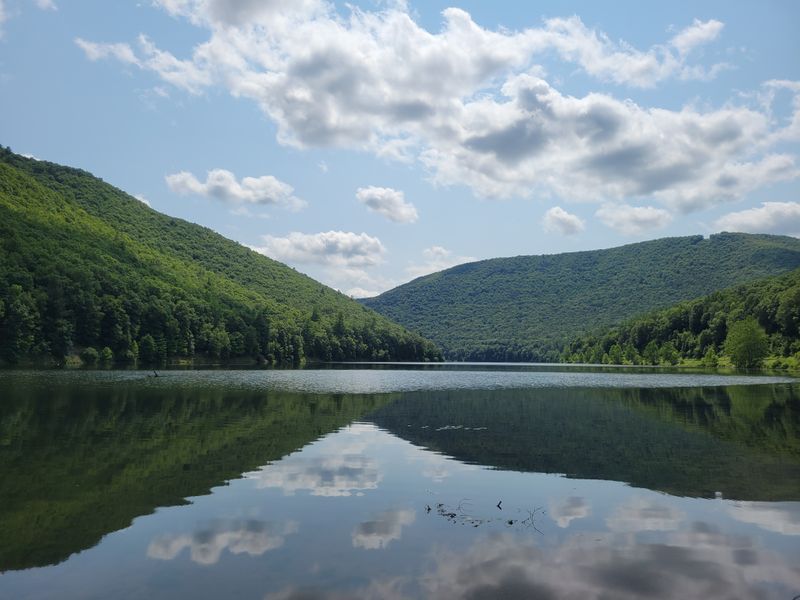
Tucked into a mountain valley, Kettle Creek delivers naturally gorgeous scenery without the hype machine that ruins so many beautiful places.
The park’s setting creates dramatic seasonal displays, especially during fall when the surrounding mountains explode into color that looks almost aggressively beautiful. Seriously, the autumn foliage here rivals anything you’ll see in more famous parks, minus the traffic jams and crowded overlooks.
A lake anchors the park, providing water-based recreation opportunities and reflecting those spectacular mountain views in ways that make photographers very happy. Trails wind through varied terrain, offering everything from easy lakeside strolls to more challenging climbs up surrounding ridges.
I stumbled onto Kettle Creek by accident during a fall road trip and ended up extending my stay by two days. The colors were so intense I actually wondered if something was wrong with my eyes.
Nope, just Pennsylvania nature showing off.
The lack of headline recognition works in visitors’ favor, keeping crowds manageable even during peak seasons. You can enjoy prime fall foliage without feeling like you’re at a theme park.
For anyone chasing autumn colors without the associated chaos, Kettle Creek deserves serious consideration on your Pennsylvania bucket list.
11. Maurice K. Goddard State Park (Lake Wilhelm)
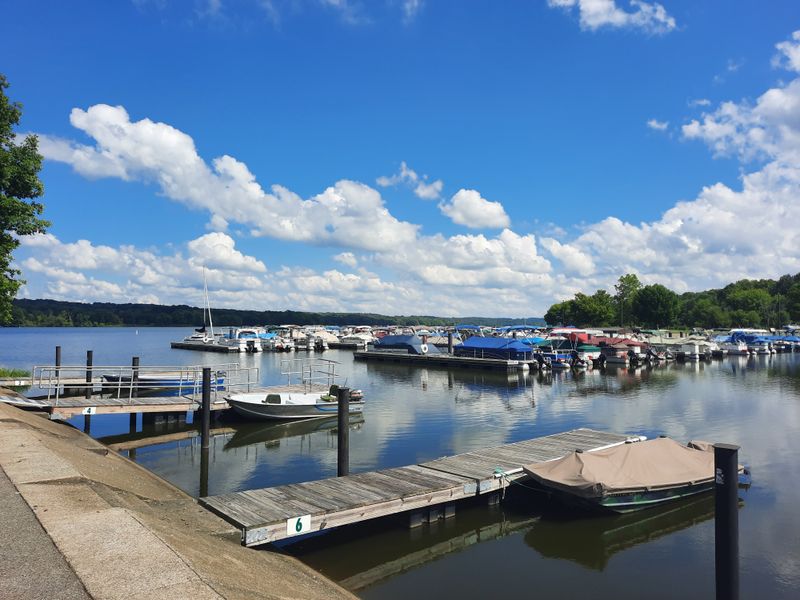
Lake Wilhelm dominates this park’s landscape, creating habitat diversity that turns it into a wildlife magnet.
The combination of open water, wetlands, and surrounding forest attracts an impressive roster of birds, including waterfowl, eagles, and osprey that put on regular aerial shows. Big-sky lake views stretch to distant horizons, offering perspectives you don’t get in Pennsylvania’s more forested parks.
Unlike tourist-heavy lake destinations with marinas and waterfront restaurants, Goddard maintains a quieter atmosphere focused on nature rather than recreation infrastructure. You won’t find jet skis buzzing around ruining the peaceful vibe.
Birdwatchers love this place, especially during migration seasons when the lake becomes a rest stop for species traveling between breeding and wintering grounds. Even non-birders appreciate watching eagles soar overhead or osprey dive-bombing for fish.
I spent an entire morning here just sitting on a bench watching the lake, which sounds boring but genuinely wasn’t. The constant wildlife activity and changing light on the water created a surprisingly engaging experience that required zero effort on my part.
The lack of tourist-town energy means you actually relax instead of fighting crowds for parking and views. Sometimes the best nature experiences happen in places that don’t try to be destinations.
12. Erie National Wildlife Refuge (Crawford County)
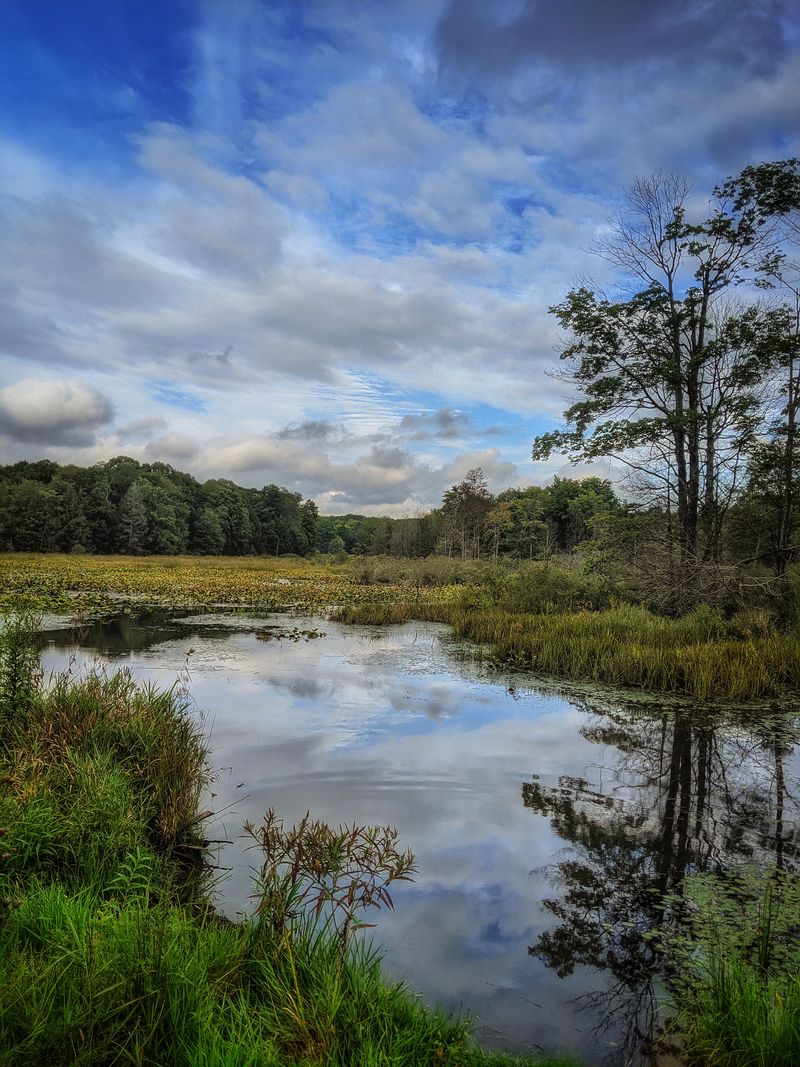
Wildlife refuges offer something special that regular parks often miss: prioritizing nature over human convenience, and Erie National Wildlife Refuge nails that mission.
Year-round trails wind through woods, fields, and past beaver ponds that create their own miniature ecosystems. The refuge’s trails page lists specific routes, including a one-mile loop that packs surprising diversity into a short distance.
Birding opportunities here range from excellent to outstanding depending on season, with species lists that make serious birders plan entire trips around visiting. Even casual observers enjoy the abundant wildlife sightings that happen when habitats are managed specifically for animal welfare.
Beaver ponds add special character, with lodges visible from trails and the results of beaver engineering reshaping the landscape in real time. Watching nature actively modify its own environment beats any nature documentary.
The peaceful atmosphere feels genuinely far from everything, despite being relatively accessible. I’ve never encountered crowds here, even during prime hiking weather, probably because most people gravitate toward more famous destinations.
For slow, quiet nature time where wildlife takes center stage and human impact fades into the background, Erie National Wildlife Refuge delivers exactly what its name promises. Sometimes hidden gems stay hidden for good reason, protecting special places from being loved to death.



