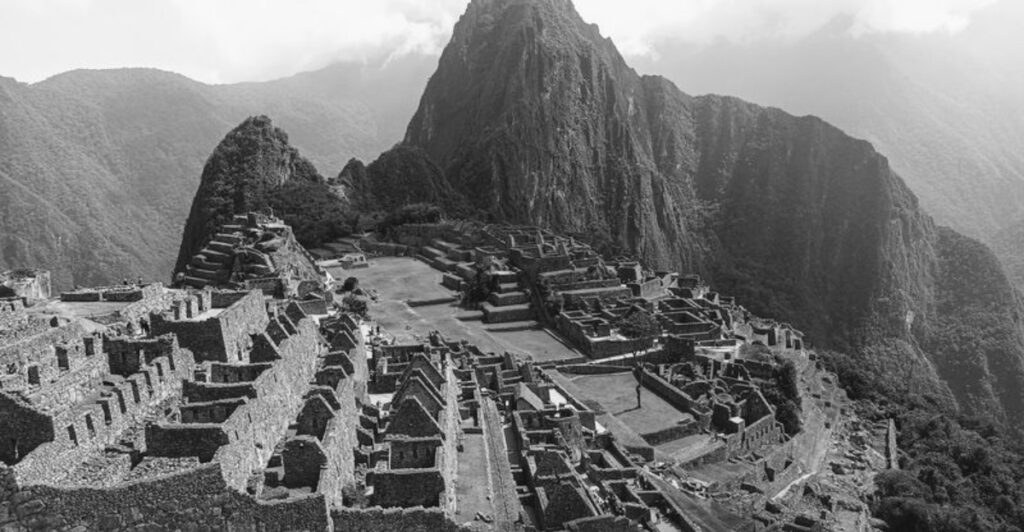
Machu Picchu has fascinated historians, archaeologists, and travelers for more than a century. Perched high in the Peruvian Andes, the 15th-century Inca city continues to raise questions about how it was built, why it was constructed, and what role it played within the empire.
Despite decades of research, many aspects of the site remain uncertain. From its remarkably precise stonework to newly discovered features hidden beneath the surface, Machu Picchu continues to reveal new clues while guarding some of its biggest secrets.
These 12 mysteries explore the enduring questions surrounding one of the world’s most extraordinary archaeological sites.
1. How Were the Massive Stones Moved?
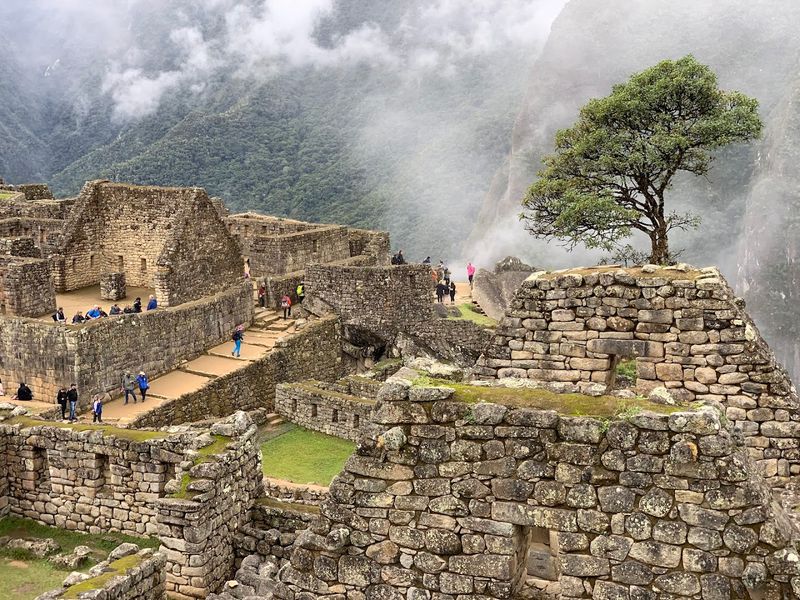
Granite blocks weighing up to 50 tons were hauled up steep mountain ridges without wheels, cranes, or draft animals, and engineers today still cannot fully agree on how it happened.
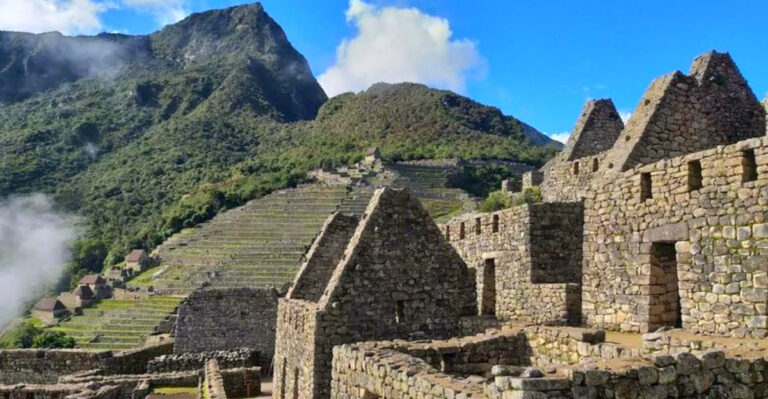
The most popular theories involve large teams of workers using ropes, wooden sleds, and earthen ramps to drag stones across uneven terrain. Experiments using these methods have moved smaller blocks successfully, but nothing close to the largest stones found at the site.
What makes this mystery even more layered is the precision involved. These were not roughly placed boulders.
They were shaped, smoothed, and positioned with extraordinary care before being set into walls that have survived centuries of seismic activity.
Some researchers point to evidence of stone-working areas near quarries, suggesting the Incas shaped blocks on-site rather than transporting finished pieces. But the logistics of moving even rough-cut granite across that terrain remain staggering.
The honest answer is that no one has fully replicated the process, which means the question is still very much open.
2. Why Was Machu Picchu Built in Such a Remote Location?
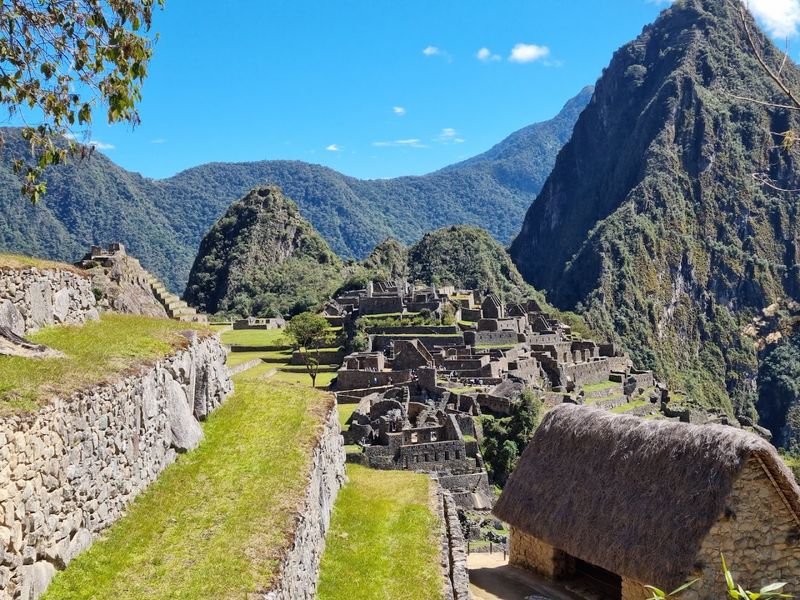
Choosing a narrow mountain ridge nearly two miles above sea level is not the obvious move for a civilization looking to build a major settlement. And yet, that is exactly what the Incas did.
Several explanations have been proposed over the decades. One of the most widely cited is that Machu Picchu served as a royal estate for Emperor Pachacuti, essentially a private retreat for the Inca ruler and his court during warmer months.
That would explain the high quality of construction without requiring it to function as a full-time city.
Religious geography likely played a role too. The Incas regarded certain mountains, known as apus, as sacred beings.
The peaks surrounding Machu Picchu include some of the most revered in the Andean world, and the site may have been chosen specifically to place it within that sacred landscape.
No single theory has closed the debate. The remote location remains one of the most compelling and unresolved aspects of the city’s story.
3. What Was Its Original Name?
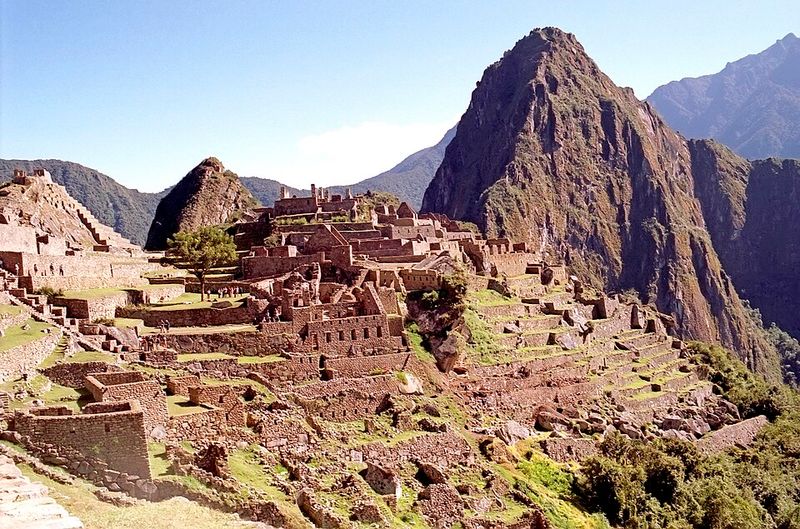
The name Machu Picchu simply means Old Peak in the Quechua language, referring to the mountain the site sits on. That is a geographic description, not a city name, which raises an obvious question: what did the people who actually lived there call it?
Some researchers believe the original name was Patallaqta, meaning Town on the Terraces, while others have suggested Llaqtapata as a possibility. The problem is that the Incas had no writing system in the conventional sense, so no inscribed records survive to settle the argument.
Hiram Bingham, who brought the site to international attention in 1911, adopted the mountain’s name for the ruins themselves, and it stuck. But that label was essentially assigned after the fact by an outsider.
The local Quechua-speaking communities in the region may have preserved oral traditions that hold clues, and researchers have been working to collect and analyze those accounts. So far, no definitive original name has emerged, and the city technically remains nameless in its own historical terms.
4. Why Was It Abandoned?
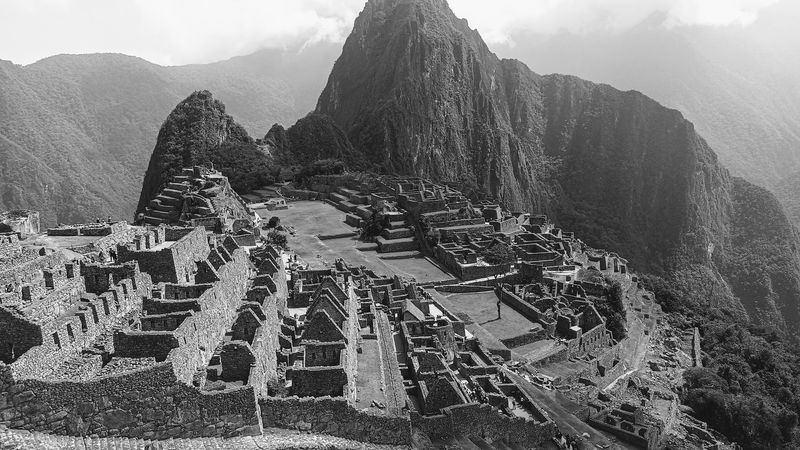
Machu Picchu was occupied for roughly 80 to 100 years before being left behind, and the reasons for that departure are still being debated by historians and archaeologists.
One prominent theory links the abandonment to the Spanish conquest of the Inca Empire in the 1530s. As colonial forces dismantled Inca political structures, the support systems that kept a royal estate functioning, including tribute labor and supply chains, would have collapsed.
Without those resources, maintaining a remote mountain city became impossible.
Environmental factors may have compounded the problem. Research into climate patterns from that period suggests the region experienced significant droughts in the mid-1500s, which would have made agriculture on the terraces far less reliable.
Another angle involves the death of Emperor Pachacuti himself. In Inca tradition, a ruler’s estate was maintained by his royal lineage after his passing.
When the empire fractured, that lineage lost its power, and properties like Machu Picchu lost their purpose.
None of these explanations fully accounts for the abruptness of the departure, and the debate continues.
5. How Did the Incas Achieve Such Precise Stonework?
There is a famous test that visitors hear about at Machu Picchu: a knife blade cannot fit between many of the stone joints. That level of precision was achieved without metal tools, laser guides, or modern measuring equipment.
The technique is called ashlar masonry, and it involves carefully shaping each stone so its faces interlock with the stones around it. The Incas used harder stones to grind and shape softer ones, working surfaces down gradually until they fit with almost no gap.
What makes this even more remarkable is that the joints were not just cosmetic. The interlocking design allowed stones to shift slightly during earthquakes and then settle back into position, a feature that has kept these structures standing through centuries of seismic activity in one of the world’s most earthquake-prone regions.
6. What Was the Purpose of the Intihuatana Stone?
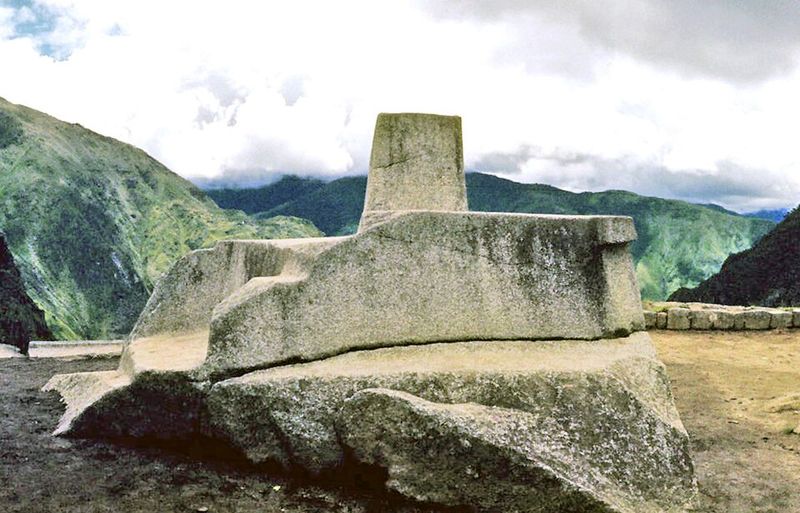
Translated loosely as the Hitching Post of the Sun, the Intihuatana is one of the most discussed objects at Machu Picchu, and also one of the least understood.
The stone is a carved granite pillar set on a platform near the highest point of the site. Its four corners are aligned with the cardinal directions, and on the winter solstice, the sun sits almost directly above it, casting virtually no shadow at noon.
That precision was clearly intentional.
Many researchers believe it functioned as a solar calendar, helping priests track the seasons and schedule agricultural and ceremonial activities. The name itself suggests a ritual connection to the sun, which was central to Inca religious belief.
However, the specific ceremonies performed around it are not documented anywhere. Spanish colonizers destroyed similar stones at other Inca sites, labeling them instruments of idolatry.
The one at Machu Picchu survived partly because the Spanish never reached the site.
Whether it was purely astronomical, purely ceremonial, or both remains genuinely unclear, and the stone keeps its purpose to itself.
7. Did Machu Picchu Serve an Astronomical Function?
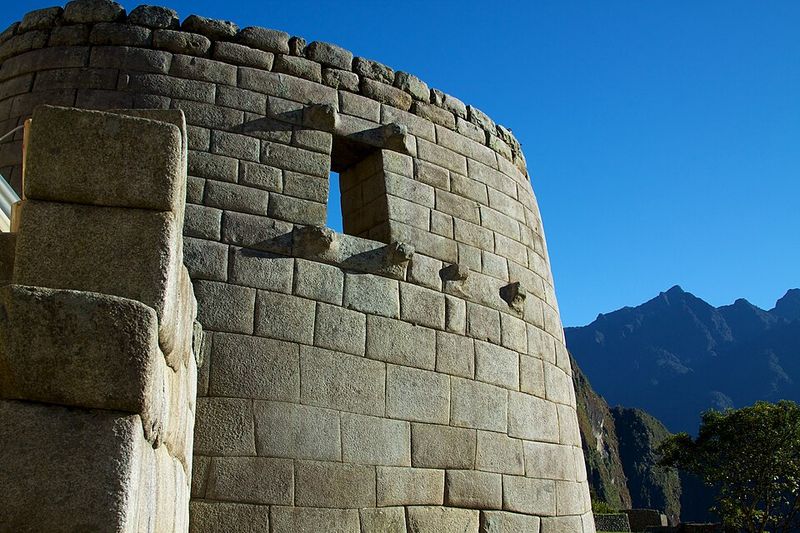
The Incas were serious observers of the sky, and Machu Picchu appears to reflect that interest in its very layout. Multiple structures align with solar and lunar events in ways that are too consistent to be accidental.
The Temple of the Sun is the clearest example. Its trapezoidal windows are positioned so that sunlight enters at specific angles during the June solstice, illuminating a carved stone platform inside.
Researchers have confirmed this alignment is precise enough to have served a practical astronomical purpose.
Other structures align with the Pleiades star cluster, which the Incas used to predict agricultural cycles. The positioning of certain doorways and sight lines across the site also suggests deliberate orientation toward celestial events.
What remains unclear is the scale of the astronomical function. Was Machu Picchu primarily an observatory?
One of many sites with astronomical features? Or was celestial alignment simply built into Inca construction as a standard religious practice?
The honest answer is that the site shows clear astronomical awareness, but the full scope of its sky-watching role has not been pinned down.
8. Why Did the Spanish Never Find It?
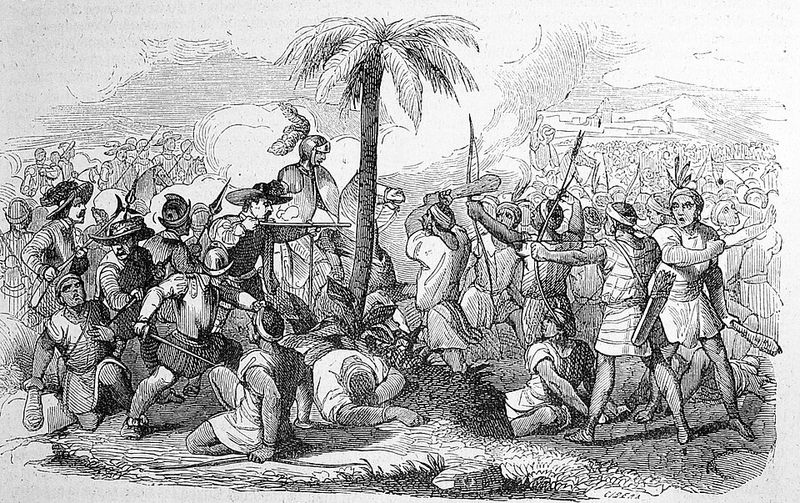
Spanish conquistadors systematically located and dismantled Inca cities across South America during the 16th century, melting down gold, toppling temples, and building colonial structures on top of what remained. Machu Picchu escaped all of that, which is remarkable given how thorough the Spanish were elsewhere.
The most straightforward explanation is geography. The site sits on a ridge that is not visible from the valleys below, and the mountain paths leading to it were narrow and easy to miss without a local guide.
The Spanish relied heavily on Inca informants, and it is possible that knowledge of Machu Picchu was simply not shared.
Another theory suggests the site had already been abandoned by the time the Spanish arrived in force, meaning there was no active population to report it and no visible signs of occupation from a distance.
Some researchers have also noted that Machu Picchu may have been considered a relatively minor site in the broader Inca system, not wealthy enough to attract focused Spanish attention even if its general location was known.
Whatever the reason, the city survived intact, which is genuinely unusual for the period.
9. Who Actually Lived There?
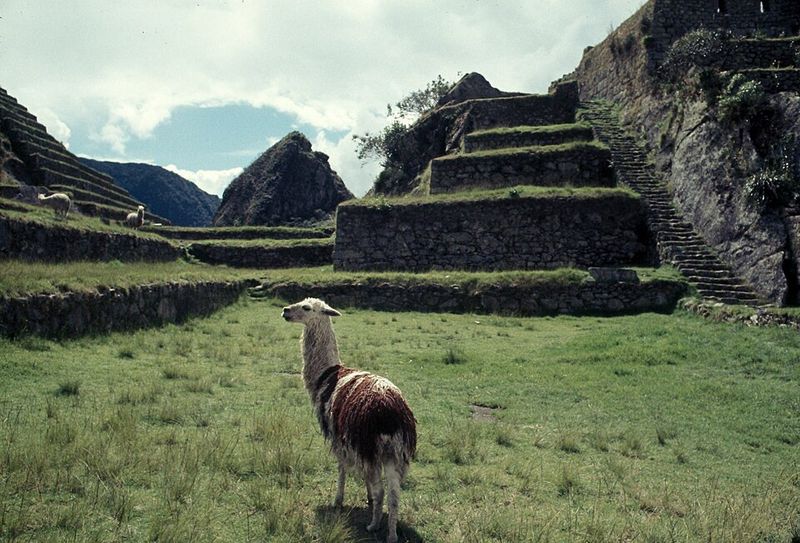
Between 300 and 1,000 people are estimated to have lived at Machu Picchu at its peak, but only around 173 to 200 sets of skeletal remains have been recovered from the site. For a settlement occupied for nearly a century, that number is surprisingly low.
Analysis of the recovered remains has provided some clues. Studies of bone structure and dental wear suggest the population included people from many different regions of the Inca Empire, not just local Andean communities.
This points toward Machu Picchu being a place where people were brought in to serve specific functions rather than a naturally grown settlement.
Evidence of different residential areas within the site suggests a clear social hierarchy. Some sections appear to have housed high-status individuals, while others show signs of more practical, working-class occupation.
The presence of what researchers call aclla, or chosen women who performed religious and craft duties, has also been proposed based on skeletal evidence. But the full social picture remains incomplete.
Where the majority of residents were buried, and why so few remains have been found, continues to be one of the site’s most puzzling demographic questions.
10. What Lies Beneath the Site?
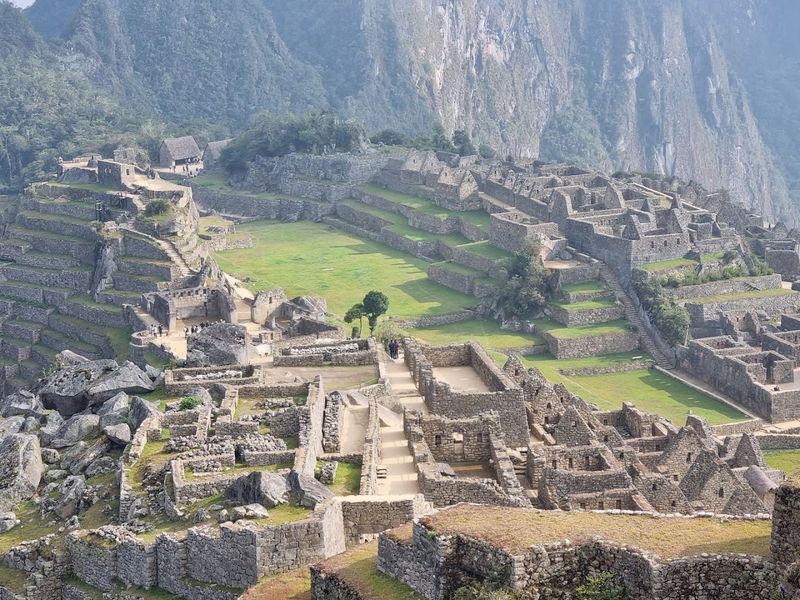
About 60 percent of Machu Picchu’s construction is estimated to be underground. That figure surprises most visitors, who see only the stone walls and terraces above the surface.
Beneath the visible structures lies an elaborate network of drainage channels, foundation stones, and crushed rock layers designed to manage water and prevent the hillside from sliding. The engineering underground is as sophisticated as anything visible above it.
Ground-penetrating radar surveys have also suggested the presence of sealed or undiscovered spaces beneath certain structures. In 2014, reports emerged of a hidden door near the Temple of the Sun that may lead to a burial chamber, possibly connected to Emperor Pachacuti.
The Peruvian government has restricted access to the area to prevent damage during any potential excavation.
The idea of sealed chambers is not far-fetched. The Incas were known to inter rulers with significant offerings, and protecting those spaces from Spanish looters would have been a logical concern during the empire’s final years.
11. Why Were Certain Buildings Left Unfinished?
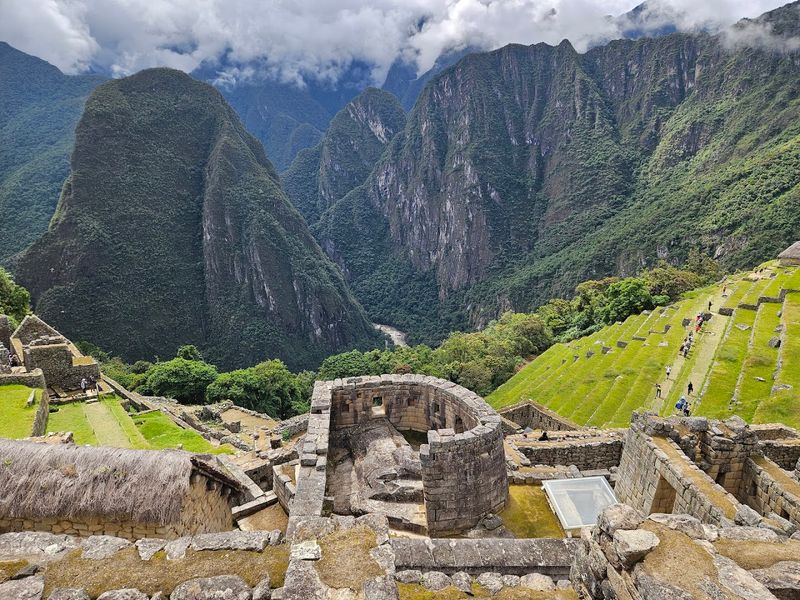
Not everything at Machu Picchu was completed. Several structures show clear signs of unfinished work, with rough stone blocks still in place and walls that stop well short of their apparent intended height.
Construction at this scale required enormous resources, including a steady supply of skilled laborers, food, and raw materials. The Inca system of mit’a, a form of required labor service owed to the state, provided the workforce.
When the empire began to collapse in the 1530s, that labor supply would have dried up quickly.
Some researchers interpret the unfinished sections as evidence that the city was still being expanded when it was abandoned. That would suggest Machu Picchu was not a completed project but an ongoing one, which shifts the way historians think about its intended final form.
Others argue the incomplete sections reflect a change in priorities rather than a sudden stop, with resources being redirected to more urgent needs elsewhere in the empire.
12. How Much of Machu Picchu Remains Undiscovered?
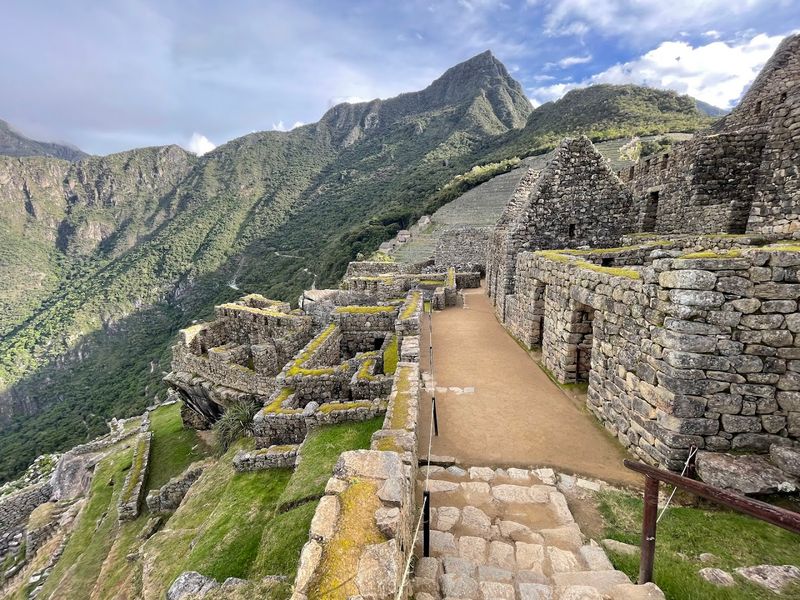
More than a century of archaeological work has gone into studying Machu Picchu, and researchers are still finding things. That alone says a great deal about the scale of what remains unknown.
Dense vegetation covers large portions of the surrounding ridge system, and new terraces, stairways, and structural remains continue to turn up as teams clear and survey previously unexamined areas. LiDAR technology, which uses laser pulses to map terrain through forest cover, has become a particularly valuable tool in recent years, revealing features invisible from the ground.
The broader landscape around the main site is also far less studied than the central ruins. Pathways, agricultural zones, and smaller structures extend well beyond the area most visitors see, and many of those outlying features have received only limited archaeological attention.
Machu Picchu has been studied extensively, but the full picture is still very much a work in progress.
Share this story