 Unearth The Voyage
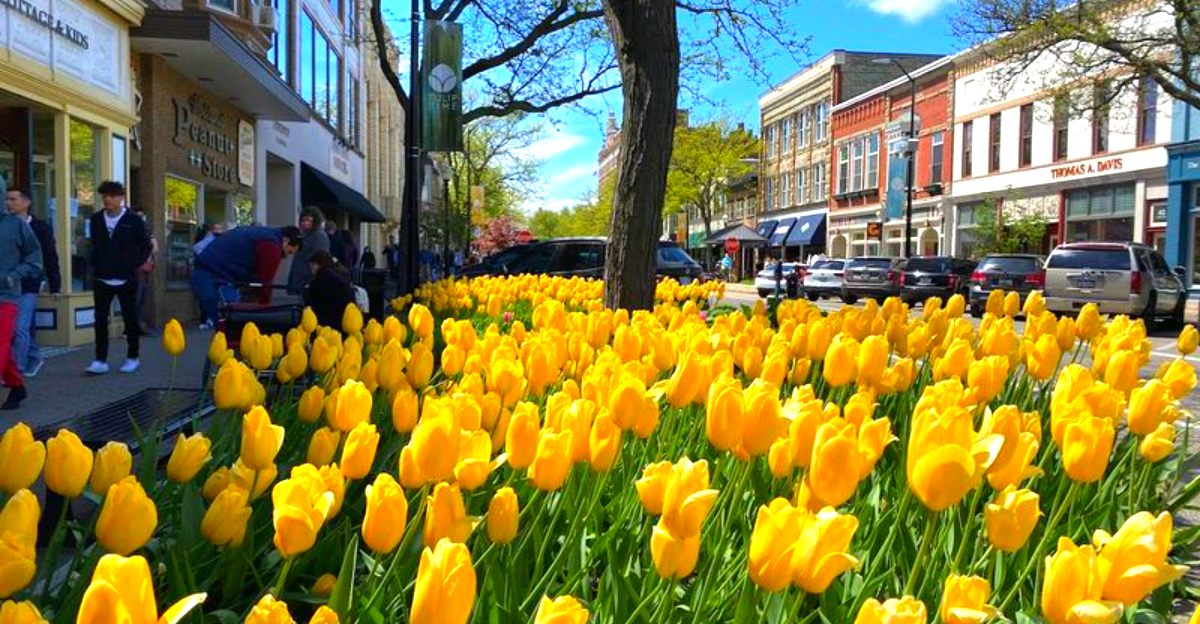
Some downtowns make you slow the car without even realizing it.
Michigan is full of places like that, with brick storefronts, historic theaters, walkable main streets, river views, and enough independent shops to make chain stores feel completely forgettable.
The towns ahead each have their own personality. You will find Bavarian-style streets, Victorian blocks, waterfront corners, and polished districts where the buildings do half the storytelling for you.
Some are well known, others still feel like a great find, but all of them have one thing in common. You might plan a quick stop, and end up spending the entire afternoon there instead.
And a few of these downtowns? They are worth the trip all on their own.
1. Frankenmuth, Michigan
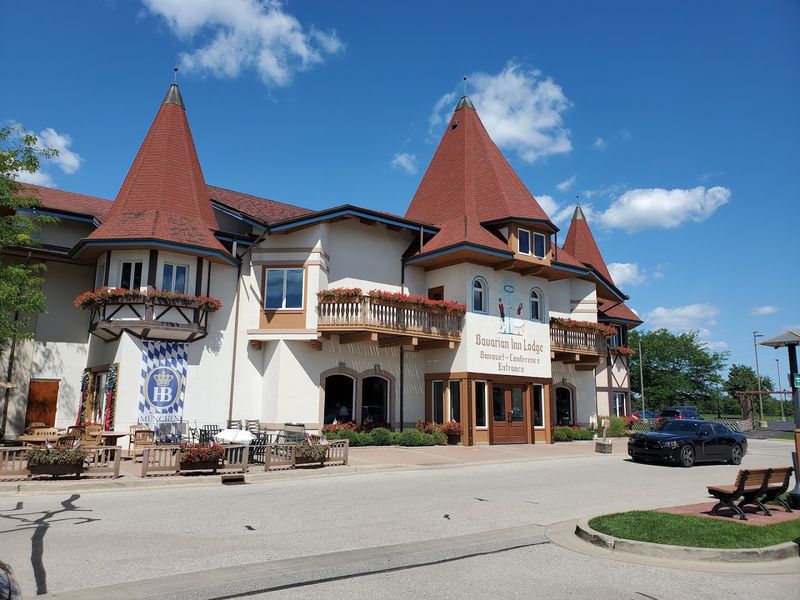
Michigan decided to build a slice of Bavaria, and Frankenmuth leans into it so completely that you forget where you are within minutes. Timbered buildings, painted trim, and storybook storefronts turn downtown into something that feels closer to a themed village than a typical main street.
But here is the thing – it actually works.
The streets are wide, the layout makes sense, and everything is built for wandering rather than rushing. You can browse gift shops, pick up specialty foods, and stop for a full sit-down meal without ever feeling like you are navigating a tourist trap.
The Holz-Brücke covered bridge is one of those details that quietly elevates the whole experience. It connects key parts of town while giving you one of the best photo spots in the area.
What keeps people lingering is how easy it is to settle into the rhythm. One store turns into three, a quick walk turns into a loop along the river, and suddenly you are planning your next stop before you have even left.
2. Saugatuck, Michigan
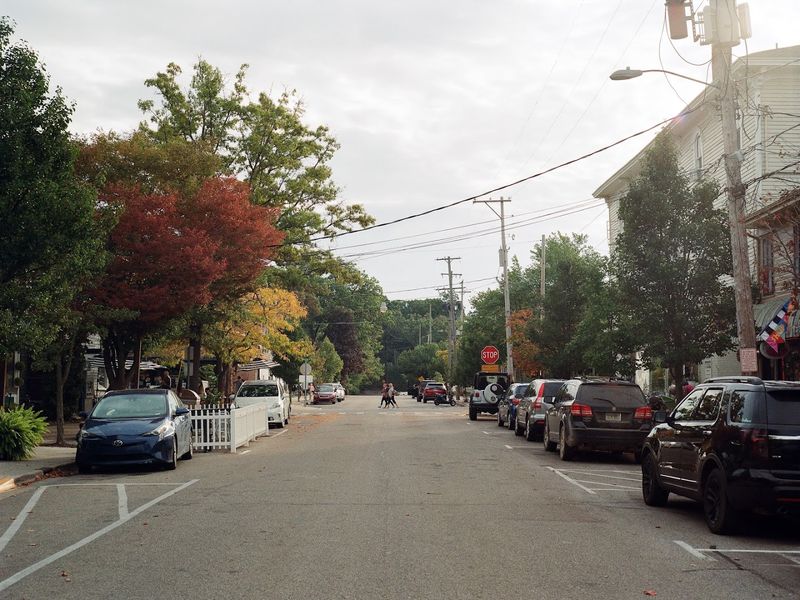
Saugatuck feels creative in a way that is immediately noticeable but not overwhelming. Butler Street runs through downtown as the main artery, lined with galleries, boutiques, and cafes that feel carefully chosen without feeling staged.
There is a rhythm to the place that becomes clear once you start walking.
You move from one gallery to another almost without planning to. Then you step into a shop, then out again toward the water, and suddenly the downtown feels connected to something larger than itself.
The waterfront is close enough to shape the experience without taking it over. You can see it, drift toward it, and return to the street without feeling like you left the center behind.
What makes Saugatuck stand out is how naturally it blends browsing and exploring. You are not just moving from store to store.
You are moving through a sequence of small discoveries.
Time stretches easily here, which is usually a sign you picked the right place to stop.
3. Petoskey, Michigan
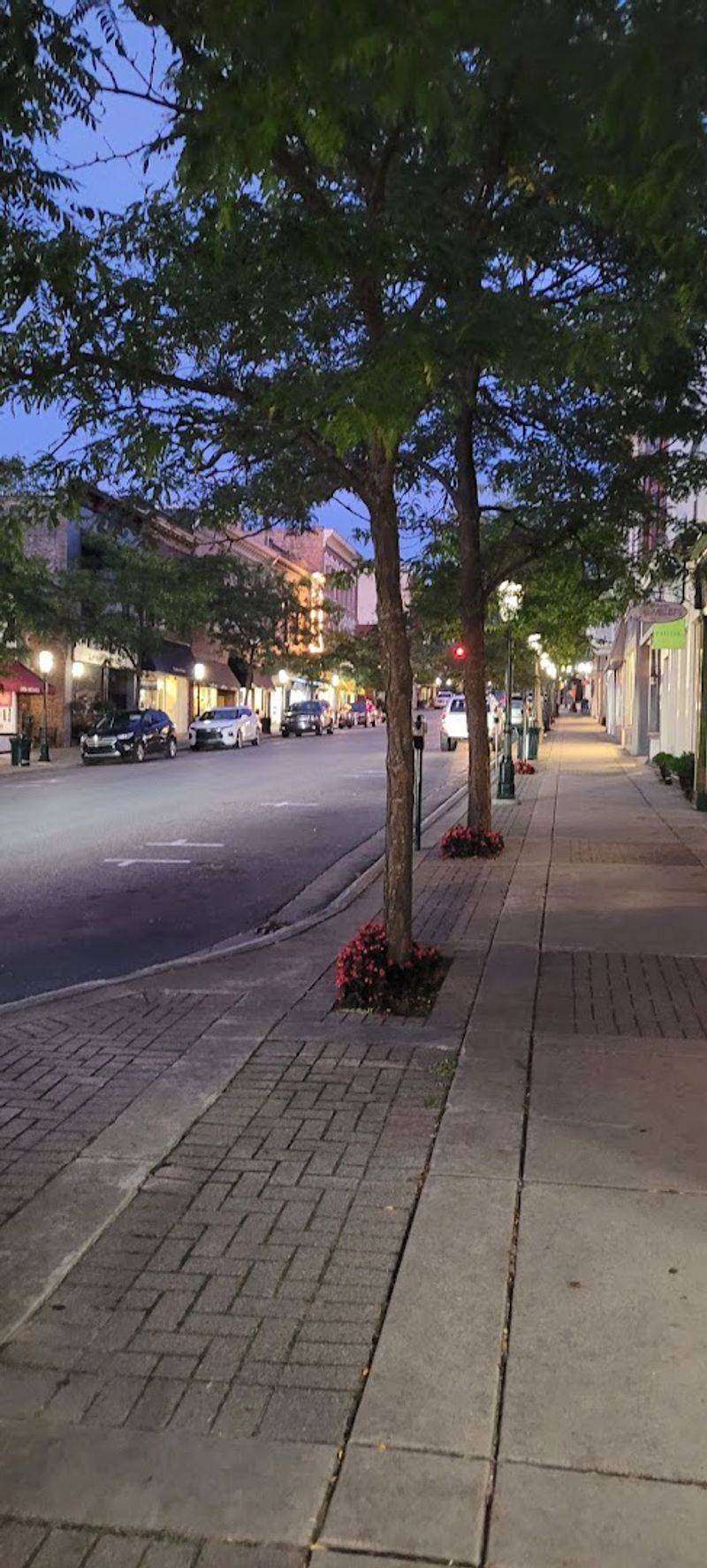
Petoskey’s Gaslight District feels polished from the start, but it does not feel stiff. Historic buildings and well-maintained storefronts create a clean, cohesive look that immediately sets expectations.
Then the geography adds something extra.
The gradual slope toward Little Traverse Bay gives your walk a sense of direction. Even if you are not thinking about it, you are moving toward a view, and that subtle pull changes how the downtown feels.
Shops here are not just fillers between attractions. Independent bookstores, specialty retailers, and long-standing businesses give the area identity.
You are not just browsing. You are stepping into places that feel established and intentional.
There are also natural extensions to the visit. The waterfront, nearby paths, and surrounding viewpoints make it easy to stretch your time without forcing it.
Petoskey manages to feel both refined and relaxed, which is not an easy balance to maintain.
4. Holland, Michigan
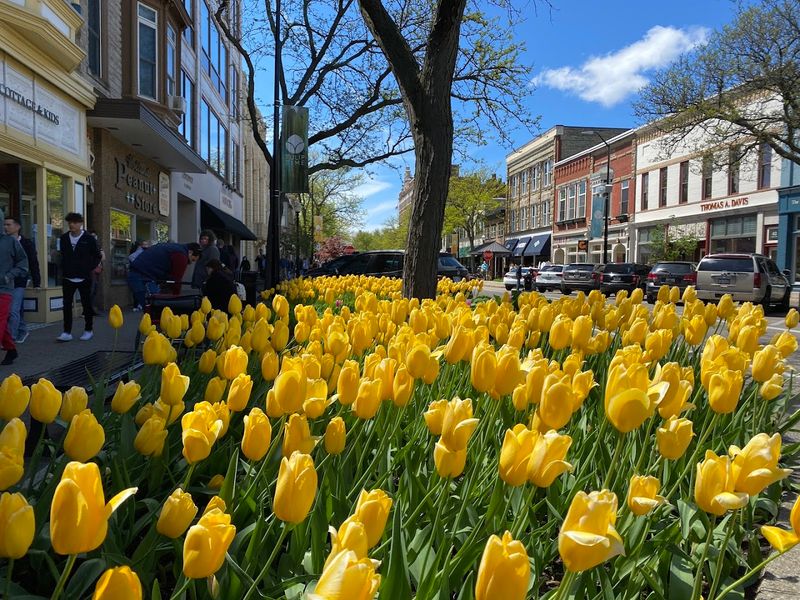
Holland’s downtown feels organized in a way that immediately puts you at ease. Brick buildings, clean sidewalks, and well-maintained storefronts create a setting that feels active but never chaotic.
Then you notice one detail that explains everything.
The sidewalks are heated.
It seems minor at first, but it reveals the larger idea. This is a downtown designed to function in every season, not just look good when the weather cooperates.
Along 8th Street, shops, bakeries, and cafes are arranged in a way that makes moving between them feel natural. You do not need to plan your route.
The layout does the work for you.
Even during busy events, the space holds up. During quieter moments, it still feels complete.
That consistency is what makes people come back.
5. Marshall, Michigan
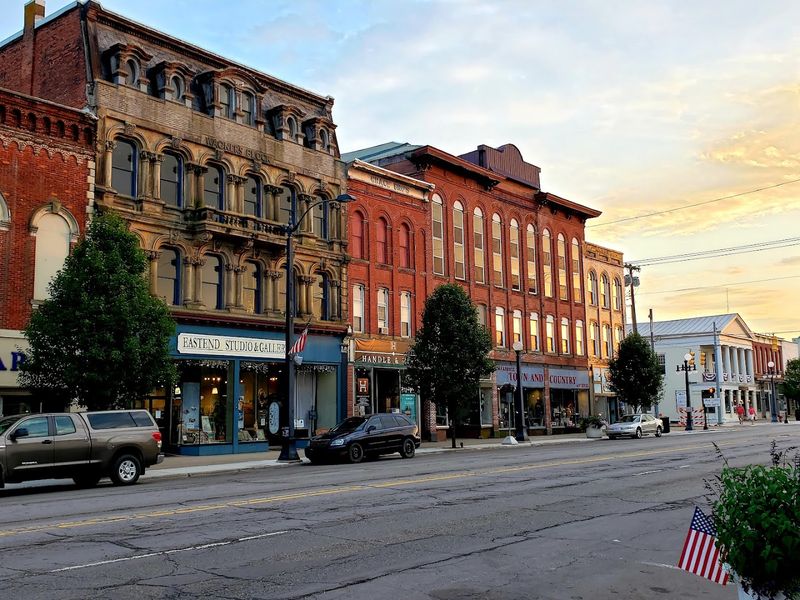
Marshall introduces itself through its architecture. The downtown is filled with nineteenth century buildings that create a strong sense of continuity from one block to the next.
It is not about a single landmark. It is about the accumulation.
As you walk, details begin to stand out. Brick sidewalks, preserved facades, and subtle design elements that reward a slower pace.
You start noticing things you would normally walk past.
There is also a deeper layer. Historical connections, including ties to the Underground Railroad, give the downtown meaning beyond its appearance.
At the same time, it still functions as a real center of activity. Shops, restaurants, and local businesses keep the area grounded in the present.
It feels like a place where history is not just displayed, but still part of daily life.
6. Rochester, Michigan
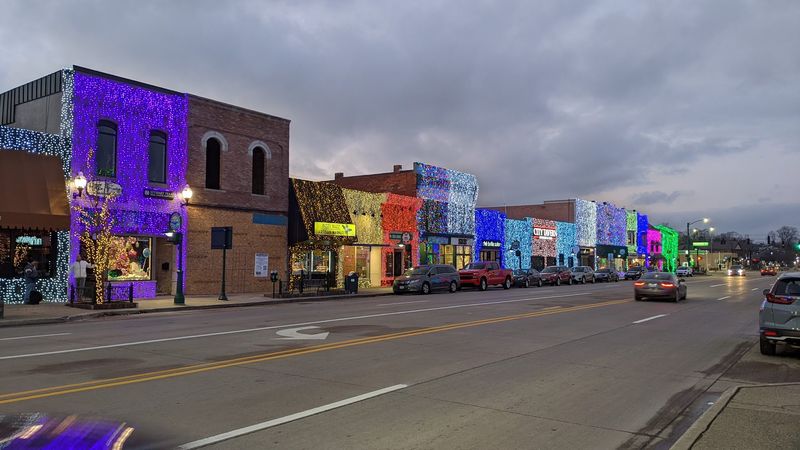
Rochester feels active in a way that draws you in quickly. Main Street combines historic structures with updated storefronts, creating a downtown that feels both established and current.
The energy comes from how people use the space.
You see movement everywhere. People shopping, meeting, walking between stops, and settling into cafes.
It feels natural rather than staged.
The variety helps. Boutiques, dessert spots, restaurants, and small businesses are packed closely enough to keep things interesting without feeling crowded.
Seasonal events and decorations add another layer, but they are not doing all the work.
Even on a regular day, the downtown holds your attention longer than expected.
7. Charlevoix, Michigan
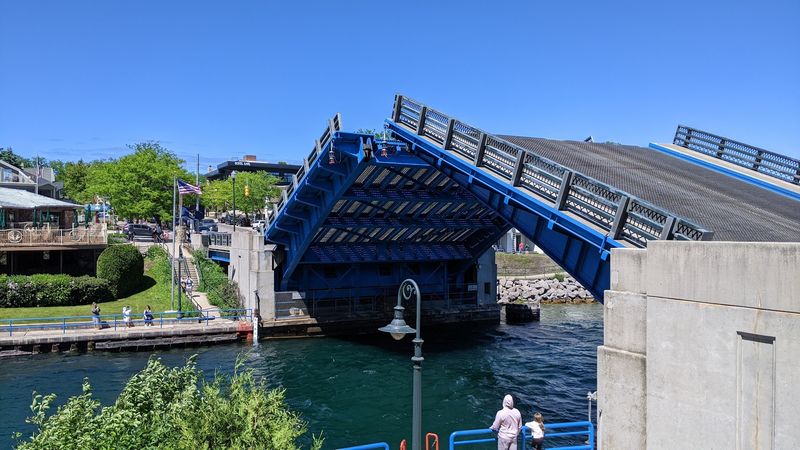
Charlevoix has a setting that immediately stands out, but what makes it memorable is how well the downtown keeps up with it. Positioned between Lake Michigan and Round Lake, the town is shaped by water in a way that you notice from almost every angle.
It feels like everything is oriented around movement.
Bridge Street forms the core of the downtown, lined with shops, restaurants, and small stops that invite you in rather than just pulling you past. The layout is compact, which makes it easy to explore, but it never feels limited.
East Park sits right in the middle of it all, giving you a place to slow down without stepping away from the experience. It creates a natural pause that breaks up the storefront rhythm in the best way.
What makes Charlevoix work so well is the balance. The water is always present, but it never overshadows the downtown itself.
8. Traverse City, Michigan
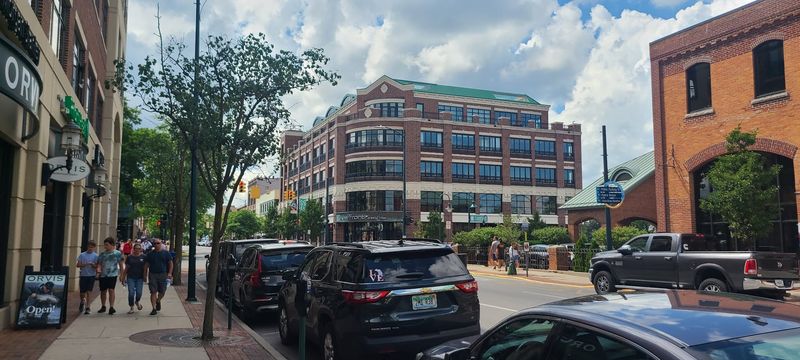
Traverse City feels different the moment you step into downtown. It carries more energy than most places on this list, and that energy builds as you move through it.
Front Street sets the tone. It is busy, layered, and filled with storefronts that reward a closer look rather than a quick pass.
At first, it seems straightforward. Then it starts to expand.
Side streets open up into more shops, smaller cafes, and unexpected stops that make the downtown feel larger than it first appears. You are not just walking one main strip.
You are gradually uncovering more of it.
The mix of businesses keeps things interesting. Bookstores, boutiques, markets, and restaurants all fit together in a way that feels active but not overwhelming.
Then there is the bay.
It stays close enough to shape the atmosphere without pulling attention away from the streets. You can head toward the water, take it in, and return without breaking the flow of your visit.
What makes Traverse City stand out is how much there is to do without it feeling crowded or chaotic. The downtown has depth, and that depth reveals itself the longer you stay.
You can spend hours here and still feel like you only covered part of it.
And that is usually what brings people back.
9. Harbor Springs, Michigan
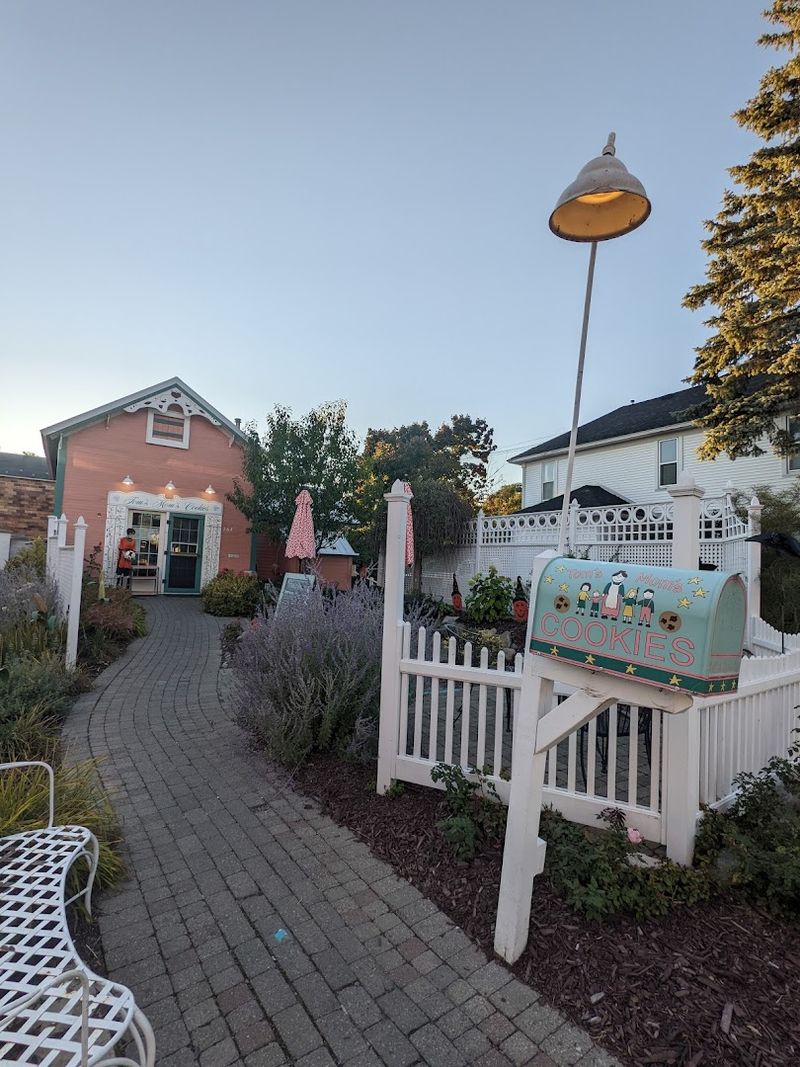
Harbor Springs does not try to impress you right away, and that is part of its appeal. The downtown is compact, clean, and quietly confident, with storefronts and streets that feel thoughtfully arranged without calling attention to themselves.
It is the kind of place that reveals itself gradually.
At first glance, it feels simple. Then you start noticing the balance.
Shops, galleries, and cafes fit the scale of the town perfectly, creating a space that feels complete without ever feeling crowded.
The harbor is never far. You catch glimpses of it between buildings, at the end of streets, or just beyond a row of shops, and it subtly shapes how the entire downtown feels.
There is no rush here. You move slower without deciding to, stop more often than you planned, and spend more time in places that feel worth it.
What stands out most is the restraint. Nothing feels overdone, nothing feels forced, and that makes the experience feel more intentional.
It is calm, but it never feels empty.
10. Grand Haven, Michigan
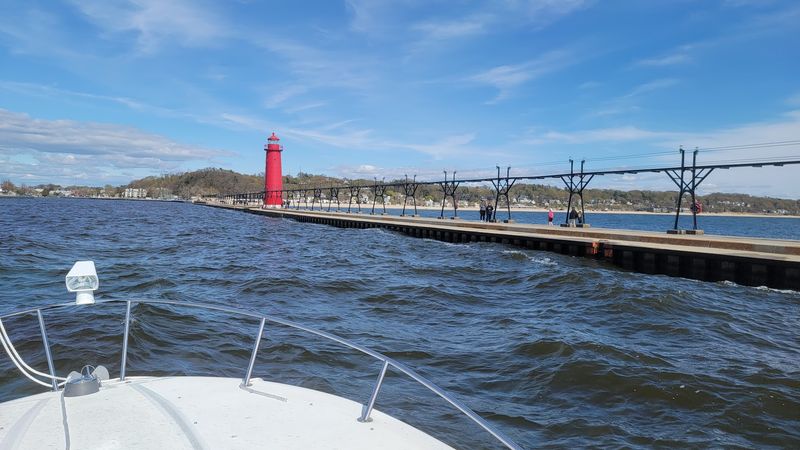
Grand Haven has the kind of downtown that stays busy for a reason. Streets near Washington Avenue are lined with shops, restaurants, and storefronts that keep people moving, creating a steady rhythm that carries throughout the day.
Then the water becomes part of the experience.
The river, channel, and boardwalk are all close enough that you never feel separated from them. You can walk a few blocks, shift direction, and suddenly you are looking out over the water without leaving the downtown behind.
That connection changes how everything feels. It turns a simple shopping trip into something more layered.
You might start with a quick stop at a store, then drift toward the waterfront, then loop back again without realizing how much ground you covered.
The layout encourages that kind of movement. Nothing feels disconnected, and nothing feels like a detour.
What makes Grand Haven stand out is how naturally everything fits together. The downtown and the waterfront are not competing.
They are working together.
And that is exactly why people stay longer than they planned.
11. Northville, Michigan
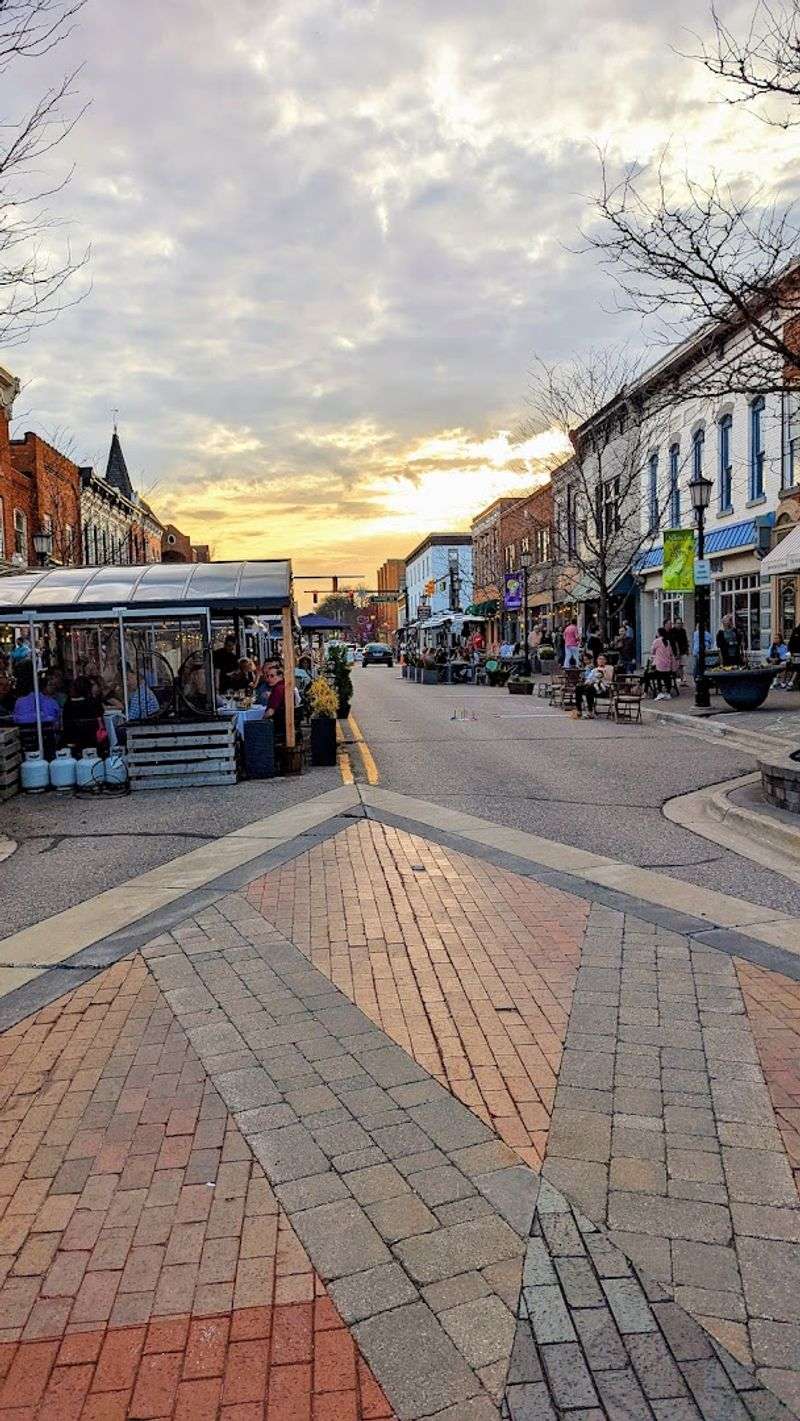
Northville feels like a classic downtown the moment you arrive, but it does not feel stuck in the past. Victorian buildings, clean streets, and a well-organized layout create a setting that looks traditional while still feeling active and current.
It is easy to find your rhythm here.
Main and Center streets form the heart of the downtown, filled with shops, restaurants, and small businesses that keep the area moving without overwhelming it. Everything is close enough to walk comfortably, but spread out enough to avoid feeling crowded.
Town Square adds a natural pause point. It gives you space to slow down, look around, and decide where to go next without stepping away from the center.
As you continue, nearby historic areas and side streets extend the experience just enough to make it feel larger than it first appears.
What makes Northville work so well is its balance. It feels structured, but not rigid.
Organized, but not overly planned.
You can wander without thinking too much about direction and still feel like you have seen exactly what you came for.
12. Birmingham, Michigan
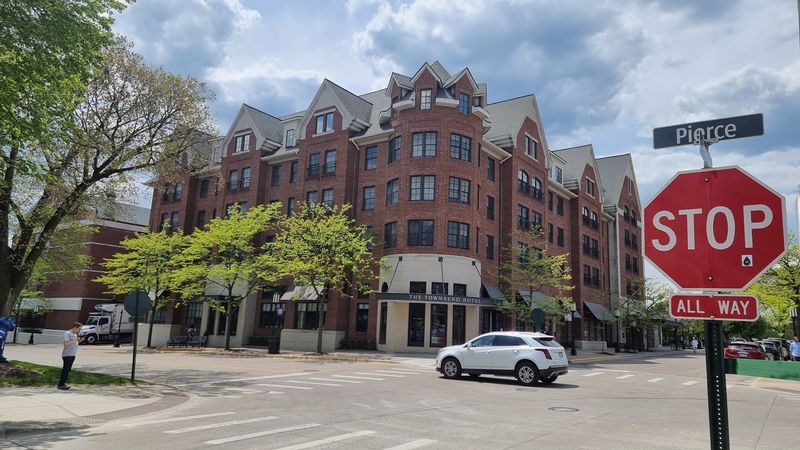
Birmingham stands out immediately, but not in an overwhelming way. The downtown feels polished, with clean streets, well-designed storefronts, and public spaces that give everything room to breathe.
It looks refined, but it does not feel distant.
As you walk through the area, the mix of businesses starts to stand out. Boutiques, cafes, bookstores, and larger brands are arranged in a way that feels intentional, creating variety without losing cohesion.
What makes it different is how people use it.
This is not just a place people visit. It is a place people return to as part of their routine.
You see it in the steady movement, the conversations outside cafes, and the way the space stays active throughout the day.
Public areas and small gathering spots break up the flow, giving you natural places to pause without interrupting the experience.
The more time you spend here, the more complete it feels. Everything connects, everything serves a purpose, and nothing feels out of place.
It is the kind of downtown where time moves quietly, and you only notice how long you stayed when you finally decide to leave.



