Every movie has characters who feel like they were supposed to do something important but never quite got there. Some exist for a single joke, others are set up for sequels that never arrived, and a few just take up screen time without moving the story forward.
These are the characters audiences barely remember, even after the credits roll. Here are 12 movie characters who were, honestly, completely pointless.
1. Suicide Squad (2016) – Slipknot – Adam Beach

Slipknot holds a unique and unfortunate place in movie history: he exists almost entirely to die. Introduced with almost no backstory, his only real job in Suicide Squad is to prove that the explosive neck implants are real and deadly.
He tries to escape early on and gets his head blown off within minutes of the action starting.
There is no character arc, no emotional weight, and no reason to care. Other Squad members at least got a flashback or a moment of personality.
Slipknot got none of that. Actor Adam Beach, a talented performer, had almost nothing to work with here.
Fans who read the comics know Slipknot as a minor but recognizable villain. The movie reduced him to a human plot device.
His presence served the story mechanically, not emotionally. It is hard to think of a more thankless role in a major blockbuster.
2. Transformers: Revenge of the Fallen (2009) – Leo Spitz – Ramon Rodriguez
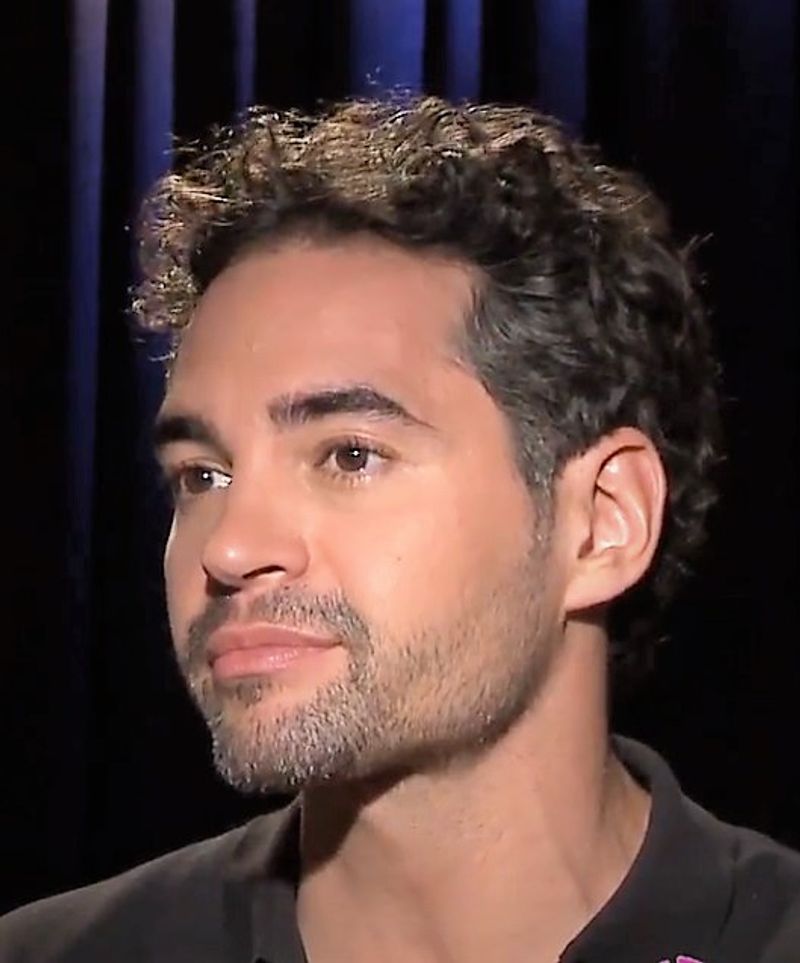
Comic relief characters can work beautifully when they are written well. Leo Spitz from Transformers: Revenge of the Fallen is not one of those cases.
Introduced as Sam Witwicky’s college roommate, Leo spends the majority of the film screaming, complaining, and generally getting in the way of whatever is happening around him.
He does not help solve any problems. He does not grow as a person.
He does not change the direction of the plot even slightly. Remove him entirely and the story plays out exactly the same way.
That is the clearest sign of a pointless character.
Ramon Rodriguez brought energy to the role, but the script gave him nowhere to go. The film was already overcrowded with human characters competing for attention alongside giant robots.
Leo felt like an extra who somehow wandered into a speaking role and stayed too long.
3. Star Wars: The Phantom Menace (1999) – Jar Jar Binks – Ahmed Best
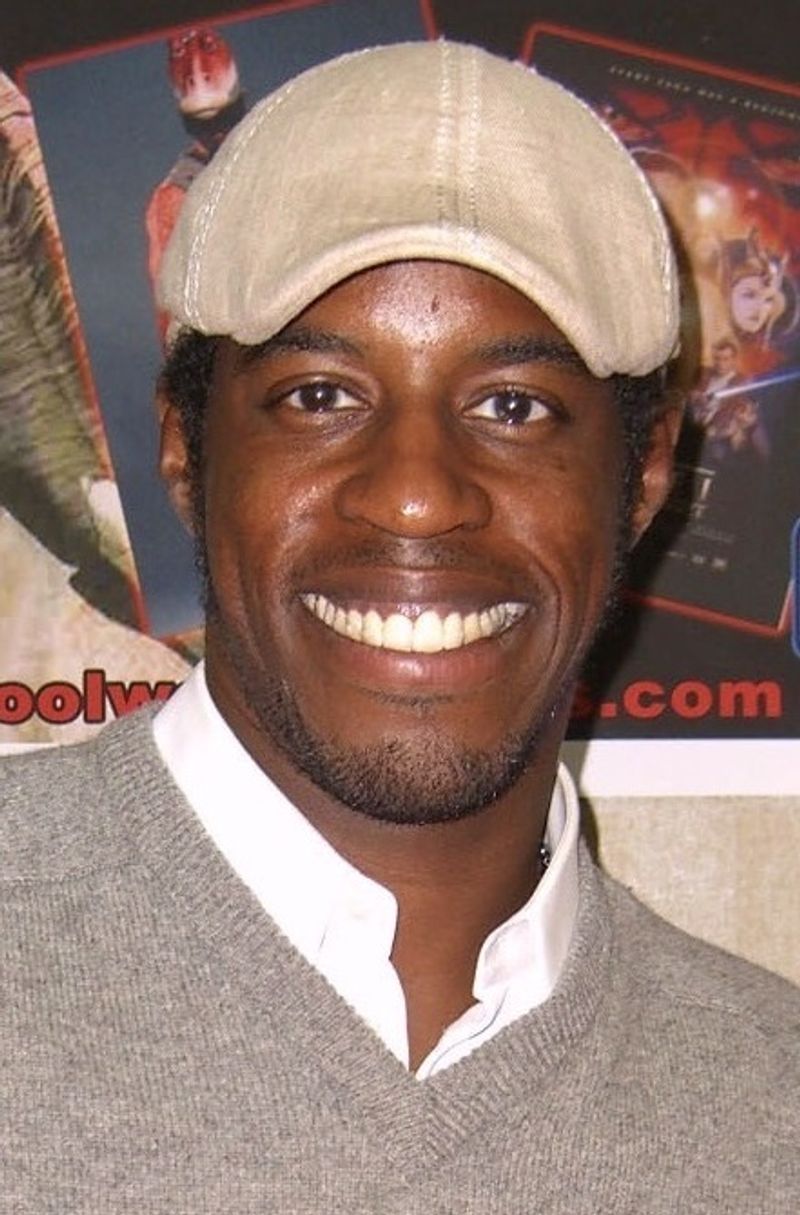
Jar Jar Binks became one of cinema’s most famous examples of a character who overstays his welcome before the movie even ends. Designed as comic relief for younger viewers, he ended up frustrating audiences of all ages.
His clumsy antics interrupted scenes that needed weight and focus, especially during the political storylines that drove the plot.
George Lucas intended Jar Jar to be the heart of the film’s lighter moments. What happened instead was a character who felt tonally out of place in nearly every scene.
The backlash was so severe that his role was significantly reduced in the following two prequel films.
Ahmed Best performed the motion capture work with real dedication, and it is genuinely unfortunate that the character became such a cultural punching bag. The problem was never the performance.
It was a character whose presence added chaos without contributing meaningfully to the galaxy-spanning conflict at the center of the story.
4. Jurassic World: Fallen Kingdom (2018) – Franklin Webb – Justice Smith
Franklin Webb was introduced as a tech-savvy member of the rescue team heading back to Isla Nublar. On paper, his skills should have made him useful.
On screen, he mostly screamed at dinosaurs and hid behind things while other characters did the actual work. His fear reactions became repetitive very quickly.
Justice Smith is a genuinely talented actor who has proven himself in other projects. Fallen Kingdom simply did not give him material worth working with.
Franklin’s technical abilities are mentioned but rarely demonstrated in any meaningful way during the film’s most critical moments.
By the time the story moved to the Lockwood estate for its second half, Franklin had essentially become a background presence. He survived the film but left almost no impression.
Jurassic World: Dominion brought him back with a slightly larger role, which suggests the filmmakers knew they had wasted him the first time around.
5. The Amazing Spider-Man 2 (2014) – Felicia Hardy – Felicity Jones
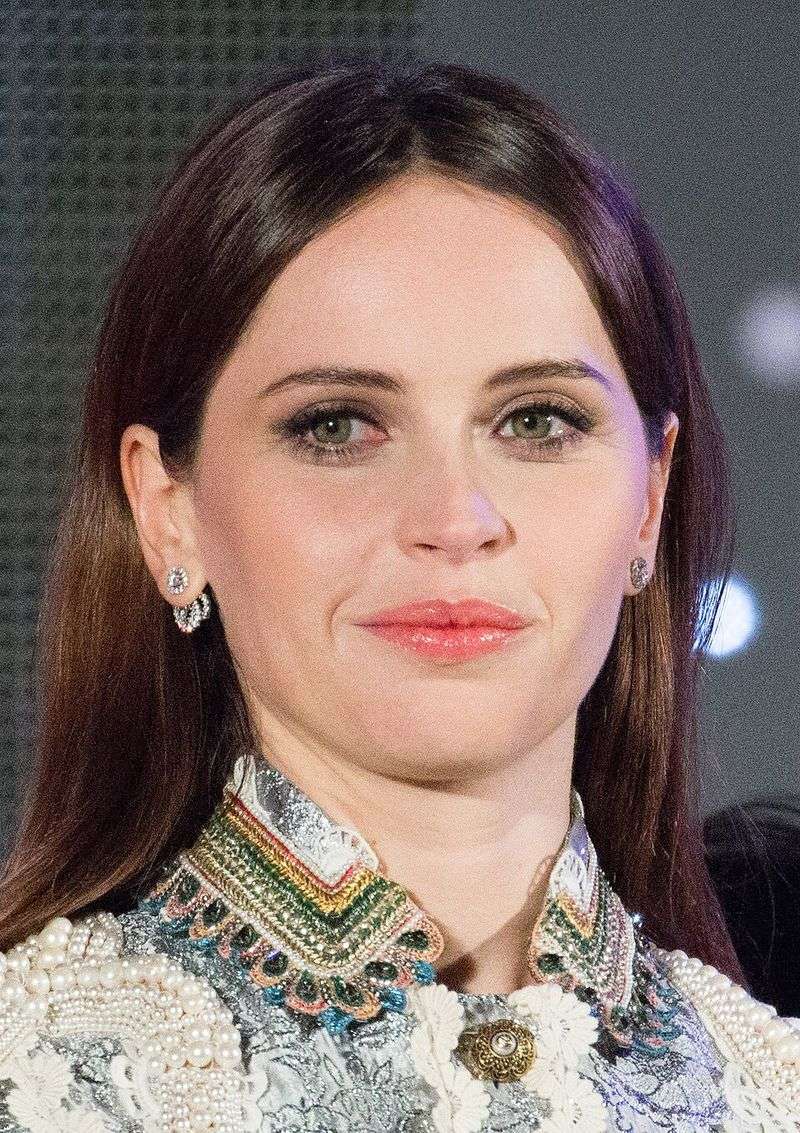
Felicia Hardy is one of Marvel Comics’ most beloved characters, known widely as the Black Cat. In The Amazing Spider-Man 2, she appears in a handful of scenes as an assistant at Oscorp and does essentially nothing of consequence.
She is clearly being set up for a future film, but that future never arrived.
Sony had big plans for a connected Spider-Man universe that would have included Black Cat as a major player. When that franchise was rebooted, those plans were abandoned entirely.
Felicity Jones moved on to much bigger things, including a starring role in Rogue One: A Star Wars Story.
Watching the film now, her scenes feel like trailers for movies that will never exist. That is a strange and slightly sad viewing experience.
Felicia Hardy deserved a real story, not a placeholder appearance designed to tease a sequel that the studio was never actually able to deliver.
6. X-Men: The Last Stand (2006) – Psylocke – Mei Melancon

Psylocke is one of the most visually striking and narratively rich characters in X-Men comics history. Telepathic, skilled in combat, and layered with complex backstory, she should have been a standout presence in any film she appeared in.
X-Men: The Last Stand managed to make her completely invisible despite technically including her.
Mei Melancon played the role but received almost no dialogue and no character development. Psylocke appears during battle scenes as part of Magneto’s Brotherhood but contributes nothing that another generic mutant could not have done just as easily.
Her mutant abilities are barely shown on screen.
The film was already struggling to balance too many characters across its storylines. Psylocke was simply one casualty of that overcrowding.
Years later, the character was recast and given a proper introduction in X-Men: Apocalypse. Even that version felt underwritten, suggesting the franchise repeatedly struggled to do justice to one of its most interesting figures.
7. Pirates of the Caribbean: At World’s End (2007) – Sao Feng – Chow Yun-fat
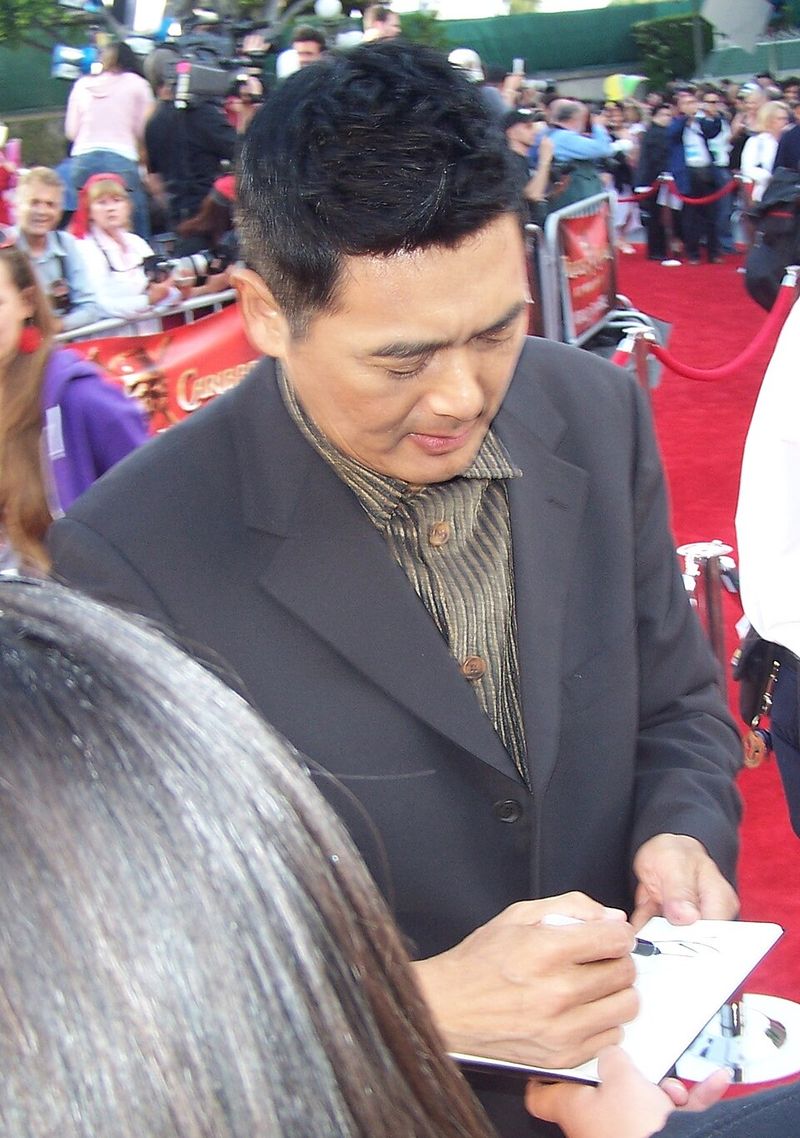
When Chow Yun-fat was announced as part of the Pirates of the Caribbean: At World’s End cast, expectations were high. He is a legendary action star with an enormous screen presence, and his character Sao Feng was described as a powerful pirate lord commanding the seas of Singapore.
The buildup suggested a major role.
What audiences got was far less satisfying. Sao Feng appears in a tense opening scene, shifts allegiances in confusing ways, and then dies before the film reaches its midpoint.
His exit is sudden and feels dramatically unearned given how much the marketing had emphasized his importance.
Chow Yun-fat later expressed disappointment with how the role turned out, noting that significant portions of his scenes were cut during editing. The character’s potential was clearly visible, which made the waste even more frustrating.
At World’s End already had a crowded story, and Sao Feng became one of its most prominent victims.
8. The Matrix Reloaded (2003) – The Kid – Clayton Watson
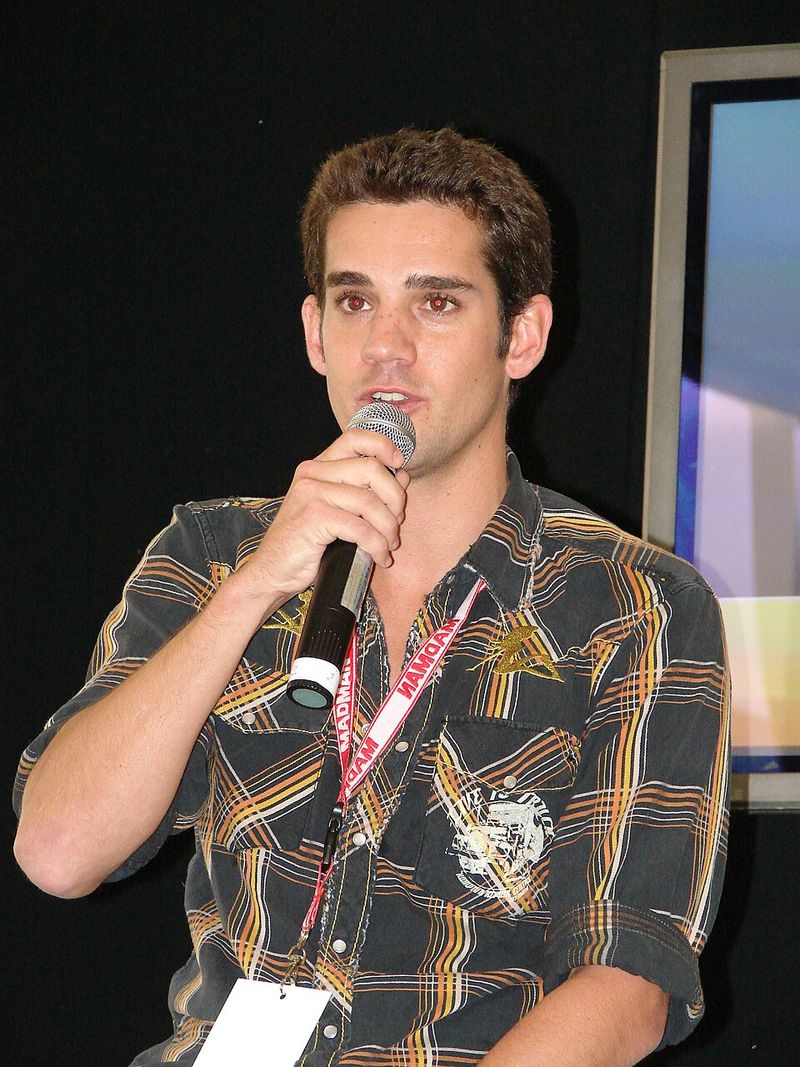
The Kid first appeared in the animated short Enter the Matrix and was clearly positioned as a bridge character connecting the expanded Matrix universe to the main films. In The Matrix Reloaded, he follows Neo around Zion with wide-eyed admiration and contributes very little to the actual plot moving forward around him.
His most memorable moment involves opening a gate during the machine attack on Zion in Revolutions, which could honestly have been done by any unnamed soldier. The story would not change at all if he were removed from both films.
That is a significant problem for a character who received enough attention to suggest importance.
The Wachowskis were clearly building a mythology larger than the films alone, and The Kid was part of that vision. But for audiences watching only the movies, he registered as little more than Neo’s most devoted fan with no real agency of his own throughout either sequel.
9. Spider-Man 3 (2007) – Gwen Stacy – Bryce Dallas Howard
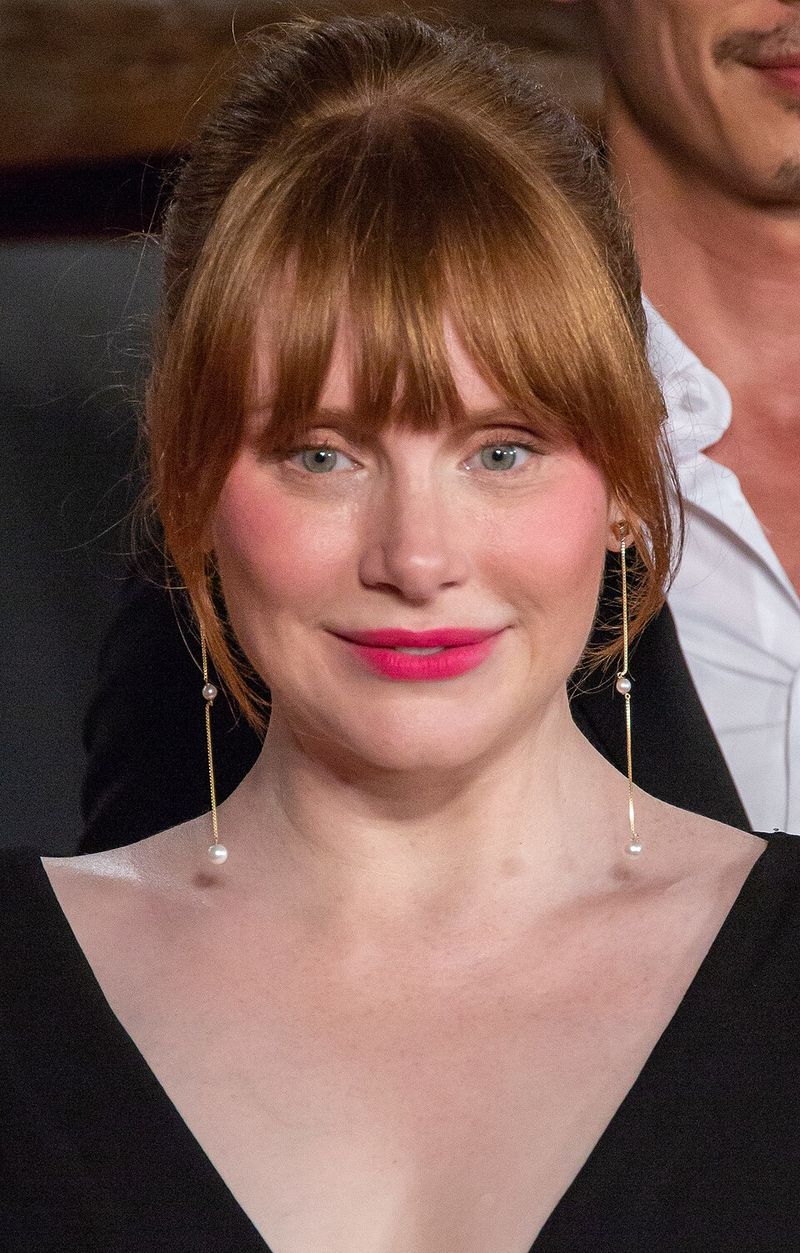
Gwen Stacy is arguably the most important character in Spider-Man’s entire comic book history. Her death in the comics is one of the most analyzed and discussed moments in superhero storytelling.
So it is genuinely surprising that her appearance in Spider-Man 3 amounts to little more than a jealousy trigger for Mary Jane Watson.
Bryce Dallas Howard played the role with charm, but the script gave her almost nothing to do. Gwen appears at a public ceremony, shares an upside-down kiss with Peter Parker that mirrors the iconic moment from the first film, and then fades into the background for the rest of the movie.
Her presence creates brief tension between Peter and MJ, but that subplot resolves without Gwen having any real agency. She is used as a prop to create relationship drama rather than as a character with her own story.
Given her comic book legacy, the missed opportunity here is genuinely hard to overstate.
10. Iron Man 2 (2010) – Senator Stern – Garry Shandling
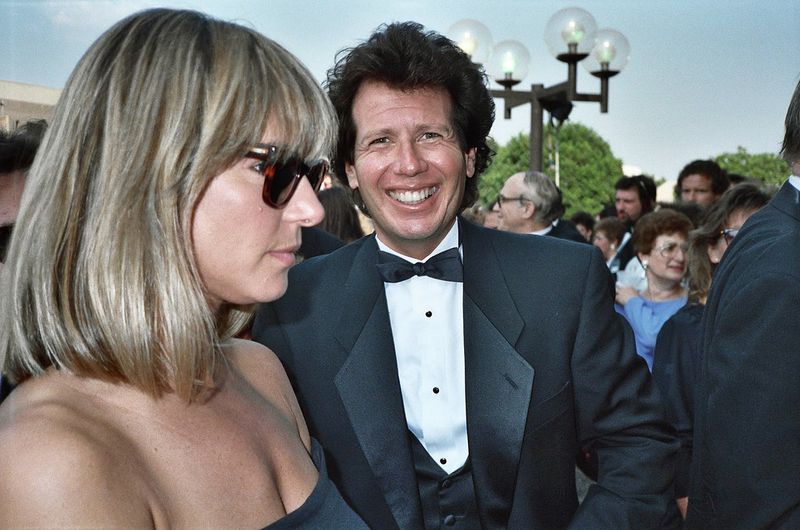
Senator Stern appears in Iron Man 2 as a congressional antagonist demanding that Tony Stark hand over the Iron Man technology to the government. The scenes he appears in are well-written and Garry Shandling plays the pompous, self-important politician with real comedic timing.
The problem is that Stern ultimately has no effect on the plot’s resolution.
Tony refuses to cooperate, the hearing ends, and the story moves on to its actual conflicts involving Ivan Vanko and Justin Hammer. Stern reappears briefly at the end to present Tony with a medal, which is a funny moment but does nothing to justify his earlier scenes as meaningful obstacles.
The character was later revealed in Captain America: The Winter Soldier to have been a secret HYDRA agent, which recontextualized his antagonism. But in Iron Man 2 alone, he reads as political window dressing.
His scenes eat up runtime that could have developed the film’s more interesting villains instead.
11. Avengers: Age of Ultron (2015) – Dr. Helen Cho – Claudia Kim
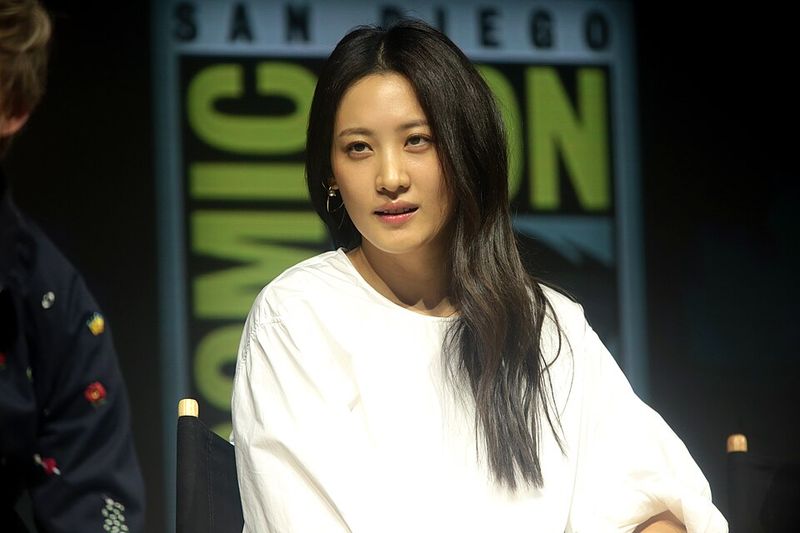
Dr. Helen Cho is introduced in Avengers: Age of Ultron as a brilliant geneticist whose regeneration technology becomes central to Ultron’s plan for creating a new body. For a brief stretch in the film’s second act, she feels genuinely important.
Then Ultron takes control of her mind and uses her lab to build Vision’s synthetic body.
After that sequence ends, Helen Cho essentially disappears from the film. She is mind-controlled, then freed, and then never mentioned again.
The Avengers move on, Vision is created, and Dr. Cho’s role is complete. She had a function, not a character arc.
Claudia Kim brought warmth and intelligence to the performance, making it easy to imagine a version of the MCU where Helen Cho became a recurring presence. That version never materialized.
She appeared briefly in promotional materials for later films but never returned in any meaningful capacity, leaving her debut as a promising setup with no payoff.
12. Harry Potter and the Half-Blood Prince (2009) – Romilda Vane – Anna Shaffer
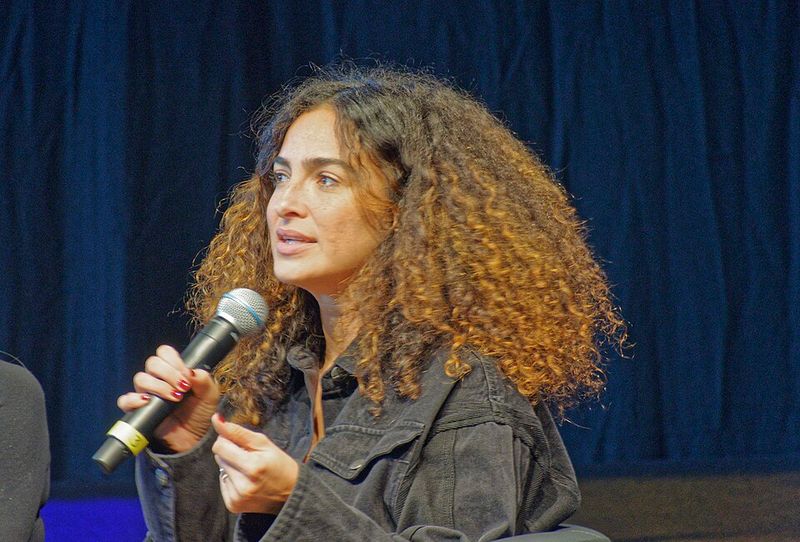
Romilda Vane pops up in Harry Potter and the Half-Blood Prince as a persistent admirer who slips Harry a box of chocolates laced with a powerful love potion. The subplot that follows involves Ron accidentally eating the chocolates and becoming completely infatuated with Romilda, leading to a funny scene with Dumbledore and a poisoning incident.
Here is the catch: none of that changes anything important. Ron recovers, Romilda disappears, and the story continues exactly as it would have without her.
The love potion sequence provides some light humor during a film that is largely dark and serious in tone, but it is a detour rather than a story beat.
Anna Shaffer gave the character a memorably scheming quality that made her scenes entertaining. But Romilda’s subplot is essentially a standalone comedy sketch dropped into the middle of a war story.
Fans of the books know she has a slightly larger presence in the source material, but the film trimmed her down to near-irrelevance.
Share this story