 Unearth The Voyage
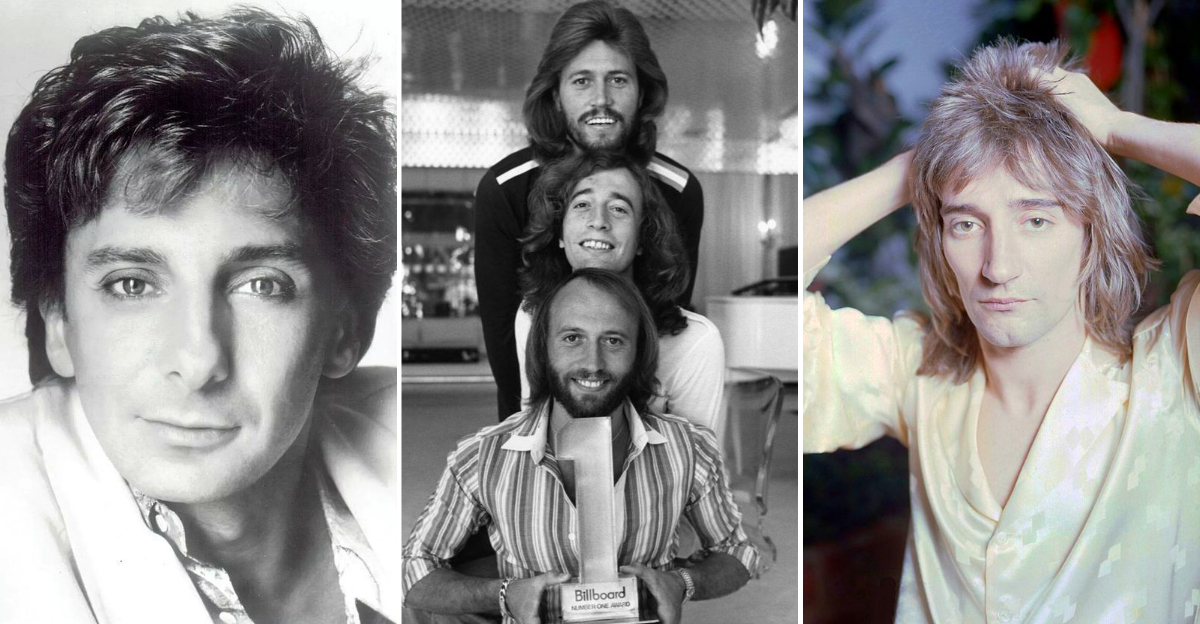
Some artists didn’t just get popular, they colonized every speaker in your life. You heard them in cars, at supermarkets, and somehow even in quiet spaces that should have been safe.
People rolled their eyes, yet the choruses stuck like gum on a shoe. Love them or loathe them, these musicians were inescapable, and that’s exactly why they live rent free in memory.
1. Captain & Tennille
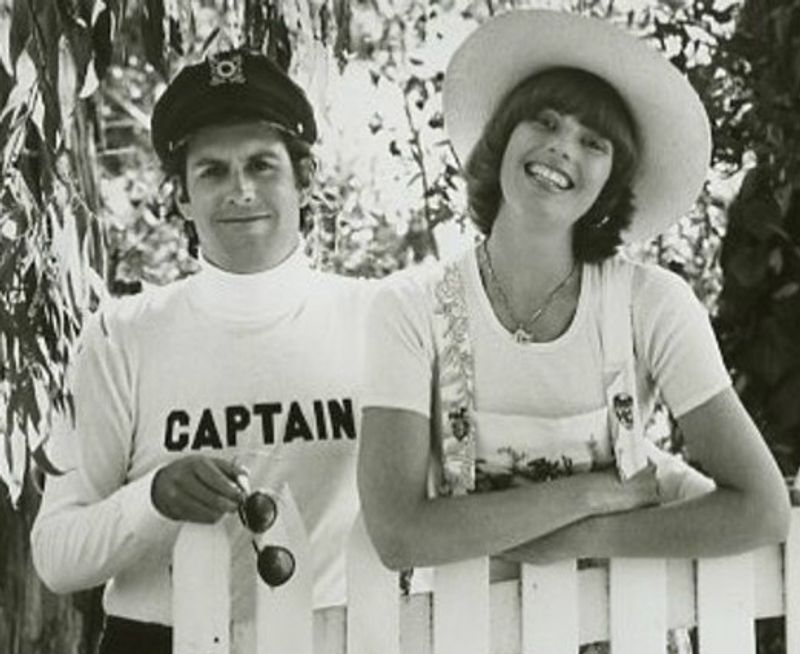
Captain & Tennille sounded like sunshine poured into a radio playlist. Love Will Keep Us Together became an earworm with a lease and renewal paperwork.
If you needed edge, their squeaky clean polish felt like a sugar rush headache.
They were everywhere: TV variety shows, primetime appearances, grocery aisles. The hooks were so efficient you almost felt tricked.
Critics called it vanilla, but vanilla sold.
Underneath the gloss sat impeccable craft and airtight rhythm. You can scoff, yet you still hum the chorus.
That kind of stickiness does not apologize.
2. The Carpenters
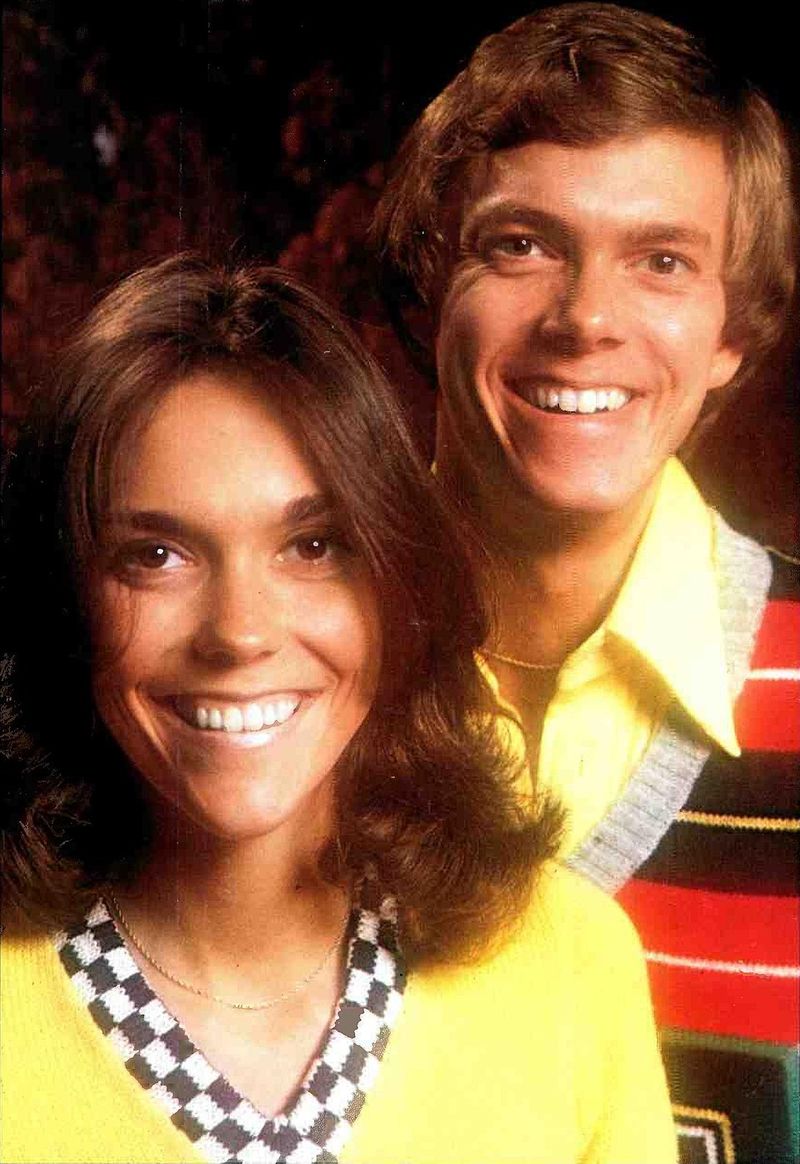
The Carpenters delivered softness so immaculate it seemed suspicious. Rock gatekeepers dismissed them as too clean, too careful, too perfect.
Yet Karen’s voice carried ache beneath the satin surface.
Overexposure amplified the sneers. Those pristine melodies felt like corporate calm in a noisy era.
But gentleness is not weakness, and their arrangements were stealthy masterclasses.
Listen with fresh ears and the details bloom. Drums whisper, harmonies glide, and the emotion lands quietly.
You might not admit it publicly, but you feel it anyway.
3. Donny Osmond
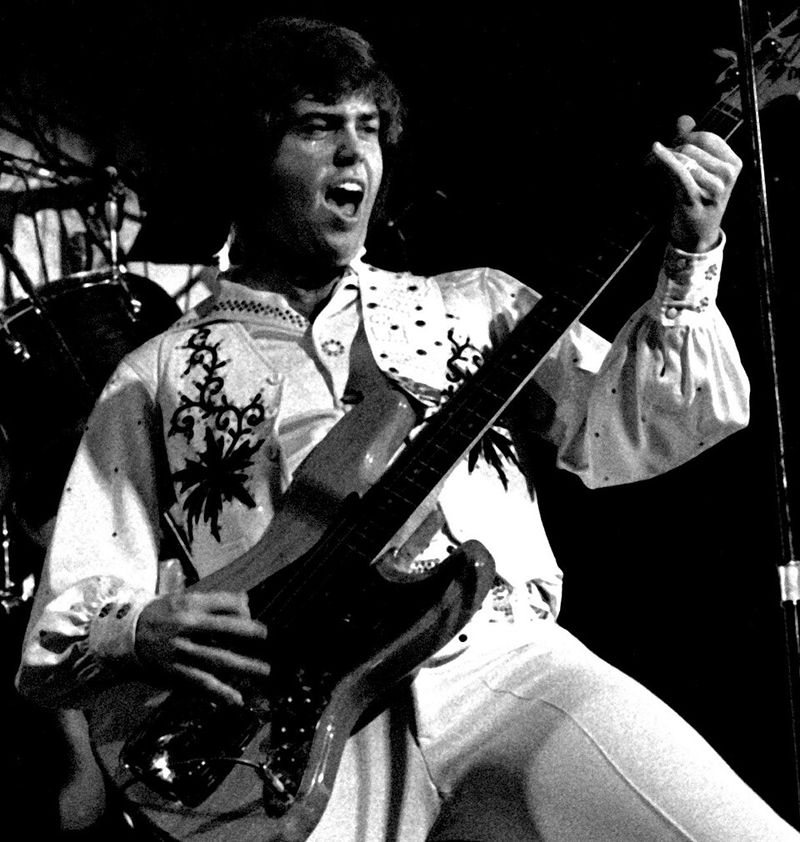
Donny Osmond was the poster on a million bedroom walls, the definition of wholesome overload. Rock fans rolled their eyes while younger listeners swooned.
He never asked to represent every parent’s dream, but the crown stuck.
Teen idol fame invites a special kind of backlash. Bubblegum melodies sound flimsy when grunge or hard rock growls outside.
Yet clean charm outlasted many louder trends.
Time softened the snark. Now the story reads like pop anthropology: purity marketing, precise smiles, and ridiculously catchy choruses.
You remember the songs whether you planned to or not.
4. Disco Acts (Yes, All of Them)
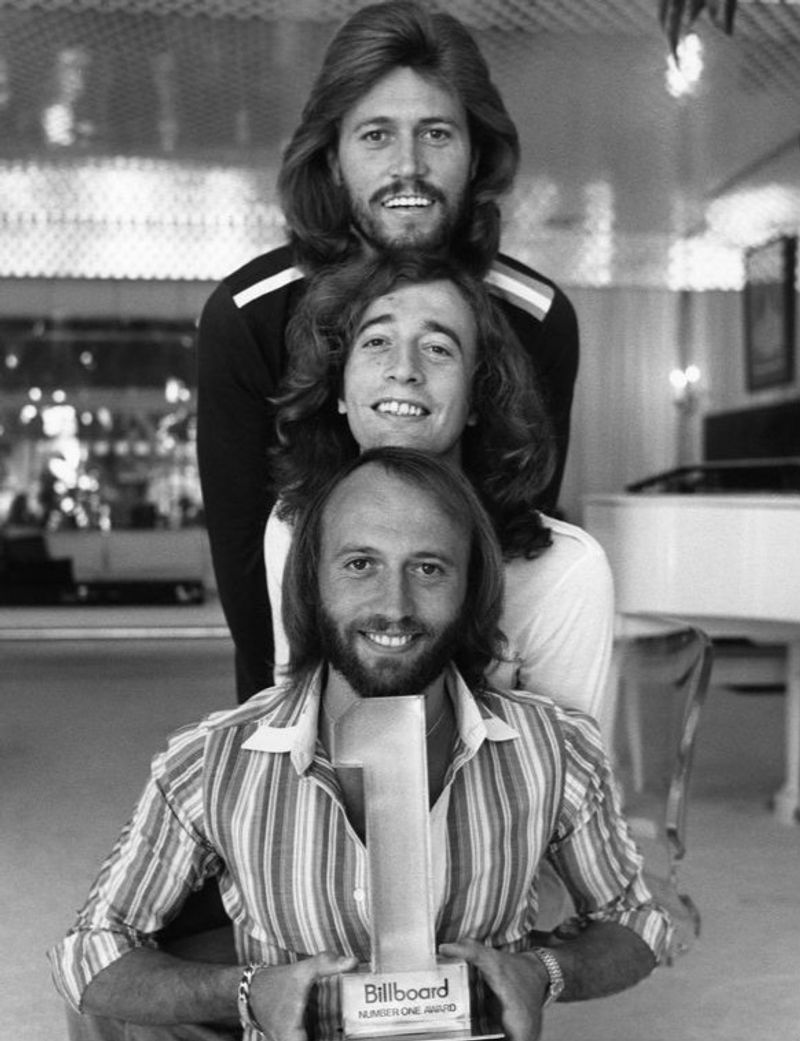
Disco did not gently arrive, it burst through every doorway at once. By 1979, you could not shop for cereal without hearing four-on-the-floor kicks.
The backlash grew louder than the hi hats, but the dance floor never cared.
Groups like the Bee Gees became convenient targets, too successful to ignore. People mocked the falsettos while practicing those harmonies in secret.
The Saturday night strut was irresistible.
Trends fade, yet good grooves refuse obedience. Decades later, those strings still demand a spin.
Hate it, love it, you will dance eventually.
5. Air Supply

Air Supply floated through the early 1980s like a scented candle you could hear. The ballads wrapped around every waiting room and weekend road trip.
If you needed irony, their sincerity felt almost outrageous.
Adult contemporary radio adored them. They gave the format its greatest weapon: choruses designed for car sing-alongs.
Detractors called it wallpaper, but that wallpaper sold out arenas.
Listen close and the arrangements sparkle with craft. The harmonies make easy emotions feel earned.
You can laugh, yet you still belt the bridge on cue.
6. Barry Manilow
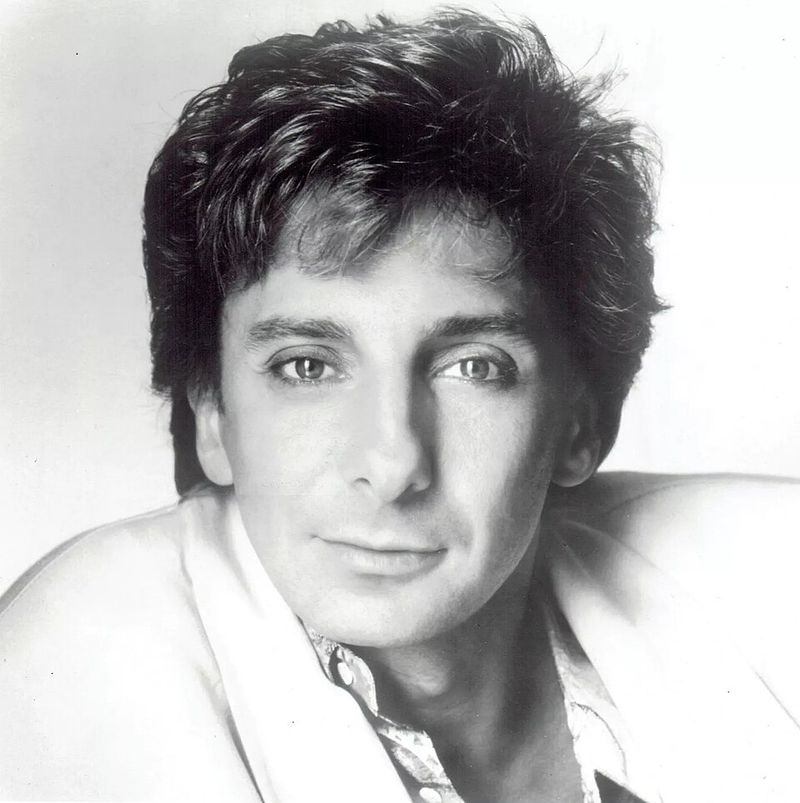
Barry Manilow saturated the 1970s, the kind of presence that followed you from kitchen radios to dentist offices. Even if you claimed you hated him, you still knew the hook to Mandy by heart.
The earnest key changes turned cynics into secret backup singers.
Part of the backlash was image, part saturation. Soft, sentimental ballads didn’t age well with rock purists who demanded grit.
Still, those melodies worked like Velcro, sticking long after you swore them off.
You can mock the schmaltz, but the crowd sing-alongs never lie. He made stadiums weep on cue.
That is power.
7. Neil Diamond

Neil Diamond weaponized sing alongs with stadium sized confidence. Sweet Caroline turned every crowd into a choir, whether they liked it or not.
Critics groaned, but those ba ba bas conquered skepticism in seconds.
His persona felt grand, almost theatrical. For some, that read as corny; for others, pure release.
Either way, you heard him at weddings, ballparks, and block parties.
Longevity told the truth. Songs that unite strangers are hard to write.
Diamond did it repeatedly, and the echoes still carry.
8. Rod Stewart (Disco Era)
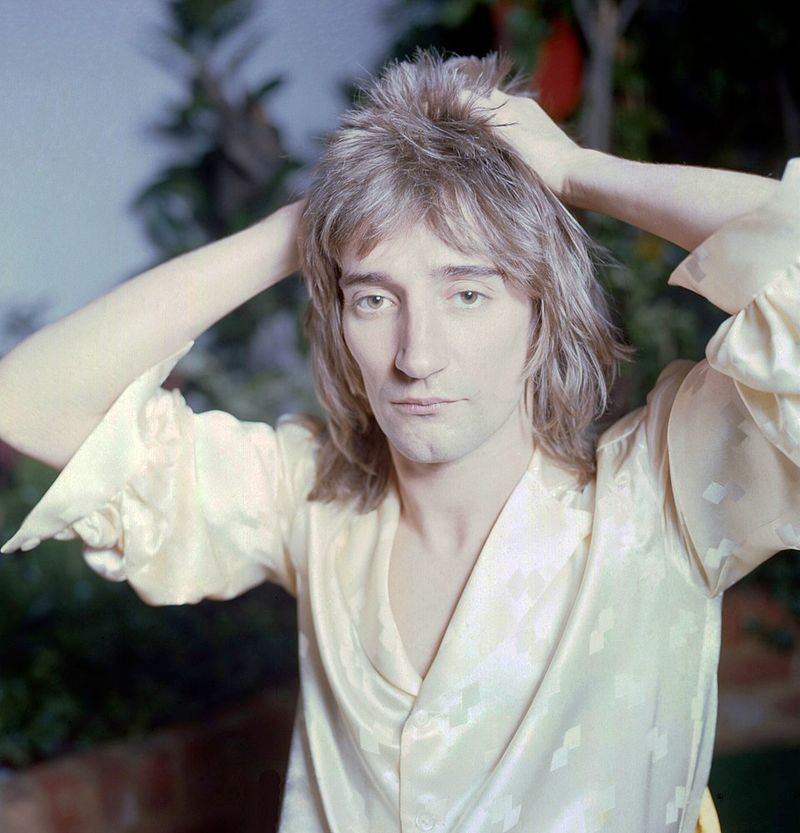
Rod Stewart’s gravel met glitter, and fans panicked. When Do Ya Think I’m Sexy hit, rock loyalists cried betrayal while the charts cheered.
The groove worked, even if the purists refused permission.
Genre pivots anger people who need their heroes predictable. Rod chased the dance floor without apologizing.
He understood momentum: keep moving or get left behind.
The irony is delicious. The song they scorned still fills parties, weddings, and throwback nights.
Sometimes survival means choosing rhythm over reputation, and he chose correctly.
9. John Denver
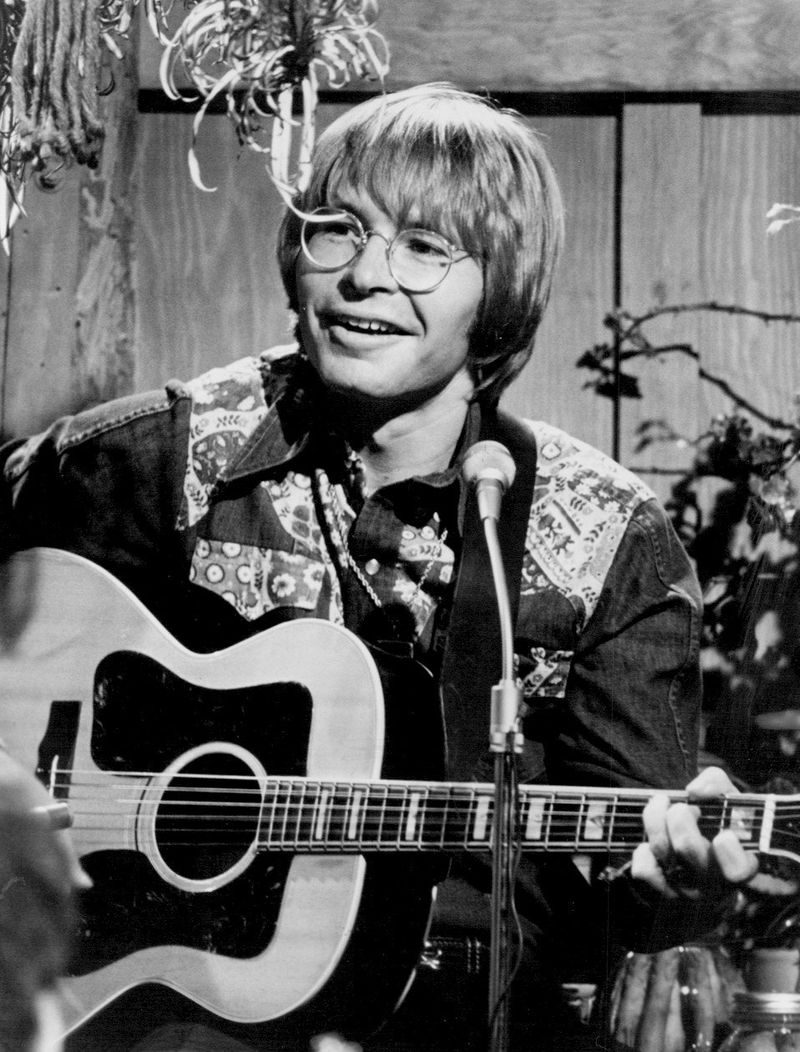
John Denver sang optimism like it was oxygen. In darker cultural moments, that brightness felt naive and easy to mock.
Still, Country Roads did more for communal bonding than many anthems.
He was everywhere: variety shows, radio countdowns, living room stereos. The earnest smile made cynics itchy.
But the melodies opened windows and let the air in.
Nostalgia has a habit of winning. Put on Annie’s Song and watch a room soften.
You can resist sincerity only so long.
10. Huey Lewis & the News
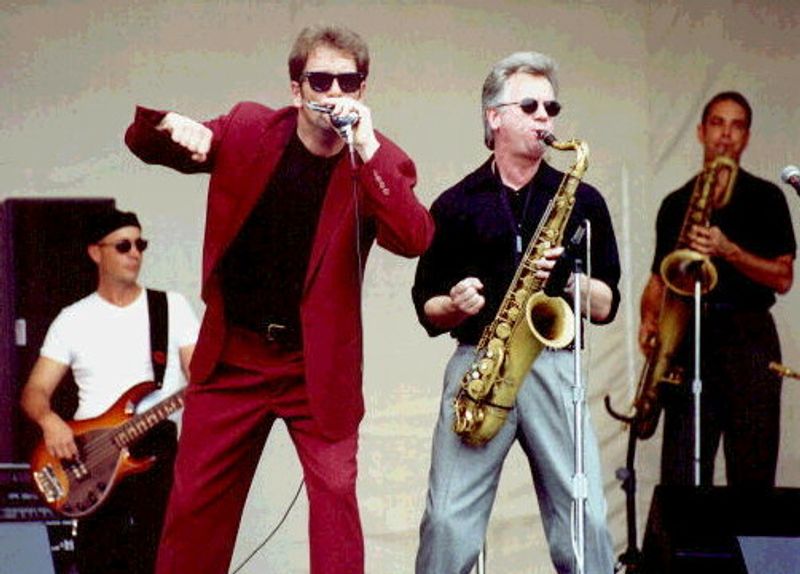
Huey Lewis & the News owned mid 1980s radio with polished, toothy hooks. The Power of Love and Hip to Be Square were impossible to dodge.
People complained while tapping the steering wheel anyway.
Clean production makes easy targets. Critics crave danger; Huey delivered competence and charm.
That reliability turned into ubiquity, which turned into backlash.
Time reframed the picture. Those songs are bulletproof, engineered for joy.
Put one on and watch a room remember how to grin.
11. Milli Vanilli
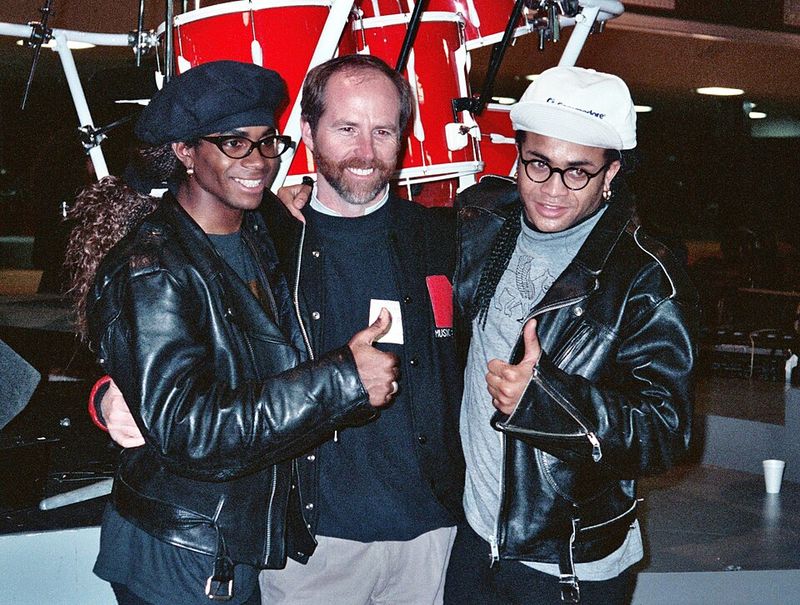
Before the revelation, Milli Vanilli felt like pop’s final boss of catchiness. Girl You Know It’s True followed you into every shop and hallway.
Then the truth landed, and the backlash rewrote everything.
They became shorthand for excess, hype, and betrayal. People forgot how undeniably sticky those choruses were.
Shame does not erase hooks, it just makes them guilty pleasures.
The scandal became a cautionary tale. Behind the spectacle were complicated industry pressures.
You can judge, but also learn how machinery swallows artists.
12. Kenny G

Kenny G turned smooth jazz into omnipresent perfume for public spaces. You did not choose it; it simply appeared in malls, elevators, and lobbies.
That saturation made him a punchline and a millionaire simultaneously.
Critics called it background music with a pulse. Listeners called it relaxing in a world that rarely slows.
The soprano sax tone became cultural wallpaper, instantly recognizable.
Strip away the jokes and the craft remains. Melodies glide, tension dissolves, and stress exhale happens.
You might not brag about it, but you exhale anyway.



