Austin, Texas has a reputation that precedes itself, and for good reason. This city does not follow trends, it sets them.
The Texas State Capitol stands taller than the one in Washington, D.C., a detail that pretty much tells you everything about Austin’s attitude. Millions of bats live under a downtown bridge, a famous pool stays open year-round thanks to natural springs, and one man spent decades building a cathedral entirely out of junk in his backyard.
That is not a quirky side note, that is Tuesday in Austin. Whether you are a first-time visitor trying to figure out where to start or a local who thinks you have seen it all, this list covers the spots that define what makes Austin so hard to forget.
Each one tells a different part of the city’s story, and together they paint a picture that is equal parts history, creativity, and outdoor adventure.
1. South Congress Avenue (SoCo)
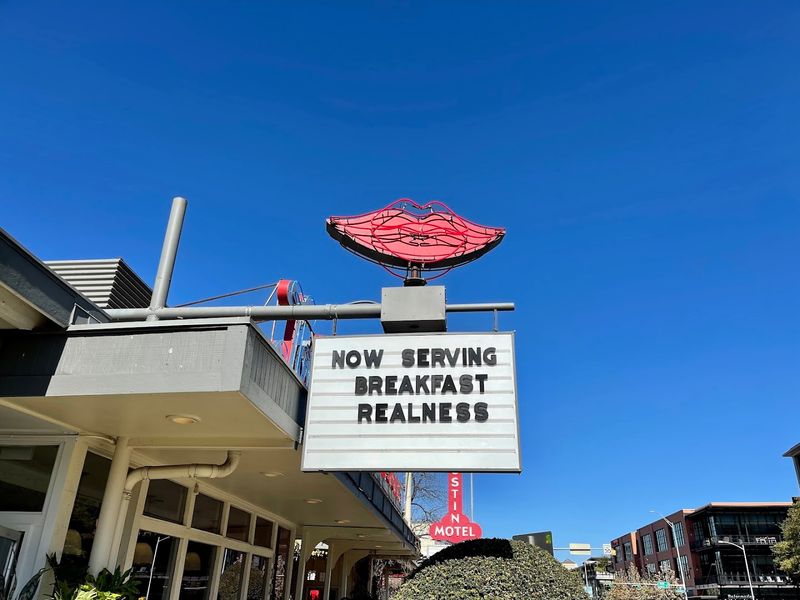
Few streets in America pack as much personality into a single mile as South Congress Avenue. Known locally as SoCo, this stretch of road runs south from downtown Austin and has become one of the most photographed and visited corridors in the entire state.
The street is lined with independently owned boutiques, vintage clothing stores, record shops, and galleries that you will not find anywhere else. National chains are rare here, which is exactly the point.
Local business owners take pride in keeping SoCo distinctly Austin.
Food trucks cluster along the sidewalks and parking lots, offering everything from breakfast tacos to creative desserts. The famous “I Love You So Much” mural on the side of Jo’s Coffee has become one of the most recognizable photo spots in the city.
SoCo is also a prime location for people-watching. On weekends, the street fills with tourists, artists, families, and regulars who treat it like a neighborhood living room.
Plan to spend at least two to three hours exploring at a slow, unhurried pace.
2. Barton Springs Pool
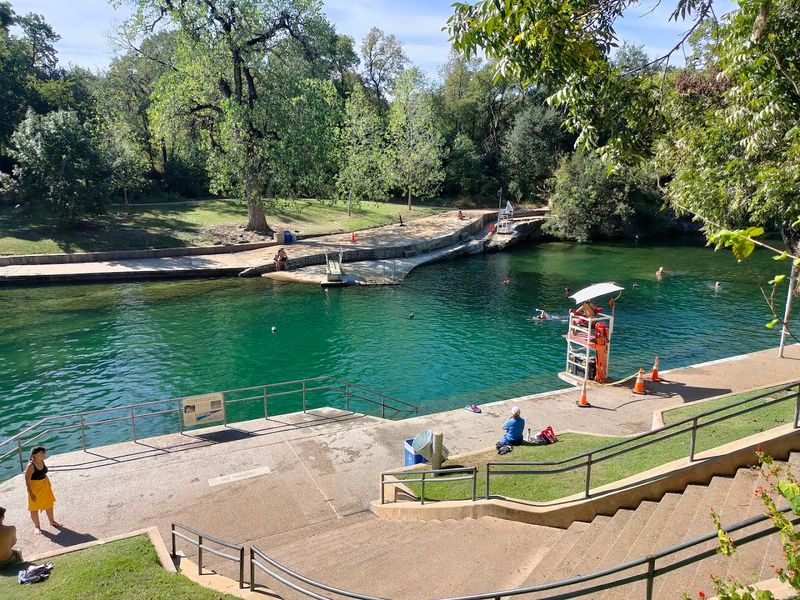
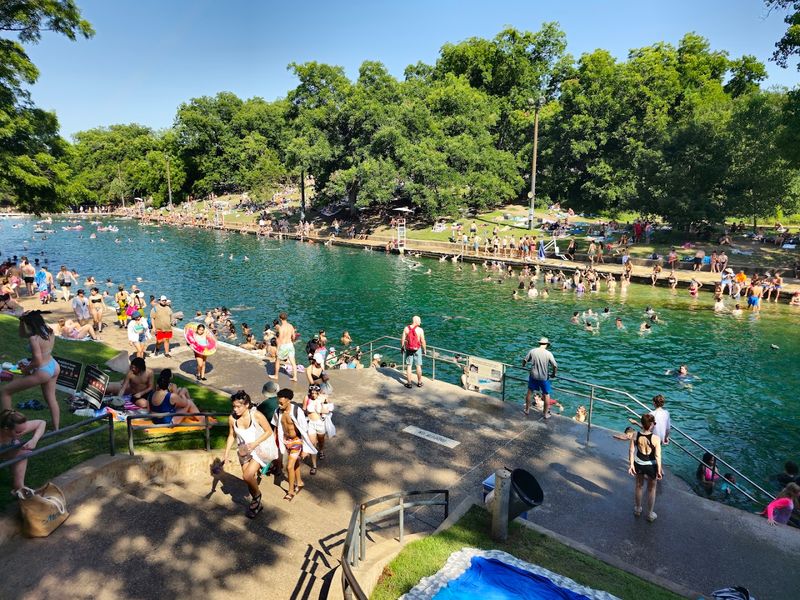
Barton Springs Pool is the kind of place that makes you question why anyone would use an indoor gym. This three-acre, spring-fed swimming pool sits inside Zilker Metropolitan Park and stays open year-round, drawing locals and visitors in every season.
The water comes directly from underground springs and stays at a consistent 68 degrees Fahrenheit regardless of the season. In summer, that coolness is a serious draw.
In winter, it attracts a dedicated crowd of regulars who treat it as a daily ritual.
The pool stretches about 940 feet in length, making it one of the largest natural swimming areas in the country. Grassy slopes on both sides provide space for towels, chairs, and the classic Austin pastime of doing absolutely nothing in the best possible way.
A small admission fee applies on most days, but the experience is worth every cent. Barton Springs has been a community gathering place since the 1920s, and its history is as deep as its water.
3. Texas State Capitol
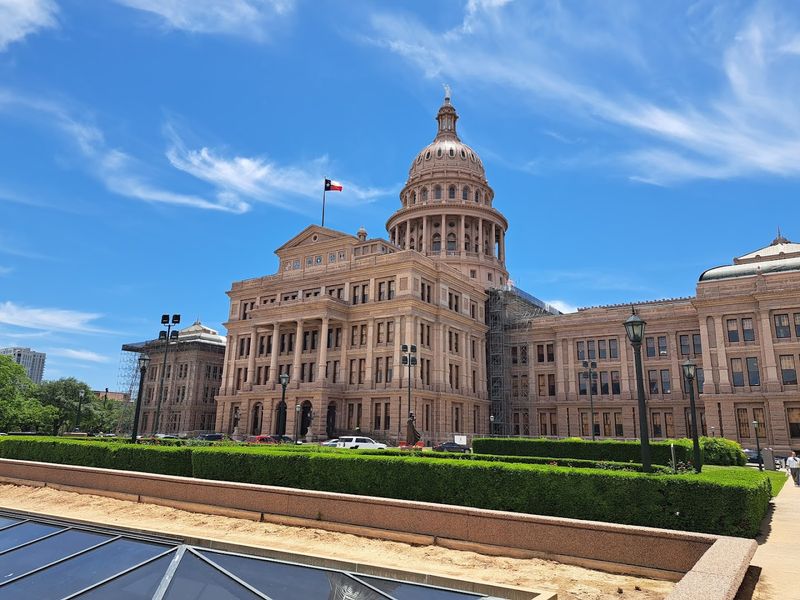
Here is a fact that surprises most first-time visitors: the Texas State Capitol is actually taller than the United States Capitol in Washington, D.C. At 302 feet from the ground to the top of the Goddess of Liberty statue, it is one of the most impressive government buildings in the country.
Completed in 1888 and built from distinctive sunset red granite quarried in Marble Falls, the Capitol was added to the National Register of Historic Places in 1970. The building sits at the northern end of Congress Avenue and anchors the entire downtown grid.
Free guided tours are available daily and cover the history of the building, the legislative chambers, and the detailed artwork inside the rotunda. The underground extension, added in 1993, is worth exploring too as it connects multiple wings without disrupting the original structure above.
The grounds span 22 acres and include monuments, historical markers, and shaded walkways. Even if you skip the interior tour, a slow walk around the perimeter gives you a solid sense of Texas history and scale.
4. Lady Bird Lake
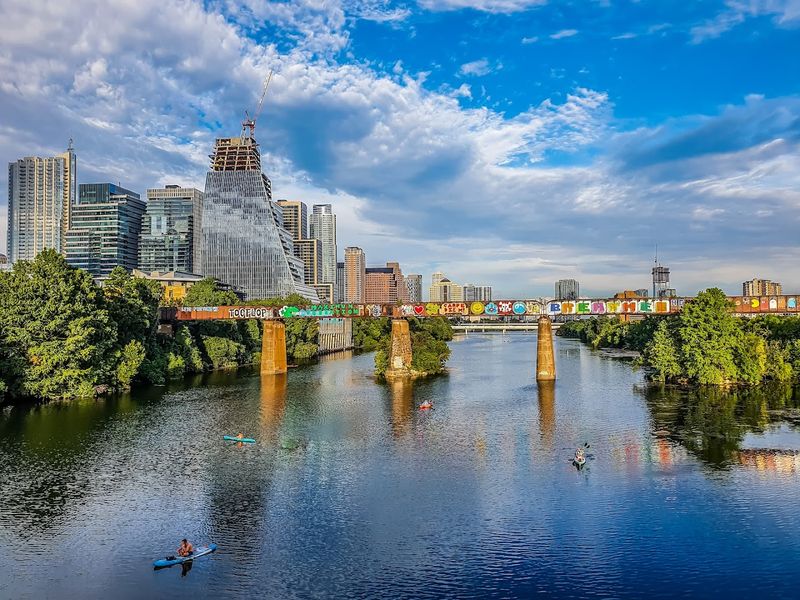
Named after former First Lady Lady Bird Johnson, this reservoir sits right in the middle of downtown Austin and manages to feel like a complete escape from city life without actually leaving it. Created in 1960 by a dam on the Colorado River, the lake stretches across 416 acres and serves as one of the city’s most used outdoor spaces.
The Ann and Roy Butler Hike-and-Bike Trail wraps around the lake for about 10 miles, connecting multiple parks and neighborhoods. Runners, cyclists, and walkers use it daily, and the trail offers some of the best unobstructed views of the Austin skyline available on foot.
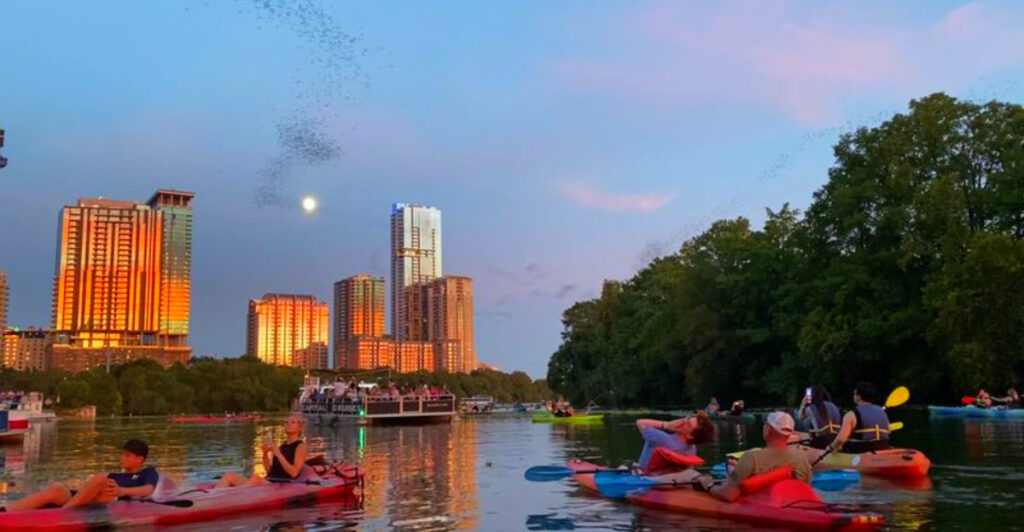
Kayaks, canoes, and stand-up paddleboards are available for rent from several outfitters along the shore. The calm water and lack of motorized boats make it an ideal spot for beginners and families.
Sunrise and sunset bring out the largest crowds, particularly along the south shore near the Pfluger Pedestrian Bridge. The bridge itself offers a great vantage point for watching the Congress Avenue Bridge bat colony emerge in the evening.
5. Live Music on Sixth Street
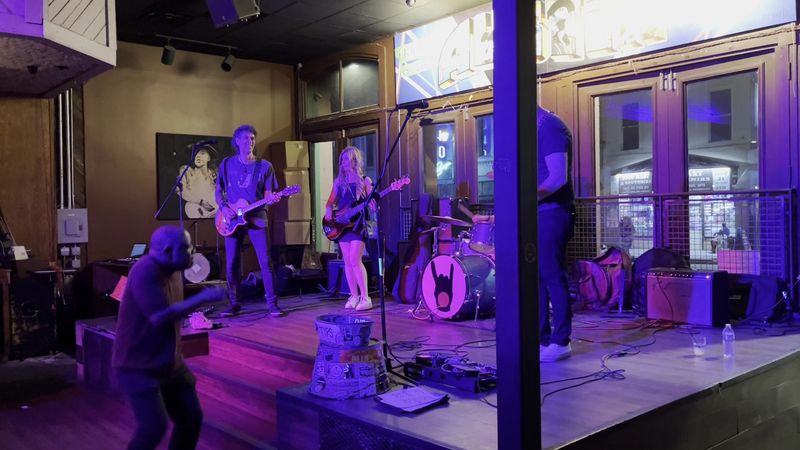
Austin holds the unofficial title of “Live Music Capital of the World,” and Sixth Street is the main stage where that claim gets tested every single week. The stretch between Lavaca Street and Interstate 35 is home to dozens of live music venues, bars, and entertainment spots packed into a few walkable blocks.
On Thursday, Friday, and Saturday evenings, the street closes to vehicle traffic and becomes a pedestrian zone. Bands set up inside venues and sometimes spill out onto sidewalks, with multiple genres running simultaneously across different spots on the same block.
The architecture along Sixth Street dates back to the late 1800s, and many of the buildings have been repurposed from their original uses as storefronts and warehouses into entertainment venues. The combination of historic facades and modern nightlife gives the street a layered character that is hard to replicate.
East Sixth Street has also grown into its own distinct corridor with a slightly more relaxed layout and a mix of local bars and creative venues. Together, the two stretches give visitors a broad picture of Austin’s live music culture.
6. Mount Bonnell
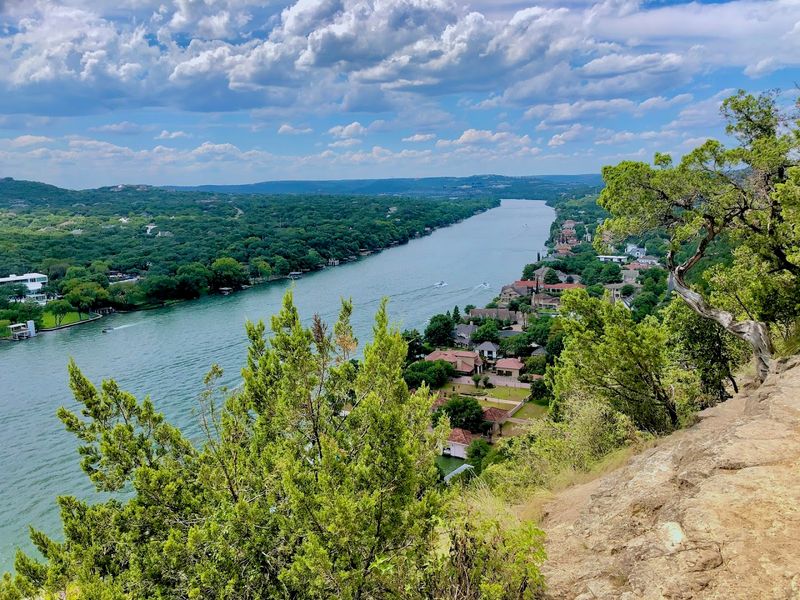
At 775 feet above sea level, Mount Bonnell holds the title of one of the highest points within Austin’s city limits, and the view from the top more than justifies the climb. The summit is reached by ascending 102 stone steps carved into the hillside, a short but satisfying trek that takes most visitors about five minutes.
From the top, you get a wide panoramic view of the Colorado River winding through the western neighborhoods of Austin, with the Pennybacker Bridge visible to the northwest. On clear days, the skyline is visible in the distance, giving the overlook a sense of real geographic scale.
The site has been a popular destination since at least the 1850s, making it one of Austin’s oldest tourist attractions. It sits within Covert Park, a small green space managed by the city, and entry is free.
Most visitors arrive in the morning to avoid midday heat and to catch the clearest views. Parking along the road is limited, so arriving early on weekends is a practical strategy worth following.
7. Zilker Park
Covering 351 acres along the south shore of Lady Bird Lake, Zilker Park functions as Austin’s central outdoor living room. The park hosts some of the city’s largest and most beloved events, including the Austin City Limits Music Festival and Eeyore’s Birthday Party, both of which draw tens of thousands of people each year.
On regular weekends, the park fills with frisbee players, kite flyers, yoga groups, and families spreading out on the open lawn. The proximity to the lake and Barton Springs Pool means visitors can easily combine multiple activities in a single afternoon.
Zilker also contains the Botanical Garden, a model train display called Zilker Zephyr, and trails that connect to the broader hike-and-bike network around Lady Bird Lake. There is genuinely something for every type of visitor here, from the highly active to those who simply want a quiet patch of grass.
The park is free to enter, though some events and attractions within it charge admission. Parking fills quickly on event days, so arriving by bike or on foot from nearby neighborhoods is a popular choice among regulars.
8. The University of Texas at Austin
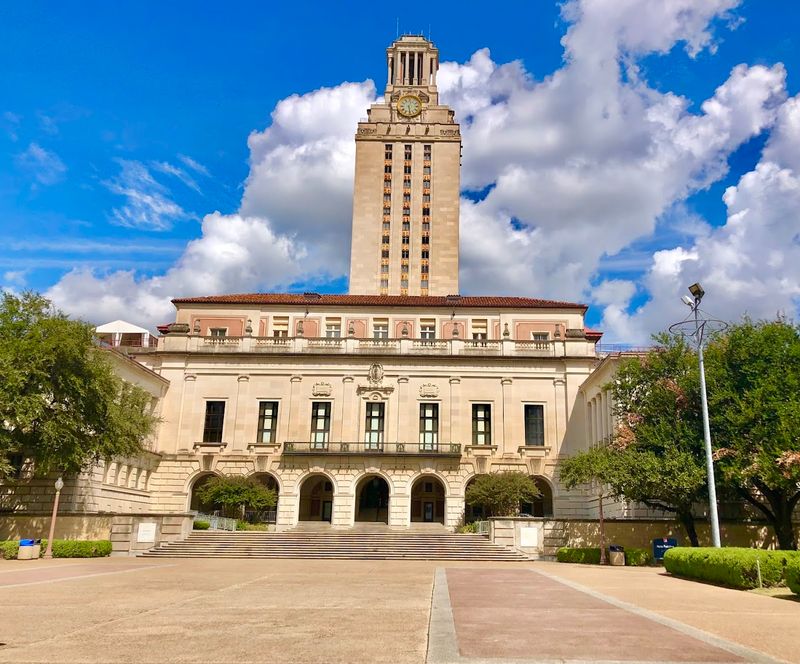
Founded in 1883, the University of Texas at Austin is one of the largest universities in the United States, with an enrollment of over 55,000 students and a campus that covers more than 400 acres in the heart of the city. For visitors, the campus functions as both a cultural destination and a piece of living Austin history.
The UT Tower is the most recognized landmark on campus. Standing 307 feet tall and lit orange after major athletic victories, it appears on nearly every Austin skyline photograph taken from the north side of the city.
The campus also houses several outstanding museums open to the public. The Blanton Museum of Art and the Dolph Briscoe Center for American History both sit on campus grounds and offer free or low-cost admission.
The Harry Ransom Center deserves special attention for its literary and cultural collections, which include a Gutenberg Bible and one of the earliest complete photographs ever taken. A self-guided campus walk takes about 90 minutes and covers the main quad, the Tower, and several architectural highlights worth seeing.
9. Congress Avenue Bridge Bats
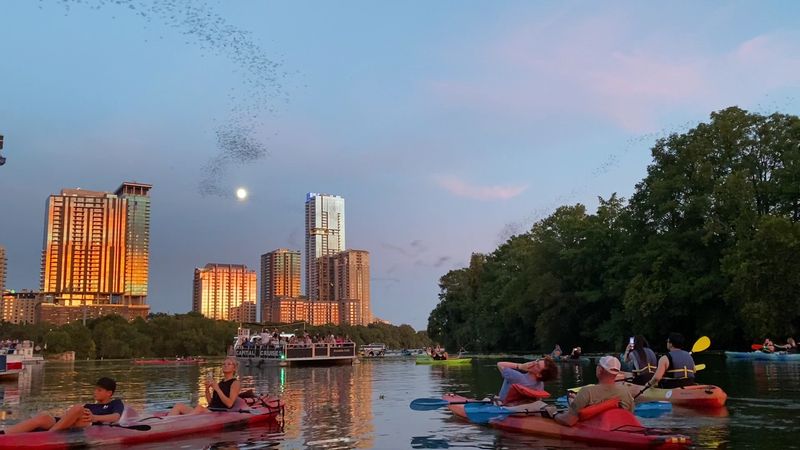
Underneath the Congress Avenue Bridge lives the largest urban bat colony in North America. Approximately 1.5 million Mexican free-tailed bats roost in the expansion joints beneath the bridge from March through October each year, and their nightly emergence has become one of Austin’s most iconic spectacles.
The bats arrive each spring after migrating from Mexico and spend the warmer months raising their young in the sheltered crevices under the bridge. By the time August arrives, the colony swells to its maximum size as the pups join the nightly flights.
Each evening around sunset, the bats exit the bridge in a continuous stream that can last up to 45 minutes. The best viewing spots are on the bridge itself, along the hike-and-bike trail on the south shore, or from kayaks on the water below.
Bat Conservation International maintains a small observation area near the south end of the bridge and provides educational information during peak season. The whole experience is free, family-friendly, and genuinely unlike anything else you will find in an American city.
10. The Domain
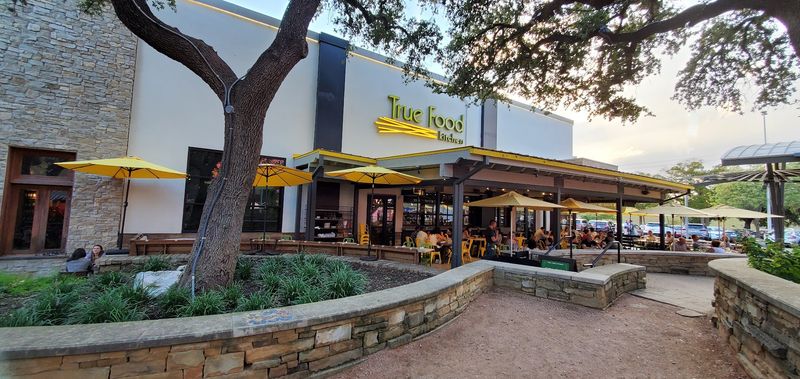
North Austin’s answer to downtown energy, The Domain opened in 2007 and has since expanded into a full-scale mixed-use district covering over 300 acres. It functions as a neighborhood, a shopping destination, and an entertainment hub all at once, with residential towers rising above the retail streets below.
The retail mix leans toward national brands and upscale stores, with names like Apple, Tiffany, Restoration Hardware, and Nordstrom anchoring the main corridors. But the dining options are where The Domain has really built its reputation, with a lineup that includes both local Austin restaurants and nationally recognized concepts.
Domain NORTHSIDE, the newer section of the development, adds more restaurants, a boutique hotel, and an outdoor concert venue called Moody Center that hosts major touring acts throughout the year.
The walkable layout makes it easy to spend a full afternoon moving between shops, restaurants, and outdoor seating areas without getting back in a car. For visitors staying in north Austin or those looking for a polished, well-organized day out, The Domain delivers a reliable and enjoyable experience from start to finish.
11. Blanton Museum of Art
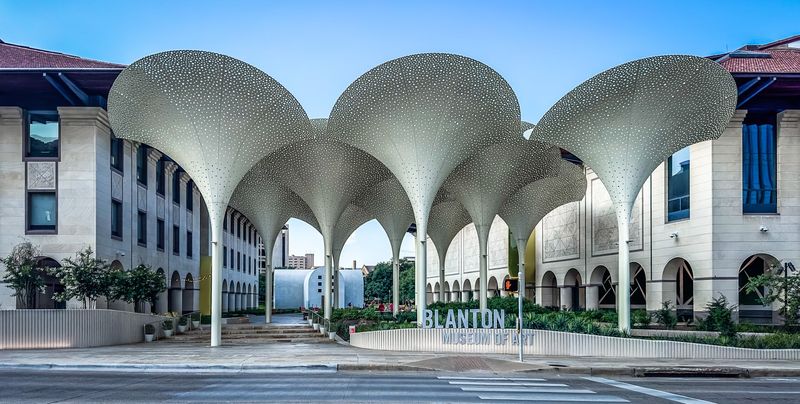
With a collection of over 22,000 works, the Blanton Museum of Art ranks among the largest university art museums in the entire country. It sits on the University of Texas campus and has been open to the public since 1963, though its current building on the main campus opened in 2006.
The permanent collection covers an impressive range, from Renaissance and Baroque European paintings to modern and contemporary works by American and Latin American artists. The Latin American holdings are particularly strong and considered among the best in any American museum.
One of the museum’s most talked-about recent additions is Ellsworth Kelly’s “Austin,” a freestanding building commissioned specifically for the Blanton. It features colored glass windows that project changing light patterns onto white interior walls throughout the day, and it functions as both a work of art and a meditative space.
Admission is free on Thursdays and for UT students year-round. The museum also runs regular programming including lectures, family workshops, and film screenings tied to current exhibitions.
Plan at least two hours to move through the main galleries without rushing.
12. Rainey Street Historic District
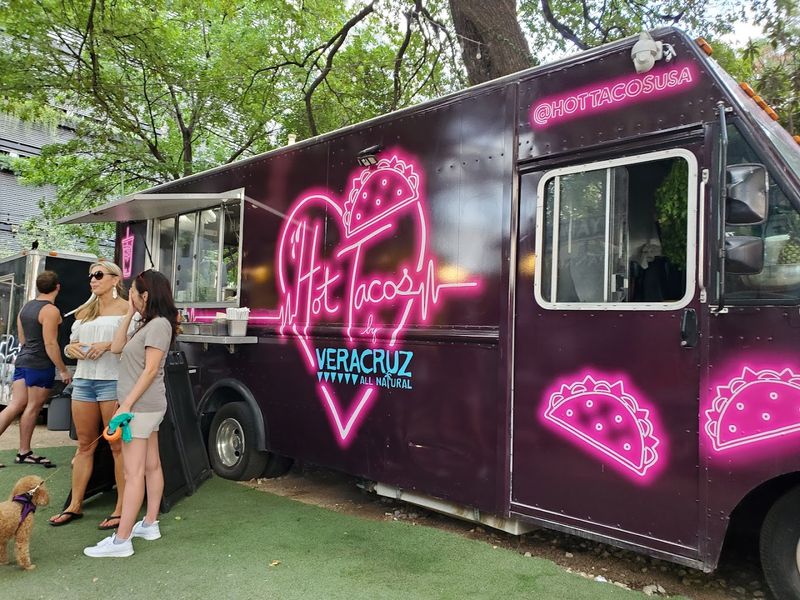
A century ago, Rainey Street was a quiet residential block of bungalow-style homes just south of downtown Austin. Today, those same houses have been converted into one of the city’s most distinctive entertainment districts, with each small building housing its own bar, restaurant, or cafe.
What makes Rainey Street different from Sixth Street is scale and layout. The buildings are small and close together, the patios are intimate, and the general atmosphere is more neighborhood hangout than large-scale nightlife corridor.
Picnic tables, food trailers, and string lights are common features across multiple venues.
The street runs just a few blocks and is entirely walkable. Most visitors park once and spend the evening moving between spots on foot, which is exactly how the district is designed to be used.
Several of the original bungalows retain their residential exterior details, including front porches and wooden trim, even after conversion. That contrast between historic house fronts and modern restaurant interiors gives Rainey Street a visual character that is genuinely unique in Austin.
It is a great last stop on a full day of exploring the city.
Share this story