Medieval castles were built to withstand sieges, protect kingdoms, and display power, and many of them have survived for centuries thanks to their incredible engineering. Across Europe and beyond, thousands of castles still stand today—some fully preserved, others partially restored—offering a glimpse into life during the Middle Ages.
From mountaintop fortresses to lakeside strongholds, these castles continue to captivate visitors with their history, architecture, and dramatic settings. Here are 12 must-visit medieval castles that have truly stood the test of time.
Windsor Castle, England
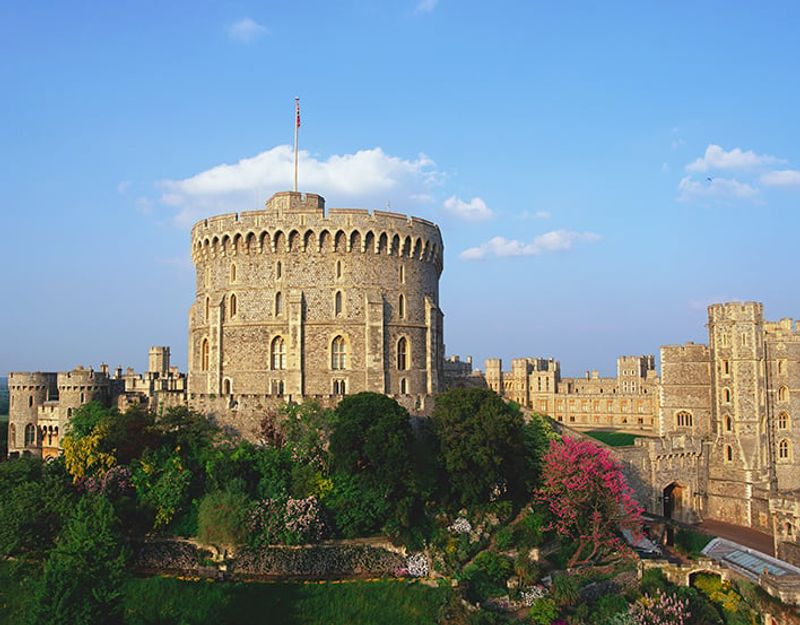
Still home to the British royal family after nearly a thousand years, Windsor Castle holds the record as the oldest and largest inhabited castle in the world. William the Conqueror originally built it in the 11th century as a wooden motte-and-bailey structure, and over the centuries it transformed into the grand stone fortress you see today.
That is quite an upgrade from a pile of timber.
Walking through its grounds feels like flipping through a living history book. Every corner reveals a new chapter—from medieval towers to lavish State Apartments decorated with priceless artworks and royal treasures.
The castle covers roughly 13 acres, so wear comfortable shoes.
One highlight is St. George’s Chapel, a stunning example of Gothic architecture where ten monarchs are buried. Changing of the Guard ceremonies happen here too, drawing huge crowds who gather to watch the famous ritual.
Windsor is easily reachable from London, making it one of the most convenient castle visits in all of England. Whether you are a history fan or just love impressive buildings, this place will not disappoint.
Edinburgh Castle, Scotland
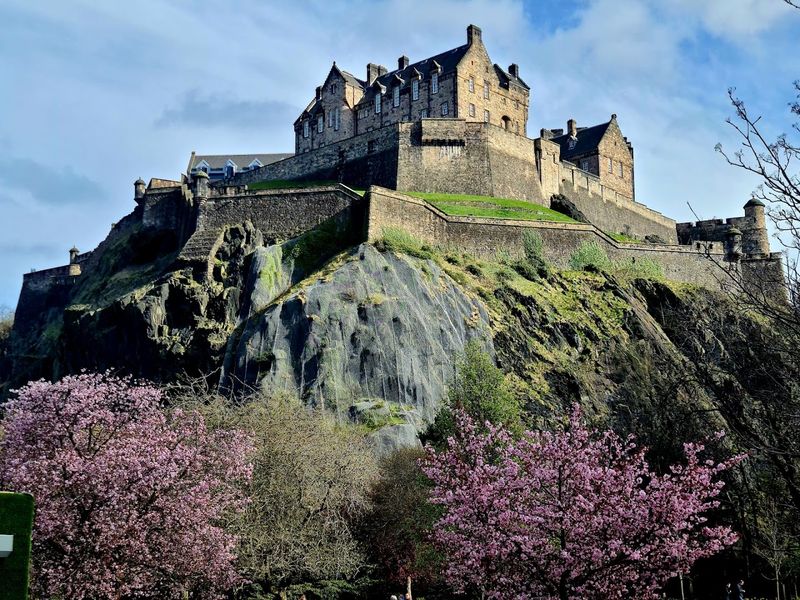
Sitting on a 350-million-year-old volcanic rock like it owns the city—because historically, it kind of did—Edinburgh Castle is one of the most dramatic fortresses in Europe. The site has been occupied since at least the 2nd century, though the castle’s medieval structures date back to the 12th century.
Few places in the world can match its combination of geology and history.
Inside, visitors discover the Scottish Crown Jewels, known as the Honours of Scotland, which are among the oldest royal regalia in Europe. The Stone of Destiny, used in coronation ceremonies for Scottish and later British monarchs, is also housed here.
These artifacts alone make the visit worthwhile.
The castle hosts the famous Royal Edinburgh Military Tattoo every August, a spectacular outdoor show featuring military bands, dancers, and fireworks set against its floodlit walls. Over a million people visit annually, yet the castle never feels ordinary—each visit reveals something new.
Whether you explore the Great Hall, the tiny St. Margaret’s Chapel, or simply stare out at the city below, Edinburgh Castle consistently delivers one of Scotland’s most unforgettable experiences.
Prague Castle, Czech Republic
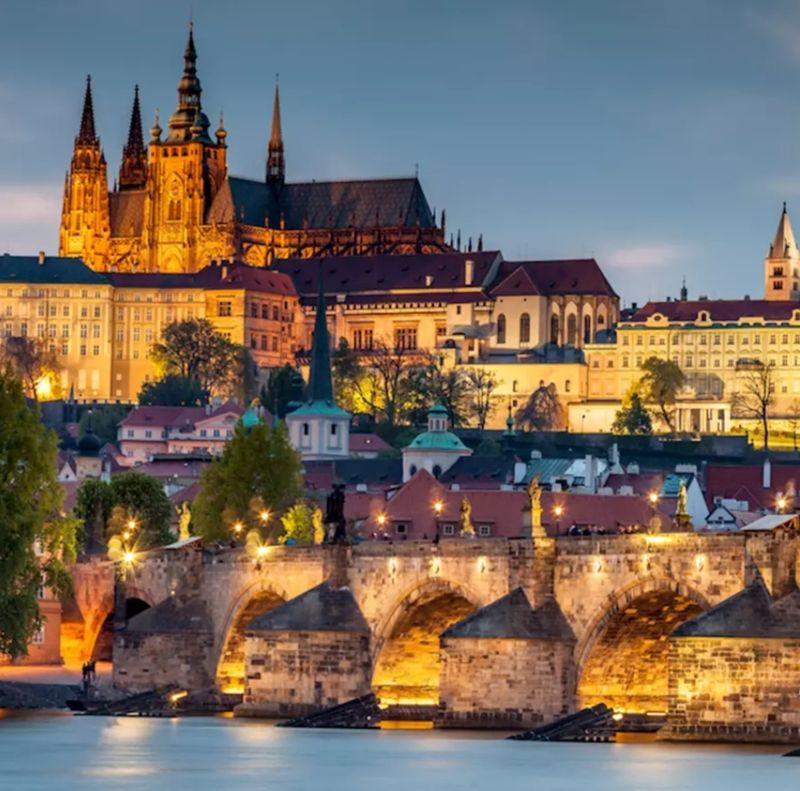
Stretching across nearly 70,000 square meters, Prague Castle is officially recognized by Guinness World Records as the largest ancient castle complex on earth. Founded in the 9th century, it has served as the seat of Bohemian kings, Holy Roman Emperors, and Czech presidents—making it one of the most politically important buildings in European history.
Not bad for a structure that started as a simple wooden fortress.
The complex contains palaces, churches, gardens, galleries, and even a tiny street called Golden Lane where artisans once lived. St. Vitus Cathedral, located within the grounds, is a jaw-dropping Gothic masterpiece that took nearly 600 years to complete.
Standing beneath its stained-glass windows is genuinely breathtaking.
What makes Prague Castle special is how layered it feels. Medieval stonework sits alongside Renaissance halls and Baroque additions, creating an architectural timeline you can physically walk through.
The castle overlooks the entire city of Prague, offering views across red rooftops and the Vltava River that are impossible to forget. Entrance to the grounds is free, though individual attractions charge separately.
Plan at least half a day—there is simply too much to rush.
Malbork Castle, Poland
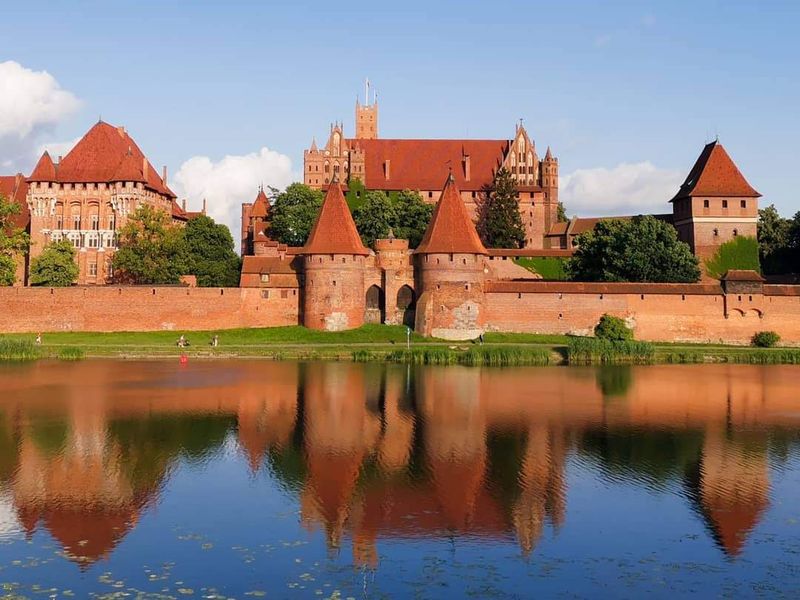
Red bricks stretching endlessly in every direction—that is your first impression of Malbork Castle, and it does not get less impressive the longer you stare. Built by the Teutonic Knights starting in 1274, this Gothic fortress holds the title of the world’s largest castle by land area, covering over 143,000 square meters.
The sheer scale of the place is almost hard to believe until you are standing in front of it.
The Teutonic Knights were a medieval religious military order, and Malbork served as their headquarters and symbol of power across the Baltic region. After various wars and changes in ownership, the castle fell into disrepair but was carefully restored during the 19th and 20th centuries.
Post-World War II reconstruction efforts were particularly remarkable given how much was destroyed.
Today, the castle is a UNESCO World Heritage Site and one of Poland’s most visited attractions. Guided tours take visitors through throne rooms, chapels, armories, and underground passages that feel genuinely ancient.
The amber collection inside is surprisingly fascinating—the region was historically a major amber trading hub. Visiting at sunset, when the red brick glows warmly, is an experience that photography simply cannot fully capture.
Alcázar of Segovia, Spain
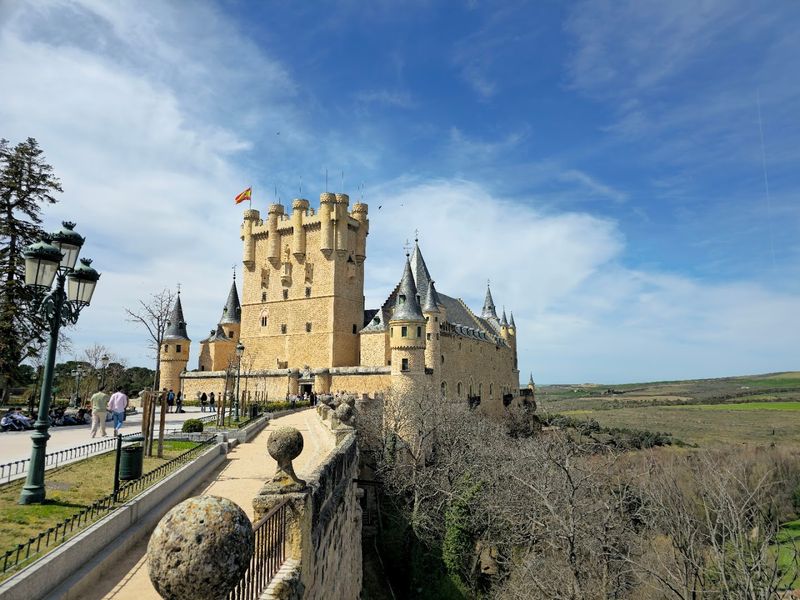
Rumor has it that Walt Disney used the Alcázar of Segovia as inspiration for Cinderella’s castle, and honestly, standing before its pointed turrets and dramatic cliff-top position, that story feels completely believable. Whether the rumor is true or not, this Spanish fortress is genuinely one of the most visually striking buildings in all of Europe.
Its shape—resembling the prow of a ship—is unlike any other medieval castle.
Originally built as a Roman fort, the structure evolved into a Moorish castle before becoming a favorite royal residence for the kings of Castile during the Middle Ages. It served multiple purposes over the centuries, including a royal court, state prison, royal artillery school, and military academy.
Few buildings wear so many historical hats.
Inside, the Throne Room dazzles with a spectacular gold-and-blue coffered ceiling, and the Hall of the Monarchs features a frieze of 52 royal statues circling the room near the ceiling. Climbing the Torre de Juan II rewards visitors with panoramic views across the Castilian plains that stretch seemingly forever.
Located in the charming city of Segovia, the castle pairs perfectly with a visit to the nearby Roman aqueduct for a full day of history.
Château de Chillon, Switzerland
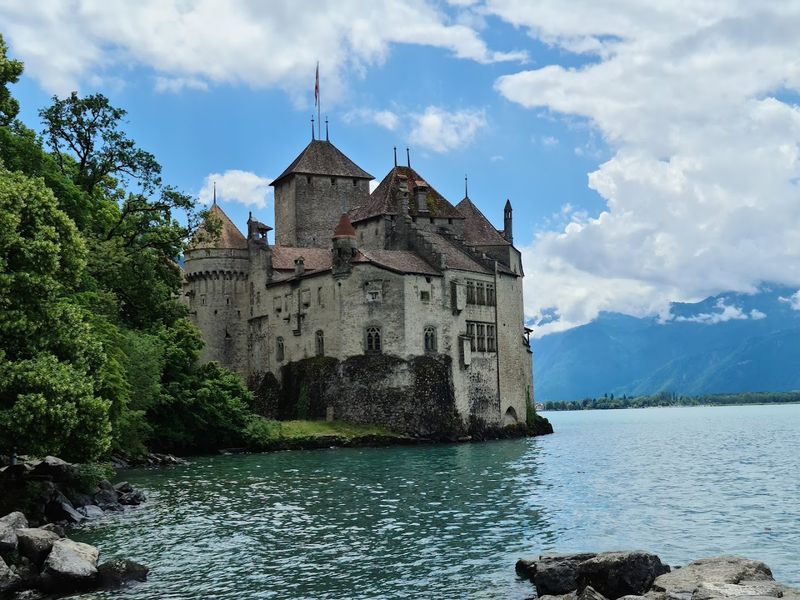
Few castles in the world enjoy a setting as postcard-perfect as Château de Chillon, sitting directly on the glassy surface of Lake Geneva with the Alps rising dramatically behind it. The castle dates back to the 13th century, though a fortress has occupied this rocky island since the early medieval period.
It looks like something a fantasy novelist would invent.
The castle gained international literary fame when the English Romantic poet Lord Byron visited in 1816 and scratched his name into a dungeon pillar—you can still see it today. His poem “The Prisoner of Chillon” was inspired by the real story of François Bonivard, who was chained in the dungeon for years.
That one visit put Chillon on the cultural map forever.
Remarkably well-preserved, the interiors include painted medieval halls, torture chambers, Gothic windows overlooking the lake, and a fully intact great hall. Over 400,000 visitors come annually, making it the most visited historic monument in Switzerland.
The surrounding lakeside promenade allows for stunning exterior views at any time of day. Early morning visits, before crowds arrive, offer an almost magical quietness that makes the centuries-old atmosphere feel completely alive.
Burg Eltz, Germany
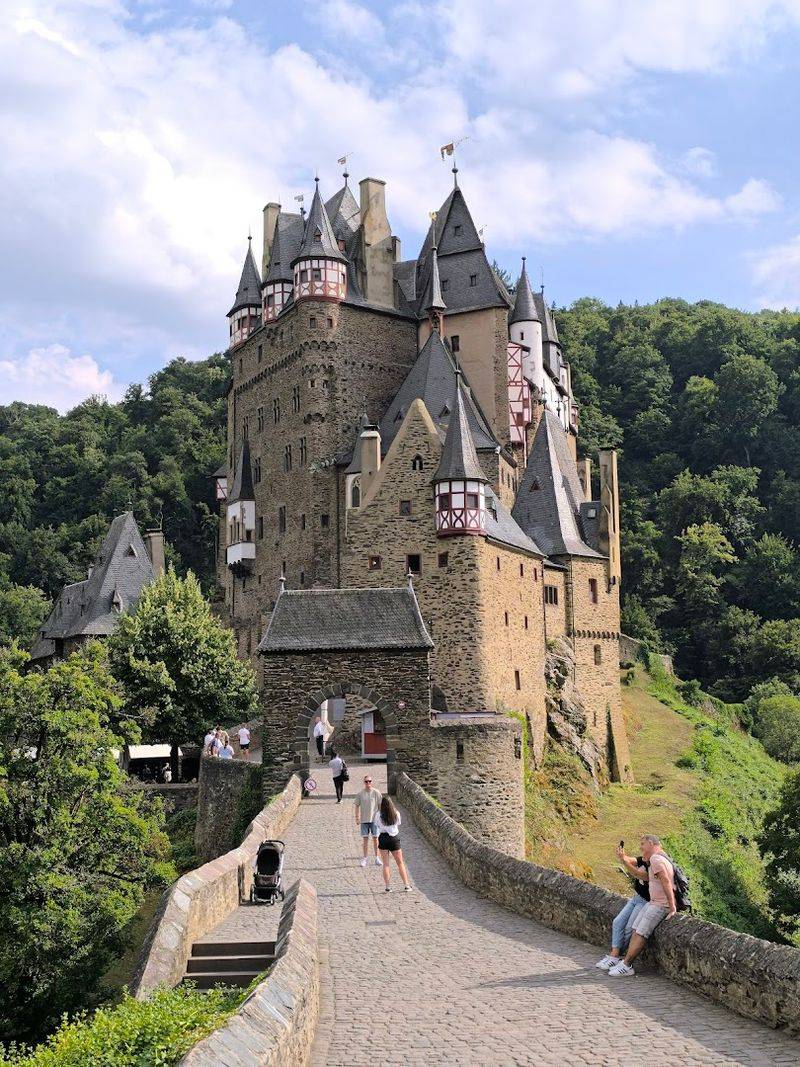
Hidden deep inside a forested valley in the Moselle region, Burg Eltz looks less like a real castle and more like a painting someone forgot to hang up. Remarkably, the same family—the Eltz family—has owned this castle continuously since the 12th century, making it one of the few medieval castles in Europe never to have been destroyed in war or conquest.
Eight generations have called it home without a single hostile takeover.
The castle’s architecture grew organically over centuries as different branches of the family added towers and wings, creating a wonderfully chaotic silhouette of turrets and pointed roofs stacked together. No master plan—just centuries of practical construction.
The result is architectural chaos in the most beautiful way possible.
Inside, the treasury holds one of the finest private collections of medieval weapons, armor, and jewelry in Germany. Original furniture, tapestries, and kitchenware from the Middle Ages remain largely intact, giving visitors a rare sense of how noble families actually lived.
Getting there requires a short hike through the woods, which only adds to the atmosphere. No parking lot view here—you earn the sight of Burg Eltz, and that makes the moment you first see it through the trees genuinely unforgettable.
Bran Castle, Romania
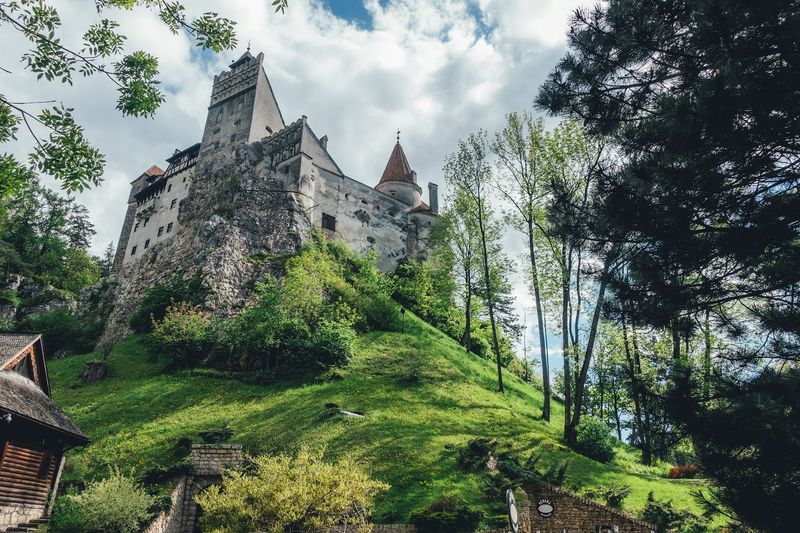
Perched on a 60-meter rocky cliff in the heart of Transylvania, Bran Castle looks exactly like the kind of place where a vampire lord would feel right at home. The Dracula connection is largely a marketing triumph—Bram Stoker never visited Romania and based his fictional castle on very different descriptions—but the Gothic atmosphere here is completely, gloriously real.
The legend fits the building too well to ignore.
Built in the 14th century by the Teutonic Knights and later used by Wallachian princes, the castle did have one confirmed connection to Vlad the Impaler: he may have been briefly imprisoned here. That slim historical thread was enough to spin an entire tourism industry.
Romania leans into it, and visitors absolutely love it.
Beyond the vampire mythology, Bran Castle is genuinely impressive. Narrow staircases, hidden passageways, and rooms furnished with medieval artifacts create an atmosphere that feels authentically old and slightly eerie regardless of the season.
The castle museum displays furniture owned by Queen Marie of Romania, who lived here in the early 20th century and adored the place. Visiting during October, when the surrounding forests turn rust and gold, makes the whole experience feel like walking into a dark fairy tale.
Predjama Castle, Slovenia
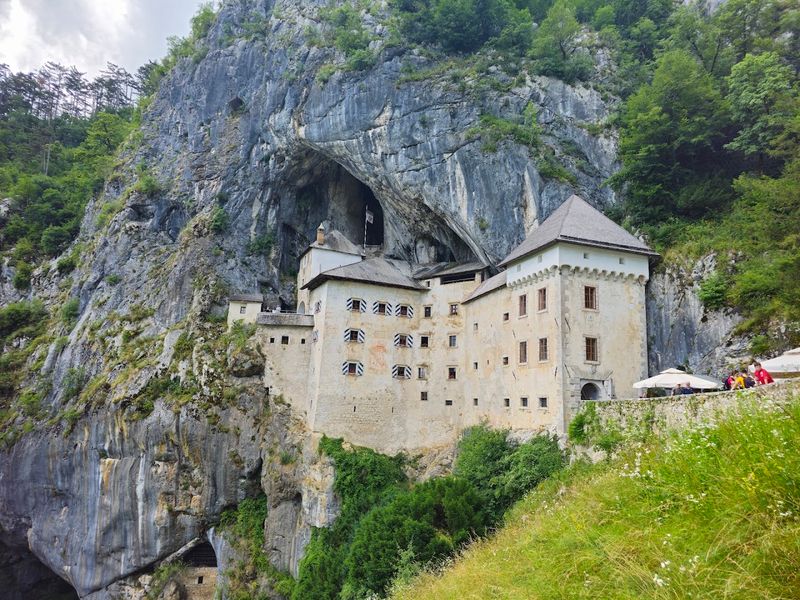
Carved directly into the mouth of a cave halfway up a 123-meter cliff, Predjama Castle makes every other castle on this list look conventionally boring. The current structure dates to the 13th century, though earlier fortifications occupied the same impossible location long before that.
Nature and human ambition collaborated here in the most spectacular way imaginable.
The castle’s most famous resident was Erazem of Predjama, a 15th-century robber knight who used the cave system behind the castle to smuggle in supplies while being besieged for over a year. According to legend, his enemies finally got him thanks to a betrayal from within—a servant signaled his location using a candle.
Even the castle’s history reads like an adventure novel.
Inside, visitors explore rooms built around natural rock formations, with cave passages extending deep into the cliff behind the main structure. The cave system below, separate from the castle itself, hosts a popular summer tournament that recreates medieval games and jousting.
Slovenia is often overlooked on European travel itineraries, which means Predjama Castle rarely feels overcrowded. Visiting here feels like discovering a genuine secret—a castle so strange and dramatic that you half expect to find it does not actually exist.
Conwy Castle, Wales
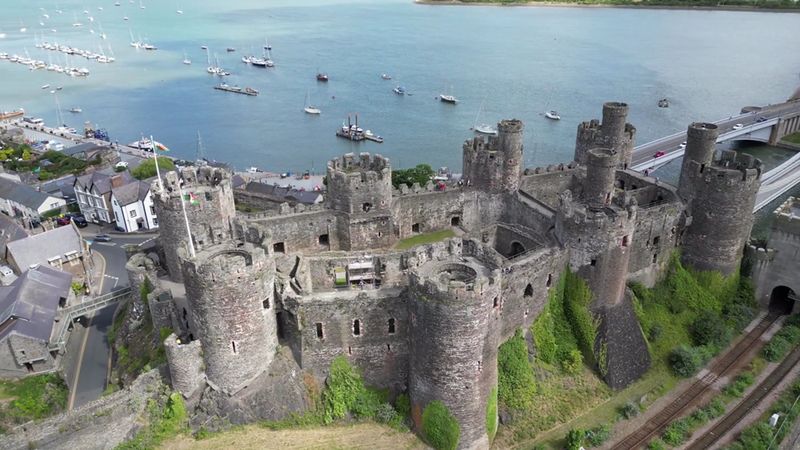
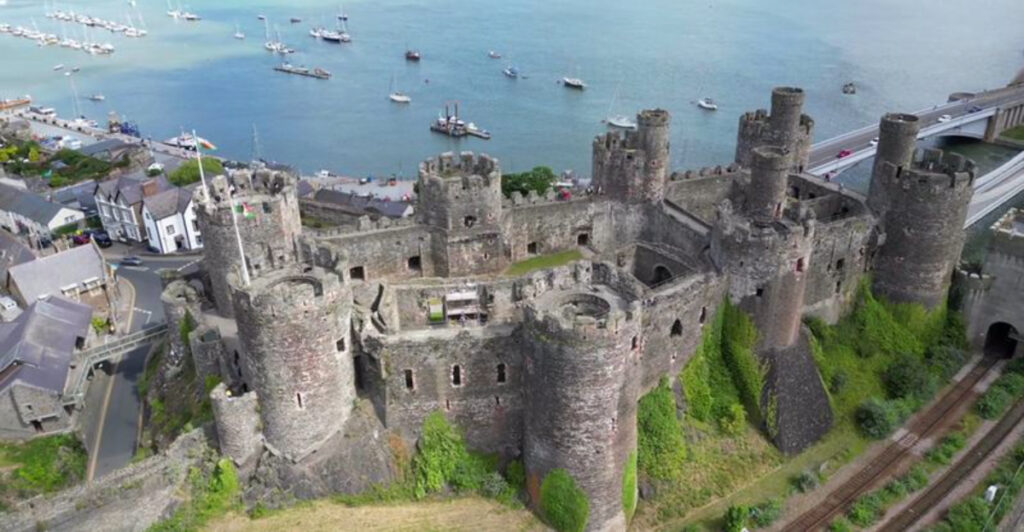
Eight massive round towers, walls up to 15 feet thick, and a construction timeline of just four years—Conwy Castle is a masterpiece of medieval military engineering built with almost frightening efficiency. Commissioned by King Edward I of England in 1283, it was designed by architect James of St. George, the greatest castle builder of the medieval age.
Edward wanted to dominate Wales, and this fortress made that point very clearly.
The castle forms part of a walled town, with the original medieval walls still intact and walkable today. Strolling along the ramparts above the town gives a powerful sense of how intimidating these fortifications must have appeared to anyone thinking about attacking.
Nobody with good sense would have tried.
Conwy is a UNESCO World Heritage Site, recognized alongside several other Edwardian castles in Wales as a group. The great hall, the king’s private apartments, and the chapel ruins are all explorable, and interpretation panels throughout the site explain the castle’s role in medieval Welsh history with admirable clarity.
The town of Conwy itself is charming, with independent shops and restaurants making it easy to spend a full day here. Sunset from the castle battlements, with the estuary glittering below, is worth the trip alone.
Spiš Castle, Slovakia
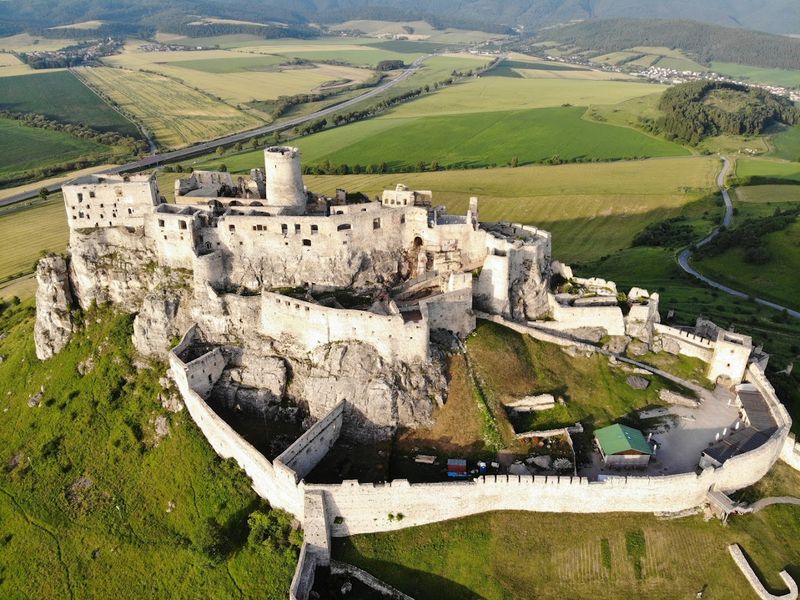
Spread across the top of a 634-meter travertine hill like a stone city frozen in time, Spiš Castle is one of the most expansive medieval fortress ruins in all of Central Europe. At its peak, the complex covered over 41,000 square meters, housing a royal court, military garrison, and surrounding township.
Even in ruins, it dominates the surrounding landscape with undeniable authority.
Construction began in the 12th century and continued for several hundred years as different rulers expanded and modified the structure. The castle changed hands numerous times—Hungarian kings, Polish nobles, and powerful local families each left their mark.
A fire in 1780 left it largely abandoned, and nature slowly reclaimed sections of the walls. The resulting ruins feel genuinely ancient rather than artificially preserved.
Today, Spiš Castle is a UNESCO World Heritage Site and one of Slovakia’s most photographed landmarks. Visitors can climb through the ruins, explore the restored upper castle, and enjoy sweeping views of the surrounding countryside and the Tatra Mountains on clear days.
The nearby medieval town of Spišské Podhradie and the Spiš Chapter cathedral add rich historical context to any visit. Slovakia remains wonderfully underrated as a travel destination, meaning Spiš Castle rarely draws the overwhelming crowds that similar sites elsewhere attract.
Carcassonne (Cité de Carcassonne), France
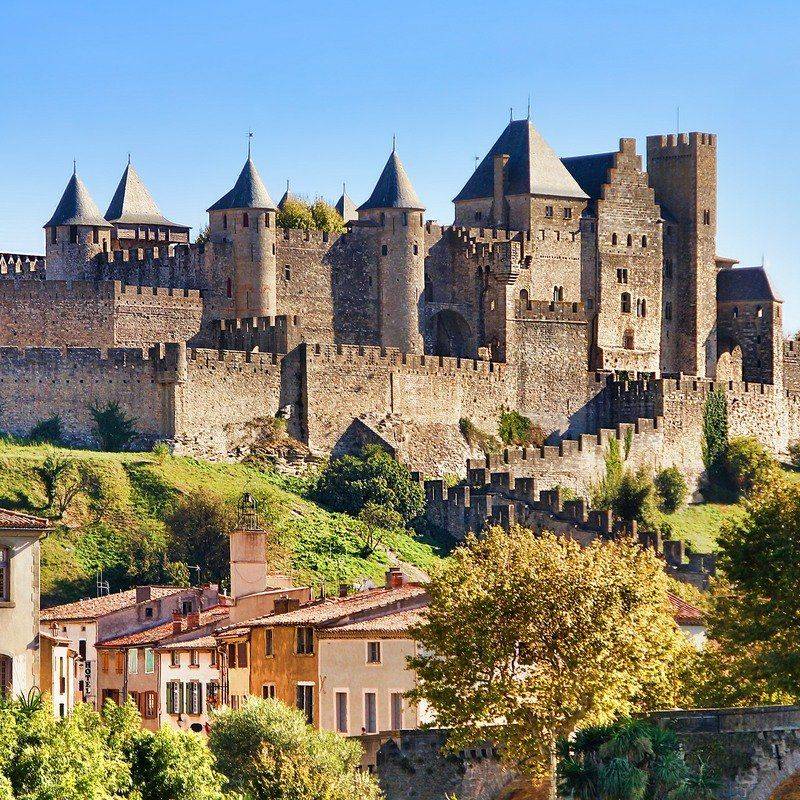
Walking through the gates of Carcassonne feels less like visiting a castle and more like stepping through a time portal directly into the 13th century. Unlike most entries on this list, Carcassonne is an entire fortified city rather than a single fortress, enclosed by nearly three kilometers of double walls studded with 52 watchtowers.
The scale of it is genuinely staggering, and photographs simply do not prepare you adequately.
The site has been fortified since Roman times, but the medieval walls were significantly expanded by French King Louis IX and his successor Philip III. By the late 19th century, the city had fallen into serious disrepair until architect Eugène Viollet-le-Duc undertook a massive restoration effort.
His work was controversial among purists but undeniably saved the city for future generations.
Inside the walls, cobblestone streets wind between medieval buildings housing restaurants, shops, and a working castle called the Château Comtal. The Basilica of Saints Nazarius and Celsus contains stunning Romanesque and Gothic stained-glass windows that glow brilliantly in afternoon light.
Visiting in the early morning before tourist crowds arrive reveals a quieter, almost ghostly version of the city that feels remarkably authentic. Carcassonne is a UNESCO World Heritage Site and stands as one of the finest examples of medieval urban fortification anywhere in the world.
Share this story