 Unearth The Voyage
Most lists of American history stops play the greatest-hits album, but this one digs into the deep cuts. Across prairies, river corridors, artists’ studios, trading counters, and town sites with barely a whisper of tourist traffic, these places reveal stories of Black settlement, Native endurance, early entrepreneurship, political compromise, literary ambition, and cultural exchange that rarely get top billing in the family road-trip debate.
You will find communities built from determination, homes where major ideas were drafted, and landscapes that explain far more than a plaque ever could. Stick with me, because these 12 sites prove that the most revealing chapters of American history are often hiding in plain sight, quietly waiting for curious travelers who do not mind skipping the obvious stop for the smarter one.
1. Nicodemus National Historic Site (Kansas)
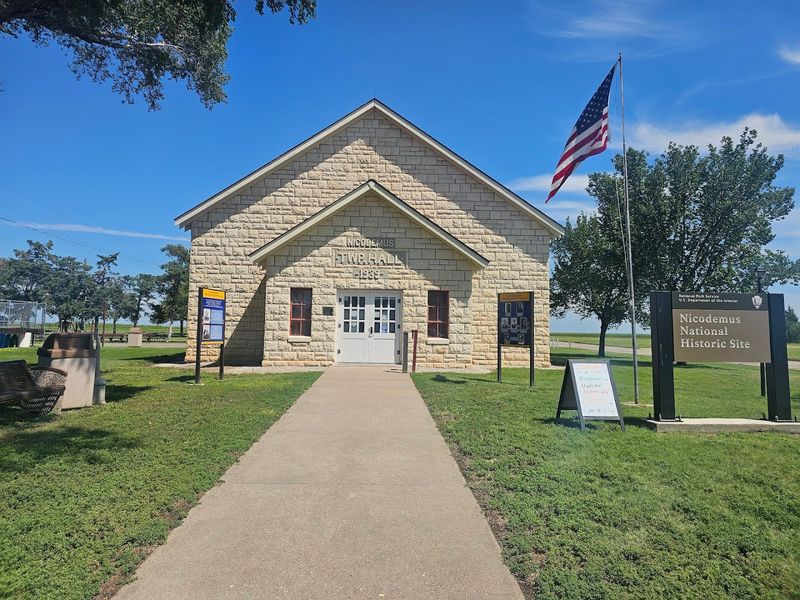
Here is a town that rewrites the usual frontier script. Nicodemus was founded in 1877 by formerly enslaved Black settlers who came to Kansas chasing autonomy, land ownership, and a future shaped on their own terms.
What remains today is modest in size but enormous in meaning, with preserved structures such as the township hall, church, school, and hotel helping explain how the community organized daily life on the plains. Rangers and exhibits connect those buildings to Reconstruction, Black migration, and the tough practical work of turning hope into a functioning town.
You are not coming for flashy displays here. You are coming to see the only remaining all-Black town west of the Mississippi from that period and to understand how citizenship, farming, politics, and persistence met on one stretch of Kansas ground.
The quiet setting actually helps, because it keeps the focus where it belongs: on the people who built something lasting when the odds looked thoroughly unimpressed by their plans.
2. Knife River Indian Villages (North Dakota)
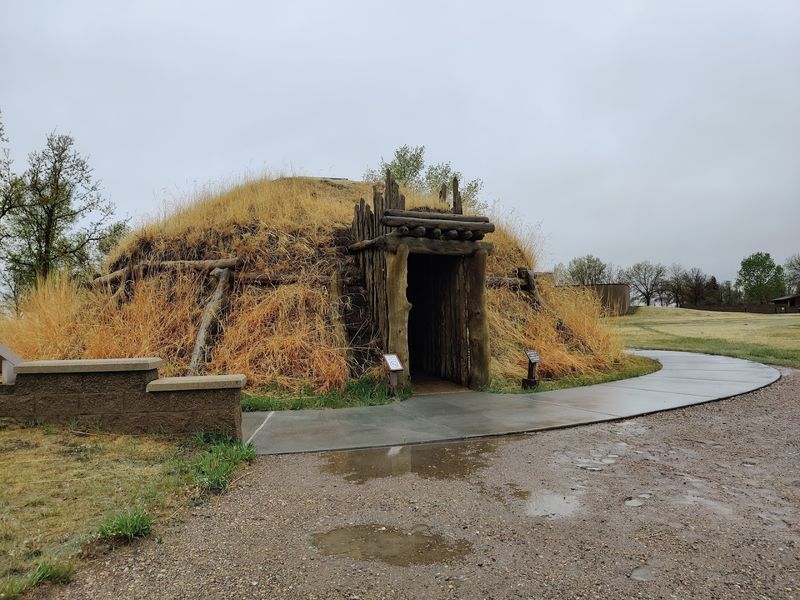
History gets very specific at this bend in the river. Knife River Indian Villages preserves the remains of Hidatsa settlements where earthlodges, trade networks, agriculture, and community life thrived long before American expansion reshaped the region.
The site helps you picture a sophisticated Plains village system instead of the oversimplified version many textbooks serve up. Trails, exhibits, and a reconstructed earthlodge explain how families lived, stored crops, traded with neighbors, and adapted to a landscape that supported both farming and commerce.
This is also a place tied to the Lewis and Clark era, since Sacagawea lived here before the expedition passed through, but the real draw is the broader Indigenous story. You get a grounded look at Native life on its own terms, not merely as a footnote to someone else’s journey.
That makes the experience sharper and far more useful. If you like sites that replace vague legends with actual layout, labor, and long-standing cultural knowledge, this North Dakota stop earns your time without any need for theatrical flourishes.
3. New Philadelphia Town Site (Illinois)
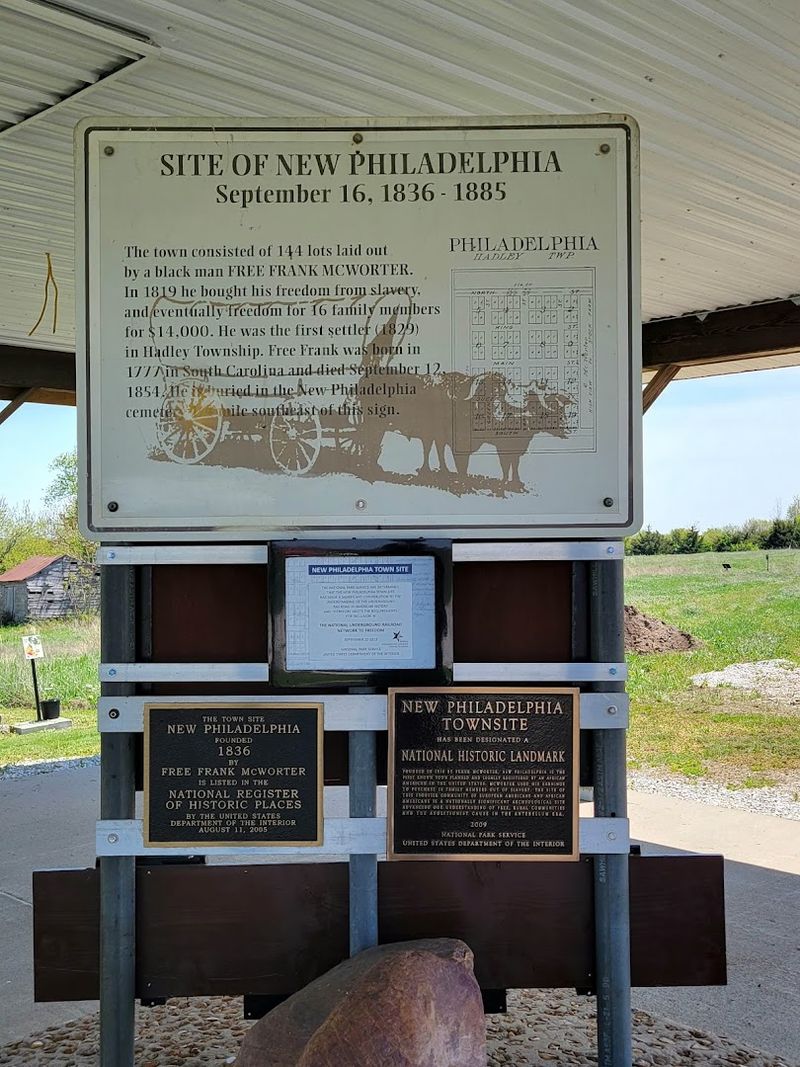
A quiet field can carry a very loud story. New Philadelphia was founded in 1836 by Frank McWorter, a formerly enslaved man who bought his freedom, freed family members, and legally established the first U.S. town founded by an African American.
That fact alone deserves far more attention than it gets, but the site becomes even more compelling when you learn how the town functioned as a racially integrated community in antebellum Illinois. Archaeology, signage, and preserved landscape features help visitors understand where homes, businesses, and streets once stood, turning open ground into a map of enterprise and determination.
You will not find a crowded historic district lined with restored storefronts, and that is part of the point. The spareness asks you to imagine what was built here and why it mattered, especially in a period when legal rights were uneven and opportunity usually arrived with strings attached.
New Philadelphia is less about spectacle and more about evidence, vision, and grit. For anyone interested in early Black entrepreneurship, town planning, and American ambition with real backbone, this place lands its message clearly.
4. Saint-Gaudens National Historical Park (New Hampshire)
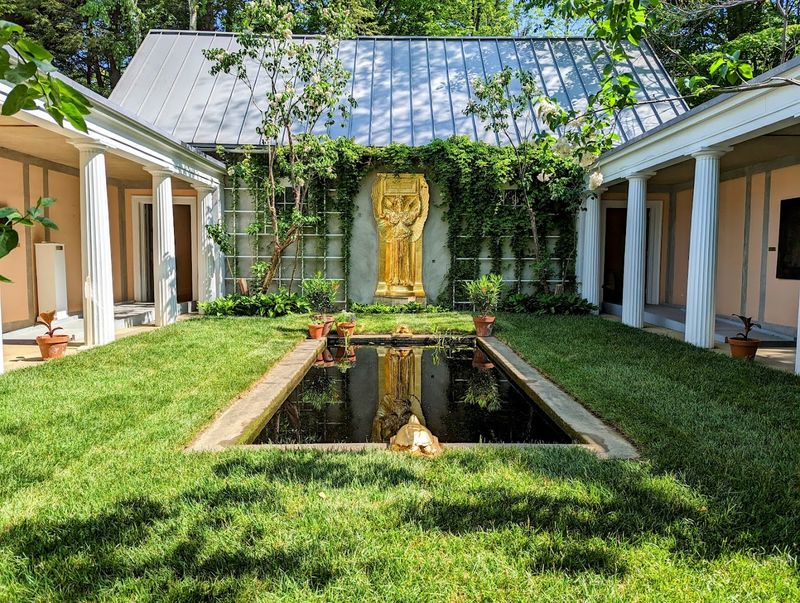
Art history gets a full estate upgrade here. Saint-Gaudens National Historical Park preserves the home, studios, and gardens of Augustus Saint-Gaudens, one of America’s most influential sculptors and a major force in the visual culture of the Gilded Age.
The property is unusually rich because it shows both finished art and the working world behind it. You can explore studios, see reproductions of major sculptures, and follow the story of the Cornish Colony, the creative circle that gathered around Saint-Gaudens in rural New Hampshire and turned the area into a serious center for artists.
Even visitors who do not normally rush toward sculpture parks tend to find this place easy to enjoy, since it combines biography, design, and American cultural history in one manageable visit. The setting adds polish without overwhelming the substance.
You come away understanding how public monuments were conceived, how an artist’s home doubled as a professional workshop, and how one respected sculptor shaped national memory in bronze and stone. That is a pretty solid day’s work for a site many travelers pass without realizing what sits behind the trees.
5. Cane River Creole National Historical Park (Louisiana)
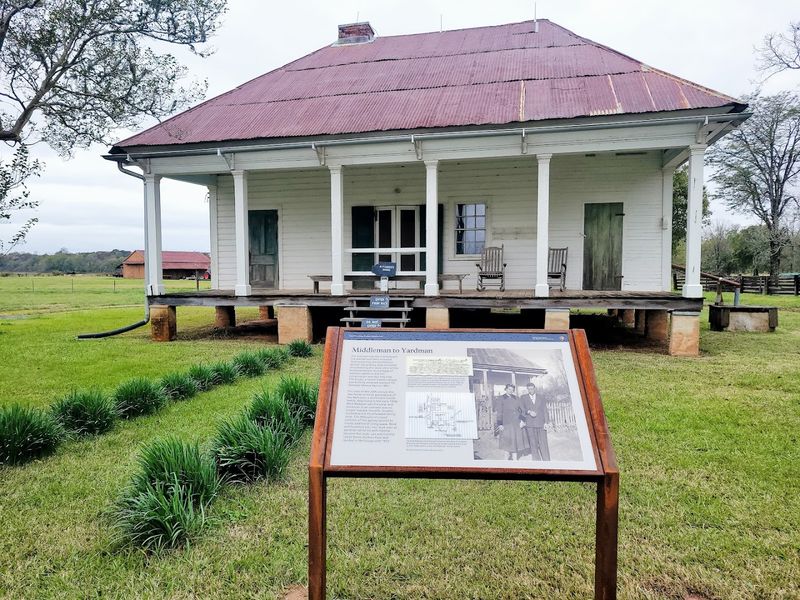
Few places pack this much social history into one landscape. Cane River Creole National Historical Park preserves two plantation sites and uses them to explain Creole culture, agricultural labor, family networks, and the layered relationships among free and enslaved people in Louisiana.
The strength of the park is its honesty about complexity. Instead of flattening the past into a tidy lesson, it shows how language, property, race, religion, and kinship operated within a distinctive regional system that shaped generations of life along Cane River.
Buildings, furnishings, grounds, and ranger interpretation give you concrete details rather than broad slogans, which makes the history easier to grasp and harder to dismiss. You can trace how households were organized, how labor supported the estates, and how Creole identity developed through a mix of cultural influences that do not fit neatly into standard categories.
It is a thoughtful stop for travelers who want more than a surface tour and are willing to sit with a story that resists simplification. In return, the park offers a clearer, more complete picture of Louisiana history than many better-known destinations manage.
6. Hubbell Trading Post (Arizona)
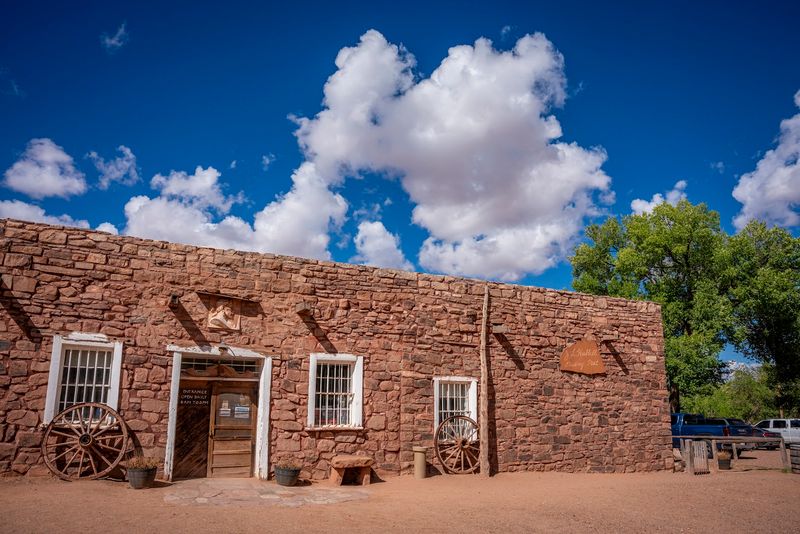
This place still does what its name promises, which is a rare historical flex. Hubbell Trading Post has operated continuously since 1878, making it the oldest working trading post in the Navajo Nation and a living record of exchange between Diné communities and outside markets.
That ongoing business matters because the site is not frozen into a museum pose. You can browse rugs, jewelry, and crafts, see the store layout, tour the Hubbell family home, and learn how trading posts functioned as economic hubs, social meeting points, and places where language, credit, and negotiation all shaped daily transactions.
The most interesting part is how the site reveals both connection and tension. Trading posts created opportunities for artists and weavers, but they also reflected unequal power and changing market demands, so the story is bigger than quaint shelves and old ledgers.
Staff interpretation helps keep that balance clear, while the active store reminds you that Navajo artistry is not a relic trapped behind glass. If you like history that still has practical purpose, Hubbell delivers exactly that, with less mythmaking and more substance than many Southwest stops that talk a bigger game.
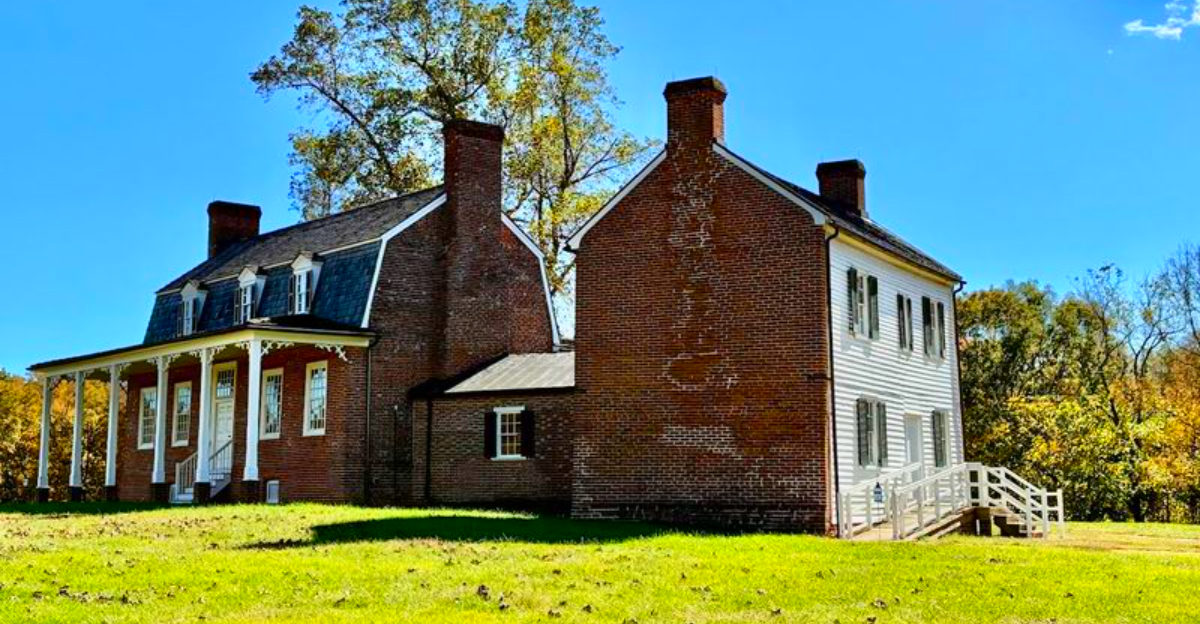
7. Thomas Stone National Historic Site (Maryland)
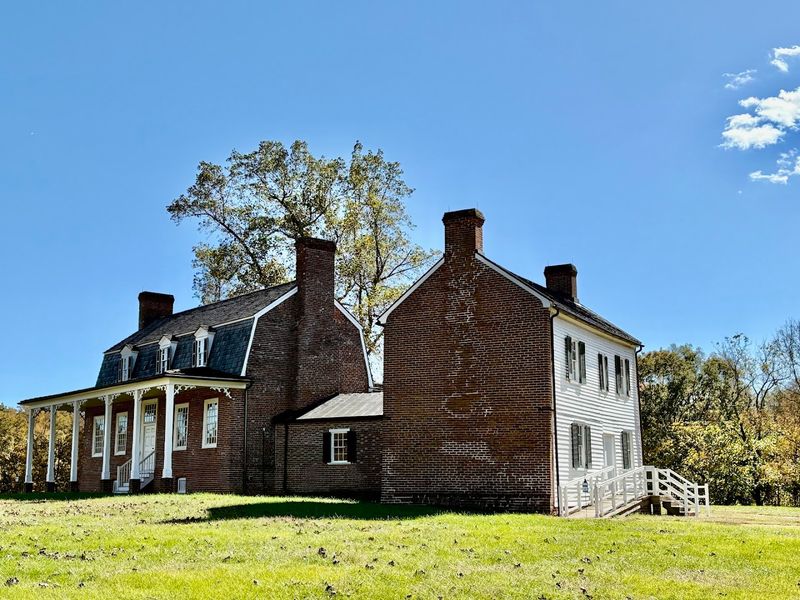
Founding Father tourism usually has a crowded bench, but Thomas Stone rarely gets the loud applause. His Maryland home, Haberdeventure, offers a more personal route into the Revolutionary era by focusing on a signer of the Declaration whose life mixed public duty, family responsibility, and plantation management.
The site works because it does not treat the founding as a marble pedestal event. Through the house, grounds, exhibits, and ranger talks, you see how politics intersected with illness in the family, legal work, travel demands, and the enslaved labor that supported elite households in eighteenth-century Maryland.
That combination gives the place a steadier, more human scale than some blockbuster historic homes. You leave with a stronger sense of how independence was debated and administered by people with complicated private lives, not just heroic portraits in waistcoats.
The property also invites useful questions about what liberty meant, who benefited from it, and how daily obligations shaped public choices. For visitors who want Revolutionary history with more context and less pageantry, Thomas Stone’s home is a smart detour.
It proves that lesser-known founders can tell the bigger story with surprising clarity.
8. Eugene O’Neill National Historic Site (California)
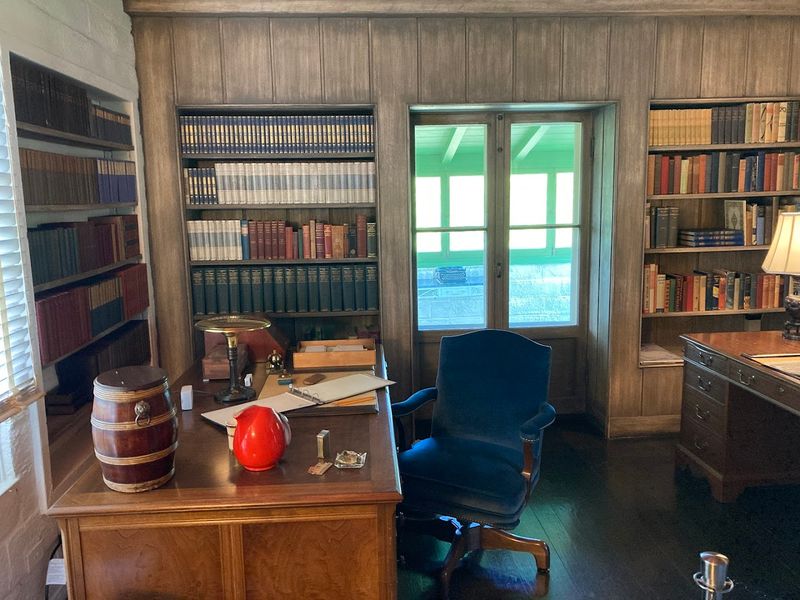
A playwright’s retreat might sound quiet, but the ideas developed here were anything but small. Eugene O’Neill National Historic Site preserves Tao House, the California home where America’s only Nobel Prize-winning playwright wrote several major late works with discipline that feels almost architectural.
The visit is appealing even if drama was not your best subject in school. Rooms, furnishings, and interpretation show how O’Neill structured his daily routine, why he chose the secluded hilltop setting, and how that period produced plays that pushed American theater into tougher emotional and formal territory.
Because access is limited and usually arranged by shuttle, the site keeps a low profile, which somehow suits a writer who prized concentration. Once there, you get more than literary trivia.
You see a workspace designed for serious output and hear a story about craft, revision, ambition, and the practical side of artistic labor. That makes the house feel less like a shrine and more like a headquarters for relentless writing.
If you enjoy places where the furniture and floor plan help explain the work itself, Tao House gives you a refreshingly concrete look at creativity without drifting into preciousness.
9. Longfellow House–Washington’s Headquarters (Massachusetts)
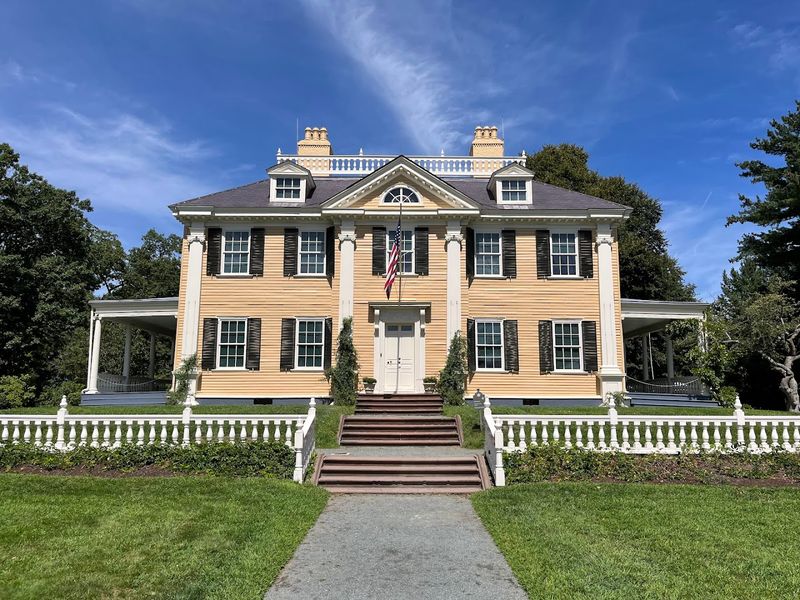
One house, two heavyweight biographies, and not an ounce of historical laziness. Longfellow House-Washington’s Headquarters in Cambridge served as George Washington’s command center during the Revolutionary War and later became the home of poet Henry Wadsworth Longfellow and his family.
That dual identity gives the site unusual range. You can trace military planning in one chapter and literary life in another, with rooms, collections, and interpretation showing how the same structure supported wartime strategy, transatlantic cultural exchange, abolitionist connections, and nineteenth-century domestic intellectual life.
It is the kind of place that makes American history feel less compartmentalized. Instead of separating revolution, literature, and reform into different museum boxes, the house links them under one roof with impressive ease.
Washington’s presence gives it national importance, but the Longfellow years add texture, especially through family stories, visitors, and the role of the home as a gathering place for major thinkers. You do not have to choose between muskets and manuscripts here.
The site hands you both and trusts you to enjoy the overlap, which is a confident move and a rewarding one.
10. Arkansas Post National Memorial (Arkansas)
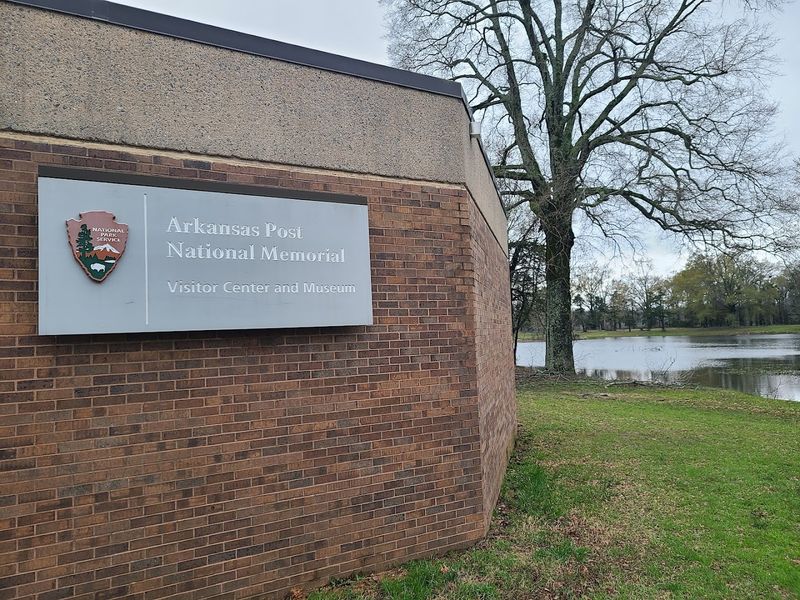
Maps got messy here long before the United States settled on its current outline. Arkansas Post began as a French trading outpost in 1686 and later passed through Spanish, French, Confederate, and American chapters, making it one of those places where several flags could legitimately claim a turn.
That shifting control is exactly why the memorial is worth visiting. Exhibits, trails, and the landscape explain how the post functioned as a strategic point for trade, diplomacy, military planning, and regional expansion, especially because rivers made this location more important than its quiet appearance suggests today.
You are essentially visiting a hinge point in lower Mississippi Valley history. The site connects colonial competition, relations with Native nations, Civil War activity, and the broader process of U.S. growth in a way that feels coherent instead of scattered.
It also rewards travelers who prefer context over spectacle, since much of the value comes from understanding why this patch of ground kept attracting attention across centuries. That repeated importance is the real headline.
Arkansas Post may not have the instant name recognition of larger battlefields or colonial capitals, but it explains power, geography, and ambition with admirable efficiency.
11. Sand Creek Massacre National Historic Site (Colorado)
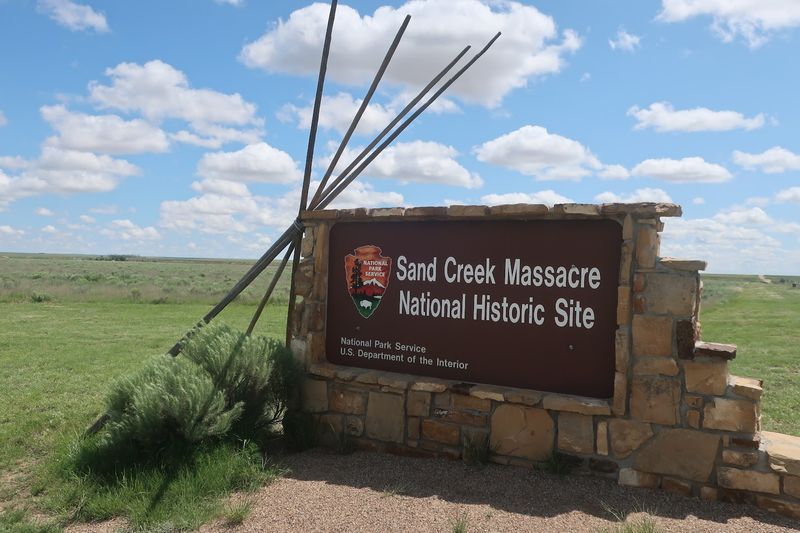
Some places ask for quiet attention, and this is one of them. Sand Creek Massacre National Historic Site commemorates the 1864 attack on Cheyenne and Arapaho people and serves as a place for learning, remembrance, and accountability in the American historical record.
The landscape is spare, but the interpretation is focused and direct. Rather than crowding the site with heavy development, the National Park Service and tribal partners emphasize the actual ground, the historical timeline, and the perspectives of descendant communities whose voices are essential to understanding what happened here.
That approach gives the site unusual gravity without turning it into abstraction. You are encouraged to read carefully, move thoughtfully, and recognize how public memory changes when difficult history is presented with clarity instead of avoidance.
It is not a stop built around entertainment, and it should not be. Its value lies in honest acknowledgment and in the chance to confront a national story that too often gets minimized, softened, or ignored entirely.
For travelers willing to engage seriously, Sand Creek offers something more important than comfort: a better understanding of responsibility, historical truth, and why remembrance must include the people most affected.
12. Maggie L. Walker National Historic Site (Virginia)
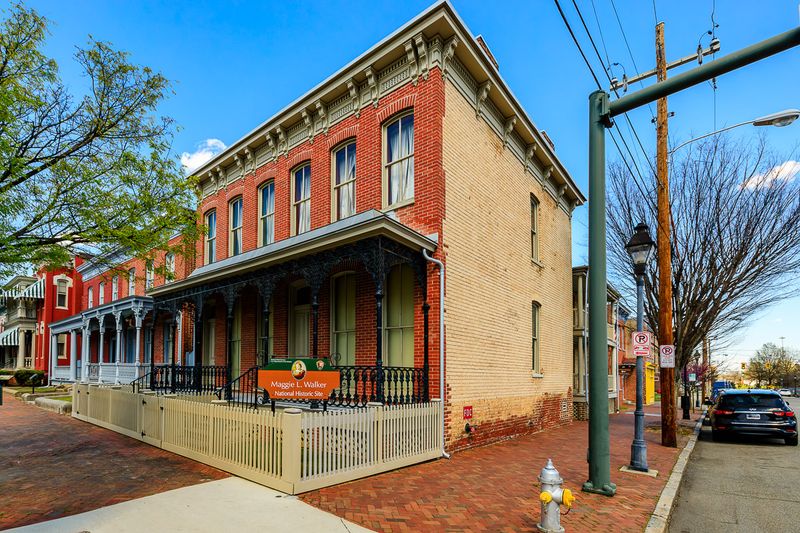
Here comes a national historic site with executive energy. Maggie L.
Walker’s Richmond home tells the story of a Black business leader, newspaper figure, civic organizer, and the first Black woman in the United States to charter a bank.
The house itself is richly useful because it reflects both achievement and strategy. Furnishings, personal items, and guided interpretation show how Walker balanced family life with public leadership, using her home as a base for meetings, planning, and the kind of disciplined work that expanded opportunity within her community.
You leave with more than admiration for one remarkable person. The site opens a wider window onto Jackson Ward, Black enterprise, mutual aid, education, and activism in the late nineteenth and early twentieth centuries, when institutions built from within the community carried enormous practical importance.
Walker was not simply successful in isolation. She helped create systems that supported economic advancement and civic influence for others, which makes her story especially relevant today.
If your ideal historic house includes actual ambition, organizational savvy, and a refreshing lack of dusty hero worship, this one delivers. It is smart, specific, and impossible to reduce to a single milestone.



