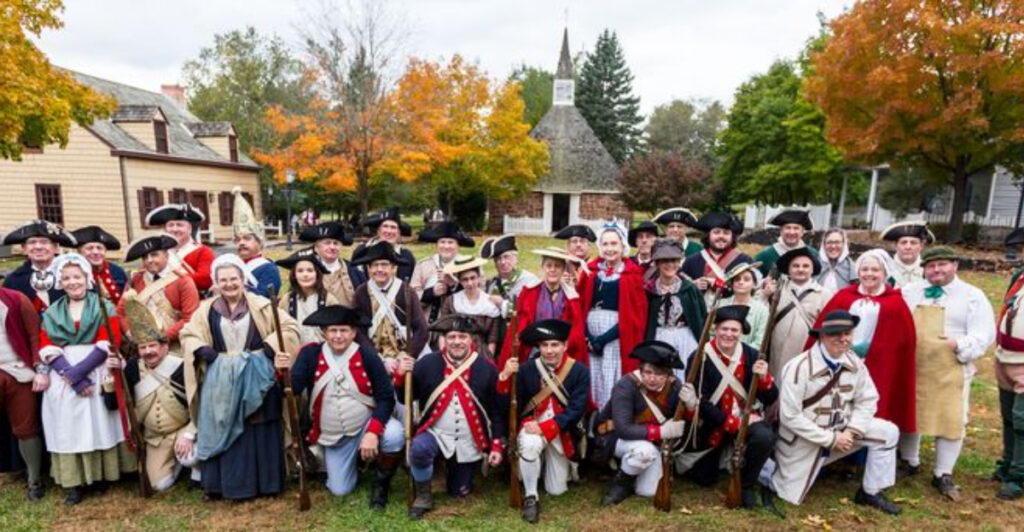
New Jersey was not just a backdrop for the American Revolution. It was the stage where the war was nearly lost, then dramatically turned around.
From frozen winter camps to furious battlefield charges, this state holds more Revolutionary history per square mile than almost anywhere else in the country. Pack your curiosity and maybe some comfortable walking shoes, because these 12 sites are the real deal.
Morristown National Historical Park, New Jersey
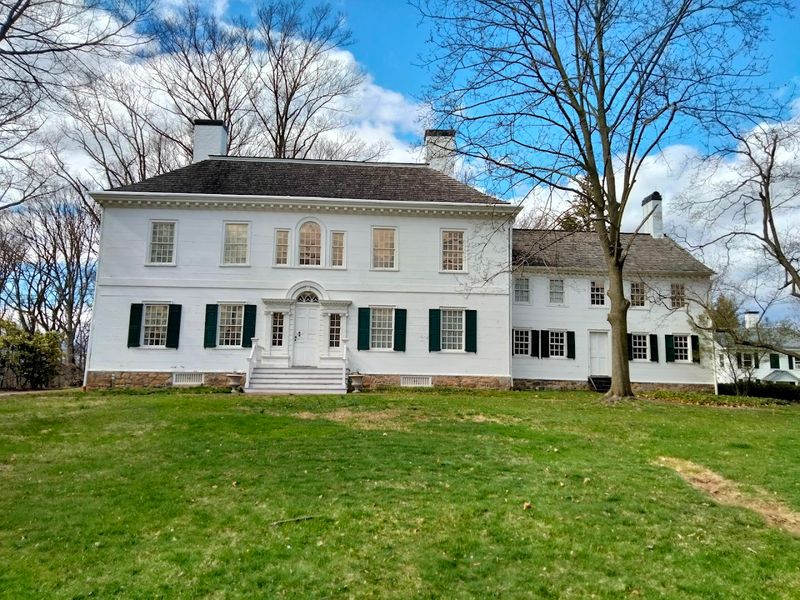
Washington’s army did not just survive at Morristown. They clawed through what historians call the worst winter of the 18th century while the Revolution hung by a thread.
I visited on a cold Thursday, and even with modern clothes, the wind off those hills was no joke.
The park preserves the 1779 to 1780 winter encampment grounds along with Washington’s headquarters at the Ford Mansion. Guided tours of the mansion are a highlight, walking you through rooms where serious wartime decisions were made over maps and candlelight.
The museum and visitor facilities are currently open Thursday through Sunday, and the grounds are open daily. This is not a quick stop.
Budget a solid half-day, because there is genuinely a lot to absorb here.
Morristown is where the Revolution proved it could survive cold, hunger, and doubt all at once.
Princeton Battlefield State Park, New Jersey
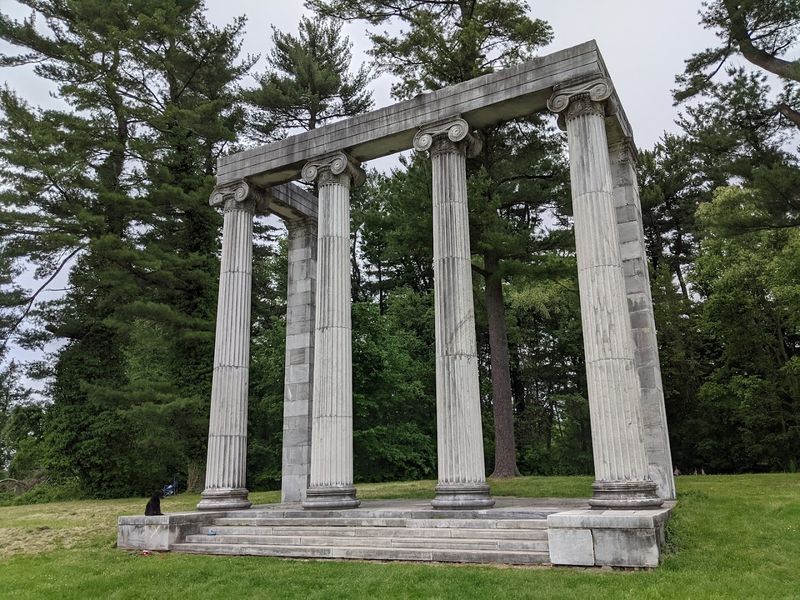
On January 3, 1777, Washington pulled off one of the cheekiest military moves of the entire war. After crossing the Delaware on Christmas night, his forces doubled back and hit the British at Princeton before anyone expected it.
That surprise victory changed everything.
The battlefield today preserves the ground where that clash unfolded, and the Thomas Clarke House, built in 1772, still stands as a reminder of the human cost. After the fighting, it served as a field hospital for wounded soldiers, including the mortally wounded General Hugh Mercer.
Walking tours and annual reenactment programming keep the site active and educational. This is not just a grassy field with a plaque.
The landscape itself tells the story of momentum, desperation, and a really well-timed gamble.
If you want to understand how America stayed in the fight, Princeton is one of the clearest answers available.
Monmouth Battlefield Park, New Jersey
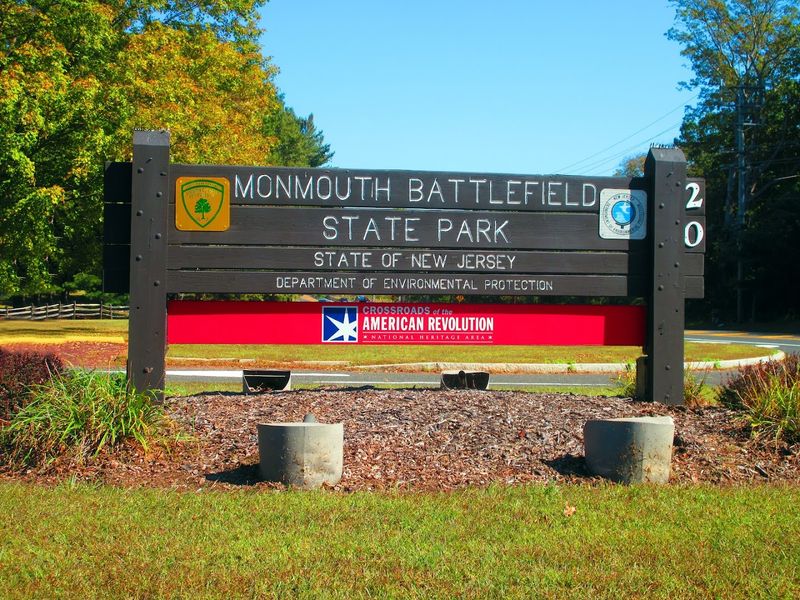
Most historic battlefields feel small once you actually visit them. Monmouth does not.
This place is large enough that you genuinely need a map, which is a good sign that the history here has room to breathe.
The June 1778 battle was a messy, sweltering affair fought in brutal summer heat, and the park does a solid job helping visitors follow the action through exhibits and self-guided tours. The annual reenactment is one of the biggest in the state, complete with encampments, sentries, musket fire, and living-history demonstrations that draw serious crowds.
Molly Pitcher, the legendary figure said to have carried water to soldiers during the fight, is closely tied to this battlefield. Whether or not every detail of her story is perfectly accurate, the park gives her legend the context it deserves.
Monmouth earns its spot as one of New Jersey’s strongest history-coming-alive experiences.
Fort Lee Historic Park, Palisades Interstate Park Commission, New Jersey
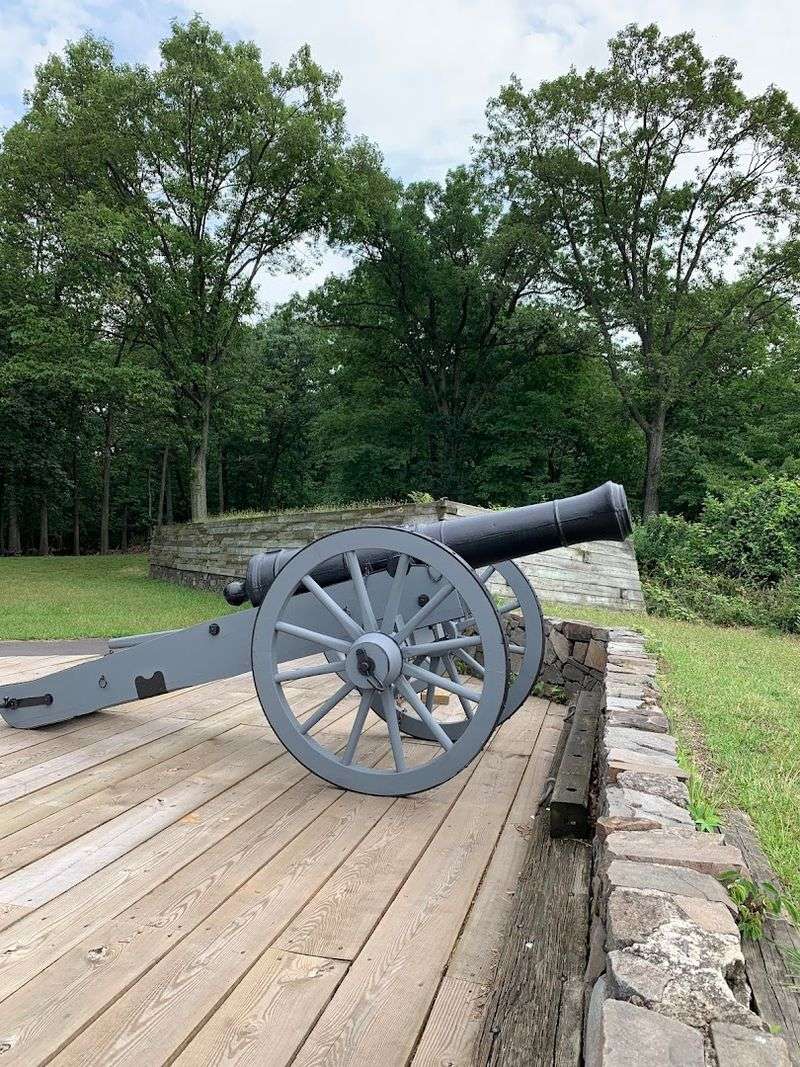
© Fort Lee Historic Park, Palisades Interstate Park Commission
Most people know Fort Lee as the town next to the George Washington Bridge. Far fewer know it was the site of a devastating British invasion in 1776 that nearly ended the Revolution before it found its footing.
The park does not just mark the spot. It reconstructs it.
A full Revolutionary War encampment with period structures, a well-stocked visitor center, and regular living-history programming give this site real interpretive muscle. The annual Retreat Weekend specifically commemorates the 1776 British push into New Jersey and the start of Washington’s famous strategic withdrawal.
Calling that withdrawal a retreat is technically accurate, but history later rebranded it as Washington’s retreat to victory. The park leans into that story with events and demonstrations that connect the desperation of 1776 to the eventual American triumph.
Grounds and the visitor center are open year-round, making it an easy add to any New Jersey history road trip.
Dey Mansion Washington’s Headquarters, New Jersey
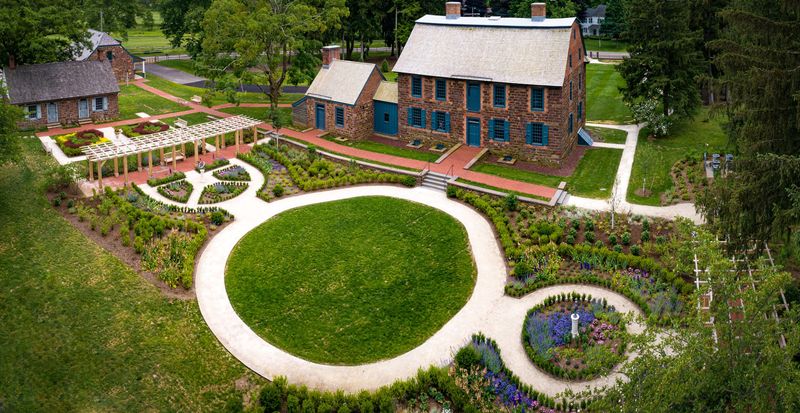
The phrase Washington slept here gets thrown around so casually in New Jersey that it almost loses meaning. At Dey Mansion, though, it is not a marketing slogan.
Washington actually used this house as his headquarters during the summer and fall of 1780, and the site is set up to show exactly what that looked like.
Tours run on the hour Wednesday through Sunday, and the house is furnished and interpreted to reflect both military command and colonial domestic life. Lectures and special events fill out the calendar throughout the year.
What I appreciate about Dey Mansion is that it does not oversell itself. The history here is specific, the interpretation is solid, and the staff actually knows what they are talking about.
If you want a headquarters experience without vague historical footnotes or gift-shop guesswork, this is a genuinely rewarding stop that rewards the curious visitor.
Wallace House and Old Dutch Parsonage, New Jersey
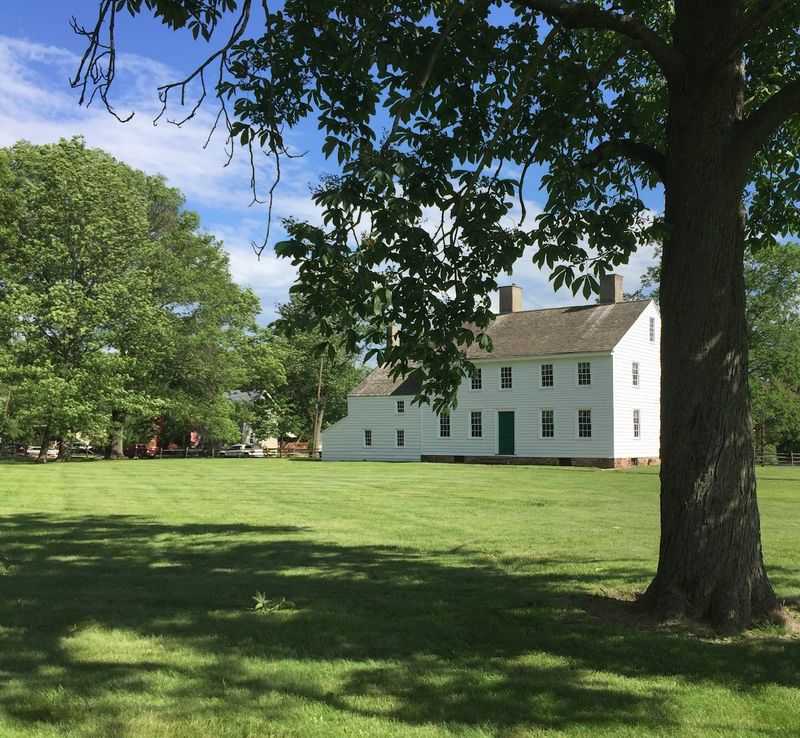
Two historic sites standing close together and telling completely different stories is a rare find. Wallace House and the Old Dutch Parsonage pull this off without breaking a sweat.
Wallace House served as Washington’s headquarters during the 1778 to 1779 Middlebrook encampment, a period when the army was regrouping and reorganizing after a brutal stretch of the war. The Old Dutch Parsonage next door shifts the focus to civilian and religious life, showing how ordinary New Jerseyans navigated loyalty, faith, and daily survival during the conflict.
Together, these two buildings give visitors a fuller picture of the Revolution than most single sites can offer. Both are open all year with regular tours.
The pairing is genuinely clever from a history-tourism standpoint, and it makes the visit feel like getting two stories for the price of one admission.
That kind of value is hard to argue with.
Rockingham Historic Site, New Jersey
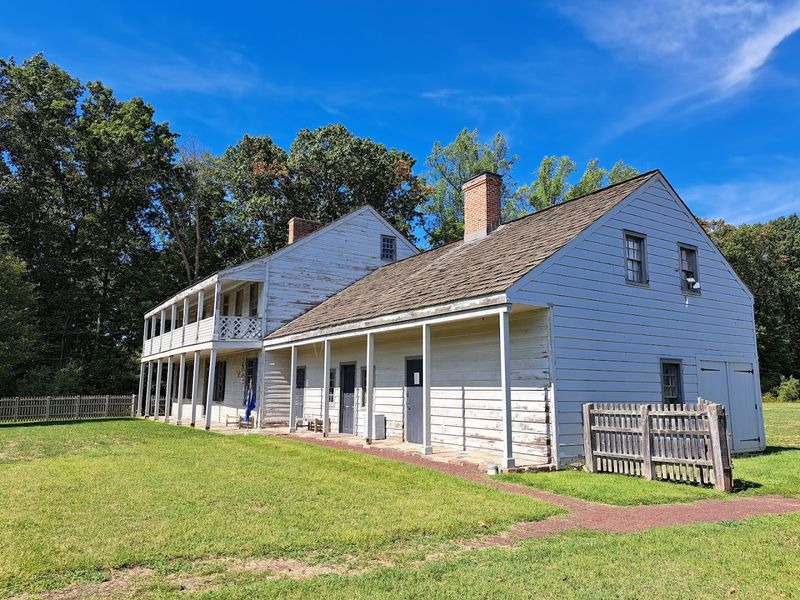
There is something quietly powerful about visiting the last place a person stood before a chapter of history closed. Rockingham was Washington’s final wartime headquarters, and it carries that weight in a way that feels genuinely moving rather than manufactured.
The house is furnished with 18th-century objects and military reproductions that help visitors connect to the period without needing a history degree to follow along. Tours are available by reservation, and special events and programming run throughout the year.
One notable detail: Washington wrote his Farewell Orders to the Armies here in 1783, formally closing the war on paper. That document, composed in these rooms, was a turning point not just for the military but for the entire idea of what America was becoming.
Rockingham earns the living history label because it connects specific people to specific moments rather than offering a general survey of the period.
Indian King Tavern Museum, New Jersey
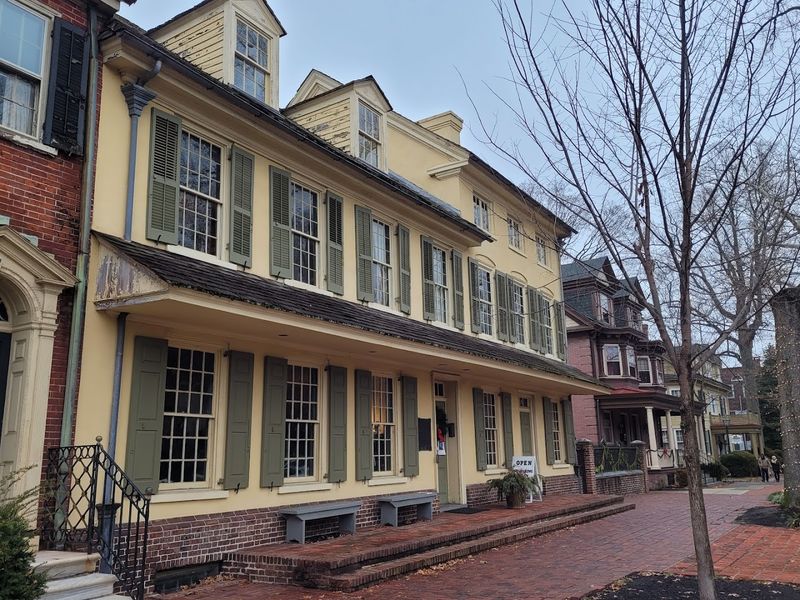
Not every Revolutionary site is a battlefield or a mansion. Some of the most important history happened over tables, in rooms full of nervous legislators trying to figure out how to run a brand-new state.
Indian King Tavern in Haddonfield is exactly that kind of place. During 1777, New Jersey’s legislature met here after fleeing more dangerous areas, and this is where the state completed key steps in its transition from British colony to independent American state.
The decisions made inside these walls were not glamorous, but they were essential.
The museum is open Wednesday through Saturday plus Sunday afternoons, which makes it genuinely accessible for weekend visitors. Calling it just a tavern is a serious underestimation.
This building is where New Jersey’s political identity was hammered out under pressure, and the museum does a good job of making that story feel urgent rather than dusty.
Boxwood Hall State Historic Site, New Jersey
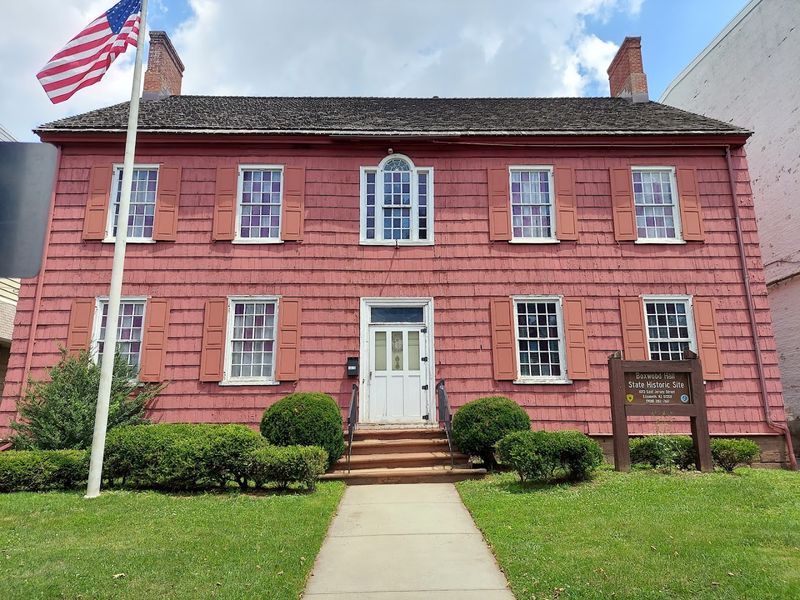
Elias Boudinot is not a household name today, but he probably should be. As president of the Continental Congress, he oversaw the ratification of the Treaty of Paris, the document that officially ended the Revolutionary War.
His home was Boxwood Hall, and it was not exactly a quiet retreat.
George Washington, Alexander Hamilton, and the Marquis de Lafayette all visited here, which gives the house a guest list that most historic sites would kill for. The building itself is well-preserved and interpreted to reflect both the personal life of Boudinot and the broader political world he operated in.
Boxwood Hall is currently open on weekdays with free admission, which makes it one of the most accessible sites on this entire list. Free history is always a good deal.
If you are already exploring Elizabeth’s historic district, this stop requires zero detours and delivers a surprising amount of Revolutionary-era depth.
Liberty Hall Museum, New Jersey
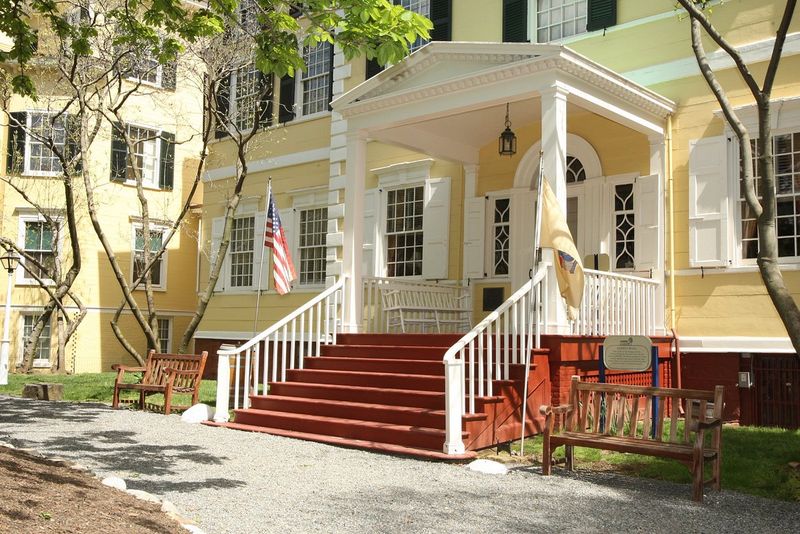
William Livingston was New Jersey’s first elected governor, and he served through the entire Revolutionary War period. His home, Liberty Hall, was not just a family residence.
It was a working hub of wartime leadership, correspondence, and political decision-making.
Built in 1772, the house preserves that connection to the Revolution in a way that feels personal rather than institutional. Tours run Wednesday through Sunday, and the museum has been recognized as a central site in New Jersey’s Revolutionary story by historians and tourism organizations alike.
What sets Liberty Hall apart from some other historic homes is the sense that real, complicated people lived and worked here under genuine pressure. The house expanded over generations, and the museum uses that layered history to show how the Revolution shaped not just a war but a family, a state, and eventually a nation.
That kind of storytelling earns its place on any serious history itinerary.
Red Bank Battlefield Park, New Jersey
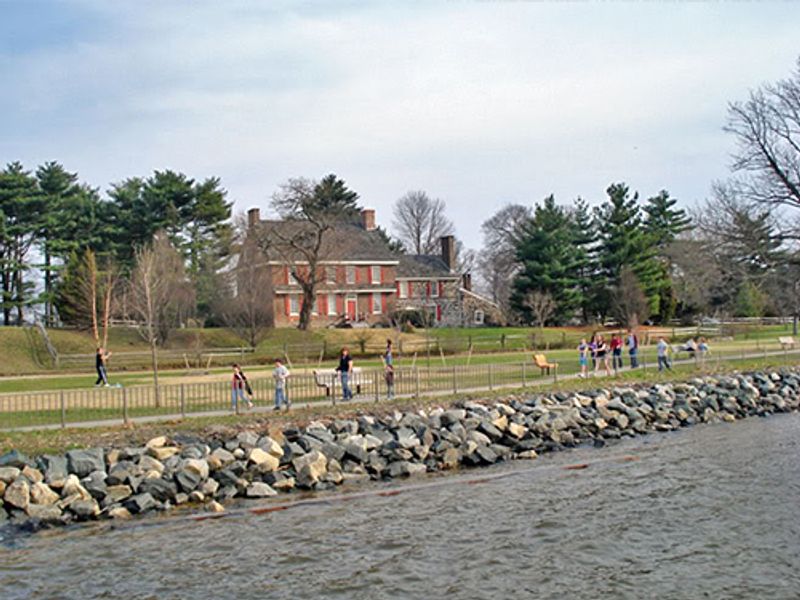
The Revolution was not a one-man show, and Red Bank Battlefield makes that refreshingly clear. On October 22, 1777, Hessian troops attacked Fort Mercer here and suffered a staggering defeat at the hands of a much smaller American garrison.
The numbers were not supposed to work out that way, and they absolutely did not.
Gloucester County’s park preserves the battlefield ground and offers public tours, archaeology interpretation, and hands-on programming that goes well beyond a standard walking path with plaques. The James and Ann Whitall House, which served as a field hospital after the battle, is also part of the site.
The park is open year-round from sunrise to sunset, which means early morning visits are genuinely possible and genuinely rewarding. Red Bank is a reminder that some of the most dramatic moments of the Revolution happened far from the famous names and famous crossings.
This fight belonged to the defenders.
East Jersey Old Town Village, New Jersey
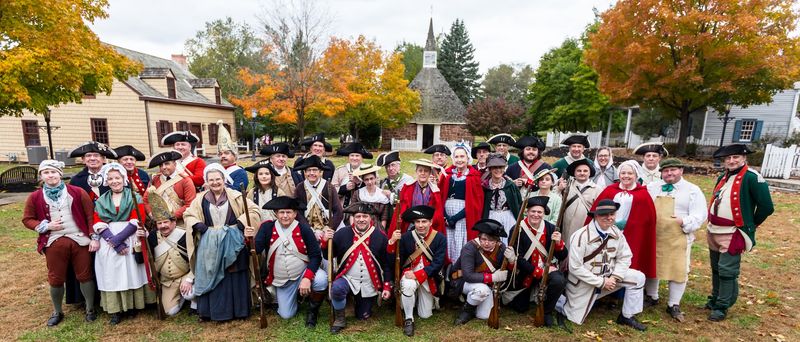
Every other site on this list shows you where history happened. East Jersey Old Town Village actually puts you inside it.
This open-air collection of restored 18th- and 19th-century structures in Piscataway is the most hands-on Revolutionary experience in the state, and it earns that title without much competition.
Middlesex County runs patriot-versus-redcoat battle demonstrations, historic interpretation, and hands-on activities that work especially well for families and school groups. The village also sits along the Washington-Rochambeau Revolutionary Route, connecting it to the broader military geography of the war.
What makes this place stick with visitors is the format. Watching costumed interpreters explain colonial trades, fire period weapons, and walk through daily 18th-century routines is a completely different experience from reading a wall panel in a climate-controlled museum.
History feels less like a subject and more like a place you can actually visit.
That is a rare and genuinely valuable thing.
Share this story