Some bands hit a wall when their lead singer walks out the door. But a few lucky groups found someone even better waiting in the wings.
History is full of moments where a new voice didn’t just fill a gap but completely transformed a band’s legacy. These are the singers who stepped up, spoke out, and somehow made everything louder.
Phil Collins – Genesis
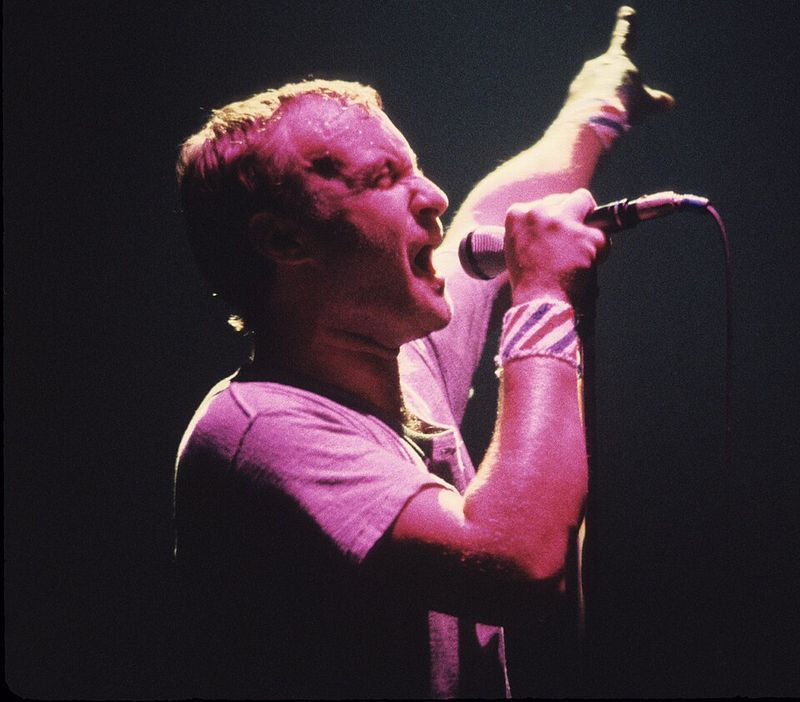
Most drummers sit quietly at the back. Phil Collins decided that wasn’t enough.
When Peter Gabriel left Genesis in 1975, the band held auditions for a new frontman while Collins kept the beat from behind the kit.
Eventually, Collins stepped to the microphone himself, and rock history got a serious upgrade. His warm, emotive voice pushed Genesis away from complex prog-rock territory into polished pop-rock gold.
Fans who never touched a Genesis album before suddenly couldn’t stop humming “Invisible Touch.”
Collins managed to hold down two roles at once, singing lead while still drumming on select tracks. That’s not multitasking, that’s a superpower.
By the mid-80s, Genesis was selling out arenas worldwide, and Collins was simultaneously running a massive solo career. The drummer who stepped forward changed everything, proving that sometimes the best frontman was already in the room, just sitting down.
Steve Perry – Journey
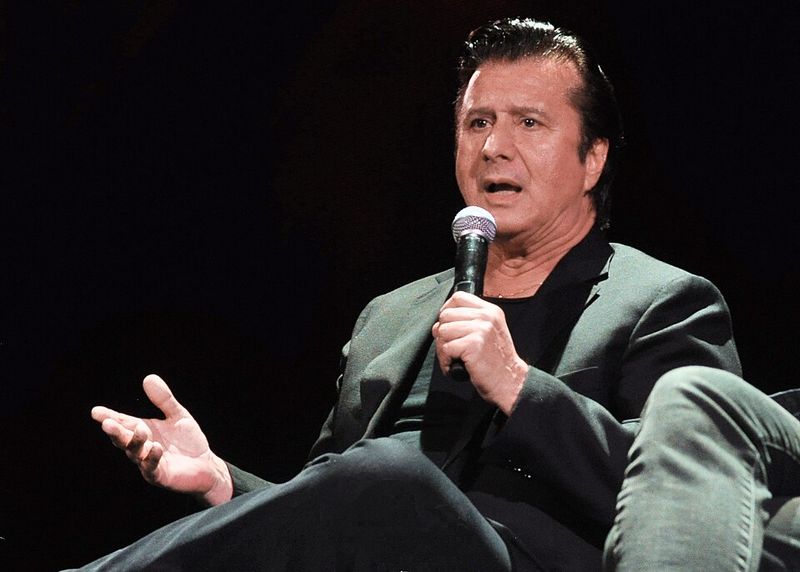
Steve Perry’s voice has caused more goosebumps than a winter wind. When he joined Journey in 1977, the band was already a solid rock act, but something was clearly missing.
Perry brought that missing piece in the form of a vocal range that could shatter expectations and melt hearts simultaneously.
“Don’t Stop Believin'” became one of the best-selling singles in digital history, and that wouldn’t have happened without Perry’s soaring tenor holding the whole thing together. “Open Arms” and “Separate Ways” turned Journey into the soundtrack of an entire generation’s most dramatic moments.
I remember hearing “Don’t Stop Believin'” at a school dance and genuinely not understanding how one human voice could carry that much emotion. Perry left the band in the mid-90s, but his legacy stuck like glue.
Journey without Steve Perry’s era is like a road trip without a destination. Technically possible, but why bother?
Bruce Dickinson – Iron Maiden
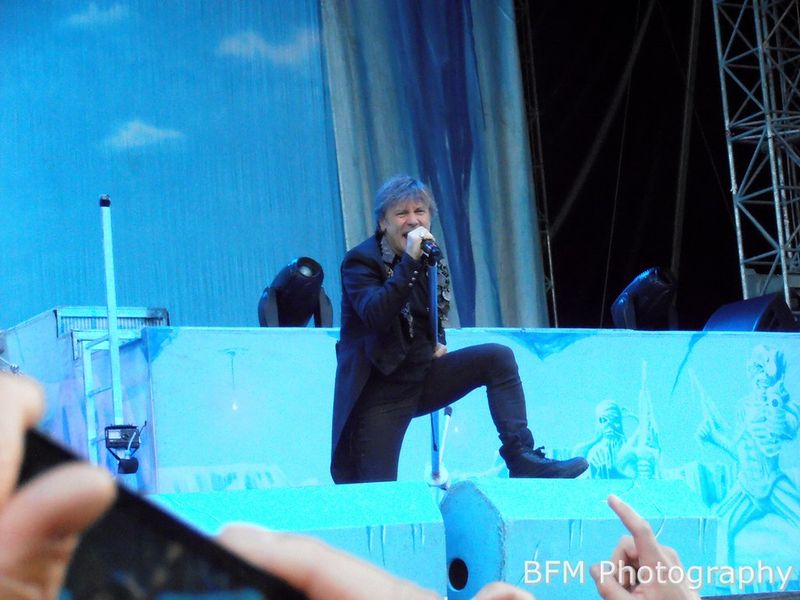
Paul Di’Anno had the punk energy, but Bruce Dickinson brought the opera house to heavy metal. When Dickinson replaced Di’Anno in 1981, Iron Maiden was already building a fanbase.
What nobody expected was how fast things would explode from there.
His debut with the band, “The Number of the Beast,” became one of the most iconic metal albums ever recorded. Dickinson’s voice could climb to theatrical heights one moment and roar like a thunderstorm the next.
He didn’t just sing songs, he performed them like a Shakespearean actor who happened to love distorted guitars.
Off stage, Dickinson turned out to be equally impressive. He became a commercial airline pilot, a fencer, a novelist, and a beer brewer.
The man collects skills the way most people collect excuses. Iron Maiden’s classic identity, the mascot Eddie, the epic stage productions, the globe-spanning tours, all of it crystallized around Dickinson’s electric presence.
Ian Gillan – Deep Purple
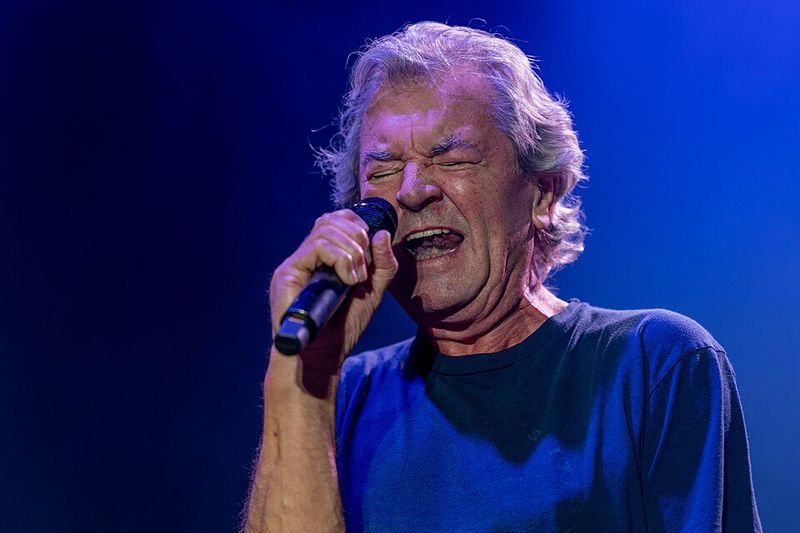
Before Ian Gillan showed up, Deep Purple was still finding its feet. Rod Evans had a fine voice, but Gillan turned the band into one of the loudest forces in rock history.
He joined in 1969, and things moved fast from there.
“In Rock” arrived in 1970 like a freight train with no brakes. “Machine Head” followed in 1972 and gave the world “Smoke on the Water,” arguably the most recognizable guitar riff ever written. Gillan’s screams on that album still sound like they could peel paint off a wall, and that’s meant as a compliment.
His vocal style influenced an entire generation of hard rock and heavy metal singers. Robert Plant, Ronnie James Dio, and countless others cited Gillan as a major reference point.
Deep Purple’s classic lineup, featuring Gillan, Blackmore, Lord, Glover, and Paice, is widely considered one of the greatest rock bands ever assembled. Not bad for a guy who just wanted to sing.
Michael McDonald – The Doobie Brothers
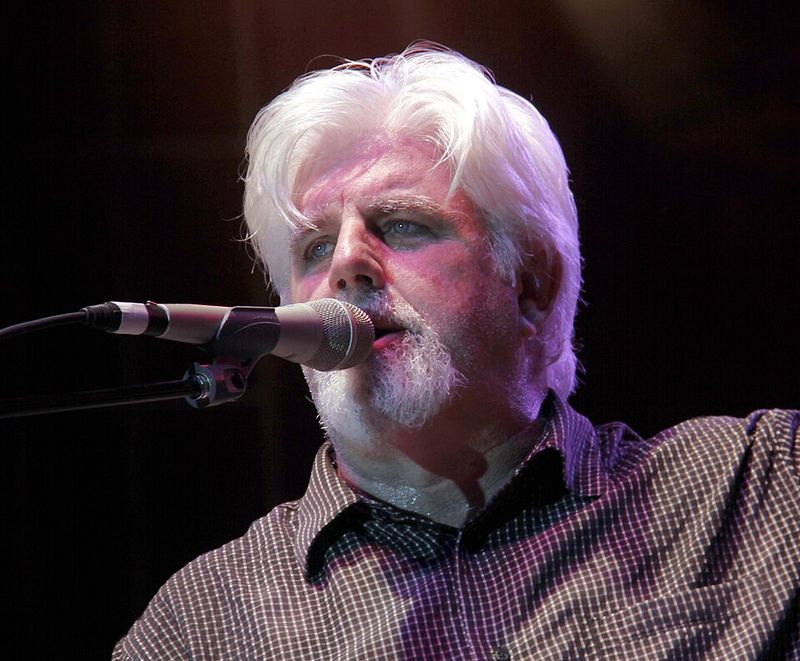
Nobody walks into a band as a temporary fill-in and ends up completely rewriting its identity. Nobody except Michael McDonald.
He stepped in for an ailing Tom Johnston during a 1975 tour and somehow never fully left.
McDonald’s deep, soulful voice was a world away from the Doobie Brothers’ earlier rock sound. The band leaned into it, shifting toward a smoother, R&B-influenced style that clicked with a whole new audience. “What a Fool Believes” won the Grammy for Record of the Year in 1980, which is not a bad reward for a temporary gig.
“Takin’ It to the Streets” became another signature hit, built entirely around McDonald’s keyboard work and that unmistakable voice. Some longtime fans weren’t thrilled with the direction change, but the charts told a different story.
McDonald proved that a band willing to evolve can reach audiences it never planned on finding. Sometimes the substitute becomes the star attraction.
Brian Johnson – AC/DC
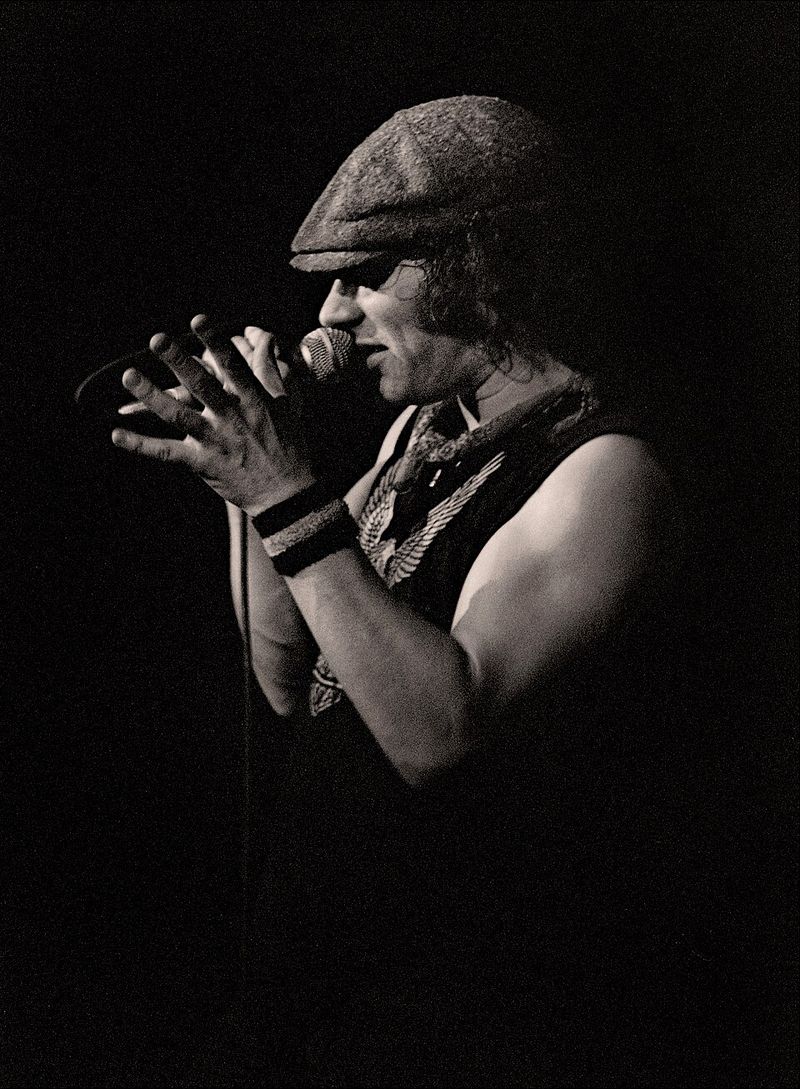
Replacing a beloved frontman who died tragically is one of the hardest jobs in rock music. Brian Johnson walked into that situation in 1980 and delivered one of the greatest debut albums in rock history.
No pressure, right?
“Back in Black” was written as a tribute to Bon Scott, and Johnson honored that weight with a performance nobody saw coming. His raw, raspy howl fit AC/DC’s blueprint perfectly while still sounding completely his own.
The album sold over 50 million copies worldwide, making it one of the best-selling records of all time.
Johnson’s flat cap became as iconic as the music itself. He never tried to copy Scott or pretend the loss hadn’t happened.
He simply grabbed the microphone and got to work. Tracks like “You Shook Me All Night Long” and “Hells Bells” proved AC/DC wasn’t finished.
They were, somehow, just getting started all over again.
Sammy Hagar – Van Halen
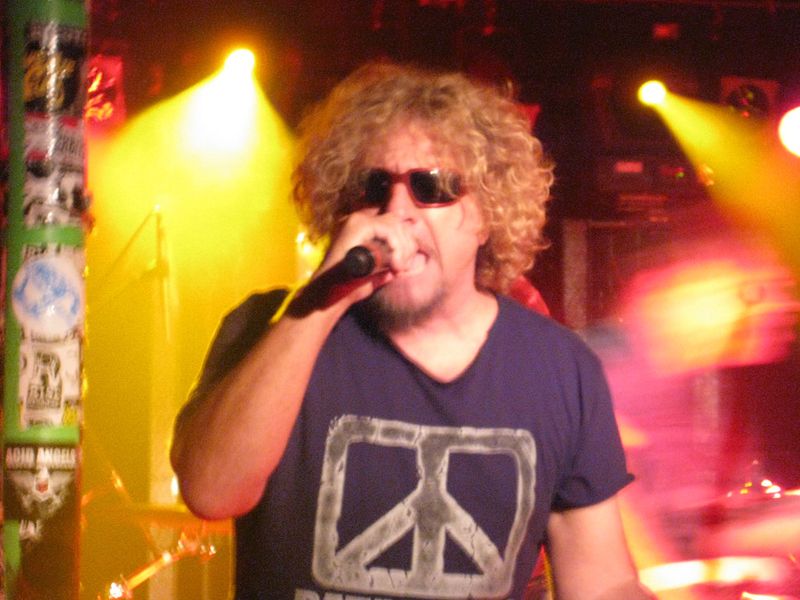
When David Lee Roth quit Van Halen in 1985, rock fans everywhere had strong opinions about who could possibly replace him. Most of those opinions turned out to be wrong.
Sammy Hagar walked in, grabbed the mic, and took Van Halen straight to number one.
“5150” became the band’s first Billboard 200 chart-topper, which is a fact that tends to surprise people who assume the Roth era was the only era worth caring about. Hagar’s powerful voice and genuine rock credentials gave Van Halen a slightly different energy, less party-animal swagger, more straight-up muscle.
Hits like “Why Can’t This Be Love” and “Right Now” showed the band could still write massive songs. Eddie Van Halen seemed to thrive with Hagar’s vocal range, writing guitar parts that stretched into new territory.
The “Van Hagar” nickname was meant as a slight, but four consecutive number-one albums made it feel more like a compliment.
David Gilmour – Pink Floyd
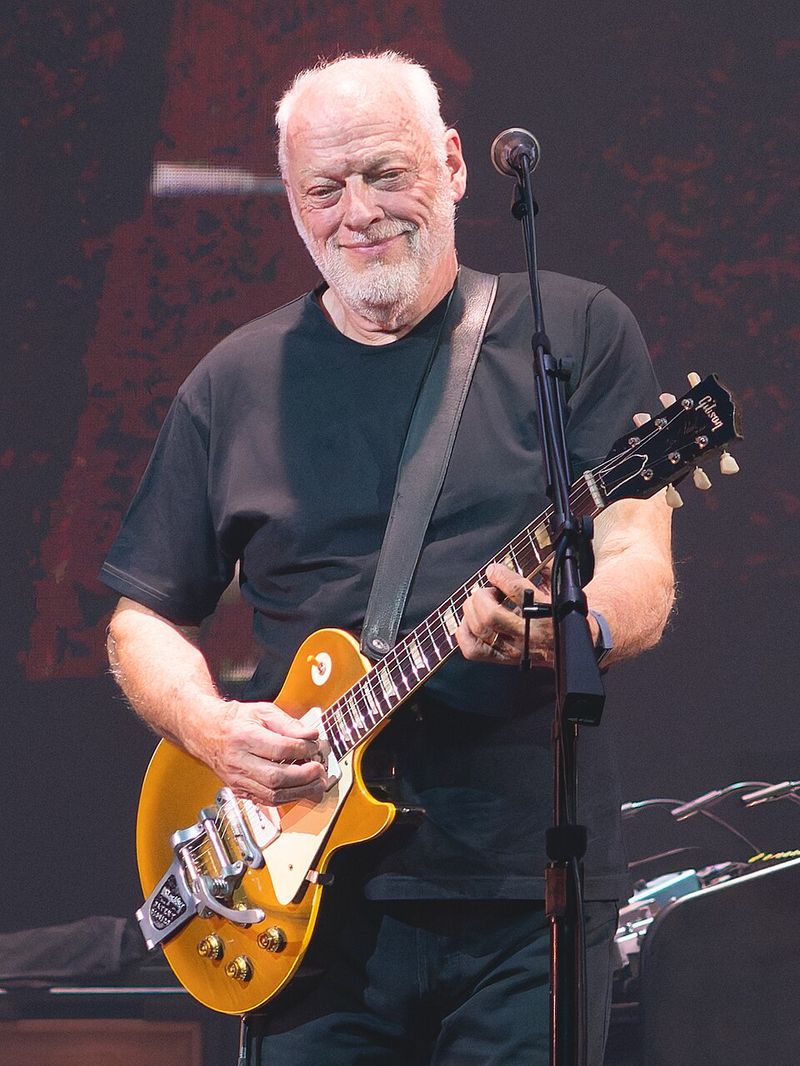
Syd Barrett founded Pink Floyd, named it, and wrote its earliest songs. Then his mental health deteriorated, and the band faced an impossible situation.
David Gilmour joined in 1968 to help, then quietly became the band’s musical center as Barrett’s involvement faded away.
What followed is one of the most remarkable creative runs in rock history. “The Dark Side of the Moon” spent 937 weeks on the Billboard charts. “Wish You Were Here” was a tribute to Barrett himself. “The Wall” became a cultural event that spawned a movie, a stage show, and countless late-night arguments about its meaning.
Gilmour’s guitar playing is the kind that makes other guitarists put down their instruments and just listen. His solos on “Comfortably Numb” are regularly voted among the greatest ever recorded.
He didn’t replace Barrett so much as he built something entirely new from the same foundation. Pink Floyd’s legacy lives primarily in Gilmour’s hands and voice.
David Coverdale – Deep Purple and Whitesnake
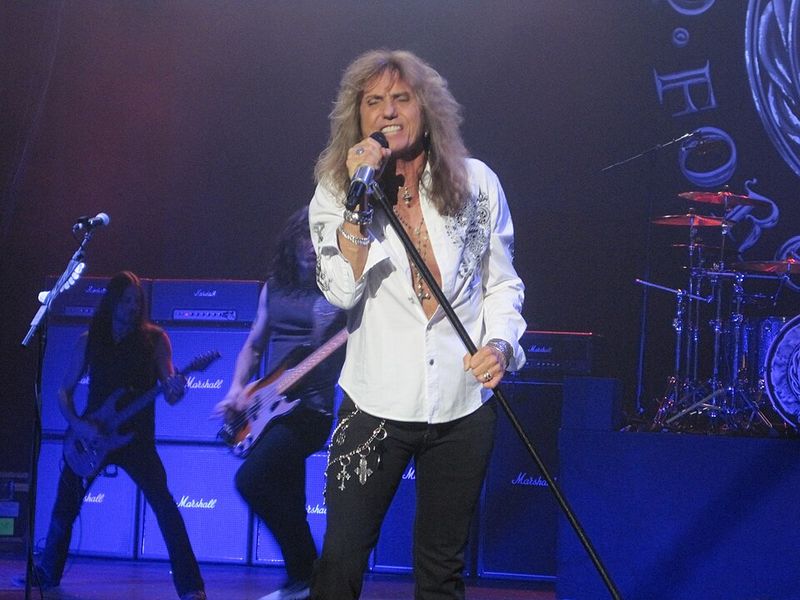
Deep Purple went through singers the way most bands go through guitar picks. When Ian Gillan departed in 1973, a then-unknown David Coverdale got the job after responding to a newspaper ad.
Not the most glamorous origin story, but it worked out fine for everyone involved.
Coverdale held his own alongside Ritchie Blackmore and Jon Lord, contributing to solid albums like “Burn” and “Stormbringer.” But his real moment came later, when he founded Whitesnake and built it around his bluesy, hard-rock voice.
The 1987 Whitesnake album turned Coverdale into a full-blown rock star. “Here I Go Again” hit number one in the United States, and “Is This Love” wasn’t far behind. The music videos didn’t hurt either.
Coverdale had a gift for big melodic hooks wrapped in enough grit to keep things credible. He proved that leaving one legendary band can sometimes be the best career move possible.
Grace Slick – Jefferson Airplane
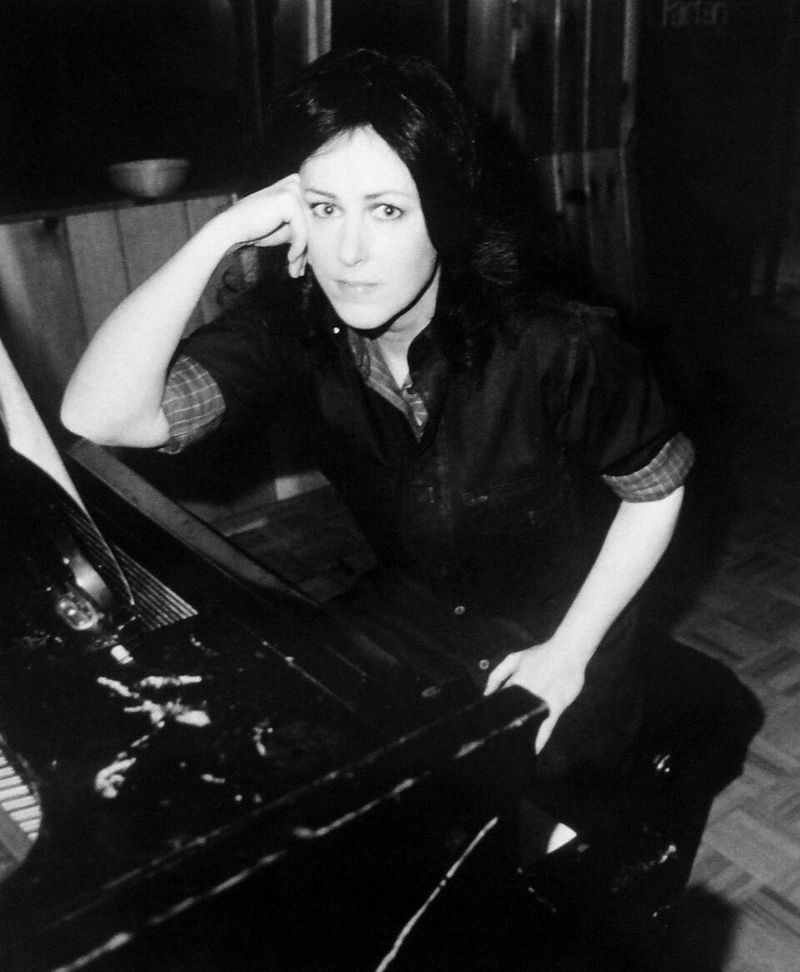
Grace Slick didn’t just join Jefferson Airplane, she arrived with gifts. When she replaced Signe Toly Anderson in 1966, she brought two songs with her from her previous band: “White Rabbit” and “Somebody to Love.” Both became defining anthems of the psychedelic era almost immediately.
“White Rabbit” used Lewis Carroll’s Alice in Wonderland as a vehicle for something considerably more grown-up. The song climbed the charts and planted Jefferson Airplane firmly at the center of San Francisco’s counterculture explosion.
Slick’s voice had an authority that cut right through the haze of the late 60s music scene.
She performed at both Woodstock and Altamont in 1969, making her one of the few artists present at both defining bookends of that era. Jefferson Airplane already had something good before Slick arrived.
With her, they had something unforgettable. She redefined what a female rock vocalist could be, loud, fearless, and completely in charge.
Axl Rose – AC/DC (2016 Tour)
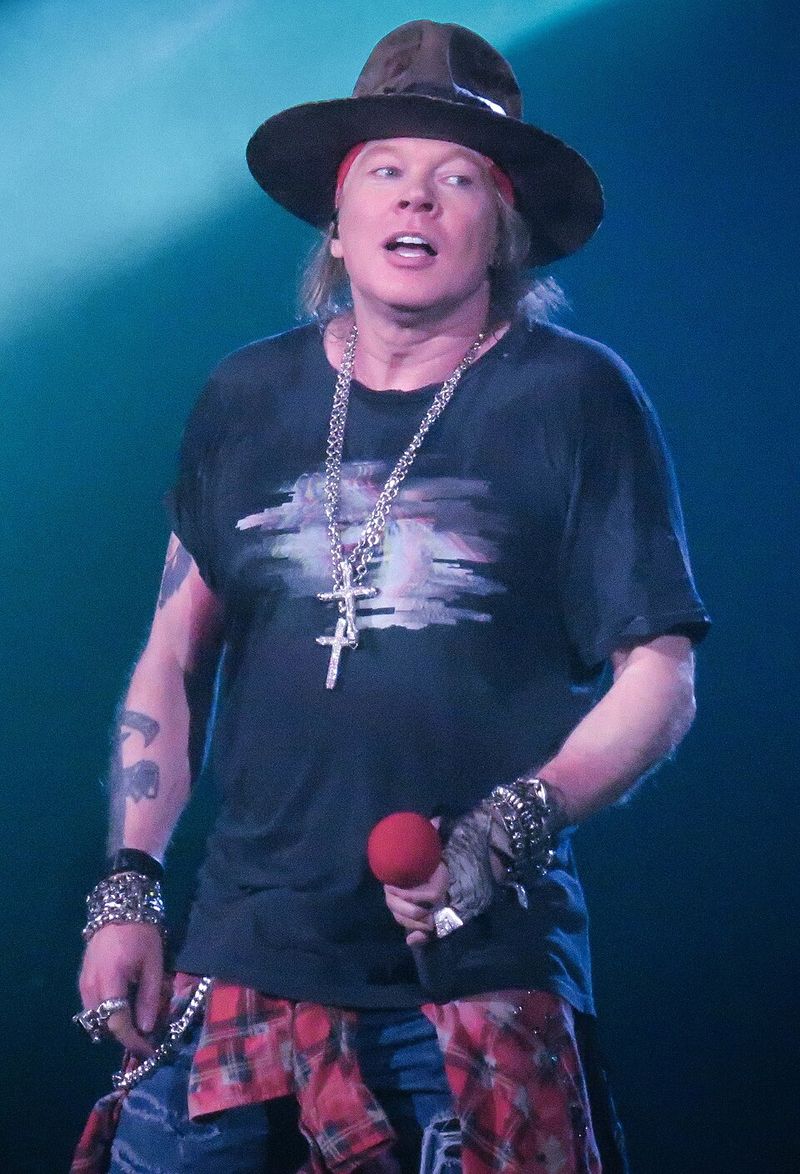
Nobody saw this one coming. When Brian Johnson had to stop touring in 2016 due to serious hearing concerns, AC/DC faced canceling dozens of stadium shows.
Then Axl Rose, of all people, picked up the phone and offered to help.
The rock world collectively dropped its jaw. Rose had a reputation for being difficult, famously late, and unpredictable.
What he delivered instead was a genuinely committed performance night after night. He sat on a custom throne early in the tour due to a broken foot, which somehow made the whole thing even more surreal.
Critics who expected a disaster were pleasantly surprised. Rose studied the catalog carefully and handled Johnson’s demanding vocal parts with real respect.
The temporary pairing was never meant to be permanent, but it became one of rock’s most talked-about frontman stories in years. Sometimes the most unlikely substitutions produce the most interesting chapters in a band’s history.
Diana Ross – The Supremes and Solo Career
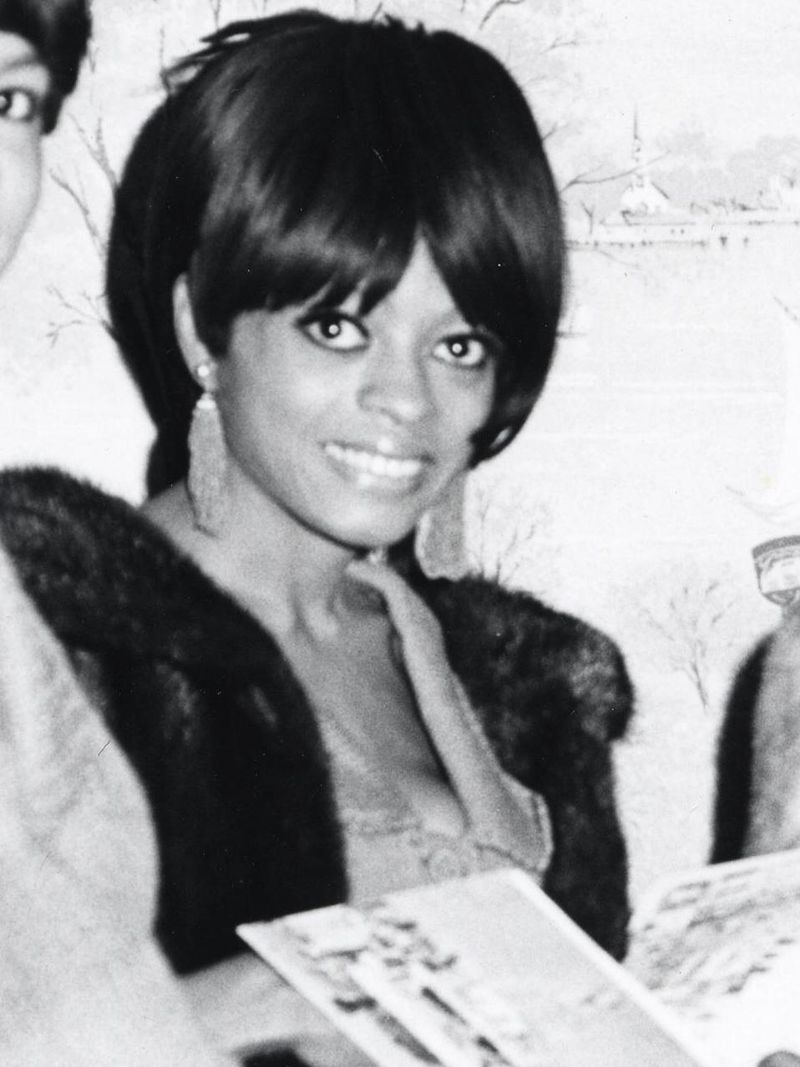
Diana Ross built something rare: a career so successful that leaving her group made her even more famous than staying. The Supremes were already Motown royalty when Ross launched her solo career in 1970, but her individual star power was about to hit a completely different level.
Solo hits like “Ain’t No Mountain High Enough,” “Touch Me in the Morning,” and “Upside Down” kept her at the top of the charts across multiple decades. She earned an Academy Award nomination for her role in “Lady Sings the Blues” in 1972, proving that her talent extended well beyond the recording studio.
Ross showed that a frontwoman could outgrow her band without erasing what made it great. The Supremes remained legends.
Ross became a global icon. Her story is slightly different from the others on this list because she wasn’t a replacement, she was the original.
And sometimes the original outshines everything that comes after.
Share this story