 Unearth The Voyage
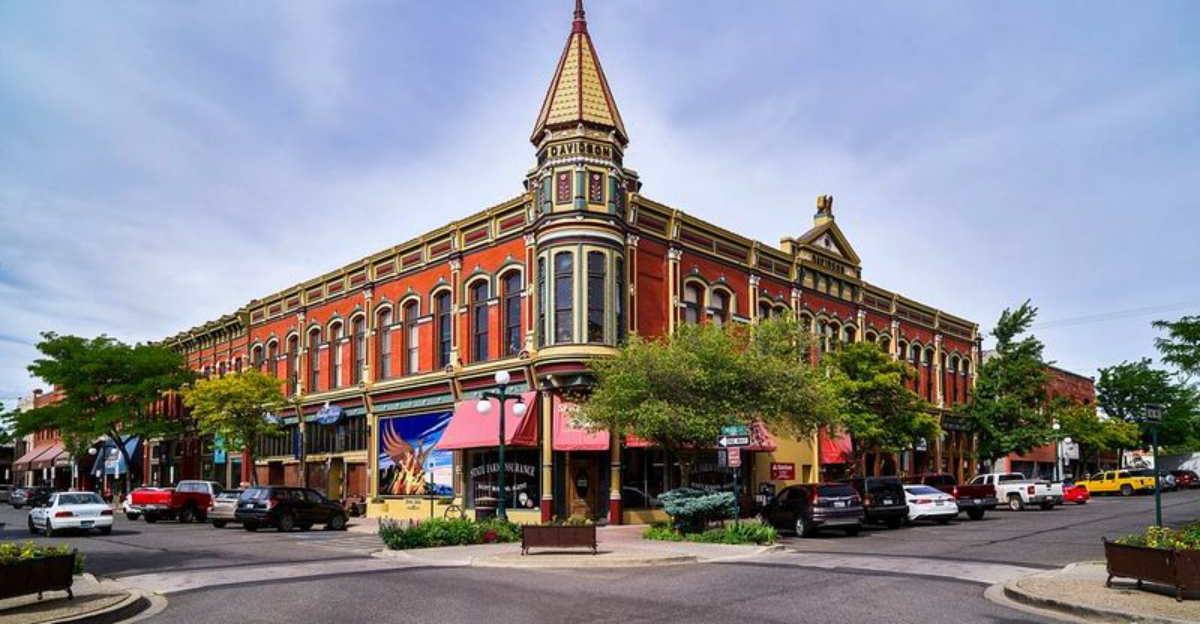
North Carolina is packed with towns that look like they were lifted straight from a postcard. From misty mountain villages to sun-drenched coastal streets, the state’s downtowns offer something genuinely special at every turn.
Whether you love historic architecture, quirky local shops, or just a great cup of coffee with a view, these towns deliver all of it and more. Pack your camera, grab your walking shoes, and get ready to fall hard for these 12 charming North Carolina downtowns.
Blowing Rock
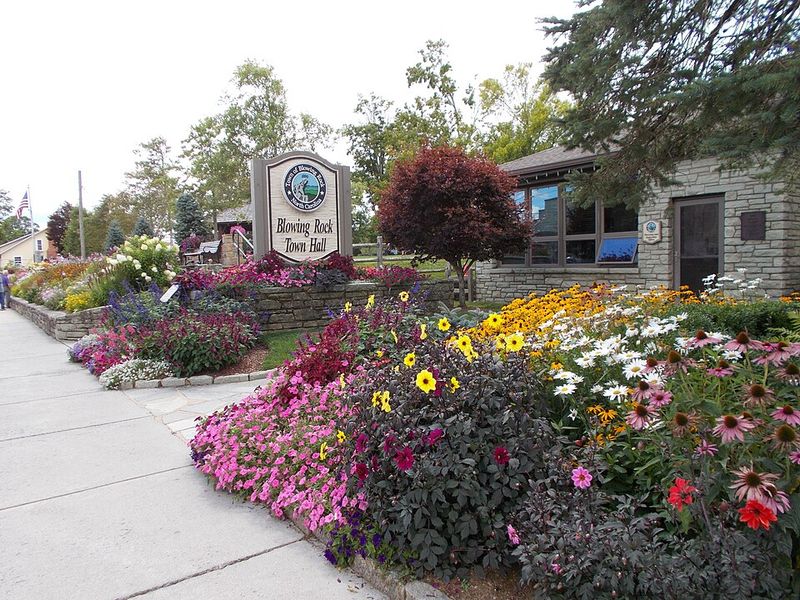
Perched nearly a mile above sea level, Blowing Rock has earned its royal nickname with good reason. The air is crisp, the views are jaw-dropping, and Main Street feels like someone designed it specifically to be photographed.
Boutiques with hand-painted signs, cozy coffee shops, and art galleries line the road in a way that makes window shopping genuinely enjoyable.
The town’s most famous landmark—the actual Blowing Rock outcropping—offers a wind-swept overlook where objects thrown off the cliff reportedly blow back up. That quirky legend alone draws thousands of curious visitors every year.
But honestly, the downtown is the real showstopper.
Fall is arguably the best time to visit, when the surrounding Blue Ridge forest explodes into fiery shades of orange and red. The streets fill with leaf-peepers, festival-goers, and families soaking it all in.
Summer brings outdoor concerts and packed restaurant patios. No matter when you show up, Blowing Rock has a way of making you feel like you stumbled onto something truly special that most people somehow haven’t heard about yet.
Hendersonville
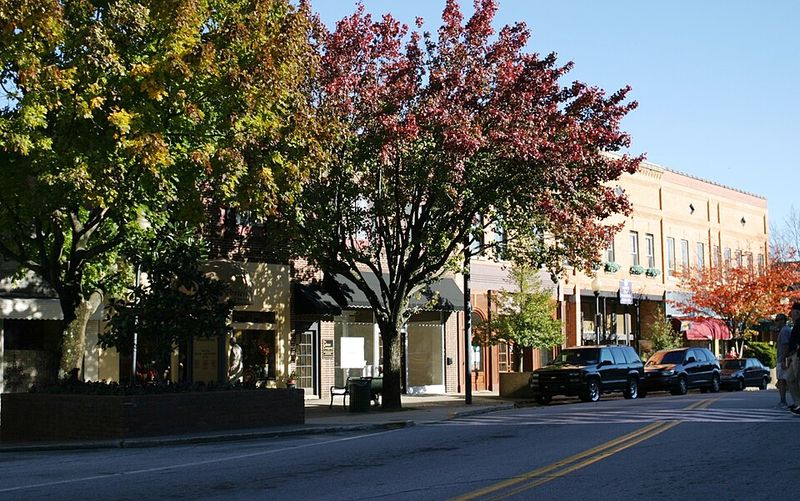
Walk down Hendersonville’s Main Street on any given Saturday and you’ll quickly understand why people keep moving here. The street is wide, flat, and pedestrian-friendly in a way that feels almost old-fashioned in the best sense.
Brick storefronts painted in warm earth tones house everything from independent bookshops to antique dealers to farm-to-table bistros.
Hendersonville hosts more festivals per square mile than almost any small town in the state. The North Carolina Apple Festival, held every Labor Day weekend, turns downtown into a buzzing celebration of the region’s most beloved fruit.
Street performers, apple cider stands, and live bluegrass music fill every corner.
Historic preservation is taken seriously here. Many buildings date back to the late 1800s, and locals take genuine pride in keeping them looking sharp.
The Henderson County Courthouse anchors the downtown with its stately presence, giving the whole area a grounded, dignified feel. Even on a quiet Tuesday afternoon, the energy is warm and welcoming.
Grab a slice of apple pie from one of the local bakeries and take your time strolling. Hendersonville rewards the unhurried visitor with small delights around every corner.
Beaufort
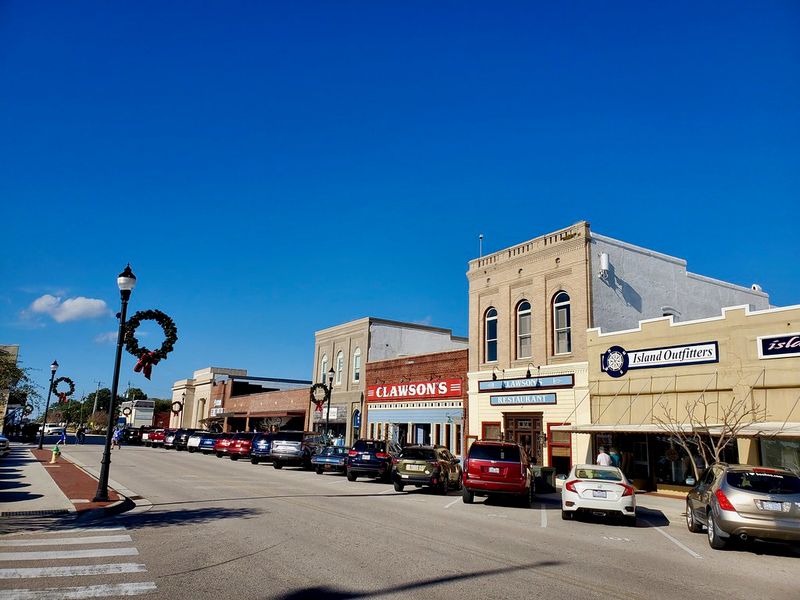
Few downtowns in North Carolina pull off the combination of history and natural beauty quite like Beaufort does. Pronounced “BOH-fert” by locals (not like the South Carolina version), this coastal town sits right on the water, and the views from the boardwalk are nothing short of stunning.
Wild horses on Carrot Island can sometimes be spotted just across the channel.
The historic district is one of the oldest in the state, with homes dating back to the early 1700s. Walking tours weave past old sea captains’ houses, a fascinating old burying ground, and the North Carolina Maritime Museum—all within easy strolling distance.
The architecture is classically coastal: white clapboard, shuttered windows, and wide front porches.
Front Street, the main drag, runs right along the waterfront and is lined with seafood restaurants, ice cream shops, and gift stores. Sunset from the dock is the kind of thing people plan entire road trips around.
Kayakers, dolphin-watching boats, and ferry rides to the barrier islands all depart from nearby. Beaufort is small enough to feel personal but packed with enough charm and activity to fill an entire long weekend without ever feeling bored.
Davidson
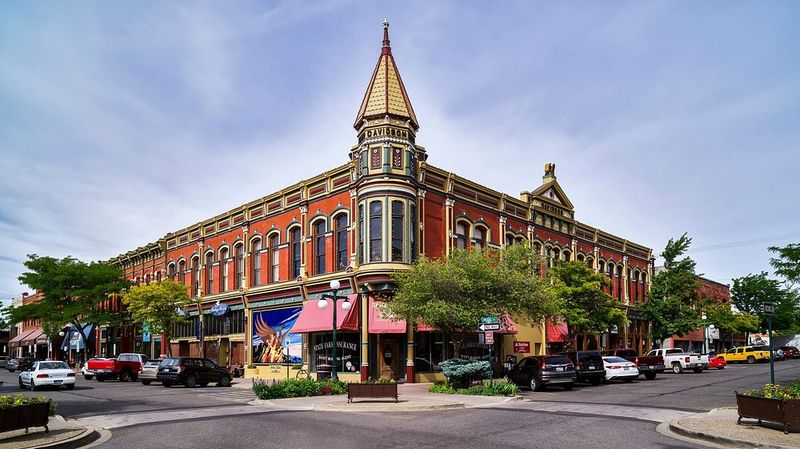
There’s a certain kind of effortless cool that college towns pull off, and Davidson does it better than most. Home to Davidson College, one of the most respected liberal arts schools in the South, the town wears its academic roots with quiet confidence.
The downtown is compact, walkable, and genuinely pleasant in every season.
Bookstores, specialty coffee shops, and farm-to-table restaurants cluster around a central grid that’s easy to navigate on foot. The streets are shaded by mature trees that make even a summer afternoon feel manageable.
Public art installations pop up in unexpected places, giving the town a creative, thoughtful energy that’s hard to fake.
What makes Davidson stand out is how well the college and the community coexist. Students and long-time residents share the same coffee shops and sidewalks without any of the town-gown tension you sometimes find elsewhere.
The farmers market on Saturday mornings draws everyone together in a genuinely neighborly way. Davidson also sits conveniently close to Lake Norman, so a quick detour for waterfront views is always an option.
It’s the kind of town that makes you want to linger just a little longer than you originally planned.
Hillsborough
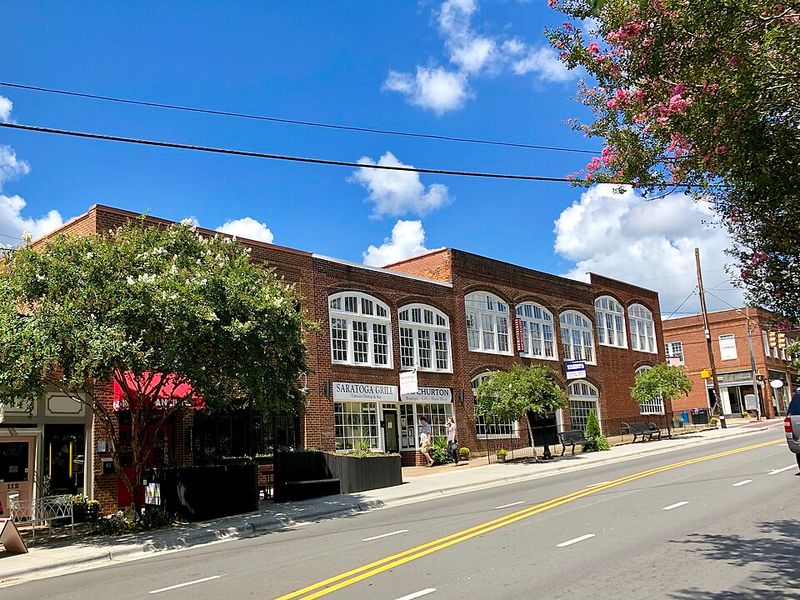
Step onto Churton Street in Hillsborough and history practically reaches out to shake your hand. This town was a significant hub during the colonial era and the American Revolution, and it hasn’t forgotten its roots.
The architecture tells the story clearly—Federal-style courthouses, 18th-century tavern buildings, and carefully restored storefronts create a downtown that feels genuinely lived-in rather than museum-like.
The arts community here punches well above its weight. Independent galleries, working studios, and public sculptures are woven throughout the downtown, giving it a creative pulse that balances nicely with all the history.
The Hillsborough Arts Council keeps the calendar full of events, from gallery walks to outdoor concerts along the Eno River.
Speaking of the Eno—the riverside trails that connect to the downtown area are a fantastic bonus. A short walk brings you to shaded paths, mossy boulders, and a river that feels surprisingly wild given how close it is to civilization.
Local restaurants here tend to be independently owned and genuinely good, with chefs who take seasonal, local ingredients seriously. Hillsborough is the kind of place that rewards slow travel—the more time you spend wandering, the more hidden gems you discover tucked between the well-known highlights.
West Jefferson
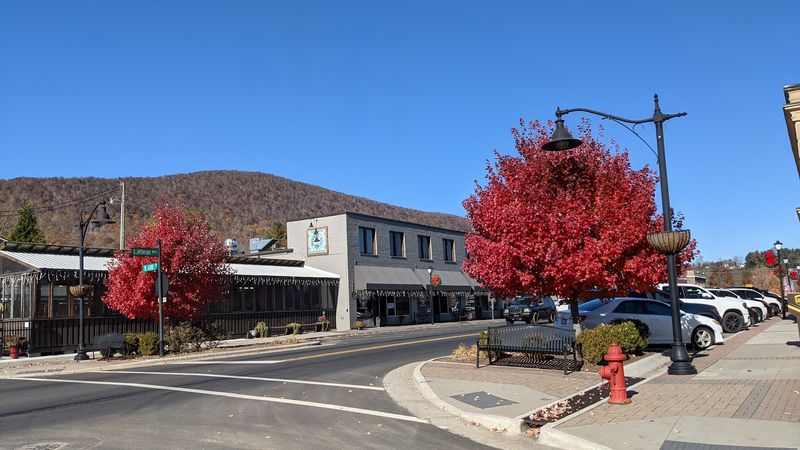
Murals cover entire building facades here, and that’s not an accident—West Jefferson has deliberately built an identity around public art, and the result is one of the most visually striking downtowns in the entire Blue Ridge region. Every corner offers something worth stopping to photograph, from sweeping mountain vistas to hand-painted scenes of Appalachian life.
The town is also famous for its cheese. Seriously.
Ashe County Cheese, located just minutes away, produces award-winning cheddar and other varieties that show up on menus and in shops throughout the area. Stopping for a cheese tasting feels like a completely natural part of any visit here.
West Jefferson’s arts district stretches along Jefferson Avenue and includes galleries, craft studios, and shops selling everything from handmade jewelry to locally woven textiles. The New River, one of the oldest rivers in the world, flows nearby and offers kayaking, tubing, and fishing for those who want to mix outdoor adventure with their downtown stroll.
The town hosts a lively Christmas in July festival each summer that draws crowds from across the region. Small in population but enormous in personality, West Jefferson is the kind of place that genuinely surprises first-time visitors with how much it packs into a few walkable blocks.
Brevard
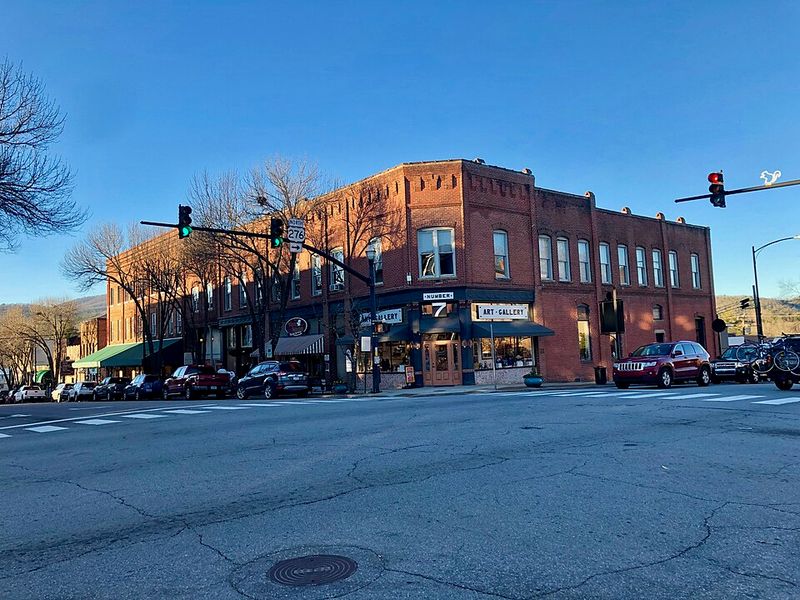
White squirrels roam freely through Brevard’s downtown, and locals will tell you that’s just one of the many things that make this town wonderfully weird. The squirrels—an unusual albino variety—have become beloved symbols of the town, showing up on murals, merchandise, and even an annual festival in their honor.
It’s charming in a way that feels completely unforced.
Beyond the squirrels, Brevard is a seriously fun outdoor basecamp. The Pisgah National Forest surrounds the town, putting hundreds of waterfalls within easy driving distance.
Looking Glass Falls, Moore Cove Falls, and Sliding Rock are just a few of the spectacular natural features that draw hikers and families year-round. The downtown itself provides a perfect recovery spot after a day on the trails.
Main Street has a retro, unhurried feel with independent shops, great restaurants, and a genuine sense of community pride. The Brevard Music Center brings world-class performances to town every summer, drawing classical music fans from across the Southeast.
Local breweries and coffee shops have carved out loyal followings among both residents and visitors. Whether you’re here for the waterfalls, the music, or just a slow morning with good coffee, Brevard delivers a downtown experience that feels refreshingly free of corporate sameness.
Banner Elk
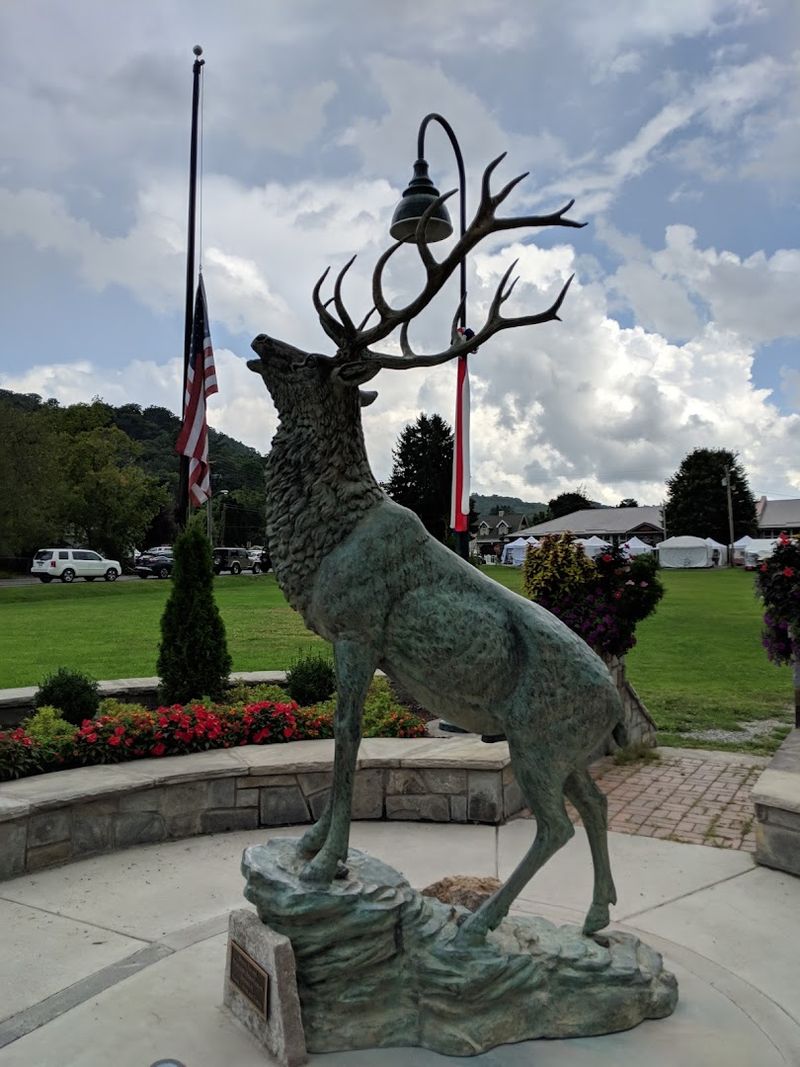
Tucked between Grandfather Mountain and Sugar Mountain, Banner Elk might be small in size but it absolutely refuses to be overlooked. The town sits at over 3,700 feet elevation, which means summer temperatures stay pleasantly cool and winter brings genuine snow—the kind that makes everything look like a holiday card.
The mountain scenery surrounding the downtown is simply unfair in how beautiful it is.
The main street is short enough to walk end-to-end in about ten minutes, but those ten minutes are packed. Boutique shops sell handcrafted goods, outdoor gear, and local art.
Restaurants range from casual mountain comfort food to surprisingly sophisticated farm-to-table spots that take full advantage of the region’s fresh ingredients.
Lees-McRae College gives Banner Elk a youthful energy that keeps the town from feeling too sleepy. The college hosts events throughout the year, including performances and athletic competitions that draw visitors from neighboring communities.
Ski season at nearby Sugar Mountain and Beech Mountain sends a wave of excited energy through town each winter, filling restaurants and shops with snow-hungry travelers. Even in the quieter shoulder seasons, Banner Elk has a peaceful, restorative quality that makes it an ideal escape from busier, louder places.
Come once, and you’ll start planning your return before you even leave.
Apex
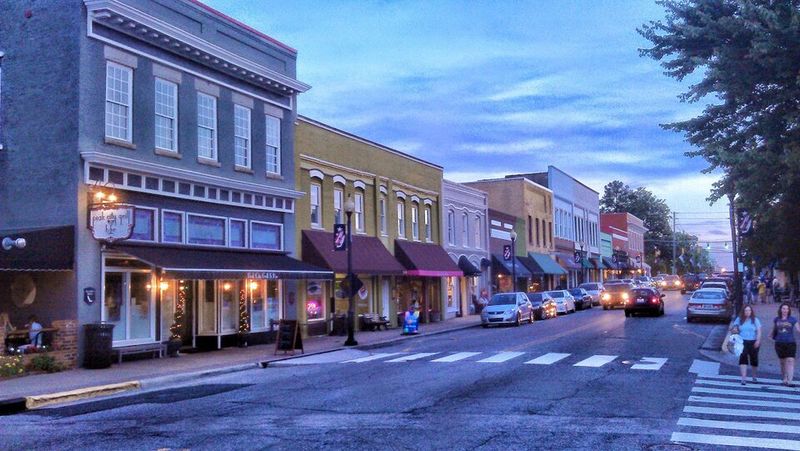
Apex was named an “All-America City” back in 1990, and one walk through its downtown makes it easy to understand why. Salem Street, the heart of the historic district, is lined with beautifully preserved late-19th-century brick buildings that have been thoughtfully converted into restaurants, boutiques, and local businesses.
The whole area has a warm, well-loved quality that newer developments simply can’t replicate.
The railroad heritage here is still very much alive. The old Seaboard Air Line Railway depot anchors the historic district and serves as a reminder of the town’s origins as a railroad hub.
That history gives Apex a sense of continuity that feels increasingly rare in fast-growing areas of the Triangle.
Holiday season transforms downtown Apex into something genuinely magical. String lights, seasonal decorations, and community events pack the streets with families and visitors from neighboring towns.
The annual Halloween parade is legendary in the region, drawing thousands of costumed participants and spectators. Year-round, the farmers market and regular community events keep downtown active and welcoming.
Apex sits in one of the fastest-growing counties in the country, but its downtown has managed to hold onto its small-town soul with impressive determination. It’s proof that thoughtful preservation and modern growth can absolutely coexist.
Saluda
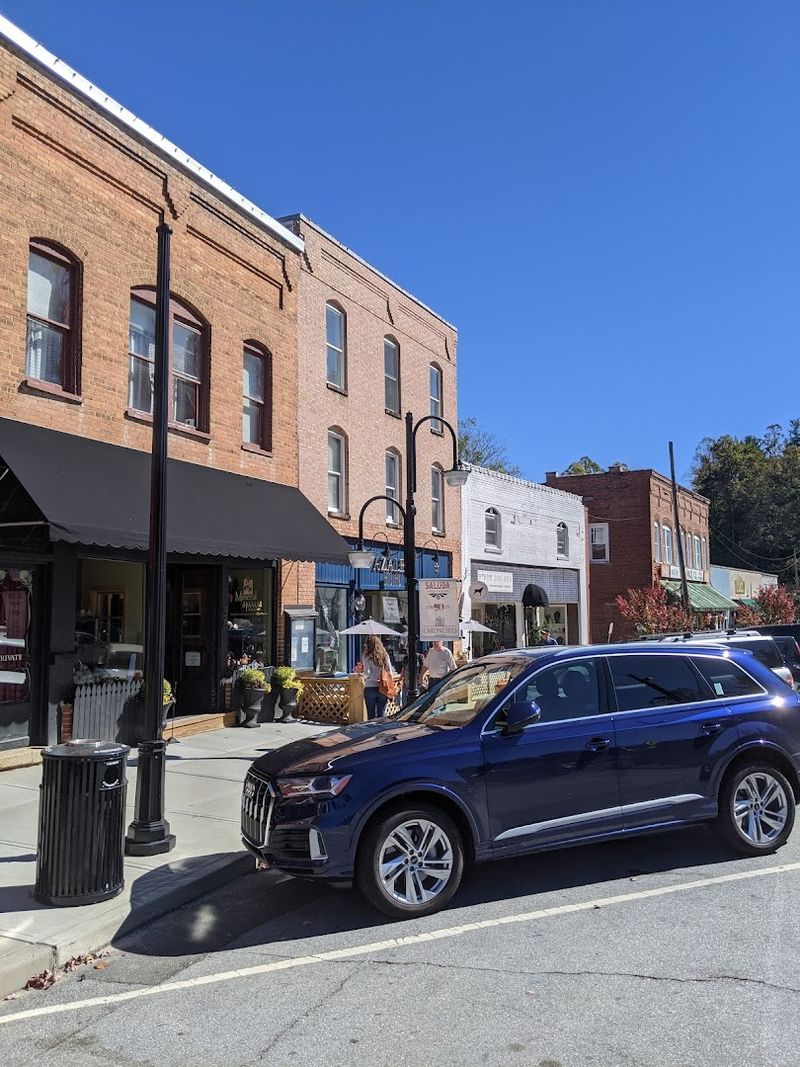
Saluda holds a record most towns don’t brag about: it sits at the top of the steepest standard-gauge railroad grade in the eastern United States. That piece of trivia alone makes it worth a detour, but the downtown itself is the real reason to stay awhile.
Main Street is blissfully short, genuinely unhurried, and packed with personality.
Art galleries, handcraft shops, and cozy cafes occupy the kind of old wooden storefronts that Instagram was practically invented to photograph. The pace here is deliberately slow, and visitors who resist the urge to rush are rewarded with conversations with local artists, unexpected finds in antique shops, and pastries from a bakery that smells absolutely incredible from half a block away.
The surrounding landscape is part of the appeal too. Saluda sits in the foothills of the Blue Ridge, and the drives leading into town offer rolling green views that set the mood perfectly.
Pearson’s Falls, a privately owned nature preserve just minutes away, adds a waterfall to the itinerary with minimal effort. Saluda tends to attract visitors who’ve grown tired of overcrowded tourist towns and are looking for something quieter and more genuine.
Once they find it, most of them start telling their friends—carefully, so the secret doesn’t spread too fast.
Mount Airy
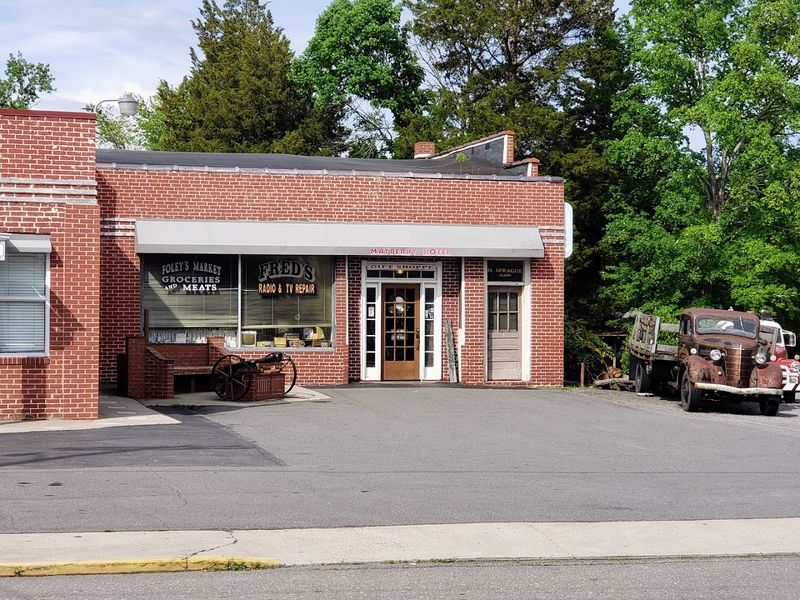
Andy Griffith grew up here, and the whole town has leaned into that legacy with infectious enthusiasm. Mount Airy is widely believed to be the real-life inspiration for Mayberry, the fictional hometown in The Andy Griffith Show, and downtown leans into that connection at every turn.
Replica squad cars, Floyd’s City Barber Shop (still operational), and Snappy Lunch—a diner mentioned in the show—give the place an undeniable nostalgic pull.
But Mount Airy is far more than a TV tribute. The downtown has a genuine vitality, with independent shops, live music venues, and restaurants that cater to both tourists and longtime locals.
The Andy Griffith Museum is thoughtfully done and worth a full hour of your time, even if you’ve never seen a single episode of the show.
Main Street itself is classic small-town America at its most photogenic—wide sidewalks, brick storefronts, and a friendliness from shopkeepers that doesn’t feel performed. The town also sits on the edge of the Blue Ridge, making it a smart base for exploring Pilot Mountain State Park, just a short drive away.
Mount Airy has figured out how to honor its past while still moving forward, and that balance gives the downtown a warmth that lingers long after you’ve headed home.
Kinston
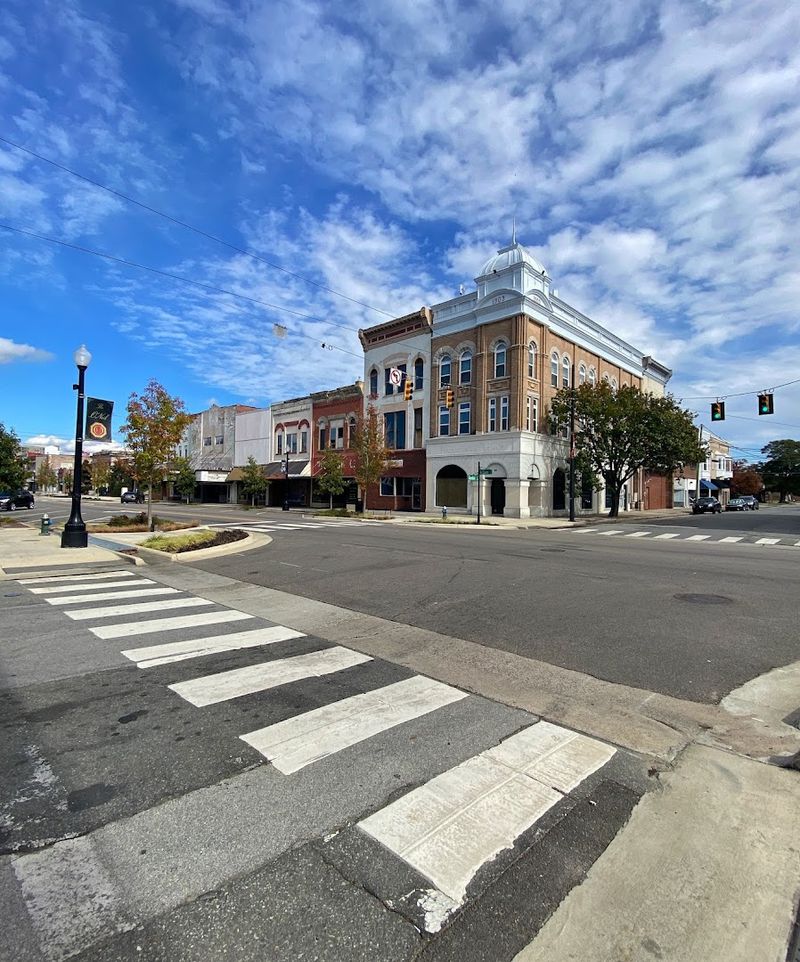
Kinston is having a moment, and food lovers across the South have taken notice. Chef Vivian Howard, of PBS fame, helped put this Eastern North Carolina town on the culinary map with her celebrated restaurant Chef and the Farmer.
Since then, Kinston’s downtown has evolved into a legitimate food destination with a growing cluster of independent restaurants, craft breweries, and cocktail bars that draw visitors from well beyond the region.
The history here runs deep and fascinating. The CSS Neuse Civil War Museum preserves the remains of a Confederate ironclad gunboat that was scuttled in the Neuse River near the end of the war.
It’s one of the most unique Civil War artifacts in the entire state, and the museum does an excellent job of providing context without overwhelming visitors.
Mother Earth Brewing, one of the state’s pioneering craft breweries, has been anchoring the downtown scene for years and remains a must-visit. The combination of great food, compelling history, and a scrappy, creative energy makes Kinston feel like a town that’s rewriting its own story in real time.
It hasn’t been polished to a tourist-ready shine, and that rawness is actually part of the appeal. Kinston rewards visitors who show up with an open mind and a healthy appetite.



