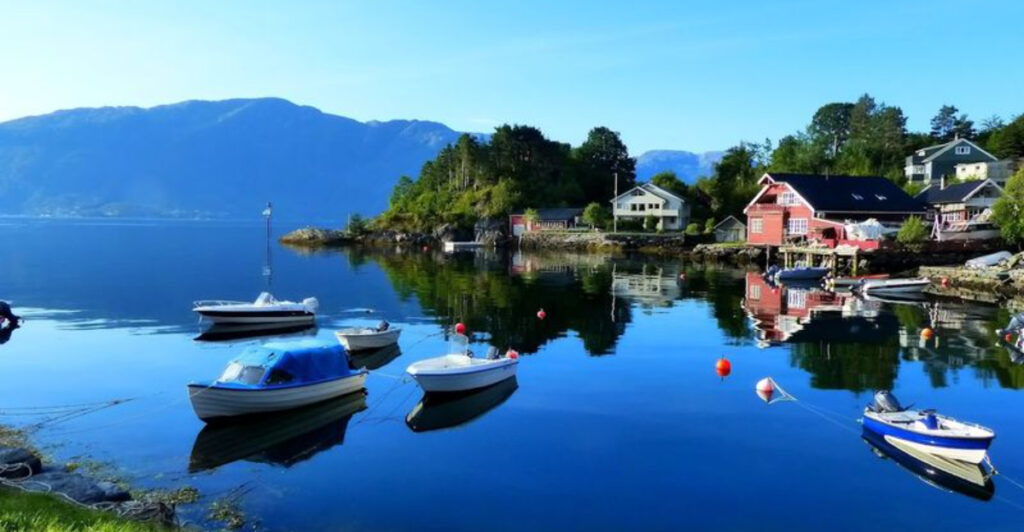
Norway has a way of making you feel like the only person on earth, even when you are not. Beyond the famous fjords and the Instagram-saturated viewpoints, there is a whole country full of places that are quietly waiting to be explored.
I spent weeks researching and visiting corners of Norway that most travelers overlook, and what I found genuinely surprised me. These 12 destinations offer the beauty Norway is known for, without the shoulder-to-shoulder crowds that come with it.
Senja
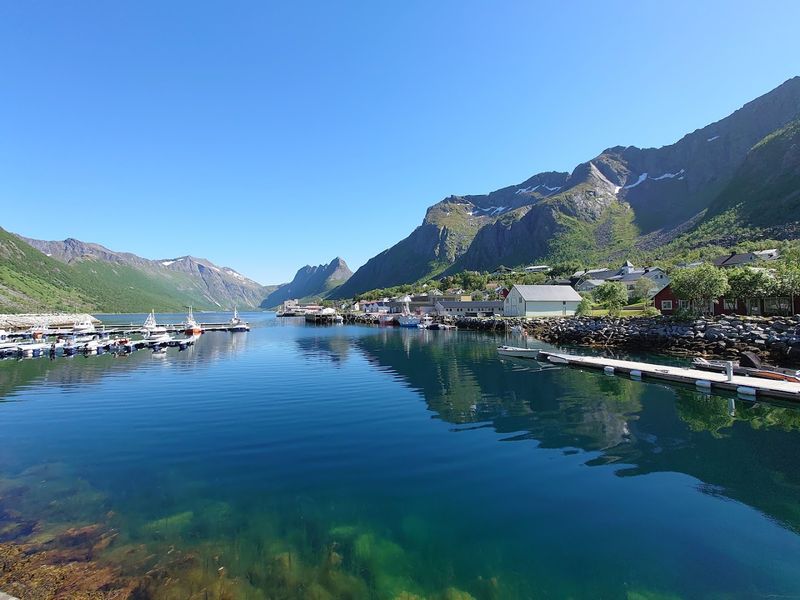
Norway’s second-largest island has been quietly hiding in plain sight. Senja sits in northern Norway with a coastline so dramatic it looks like someone turned the drama dial all the way up, then forgot to tell the tourists.
Jagged peaks drop straight into calm fjords, and tiny fishing villages dot the shore like polka dots on a very scenic sweater.
Senja offers hiking, cycling, fishing, wildlife safaris, midnight sun, and northern lights, all without the queues you find at more famous spots. The western villages are spread out, so a little transport planning goes a long way.
I recommend renting a car to connect the dots at your own pace.
Visit Norway notes that Senja and Central Troms are less crowded than many other northern destinations. That gap will not last forever, so going sooner rather than later is genuinely smart advice.
The Helgeland Coast
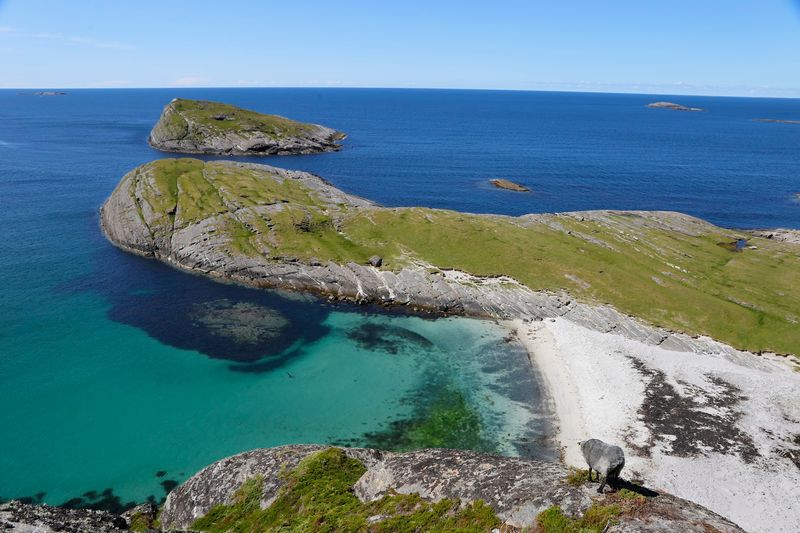
Not every great Norwegian trip needs a famous fjord as its centerpiece. The Helgeland Coast runs along Norwegian Scenic Route Helgelandskysten, connecting islands and coastal villages by ferry and express boat.
Places like Træna, Støtt, Lovund, and Myken each have their own personality, and none of them are overrun.
Ferries are the main way to get around here, which automatically slows things down in the best possible way. Sea air, wide horizons, and the rhythm of island hopping replace the usual rush of checking off bucket-list viewpoints.
It is the kind of trip where you end up staying an extra day somewhere simply because you feel like it.
Helgeland suits travelers who want islands, open scenery, and genuine coastal atmosphere without fighting for parking at a crowded overlook. Pack light, bring a good book, and let the ferry schedule do the planning for you.
Røros
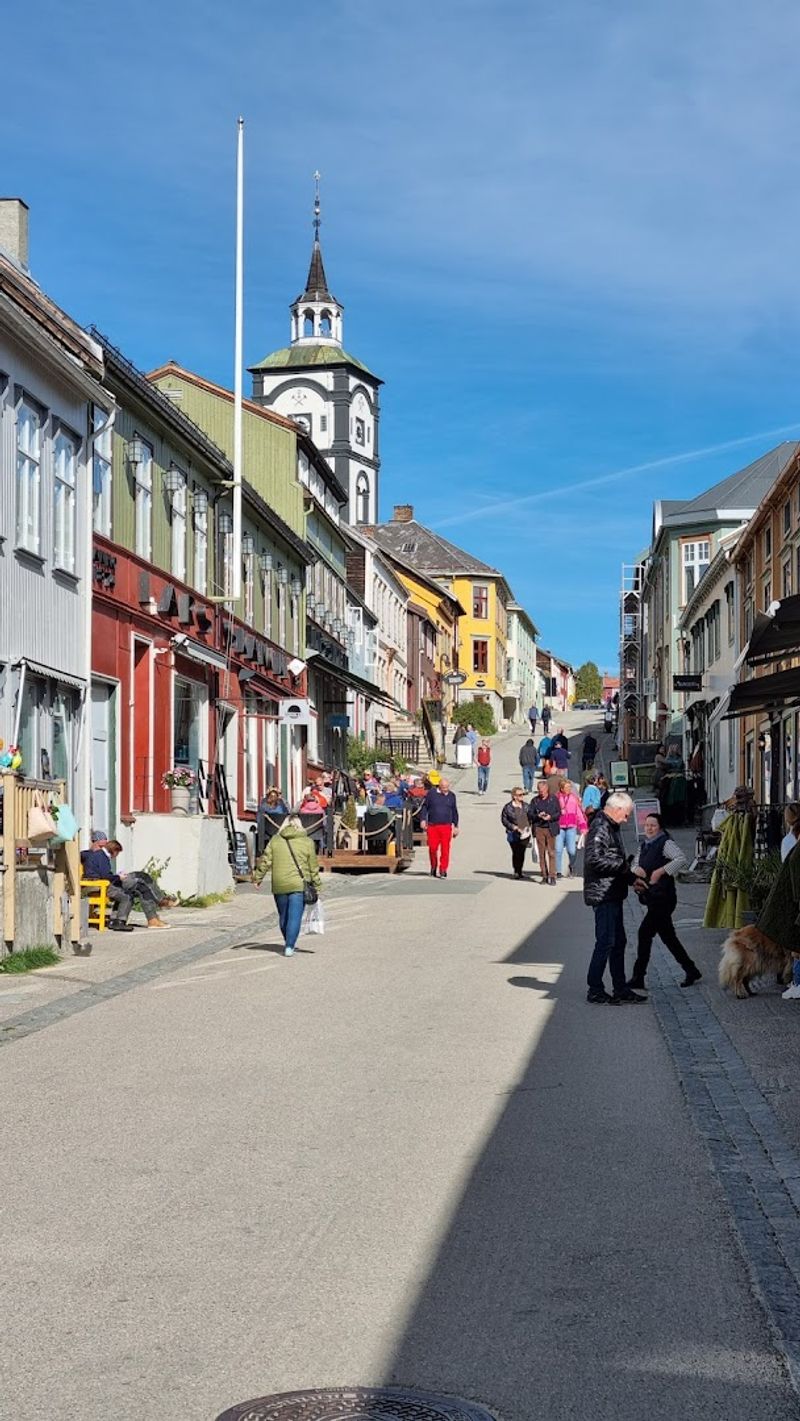
Røros is the kind of town that makes you slow your walking pace without even noticing. Preserved wooden houses from the 1700s and 1800s line the streets, copper-mining history runs through every corner, and the whole place is UNESCO-listed.
That last part should tell you everything about how well it has held onto its character.
The charm here is not one single viewpoint you have to reach. Wandering through old streets, browsing local shops, visiting museums, and eating traditional food is the whole point.
Røros is refreshingly low on the pressure to perform tourism correctly.
Nearby nature adds another dimension, with forests and farmland sitting just outside the town center. I found myself lingering over lunch far longer than planned simply because nobody seemed to be in a hurry.
Røros rewards slow travel in a way that more famous Norwegian stops rarely do.
Vesterålen
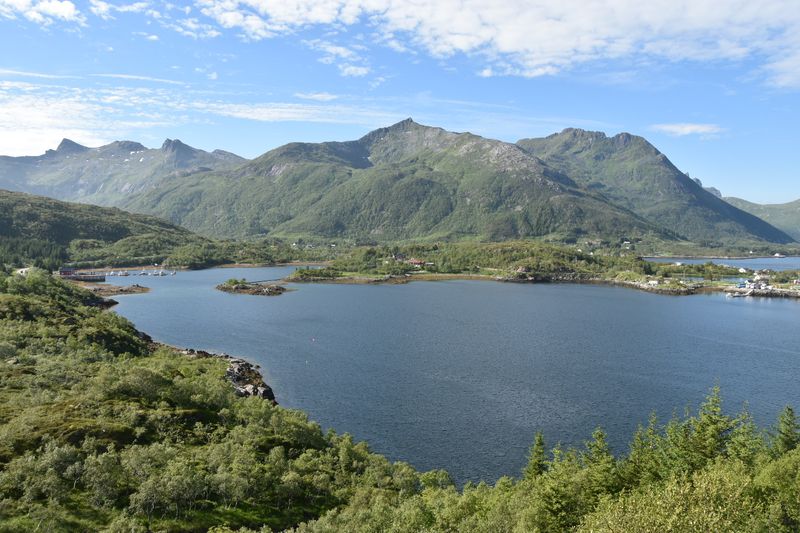
Lofoten gets all the credit, but Vesterålen is sitting right next door with sandy beaches, historic fishing villages, and year-round whale watching, quietly raising an eyebrow. Located east of Lofoten, Vesterålen delivers that classic northern-Norway island feeling with noticeably more breathing room.
Fewer crowds mean you can actually stand on a beach without coordinating your photo with fifteen other travelers.
Whale safaris run throughout the year here, which is not something every destination can offer. Sperm whales are the main attraction in summer, while orca sightings are more common in winter.
Either way, seeing a whale surface in an Arctic fjord is an experience that does not require a filter.
Jagged peaks and small islands complete the scenery. Vesterålen works well as a standalone destination or as a calmer companion to a Lofoten trip.
Either way, you leave with better photos and fewer elbow bruises.
The Lyngenfjord Region
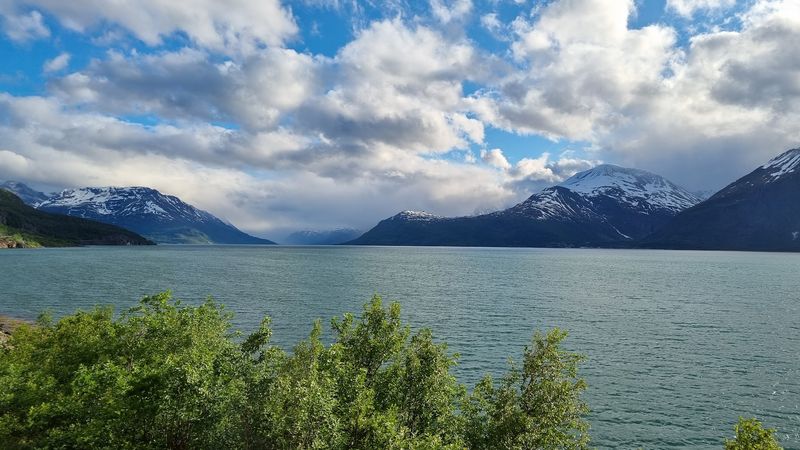
Glaciers, fjord arms, steep valleys, lakes, rivers, and wilderness areas all show up in Lyngenfjord without a single ticket booth in sight. The region sits in northern Norway and includes access to Reisa National Park, which adds proper Arctic wilderness to an already impressive lineup.
It is the kind of place that makes you feel genuinely small, and that is meant as a compliment.
Lyngenfjord is a strong choice for travelers who want Arctic scenery without building the whole itinerary around the most crowded northern hotspots. The mountains here, called the Lyngen Alps, attract serious skiers and hikers, but the fjord itself is accessible to anyone willing to make the drive.
Northern lights are reliable in winter, and the summer light is extraordinary. The area rewards those who take their time.
Go slow, drive the fjord roads, and let the scenery do what it does best.
Varanger
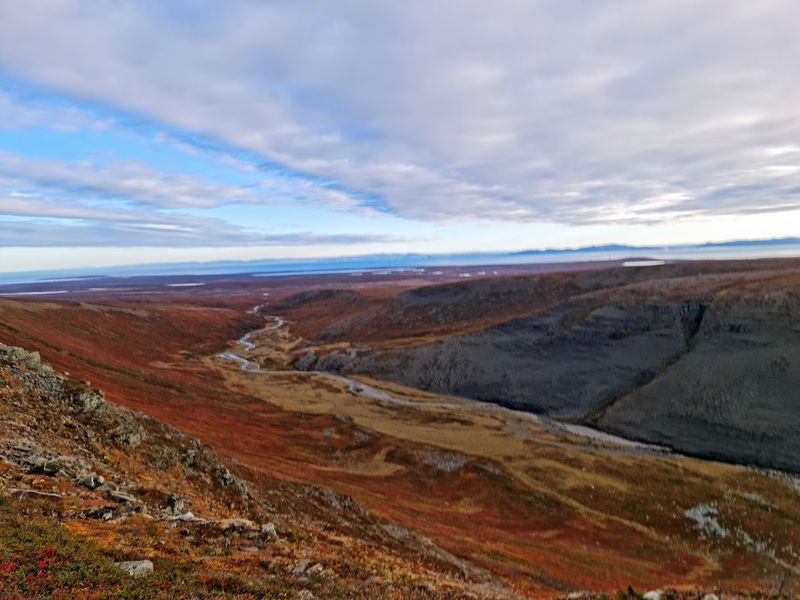
Visit Norway describes the Varanger Scenic Route as a drive that can feel like the end of the world. That is not a warning, that is the selling point.
Varanger sits in the far northeast of Norway, with Arctic coastline, wide horizons, and a mood that is genuinely unlike anywhere else in the country.
Birdwatching is world-class here, with species that do not show up anywhere else in Norway. King crab is a local specialty worth trying at least once, partly because it is delicious and partly because you can say you ate king crab at the edge of the Arctic.
Northern lights and cultural history round out a destination that rewards curious travelers.
The northernmost Norwegian Scenic Route runs through Varanger, making it easy to drive and explore at your own pace. Remote does not mean inaccessible here.
It just means the crowds went elsewhere, which works out perfectly for everyone who shows up.
Dovrefjell
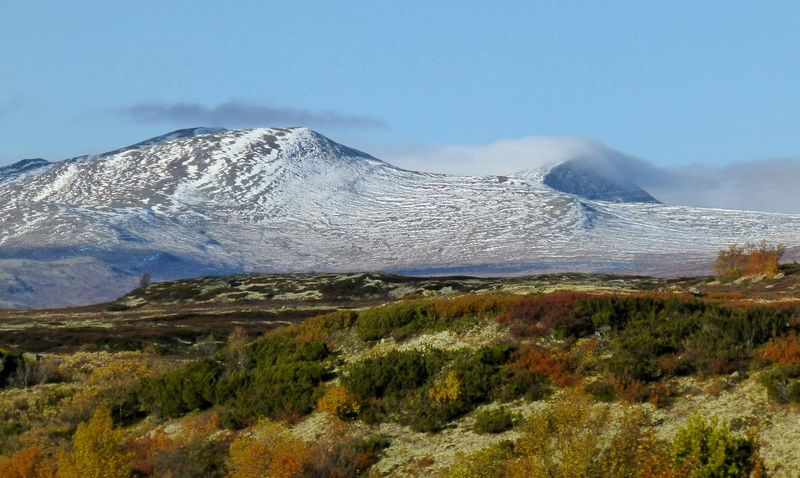
Musk oxen look like something out of a prehistoric documentary, and Dovrefjell is one of the only places in Europe where you can see them wandering around in their natural habitat. That alone makes this mountain area worth the detour.
Add two national parks, serious hiking trails, and the famous Snøhetta viewpoint, and you have a destination that punches well above its tourist profile.
Dovrefjell is more accessible than it looks on a map. The E6 highway and the Dovre Railway both pass through the region, meaning you do not need a four-wheel drive and a survival kit to get here.
Day trips from Oslo or Trondheim are genuinely possible, which is a rarity for places this wild-feeling.
The Snøhetta viewpoint, designed by the same architects behind the Oslo Opera House, is a stunning structure that fits perfectly into the landscape. Dovrefjell rewards visitors who want something unexpected without going completely off-grid.
The Telemark Canal
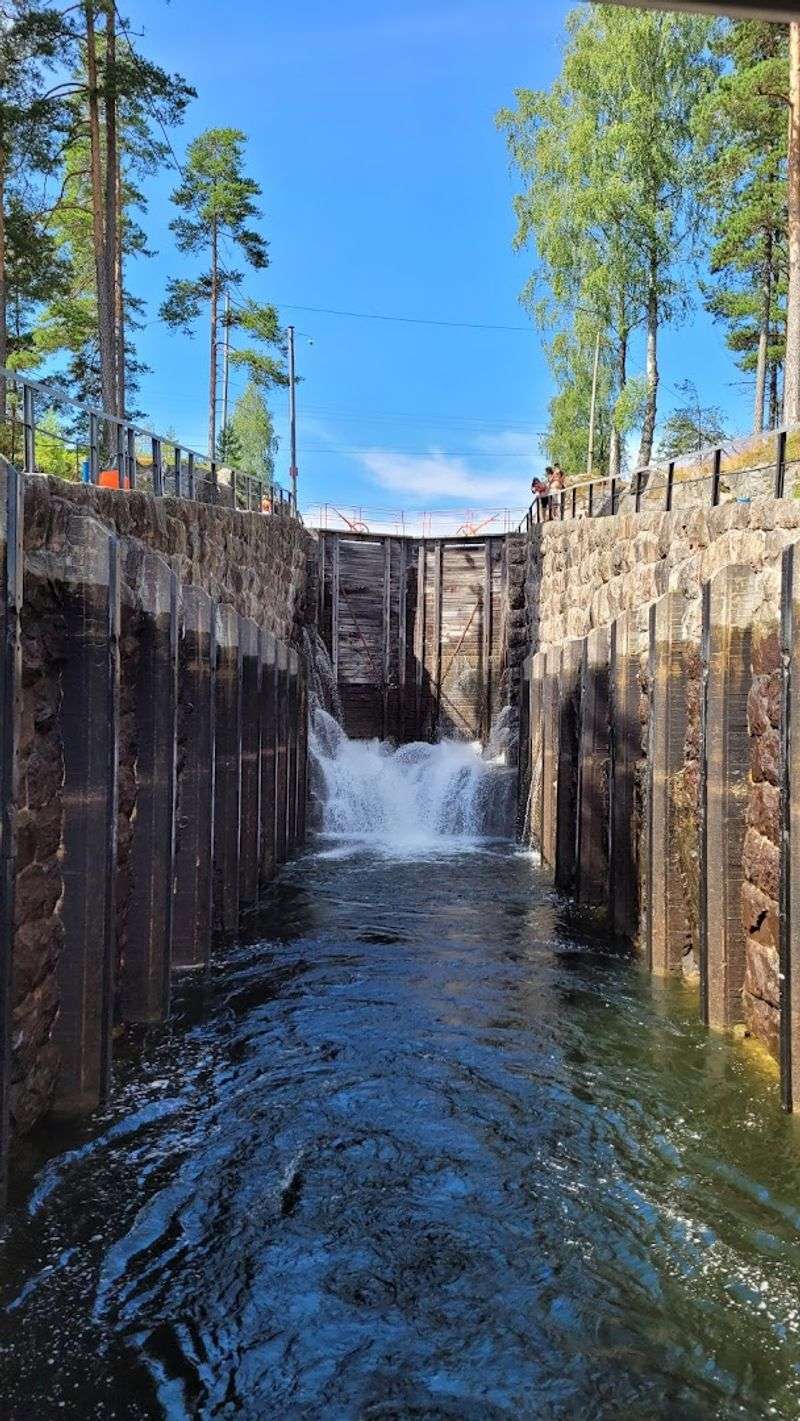
The Telemark Canal is essentially Norway on slow mode, and that is exactly the point. Eight lock systems, narrow rivers, lakes, and historic sites connect Skien and Dalen along one of the most charming inland waterways in Scandinavia.
Boat trips here run at a pace that forces you to actually look at things, which is a surprisingly radical concept in modern travel.
This is not a destination for people chasing dramatic mountain selfies. Telemark is for travelers who want canal villages, heritage buildings, and the satisfying sound of water moving through old lock gates.
I found the whole experience genuinely relaxing in a way that no fjord cruise had managed before.
The surrounding Telemark region adds hiking and cycling options for anyone who wants to stretch their legs between boat legs. Dalen Hotel at the end of the route is a Victorian gem worth a night if the budget allows.
Slow travel has never looked this good.
Hardangerfjord
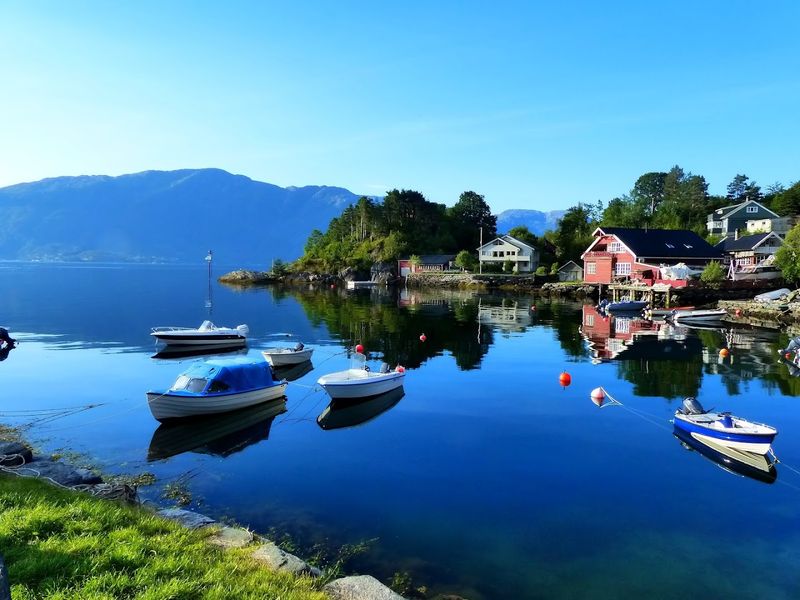
Yes, Hardangerfjord is famous. But famous does not have to mean overwhelming, and this fjord proves it.
The trick is to skip the biggest-name hikes and focus instead on fruit farms, orchard drives, small villages, and quieter viewpoints that most visitors miss entirely. In spring, the orchards along the fjord burst into blossom in a way that is genuinely hard to overstate.
Waterfalls drop straight into the fjord at multiple points, including the well-known Vøringsfossen. Visit Norway highlights fruit farms, waterfalls, fjord cruises, and the Hardanger Scenic Route as the region’s main draws.
All of those things can be enjoyed without fighting for a parking spot.
The key is timing and route planning. Weekday mornings at lesser-known viewpoints are almost always calm.
Hardangerfjord rewards travelers who do a little homework before arriving, and the payoff is a famous fjord that somehow still feels like a personal discovery.
Jotunheimen
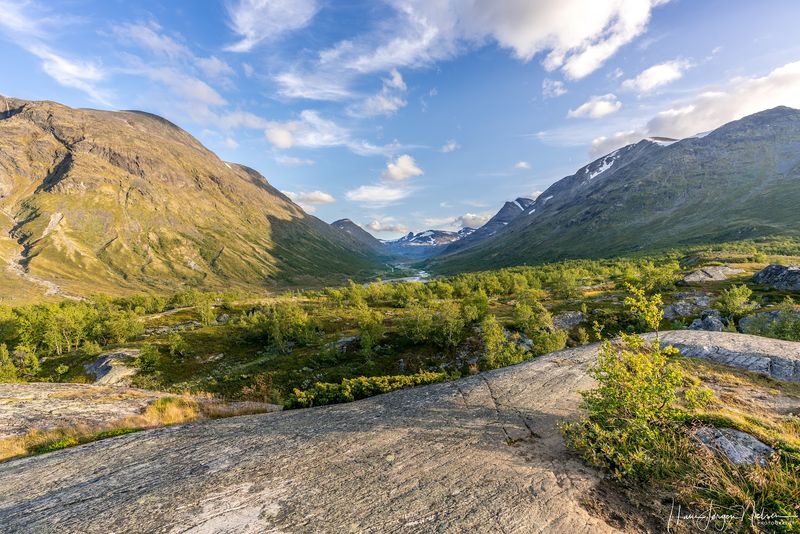
Norway’s most popular national park is large enough to have secrets, and that is not something you can say about every famous destination. Jotunheimen covers roughly 3,500 square kilometres and has more than 50 marked trails inside the park, plus around 70 more in the surrounding area.
The math works in your favor if you are willing to walk past the trailhead everyone else stops at.
Galdhøpiggen and Glittertind, Norway’s two highest peaks, are here, which draws serious hikers. But the valley trails, mountain huts, and glacial lakes offer a completely different kind of experience that does not require crampons or a fitness test.
Jotunheimen in early September is particularly good, when summer crowds thin out and the light turns golden.
Booking mountain hut accommodation in advance is essential in peak season. Outside of July and August, the park breathes differently.
Go on a Tuesday in late August and you might have a glacier lake almost entirely to yourself.
Hardangervidda
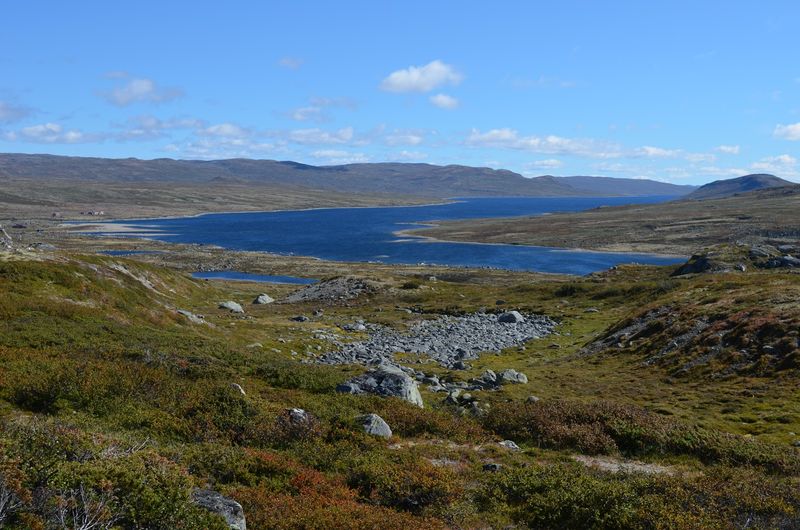
Europe’s largest mountain plateau sits between Bergen and Oslo and somehow gets overlooked by travelers rushing between those two cities. Hardangervidda is an open, windswept world of lakes, rocky terrain, reindeer herds, and scenic roads that stretch to the horizon.
The scale of it is genuinely surprising the first time you drive across.
The plateau can be reached from Bergen in about 2.5 hours by car, with Eidfjord serving as a popular and picturesque entry point. Norwegian Scenic Route Hardangervidda crosses the plateau and delivers views that are completely different from fjord scenery, which is exactly the point.
A change of landscape can reset a trip that is starting to feel repetitive.
Hiking and cycling routes cross the plateau in every direction. Wild camping is permitted here under Norwegian law, making it one of the most accessible places in the country for a proper outdoor night under a wide-open sky.
Bring layers. Always bring layers.
Femundsmarka near Røros
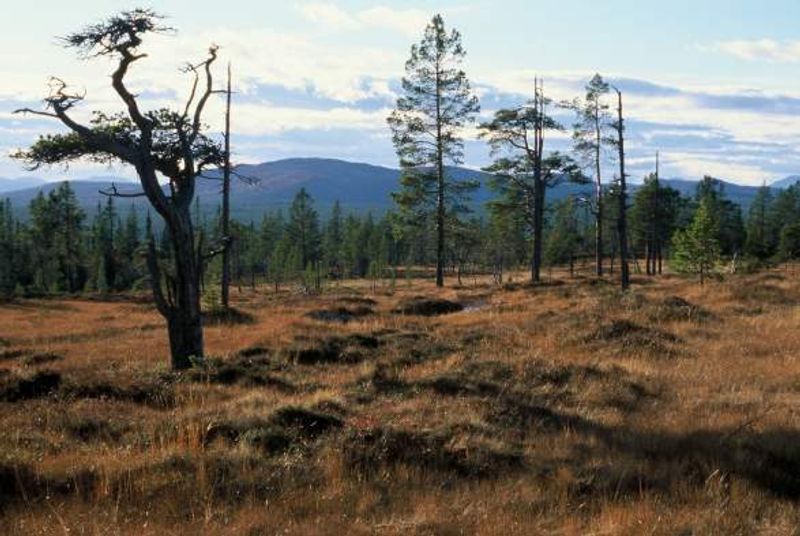
If Røros already won you over, Femundsmarka National Park is the logical next step and a very good one. Located near Røros in eastern Norway, Femundsmarka is the kind of national park where the main soundtrack is wind through pine trees and the occasional splash of a fish.
Quiet does not begin to cover it.
Hiking, mountain biking, fishing, and lake scenery are the main activities here. The park borders Lake Femunden, one of Norway’s largest lakes, which adds a sense of open water to the forest and mountain landscape.
Canoe trips on the lake are a popular choice for those who want to cover ground without covering it on foot.
Visit Norway highlights Femundsmarka as one of the national parks accessible from the Røros area, making it easy to combine both into a single trip. Two quiet destinations back to back sounds like a very sensible plan.
Your nervous system will agree.
Share this story