Earth still has places that act like they missed the rulebook entirely. Even with satellites, lab models, and deep drilling tools, scientists keep finding landscapes that raise more questions than answers.
These strange natural wonders are not just beautiful or eerie – they are active research puzzles. If you like the feeling of standing at the edge of the unknown, these 12 places are worth your attention.
1. Movile Cave – Romania’s Sealed Underground World
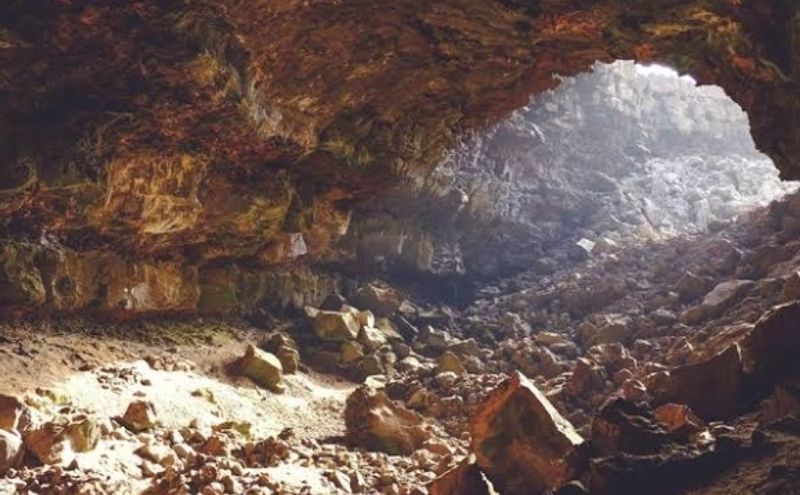
Movile Cave feels less like a cave and more like a separate planet hidden beneath Romania. Cut off from the surface for roughly 5.5 to 6 million years, it supports life without sunlight, green plants, or the food chains you usually picture.
Instead, its ecosystem runs on chemosynthesis, where bacteria use hydrogen sulfide, methane, and ammonia as fuel.
That chemical base supports microbial mats, leeches, spiders, pseudoscorpions, centipedes, water scorpions, and other pale cave specialists. More than 50 invertebrate species have been found here, and many live nowhere else on Earth.
You can see why scientists treat it like a living laboratory for evolution in isolation.
Researchers still study its fungi, microbial eukaryotes, carbon cycling, and fragile atmospheric balance. The cave may offer clues about early Earth and possible subsurface life on other worlds.
Access remains tightly controlled, because one careless visit could disturb a system millions of years in the making.
2. Lake Natron – Tanzania’s Stone-Making Waters
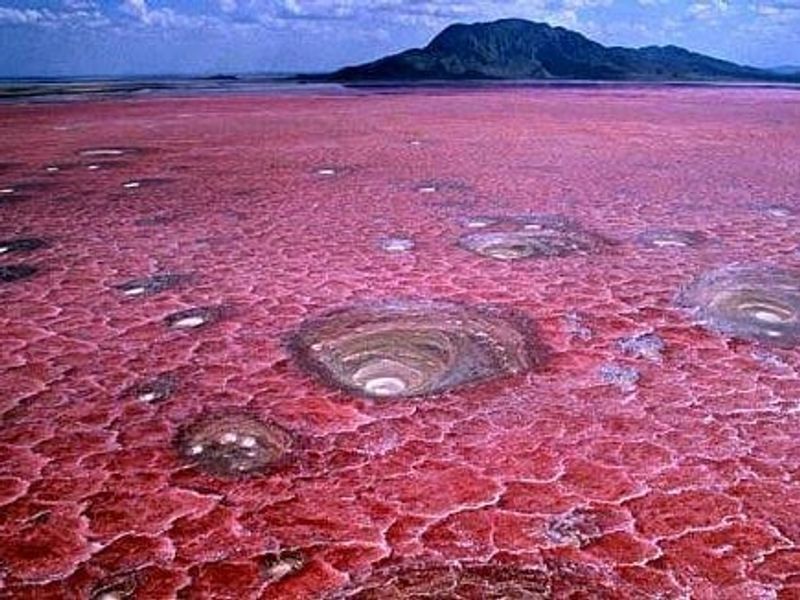
Lake Natron looks beautiful from a distance, with red water, salt crusts, and a harsh volcanic backdrop. Up close, it becomes stranger, because animals that die along its shores can appear preserved in stiff, chalky poses.
The effect comes from extreme alkalinity, high mineral content, and evaporation that leaves behind natron-rich deposits.
Scientists understand parts of the chemistry, yet the lake still raises ecological questions. Its pH can be caustic enough to burn skin, but lesser flamingos breed there in huge numbers because the hostile setting discourages many predators.
Microbes and algae also flourish, tinting the water with colors that shift from orange to deep crimson.
Researchers keep studying how life tolerates such chemical stress and how climate shifts affect this delicate breeding refuge. You are looking at a place that can both kill and protect.
That contradiction is exactly why Lake Natron remains so compelling to science.
3. Socotra Island – Yemen’s Alien Landscape
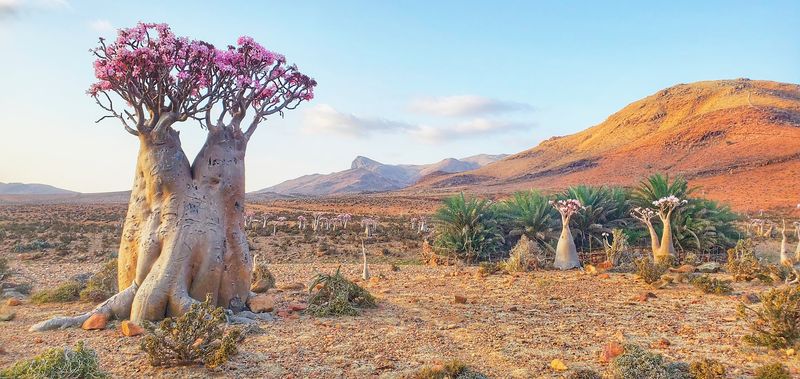
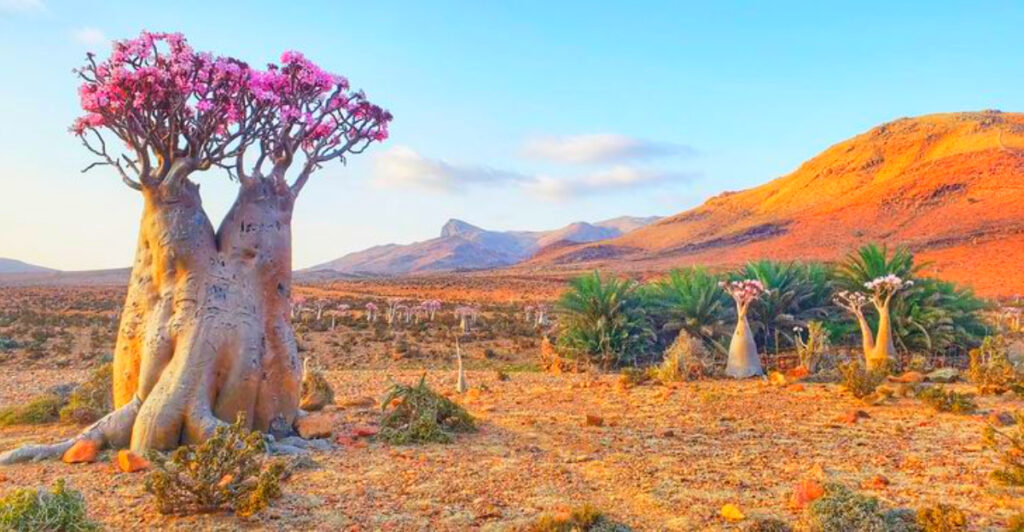
Socotra Island has the kind of landscape that makes you pause and check whether the photo is real. Dragon blood trees spread umbrella-shaped crowns over dry limestone ground, while swollen bottle trees cling to cliffs like living sculptures.
Because the island sat isolated in the Arabian Sea, evolution had room to become wonderfully unusual.
Scientists are still cataloging how many species on Socotra exist nowhere else. Its plants have adapted to drought, wind, thin soils, and intense sun in ways that look almost theatrical.
The famous dragon blood tree, for example, produces red resin and captures mist with a canopy shaped for survival.
What keeps researchers busy is not just the odd appearance of these organisms, but the story behind them. Socotra helps reveal how isolation, climate, and geology produce rare biodiversity.
As development and warming pressures increase, scientists are racing to understand what makes this island so biologically irreplaceable.
4. Danakil Depression – Ethiopia’s Acidic Hellscape
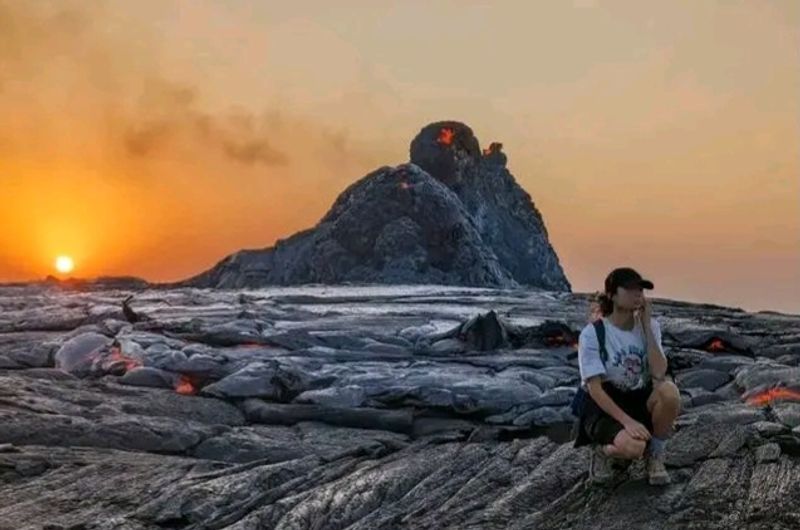
The Danakil Depression is one of those places where Earth seems to be testing the limits of habitability. Temperatures soar, toxic gases seep from the ground, and acid pools glow in unreal shades of yellow, green, and orange.
Salt flats, hydrothermal vents, and volcanic activity combine into a landscape that feels almost hostile on purpose.
Yet scientists come here because life still finds a foothold. Microbes have been studied in brines, mineral crusts, and acidic systems that resemble conditions imagined on ancient Mars.
Some environments here are so extreme that researchers debate where the boundary between habitable and uninhabitable truly lies.
That makes Danakil more than a dramatic destination. It is a natural experiment in chemistry, geology, and astrobiology happening in real time.
When you look at its boiling colors, you are seeing clues about how life might survive under punishing conditions elsewhere in the universe.
5. The Boiling River – Peru
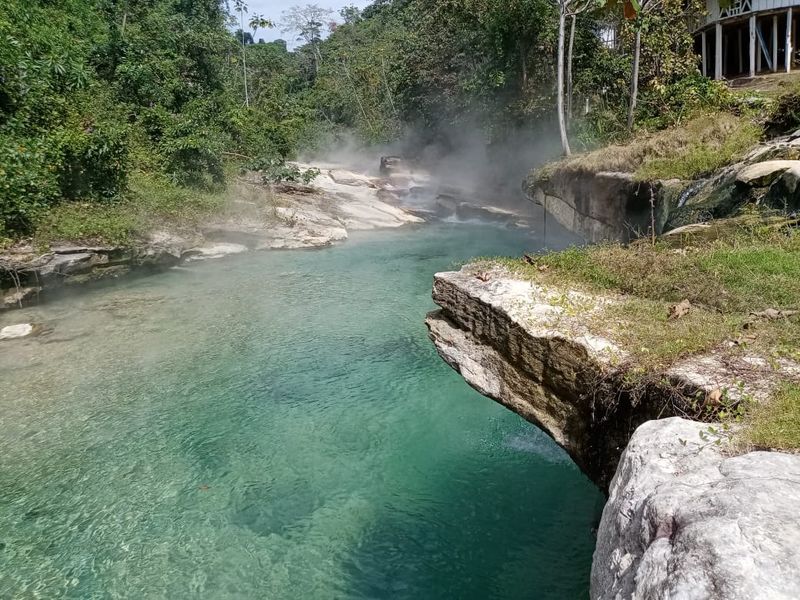
Deep in the Peruvian Amazon, the Boiling River steams through the rainforest with water hot enough to injure or kill small animals. What makes it especially puzzling is that it is not sitting beside an obvious active volcano.
For years, stories about the river sounded legendary, until researchers began measuring temperatures and mapping its source.
The current explanation points toward geothermal heating, where water sinks deep underground, warms near hot rock, then rises through faults. Still, scientists continue studying the exact pathways and energy source that keep such a long stretch dangerously hot.
In a rainforest usually associated with rain, shade, and life, this river feels like a warning.
It also matters culturally, since local communities have known and respected it for generations. Modern research now blends geology with that long-held knowledge.
The result is a rare natural wonder where mystery, heat, and human memory flow together.
6. The Crooked Forest – Poland’s Bent Pines
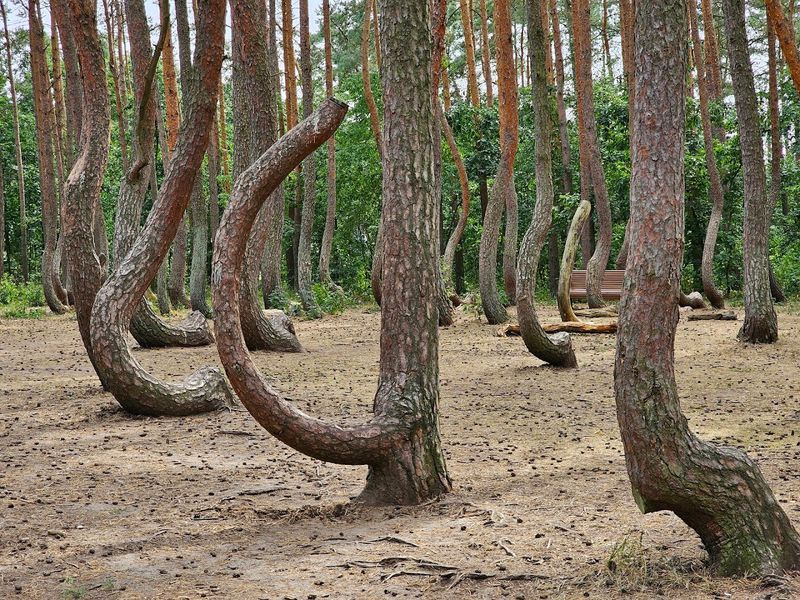
In Poland’s Crooked Forest, hundreds of pine trees bend sharply near the ground before growing upward again. Their curves are so consistent that the scene feels carefully arranged, almost like a woodland designed by someone with a strange sense of humor.
The real explanation, however, is still not settled.
One theory says people intentionally shaped the young trees for curved timber, perhaps for boatbuilding or furniture. Another points to heavy snow, storm damage, disease, or some other environmental stress during early growth.
The problem is that the trees bend in similar directions, and records that might explain the pattern are missing.
Scientists and foresters continue to examine tree structure, age, and local history to narrow the possibilities. You do not need a dramatic landscape to create a lasting mystery.
Sometimes a quiet grove of bent pines is enough to keep researchers, travelers, and curious locals guessing.
7. Mount Roraima – South America’s Lost World
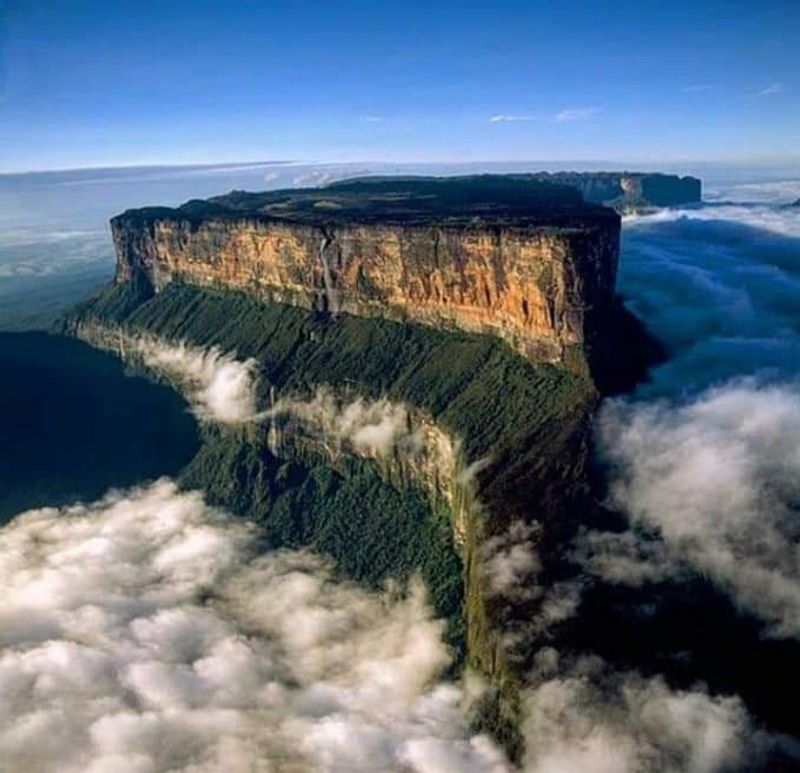
Mount Roraima rises above the jungles of South America like a stone table lifted into the clouds. Its sheer cliffs and flat summit isolate plants and animals from the surrounding lowlands, creating a world that feels separate from everything below.
The mountain helped inspire lost-world stories, but its real science is even better.
On the summit, rain, poor soils, and ancient rock have shaped unusual ecosystems. Carnivorous plants, tiny frogs, mosses, and specialized insects survive in conditions that can be cold, wet, and nutrient-poor.
Scientists study whether these species evolved in long isolation or arrived more recently through wind, birds, or rare connections.
The genetic relationships between summit life and lowland life remain an active research topic. Mount Roraima asks a simple question with complicated answers: what happens when evolution gets a sky island?
For scientists, that question is still unfolding in mist.
8. Lake Vostok – Antarctica’s Hidden Ocean
Lake Vostok lies buried beneath kilometers of Antarctic ice, sealed away from the open air for an immense span of time. From the surface, you would see only a frozen white plain, but below it sits one of Earth’s largest subglacial lakes.
That hidden water has made scientists wonder whether life could persist in darkness, pressure, and isolation.
The lake is difficult to study because contamination is a major concern. Any drilling effort risks introducing surface microbes or chemicals into an environment that may have remained separate for millions of years.
Researchers use ice cores, remote sensing, and careful sampling strategies to infer what might exist below.
If microbes live there, they could reshape ideas about survival in extreme environments. Lake Vostok also helps scientists think about icy moons like Europa and Enceladus.
You are not just looking at an Antarctic mystery, but a preview of questions beyond Earth.
9. The Eye of the Sahara – Mauritania’s Giant Bullseye
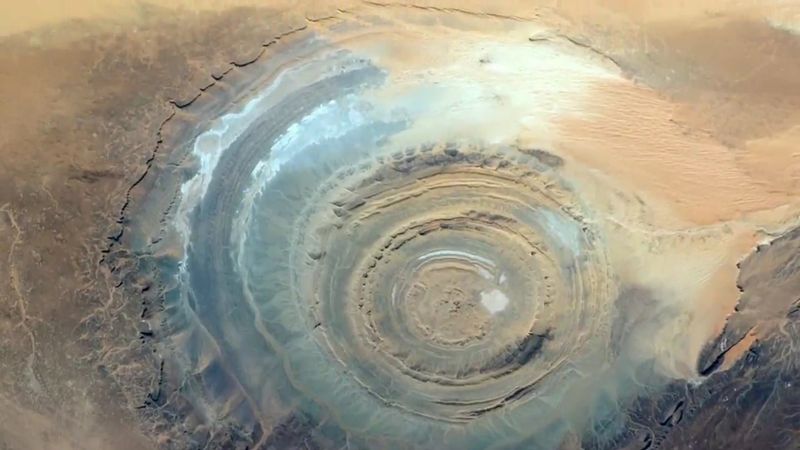
The Eye of the Sahara, also called the Richat Structure, looks like a giant bullseye pressed into the Mauritanian desert. From space, its rings appear so circular and deliberate that people have imagined everything from impact craters to lost cities.
Scientists now see it as a geological structure, but the full story remains debated.
The leading explanation involves uplift, folding, and long erosion exposing different layers of rock. Softer and harder bands weathered at different rates, leaving the striking concentric pattern visible today.
Even so, researchers continue studying the timing, processes, and deep forces that shaped such a clean-looking form.
Part of the wonder is how scale changes perception. On the ground, the Eye can be hard to recognize, but from orbit it becomes unforgettable.
It reminds you that Earth can create patterns so precise they almost look designed, even when geology is doing the drawing.
10. The Boiling Mud Pots of Yellowstone – USA
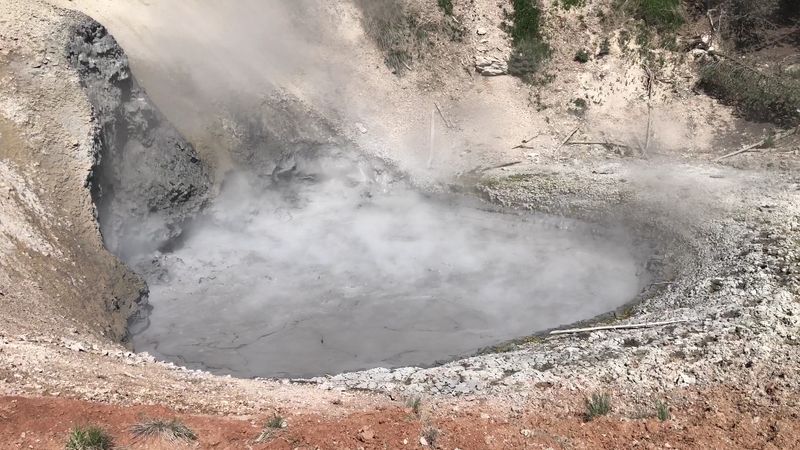
Yellowstone’s boiling mud pots look like thick paint simmering in a witch’s cauldron. They form where acidic hot water breaks down surrounding volcanic rock into clay, creating bubbling pools that burp, splash, and shift with geothermal energy.
The surface show is mesmerizing, but the system below is complicated and restless.
Scientists monitor these features because Yellowstone’s hydrothermal areas can change quickly. Rainfall, groundwater movement, earthquakes, microbial activity, and heat flow all influence whether a mud pot thickens, dries, expands, or suddenly becomes more active.
Predicting those changes is difficult because the underground plumbing is hidden and constantly adjusting.
These mud pots are not just curiosities for park visitors. They offer clues about volcanic heat, acidic alteration, and the hazards of unstable ground.
When you watch one bubble, you are seeing a small opening into one of the most dynamic geothermal systems on the planet.
11. The Marble Caves – Chile’s Swirling Stone Cathedrals
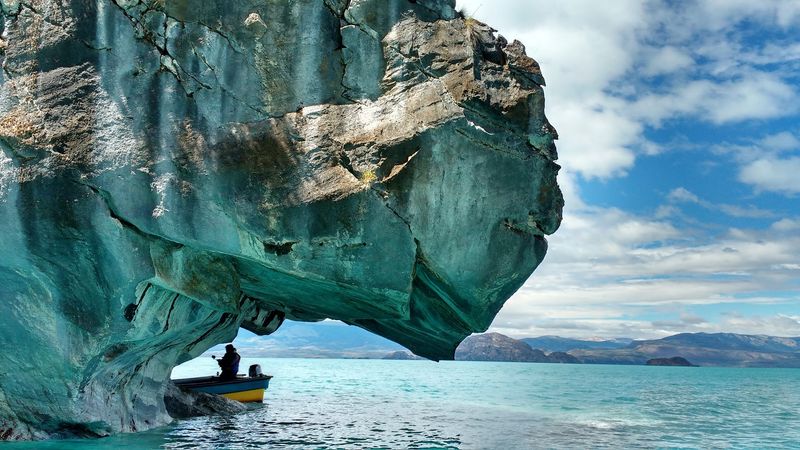
The Marble Caves of Chile look as if someone carved blue light directly into stone. Set along General Carrera Lake, their swirling walls of white, gray, and blue marble have been shaped by waves for thousands of years.
The result is a natural cathedral where water reflection makes every curve seem alive.
Scientists study these caves because their beauty is also a record of erosion, mineral structure, lake chemistry, and changing water levels. Marble dissolves and wears differently depending on water movement, acidity, sediment, and seasonal variation.
Small changes over long periods can produce the smooth columns, arches, and patterns that make the caves famous.
They are also sensitive to environmental shifts. Climate patterns, glacial melt, and lake-level changes can alter how water reaches the marble walls.
When you glide through them by boat, you are not just seeing a postcard scene, but an active geological sculpture still being edited.
12. The Namib Desert Fairy Circles – Namibia
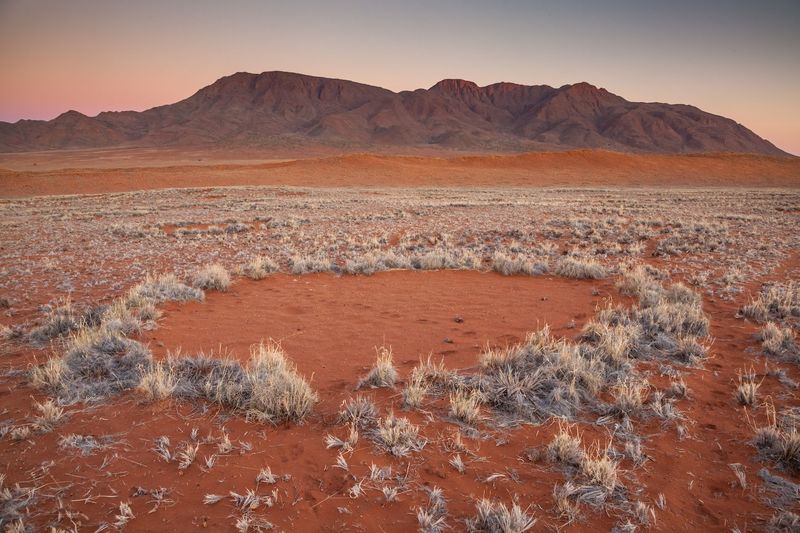
Across parts of the Namib Desert, thousands of bare circles appear in the grassland like a pattern stamped from above. They are surprisingly regular, often spaced with a kind of natural geometry that feels too orderly for a harsh desert.
For decades, scientists have argued over what creates and maintains them.
One major theory points to termites, which may clear vegetation and create underground moisture reservoirs. Another suggests plant self-organization, where grasses compete for scarce water and arrange themselves into repeating patterns.
Some researchers think both processes may interact, depending on location, rainfall, soil, and species.
The fairy circles matter because they reveal how life organizes under extreme stress. A desert that looks empty from afar can hide intense competition, cooperation, and engineering beneath the surface.
If you want a reminder that simple-looking patterns can have complex causes, Namibia’s fairy circles deliver it beautifully.
Share this story