 Unearth The Voyage
Major events are often tied to well-known leaders, but many turning points came down to ordinary people noticing something others missed. This list highlights moments where timing, attention, or quick decisions changed the course of events.
From soldiers and clerks to travelers and bystanders, each story centers on someone who found themselves in the right place at a critical moment. Their actions, whether intentional or instinctive, had consequences far beyond what they could have expected.
What makes these stories compelling is their unpredictability. They show how history is not only shaped at the top, but also by individuals who happened to be there when it mattered most.
Frank Wills
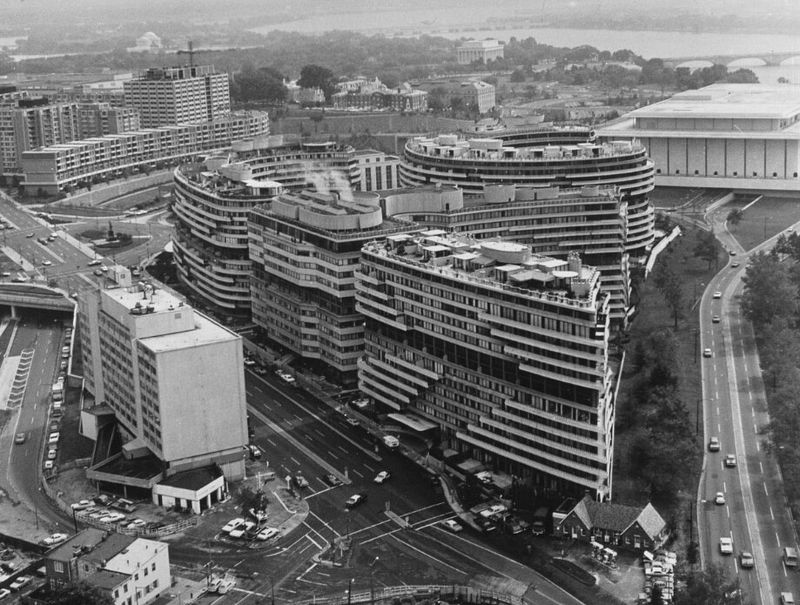
Sometimes history starts with a piece of tape that looked slightly out of place on a door latch. Frank Wills, a 24-year-old security guard working the night shift at the Watergate complex in June 1972, noticed exactly that during a routine patrol.
He removed the tape, kept checking, and found it had reappeared, which led him to call police. That alert uncovered intruders inside Democratic National Committee offices, setting off the Watergate investigation and one of the most consequential political scandals in modern American history.
Wills did not become wealthy or especially celebrated for his role, which adds a sharp edge to the story. His careful attention showed how a low profile job could suddenly intersect with national power, media reporting, and public trust, all because he treated a small irregularity as worth following up.
In documentaries and retrospectives, he often appears as the person who recognized that details matter, a reminder that institutional history can pivot on someone doing the unglamorous part of the job properly at two in the morning.
Hugh Thompson Jr.
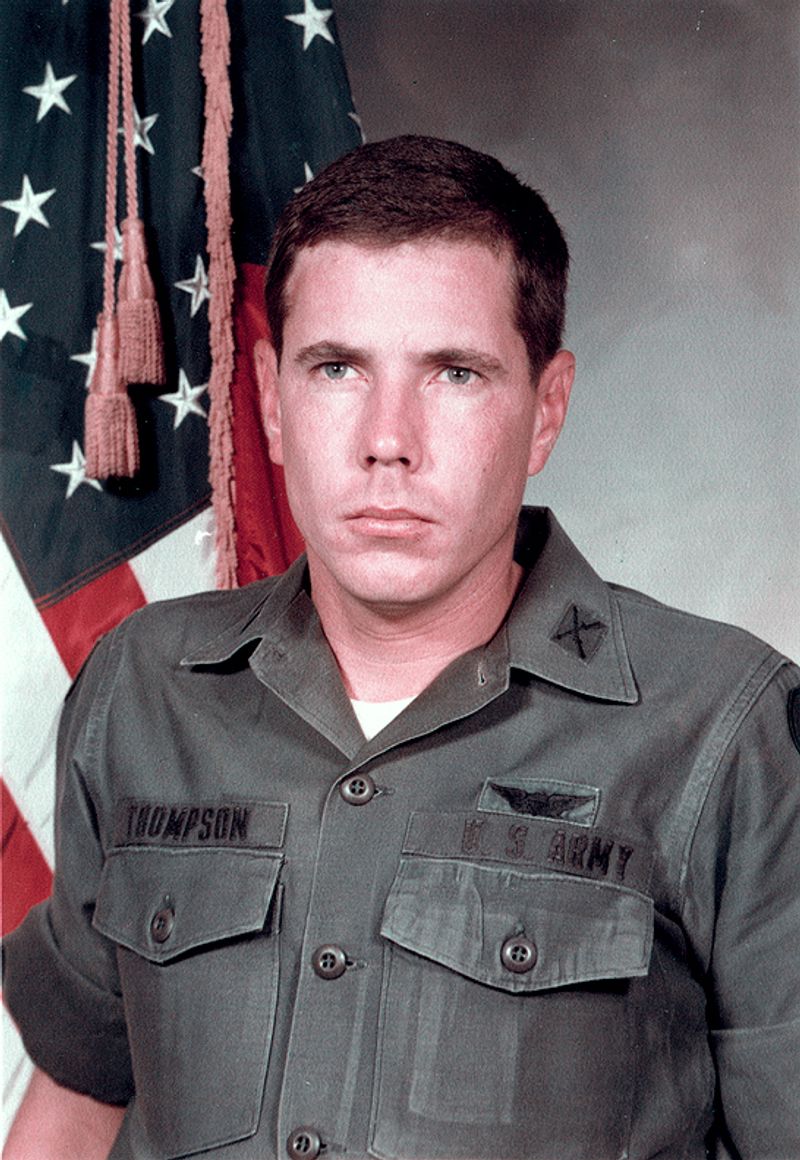
From the air, Hugh Thompson Jr. saw something that did not fit any official story being told on the ground. The U.S.
Army helicopter pilot was flying a reconnaissance mission over My Lai in March 1968 when he realized civilians were in immediate danger.
Instead of looking away, he landed, placed his aircraft between soldiers and villagers, and instructed his crew to help protect those still alive. He also reported what he had witnessed, helping create a record that later challenged initial military accounts and forced wider scrutiny of conduct during the Vietnam War.
For years, Thompson’s intervention received less attention than it deserved, partly because his actions exposed uncomfortable truths. Over time, historians and the U.S. military recognized the significance of what he did: he chose duty in its most serious form, not as blind obedience, but as moral judgment when rules and reality had clearly split apart.
His story remains essential because it shows that being in the right place can mean stepping into a terrible situation and refusing to let silence do the rest.
Stanislav Petrov
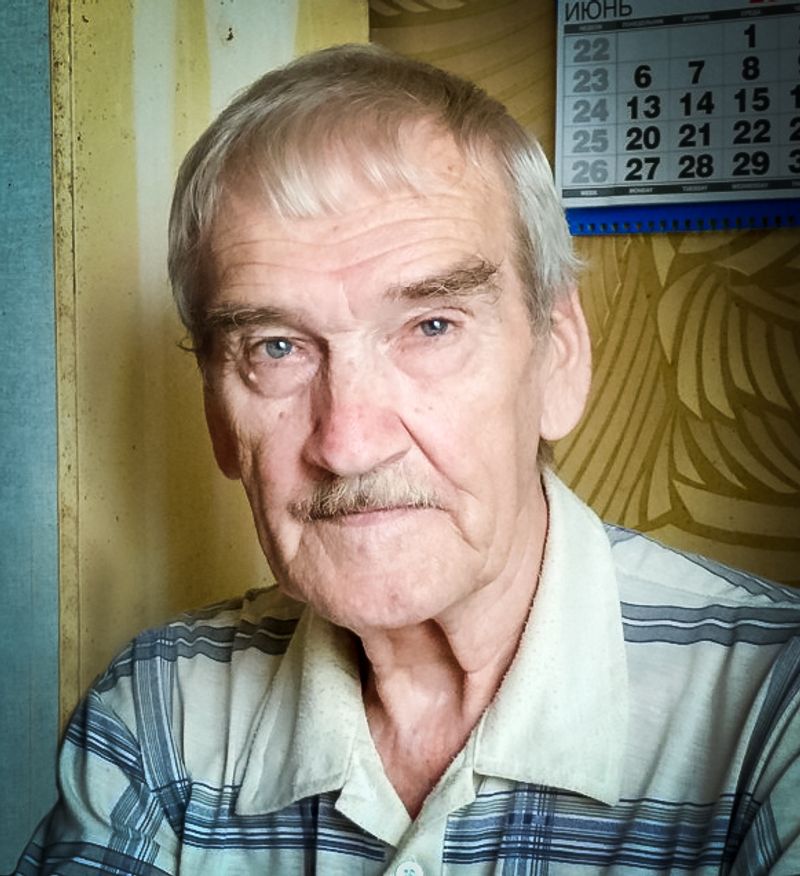
One quiet shift in a Soviet bunker became the kind of moment later generations discuss with a long pause. On September 26, 1983, lieutenant colonel Stanislav Petrov was monitoring an early warning system when it reported incoming U.S. missiles.
Protocol pushed toward immediate escalation, yet Petrov judged the alert to be a false alarm because the data looked inconsistent and the reported strike seemed too limited for a real first attack. He chose to classify it as a system error, and he was right: the warning had been triggered by sunlight reflecting off clouds and confusing the satellite network.
His decision has since been cited as one of the Cold War’s most consequential acts of human judgment. What keeps the story compelling is its plainness – no grand speech, no camera-ready heroics, just one officer comparing procedure to instinct under extraordinary pressure.
Decades later, books and documentaries framed him as proof that automated systems still depend on human skepticism, especially when technology, fear, and geopolitics are all leaning hard in the wrong direction.
Tilly Smith
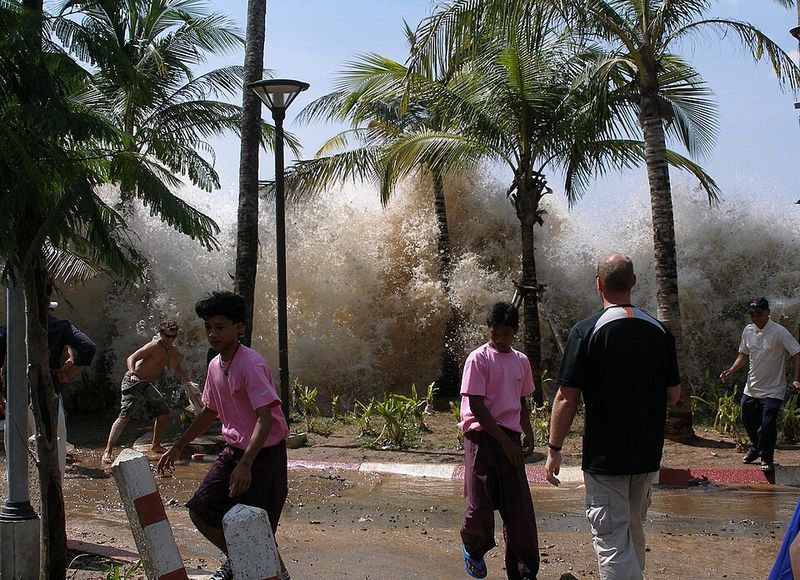
A geography lesson turned into one of the most remarkable acts of practical knowledge ever taken on vacation. In December 2004, ten-year-old Tilly Smith was on Maikhao Beach in Thailand when she noticed the sea behaving in a way her class had recently studied.
She remembered her teacher explaining tsunami warning signs, including receding water and unusual bubbling, and quickly told her parents that a tsunami might be coming. They alerted others and the beach was evacuated, making it one of the few sites in the region cleared before the Indian Ocean tsunami arrived.
The story spread worldwide because it captured something rare and refreshingly concrete: classroom learning mattered outside the classroom. Tilly did not rely on luck alone, and that is why her name still appears in discussions about education, disaster awareness, and public communication.
Her experience also pushed schools and media outlets to talk more clearly about natural hazard preparedness, proving that knowledge taught well can travel from textbook to real world without fanfare, and sometimes with astonishing timing when a child notices what adults have missed.
Rick Rescorla
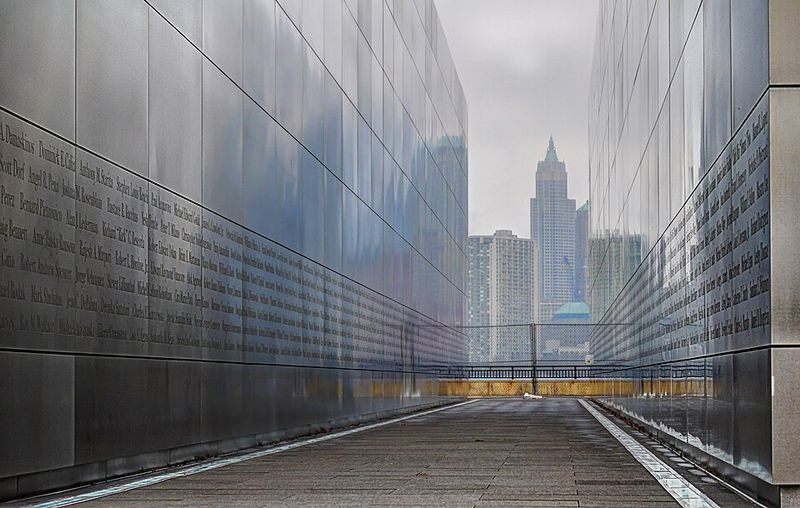
Office drills rarely earn much affection, which made Rick Rescorla’s insistence on them seem almost stubborn until it mattered most. A former soldier and security chief for Morgan Stanley at the World Trade Center, Rescorla believed preparation had to be repetitive, clear, and taken seriously.
After the 1993 bombing, he pushed for regular evacuation practice despite resistance from people who saw it as disruptive. On September 11, 2001, while official instructions initially told many occupants to stay put, he urged his firm’s employees to leave immediately using the stairwells they had rehearsed again and again.
That discipline is widely credited with helping thousands of Morgan Stanley workers and others get out in time. Rescorla’s story stands out because it turns a famously overlooked workplace habit into something historically significant.
He understood that institutions often underestimate low frequency, high consequence risks, and he acted accordingly long before the broader culture caught up. In retrospect, his drills were not corporate fussiness at all; they were a case study in leadership, risk management, and the value of boring preparation when events stop being theoretical.
Tsutomu Yamaguchi
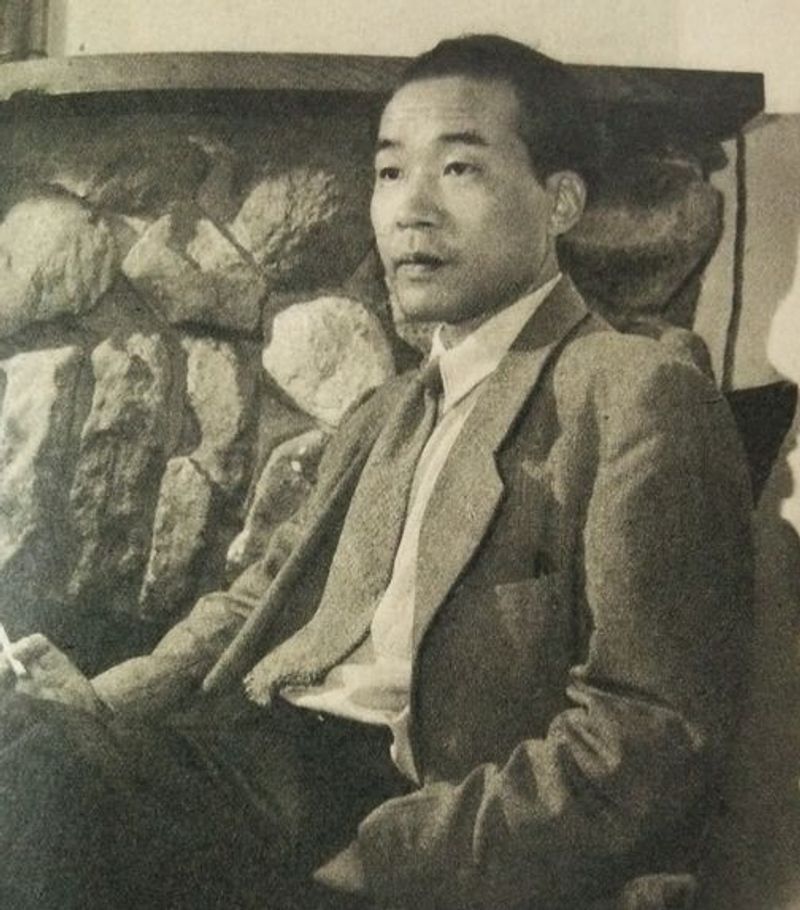
Few biographies begin with a commute that crossed paths with two atomic bombings, yet Tsutomu Yamaguchi’s did. In August 1945, the Mitsubishi engineer was in Hiroshima on a business trip when the first bomb changed the city and his plans in an instant.
He managed to return to his hometown of Nagasaki, injured but alive, and reported back to work just as the second bomb struck on August 9. That sequence later made him the only person officially recognized by Japan as a survivor of both attacks, a category so rare it almost sounds fictional.
What makes his story linger is not just the statistical improbability, but the paper trail behind it. Yamaguchi spent later decades speaking publicly about nuclear weapons, wrote memoirs, and became a figure of historical testimony, turning an unbelievable coincidence into documented memory that connected two cities, two dates, and one stunned witness whose life kept intersecting with events no one should have encountered even once.
Roy Sullivan
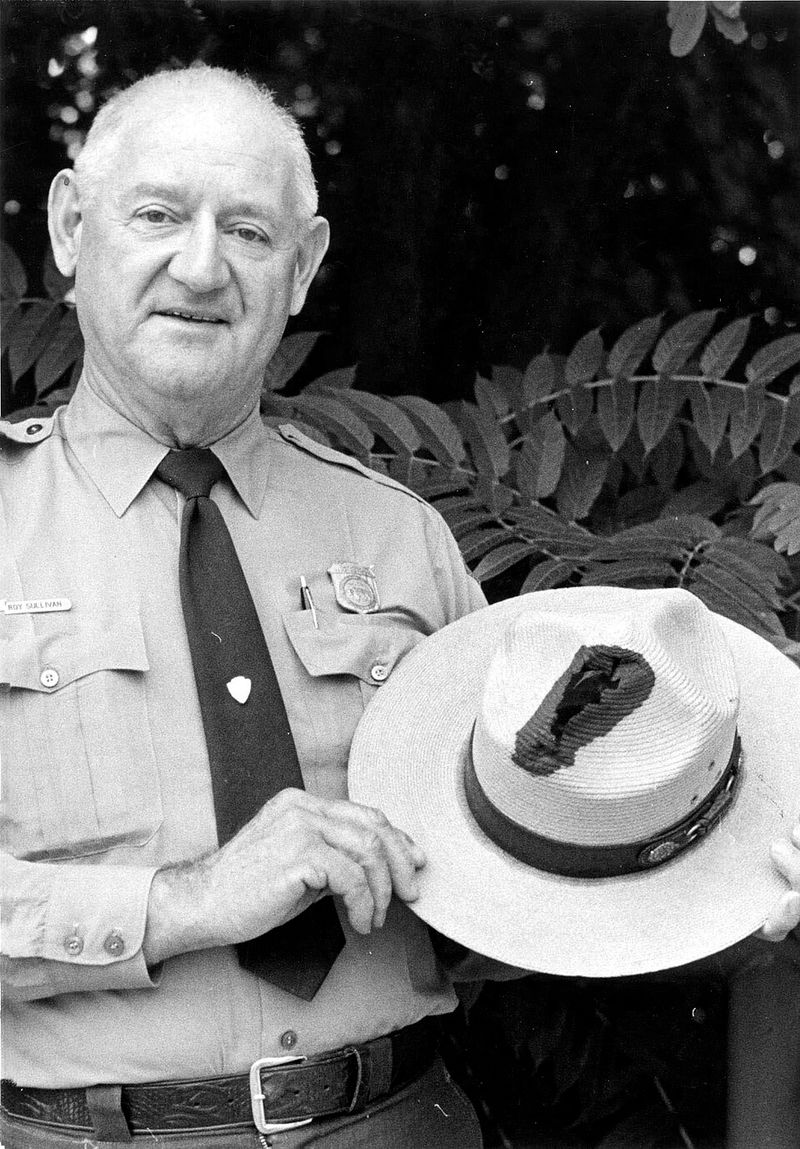
At some point, coincidence stops looking casual and starts reading like a dare from the weather. Roy Sullivan, a U.S. park ranger in Shenandoah National Park, was reportedly struck by lightning seven times between 1942 and 1977, earning a place in Guinness World Records.
The strikes happened in different circumstances, including while he was in a fire lookout tower, driving a truck, and doing routine ranger duties outdoors. Because his job kept him in exposed environments during storms, scientists and weather writers often use his case to discuss probability, terrain, and the risks faced by people who work in open landscapes.
What gives Sullivan’s story staying power is the odd balance between official documentation and sheer disbelief. Park service history is full of practical tasks, road maintenance, rescues, trail checks, and fire observation, yet his name became pop culture shorthand for unbelievable odds.
Even now, you can feel the tension between folklore and record keeping in every retelling. He was not famous for celebrity or politics, just for repeatedly being where the sky made its point with absurd persistence.
Violet Jessop
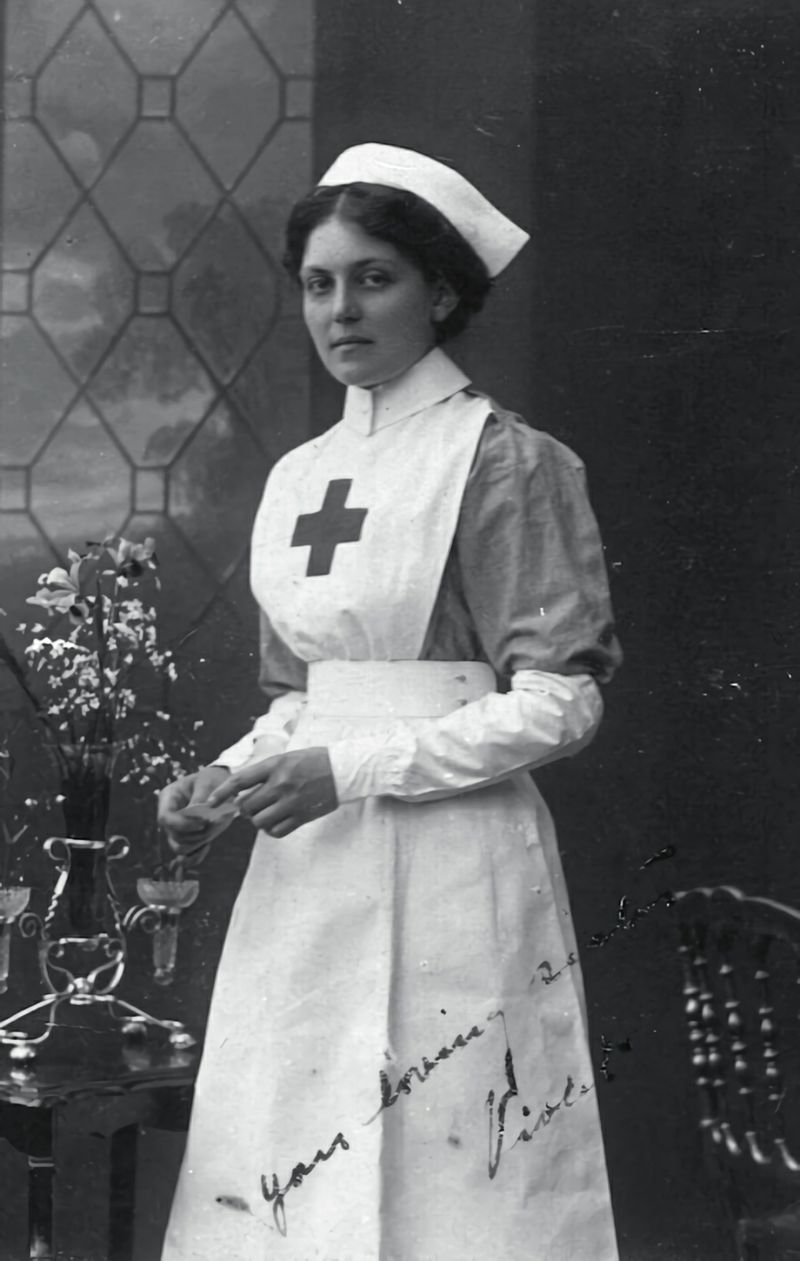
If bad luck had a passenger list, Violet Jessop somehow kept turning up on it and still kept her career. Born in 1887, she worked as a stewardess for the White Star Line and became linked to three of the era’s most famous maritime incidents.
She was aboard Olympic in 1911 when it collided with HMS Hawke, then served on Titanic in 1912 and escaped after the ship went down in the North Atlantic. During World War I she worked as a nurse on Britannic, which struck a mine in 1916, and she survived that sinking as well.
Jessop’s story endured because it sat right at the crossroads of ocean travel, labor history, and public fascination with improbable survival. Her memoir later gave historians a practical, workaday view of ships usually discussed as legends, reminding you that these floating symbols of modernity also depended on staff members carrying keys, schedules, linens, and professional composure while technology, class hierarchy, and headline history all collided around them in startling succession.
Henry Tandey
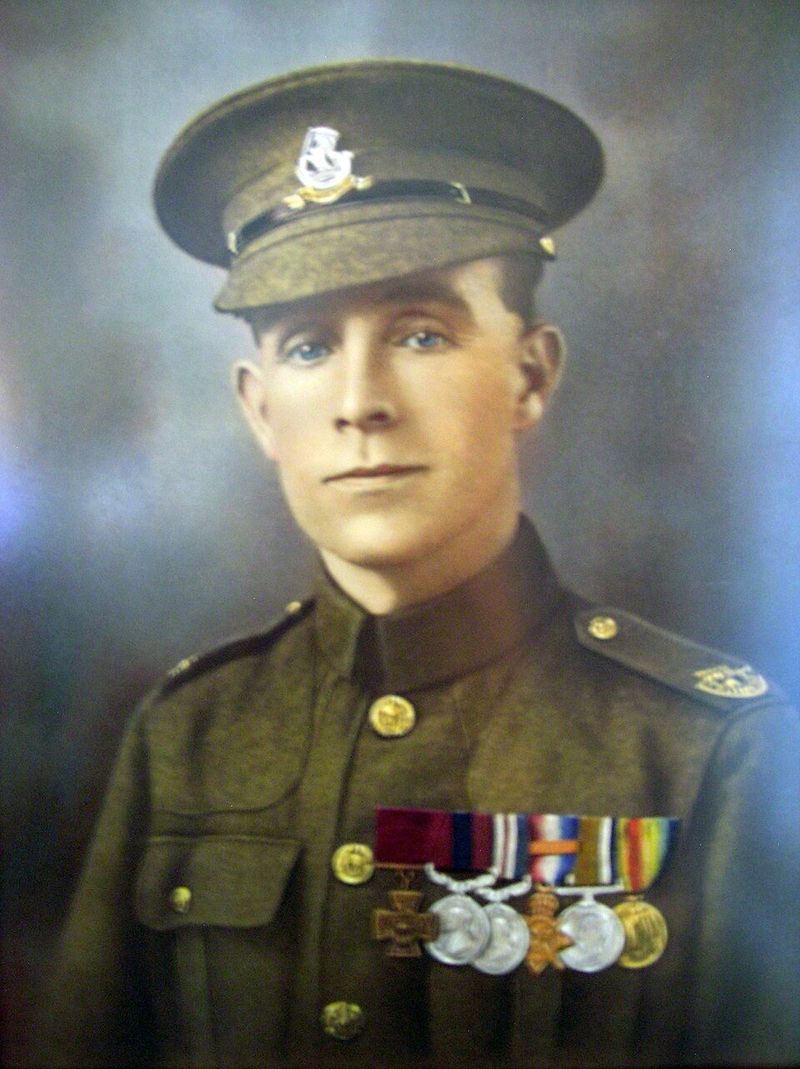
One split-second decision on a World War I battlefield later grew into one of history’s most debated near-myths. Henry Tandey, a British soldier decorated for bravery, was said to have spared a wounded German soldier during fighting in France in 1918.
Years later, that soldier was claimed to have been Adolf Hitler, who reportedly referenced the incident in conversation with British prime minister Neville Chamberlain. Historians still debate the accuracy of the identification, and some evidence remains uncertain, but the story persisted because it sits at the uneasy intersection of memory, propaganda, and hindsight.
Tandey himself was very real, and so was his distinguished military service, which included the Victoria Cross. Whether the famous spared enemy was actually Hitler remains unresolved, yet the tale keeps resurfacing because it asks one of history’s most persistent questions: what can a person know in the moment?
Instead of offering a neat answer, the story reveals how later generations attach enormous meaning to choices made under pressure, often turning one soldier’s battlefield mercy into a cultural puzzle about contingency and consequence.
Nicholas Winton
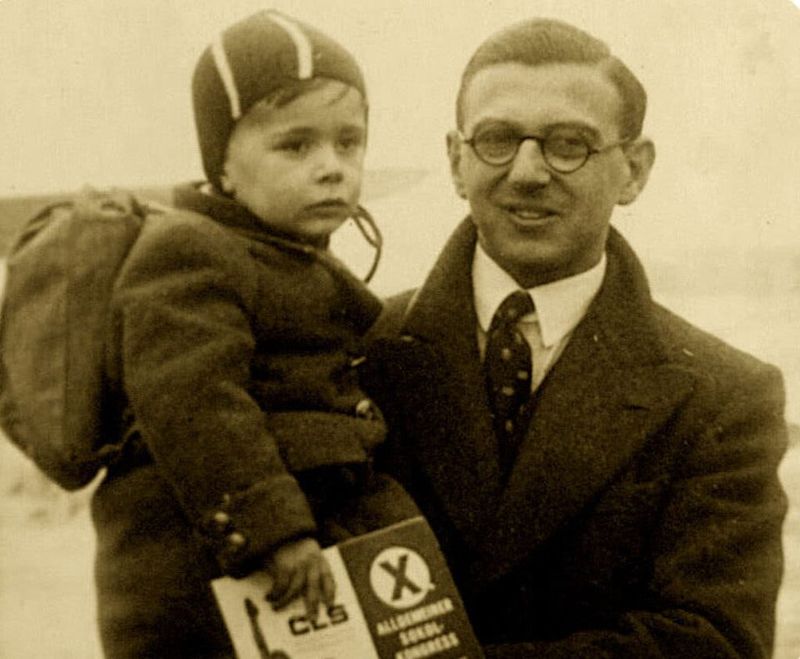
Paperwork rarely looks heroic until you realize what those forms and train lists were quietly accomplishing. In 1938 and 1939, Nicholas Winton, a young London stockbroker visiting Prague, helped organize the rescue of hundreds of mostly Jewish children from Czechoslovakia before war closed the window.
Working with volunteers, foster arrangements, and transport logistics, he helped secure homes, documents, and routes for 669 children to reach safety in Britain. Then, in one of history’s strangest postscript moments, his efforts remained largely unknown for decades until his wife found scrapbooks in the 1980s and the story reached the public.
That delayed recognition is part of what makes Winton’s life so compelling. He was not building a public legend while events unfolded; he was handling urgency with lists, signatures, phone calls, and persistence.
When television programs later reunited him with people who had survived because of those actions, cultural memory finally caught up with administrative courage. His story reminds you that major historical turning points are often shaped not only by speeches and armies, but by someone who understood that timing, bureaucracy, and decency could work together before borders slammed shut.
Charles Lightoller
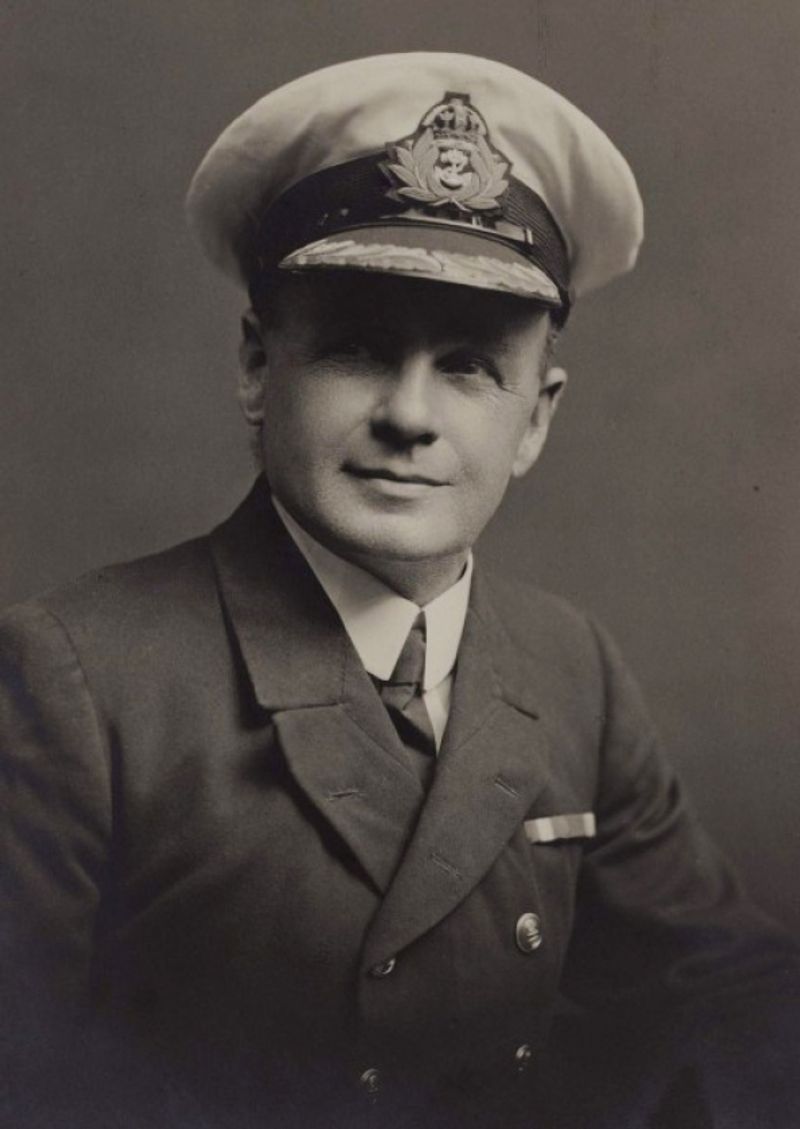
Very few people can say they were present at two of the 20th century’s most famous maritime emergencies and mattered in both. Charles Lightoller, second officer on the Titanic, survived the 1912 sinking after helping launch lifeboats during the chaotic evacuation.
Decades later, during the 1940 Dunkirk evacuation, he again found himself in the middle of a defining wartime sea operation. Rather than letting the Royal Navy take his boat, the Sundowner, he personally helped sail it across the Channel and assisted in bringing soldiers back from France.
Lightoller already had a reputation as a disciplined officer, and his later role at Dunkirk gave his life an almost novelistic second act. Yet the details are concrete: two separate crises, two different wars, and one man repeatedly turning up where seafaring skill was urgently needed.
He also became an important source for historians trying to understand Titanic procedure, officer decisions, and evacuation dynamics. His unusual place in memory comes from being more than a survivor; he was a participant whose experience kept reappearing at pivotal moments on the water.
John Scott Harrison
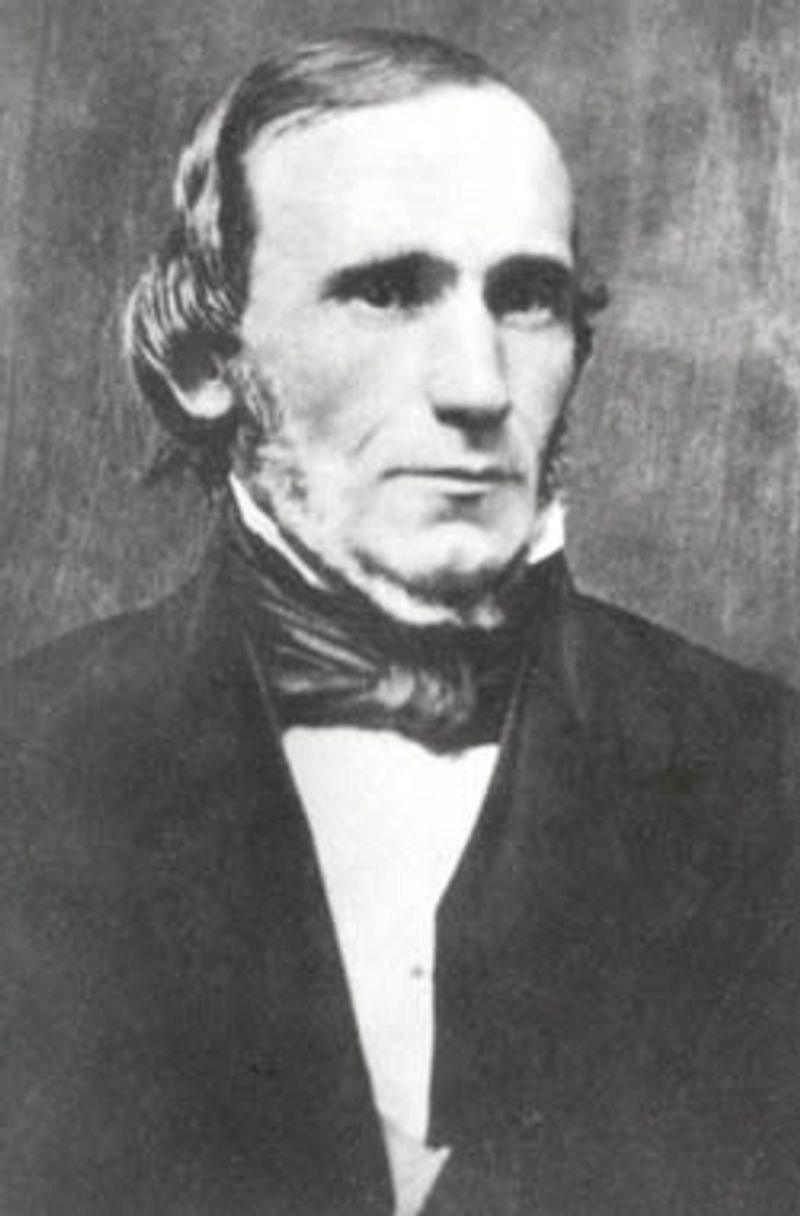
Even by the strange standards of 19th century America, this family story sounded like a newspaper editor reaching for extra ink. John Scott Harrison, son of President William Henry Harrison and father of future president Benjamin Harrison, became central to a grave-robbing scandal after his burial in 1878.
At the time, medical schools often relied on illegally obtained bodies for anatomical study, and public fear of grave robbing was widespread. When Harrison’s body disappeared, relatives searching for another stolen corpse at an Ohio medical college discovered his remains there, making the case both notorious and uniquely well documented.
The episode captured national attention because the Harrison family was prominent, but it also exposed a broader social problem that ordinary families already knew too well. Public outrage helped intensify calls for reform in medical procurement practices and burial security, turning one bizarre discovery into evidence of a system operating in plain sight.
Harrison is remembered for an unusually grim distinction, yet his story also marks a transitional period when American medicine, law, and public ethics were colliding over where scientific education should draw the line.



