Traveling in Europe can feel like a constant battle between your bucket list and your bank account. Some places carry a reputation for being pricey, and honestly, that reputation is not always wrong.
But a hefty ticket price does not automatically mean a ripoff.
A handful of spots across Europe genuinely deliver something that makes you stop, look around, and think, “Okay, that was worth every cent.”
Jungfraujoch, Switzerland – Expensive, Yes, But the Views Feel Unreal
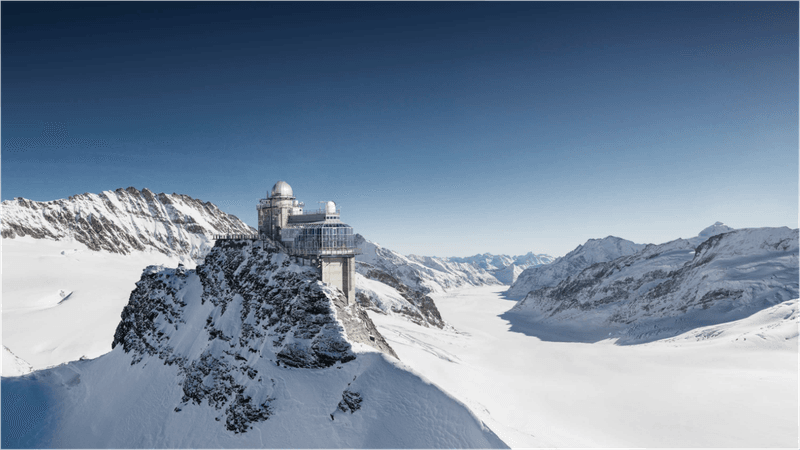
The price tag on Jungfraujoch is the kind that makes you do a double-take. Swiss mountain railways are not budget-friendly, and the round trip from Interlaken or Grindelwald is a serious commitment.
But here is the thing: nothing about this place feels ordinary once you are up there.
At 3,454 meters, you step off the train and into what feels like the roof of the world. The Sphinx observation deck gives you a 360-degree view of glaciers, snowfields, and peaks that stretch endlessly in every direction.
I stood there with my jaw genuinely dropped, which is embarrassing but accurate.
The train journey alone is a highlight, winding through tunnels blasted through the Eiger. Add the ice palace, the mountain restaurants, and the crisp alpine air, and you have a full experience.
Few places justify their cost this completely.
Sagrada Familia, Barcelona – The Rare Tourist Icon That Still Stuns
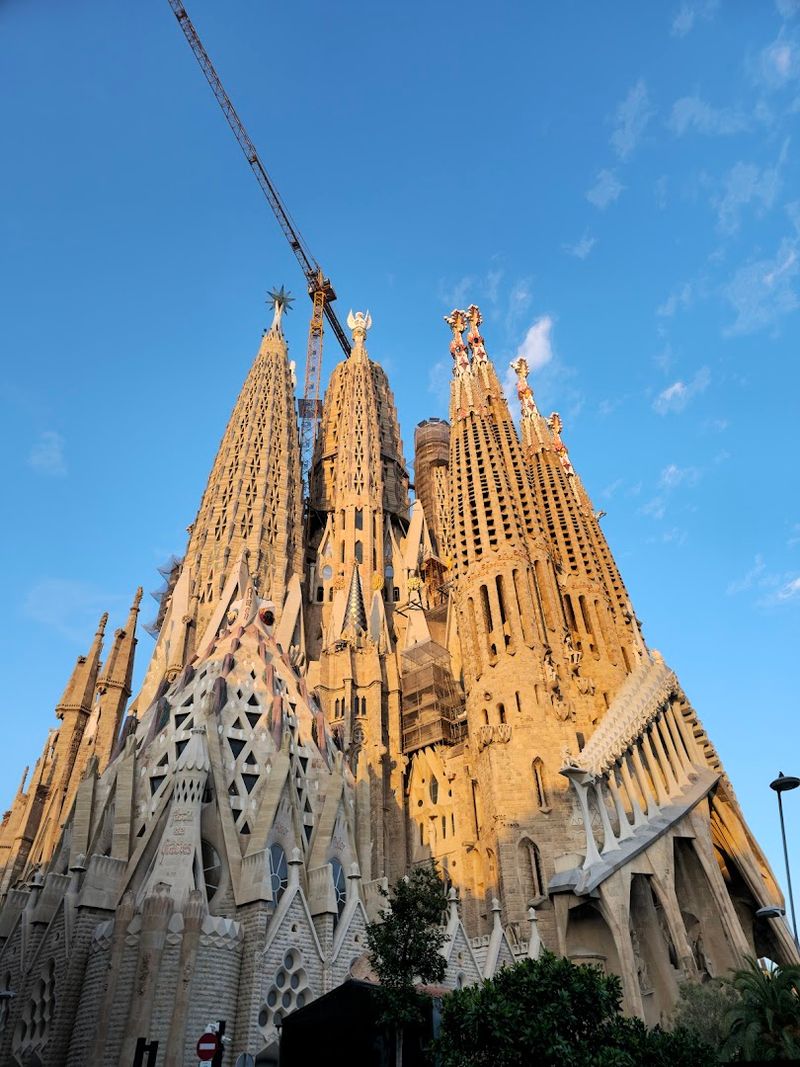
Most famous landmarks disappoint you in person. Sagrada Familia is the rare exception that actually exceeds expectations.
Antoni Gaudi started this basilica in 1882, and it is still not finished, which somehow makes it even more fascinating.
The outside is wild and sculptural, covered in detailed stone figures that look like they grew rather than were carved. But the real magic happens once you step through the doors.
The stained-glass windows throw colored light across the interior in a way that feels theatrical and deeply strange.
The columns branch upward like stone trees, turning the nave into something closer to a forest than a church. It is one of those spaces that changes the way you think about what a building can be.
Skip the queue by booking tickets online in advance. The audio guide is genuinely worth adding, because the story behind every detail is wild.
The Eiffel Tower, Paris – Touristy, Pricey, and Still Iconic
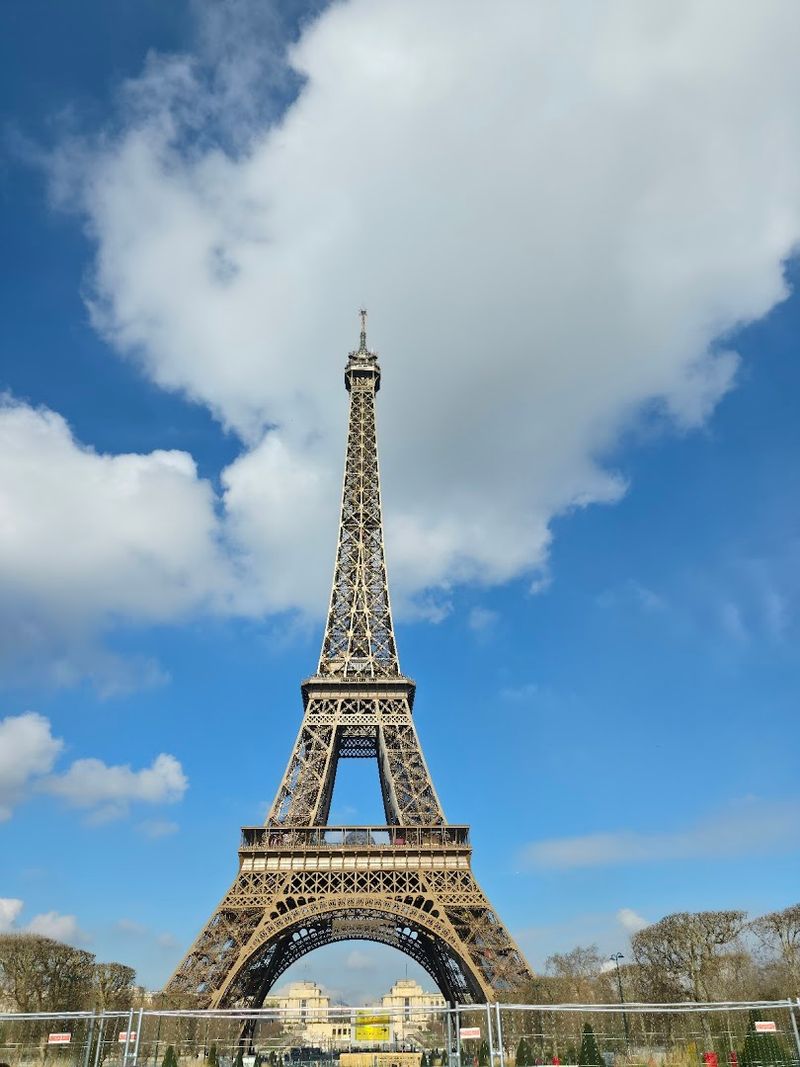
Yes, the Eiffel Tower is on every Paris postcard ever printed. Yes, you will share the experience with roughly ten thousand other tourists.
And yet, somehow, it still works.
The structure itself is a genuine engineering marvel from 1889, built as a temporary exhibition piece that was supposed to be torn down. Gustave Eiffel clearly had the last laugh.
Climbing to the second level and watching the Seine curve through the city below is a different experience entirely from viewing it from a park bench.
Prices vary depending on whether you take the lift or the stairs and which level you visit. The stairs option is cheaper and honestly more fun.
I went up on a clear evening, and the city spread out in every direction like a map come to life. Touristy or not, this one earns its place on the list without breaking a sweat.
The Alhambra, Granada – A Splurge That Feels Like Stepping Into Another World
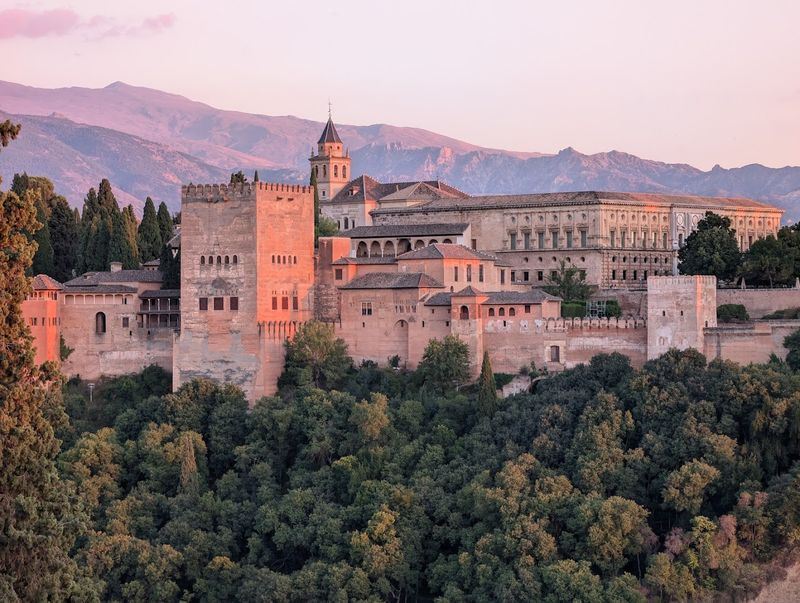
Booking the Alhambra requires actual planning, which already sets it apart from most tourist attractions. Tickets for the Nasrid Palaces sell out weeks in advance, and the official Patronato site is where you need to go.
Do not leave this one to chance.
Once you are inside, the effort immediately makes sense. The carved stucco walls, geometric tile floors, and courtyard fountains create something that feels less like a historical site and more like a puzzle box from another era.
Every surface has a pattern, and every pattern has a meaning.
The gardens of the Generalife add a completely different mood, green and quiet against the ornate palace interiors. The views over Granada from the walls are genuinely stunning.
Few places in Europe carry this level of cultural and artistic layering in a single visit. The ticket price genuinely does feel small compared to what you get.
Doge’s Palace, Venice – Pricey Venice, But With Serious Drama
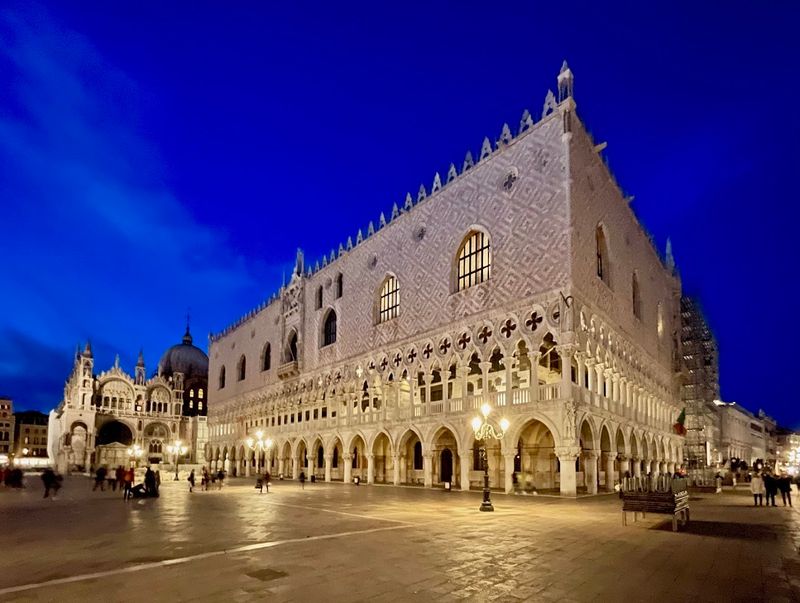
Venice has a talent for making your wallet lighter at every turn, and Doge’s Palace is another paid stop on the itinerary. But this one punches well above its price in terms of sheer historical drama.
The palace served as the seat of Venetian power for centuries, and every room reflects that ambition. The Grand Council Hall is enormous, lined with portraits of doges and capped by one of the largest oil paintings in the world.
The ceilings alone could keep you busy for an hour.
What really adds intrigue is the prison section and the Bridge of Sighs. Prisoners crossed that bridge on their way to the cells, catching their last glimpse of Venice through the stone lattice.
Morbid? Slightly.
Fascinating? Completely.
The museum ticket also covers several other Venetian museums, which makes the cost feel considerably more reasonable. This is history you can actually walk through.
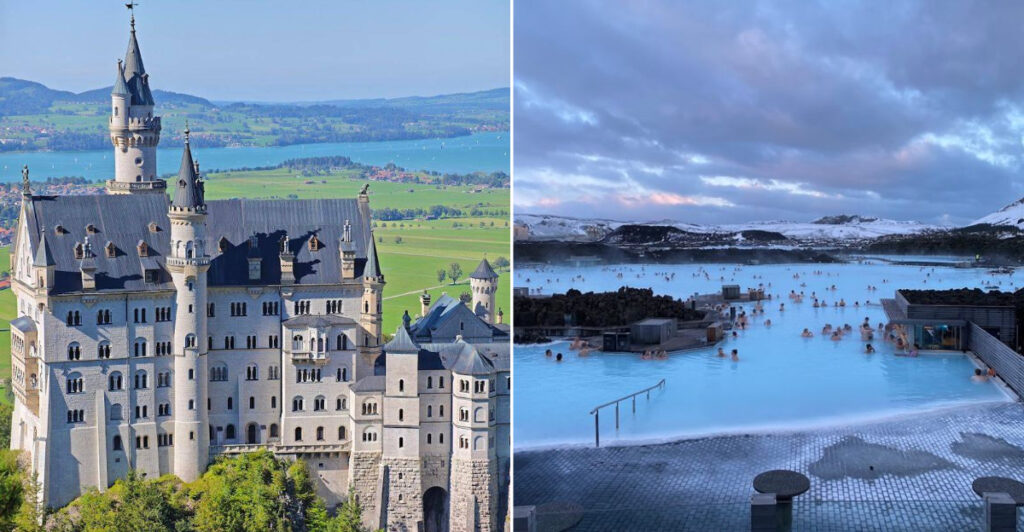
Blue Lagoon, Iceland – Touristy, But Still Beautifully Surreal
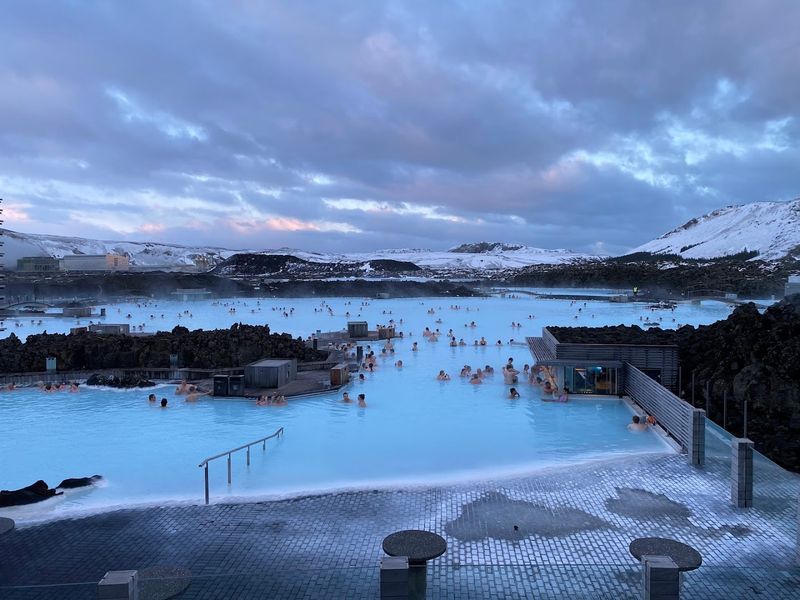
The Blue Lagoon gets a lot of criticism for being overpriced and overhyped, and some of that criticism is fair. But fair criticism and a bad experience are two different things entirely.
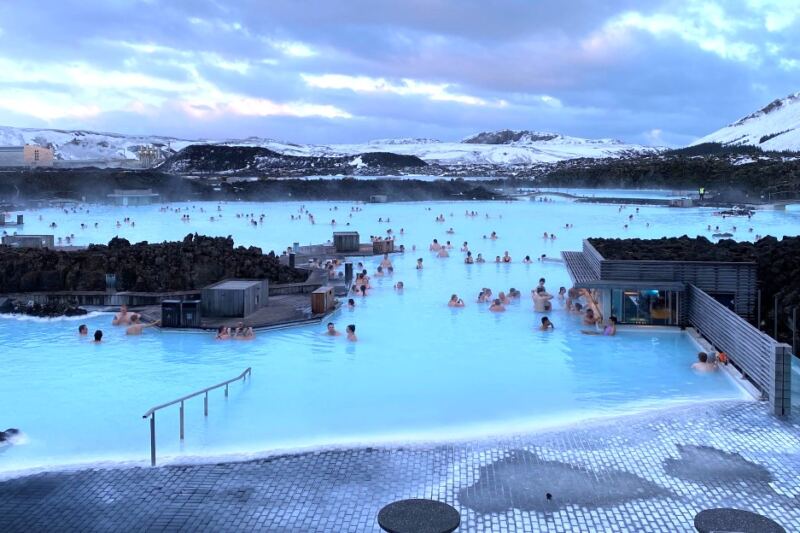
The water is a naturally occurring byproduct of the nearby Svartsengi geothermal power plant, which is either fascinating or slightly unsettling depending on your perspective. Either way, it is genuinely warm, mineral-rich, and that color is completely real.
The milky blue-white is caused by silica and algae, not Instagram filters.
The setting does most of the heavy lifting. Black lava fields surround the pool, steam drifts upward in the cold Icelandic air, and the whole scene looks like something from a science fiction film.
Book well in advance because it sells out constantly. Arrive early to beat the crowds.
I went on a grey morning and found it surprisingly peaceful. Worth it?
Honestly, yes.
Neuschwanstein Castle, Germany – Fairytale Crowds, Fairytale Payoff
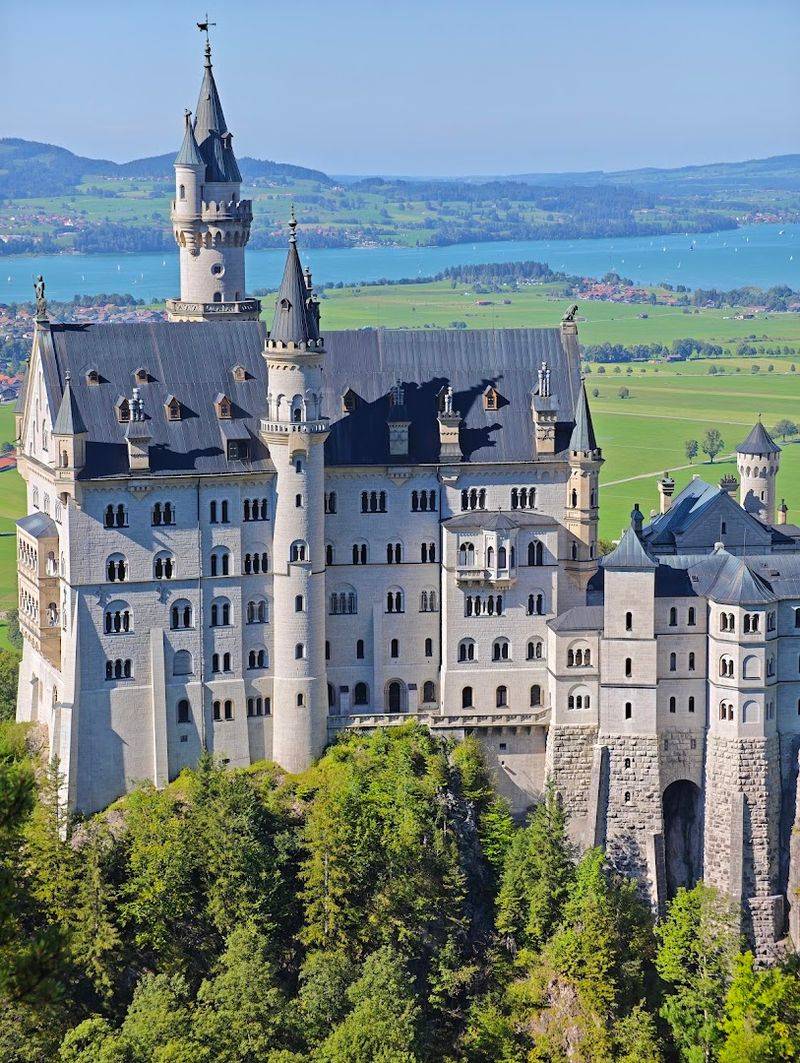
Neuschwanstein is the castle that Disney based Sleeping Beauty’s castle on, which tells you everything you need to know about how it looks in person. Built by King Ludwig II in the 19th century as a personal fantasy retreat, it was never meant to be practical.
It shows.
Getting there requires advance ticket booking, a bus or uphill walk, and some patience with the crowds. The guided interior tour moves quickly and covers the throne room, the artificial cave, and rooms painted with scenes from Wagner operas.
Ludwig had very specific taste.
The real payoff is the Marienbrucke viewpoint, a bridge above a gorge that gives you the classic full-castle shot. Standing there with the Bavarian hills rolling behind the white towers is the kind of view that makes the whole trip worthwhile.
Come early in the morning for smaller crowds. The fairytale label is completely earned.
Palace of Versailles, France – Big, Busy, and Still Magnificent
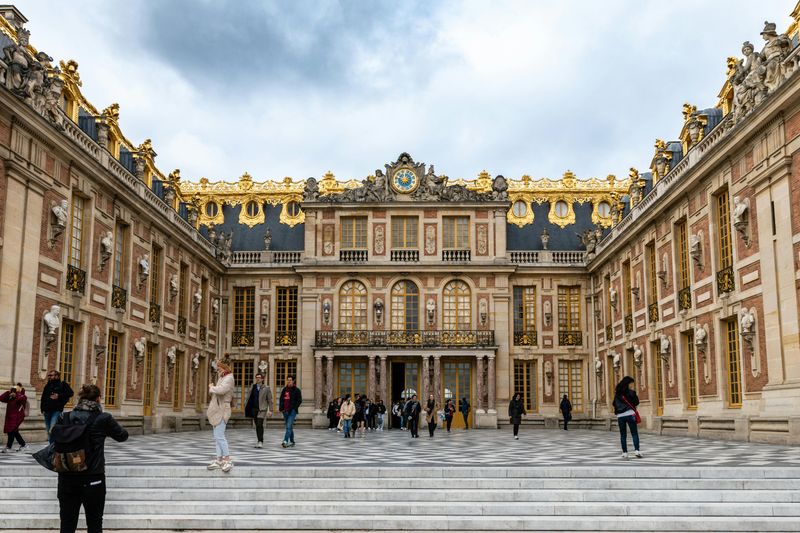
Versailles is not a subtle place. Louis XIV built it to project absolute power, and three centuries later it still does exactly that.
The scale is almost disorienting when you first step inside the Hall of Mirrors.
The hall runs 73 meters long and is lined with 357 mirrors reflecting the garden views on one side and the painted ceiling on the other. It sounds excessive because it is.
That is the whole point. French royal excess has never looked so organized and well-lit.
The gardens are free to wander on most days, covering 800 hectares of fountains, canals, and manicured hedges. The Grand Trianon and Petit Trianon add two more layers of royal history without requiring the main palace ticket.
Check the 2026 pricing updates on the official site before you go. A full day here is easy to fill and genuinely hard to forget.
Colosseum, Rome – Crowded, Complicated, But Absolutely Worth Seeing
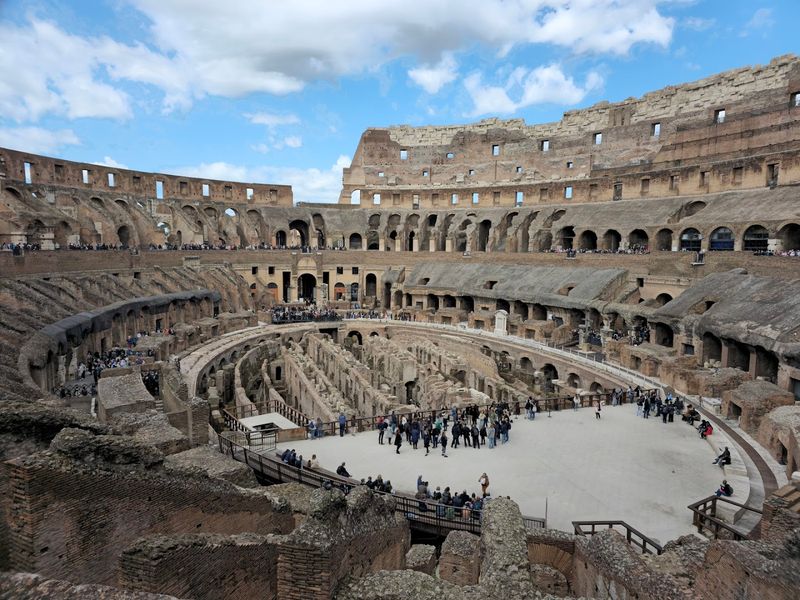
The Colosseum booking system has a reputation for being confusing, and that reputation is well-earned. Tickets often sell out, third-party sites charge extra fees, and the official archaeological park site is the safest place to start.
Sort this out before you arrive in Rome.
Once you are inside, the noise of the city fades and something genuinely different takes over. The Colosseum held up to 80,000 spectators and hosted gladiatorial combat, animal hunts, and public spectacles for centuries.
The underground hypogeum, where animals and fighters waited before entering the arena, is now included in some ticket tiers and is extraordinary to walk through.
Combining the ticket with the Roman Forum and Palatine Hill is the smart move. Together, they tell a story of a city that ran the world for hundreds of years.
Standing in the arena itself is one of those travel moments that simply does not lose its power.
Keukenhof, Netherlands – Seasonal, Short-Lived, and Spectacular
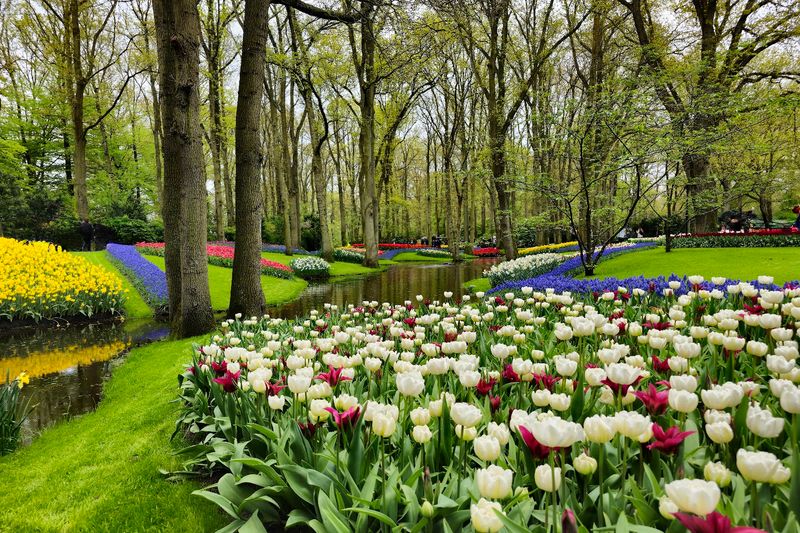
Keukenhof is only open for about eight weeks each year, which makes the decision to visit feel more weighted than usual. The 2026 season runs from March 19 to May 10, so planning around that window is essential.
Miss it and you wait another full year.
The park covers 32 hectares and displays around seven million flowering bulbs each season. That number sounds made up, but walking through the grounds makes it feel entirely believable.
Tulips, daffodils, hyacinths, and dozens of other varieties are arranged in color-coordinated displays that are genuinely impressive in their precision.
Beyond the flowers, there are windmills, a lake, a butterfly house, and themed garden sections that change annually. The crowds can be significant on weekends, so a Tuesday or Wednesday visit is worth planning for.
Buy tickets online before arriving because the gates can sell out on peak days. It is a short season for a good reason.
Plitvice Lakes National Park, Croatia – Not Cheap, But Nature Does the Work
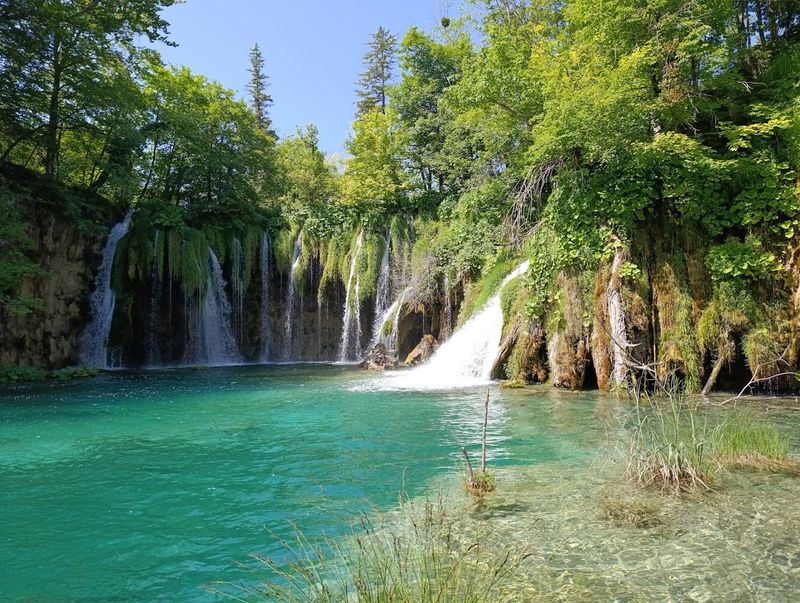
Plitvice Lakes has quietly become one of Croatia’s most visited sites, and the entrance fees have climbed accordingly. Prices vary by season, with summer being the most expensive window.
The official park site is the place to check current rates and opening hours before planning your visit.
The park covers 16 lakes connected by waterfalls and wooden boardwalks that run directly above the water. The color of the lakes shifts from turquoise to deep green depending on the light and mineral content, and no filter is needed to make it look extraordinary.
Different trail options let you cover more or less ground depending on your energy level. The upper lakes are quieter and less visited than the lower section.
Going in spring or autumn dramatically reduces the crowds while keeping the scenery at its best. This is the kind of place where the natural environment does all the work, and the ticket just gets you through the gate.
Edinburgh Castle, Scotland – A Classic That Still Delivers
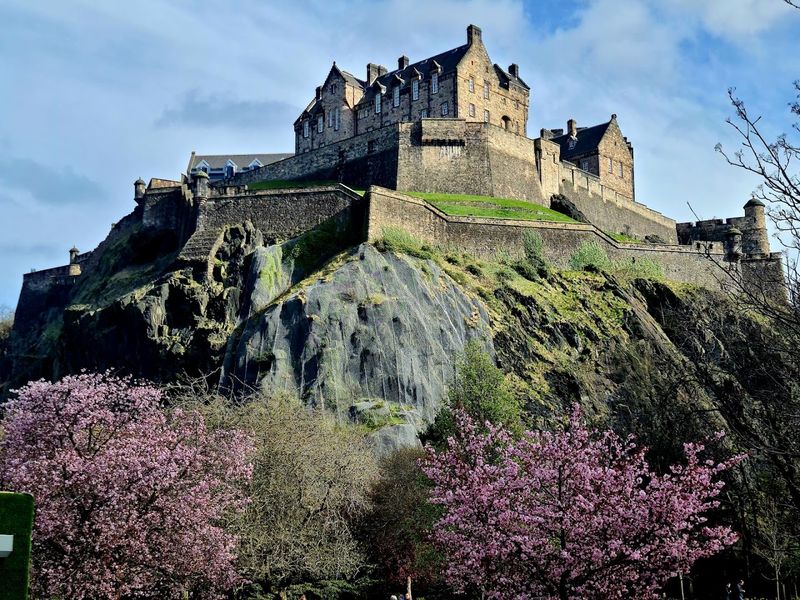
Edinburgh Castle sits on an ancient volcanic plug called Castle Rock, which means the views from the battlements are dramatic in every direction. The city spreads below you on all sides, and on a clear day you can see across to Fife.
Not bad for a Tuesday afternoon.
The castle has been a royal residence, a military garrison, and a prison at various points in its long history. Today it houses the Scottish Crown Jewels, the Stone of Destiny, and the National War Museum, all included in the ticket price.
That is a lot of history packed into one fortified hilltop.
Tickets can sell out in advance, especially during the Edinburgh Festival in August, so booking online early is genuinely recommended. The Royal Mile below the castle connects to Holyrood Palace and offers free exploring for hours.
For a city with so much going on, the castle still manages to be the headline act.
Share this story