Patagonia has a way of making modern life feel far away. Across southern Argentina and Chile, glaciers, mountain valleys, turquoise lakes, and empty stretches of wilderness replace traffic, schedules, and crowded tourist stops.
While many travelers stick to the famous landmarks, some of the region’s best places sit farther off the main route. The destinations on this list include remote villages, hidden trails, marble caves, and quiet landscapes where nature still completely controls the pace.
1. Marble Caves
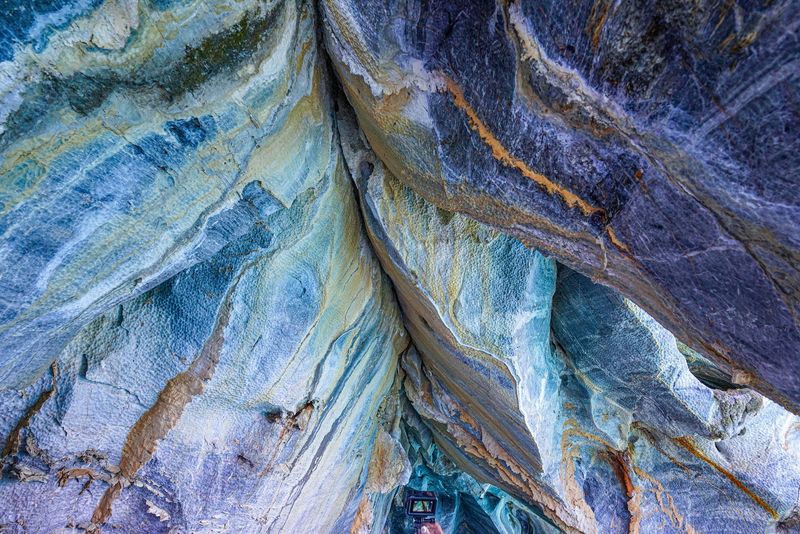
Nature apparently decided regular caves were too boring and upgraded these with swirling blue patterns that look hand-painted. The Marble Caves on General Carrera Lake sit along the Chilean side of Patagonia and remain one of the region’s most unusual geological surprises.
These formations developed over thousands of years as lake water gradually carved tunnels and chambers through massive marble deposits. Boat captains navigate visitors through arches and narrow passages where the changing color of the water transforms the cave walls throughout the day.
Depending on the season and sunlight, the marble shifts between deep turquoise, pale gray, and electric blue tones that seem almost fake in photographs.
Reaching the caves requires commitment. Travelers often drive long stretches of the Carretera Austral, Patagonia’s legendary highway known for gravel roads, dramatic scenery, and the occasional reminder that suspension systems deserve respect.
That long journey keeps the crowds relatively small compared with more accessible natural attractions.
2. Torres del Paine’s Silent Corners
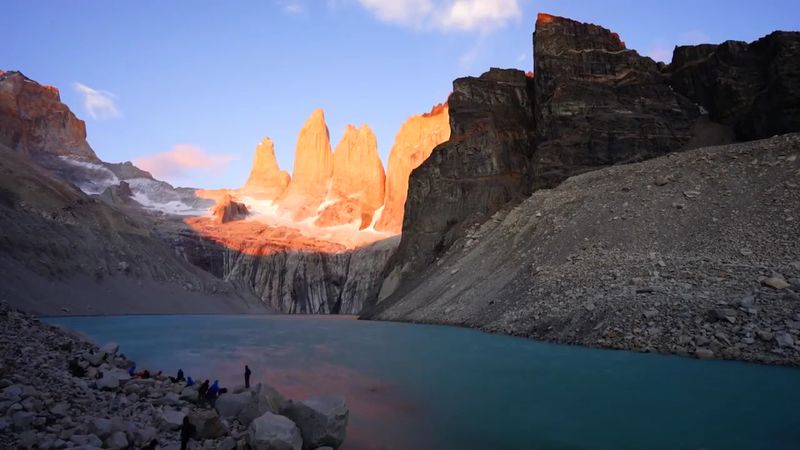
Postcards may focus on the famous granite towers, but Patagonia’s most celebrated national park hides quieter sections that many visitors completely overlook. Torres del Paine receives global attention for good reason, yet beyond the classic trekking routes lies a surprising amount of open wilderness where the crowds thin dramatically.
The western side of the park offers one of the best examples. Areas near Lago Grey and the less-traveled trails toward the park’s interior provide stretches where hikers can spend hours encountering more guanacos than people.
Condors circle overhead, foxes wander near campsites with suspicious confidence, and the weather continues its long-running tradition of changing without notice.
Certain routes reward travelers willing to move beyond the famous “W Trek.” The Lazo-Weber trail, for instance, passes through quieter grasslands and forested sections while offering broad views of the Paine Massif. These paths lack the social-media fame of the park’s marquee routes, which makes them significantly more peaceful.
Accommodation also becomes more rustic away from the central tourist zones. Small refugios and remote campsites replace the busier hubs where trekking groups gather every evening comparing blisters and weather complaints.
3. El Chaltén’s Hidden Trails
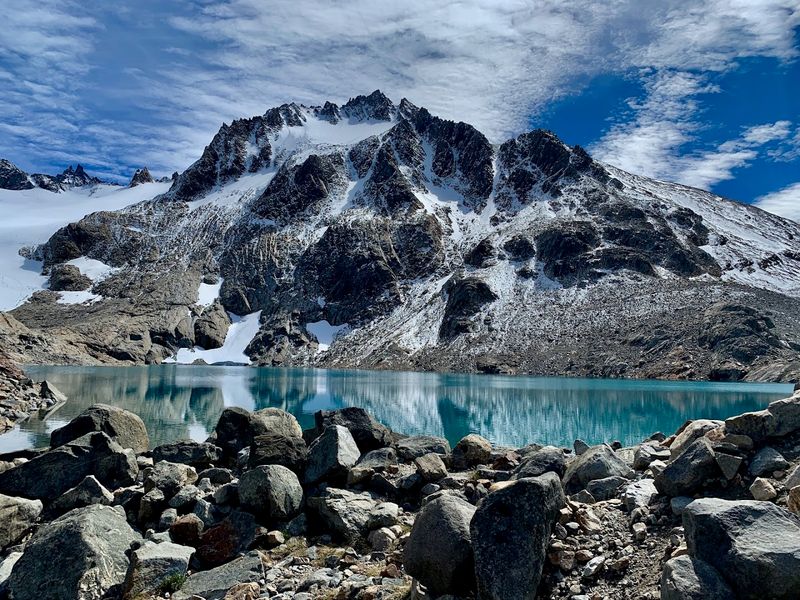
Most visitors arrive in El Chaltén with a single mission: photograph Mount Fitz Roy and pretend they casually hike through landscapes worthy of a fantasy movie. Yet just beyond the famous day hikes sits a network of lesser-known trails that reveal a quieter side of Argentina’s trekking capital.
Laguna de los Tres attracts crowds before sunrise, but routes like Loma del Pliegue Tumbado and Piedra del Fraile offer something equally valuable: elbow room. These hikes pass through forests, open valleys, and glacier viewpoints without requiring hikers to line up behind fifty other people taking identical photos.
The town itself remains refreshingly compact. Dirt roads, small bakeries, and gear shops dominate the layout, while stray dogs roam around like unofficial tourism ambassadors.
Despite its growing popularity, El Chaltén still feels far removed from polished resort destinations.
One overlooked area lies near the Río Eléctrico valley, where trails lead toward remote glaciers and mountain passes that see a fraction of the foot traffic found on the headline routes. Campers willing to stay overnight gain access to remarkable sunrise views without the pre-dawn crowd migration.
4. Cochamó Valley
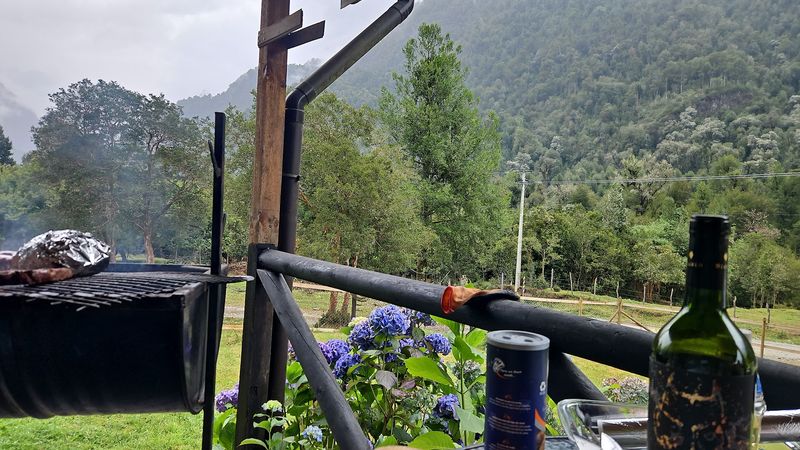
Granite walls taller than skyscrapers steal the spotlight in Cochamó Valley, a place often called the “Yosemite of South America” by climbers who cannot stop talking about it afterward. Unlike major national parks packed with shuttle buses and snack kiosks, this Chilean valley still operates on Patagonia’s preferred system: dirt trails, horses carrying supplies, and weather that ignores your carefully planned itinerary.
The trek into the valley takes several hours, which conveniently filters out anyone expecting escalators or souvenir magnets. Once there, visitors find broad meadows, rivers cold enough to make you rethink life choices, and campsites tucked beneath towering rock formations.
Climbers arrive for routes on granite domes that remain far less commercialized than famous climbing destinations elsewhere in the world.
At night, the lack of artificial light becomes its own attraction. The stars handle all the entertainment here, and frankly, they do a pretty good job.
5. Tierra del Fuego National Park
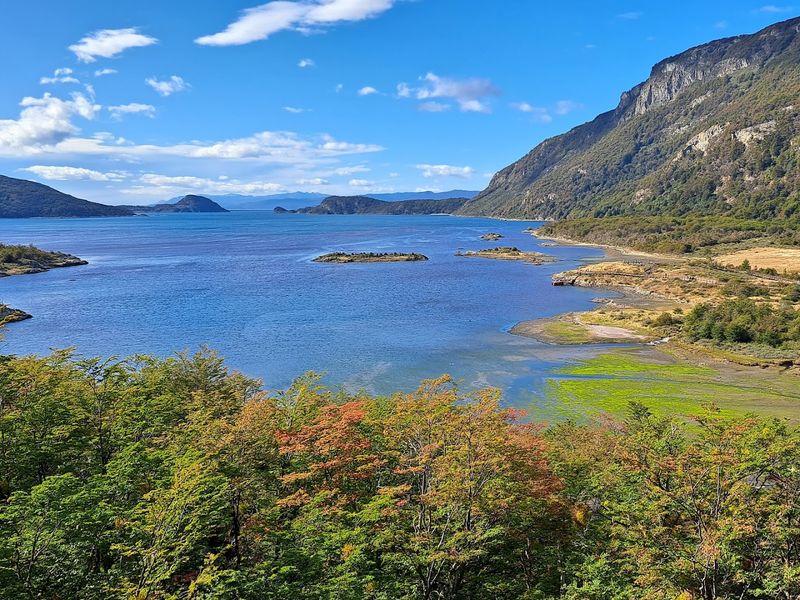
The southern end of the continent feels appropriately dramatic. Tierra del Fuego National Park sits near Ushuaia, the city proudly marketing itself as the “End of the World,” though thankfully civilization continues slightly beyond the souvenir shops.
Inside the park, dense forests, mountains, peat bogs, and rocky coastlines create landscapes that feel isolated even when visitors are only a short drive from town. The terrain shifts constantly, giving the impression that Patagonia could not decide on one scenery style and simply kept all of them.
Several trails remain lightly traveled compared with the more famous routes near Ushuaia. The Senda Costera, which follows the Beagle Channel, delivers coastal views alongside stretches of forest where woodpeckers and foxes frequently appear.
Further inland, routes near Laguna Negra and Guanaco Pass offer broader solitude and a stronger sense of wilderness.
The park also carries a fascinating historical layer. Indigenous Yaghan communities once navigated these harsh environments long before European explorers arrived with maps and dramatic diary entries.
Remnants of older settlements and abandoned infrastructure occasionally appear along trails, quietly reminding visitors that this region has always demanded resilience.
6. Pumalín Douglas Tompkins National Park
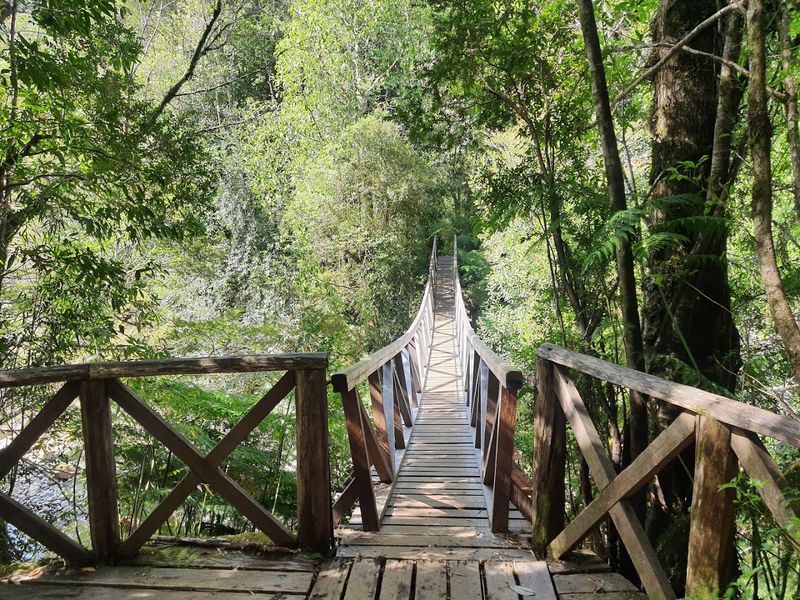
An American conservationist helping preserve massive sections of Chilean wilderness sounds like the setup for a very niche documentary, yet Pumalín Douglas Tompkins National Park became one of Patagonia’s greatest conservation success stories.
The park stretches across enormous sections of temperate rainforest, volcanoes, waterfalls, and fjords in northern Patagonia. Dense forests filled with ancient alerce trees dominate much of the landscape, creating hiking routes that feel genuinely untouched rather than carefully curated for tourism brochures.
Unlike heavily commercialized parks, Pumalín maintains a low-key atmosphere. Small campgrounds and modest visitor facilities exist, but the surrounding wilderness clearly remains the main character.
Travelers often spend days here hiking volcanic trails, exploring hidden lakes, or driving isolated sections of the Carretera Austral where traffic counts remain wonderfully low.
The Chaitén Volcano eruption in 2008 reshaped parts of the region and temporarily disrupted nearby communities, yet recovery efforts helped reinforce the area’s commitment to environmental protection. Today, visitors benefit from well-maintained trails without sacrificing the feeling of remoteness.
7. Puerto Edén
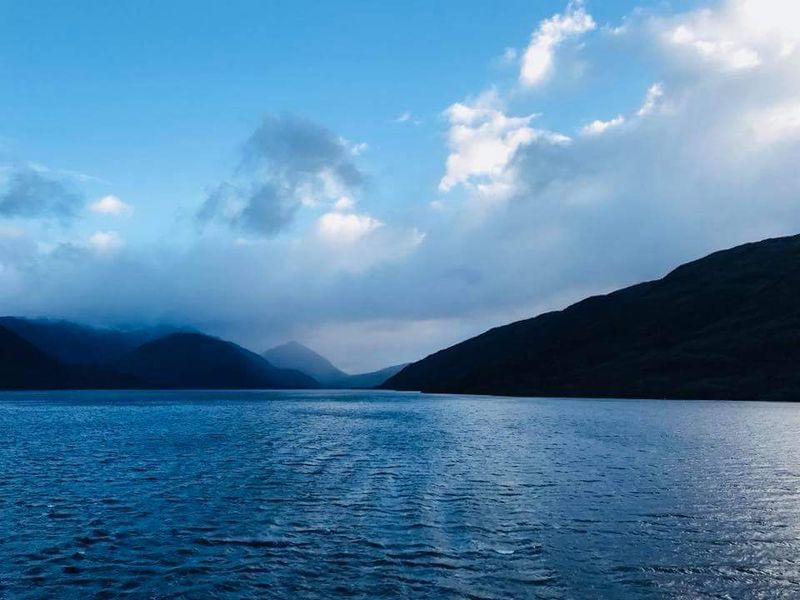
A village with fewer than a hundred residents sounds fictional in the modern world, yet Puerto Edén quietly exists along Chile’s remote Pacific channels. Accessible mainly by boat, this isolated settlement on Wellington Island feels disconnected from nearly everything except weather systems and fishing routes.
Wooden walkways serve as the town’s primary streets because the surrounding terrain leaves little room for conventional roads. Houses perch along steep hillsides while boats remain the community’s lifeline for supplies, transportation, and communication with larger towns hundreds of miles away.
Puerto Edén also holds deep historical importance as one of the last communities connected to the Kawésqar people, Indigenous nomadic canoe travelers who navigated Patagonia’s channels for generations. Their history remains tightly woven into the identity of the area, giving visitors insight into a way of life shaped entirely by remote coastal geography.
Tourism exists here, though in very small doses. Travelers arriving by ferry or expedition ship usually spend time exploring the boardwalks, speaking with locals, and observing daily life in one of Patagonia’s most isolated settlements.
Fancy attractions are notably absent, which is exactly the point.
8. Cerro Castillo
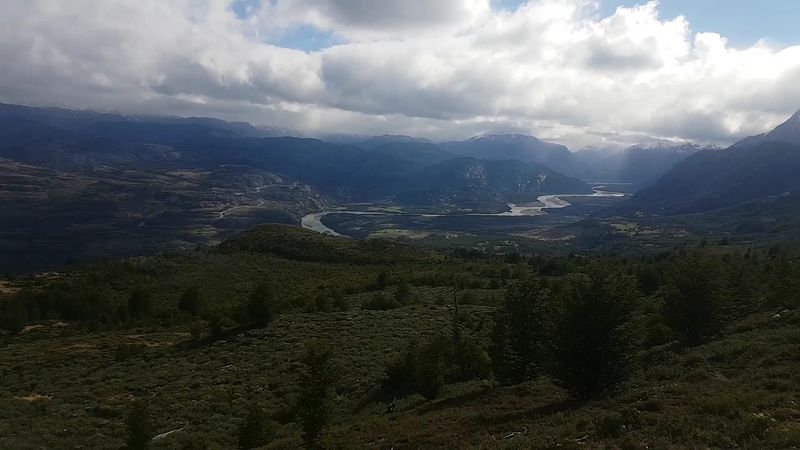
Jagged peaks rise above turquoise lakes in Cerro Castillo National Park, yet somehow this place still escapes the international fame enjoyed by Patagonia’s larger-name destinations. That relative anonymity works out nicely for travelers who prefer mountain views without a crowd of selfie sticks entering every photograph.
The park sits along Chile’s Carretera Austral and offers some of Patagonia’s best multi-day trekking routes. The circuit through Cerro Castillo passes forests, rivers, hanging glaciers, and rocky mountain terrain that feels dramatically wild from start to finish.
One of the biggest surprises is how accessible the scenery remains despite the park’s remote reputation. Day hikes near Laguna Cerro Castillo provide outstanding mountain views for travelers not attempting the full circuit.
Meanwhile, experienced hikers tackle longer routes that cross isolated valleys where encounters with other groups remain surprisingly rare.
Nearby villages operate with minimal tourist polish. Small guesthouses, local restaurants, and hiking outfitters support visitors without transforming the region into a commercial tourism hub.
Conversations here often revolve around trail conditions, weather forecasts, and whose tent nearly achieved flight during the previous night’s windstorm.
9. Valle Exploradores
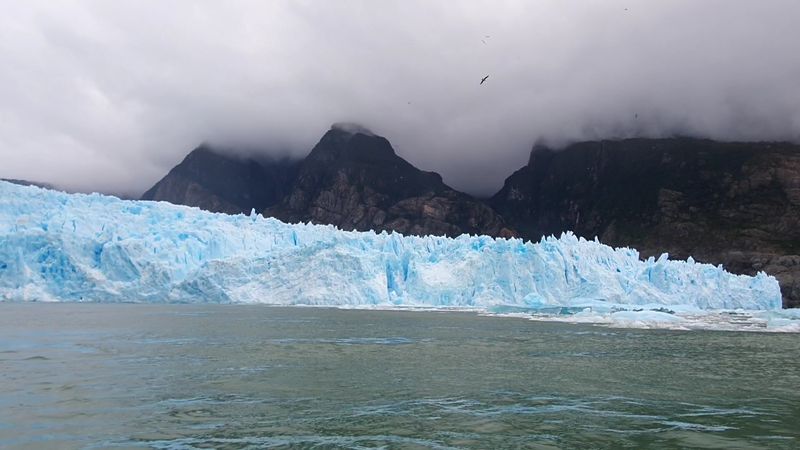
Road signs become increasingly rare on the route toward Valle Exploradores, which is usually an encouraging sign in Patagonia. This isolated valley near Chile’s Northern Ice Field offers glaciers, forests, and rivers without the crowds attached to more famous destinations.
The drive itself becomes part of the adventure. Gravel roads wind through dense greenery and mountain scenery before eventually reaching viewpoints overlooking Exploradores Glacier.
Travelers frequently stop along the way simply because the landscape refuses to allow efficient progress.
Boat tours and guided hikes provide closer access to the glacier, though the valley never feels heavily commercialized. Small lodges and campgrounds remain scattered throughout the region, preserving its low-key atmosphere.
One particularly fascinating detail involves the glacier’s appearance. Unlike the brilliant white ice many travelers expect, sections of Exploradores Glacier contain darker streaks caused by volcanic sediment and rock deposits carried over time.
The result looks dramatically different from Patagonia’s better-known glaciers.
10. Cape Froward
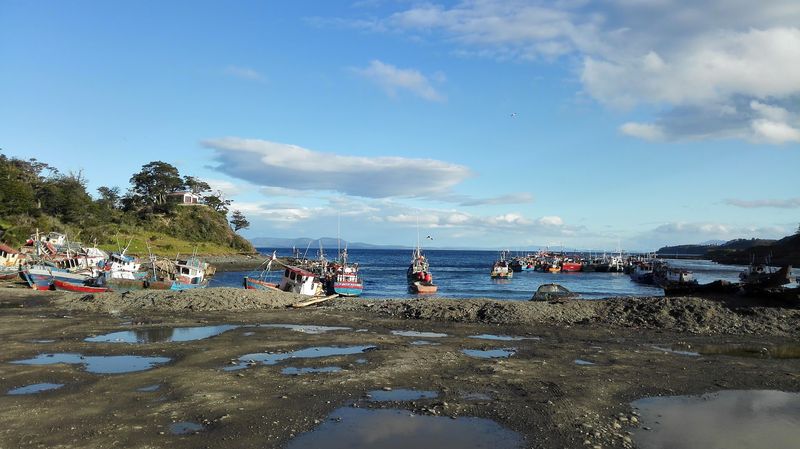
South America ends with remarkable confidence at Cape Froward, the continent’s southernmost mainland point. Reaching it requires effort, determination, and a willingness to hike through mud that occasionally behaves like a practical joke.
Located along the Strait of Magellan, this remote cape remains one of Patagonia’s least-visited landmarks. The multi-day trek passes coastal forests, open beaches, and isolated campsites before arriving at the massive cross marking the cape itself.
Crowds are almost nonexistent compared with famous Patagonian trekking circuits. Weather conditions alone discourage casual visitors.
Strong winds, rain, and unpredictable trail conditions regularly complicate the journey, which only adds to the sense of accomplishment upon arrival.
The route’s isolation creates a powerful contrast with more commercial adventure destinations. There are no snack stands, shuttle services, or conveniently timed photo opportunities.
Travelers must carry supplies, navigate changing conditions, and accept that Patagonia rarely hands out easy victories.
11. Lago O’Higgins
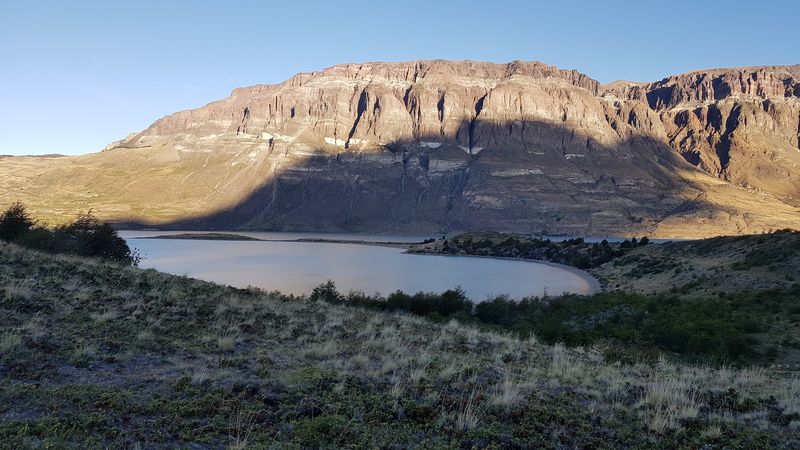
Few lakes commit to dramatic scenery quite like Lago O’Higgins. Shared by Chile and Argentina, this enormous glacial lake glows with striking blue water framed by mountains, ice fields, and long stretches of near-total isolation.
The Chilean side remains particularly remote. Villa O’Higgins, the small settlement near the lake, effectively marks the southern end of the Carretera Austral.
Reaching it already feels like an achievement before any sightseeing even begins.
Boat trips across the lake reveal towering glaciers descending directly into the water, including the impressive O’Higgins Glacier. Icebergs drift through sections of the lake while steep cliffs and dense forests line the shoreline.
Despite the extraordinary scenery, visitor numbers remain relatively low due to the region’s difficult access.
Travelers arriving here quickly notice how limited the infrastructure remains. Accommodations are modest, transportation schedules depend heavily on weather, and the pace of life feels entirely disconnected from urban routines.
Oddly enough, that lack of convenience becomes part of the attraction.
12. Karukinka Natural Park
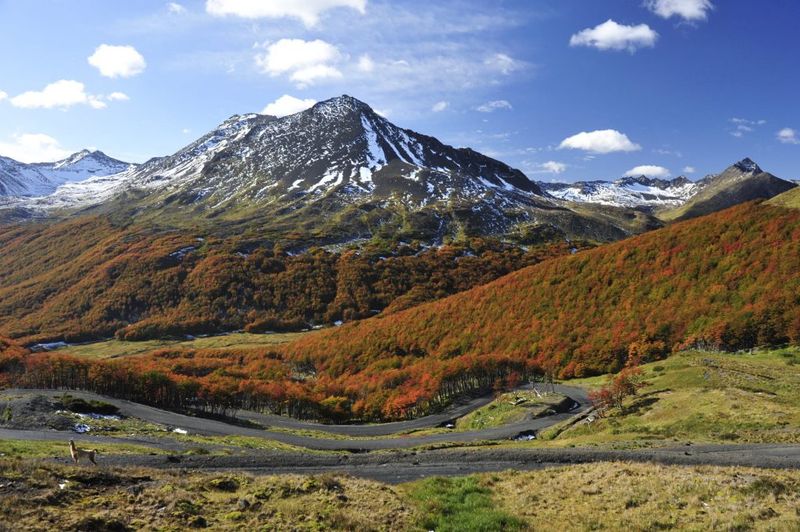
A former logging area transforming into a massive conservation project sounds like an impressive plot twist, and Karukinka Natural Park delivers exactly that. Covering nearly one million acres in Tierra del Fuego, this protected region preserves forests, peatlands, rivers, and wildlife habitats across southern Chile.
Unlike more established national parks, Karukinka remains largely undeveloped. Visitors encounter rough roads, remote trails, and long stretches where human activity fades almost completely into the background.
The absence of major infrastructure helps preserve the area’s genuinely wild character.
Wildlife thrives here. Guanacos move across open landscapes, foxes patrol forest edges, and birdwatchers regularly spot condors and black-necked swans.
The park also protects extensive carbon-rich peat bogs, ecosystems increasingly recognized for their environmental importance.
Fishing enthusiasts visit for the rivers, while hikers and overlanders explore the isolated terrain by vehicle and foot. Weather conditions remain famously unpredictable, adding extra challenge to travel plans that already require careful preparation.
Karukinka’s conservation history also deserves attention. After years of industrial use, environmental organizations worked to restore and protect the region rather than allowing large-scale development to continue.
The result feels remarkably untouched considering its past.
Share this story