 Unearth The Voyage
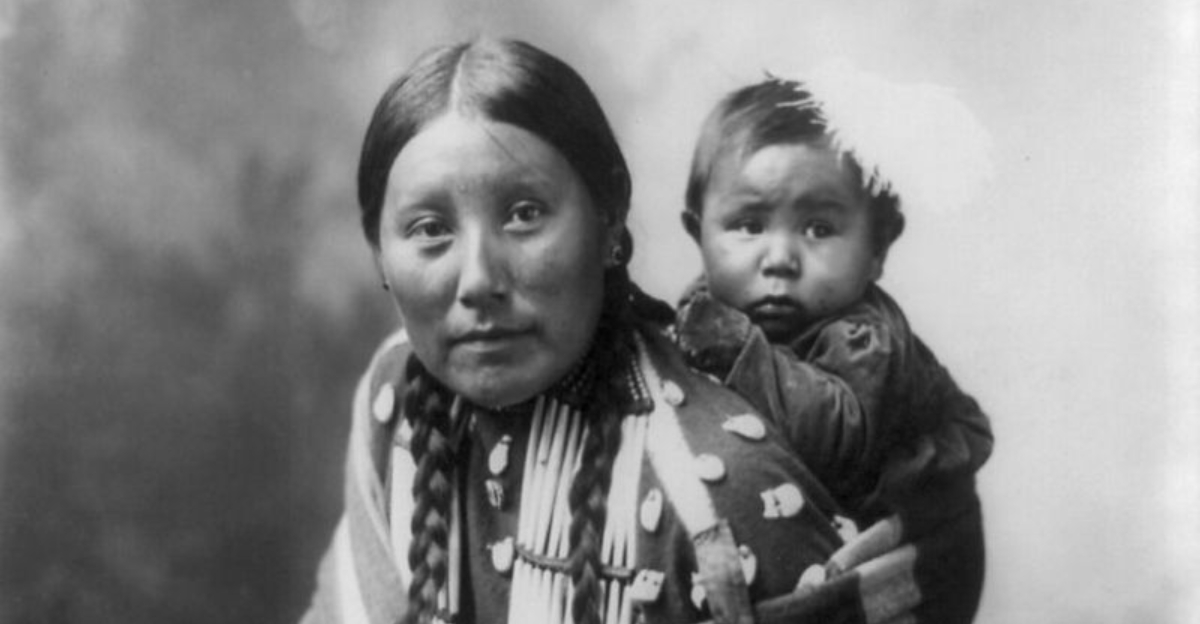
Throughout history, Native American tribes built powerful nations, sophisticated governments, and rich cultures long before European settlers arrived. From the forests of the Northeast to the open plains of the West, these tribes shaped the land and left legacies that still matter today.
Their stories are ones of strength, resilience, and remarkable achievement. Learning about these tribes helps us understand a deeper, fuller picture of American history.
1. Iroquois Confederacy (Haudenosaunee)
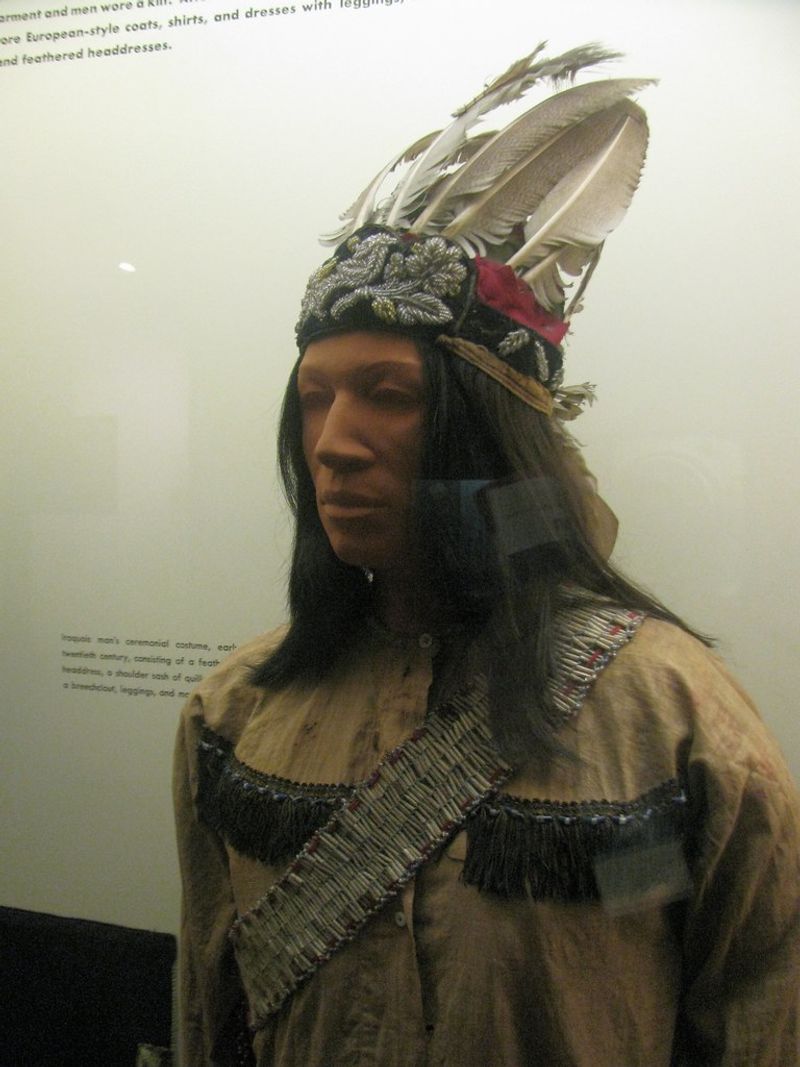
Long before the United States had a constitution, the Iroquois Confederacy had already built one of the most advanced political systems in the world. Known as the Haudenosaunee, meaning “People of the Longhouse,” this alliance united six nations: the Mohawk, Oneida, Onondaga, Cayuga, Seneca, and later the Tuscarora.
Their Great Law of Peace outlined rules for decision-making, conflict resolution, and shared governance. Many historians believe this system influenced the framers of the U.S.
Constitution. That connection alone makes the Iroquois Confederacy one of the most historically significant political bodies in North American history.
Militarily, they dominated the Northeast for centuries, controlling vast trade networks and pushing back rival nations. Their legacy lives on through ongoing tribal nations and cultural traditions that remain strong to this day.
2. Comanche
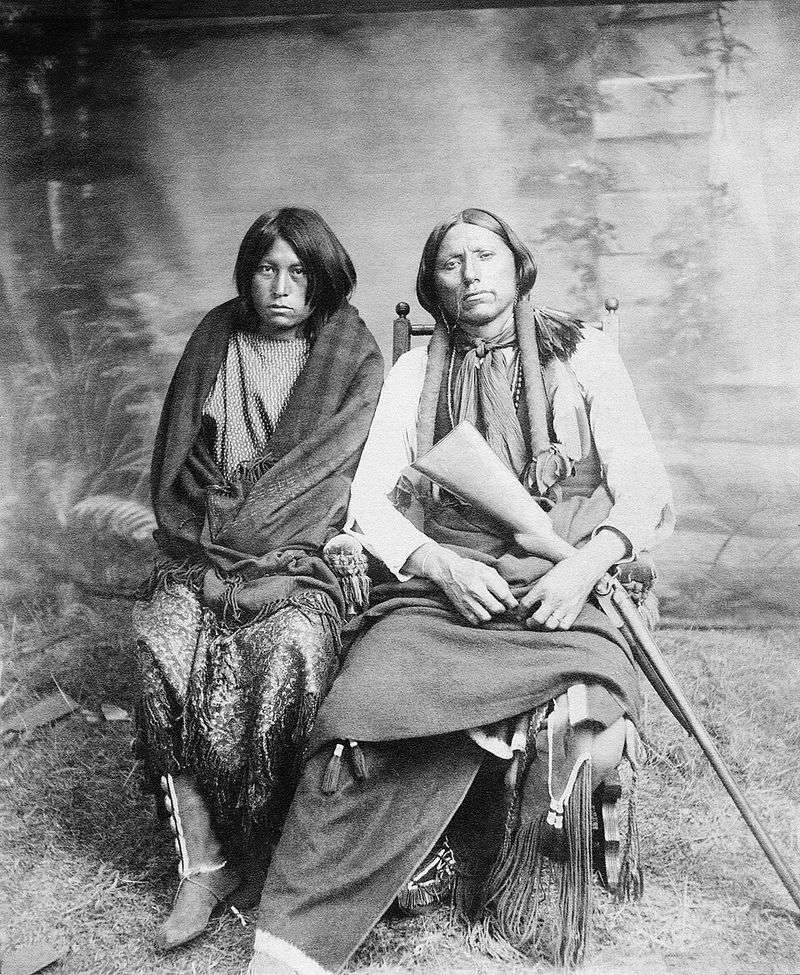
No tribe in history mastered the horse quite like the Comanche. After acquiring horses from Spanish settlers in the late 1600s, they transformed almost overnight into the most dominant force on the Southern Plains.
They earned the title “Lords of the Plains” through sheer skill, speed, and military brilliance.
At their peak, the Comanche Empire, sometimes called Comancheria, stretched across present-day Texas, Oklahoma, Kansas, Colorado, and New Mexico. They controlled trade routes, raided rival groups, and kept both Spanish and American forces at bay for generations.
Their horsemanship was legendary. Comanche warriors could fire arrows at full gallop with remarkable accuracy, a skill that stunned even experienced military opponents.
It was not until the 1870s, after the deliberate destruction of the buffalo herds, that the U.S. Army was finally able to subdue them.
3. Sioux (Lakota, Dakota, Nakota)
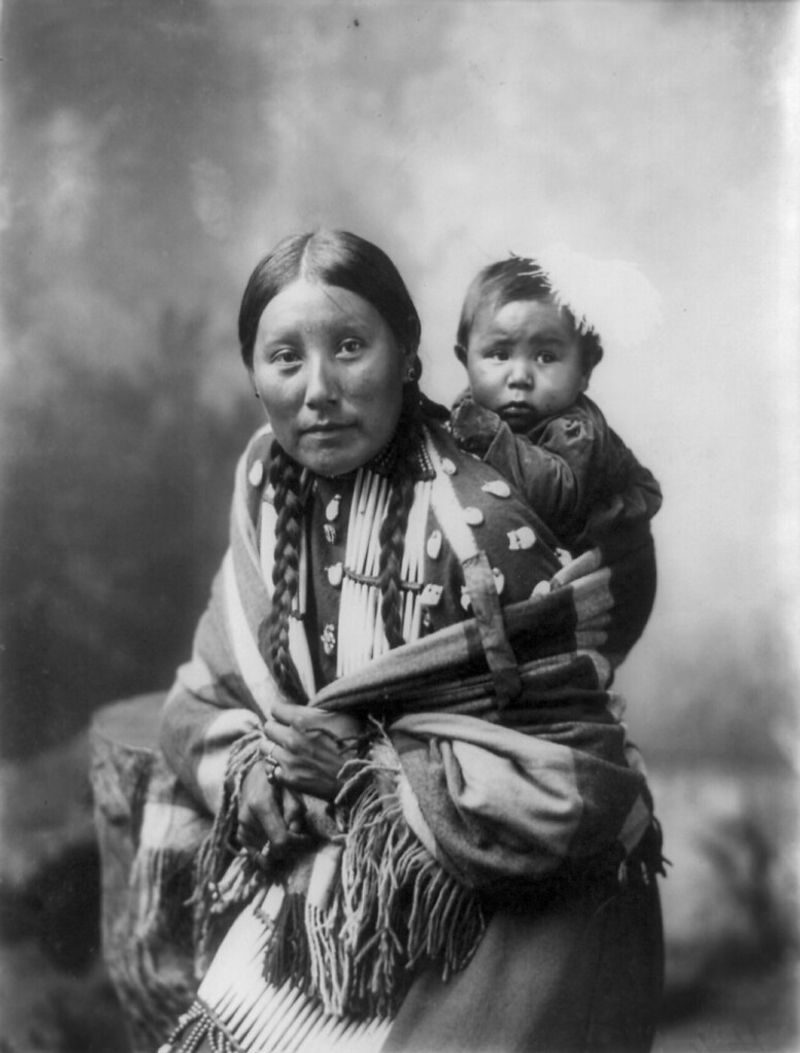
Few names in American history carry as much weight as the Sioux. Made up of three related groups, the Lakota, Dakota, and Nakota, the Sioux Nation controlled enormous stretches of the Northern Plains.
They were skilled hunters, fierce warriors, and deeply spiritual people with rich traditions tied to the land.
Their resistance to U.S. expansion became legendary. In 1876, Lakota and Cheyenne warriors, led by Sitting Bull and Crazy Horse, defeated Lieutenant Colonel George Custer at the Battle of Little Bighorn.
It remains one of the most famous Native American military victories in history.
The Sioux also fought to protect the sacred Black Hills, land they believed was given to them by the Creator. Their story is one of fierce pride and heartbreaking loss, and the Sioux Nation continues to advocate for their rights and sovereignty today.
4. Apache
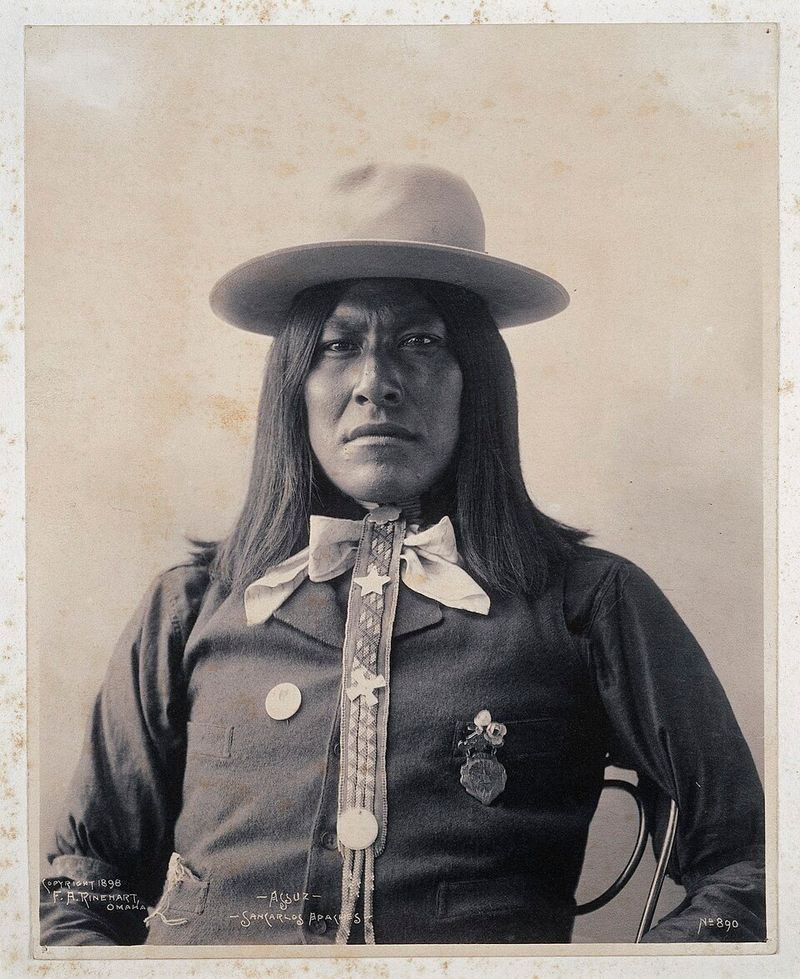
Mention the Apache, and one word comes to mind: relentless. For more than three centuries, Apache warriors resisted Spanish, Mexican, and American forces using guerrilla tactics that frustrated even the most experienced military commanders.
They knew the land intimately, using mountains, deserts, and canyons to their advantage.
The Apache were not a single tribe but a collection of related groups, including the Chiricahua, Mescalero, Jicarilla, and Western Apache. Each group had its own leaders, traditions, and territories spread across the American Southwest and northern Mexico.
Geronimo, perhaps the most famous Apache leader, led one of the longest resistance campaigns in U.S. history. He evaded thousands of U.S. and Mexican troops for years before finally surrendering in 1886.
His name became synonymous with defiance, courage, and the refusal to accept defeat without an extraordinary fight.
5. Cherokee
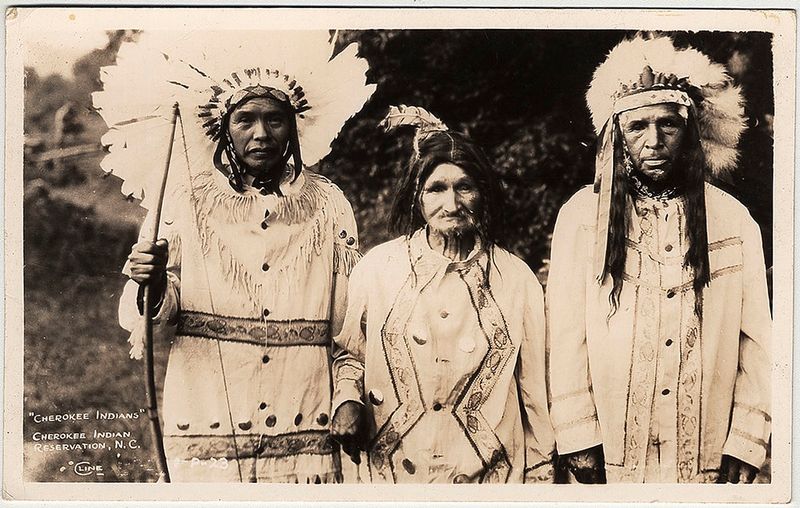
The Cherokee Nation stands out as one of the most organized and culturally sophisticated tribes in American history. By the early 1800s, they had developed a written language thanks to the brilliant work of Sequoyah, who created the Cherokee syllabary around 1821.
That single achievement gave the Cherokee a written voice unlike almost any other tribe.
They established a formal constitution, a bicameral legislature, and a supreme court, modeling aspects of American democratic government. Their newspaper, the Cherokee Phoenix, became one of the first Native American newspapers ever published.
Despite these achievements, the U.S. government forced them off their ancestral lands in the 1830s during the brutal forced removal known as the Trail of Tears. Thousands died along the journey westward.
Their story is both a testament to cultural strength and a painful reminder of the injustices Native peoples endured during American expansion.
6. Navajo (Dine)
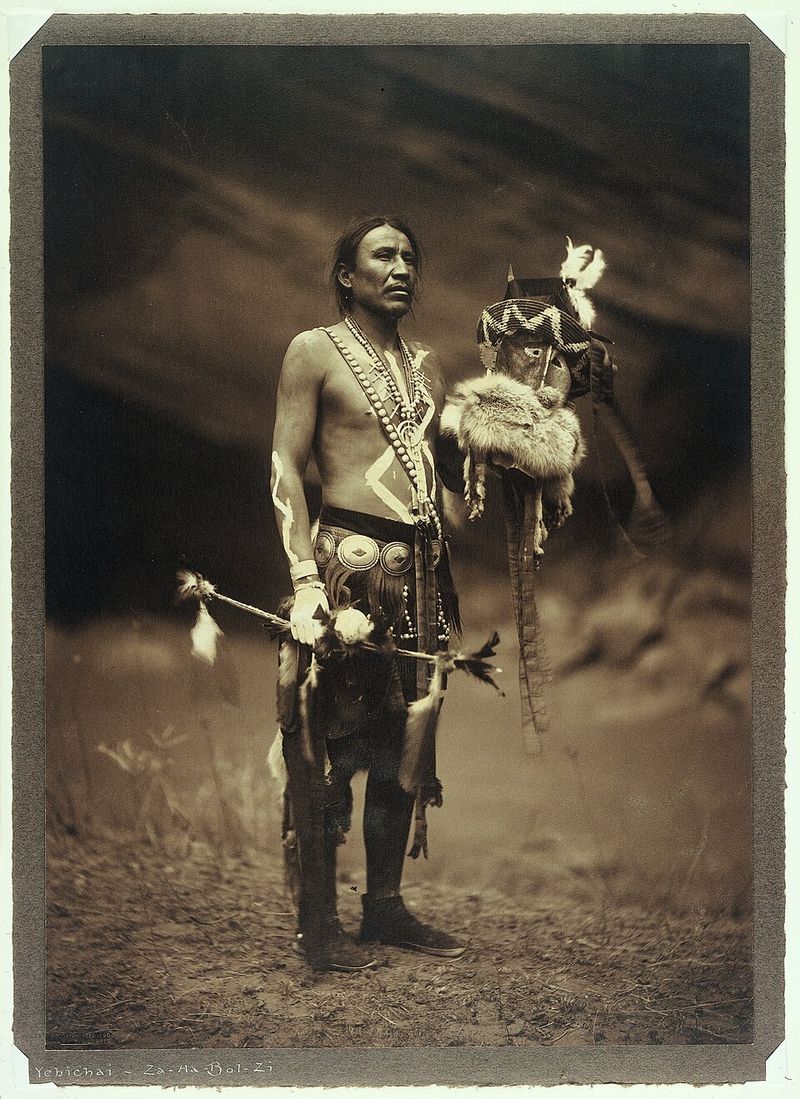
Today the largest federally recognized tribe in the United States, the Navajo Nation covers roughly 17.5 million acres across Arizona, New Mexico, and Utah. But their history stretches back far beyond modern borders.
The Navajo, who call themselves Dine, meaning “the People,” built a culture rooted in trade, agriculture, weaving, and deep spiritual connection to the land.
Their resilience was tested severely during the Long Walk of 1864, when the U.S. Army forced approximately 10,000 Navajo people to march hundreds of miles to a reservation called Bosque Redondo.
The experience was devastating, but the Navajo eventually won the right to return home in 1868.
During World War II, Navajo Code Talkers used their language to create an unbreakable military code that helped the Allied forces communicate securely. Their contribution to the war effort is one of the proudest chapters in Navajo history.
7. Seminole
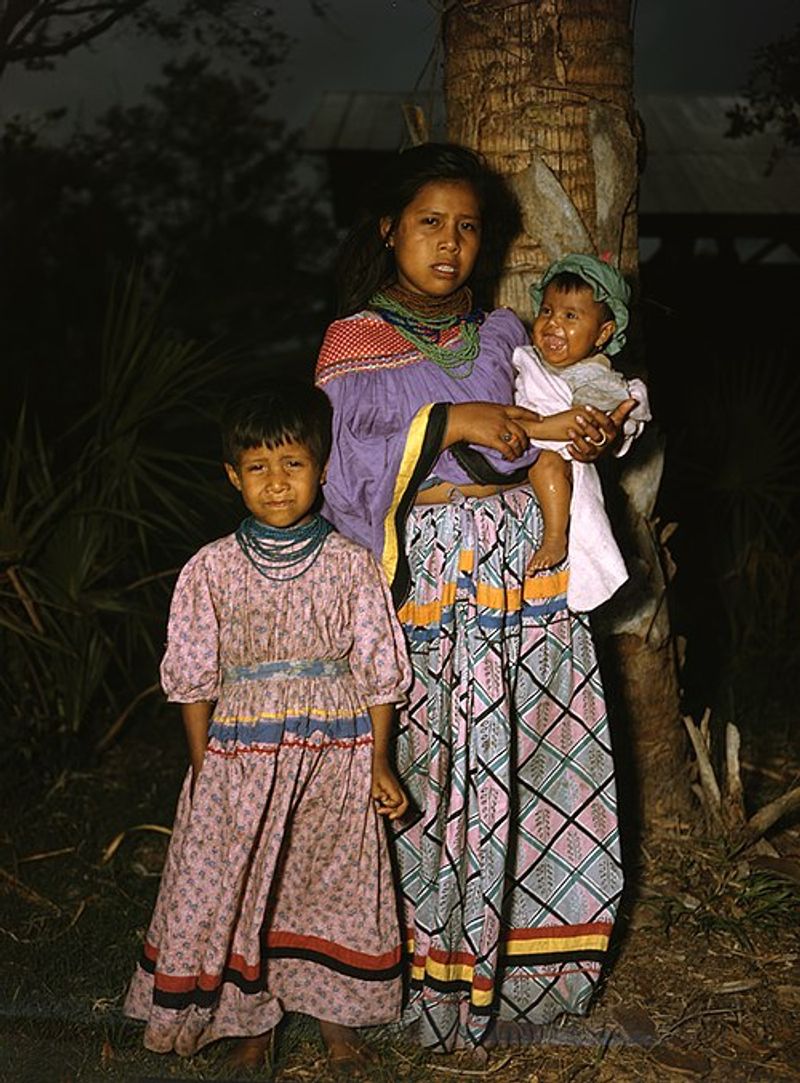
Ask most historians which tribe never formally surrendered to the United States, and the answer is the Seminole. That fact alone sets them apart from nearly every other tribe in American history.
The Seminole of Florida waged three separate wars against the U.S. government between 1817 and 1858, and they were never fully defeated.
Originally made up of Creek migrants and formerly enslaved Africans who found refuge in Florida, the Seminole became a diverse and resilient people. Leaders like Osceola became national symbols of resistance, drawing admiration even from some Americans who disagreed with the government’s removal policies.
Rather than surrendering, a small group retreated deep into the Everglades, where they survived on their own terms. Their descendants, the Seminole Tribe of Florida and the Miccosukee Tribe, carry that spirit of independence forward.
Their motto, “The Unconquered,” is not just a slogan. It is a fact of history.
8. Creek (Muscogee)
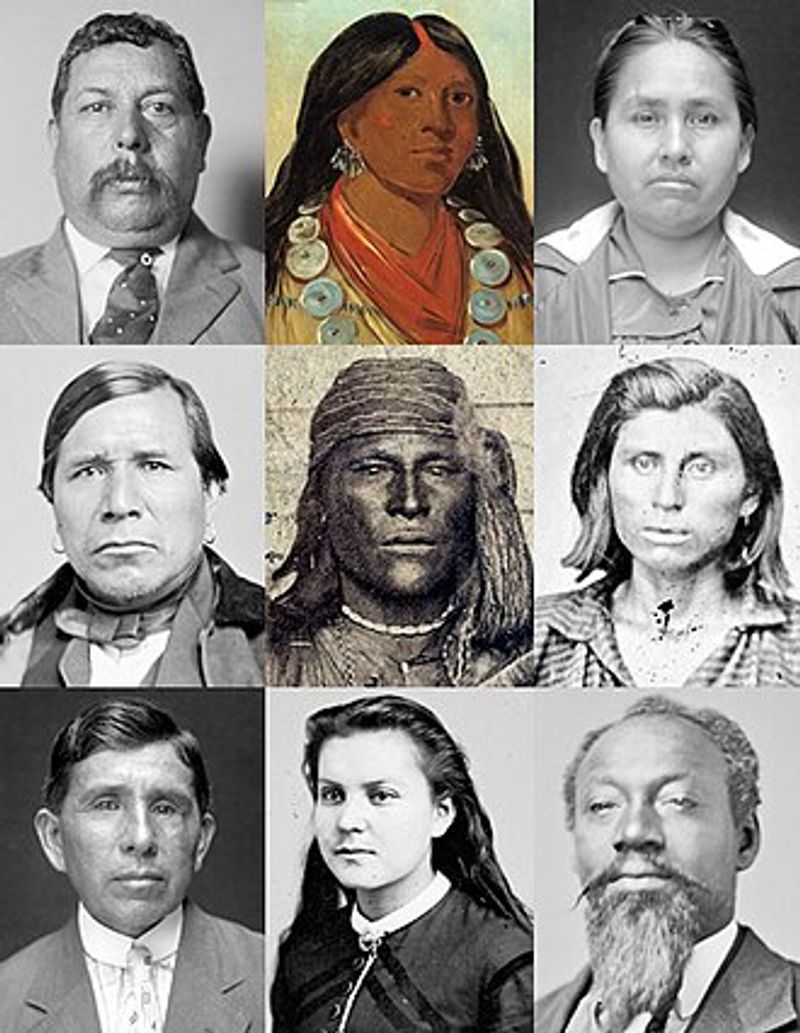
The Creek Confederacy, formally known as the Muscogee Nation, was one of the most politically sophisticated alliances in the American Southeast. At its height, the confederacy included dozens of towns spread across present-day Alabama, Georgia, and Florida, connected by a shared council system that balanced local and regional authority.
Creek towns were organized around central plazas used for ceremonies, council meetings, and the famous stickball game, an intense sport that sometimes served as a substitute for warfare. Their society valued diplomacy, and the Creek played European powers against each other to maintain their independence for as long as possible.
Despite their efforts, the Creek faced devastating losses during the Creek War of 1813 to 1814 and were eventually removed west during the Trail of Tears era. The Muscogee Nation is still active today, headquartered in Oklahoma, and continues to preserve their language and traditions.
9. Blackfoot Confederacy
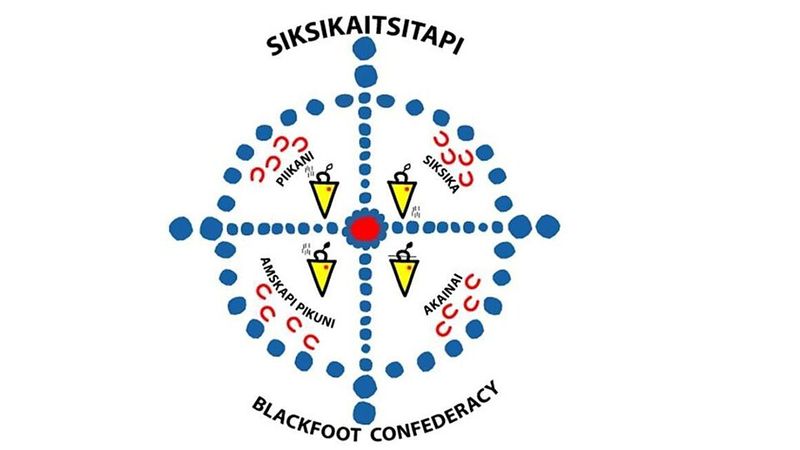
Stretching across the northern Great Plains from present-day Montana into the Canadian provinces of Alberta and Saskatchewan, the Blackfoot Confederacy was one of the most powerful forces in the region for generations. The confederacy included three main groups: the Siksika, the Kainai, and the Piikani, united by language, culture, and mutual defense agreements.
Buffalo were central to Blackfoot life. Before the horse, hunters used cooperative drives called buffalo jumps to herd animals off cliffs.
After acquiring horses in the early 1700s, their hunting range expanded dramatically, and their military strength grew with it.
The Blackfoot were known as fierce defenders of their territory, regularly clashing with neighboring tribes and later with American and Canadian settlers. Their control over key trade routes gave them significant economic power.
Today, Blackfoot communities maintain their cultural heritage on both sides of the U.S.-Canada border.
10. Cheyenne
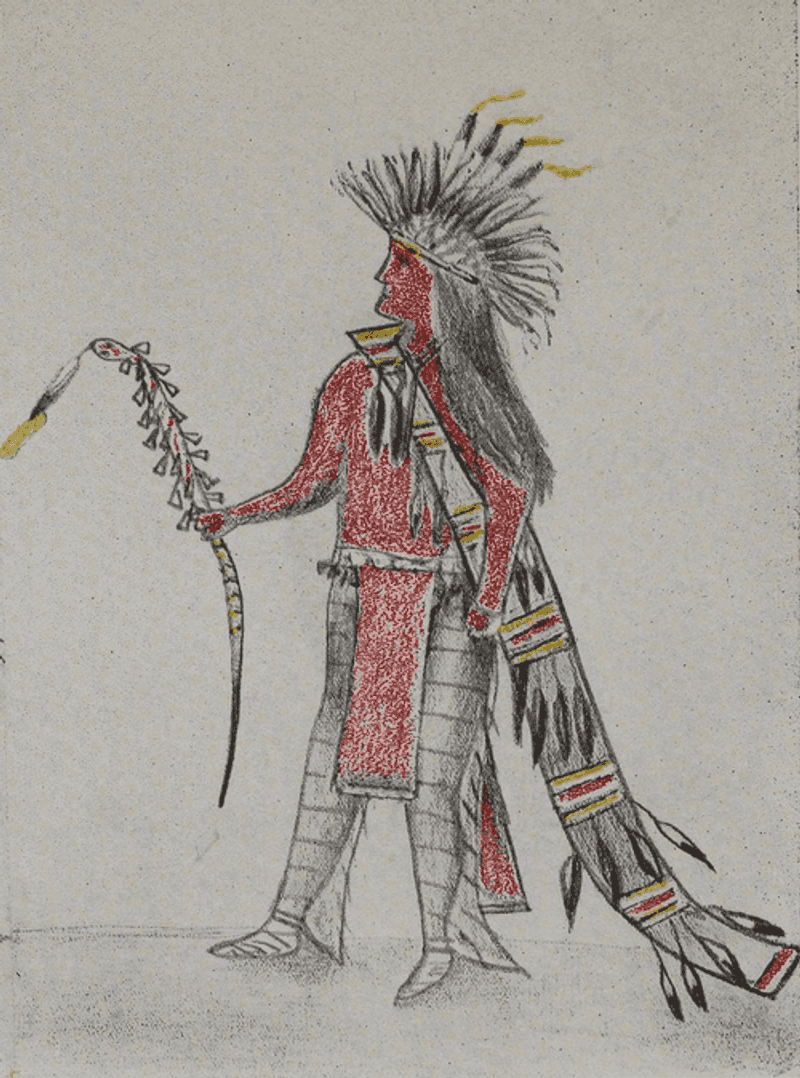
Warriors at heart, the Cheyenne built a reputation on the Great Plains as one of the most courageous and skilled fighting peoples of the 19th century. Originally from the Great Lakes region, they migrated west and adapted to Plains life, eventually becoming expert horsemen and formidable hunters of the buffalo herds.
The Cheyenne formed a powerful alliance with the Lakota Sioux, and together they were a force that kept U.S. expansion in check for decades. Cheyenne warriors played a key role at the Battle of Little Bighorn in 1876, fighting alongside Crazy Horse and Sitting Bull against Custer’s forces.
Tragically, the Cheyenne also suffered some of the worst massacres in American history, including the Sand Creek Massacre of 1864, where hundreds of peaceful Cheyenne men, women, and children were killed by U.S. troops. Their enduring strength in the face of such brutality is a defining part of their legacy.
11. Chickasaw
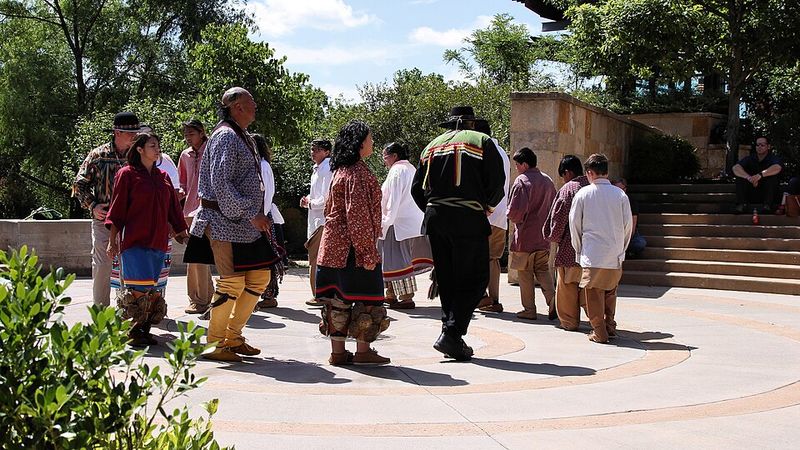
Among the tribes of the American Southeast, the Chickasaw had a well-earned reputation as some of the fiercest warriors on the continent. European powers quickly learned that the Chickasaw were not to be taken lightly.
When French forces attempted to subdue them in the 1730s during the Chickasaw Wars, they were repelled repeatedly, a remarkable achievement against one of the most powerful colonial armies of the era.
The Chickasaw controlled key trade routes along the Mississippi River and used their military strength and diplomatic skills to maintain independence longer than many of their neighbors. They built strong alliances with the British, which helped them fend off French expansion into their territory.
Though eventually forced west during the removal era, the Chickasaw Nation rebuilt with remarkable determination. Today, the Chickasaw Nation in Oklahoma is one of the most economically successful tribal governments in the United States, a modern continuation of that historical resilience.
12. Choctaw
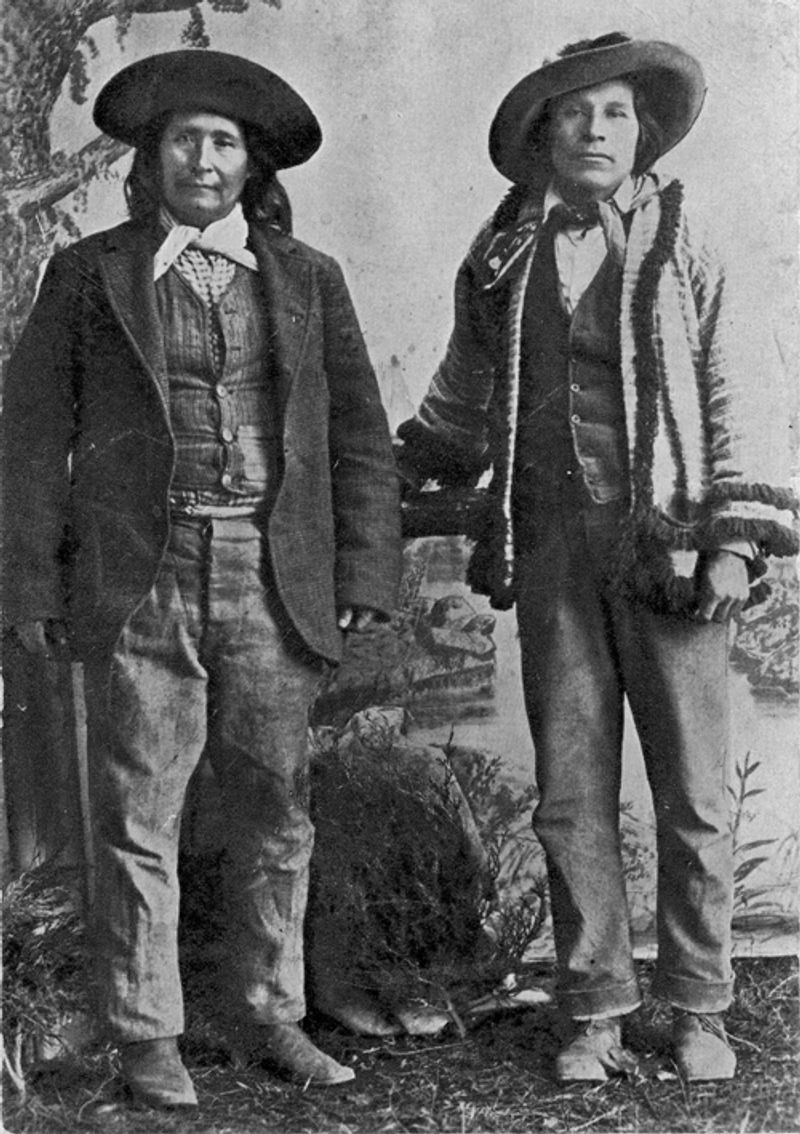
With a population that once numbered in the tens of thousands, the Choctaw were among the largest and most influential tribes in the American Southeast. Their society was built on strong leadership, careful diplomacy, and productive agricultural communities that produced enough food to support dense populations across present-day Mississippi and Alabama.
The Choctaw were skilled negotiators who often chose diplomacy over conflict, working to maintain peace with neighboring tribes and European powers alike. They were one of the first tribes to sign a major treaty with the United States after independence, reflecting their pragmatic approach to a rapidly changing world.
In 1830, the Choctaw became the first tribe forcibly removed under the Indian Removal Act, enduring tremendous suffering during their westward journey. Remarkably, during World War I, Choctaw soldiers served as the original Code Talkers, using their language to confuse enemy forces long before the Navajo took on that role.



