 Unearth The Voyage
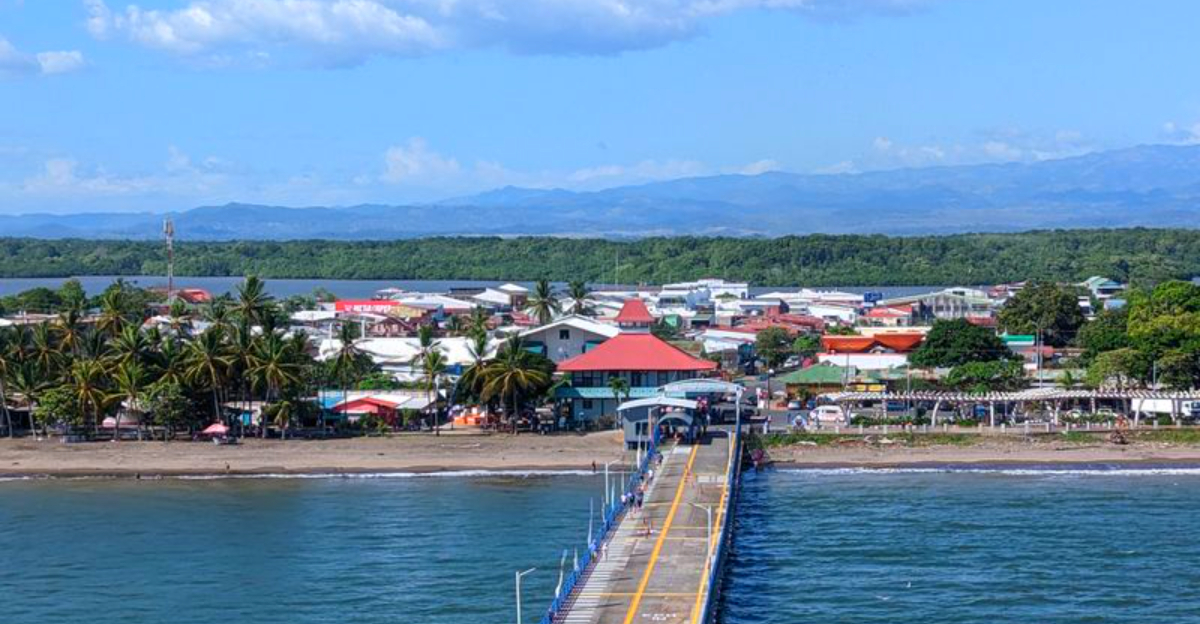
Costa Rica’s beaches, wildlife, and slower pace draw many Americans, but day-to-day reality can feel very different from vacation. The sunset views are real, but so are long lines at government offices, surprise import costs, and power outages that do not care about your Zoom meeting.
If you are weighing a move, it helps to hear what people say after the honeymoon phase fades. This guide walks through the practical, commonly cited reasons some expats choose to leave – from bureaucracy to healthcare logistics to cost-of-living surprises – so you can pressure test your plan and decide which tradeoffs you are truly comfortable making.
1. The Cost of Living Is Not as Cheap as Expected
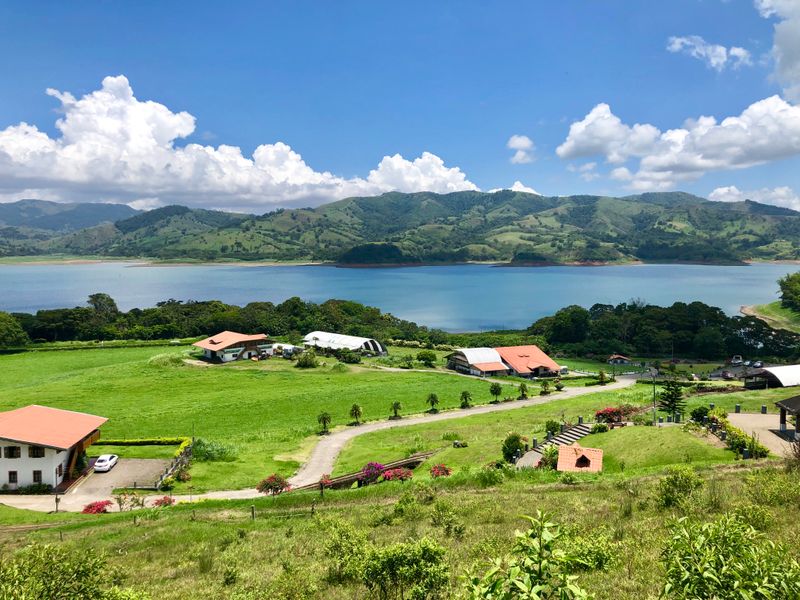
Sticker shock is real in popular towns. You might find rent comparable to mid-tier U.S. cities, especially near the Pacific beaches and trendy Central Valley suburbs.
Groceries cost more when you prefer imported brands, and restaurant tabs add up in tourist corridors. Utilities can also surprise you if you rely on air conditioning in humid months.
Budgeting for transportation, school fees, and occasional visa runs can nudge monthly expenses higher than expected, too.
Cost-of-living sites give ranges, but personal habits drive the final number. If you embrace local markets, seasonal produce, and public healthcare, you can trim expenses.
If you want familiar products, private clinics, and frequent travel, costs rise quickly. Exchange rate swings and fluctuations in fuel prices also ripple through delivery and retail.
Before moving, build a test budget with real quotes and a buffer for surprises.
You can still live affordably in smaller inland towns, but tradeoffs appear. Fewer amenities, longer drives, and limited nightlife may change your routine.
Being honest about lifestyle preferences prevents disappointment. Many Americans adjust fine, yet others decide the premium for convenience and comfort is higher than the dream justified.
2. Housing Prices Have Surged in Popular Areas
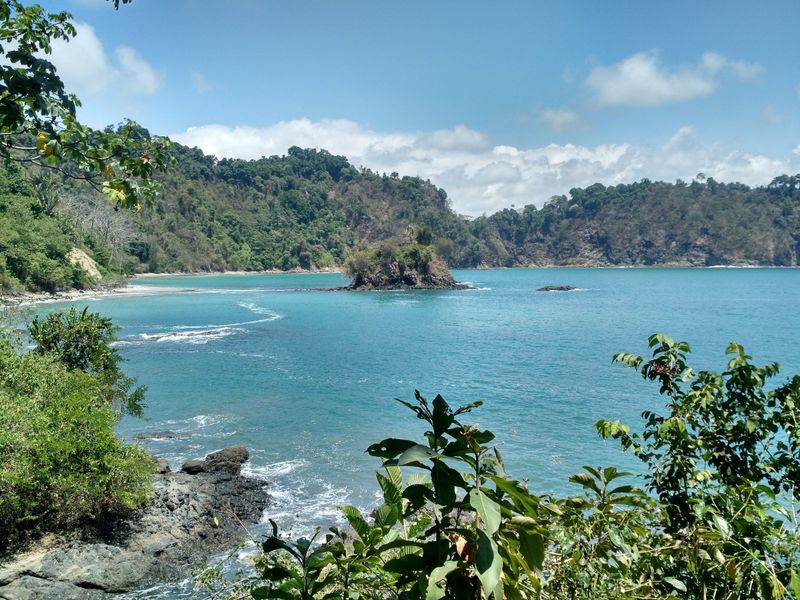
Hotspots like Tamarindo, Santa Teresa, Nosara, and Escazú have seen sustained demand, pushing prices up. Limited inventory, foreign buyers, and short-term rentals tighten the market.
Well-finished homes with ocean views command premiums that rival parts of the U.S. Renting long term helps you learn microclimates and neighborhoods, but expect competition for pet-friendly, walkable options.
Deposits can be high, and furnished listings vary widely in quality.
Ownership requires careful due diligence. Title history, maritime zone rules, easements, and access roads matter.
Experienced legal counsel, a reputable realtor, and a surveyor are essential to avoid disputes. Insurance for flood, landslide, or earthquake risk raises carrying costs in some zones.
Construction can be slower than you are used to, and imported materials inflate budgets.
Some Americans relocate inland for better value, trading surf access for stability and services. Others split time seasonally to avoid peak rents.
If your plan hinges on rental income, run conservative numbers that include vacancy and maintenance. The surge does not mean you cannot buy, only that patience and professional guidance are nonnegotiable for a sound decision.
3. Healthcare Is Respected but Navigation and Waits Are Tough
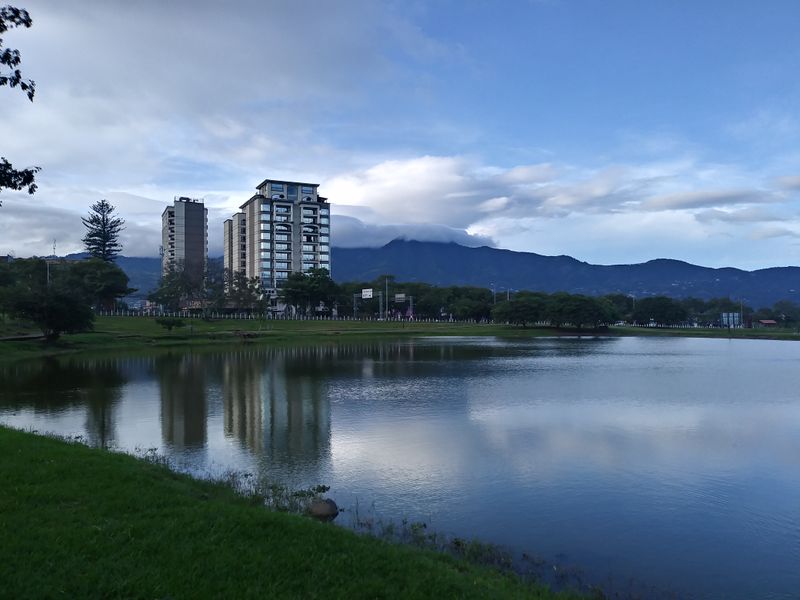
Costa Rica’s public system, the CCSS or Caja, provides broad coverage and primary care access. Many expats appreciate the affordability and competent general medicine.
The tradeoff is time. Specialist appointments and elective procedures can involve months-long waits, and referrals are not always straightforward.
Paperwork varies by clinic, and appointment systems differ region to region. Translation is improving, but a Spanish-speaking friend or advocate helps.
Private clinics and hospitals offer faster access and English-speaking staff, but costs rise accordingly. Some buy international plans or local private policies to bridge gaps.
Preexisting conditions and age can influence premiums. Pharmacy availability is good, yet certain U.S. prescriptions require local substitutions.
Keeping a personal medical file, digital copies of labs, and vaccination records streamlines visits.
Emergency care in urban centers is solid, while remote areas rely on transfers. For chronic conditions, proximity to specialists may shape your housing choice more than scenery.
If you value predictable timelines over savings, budget for private care. Balancing Caja enrollment with targeted private services works well for many, but the learning curve pushes others to reconsider.
4. Humidity, Mold, and Bugs Take a Toll
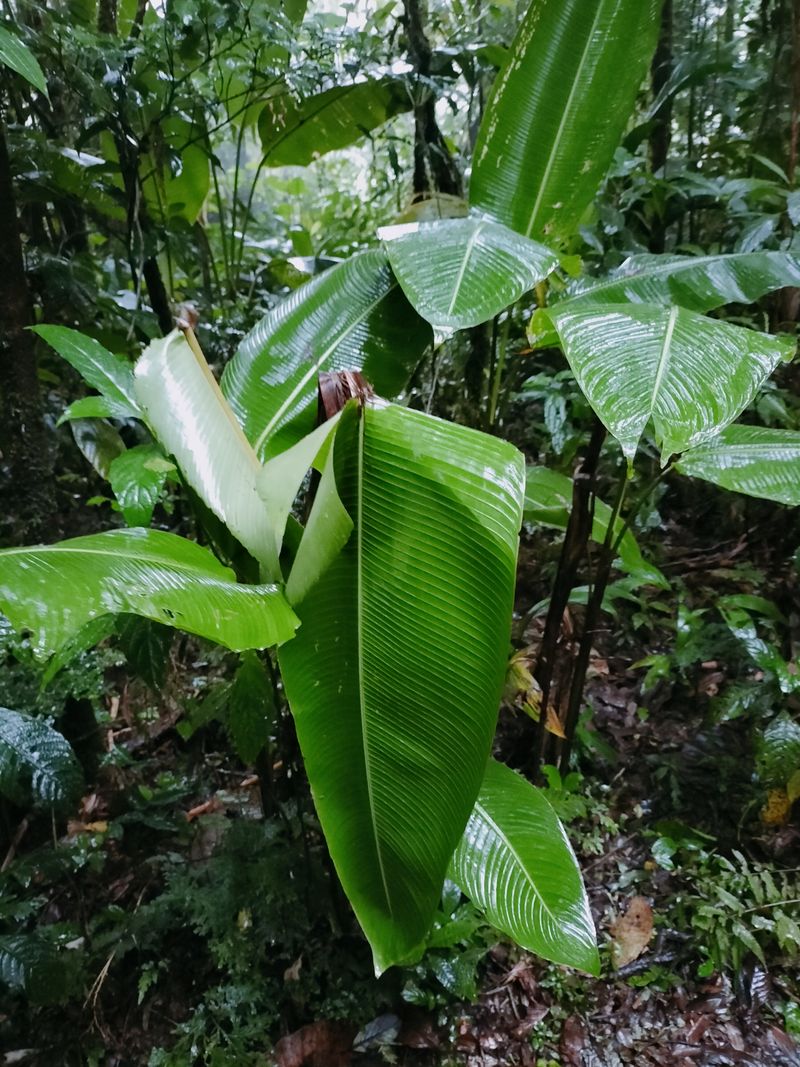
Along the coasts and in rainforest zones, humidity is relentless. Clothes mildew, leather cracks, and electronics fail sooner.
Kitchens need vigilant sealing to deter ants, and window screens are essential. Mosquitoes are year-round in many areas, and sandflies appear at dusk.
Dehumidifiers, ceiling fans, and proper ventilation are not optional if you want to protect belongings. Routine cleaning, silica packets, and covered storage become part of life.
Home design matters. Elevated construction, proper roof overhangs, and breathable materials help manage moisture.
New arrivals often underestimate the effort required to keep spaces dry. Mold remediation is a recurring task in stormy months, and it affects allergies.
Bedding, books, and musical instruments need extra care. Pet food attracts pests unless stored in sealed bins.
If you adore lush greenery, these tradeoffs may be worth it. If you value a low-maintenance home, consider higher-altitude towns with cooler, drier air.
Trial living through a full rainy season is wise before signing long leases or buying. The climate is beautiful and biodiverse, but daily upkeep can wear you down over time.
5. Roads and Driving Can Be Draining
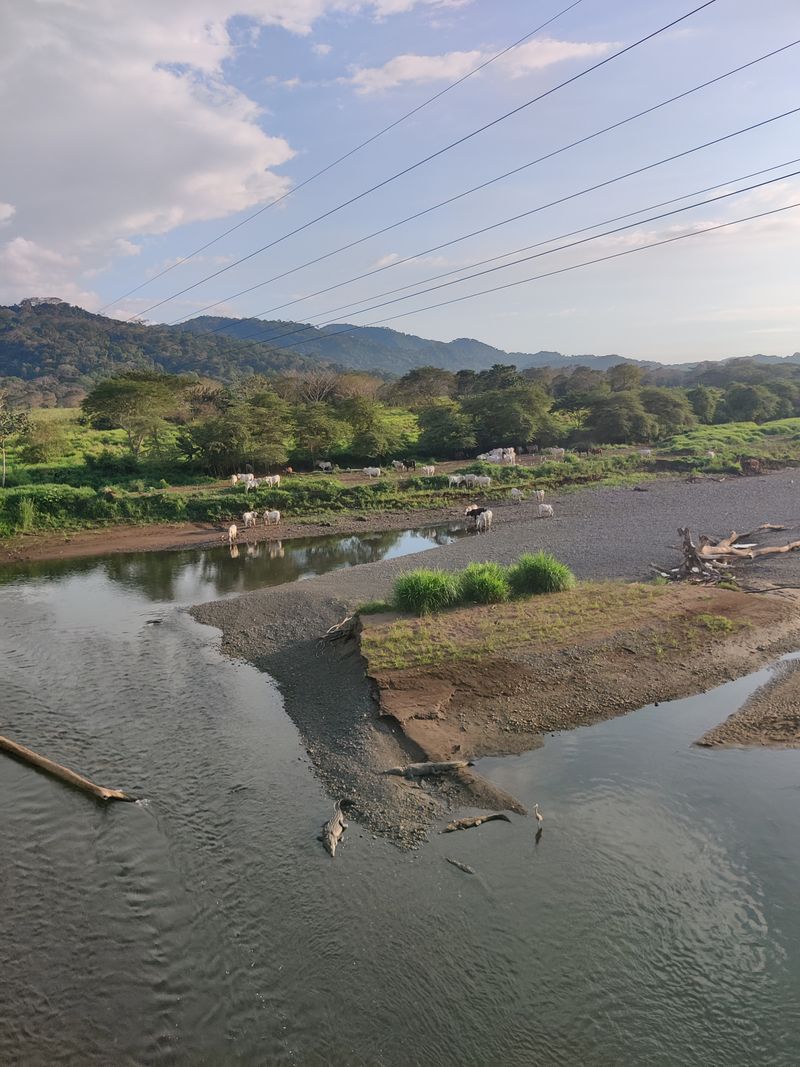
Outside major corridors, roads can be narrow, winding, and potholed. Heavy rains wash out shoulders and trigger landslides that close routes for hours.
Signage is inconsistent, and GPS instructions may be optimistic. Expect slow trucks on mountain passes and occasional livestock on backroads.
Night driving is stressful due to glare, rain, and limited lighting. Routine errands can take much longer than maps suggest.
A sturdy vehicle with decent clearance is practical, even if you skip the remote trails. Tire repairs are common and thankfully inexpensive.
Insurance, inspections, and registration require time and documentation. In cities, aggressive lane changes and motorcycles splitting traffic take adjustment.
Many schedule appointments around weather forecasts to avoid flooded intersections.
For some, the scenery offsets the hassle. For others, constant vigilance is tiring.
If you need predictable commutes, choose housing near core services and schools. Delivery apps help in larger cities, but coastal towns rely more on local errands.
Understanding seasonal road patterns and building travel buffers reduces stress, yet some expats ultimately decide the driving culture does not fit their comfort level.
6. Rainy Season Changes Daily Life
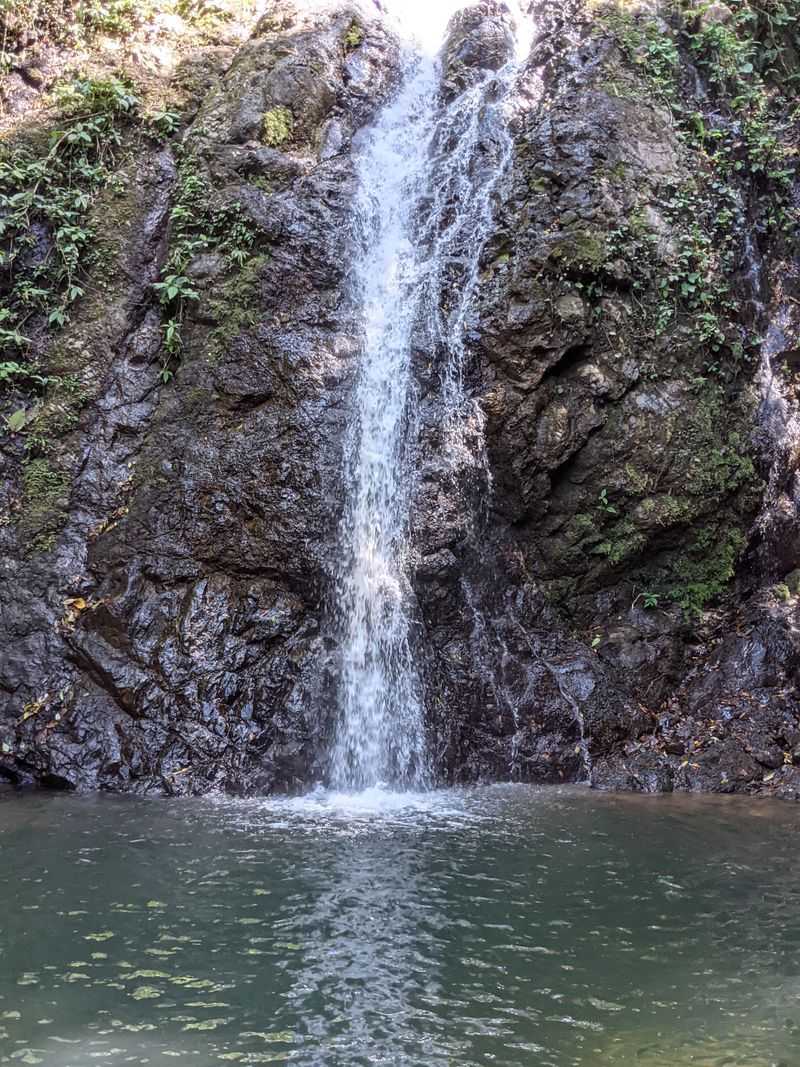
From roughly May to November in many regions, afternoons bring dependable rain. Some days deliver light showers, others hours of steady downpours.
Plans shift around the forecast, and outdoor routines adapt. Beach time moves earlier, sports schedule indoors, and laundry needs dehumidifiers to dry.
Trails close when saturated, and rivers rise quickly. Travelers plan buffer days for landslides or washed-out shortcuts.
There are silver linings. Landscapes glow, wildlife is active, and waterfalls surge.
Rental prices can soften in shoulder months, and crowds thin. Yet the rhythm is different from vacation snapshots.
If you rely on natural light, shorter, gray afternoons affect mood. Solar systems produce less, and satellite internet may fluctuate in storms.
Higher-altitude towns can be cooler and misty rather than sweltering, but they still get persistent drizzle. Having a backup workspace, rain gear, and flexible schedules helps.
Try a full wet season before committing long term. Many adapt and enjoy the cycle, planting gardens and planning projects.
Others find the months-long shift in light, access, and activity is not the lifestyle they imagined.
7. Slow Bureaucracy and Paperwork Burnout
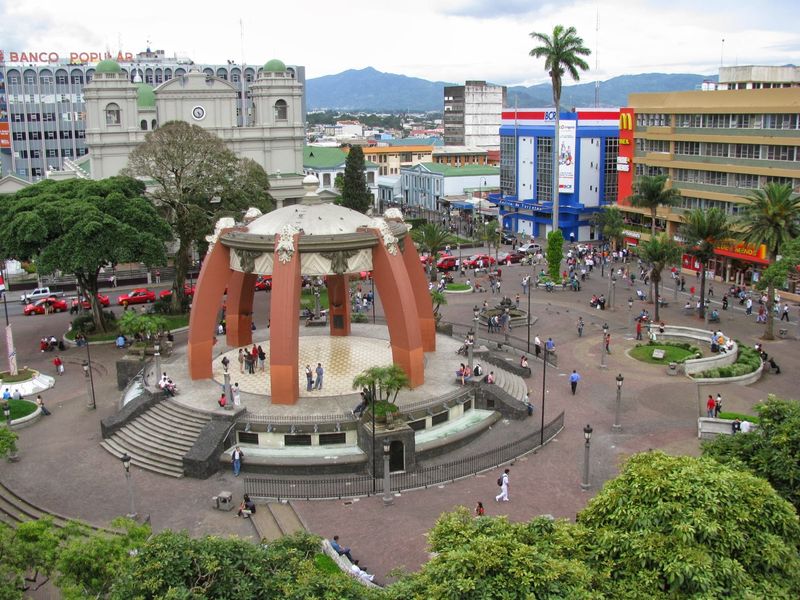
Residency, banking, car registration, importing belongings, and permits all involve steps that are rarely in one place. Requirements can change, and staff interpretations may differ by office.
Expect multiple visits, notarized copies, apostilles, and certified translations. Timelines stretch due to backlogs.
While online portals exist, in-person follow up is common. Patience and organized folders are your friends, but the process can wear you down.
Using a vetted attorney or gestor smooths applications, yet you still must show up. Keeping digital scans, passport photos, and proof of income on hand saves trips.
Simple tasks, like a phone line or utility name change, might span several days. Banking compliance rules are strict, and foreign income documentation must align precisely.
Each success feels satisfying, but setbacks are inevitable.
Some expats thrive by embracing the slower cadence. Others feel stalled when errands dominate weeks.
If your tolerance for ambiguity is low, plan extra time and budget for professional help. Clear checklists and Spanish basics reduce friction.
Ultimately, bureaucracy is survivable, but for a share of Americans, cumulative paperwork prompts a return stateside.
8. Work and Income Realities on the Ground
Costa Rica works best financially if income arrives from abroad. Retirees, remote employees, and investors tend to fare better than job seekers.
Local wages are lower than U.S. norms, and work permits are specific. Many sectors prioritize citizens or permanent residents.
Opening a business is possible, but compliance, payroll contributions, and taxes require careful planning. Service quality and consistent training take investment when staff turnover occurs.
Reliable internet is common in cities and many towns, but redundancy matters. A secondary line, mobile hotspot, and battery backup keep work moving during storms.
Time zones are convenient for U.S. collaboration most of the year. Payment platforms, invoicing, and banking documentation must satisfy local and international rules.
Tax obligations can exist in both countries, so professional advice is wise.
If you envisioned finding local employment quickly, recalibrate. Volunteering, language study, and networking help you learn the landscape.
Some thrive by consulting remotely while building local relationships. Others prefer the certainty of a U.S. paycheck.
When income plans falter, stress rises fast, and that is a common pivot point for departures.
9. Crime Concerns in Certain Areas
Costa Rica remains comparatively safe, yet petty theft is persistent in some zones. Car break-ins near beaches, unattended bag snatches, and home burglaries during low season are reported.
Sensible habits help: lock doors, avoid leaving items in cars, and use safes. Community WhatsApp groups, cameras, and dogs deter opportunists.
Police respond, but prevention is the first line. Nightlife areas attract pickpockets, especially during holidays.
Violent crime is less common for expats outside specific hotspots, yet trends vary by region. Due diligence on neighborhoods pays off.
Ask about flood history and security, not just views. Renting first lets you gauge seasonal patterns when tourist traffic shifts.
Insurance that covers electronics, bikes, and surf gear provides peace of mind.
Most residents carry on comfortably with routine precautions. Still, one or two incidents can change how you feel at home.
If safety anxiety lingers, quality of life drops. Choosing a well-lit area near neighbors you trust may solve it, but some ultimately move back closer to family and familiar systems after rough experiences.
10. Feeling Isolated Over Time
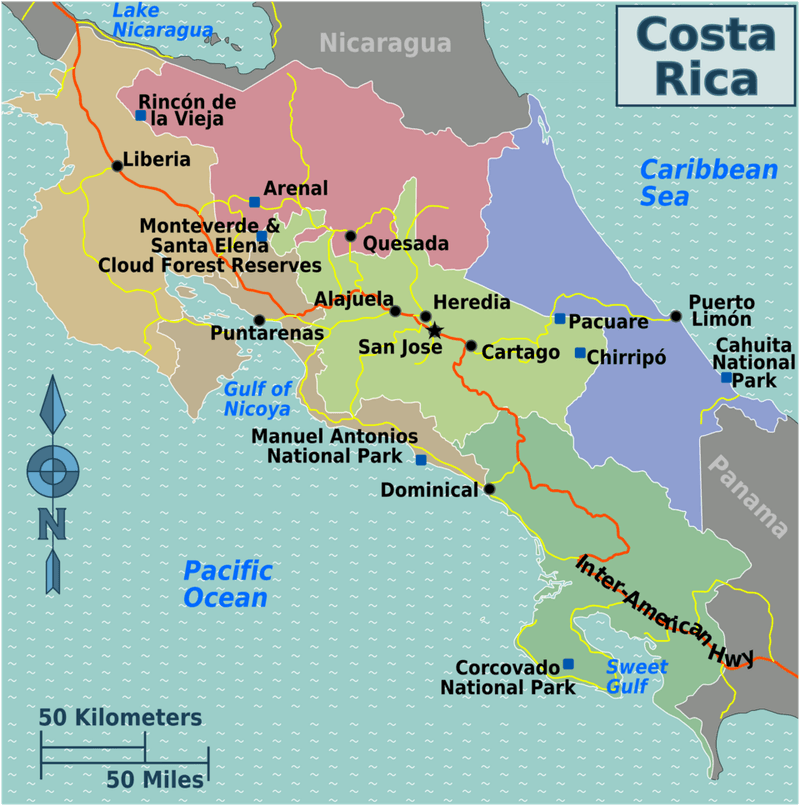
Costa Rica is small, but distances feel longer with mountains, weather, and road conditions. Living far from San José can mean fewer concerts, specialty shops, or niche medical care.
Flights require drive time and planning, and friends are often spread across valleys and coasts. If you thrive on bustling neighborhoods, sparse social calendars may frustrate you after the initial novelty fades.
Holidays highlight the distance from family back home.
Building community takes intention. Language classes, sports leagues, volunteering, and local fiestas create connections.
Choosing a town with a mix of locals and long-term expats helps continuity. Reliable video calls bridge gaps, but time zones and schedules still collide.
If you are caregiving or need frequent travel, isolation pressure grows.
Some embrace quieter routines, reading on the porch and hiking on weekends. Others miss convenience and spontaneous meetups.
Before moving, spend time in your target area without vacation structure. Notice how you feel on a rainy Tuesday evening.
If the silence nurtures you, great. If not, choose a more connected hub or reconsider.
11. Imported Goods Come with High Prices

Import duties and logistics lift prices on electronics, vehicles, appliances, and many brand-name items. A midrange laptop, blender, or smartphone can cost markedly more than in the U.S.
Car values stay high, and parts for certain models require waits. Some expats ship personal effects, but customs processes add time and fees.
Choosing locally available brands and repairing instead of replacing becomes a habit.
Online shopping helps, yet not all retailers ship directly. Freight forwarders work well, though dimensional weight charges and taxes still apply.
Plan purchases around travel to bring back small items legally within allowances. Warranties may not transfer internationally, so local service networks matter more than brand loyalty.
Energy-efficient appliances save on electricity in the long run.
If you love gadgets and frequent upgrades, budget accordingly. Thrifty shoppers scour Facebook groups and community boards for secondhand deals.
Many simplify, buy durable basics, and maintain them carefully. The higher cost of imported goods is not a dealbreaker for everyone, but it consistently shows up as a reason people rethink long-term plans.
12. Convenience Gaps Compared to the U.S.
Daily life runs smoothly once you adapt, but convenience differs. Store hours may be shorter, selection thinner, and delivery windows wider.
A single errand can span multiple stops. Specialized items require trips to San José or ordering through a forwarder.
Customer service is generally kind, yet processes are policy-bound. Returns take longer, and replacements are not instant.
Patience becomes a skill you practice often.
When systems work, they feel refreshingly human. When they stall, frustration builds.
Planning ahead helps: keep spare filters, bulbs, and basic hardware on hand. Identify reliable mechanics, plumbers, and electricians before emergencies.
Learn key phrases to describe issues clearly in Spanish. Your future self will thank you during the first big storm.
Many people adapt and even prefer the slower rhythm once expectations reset. Others miss one-stop shopping, late-night pharmacies, and immediate fixes.
If convenience is central to your well-being, pick a neighborhood with clustered services and strong delivery options. If that still feels cumbersome, the comfort of U.S.-style ease might be worth returning to.
13. The Vacation Feeling Wears Off
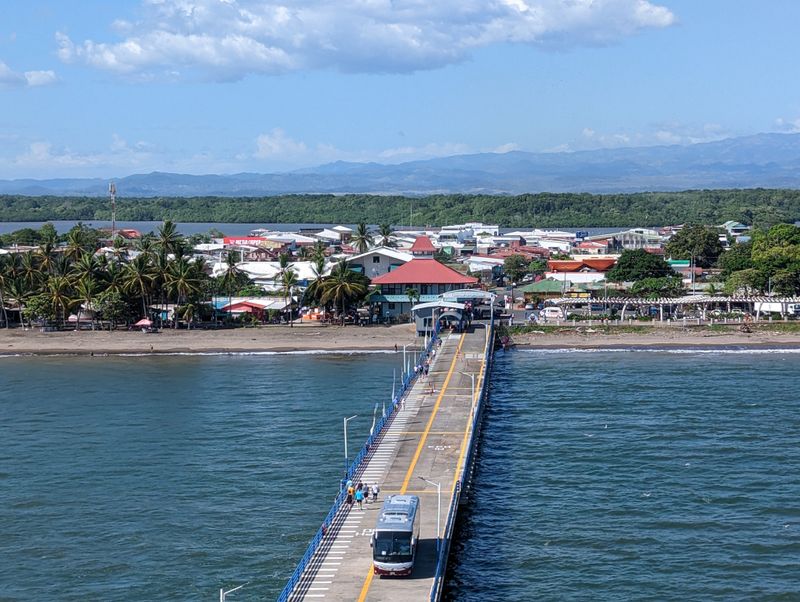
The first months often feel magical. Beaches, sloths, waterfalls, and fresh fruit breakfasts create a highlight reel.
Eventually, the routine settles in. Repairs, errands, school schedules, and paperwork take their place next to sunsets.
When the glow dims, you notice whether the core lifestyle truly fits your values. If not, the contrast with vacation memories feels stark.
This shift is not a failure. It is how any move reveals its reality.
Many stay and thrive because nature access, community, and slower days outweigh hassles. Others discover they prefer visits instead of residency.
They miss family support, predictable service, or a familiar career track. Both choices are valid.
A candid trial period helps. Live where you intend to settle, through dry and wet seasons, on a realistic budget.
Track what energizes you and what drains you. If the everyday still feels rewarding after the honeymoon fades, you have likely found your place.
If not, you learned quickly and can pivot without regret.



