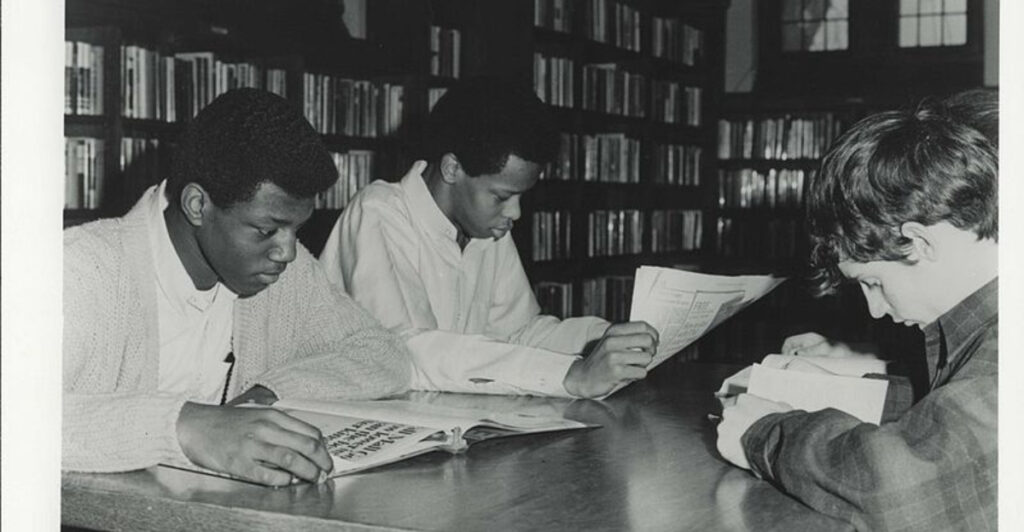
Life in the 1960s was a whole different world, and not in the groovy, tie-dye kind of way people romanticize. Before smartphones, GPS, streaming, and same-day delivery, everyday tasks required real patience and effort.
Growing up today means having tools and conveniences that people back then could only dream about. Honestly, one week without Wi-Fi alone might be enough to send most of us into a full meltdown.
No Instant Communication
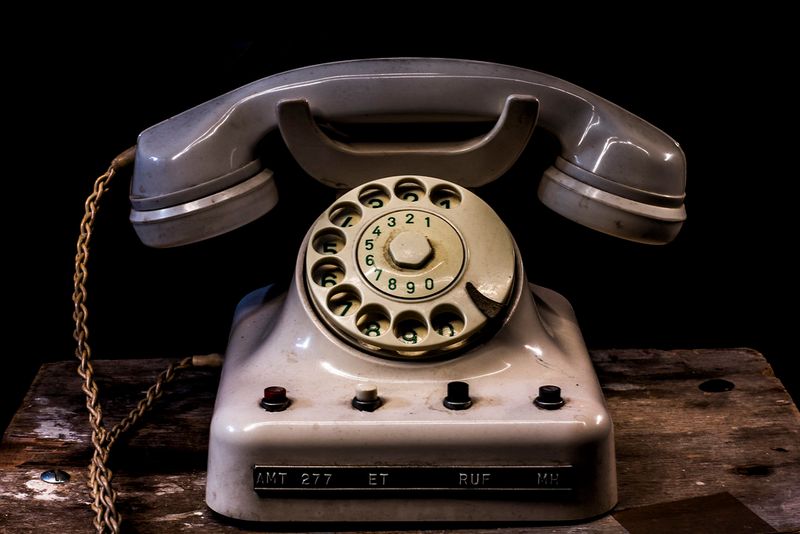
Waiting by the phone was a real sport in the ’60s. There was no texting, no group chats, no read receipts, and absolutely no way to know if your friend got your message until they actually called back.
You just had to sit with the uncertainty.
Long-distance calls cost serious money, so families kept them short and to the point. No hour-long catch-ups with cousins across the country.
Every word had a price tag, which made people surprisingly efficient talkers.
Payphones were everywhere, but you needed change in your pocket to use one. Miss someone at home?
Try again later. There was no voicemail, no callback notification, nothing.
I honestly think the anxiety of not being able to reach someone instantly would send most people today into a complete spiral within 48 hours.
Medical Care Was More Limited
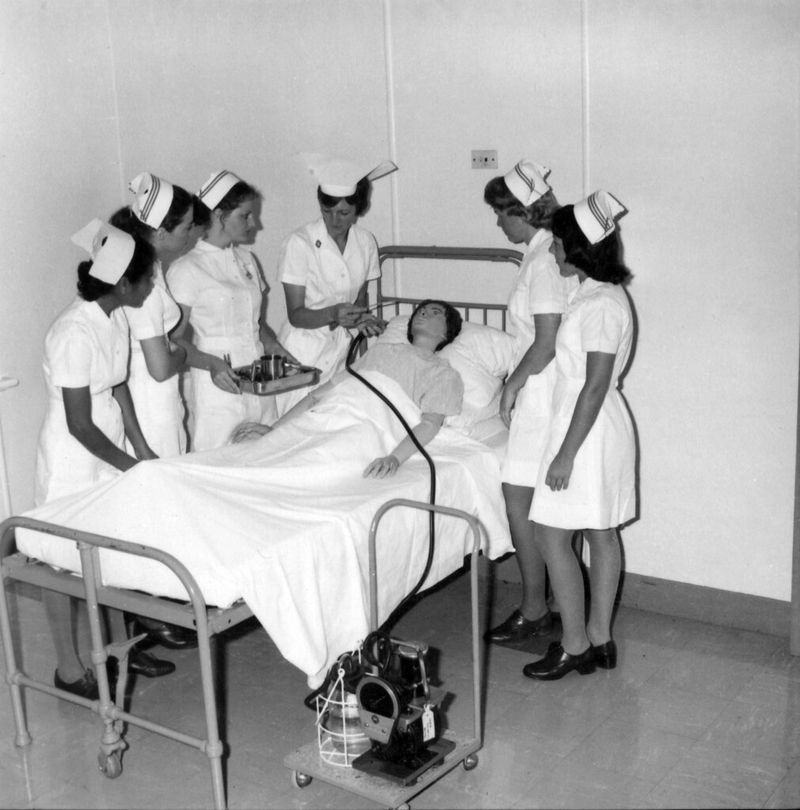
The MMR vaccine was not licensed in the United States until 1971. That means measles, mumps, and rubella were still real concerns for families raising kids in the ’60s.
Parents worried about things that most people today have never even encountered.
Doctors had fewer tools at their disposal. No MRI machines, no advanced blood panels, and no Google to help patients arrive already half-diagnosed.
You described your symptoms, the doctor made a judgment call, and that was mostly it.
Hospital technology was nowhere near what exists today. Surgeries that are now routine were genuinely risky.
Antibiotics existed, but many treatments we now consider standard were still years away from development. For anyone used to same-day urgent care appointments and instant test results, stepping back into a 1960s medical office would feel less like healthcare and more like crossing your fingers and hoping for the best.
Household Chores Took All Day
Robot vacuums? Not even close.
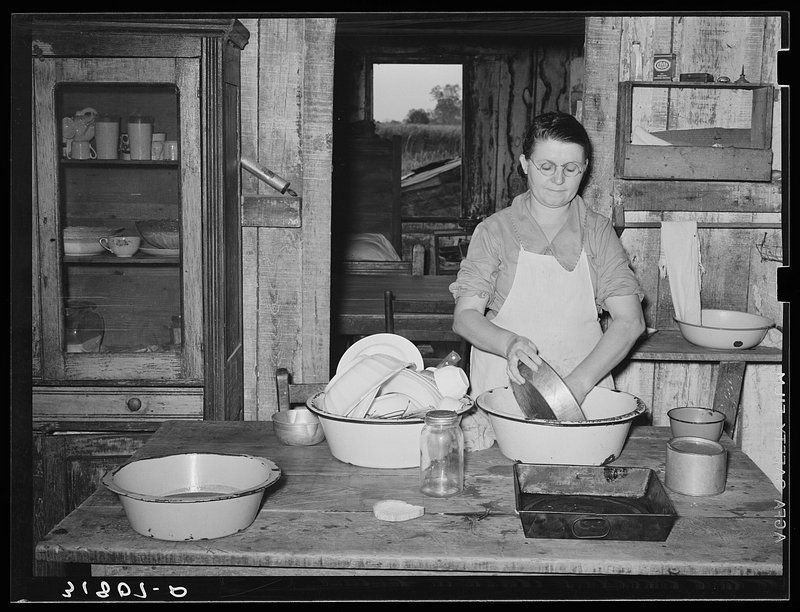
In the ’60s, cleaning the house meant actually cleaning the house, every inch of it, by hand, with a mop, a broom, and a lot of elbow grease. Laundry alone could eat up an entire morning.
The 1960 Census tracked household equipment like washing machines, dryers, and freezers because these items were still far from universal. Many families were doing laundry without a dryer, which meant hanging everything outside and hoping the weather cooperated.
Cooking from scratch was the default, not the exception. No meal kits, no delivery apps, no microwave shortcuts.
Dinner required planning, shopping, prepping, and cooking, all before anyone even sat down to eat. I tried cooking a full meal from scratch every night for one week, and by day three I was exhausted.
People in the ’60s did this every single day without complaint, which honestly deserves serious respect.
Getting Answers Required Real Legwork
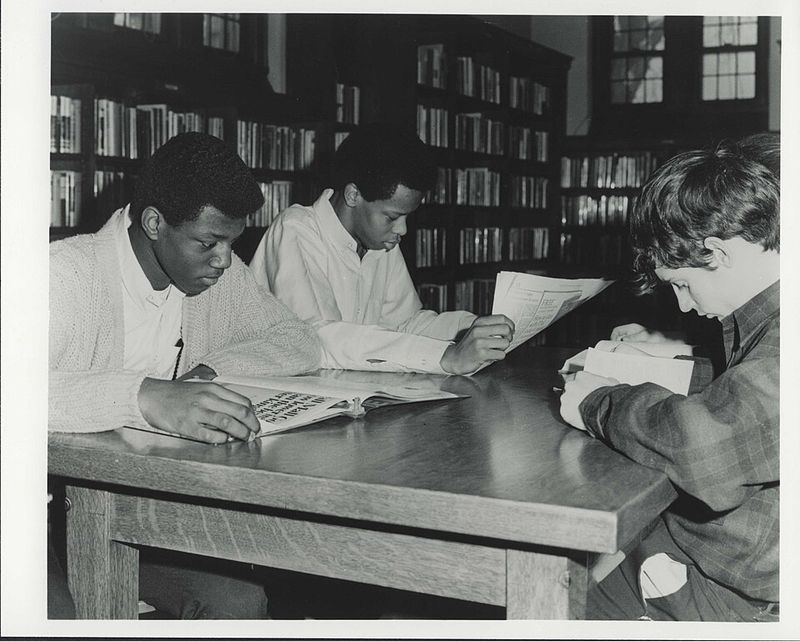
Before search engines, settling a simple argument meant a trip to the library. No quick tab-opening, no voice-searching your phone while still half-asleep.
You had to physically go somewhere, find the right book, and hope it had the answer you needed.
Encyclopedias were a big deal. Families that owned a full set were considered well-equipped.
School projects required actual research, meaning multiple sources, multiple visits, and a lot of patience for cross-referencing information that might still be outdated by the time you found it.
Recipes came from cookbooks or handwritten cards passed between neighbors. News came from newspapers printed the day before.
If you missed the evening broadcast, that information was just gone. Today, the entire history of human knowledge fits in a pocket-sized device most people use primarily to watch cat videos.
The contrast is genuinely staggering, and a little embarrassing if we are being honest.
Road Travel Was Genuinely Risky

Seatbelts were not standard equipment in most cars until federal law required them in 1968, and even then, many people simply did not use them. Airbags were decades away.
Crumple zones, electronic stability control, and backup cameras were not even concepts yet.
NHTSA estimates that vehicle safety technologies saved hundreds of thousands of lives between 1960 and 2012. That number tells you something important: driving in the ’60s carried real, everyday risk that modern drivers rarely think about.
Roads were also less clearly marked, GPS did not exist, and if you got a flat tire in the middle of nowhere, you were genuinely on your own. No roadside assistance app, no cell signal, just a spare tire and whatever mechanical knowledge you happened to have.
Anyone who has panicked over a low tire pressure warning light on a modern dashboard would absolutely not survive a 1960s road trip without a minor breakdown of their own.
Travel Planning Was an Olympic Event
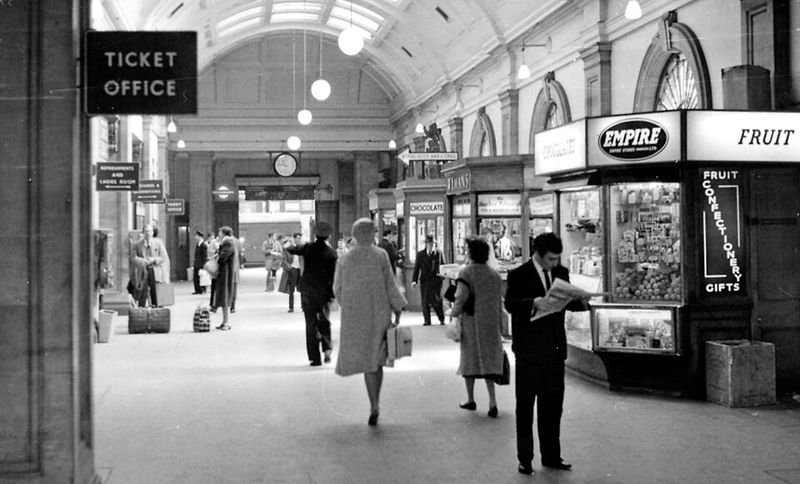
Booking a flight in the ’60s meant calling a travel agent, waiting for availability, and paying whatever price was listed. Before the 1978 Airline Deregulation Act, fares and routes were tightly controlled by the government.
Competition was limited, and cheap tickets were simply not a thing.
Road trips required physical maps, which sounds charming until you realize that maps do not tell you when you have already missed a turn by 15 miles. Getting lost was a real possibility, and fixing it required stopping to ask a stranger for directions and then trusting them completely.
Hotels could not be compared on an app. You either had a recommendation, a travel guide, or you took your chances.
Traveling internationally required even more preparation, including physical documents, currency exchange at a bank, and phrase books. The casual weekend trip that people now throw together in 20 minutes of phone scrolling would have taken days of serious planning.
Gender Roles Had Very Little Wiggle Room
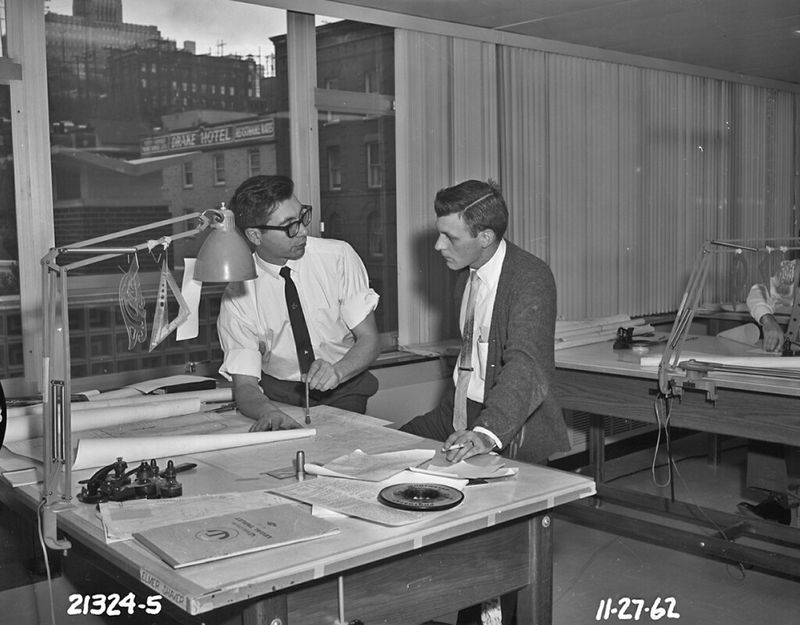
The ’60s were a decade of change, but traditional expectations still ran the show for most of daily life. Women were widely expected to manage the household, raise children, and stay within a narrow set of career options.
Stepping outside those expectations took serious courage.
Women’s labor force participation climbed dramatically from the 1960s through the 1980s, which shows just how much the workplace shifted over time. But during the early part of that decade, many women had limited access to credit, limited legal protections at work, and limited career mobility.
Men faced their own rigid expectations too, including pressure to be the sole financial provider with no room to show vulnerability or choose a non-traditional path. The idea of a stay-at-home dad or a woman running a major corporation was genuinely radical.
For younger generations raised on conversations about flexibility and identity, one week inside those social rules would feel suffocating.
Pollution Was Everywhere and Unavoidable

Leaded gasoline was standard. Factory smokestacks pumped pollution into city air without meaningful regulation.
Rivers in some industrial areas were so contaminated that the Cuyahoga River in Ohio famously caught fire in 1969, which helped push environmental reform into the national conversation.
The Clean Air Act of 1970 marked a turning point, but before that, breathing the air in many American cities was a daily health gamble. People did not have air quality apps, filter masks, or much awareness of what they were actually inhaling.
Indoor air quality was not great either. Cigarette smoking was common in homes, offices, restaurants, and even on airplanes.
Second-hand smoke was everywhere, and the health risks were either unknown or actively downplayed by tobacco advertising. For anyone who now checks an air quality index before a morning run, the thought of living through a pre-Clean Air Act American city would be an absolute shock to the system.
Career Changes Were Almost Impossible
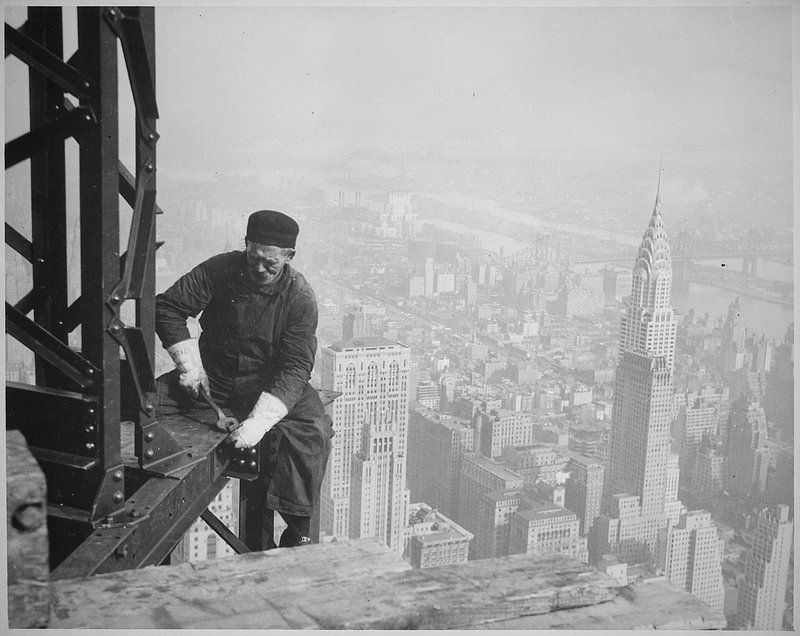
Staying at one company for 30 years was not just common in the ’60s, it was practically expected. Workers often entered a trade or a company straight out of school and stayed put.
Loyalty ran deep, and so did the pressure to keep it that way.
Switching careers meant starting almost from scratch with very few resources to help. There were no online courses, no YouTube tutorials, no remote freelance opportunities, and no LinkedIn to quietly browse job listings while still employed.
Reinventing yourself professionally was genuinely hard work.
The tradeoff was stability, and for many people that mattered. But for younger generations who change jobs every few years, pursue side hustles, or pivot careers entirely based on a new interest or a podcast recommendation, the locked-in nature of 1960s work culture would feel like a trap.
The idea of committing to one company for life before your 25th birthday is enough to make most people today break into a cold sweat.
Shopping Meant Actually Going to the Store
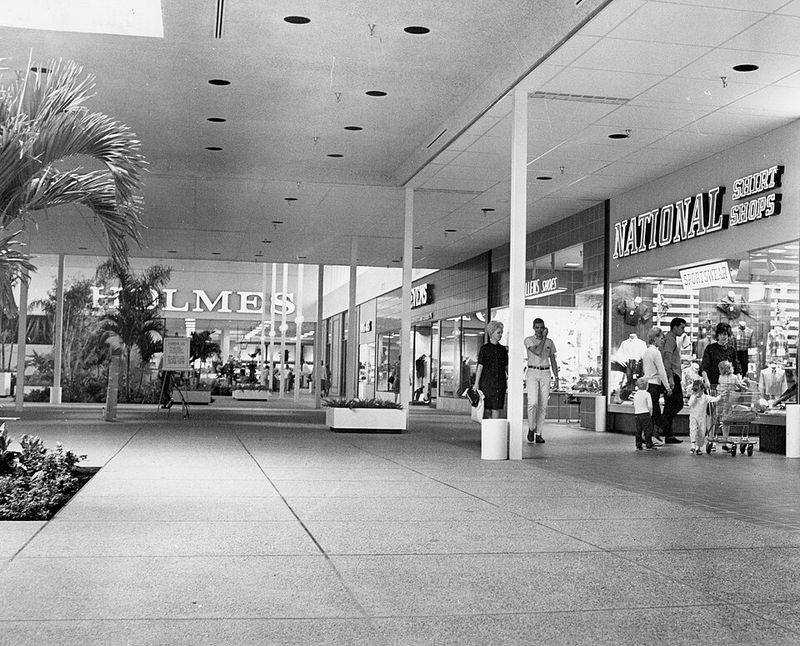
There was no Amazon Prime, no next-day delivery, no app to reorder paper towels with one tap. If you needed something, you put on your shoes and went to get it.
Period. No exceptions, no workarounds, no lazy Sunday online cart browsing.
Catalog shopping existed through companies like Sears and Montgomery Ward, but it required filling out a paper order form, mailing it in, and then waiting weeks for delivery. Returning something meant mailing it back.
The whole process required a level of patience that feels almost mythological today.
Stores also had set hours, and if you missed them, you waited until the next business day. No 24-hour anything, no self-checkout, no curbside pickup.
For anyone who has ever ordered groceries at midnight from their couch, the idea of planning every single purchase around store hours and physical availability would be a serious lifestyle adjustment that no amount of nostalgia could make comfortable.
Long-Distance Calls Were Reserved for Big News
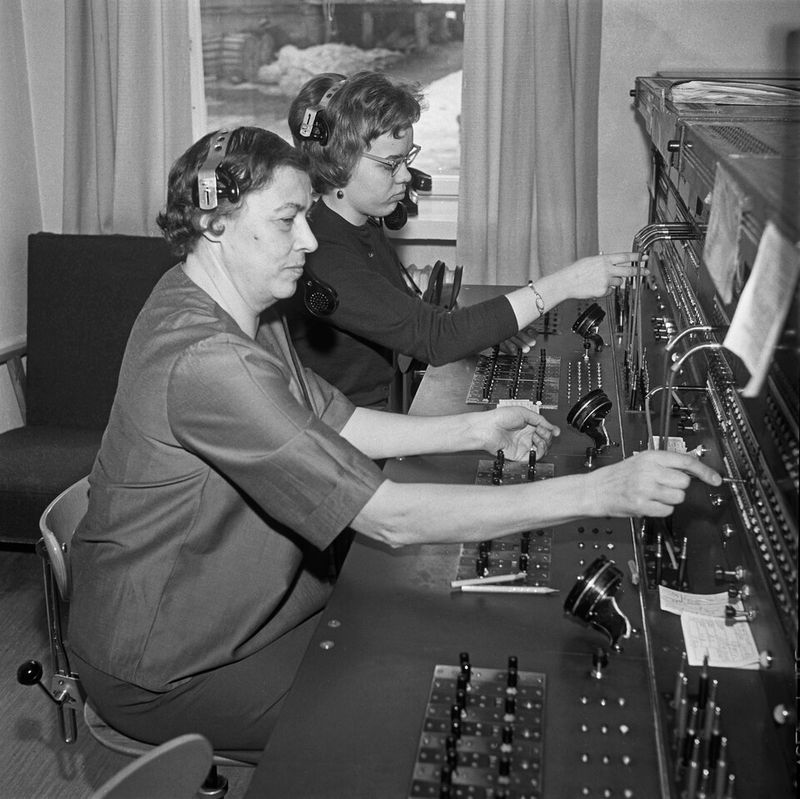
Calling someone in another state was not a casual move. Long-distance service came with higher charges, and families were very aware of the cost ticking up with every passing minute.
Calls were planned, short, and usually reserved for something worth the bill.
People actually rehearsed what they were going to say before dialing. There was no rambling, no catching up about nothing in particular, and definitely no calling just to ask what someone was having for dinner.
Every call had a purpose, and small talk was a luxury nobody was paying long-distance rates for.
The idea of calling your best friend across the country every day for an hour-long chat would have been financially reckless. Relationships across distances were maintained through letters, which took days to arrive and required actual effort to write.
For a generation that texts in real time and video calls on a whim, the emotional restraint required by 1960s long-distance communication would be a genuinely humbling experience.
Entertainment Had a Schedule and You Followed It
Miss your favorite show? Tough luck.
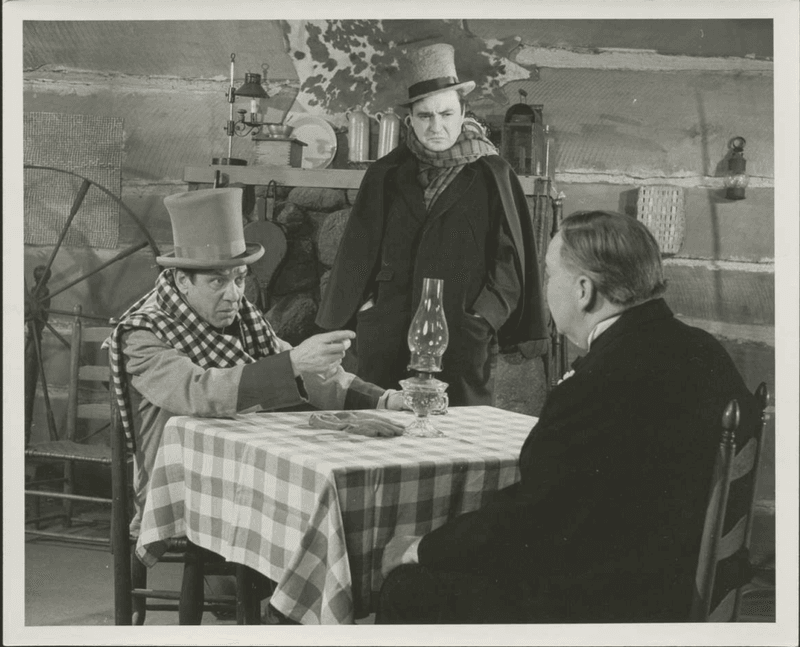
Television in the ’60s aired on a fixed schedule, and if you were not in front of the set when it started, you waited for the rerun, which might come weeks later or not at all. There was no pause button, no DVR, no second chance.
Radio was the same story. You listened to what was playing, and if you wanted a specific song, you requested it and hoped the DJ felt generous.
Music ownership meant buying records and handling them carefully, because scratches were permanent and replacements cost money.
Going to the movies was an event, not a casual Tuesday night decision made five minutes before showtime. You checked the newspaper for listings, planned around the schedule, and showed up on time.
For anyone who currently has four streaming subscriptions, a podcast queue, and a saved list of YouTube videos, surviving even one week with three TV channels and no remote control would require a level of patience that most of us simply do not possess anymore.
Share this story