Paris and Rome have long been the default answers to the question of where to go in Europe. But travelers are wising up.
Overcrowded piazzas, sky-high hotel prices, and two-hour queues just to see a ceiling are making people rethink the classics. The good news is that Europe and its surrounding regions are packed with places that deliver just as much history, beauty, and incredible food without the chaos.
Some of these destinations are still relatively under the radar, while others are quietly becoming the new favorites among seasoned explorers. From volcanic Portuguese islands to fairytale Romanian towns, there is a whole world of travel waiting beyond the usual postcards.
This list covers 12 regions that real travelers are actively choosing over the old standbys, and once you read through them, you might find yourself updating your bucket list before you even reach the end.
1. Transylvania, Romania
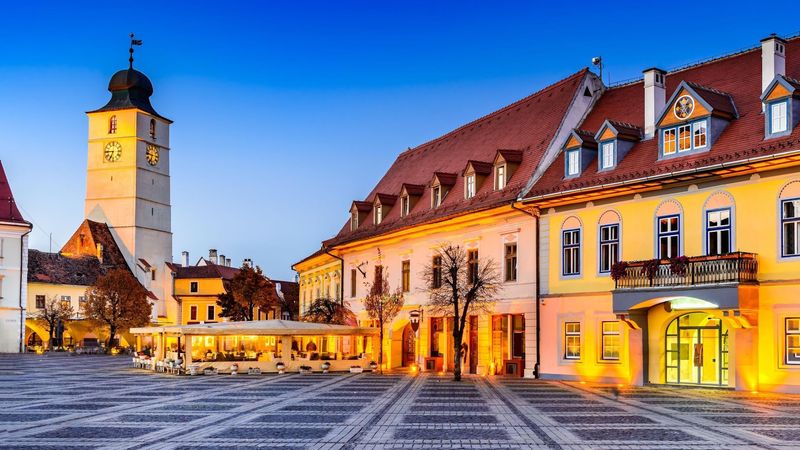
Forget the vampire clichés for a moment, because Transylvania has been quietly reinventing itself as one of Central Europe’s most rewarding destinations. The region stretches across central Romania and packs in medieval towns, Saxon villages, and mountain scenery that surprises nearly every first-time visitor.
Sibiu and Brașov are the two most visited cities, and both have well-preserved historic centers that feel genuinely lived-in rather than staged for tourists. Sibiu’s main square is lined with pastel buildings featuring distinctive attic windows that look like watching eyes, which is either charming or unsettling depending on your mood.
Costs across Romania remain significantly lower than Western Europe, which has become a real factor for travelers comparing value. A full day of sightseeing, meals, and a comfortable hotel can come in at a fraction of what Paris would charge for the same experience.
Transylvania rewards curious travelers who come with open expectations.
2. Puglia, Italy
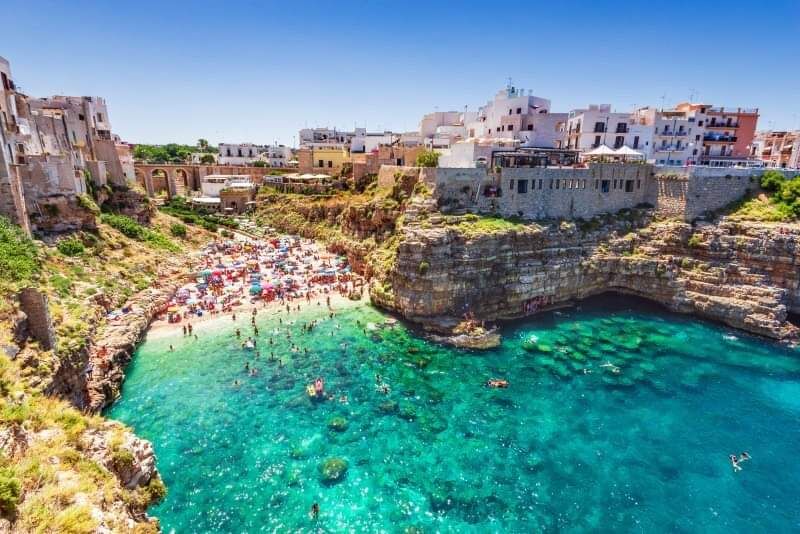
Southern Italy has a way of making you forget northern Italy ever existed. Puglia, the long heel of Italy’s boot, delivers everything travelers imagine when they picture the country but without the tour bus convoys parked outside every landmark.
Alberobello is the region’s most iconic stop, known for its trulli, which are circular stone houses with conical roofs that look like something out of a storybook. Lecce earns its nickname as the Florence of the South thanks to its ornate Baroque architecture, while the coastal town of Polignano a Mare sits dramatically above the Adriatic on limestone cliffs.
The food culture in Puglia centers on simplicity and quality ingredients. Fresh pasta, local olive oil, and coastal seafood dominate menus across the region.
Farm stays and masserie, which are traditional fortified farmhouses, have become popular accommodation choices. Travelers consistently say Puglia delivers the Italy they always imagined, minus the exhausting crowds.
3. The Azores, Portugal
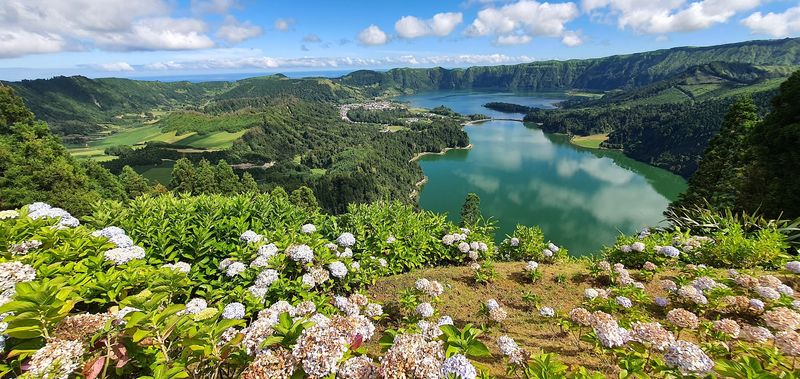
Nine volcanic islands sitting in the middle of the Atlantic Ocean make up one of Europe’s most genuinely surprising destinations. The Azores belong to Portugal but feel like a completely different world from Lisbon or the Algarve, with landscapes shaped by volcanic activity that created crater lakes, natural hot springs, and cliffs dropping into the ocean.
São Miguel is the largest and most visited island, home to the famous Sete Cidades twin lakes that sit inside an ancient volcanic crater. Faial and Flores offer more rugged terrain with waterfalls and dramatic coastal scenery that attracts serious hikers.
Whale watching is a major activity across the archipelago, with several species passing through the surrounding waters throughout the year. The islands also benefit from a mild climate that makes them appealing outside the peak summer months.
Compared to the intensity of Paris or Rome, the Azores offer a fundamentally different kind of travel experience centered entirely on nature and open space.
4. Slovenia’s Julian Alps
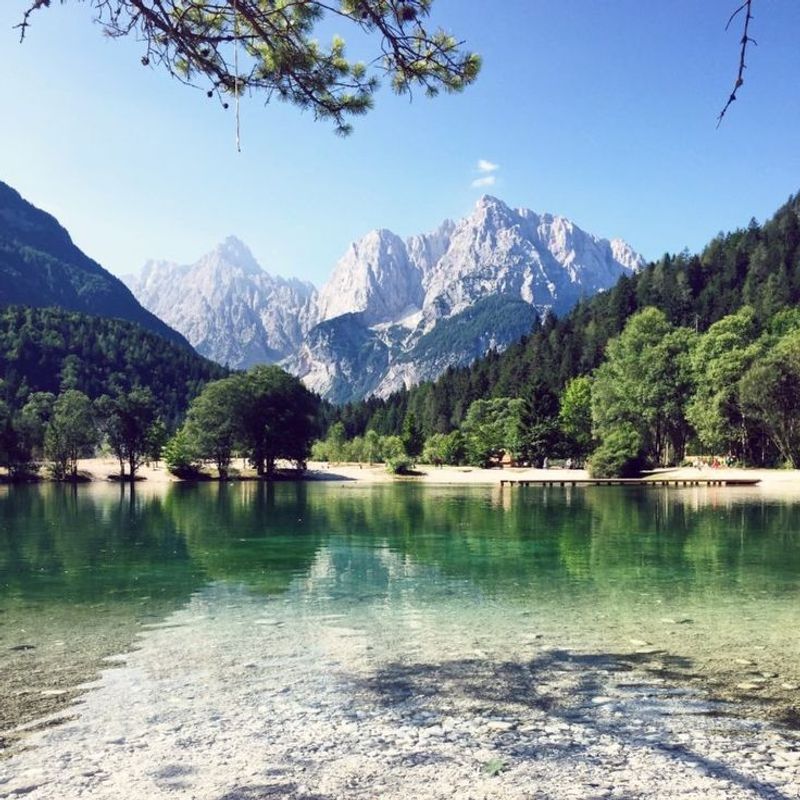
Switzerland gets all the alpine credit, but Slovenia has been running the same mountain scenery at a fraction of the price for years. The Julian Alps in the country’s northwest cover a compact but spectacular area that includes Lake Bled, Triglav National Park, and the Soča River valley.
Lake Bled is the most famous sight, with a small island church in the middle of the lake and a medieval castle perched on a cliff above the water. It photographs beautifully, and while summer weekends can get busy, the surrounding trails and villages stay relatively quiet.
The Soča Valley draws outdoor enthusiasts with its clear turquoise river and opportunities for rafting, kayaking, and mountain biking. The town of Bovec serves as a practical base for exploring the area.
Slovenia as a whole ranks among Europe’s most affordable destinations for quality outdoor travel, and most visitors leave wishing they had planned a longer stay.
5. Istria, Croatia
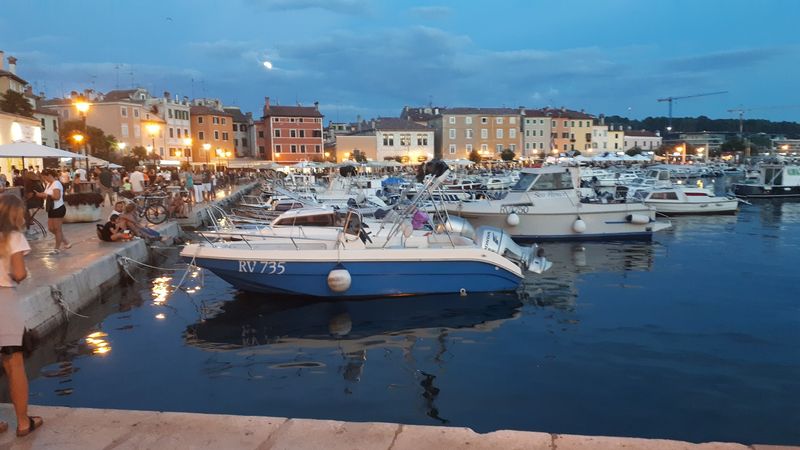
Croatia’s Istrian peninsula is basically Italy’s charming neighbor who never gets the same attention at parties but honestly deserves it just as much. Travelers who make the trip to this northwestern corner of Croatia find Venetian-style architecture, hilltop medieval towns, and an Adriatic coastline that does not require booking six months in advance.
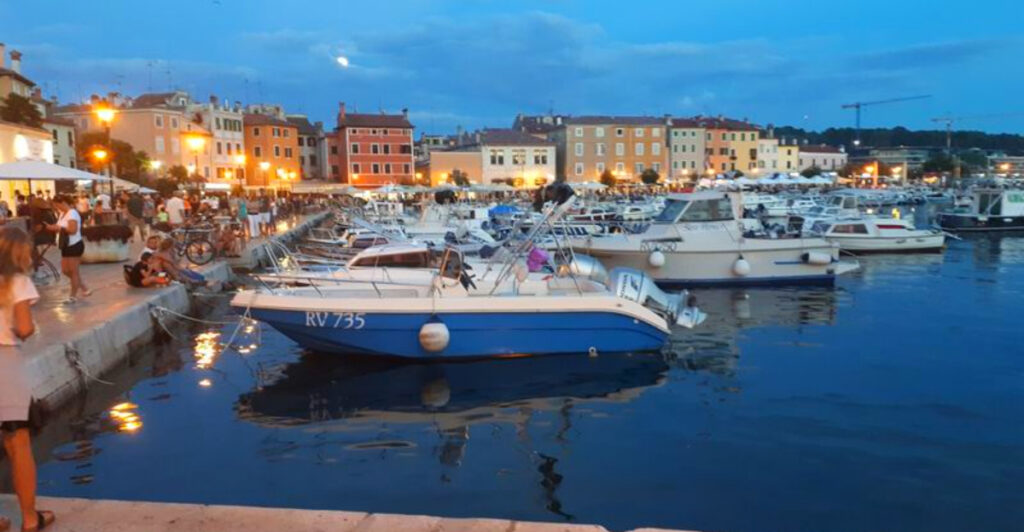
Rovinj is the most photographed town in the region, with its pastel-colored buildings stacked along the waterfront and narrow cobblestone lanes threading between them. But Motovun, Grožnjan, and Poreč each offer their own distinct character worth exploring.
Truffle hunting has become a surprisingly big draw here, with local guides taking visitors into the forests of the Mirna Valley to search for the prized fungi. Seafood restaurants line the coastal towns, and the region produces well-regarded wines.
Prices remain well below comparable Italian destinations, making Istria one of the most practical alternatives in Europe right now.
6. Andalusia, Spain
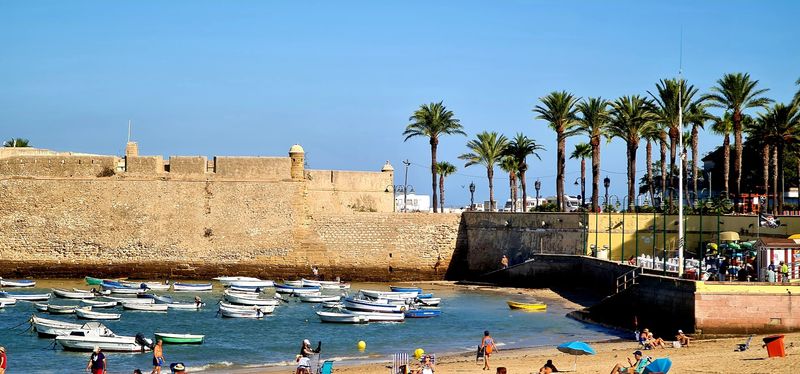
Southern Spain plays by its own rules, and Andalusia makes no apologies for being one of the most culturally layered regions in all of Europe. The combination of Moorish, Christian, and Jewish heritage produced architecture and traditions that you simply cannot find anywhere else on the continent.
Granada’s Alhambra palace complex is the region’s crown jewel, a sprawling fortress filled with geometric tilework, carved stucco, and reflecting pools that took centuries to complete. Seville’s cathedral is the largest Gothic church in the world, and Córdoba’s Mezquita, a mosque that was converted into a cathedral, represents one of history’s most fascinating architectural collisions.
Beyond the monuments, Andalusia rewards travelers who slow down. Local markets, neighborhood tapas bars, and flamenco performances in small venues all offer a more direct connection to daily life than anything you would find in Rome’s tourist corridors.
The region also benefits from a well-developed transport network that makes moving between cities straightforward.
7. Montenegro’s Bay of Kotor
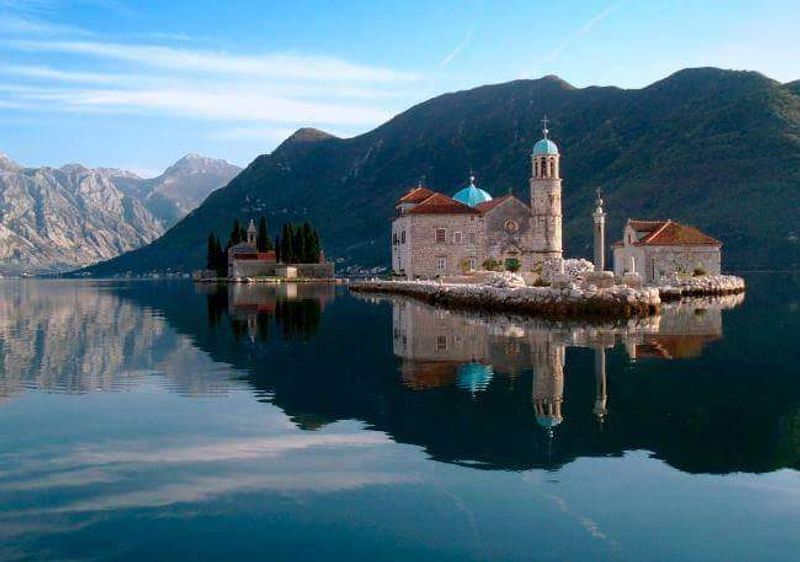
Montenegro might be one of Europe’s smallest countries, but the Bay of Kotor packs more visual drama into a single landscape than most destinations manage across an entire region. Mountains drop almost vertically into a winding inland bay, and at the water’s edge sits the medieval walled town of Kotor, which has been continuously inhabited since Roman times.
The old town itself is a compact maze of stone streets, Romanesque churches, and small squares that stays manageable even when cruise ships dock nearby. The surrounding fortification walls climb the mountain above the town and reward hikers with views that justify every step of the climb.
Smaller villages around the bay, like Perast with its two island churches, offer a quieter experience away from Kotor’s main tourist flow. Budva, located further south along the coast, adds a beach resort dimension to the trip.
Montenegro’s prices remain well below those of its Adriatic neighbors, making it a practical choice for travelers watching their budgets.
8. The Czech Republic Beyond Prague
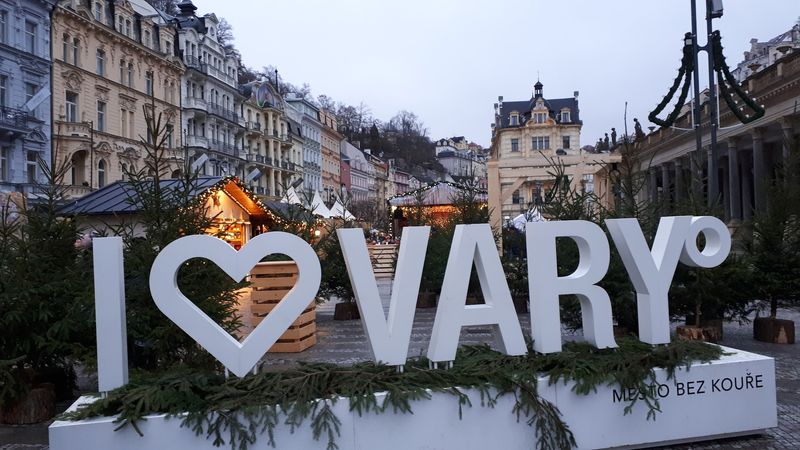
Prague deserves its fame, but the Czech Republic has been quietly keeping its best secrets a short drive from the capital. Travelers who venture beyond the city discover a country full of castles, spa towns, and medieval towns that see a tiny fraction of Prague’s tourist traffic.
Český Krumlov is the most dramatic example, a town built around a massive castle complex that sits on a bend in the Vltava River. The historic center is a UNESCO World Heritage Site, and the town’s scale is small enough to explore on foot in a relaxed half day.
Karlovy Vary, the famous spa town in western Bohemia, offers an entirely different experience with its grand colonnades and thermal springs.
Eastern Bohemia and Moravia attract travelers interested in wine country, cycling routes, and folk traditions that have survived remarkably intact. Costs across the Czech Republic remain lower than Western Europe’s capitals, and the public transport network makes regional exploration easy and affordable for independent travelers.
9. Basque Country, Spain and France
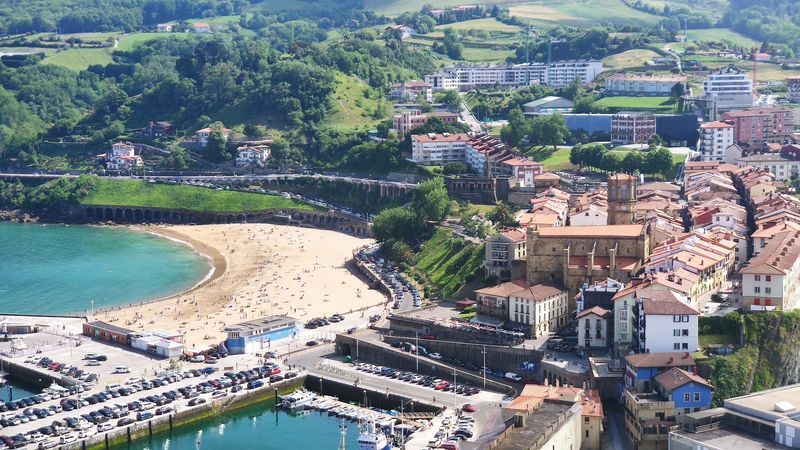
There are places in the world where the food alone justifies the plane ticket, and San Sebastián in the Spanish Basque Country is firmly on that list. The city holds more Michelin stars per square kilometer than almost anywhere else on earth, and even its casual pintxos bars serve food that would embarrass most restaurants in other European capitals.
The Basque Country spans the border between northern Spain and southwestern France, and the French side, centered on Biarritz and Bayonne, adds its own distinct character to the region. Biarritz built its reputation as a resort town for European royalty in the 19th century and still carries an elegant coastal atmosphere.
Beyond the food, the region offers green mountain valleys, fishing villages along the coast, and a cultural identity so strong that the Basque language, Euskara, has survived for thousands of years with no known linguistic relatives. Travelers consistently describe the area as one of Europe’s most enjoyable and underrated destinations.
10. Albania’s Riviera
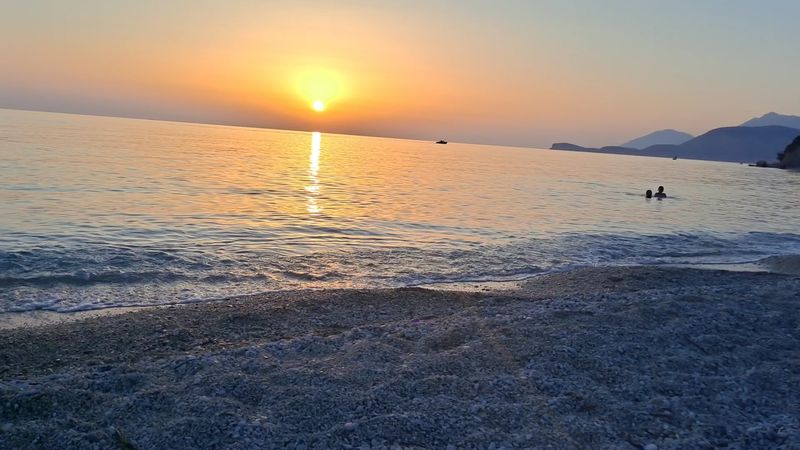
Albania is the destination that budget travelers used to whisper about like a secret, and now that secret is officially out. The Albanian Riviera stretches along the country’s southern coastline with beaches that rival anything in Greece or Croatia but at prices that make those destinations look extravagant by comparison.
Ksamil sits near the Greek border and features small offshore islands reachable by a short swim, with water so clear that the sandy bottom is visible from several meters above. Himarë is a larger coastal town with a castle above it and a mix of pebble and sand beaches below.
The road connecting the coastal towns passes through dramatic mountain terrain with views of the Ionian Sea.
Infrastructure has improved considerably over the past decade, with more accommodation options, better roads, and a growing selection of restaurants. Albania still lacks the tourist machinery of its neighbors, which is precisely what makes it appealing.
Younger travelers in particular describe it as what Greece felt like before mass tourism arrived.
11. Eastern Europe’s Historic Capitals
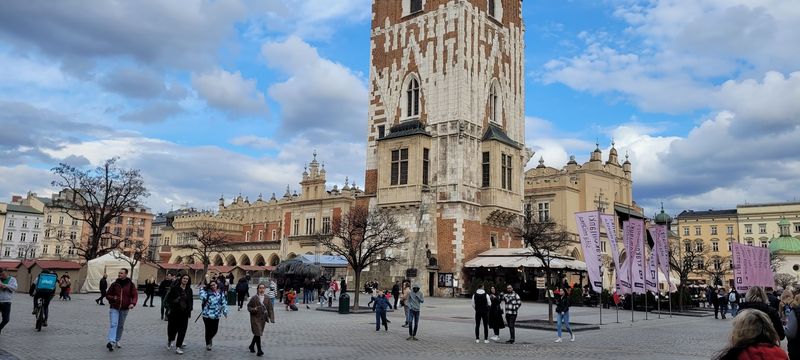
Budapest, Kraków, Sofia, and Sarajevo do not always appear on the same shortlist, but they share something important: all four offer grand architecture, rich history, and genuine urban energy at prices that make Paris feel like a financial experiment gone wrong.
Budapest alone could anchor a week-long trip with its thermal baths, ruin bars, riverside parliament building, and castle district perched above the Danube. Kraków’s medieval old town and proximity to significant historical sites make it one of Central Europe’s most visited cities, yet it still feels manageable and affordable.
Sarajevo surprises visitors with its layered identity, where Ottoman bazaars, Austro-Hungarian boulevards, and 20th-century history exist within walking distance of each other. Sofia is the most underrated of the group, with impressive museums, a compact historic center, and some of the lowest prices in Europe.
Travel industry reports confirm that interest in Eastern European capitals has grown sharply as travelers recalibrate their expectations about where their money goes furthest.
12. Provence, France
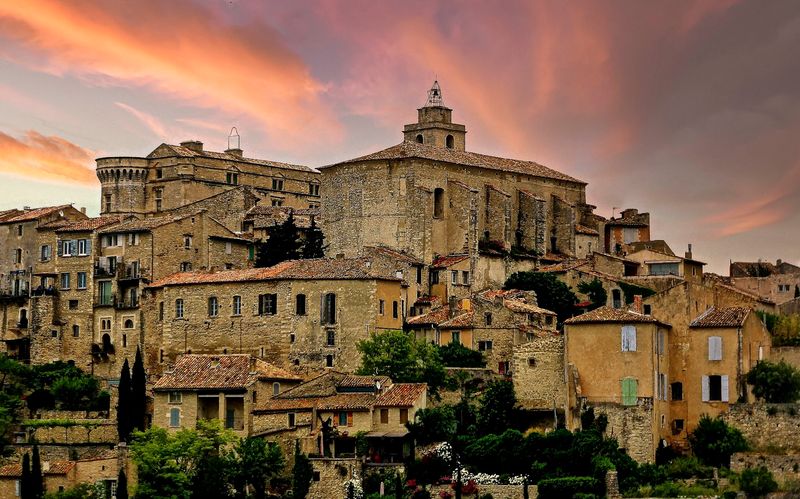
Here is the twist nobody expected: one of the best alternatives to Paris is still in France. Provence, the sun-drenched region in the country’s southeast, delivers the romantic, unhurried version of France that many travelers picture when they book a trip to Paris and then discover the reality of Metro crowds and tourist restaurant queues.
The lavender fields that bloom across the Valensole plateau each summer have become one of Europe’s most iconic images, and they genuinely look as good in person as they do in photographs. But Provence offers far more than lavender.
The Luberon range is dotted with hilltop villages like Gordes and Roussillon, each perched dramatically above the surrounding countryside.
Roman ruins in Orange and Nîmes rival anything in Rome for historical significance but attract a fraction of the visitors. Local markets in towns like Apt and L’Isle-sur-la-Sorgue run weekly and offer a direct window into regional food culture.
Provence consistently rewards travelers who prefer depth over speed.
Share this story