Canada is filled with places that feel truly remote, where the journey is part of the adventure. From glacier-covered landscapes and wild coastlines to polar bear territory and ancient Indigenous communities, these destinations offer experiences you simply cannot find anywhere else.
They may take extra effort to reach, but the reward is unforgettable scenery, untouched wilderness, and the kind of travel stories that stay with you for life.
1. Haida Gwaii, British Columbia
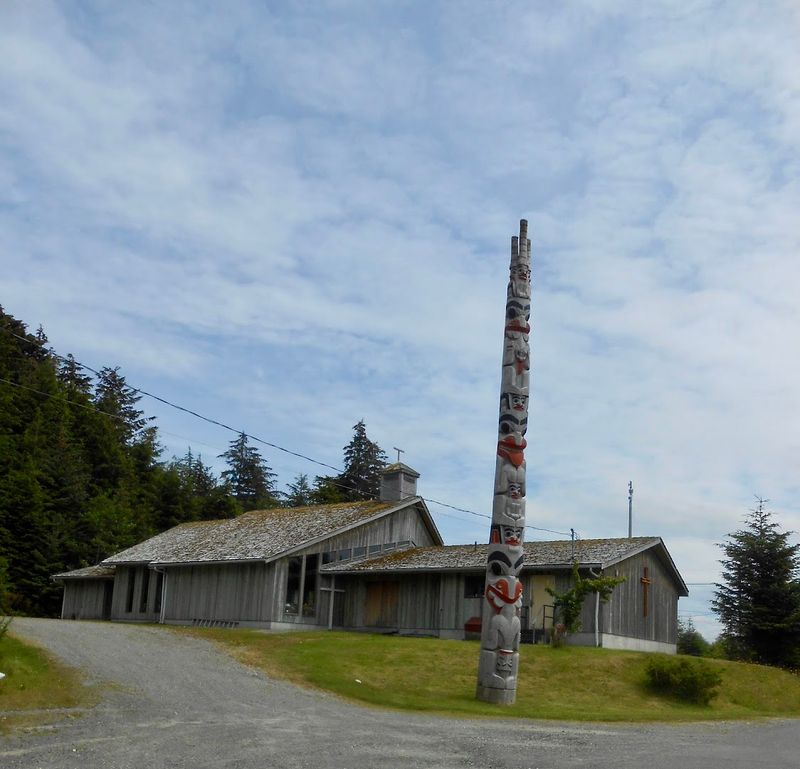
An archipelago sitting roughly 130 kilometers off the coast of British Columbia, Haida Gwaii is one of those places that makes you question why you ever settled for ordinary vacations.
The islands are home to the Haida First Nations, whose culture stretches back more than 10,000 years. Totem poles stand in ancient village sites, and the oral histories here are as old as the forests themselves.
Gwaii Haanas National Park Reserve protects much of the southern islands and can only be accessed by boat or small plane. Rangers, many of them Haida Watchmen, greet visitors at key cultural sites and share knowledge that no guidebook can replicate.
Wildlife is extraordinary here. Black bears, bald eagles, and several species of whale are regular sights.
The forests contain Sitka spruce trees that have been growing for centuries.
Access is by ferry from Prince Rupert or by small aircraft. Plan ahead, as visitor numbers are intentionally limited to protect this extraordinary place.
2. Tuktoyaktuk, Northwest Territories
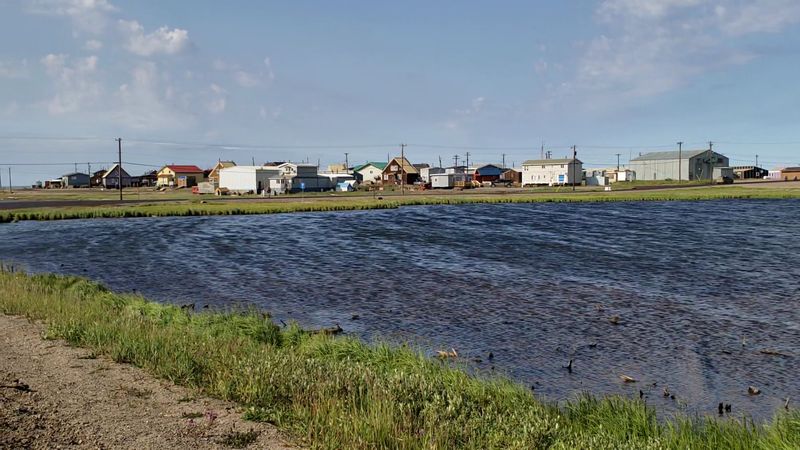
Not many people can say they have driven to the Arctic Ocean, but since 2017, that is exactly what you can do from Inuvik along the Inuvik-Tuktoyaktuk Highway.
This 140-kilometer all-season road cuts through open tundra and is the first public highway in Canada to reach the Arctic Ocean. Before it opened, the only way in was by ice road in winter or by plane year-round.
Tuktoyaktuk itself is a small Inuvialuit community with a population of around 900 people. The town sits on a peninsula jutting into the Mackenzie Delta, surrounded by hundreds of pingos, which are dome-shaped hills of ice-covered earth unique to permafrost regions.
There are more pingos here than anywhere else on Earth.
Visitors can dip their toes in the Arctic Ocean, tour a traditional underground ice house, and learn about Inuvialuit history and traditions from local guides.
Summer brings nearly 24 hours of daylight, while winter offers some of the most dramatic Northern Lights displays on the continent.
3. Fogo Island, Newfoundland and Labrador
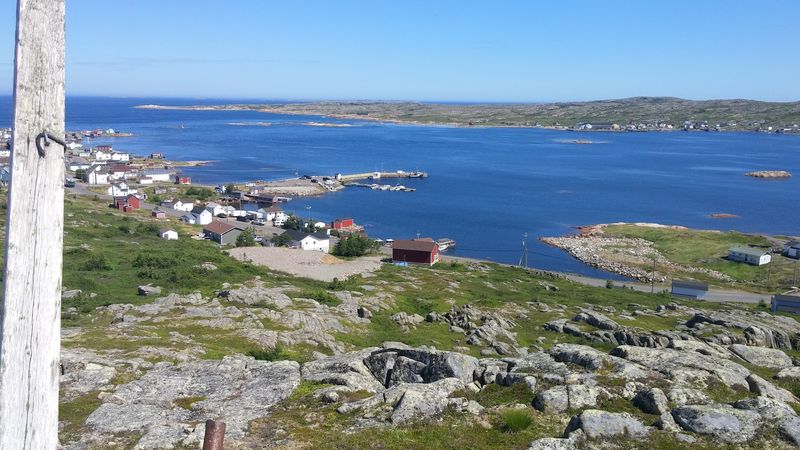
Fogo Island sits about 25 kilometers off the northeast coast of Newfoundland and is reachable only by ferry, which already tells you something about the kind of place it is.
The island has been a fishing community for centuries, and that identity is still very much alive. Cod fishing shaped the culture here, and the people who stayed after the fishery collapsed in the 1990s did so with remarkable determination.
A major reason visitors make the trip today is the Fogo Island Inn, an architectural landmark perched on stilts above the rocky shore. The inn was developed as part of a community revitalization project, and its profits support local social enterprises.
It is one of the most thoughtfully designed hotels in the world.
Beyond the inn, the island offers coastal hiking trails, iceberg viewing in spring, and encounters with artists who come here through a residency program that has drawn creative people from around the globe.
The pace of life on Fogo is deliberately slow. That is the entire point.
4. Nahanni National Park Reserve, Northwest Territories
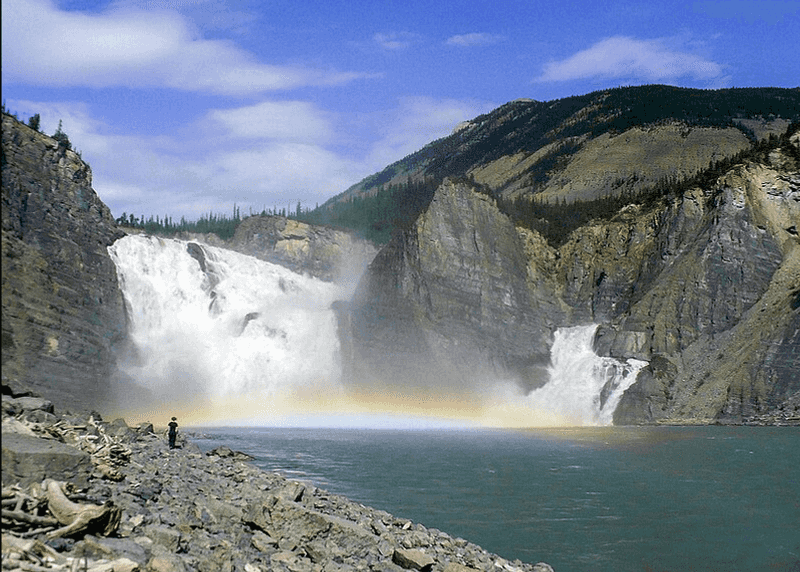
Virginia Falls, the centerpiece of Nahanni National Park Reserve, is nearly twice the height of Niagara Falls. That single fact should be enough to get anyone packing their bags.
The park is a UNESCO World Heritage Site covering over 30,000 square kilometers of canyons, hot springs, and boreal wilderness along the South Nahanni River. There are no roads in.
Getting here requires a float plane from Fort Simpson or Fort Nelson, which means every visitor has already committed to the adventure before they even land.
The South Nahanni River is one of the most celebrated whitewater routes in the world. Paddlers travel through four dramatic canyons, past thermal springs, and under skies so clear at night that the stars feel uncomfortably close.
Wildlife in the park includes woodland caribou, wolves, Dall sheep, and grizzly bears. The park was expanded significantly in 2009 to protect additional critical habitat.
Guided river expeditions are the most popular way to experience Nahanni, with trips typically lasting between two and three weeks.
5. Churchill, Manitoba
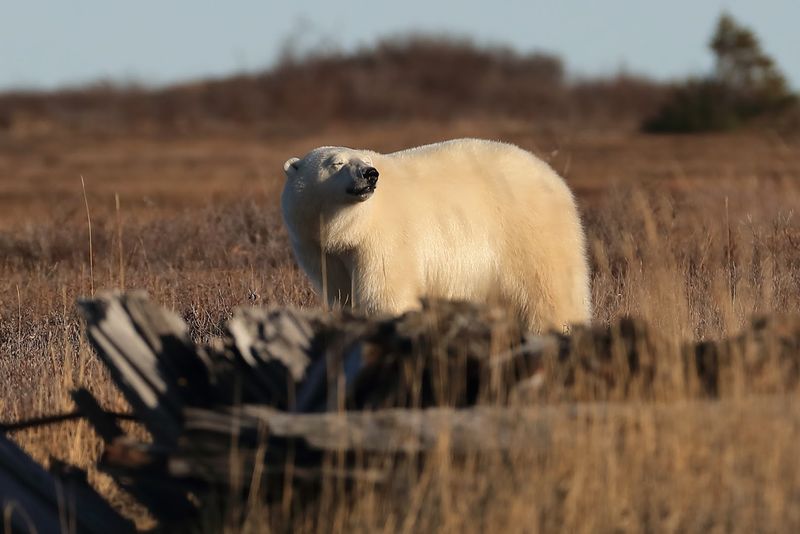
Churchill holds a title that no other town in the world can claim: the undisputed polar bear capital of the planet.
Every autumn, polar bears gather near Churchill as they wait for Hudson Bay to freeze so they can head out onto the ice to hunt. The town sits directly in their migration path, which makes for some genuinely extraordinary wildlife encounters.
Purpose-built tundra vehicles take visitors out to observe the bears up close in a way that is safe for both humans and animals.
Summer in Churchill is equally rewarding. The Churchill River estuary becomes home to thousands of beluga whales between June and August, and snorkeling with them is a legitimate option.
The tundra also bursts into color during the brief Arctic summer, drawing botanists and photographers from around the world.
Winter brings the Northern Lights in spectacular form. Churchill is one of the best places on Earth to see them due to its position directly under the auroral oval.
Getting here requires a flight or a two-day train ride from Winnipeg, and that journey is half the fun.
6. Gros Morne’s Northern Peninsula, Newfoundland and Labrador
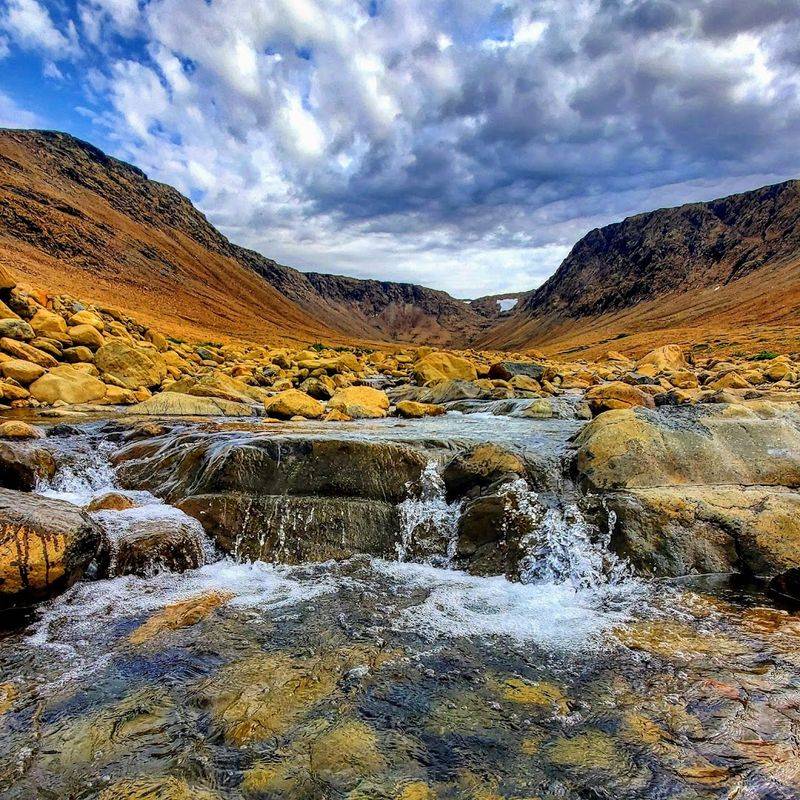
The Tablelands in Gros Morne look like Mars dropped a chunk of itself onto the western coast of Newfoundland, and geologists are still excited about it.
This unusual flat-topped mountain is made of peridotite, a rock type normally found deep in the Earth’s mantle. Its exposure here is direct evidence of ancient tectonic plate movement and is one of the reasons Gros Morne earned its UNESCO World Heritage status in 1987.
The Northern Peninsula extends beyond the main park and leads to L’Anse aux Meadows, a UNESCO site of a different kind. This is where Norse explorer Leif Eriksson established a settlement around 1000 AD, making it the oldest known European settlement in North America.
Western Brook Pond, a landlocked fjord inside the park, offers boat tours through gorges flanked by 600-meter cliffs. The hike to the boat dock is flat and accessible, making it one of the more family-friendly big experiences in the park.
The Cabot Trail connects many of these highlights, giving road-trippers a scenic route through some of the continent’s most dramatic geology.
7. Kluane National Park, Yukon
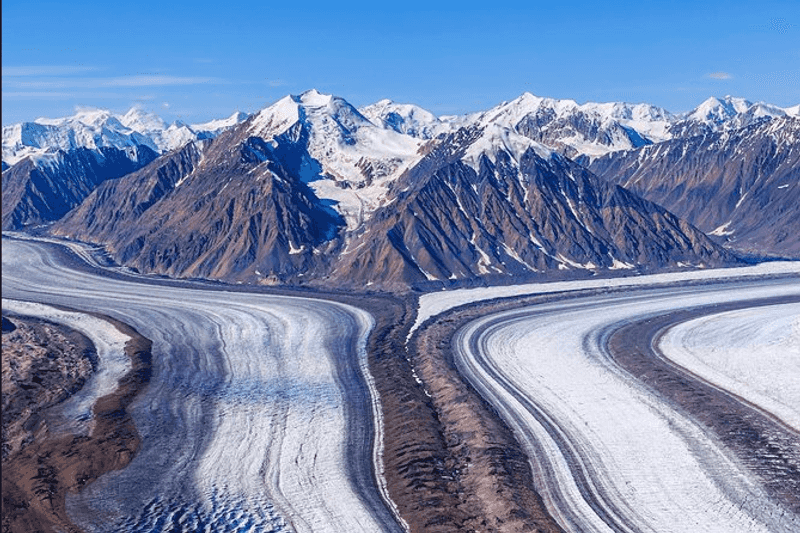
Canada’s largest national park contains the world’s largest non-polar icefield, and yet most Canadians could not find it on a map without help. That is Kluane’s particular kind of charm.
The Kluane Icefield covers roughly 22,000 square kilometers and feeds dozens of massive glaciers, including the Lowell Glacier, which has historically dammed the Alsek River and created temporary lakes the size of small seas. The St. Elias Mountains here include some of the highest peaks in Canada, with Mount Logan topping out at 5,959 meters as the country’s highest point.
Hiking in Kluane ranges from accessible day walks near Haines Junction to multi-day backcountry routes that require navigation skills and bear awareness. Flightseeing tours over the icefield are a popular option for visitors who want to grasp the scale of the landscape without a multi-day expedition.
Dall sheep, grizzly bears, and wolverines are among the wildlife residents. The park shares borders with Wrangell-St. Elias National Park in Alaska, forming one of the largest protected wilderness areas on Earth.
8. Mingan Archipelago, Quebec
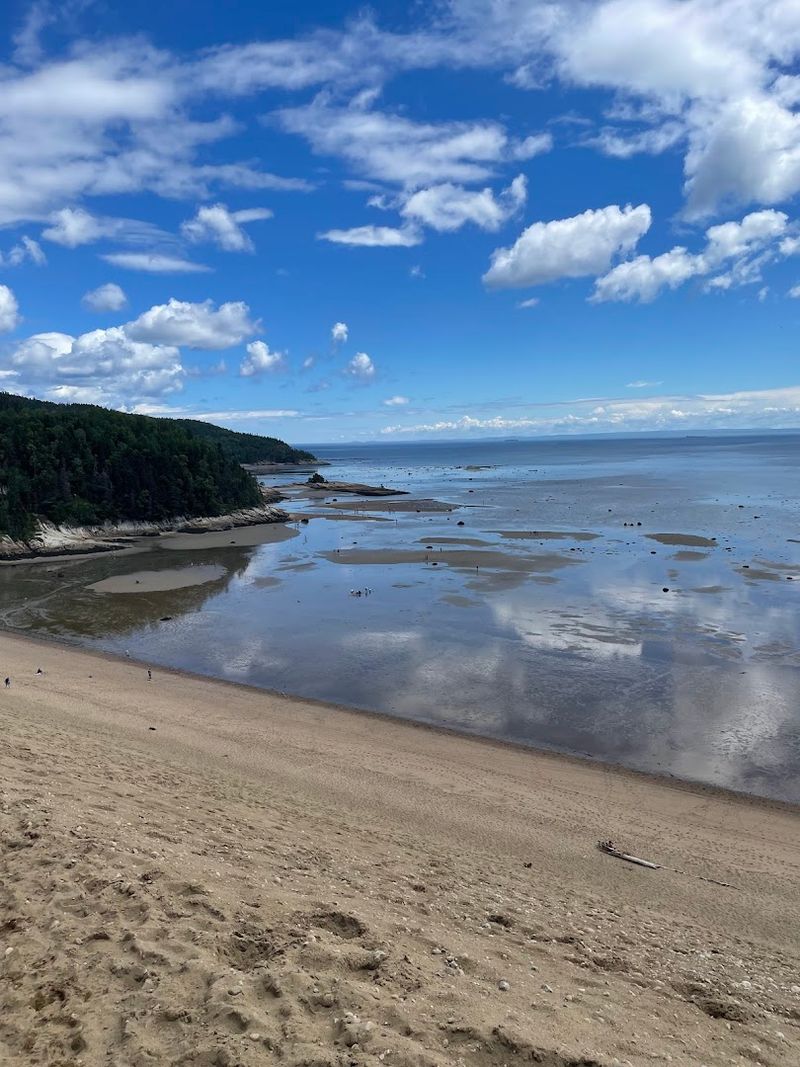
Hundreds of limestone monoliths rise out of the Gulf of St. Lawrence like abstract sculptures left behind by a civilization that had very strong opinions about art.
The Mingan Archipelago stretches along the north shore of Quebec and includes around 1,000 islands, islets, and reefs. The limestone formations, called monoliths, have been carved by centuries of wave action into shapes so unusual that first-time visitors often stop to confirm they are actually natural.
The archipelago is a critical habitat for seabirds. Atlantic puffins, razorbills, and common murres nest here in large numbers, making it one of the best birdwatching destinations in eastern Canada.
Blue whales, fin whales, and minke whales are also regularly spotted in the surrounding waters.
Boat tours from Havre-Saint-Pierre provide access to the islands, and Parks Canada operates visitor centers that explain the geological and ecological significance of the reserve.
Kayaking between the islands is a popular multi-day activity for more adventurous visitors. The remoteness of the archipelago keeps crowds low even during peak summer months.
9. Bella Coola Valley, British Columbia
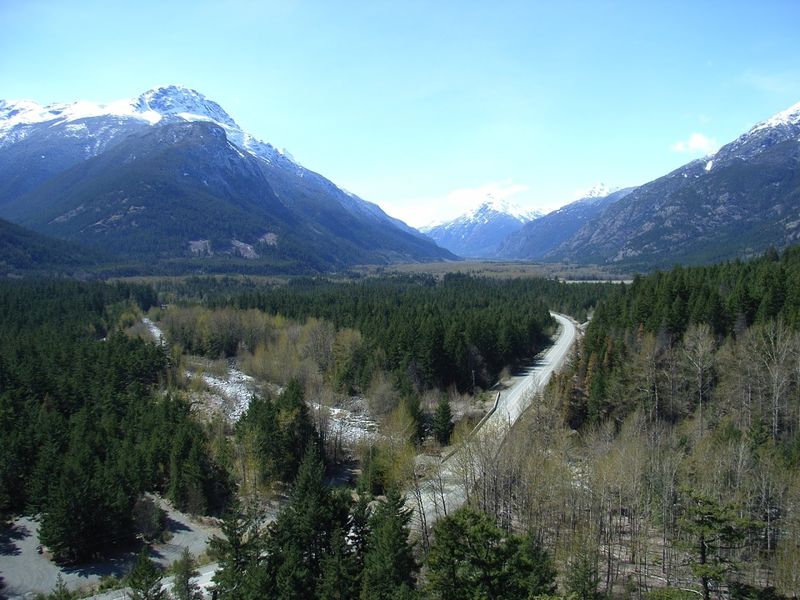
The road into Bella Coola from the interior of British Columbia drops 1,500 meters in about 30 kilometers, and locals simply call it The Hill. That road tells you everything about what kind of place this is.
Bella Coola sits at the head of a deep fjord on BC’s central coast, surrounded by mountains and old-growth forest. The valley has been home to the Nuxalk Nation for thousands of years, and their cultural presence is woven into every aspect of life here.
The area is part of the Great Bear Rainforest, one of the largest temperate rainforests on Earth. Grizzly bear viewing tours operate in the valley and along the nearby rivers, particularly during salmon runs when the bears are highly active and predictably present.
The Bella Coola Valley also sits along the Alexander Mackenzie Heritage Trail, which follows the route the explorer used in 1793 to become the first person to cross North America overland north of Mexico.
Getting here by road involves either The Hill or a ferry route, both of which are experiences in their own right.
10. Cape Dorset (Kinngait), Nunavut
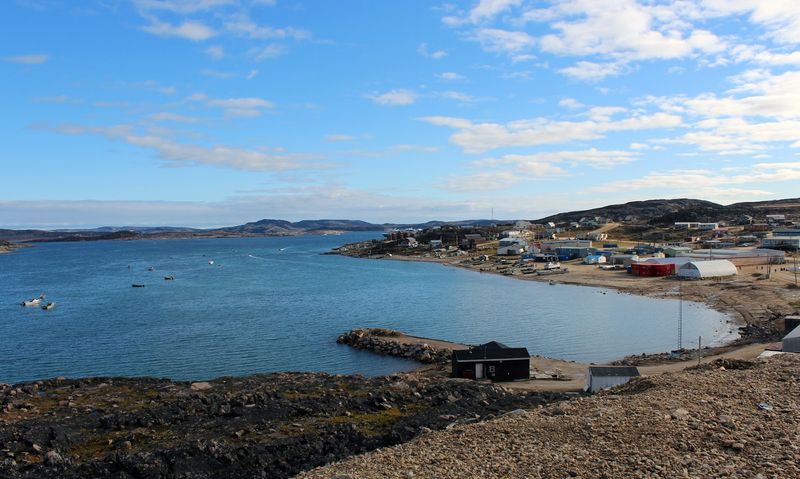
Cape Dorset, officially known today as Kinngait, has a population of roughly 1,400 people and produces some of the most internationally recognized art in Canada. That combination is not something you find everywhere.
The West Baffin Eskimo Co-operative, founded in 1959 with the help of artist James Houston, helped launch a printmaking movement that brought Inuit art to galleries around the world. Artists here work in printmaking, drawing, and sculpture, often depicting wildlife, mythology, and daily life in the Arctic.
The community sits on the southwestern tip of Baffin Island, accessible only by air. The surrounding landscape is dramatic high Arctic terrain, with rocky outcrops, tundra, and views across Hudson Strait toward northern Quebec.
Visitors can tour the Kinngait Studios, where artists work, and purchase prints directly from the co-operative. The annual Cape Dorset print collection, released each year, is eagerly anticipated by collectors worldwide.
Polar bears and Arctic foxes are present in the region, and local guides can take visitors out to experience the land in ways that reflect deep Inuit knowledge of the environment.
11. The Magdalen Islands, Quebec
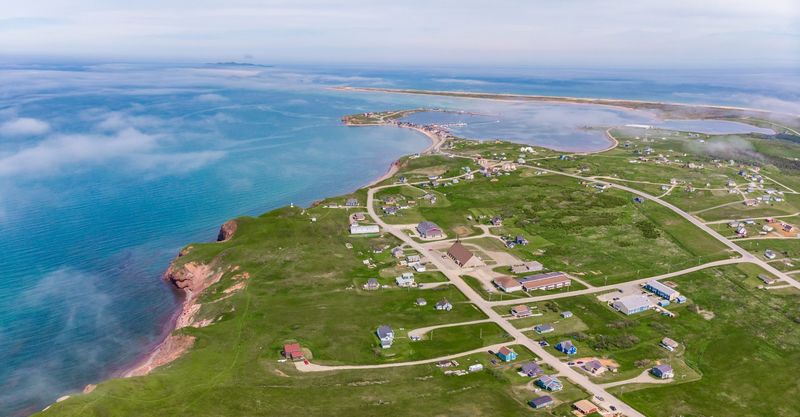
The Magdalen Islands are technically part of Quebec, but they sit closer to Prince Edward Island and Nova Scotia than to the Quebec mainland, which gives them a cultural identity that is entirely their own.
The islands are connected by long sand dunes and are home to around 13,000 people, most of whom speak a dialect of French that linguists find genuinely fascinating. The fishing industry remains central to daily life, and the local cuisine reflects that directly, with seafood caught and prepared with real craft.
Red sandstone cliffs drop into the Gulf of St. Lawrence along much of the coastline, and the beaches here are among the longest and least crowded in eastern Canada. Wind sports like kite surfing are popular due to the near-constant coastal breeze.
In late winter, harp seal pups gather on the ice floes near the islands. Eco-tours allow visitors to observe them at a respectful distance, and this has become one of the most talked-about wildlife experiences in the country.
Access is by ferry from Souris, PEI, or by air from several regional airports.
12. Waterton Lakes Region, Alberta
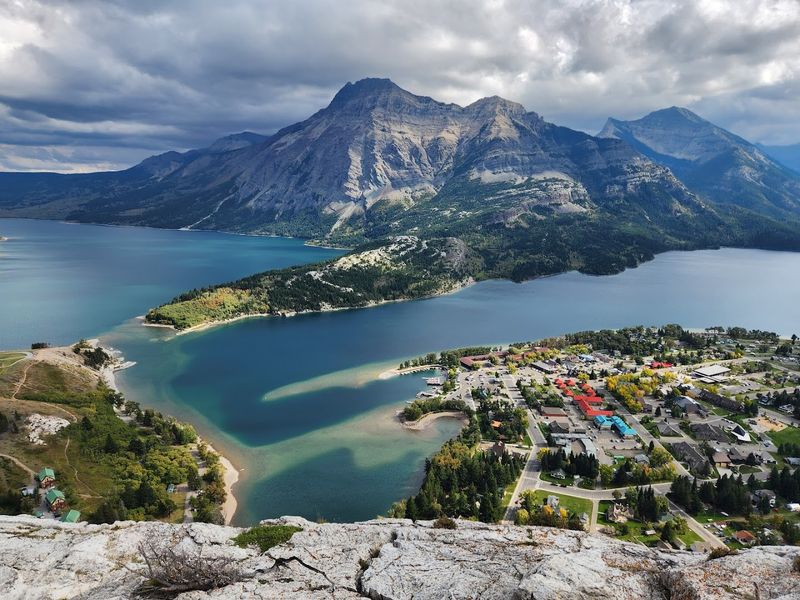
Waterton Lakes National Park is the quieter, less-famous sibling of Banff, and that is precisely what its visitors love most about it.
Located in the southwest corner of Alberta where the prairies meet the Rockies, Waterton is part of the Waterton-Glacier International Peace Park, which crosses the border into Montana. Together they form the world’s first international peace park, designated in 1932, and both carry UNESCO World Biosphere Reserve status.
The park is famous for its wind, which regularly gusts at speeds that make standing upright a genuine athletic achievement. That same wind keeps the crowds thin and the landscape dramatic.
Wildflowers cover the meadows in summer in concentrations that attract serious botanists.
Wildlife viewing here is exceptional. Black bears, grizzly bears, moose, elk, bighorn sheep, and mountain goats are all commonly spotted within the park boundaries.
The historic Prince of Wales Hotel, built in 1927 on a bluff overlooking the lake, is one of the most photographed buildings in the Canadian Rockies. The townsite is small but well-equipped, with hiking trails beginning right from the main street.
Share this story