 Unearth The Voyage
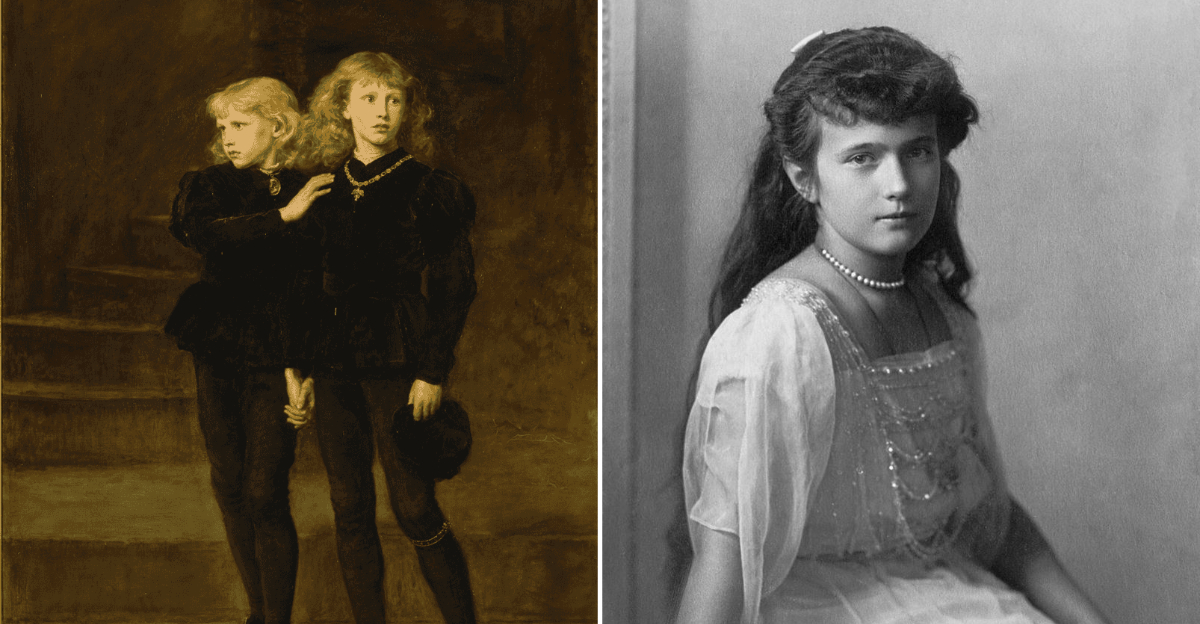
Royal history looks tidy in portraits and family trees, but the real record is full of gaps, reversals, and enduring arguments. A missing prince, a disputed burial, a ruler who vanishes from the archive – these stories keep historians busy because the evidence never lines up as neatly as the legend.
Some mysteries survived because records were destroyed, while others grew because later writers had reasons to reshape the past. Keep reading and you will find twelve royal figures whose stories still invite fresh questions, careful skepticism, and the occasional raised eyebrow.
1. King Ludwig II of Bavaria
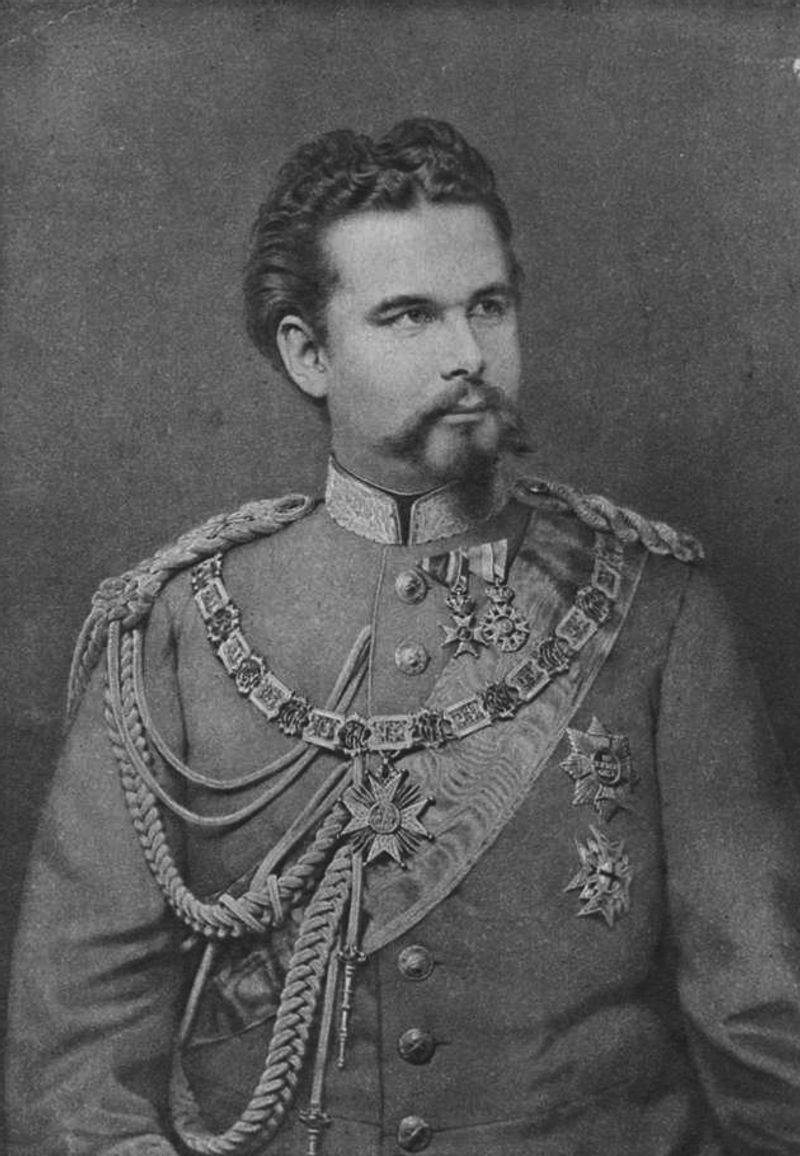
Some rulers leave policies behind, and some leave a question mark shaped like a castle. Ludwig II of Bavaria is remembered for lavish building projects, especially Neuschwanstein, and for a reign that mixed artistic ambition with mounting political tension.
In 1886, after he was declared unfit to rule, Ludwig was confined under supervision. Soon after, he and psychiatrist Bernhard von Gudden were found in Lake Starnberg under circumstances that invited immediate doubt.
The official explanation never satisfied everyone. Ludwig reportedly disliked deep water, no clear signs settled the sequence of events, and supporters quickly suspected a cover story created by people who wanted him out of power.
His reputation complicated the case further. Critics painted him unstable, while admirers treated him as a misunderstood patron of culture who was easier to remove than to manage.
That split still shapes every retelling. Was this a simple official account, a political convenience, or a final chapter blurred by competing interests and selective testimony?
With Ludwig, even the paperwork feels theatrical. Bavaria gained clarity on the throne, but not in the archive.
2. Queen Nefertiti
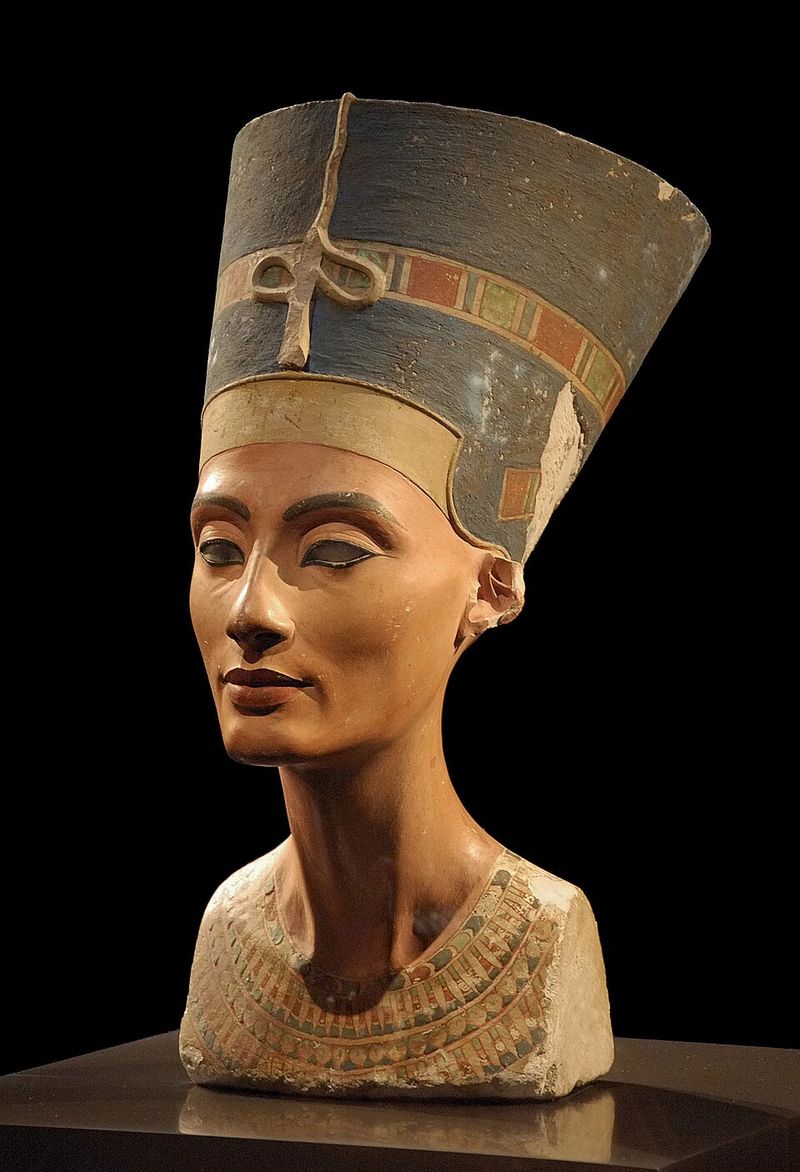
History does not usually let a famous queen simply walk offstage, yet that is what seems to happen here. Nefertiti stood at the center of the Amarna court beside Akhenaten, appearing in art with unusual prominence for an Egyptian royal consort.
Then the record turns slippery. After years of visibility, her name becomes harder to trace, and scholars began asking whether she had fallen from favor, changed status, or ruled under another name.
The problem is that Amarna history is already a puzzle box. Akhenaten’s religious overhaul disrupted long traditions, later rulers reversed much of it, and records from the period were reshaped, erased, or reused.
That makes Nefertiti unusually difficult to pin down. Some researchers connect her to the ruler Neferneferuaten, while others argue the evidence is too thin for certainty and too tempting for restraint.
Her unresolved story says a lot about ancient evidence. A bust can become world famous, but inscriptions, burial data, and royal titles still decide the argument.
With Nefertiti, the image is clear. The biography remains stubbornly unfinished.
3. The Princes in the Tower
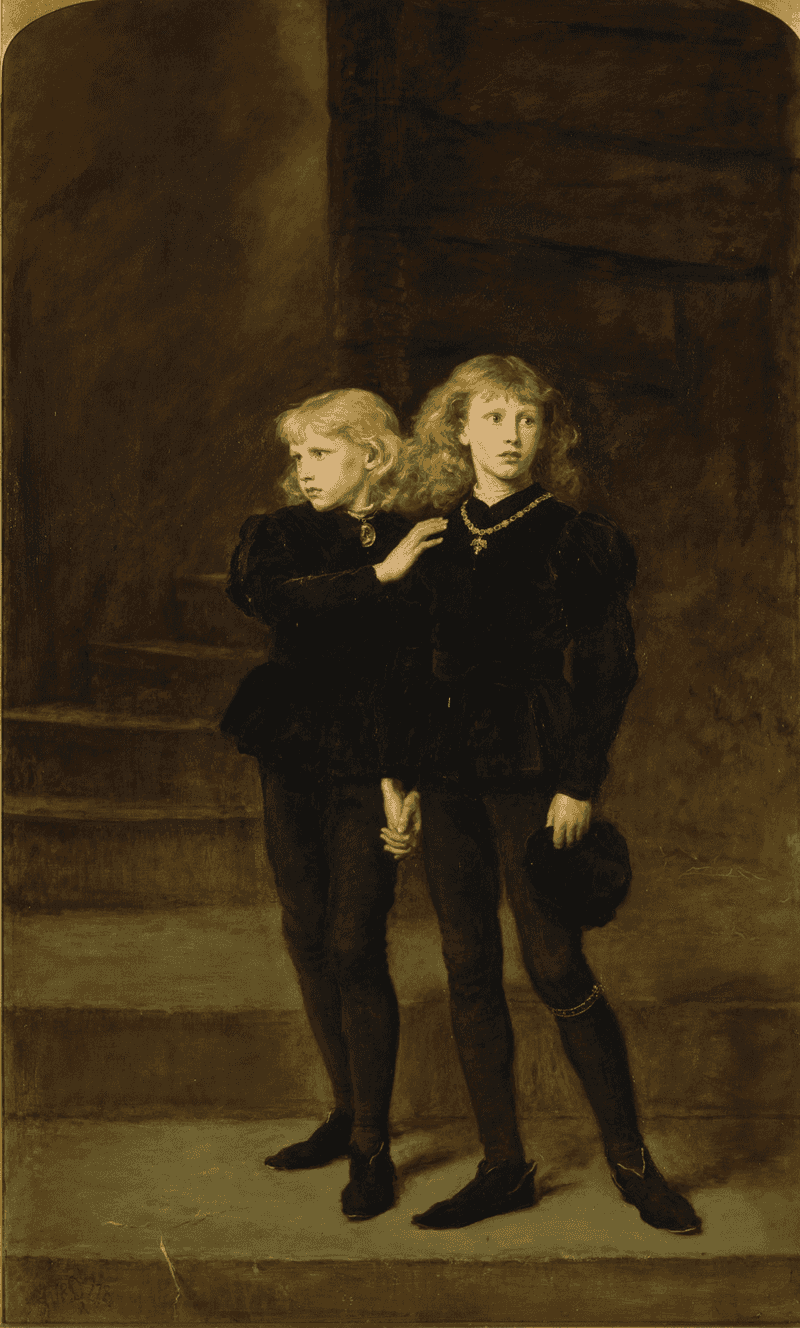
Few royal puzzles have irritated historians quite like this one. In 1483, Edward V and his younger brother Richard were placed in the Tower of London after their father, Edward IV, left the crown in sudden transition.
What followed is the reason their story refuses to settle. Their uncle took the throne as Richard III, and the boys slipped from public view, turning rumor into a permanent historical headache.
Writers from the Tudor period onward treated Richard as the obvious villain, but politics shaped those accounts as much as evidence did. Later discoveries of two small skeletons in the Tower stirred debate, yet testing has never produced a final answer everyone accepts.
That uncertainty keeps the case lively. Were the princes hidden, quietly removed, or used as symbols in a wider power contest among nobles who understood that legitimacy mattered as much as armies?
Five centuries later, the missing paperwork may be the loudest clue of all. Silence, in this case, became part of the mystery.
4. Lady Jane Grey
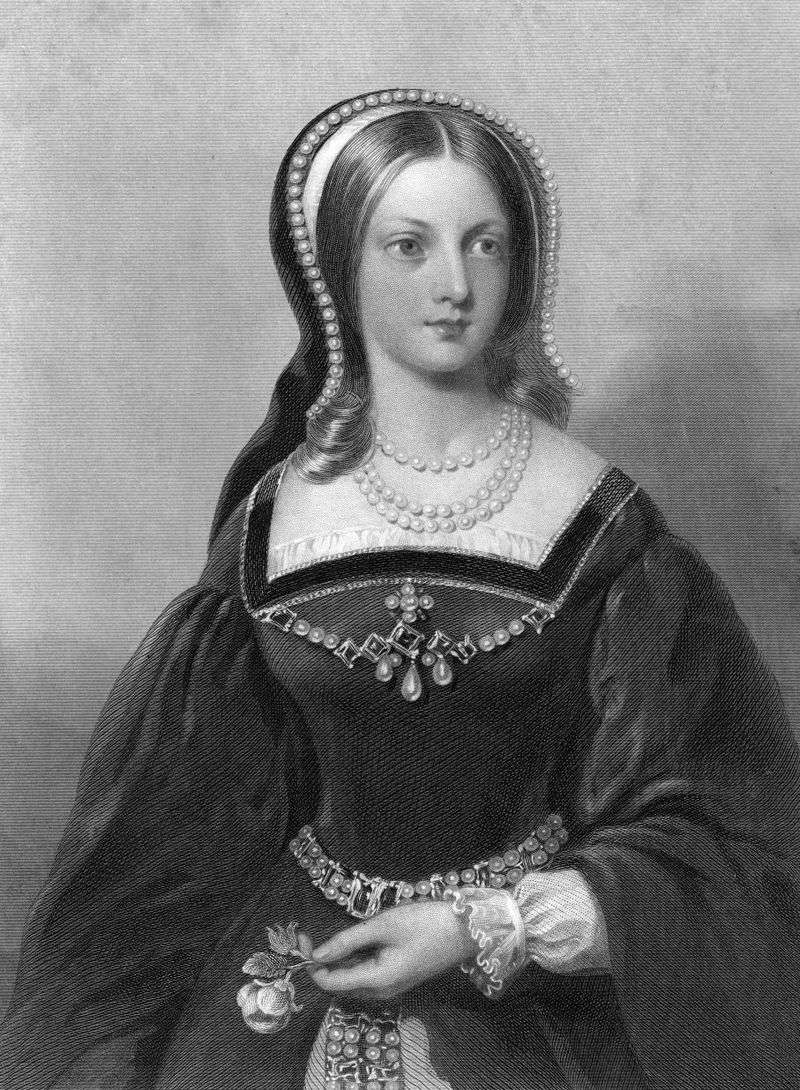
Nine days on the throne is barely enough time to learn the schedule, let alone secure a kingdom. Lady Jane Grey became queen in 1553 through a hurried succession plan designed by powerful adults who understood the stakes and the risks.
Jane herself was highly educated, Protestant, and politically useful to men who hoped to block Mary Tudor’s claim. That alone raises the central question: how much real agency did she have in the role history handed her?
Contemporary accounts present a young woman caught between family ambition, religious conflict, and Tudor law. Later retellings often simplify her into either a willing claimant or a pure victim, but the evidence suggests a more complicated position.
Her brief reign also exposes how fragile royal legitimacy could be. A proclamation, a council, and a pedigree were not enough if public support and military backing leaned elsewhere.
Jane’s story still prompts debate because it sits at the meeting point of conscience and calculation. She wore the crown briefly, but the larger machinery around her was already deciding how the story would close.
5. Anastasia Romanov
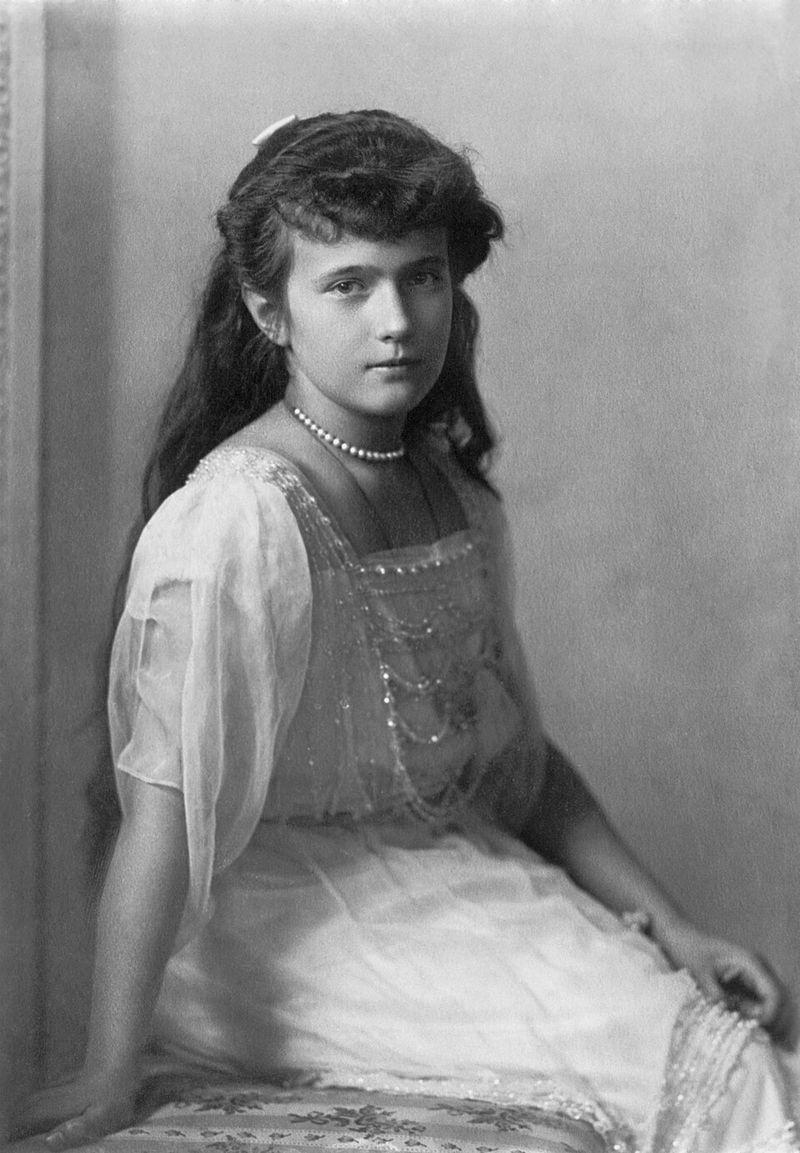
If any royal mystery mastered modern publicity, it was this one. Anastasia Romanov became the face of survival rumors after the imperial family disappeared from public life during the Russian Revolution.
For decades, claimants insisted the youngest daughter had escaped. The most famous, Anna Anderson, built an international following, and newspapers, films, and family disputes kept the question alive far longer than hard evidence did.
The fascination came from timing as much as sentiment. In the twentieth century, mass media could turn uncertainty into a franchise, and Anastasia’s story sat right at the crossroads of monarchy, revolution, and celebrity culture.
DNA testing eventually clarified the Romanov identification, yet the legend never fully packed its bags. People still return to the case because it asks a stubborn question about how myths survive even after science enters the room.
In the end, Anastasia remains historically important not because the rumor held up, but because the rumor itself became part of cultural memory. Few royal stories traveled so far.
6. Crown Prince Rudolf of Austria
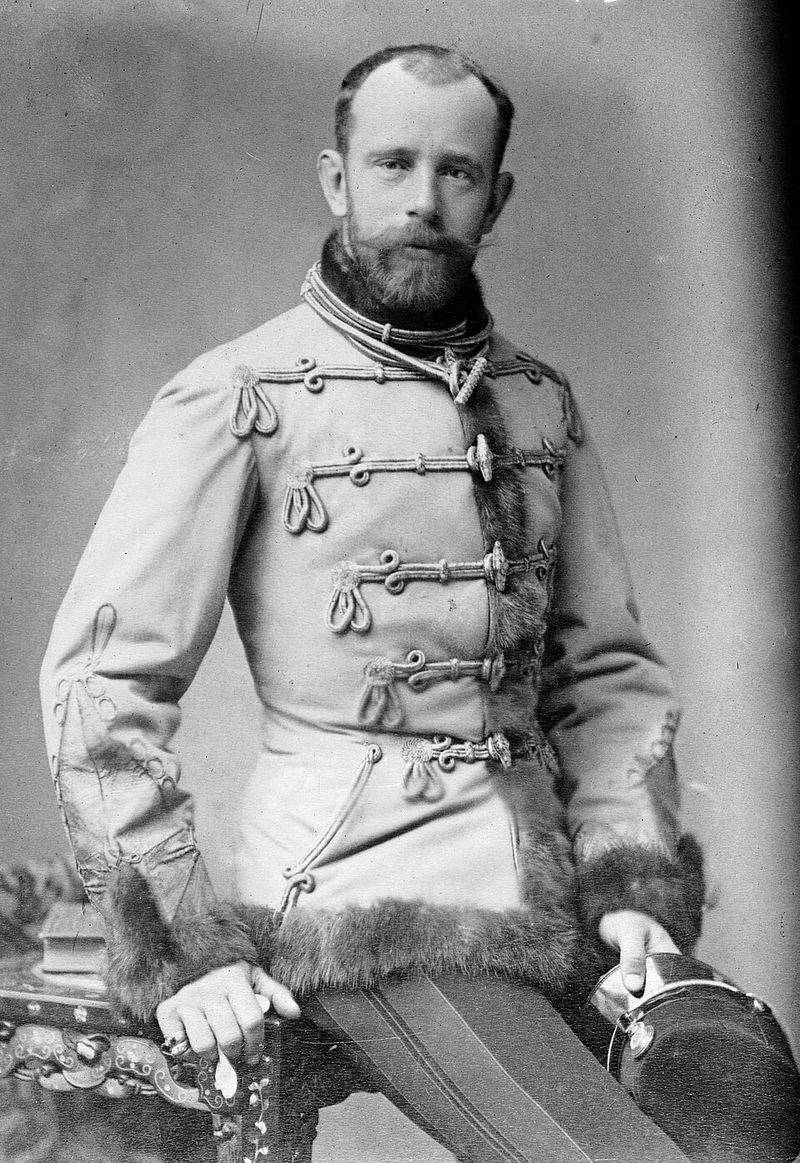
Imperial certainty rarely survives a locked room. Crown Prince Rudolf of Austria, heir to the Habsburg throne, was found at Mayerling in 1889 with Baroness Mary Vetsera, and the official explanation settled almost nothing.
From the start, reports conflicted. Court secrecy, hurried statements, and changing details made the event look less like a concluded case and more like a carefully managed emergency for a dynasty obsessed with appearances.
Rudolf was politically restless, personally troubled, and at odds with conservative court culture. Those facts encouraged every later theory, from private despair to outside involvement to a scandal broader than officials wanted the public to imagine.
Documents were limited, witnesses were filtered, and the monarchy had every incentive to shape the narrative. That alone guaranteed the story would outlive the empire itself.
What makes Mayerling so durable is not just uncertainty about what happened there. It is the sense that the Habsburg court, with all its protocol and polish, never offered a version that felt complete enough to end debate.
7. Tsarevich Alexei Romanov
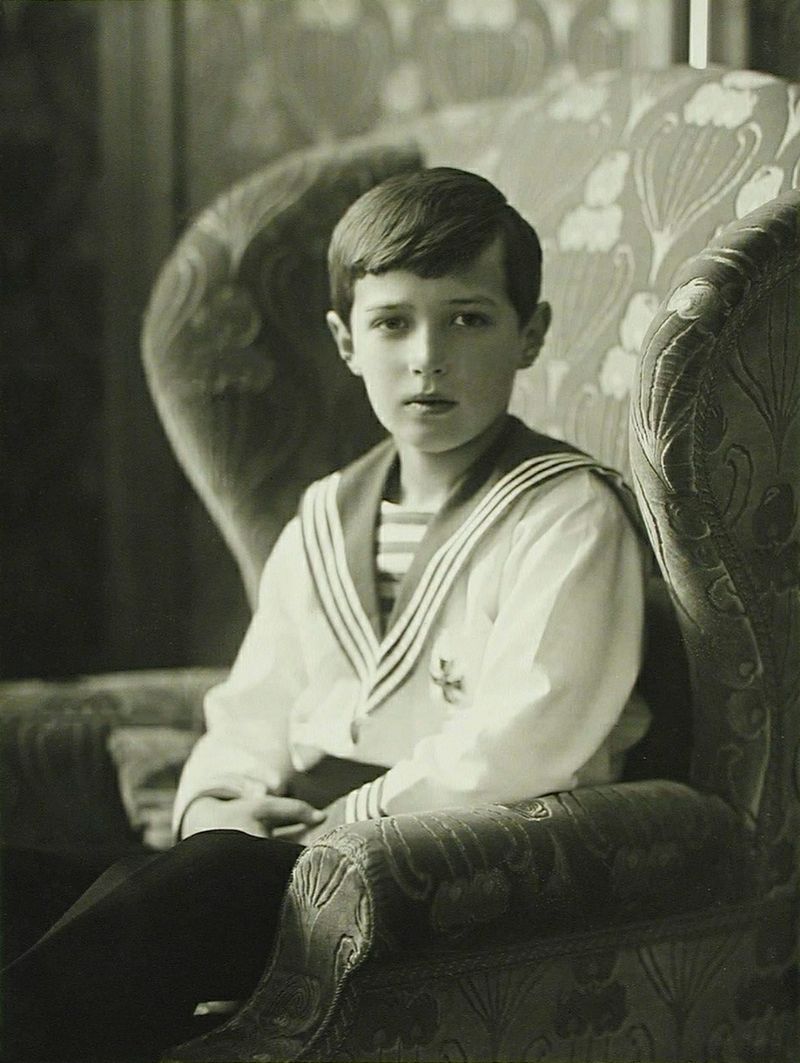
Few royal heirs generated so much speculation from so little certainty. Tsarevich Alexei, son of Nicholas II, lived under intense scrutiny because his hemophilia affected both his health and the wider stability of the Romanov dynasty.
His condition was treated as private state business, which only encouraged rumor. When the imperial family disappeared from power, uncertainty around Alexei’s fate gave impostors and storytellers an opening that lasted for decades.
Part of the mystery came from the dynasty’s own habits. The court guarded information, Rasputin’s influence stirred gossip, and foreign observers often filled gaps with dramatic assumptions that later hardened into popular belief.
Modern forensic work strongly supports the accepted identification of Alexei among the Romanov remains. Still, the earlier confusion had already entered books, films, and family legends, where factual corrections move much slower than a good story.
Alexei’s case matters because it shows how secrecy multiplies doubt. Once a state hides too much, even clear evidence later can struggle to catch up with public imagination.
8. Pharaoh Akhenaten
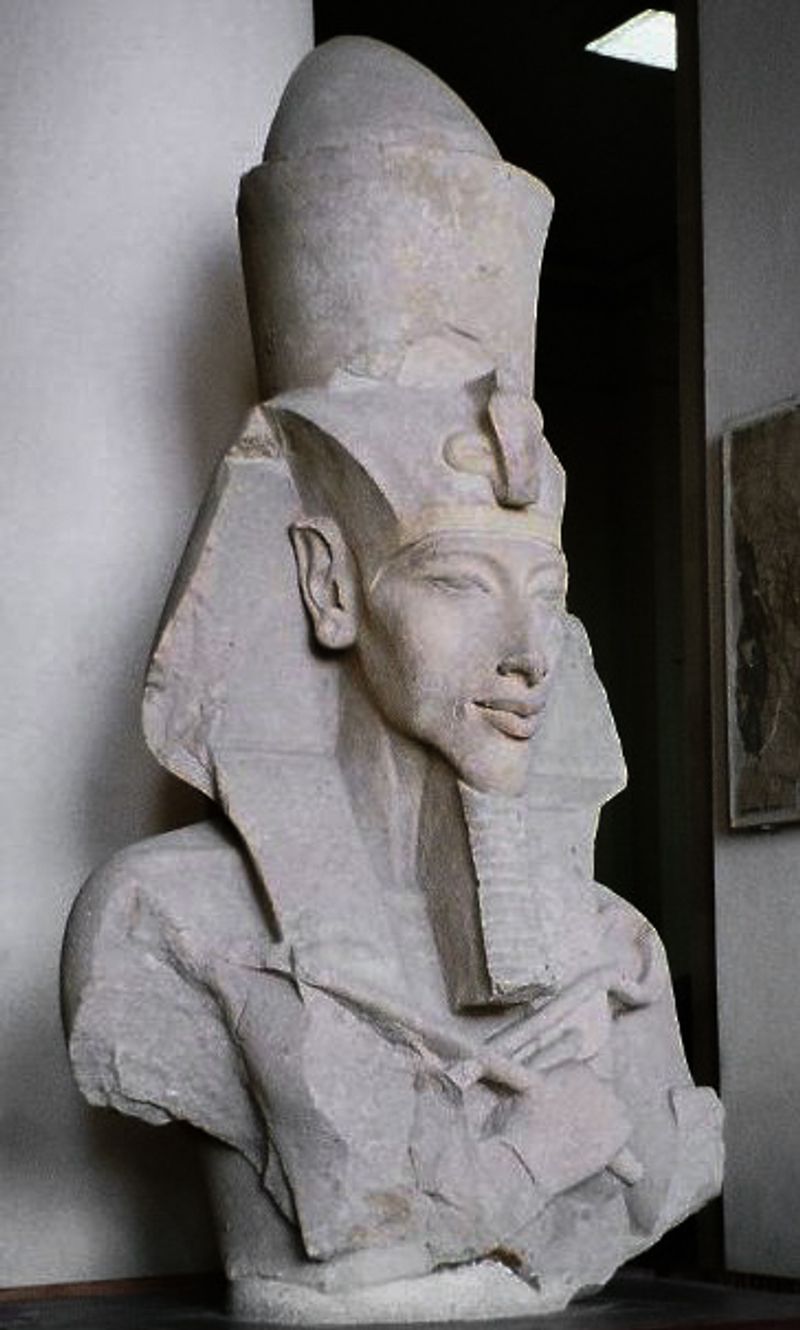
It takes real historical nerve to redesign a civilization’s religious routine. Akhenaten did exactly that in the fourteenth century BCE, promoting the Aten and redirecting royal energy away from Egypt’s powerful traditional priesthoods.
He also moved the capital to Akhetaten, now Amarna, creating a political and artistic experiment that looked radical even by royal standards. Then, after his reign, the record grows fractured and his legacy was deliberately minimized.
That erasure is what keeps questions alive. If later rulers dismantled his program and restored older practices, how much of Akhenaten’s final chapter vanished with the official cleanup?
Even his burial remains disputed. Scholars have proposed identities for mummies, debated inscriptions, and argued over whether his remains were moved, relabeled, or still await firmer confirmation.
Akhenaten fascinates because he was impossible to ignore in life and strangely difficult to locate afterward. The contrast is almost comic, if it were not so historically important.
He changed religion, art, and court culture in visible ways. Yet the basic details of his final years still require careful assembly from pieces others tried to scatter.
9. Prince Dipendra of Nepal
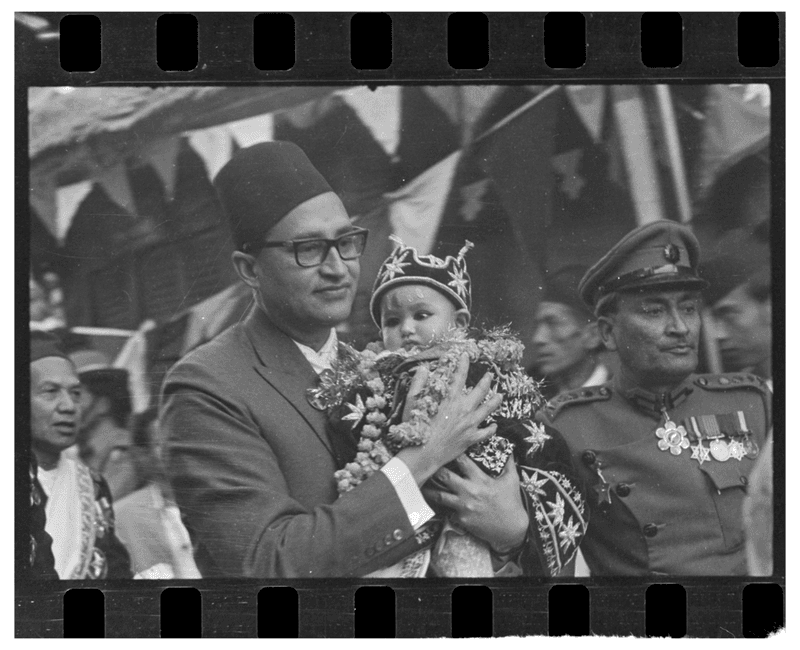
Modern monarchy did not make mystery any easier to manage. Prince Dipendra of Nepal became the focus of intense public doubt after the 2001 palace killings, an event that altered the royal line and immediately produced competing explanations.
The official account named Dipendra as responsible, and he was declared king while unconscious before Gyanendra eventually took the throne. Even stated plainly, that sequence sounds like a screenwriter forgot to edit for plausibility.
Public skepticism grew for practical reasons. Access to information was restricted, investigations appeared limited, and many Nepalese citizens felt the official version arrived too quickly and answered too little.
Because the monarchy was already facing pressure in a changing political landscape, every gap in the record became politically charged. Rumor rushed into those gaps with remarkable speed.
This remains one of the most contested royal episodes of recent times. Not because evidence is absent, but because confidence in the institutions presenting that evidence was badly strained.
When trust falters, even a formal report can sound unfinished. Dipendra’s story still sits in that uneasy space.
10. King John of England
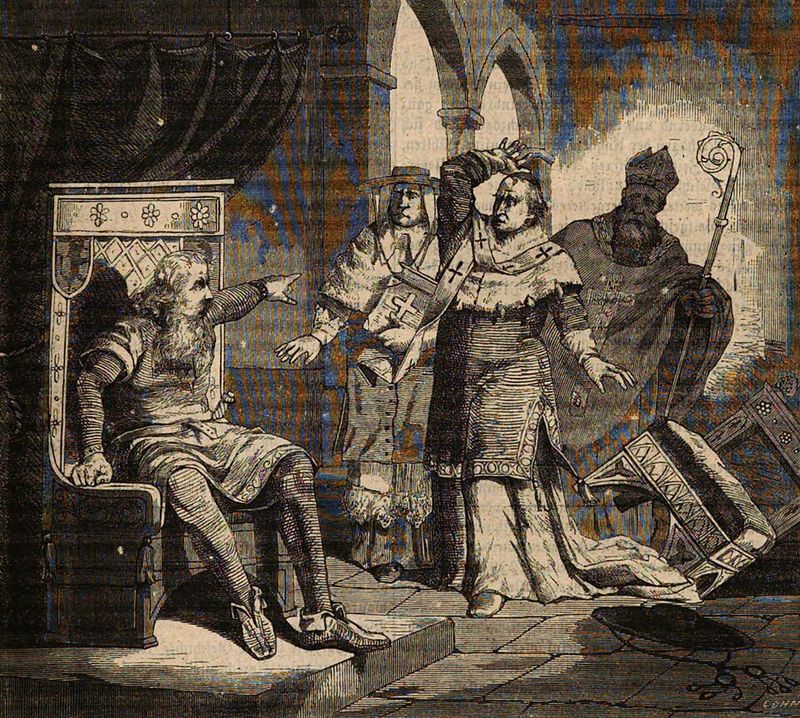
Few kings collected bad press as efficiently as John. Between military setbacks, heavy taxation, baronial revolt, and the sealing of Magna Carta in 1215, his reign already looked unstable before his sudden end a year later.
Chroniclers reported illness, likely aggravated by the strain of campaign travel and logistical chaos. Still, because John had enemies in nearly every direction, later speculation about poison found an eager audience.
The problem is that medieval evidence loves drama almost as much as modern readers do. Monastic writers, political rivals, and later historians all helped shape John’s image into something so unpopular that almost any dark rumor seemed believable.
That does not make the poisoning theory persuasive, but it does explain its survival. When a ruler is remembered as difficult, suspicious stories cling to him more easily than balanced ones.
John remains interesting because he stands at a constitutional turning point. Even the mystery around his final days feeds a larger question about how reputation influences the way history preserves uncertainty.
In his case, character and evidence have never entirely agreed on the last word.
11. Empress Theodora
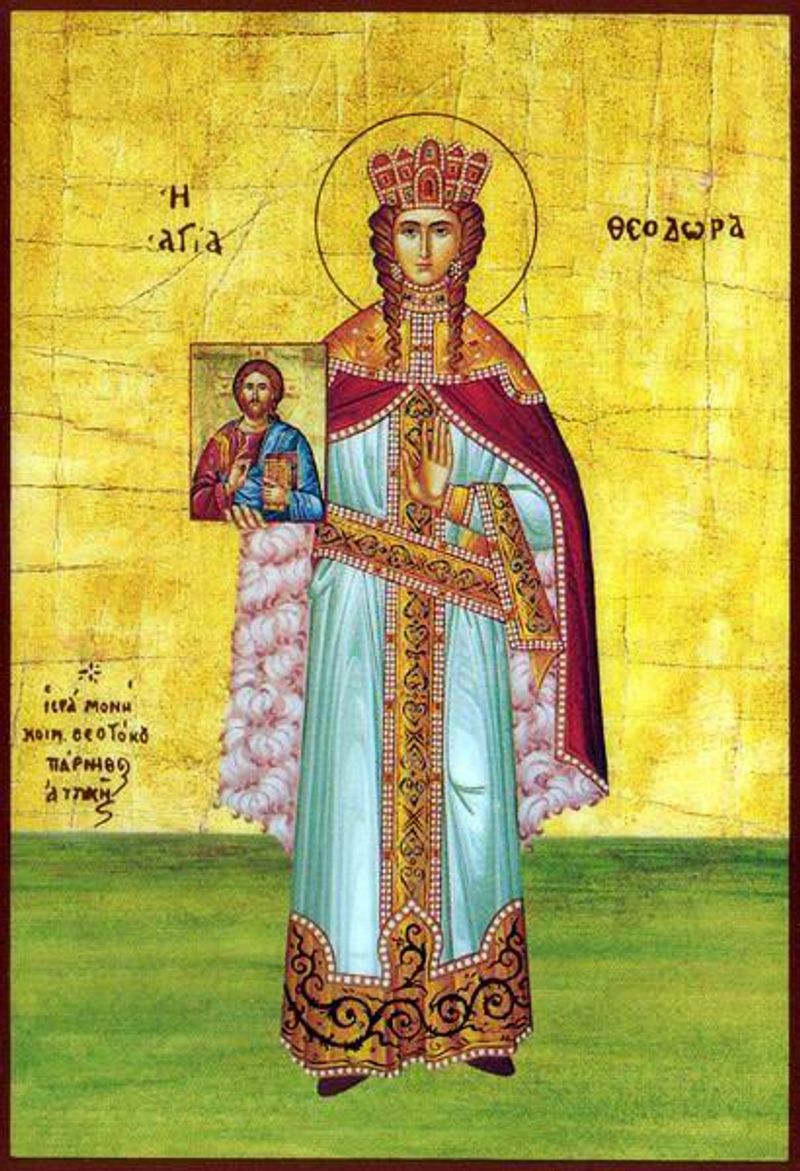
Byzantine history rarely misses a chance to argue with itself. Empress Theodora, wife of Justinian I, rose from obscure origins to become one of the most formidable women in the Eastern Roman court.
The trouble is that her early biography comes mainly through sources with agendas. Procopius praised, criticized, and sensationalized her in different works, leaving later readers to sort political commentary from character assassination.
That makes Theodora a historian’s puzzle rather than a simple profile. Was she an actress from humble beginnings, a carefully educated court strategist, or both, seen through hostile class assumptions?
What is certain is her influence. She shaped imperial policy, backed religious factions, and played a decisive role during the Nika crisis, when steadiness mattered more than ceremony.
The uncertainty around her origins matters because it changes how we interpret her authority. If hostile writers exaggerated her past to diminish her, then the record tells us as much about elite prejudice as about Theodora herself.
She remains compelling because the contradictions are not side notes. They are the story, and they still resist a tidy verdict.
12. Edward II of England
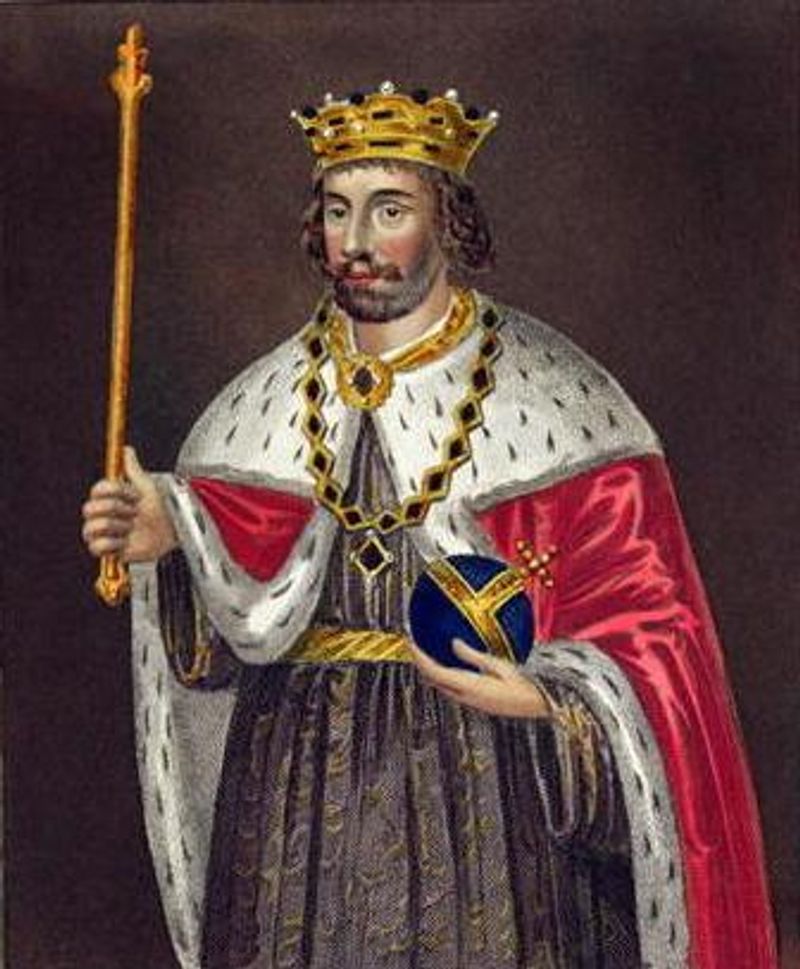
Deposed kings rarely get neat endings, and Edward II is a prime example. Forced from the throne in 1327 after conflict with nobles, military embarrassment, and resentment over favorites at court, he quickly became the subject of one of England’s strangest royal debates.
The conventional account says he died in captivity later that year. Yet medieval chronicles disagree on details, later writers added lurid embellishments, and some evidence hints that Edward may have survived and lived abroad under protection.
The so-called Fieschi Letter keeps the argument alive by suggesting an escape route and years of exile. Historians remain divided, not because the theory is airtight, but because the traditional version also rests on sources shaped by politics.
That is the real issue here. Edward’s removal benefited powerful figures, including Queen Isabella and Roger Mortimer, so controlling the story mattered almost as much as controlling the throne.
His uncertain end shows how medieval governance and public narrative worked together. Once authority changes hands, official truth can become surprisingly flexible, and Edward’s case still proves the point.



