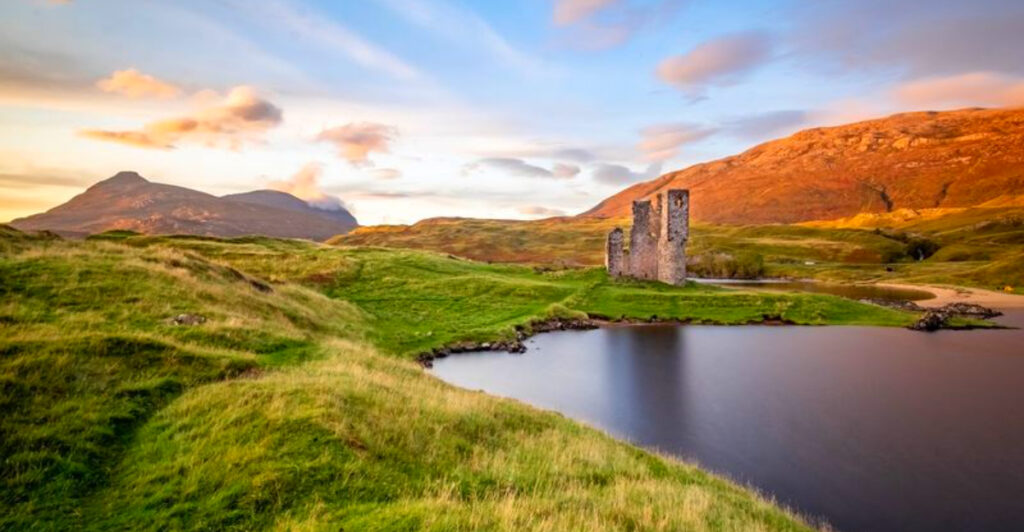
Scotland is far bigger than its two famous cities, and the landscape beyond them is nothing short of jaw-dropping. Rugged mountain peaks, ancient pine forests, remote peninsulas, and mirror-still lochs stretch across a country that seems almost too dramatic to be real.
Most visitors stick to the well-worn tourist trail, but the true character of Scotland lives in its wild, wide-open places. This list covers 12 highland destinations that reward curious travelers willing to venture a little further.
From Britain’s last true wilderness to volcanic coastlines and royal-worthy mountain views, each location on this list offers something genuinely worth the detour. Whether you are a serious hiker, a casual road tripper, or simply someone who appreciates a spectacular view from a car window, Scotland’s highlands have a version of breathtaking that suits every pace and preference.
Pack your waterproof jacket and read on.
1. Cairngorms National Park, Highlands, Scotland
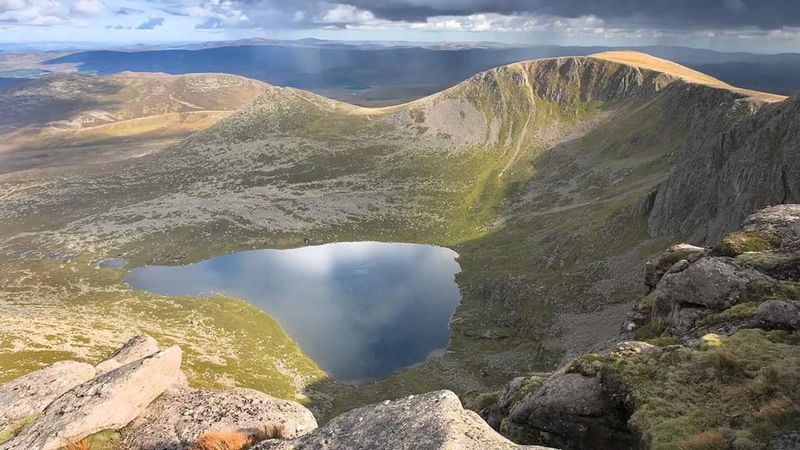
Britain’s largest national park covers a staggering 4,528 square kilometers, and it earns every inch of that title with scenery that ranges from ancient pine forests to broad mountain plateaus blanketed in purple heather.
The SnowRoads Scenic Route is a 90-mile drive that winds through villages like Braemar and Ballater, passing art installations and viewpoints that make every bend in the road worth slowing down for.
Ben Macdui, the second-highest peak in the UK, sits within the park alongside Cairn Gorm, the sixth-highest, so serious hikers have no shortage of summits to tick off their lists.
Loch Muick, tucked inside the Balmoral Estate, offers views that apparently meet royal standards, and the Uath Lochans near Aviemore give photographers a set of forest-ringed lochs that look almost too perfect to be real.
Red deer, golden eagles, and red squirrels call this park home, making wildlife spotting a legitimate reason to visit even if you never lace up a hiking boot.
2. Glen Coe, Highlands, Scotland
Few Scottish valleys carry as much visual weight as this one, where steep-sided mountains press in from both sides and the sky above the glen changes character every twenty minutes.
The Three Sisters, three prominent ridges of the Bidean Nam Bian massif, are among the most photographed peaks in the country, visible from the iconic A82 road that cuts straight through the heart of the glen.
Buachaille Etive Mor stands at the entrance like a natural landmark, its pyramidal shape appearing on more postcards and travel guides than almost any other Scottish mountain.
Hikers can access the Lost Valley, a hidden flat bowl of land tucked between the ridges, which feels surprisingly secret given how many people visit the glen each year.
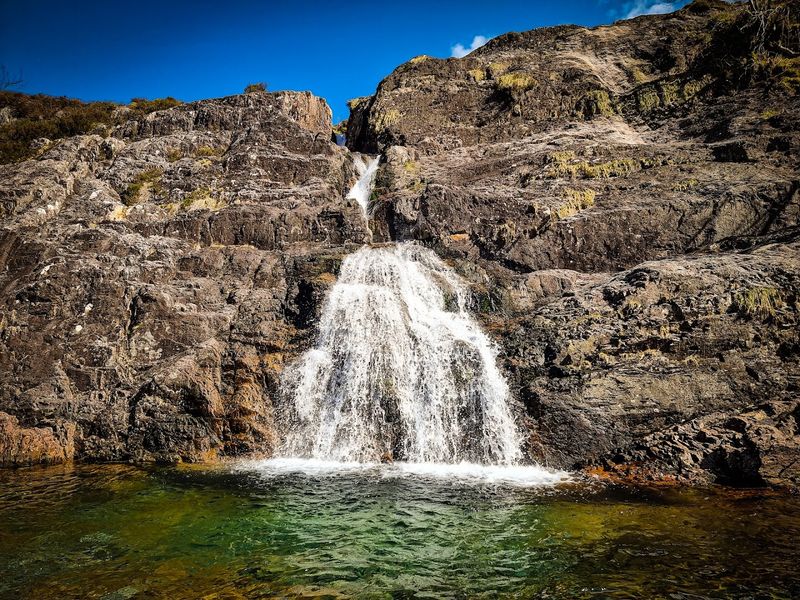
The Meeting of Three Waters is a waterfall worth stopping for on any drive through, and the surrounding landscape shifts from green to gold to rust depending on the season, giving repeat visitors a genuinely different experience each time.
3. Torridon, Wester Ross, Scotland
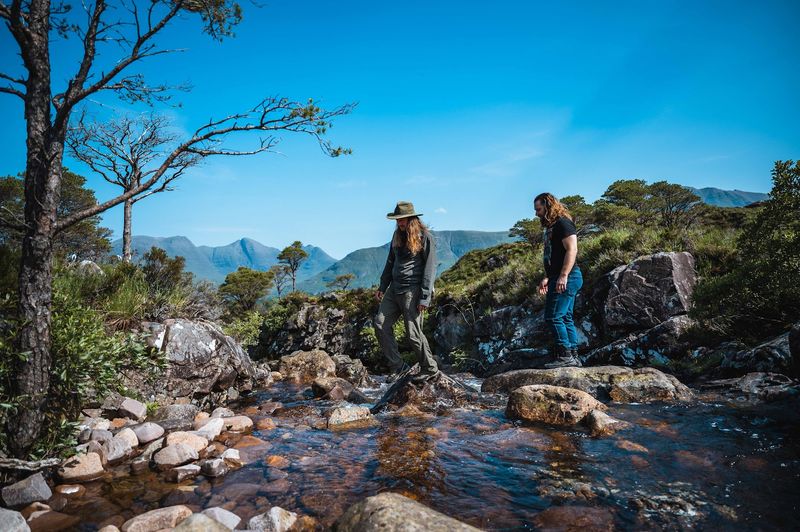
Torridon’s mountains are not just old by Scottish standards, they are among the oldest in Europe, with sandstone formations dating back around 750 million years, and they look every bit as ancient and immovable as that number suggests.
The ridge of Liathach is considered one of the most challenging and rewarding walks in Scotland, a jagged skyline that experienced hikers travel specifically to tackle, not because it is easy but because it absolutely is not.
Upper Loch Torridon adds a coastal dimension to the experience, offering kayaking and canoeing routes that let visitors see the mountains from the water rather than from below.
Winding roads through the area reveal new panoramas at every turn, combining mountain ridges, sea lochs, and a remoteness that makes the region feel genuinely off the beaten path even on busy summer weekends.
Wildlife sightings here include red deer, pine martens, and golden eagles, which adds a layer of unpredictability to any visit and keeps walkers scanning the hillsides with real intent.
4. Applecross Peninsula, Wester Ross, Scotland
The road to Applecross is not for the faint-hearted or the poorly braked, with the Bealach na Ba mountain pass climbing to 626 meters through a series of switchbacks that would feel at home in the Alps.
That ascent is genuinely part of the experience, and the views from the top across to the Inner Hebrides on a clear day are the kind that make the white knuckles completely worthwhile.
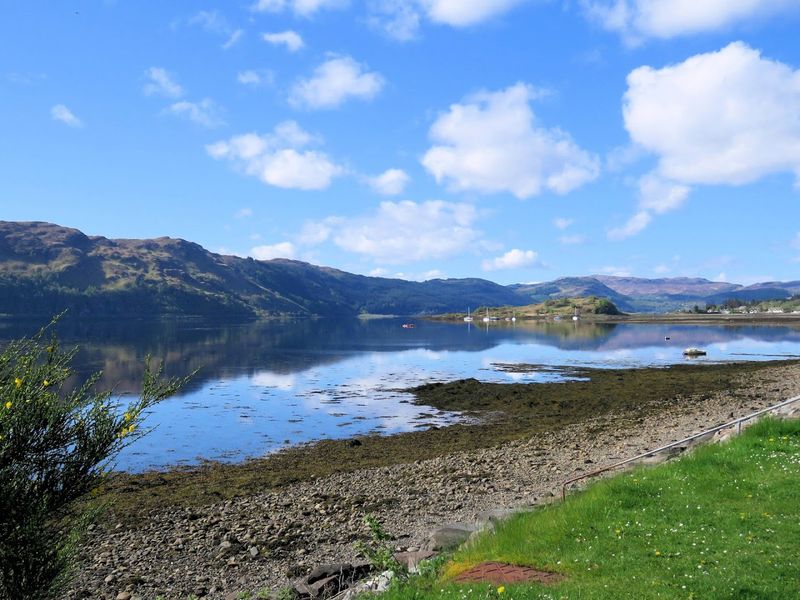
The peninsula itself sits in peaceful contrast to the drama of the approach, with quiet shorelines, small villages, and Highland scenery that stretches across to Skye and the Torridon mountains.
Applecross village has a tiny community feel that rewards slow travel, and the coastal road that loops around the peninsula offers a gentler alternative route with its own impressive sea views.
For road trippers who want a Highland adventure with a clear payoff at the end, few routes in Scotland deliver quite as consistently as this one does from start to finish.
5. Assynt, Sutherland, Scotland
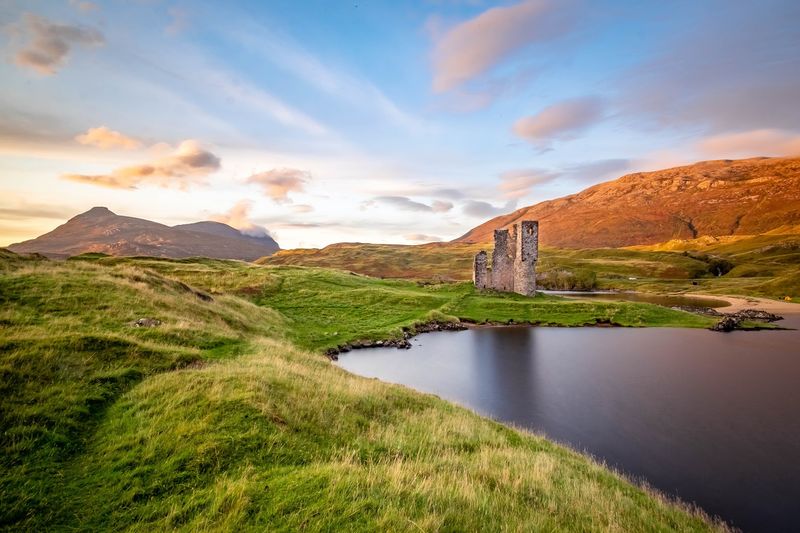
Nowhere else in Scotland do mountains behave quite like they do in Assynt, where ancient peaks rise abruptly from flat moorland as if they forgot to bring the rest of a mountain range with them.
Suilven, Stac Pollaidh, and Canisp are three of the most recognizable outlines in Scottish photography, each one sitting in dramatic isolation above a landscape of lochs and boggy ground that has barely changed in thousands of years.
The rocks beneath your feet here are Lewisian Gneiss, some of the oldest geological material in Europe, dating back nearly three billion years, which puts most tourist attractions to shame in terms of sheer age.
Long summer days in the northern Highlands mean daylight stretches well past 10 p.m., giving visitors an extraordinary amount of time to explore without rushing.
The region feels wonderfully remote without being truly inaccessible, making it a favorite for photographers, geologists, and anyone who finds beauty in landscapes that have resisted human interference for centuries.
6. Knoydart Peninsula, Highlands, Scotland
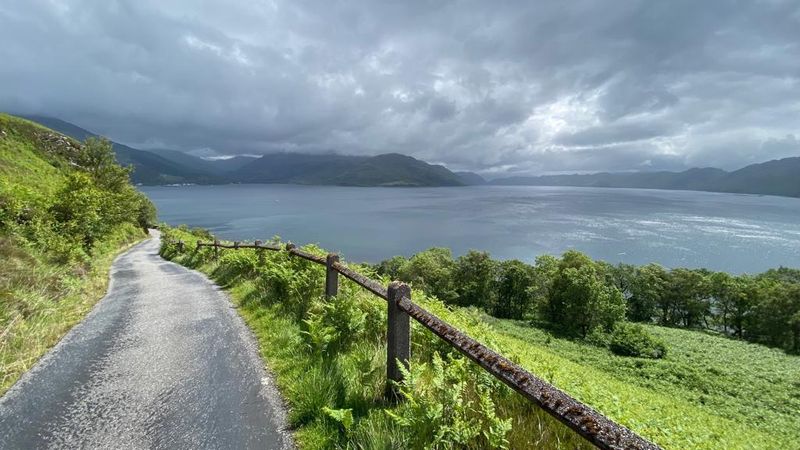
Getting to Knoydart requires either a multi-day hike across rough Highland terrain or a boat from Mallaig, and that barrier to entry is precisely what keeps it feeling like one of the last truly wild corners of Britain.
The main settlement of Inverie holds the title of the most remote village on the British mainland with no road connection, a fact that gives the whole peninsula a character that no amount of tourist infrastructure could replicate.
Mountain trails here lead across ridges with views of sea lochs and open water, combining the best of Highland and coastal scenery in a package that takes genuine effort to unwrap.
The sense of isolation is not oppressive but rather energizing, the kind that clears the head and resets whatever urban noise a visitor arrived with.
For travelers who want to say they went somewhere genuinely off the grid without leaving mainland Scotland, Knoydart is essentially the answer to a question most people have not thought to ask yet.
7. Glen Affric, Highlands, Scotland
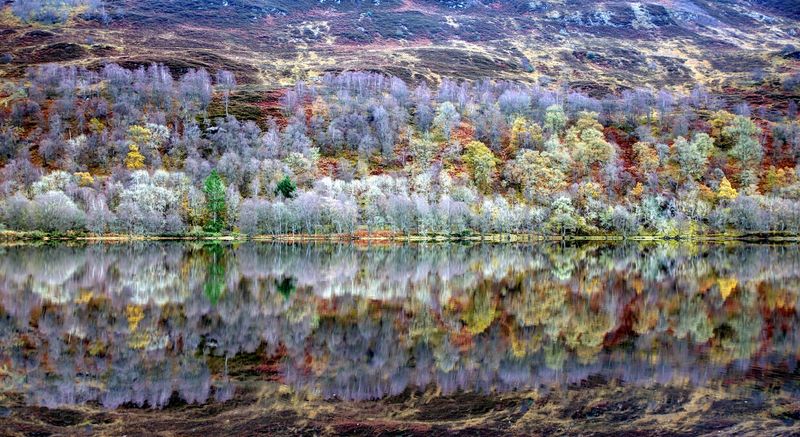
Glen Affric consistently appears on lists of Scotland’s most beautiful places, and a visit confirms the reputation rather than deflating it, which is not always guaranteed with heavily praised destinations.
The ancient Caledonian pines that line the loch shores here are remnants of a forest that once covered much of Scotland, and walking among them feels like stepping into a landscape that predates most of recorded history.
Loch Affric sits at the heart of the glen, offering reflections of the surrounding hills that photographers plan entire trips around, especially in autumn when the surrounding colors shift dramatically.
Walking trails range from short lochside strolls to multi-day routes connecting through to Kintail, meaning the glen serves both casual visitors and serious long-distance walkers equally well.
The area is also part of an ongoing rewilding project reintroducing native tree species, so the landscape is actively improving with each passing year, making future visits likely even more rewarding than current ones.
8. Lochaber, Highlands, Scotland
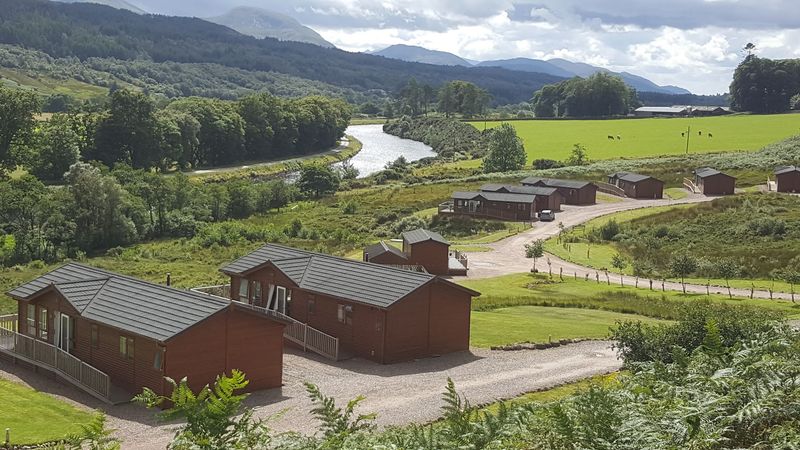
Ben Nevis gets most of the headlines in Lochaber, and at 1,345 meters it is the highest point in the entire British Isles, so the attention is not entirely undeserved.
Around 125,000 people attempt the summit each year via the Mountain Track, making it one of the busiest hiking routes in Scotland, though the experience at the top on a clear day justifies every step of the four-to-five-hour climb.
Lochaber extends well beyond its famous peak, with deep glens like Glen Nevis offering spectacular walking at lower elevations for those who prefer their scenery without altitude-related suffering.
The area gained additional fame as a filming location for several major productions, with the surrounding landscape appearing in movies that required dramatic Highland backdrops on a serious scale.
Corpach near Fort William offers one of Scotland’s most iconic views, with Ben Nevis reflected in the Caledonian Canal, a composition that has appeared in countless travel guides and remains just as striking in real life.
9. The Trossachs, Stirling, Scotland
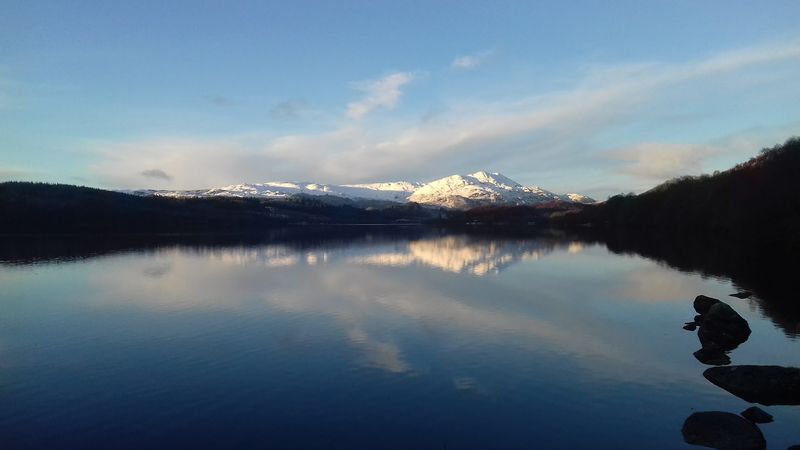
Called the Highlands in miniature by those who know it well, the Trossachs pack an impressive amount of scenery into a relatively compact area that sits just an hour from both Edinburgh and Glasgow.
Scotland’s first national park, Loch Lomond and The Trossachs, covers 1,865 square kilometers and contains 22 lochs, 21 Munros, and 39 miles of coastline around three sea lochs, which is a lot of landscape for one park to manage.
Loch Katrine inspired Sir Walter Scott’s famous poem The Lady of the Lake, and a scenic tower above Trossachs Pier still offers the kind of view that sends writers reaching for their notebooks.
Ben Lomond is the most southerly Munro in Scotland and one of the most climbed, rewarding walkers with a panoramic view across the full length of Loch Lomond on clear days.
The combination of accessibility and genuine Highland character makes the Trossachs a smart first stop for visitors easing into Scotland’s wilder landscapes before heading further north.
10. Glen Lyon, Perth and Kinross, Scotland
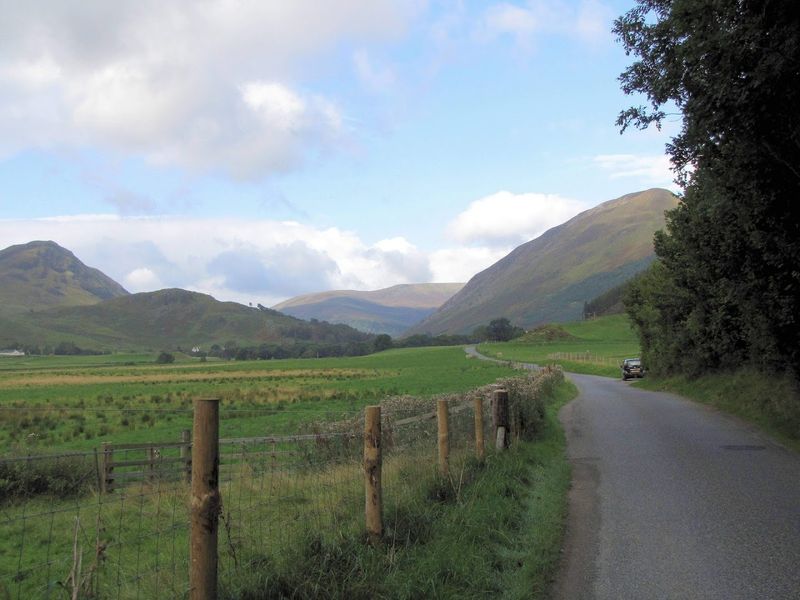
Scotland’s longest glen stretches for 32 miles through Perth and Kinross, yet it remains one of the least visited highland valleys in the country, a fact that travelers who discover it tend to keep quietly to themselves.
A single narrow road runs the entire length of the glen, passing rivers, ancient bridges, and patches of forest that create a rolling sequence of views rather than one dramatic showstopper moment.
The River Lyon runs alongside much of the road, providing a constant companion for the drive and a series of pools and rapids that make the valley feel lively even on quiet days.
Glen Lyon has a history stretching back to Celtic mythology, with local legends connecting the valley to figures from Scottish folklore, adding an extra layer of interest for visitors who like their landscapes with a story attached.
The unhurried pace of the glen suits travelers who are tired of crowds and queues, offering real Highland scenery at a speed that allows it to actually sink in.
11. Cowal Peninsula, Argyll and Bute, Scotland
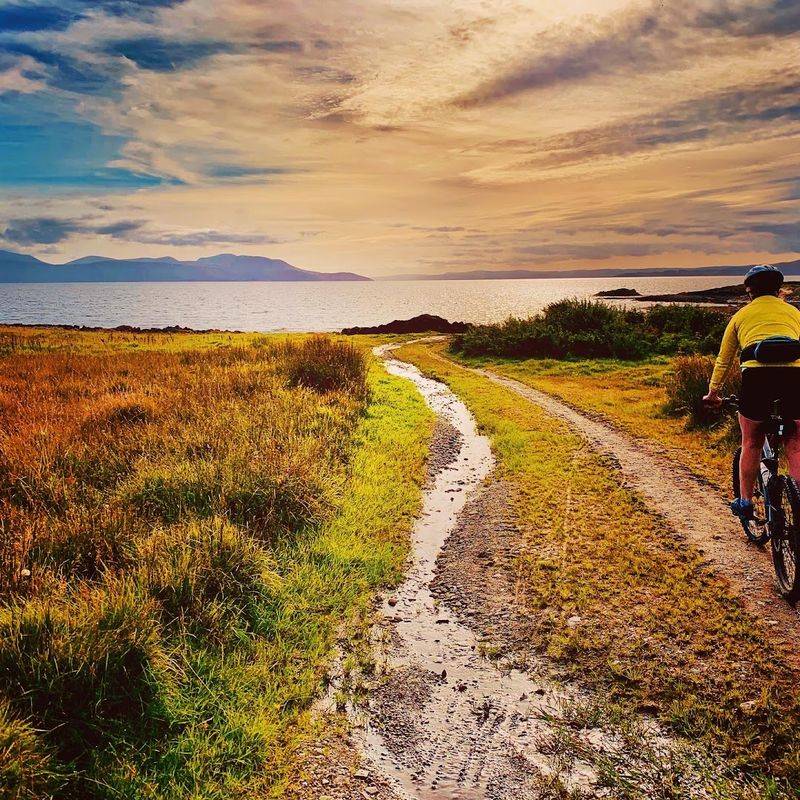
The Cowal Peninsula is the kind of place that rewards travelers who pull off the main road and follow a sign that says nothing more specific than a place name and an arrow.
Surrounded by sea lochs on three sides, the peninsula blends Highland terrain with a maritime character that gives it a distinctly different atmosphere from the more inland parts of Scotland.
Argyll Forest Park, one of Britain’s oldest forest parks, covers a large section of the peninsula and offers walking and cycling trails through dense woodland with sea views appearing unexpectedly through the trees.
The town of Dunoon serves as the main gateway to the peninsula, accessible by ferry from Gourock, making the journey itself part of the arrival experience rather than just a means to an end.
Loch Eck runs through the heart of the peninsula, a freshwater loch surrounded by steep hills that provides a quieter alternative to the more famous lochs drawing crowds elsewhere in Scotland.
12. Ardnamurchan Peninsula, Highlands, Scotland
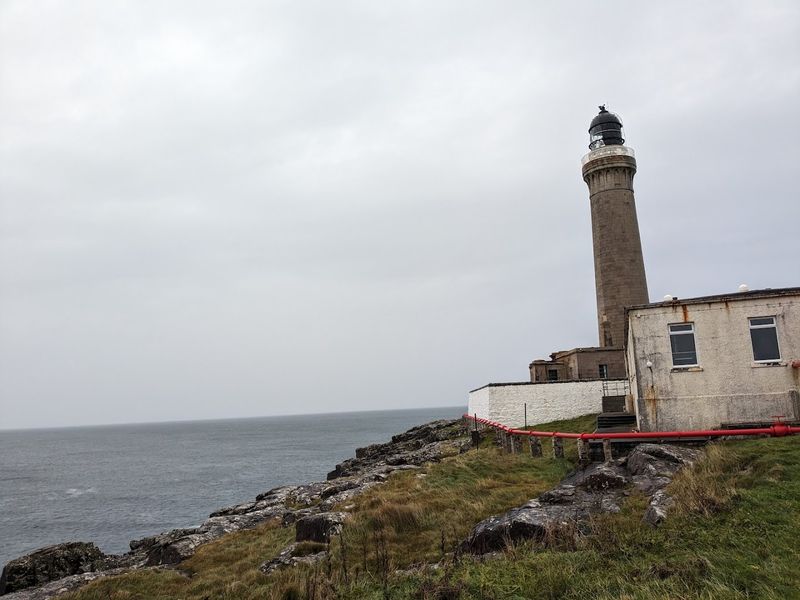
Ardnamurchan holds the title of the most westerly point on the British mainland, a geographic distinction that gives the peninsula a satisfying sense of finality, as if you have genuinely reached the edge of something.
Ardnamurchan Lighthouse sits at that westernmost tip, offering views across to the islands of Eigg, Rum, and Mull on clear days, with regular sightings of whales, dolphins, and seals for visitors patient enough to watch the water.
Sanna Bay is consistently rated among Scotland’s most beautiful beaches, with white sand and clear water that looks more Caribbean than Highland, though the temperature firmly reminds you which country you are standing in.
Castle Tioram, an almost 800-year-old fortress on a tidal island, adds a layer of history to the peninsula that balances the natural scenery with genuine human drama from centuries past.
The volcanic landscape throughout Ardnamurchan tells a geological story that spans millions of years, and Ben Hiant, the peninsula’s highest point, delivers panoramic coastal views that make the climb feel like a well-earned reward.
Share this story