 Unearth The Voyage
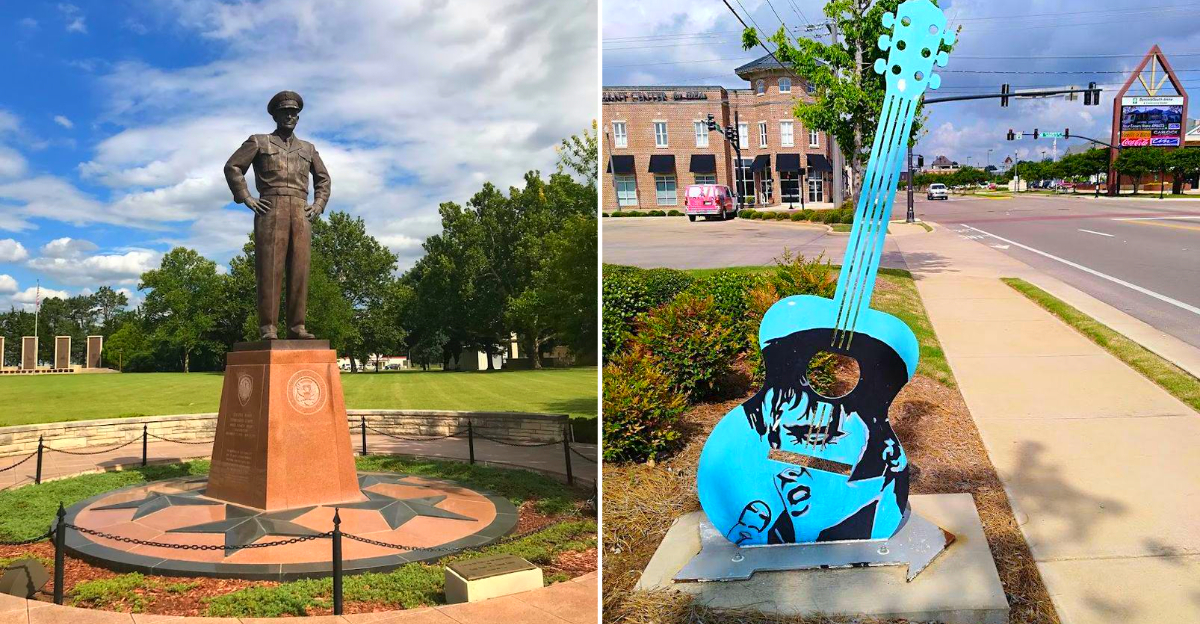
Fame usually gets filed under Los Angeles, New York, Nashville, or Washington, but that habit skips an older and more interesting part of the story. Across the 19th and 20th centuries, plenty of public figures first learned ambition in places with courthouse squares, farm roads, river docks, or compact main streets, where local schools, churches, newspapers, and weekend routines shaped how talent developed long before national attention arrived.
That contrast is part of the appeal: a future president stacking up duties in a small prairie community, a writer turning boyhood mischief into American literature, or a singer carrying the rhythms of a modest hometown into mass culture. Keep reading and you get more than a celebrity roll call – you get a tour of how small-town America quietly fed politics, music, film, television, and publishing, often leaving behind museums, festivals, landmarks, and civic pride that still connect those places to the people who made them famous.
1. Hannibal, Missouri
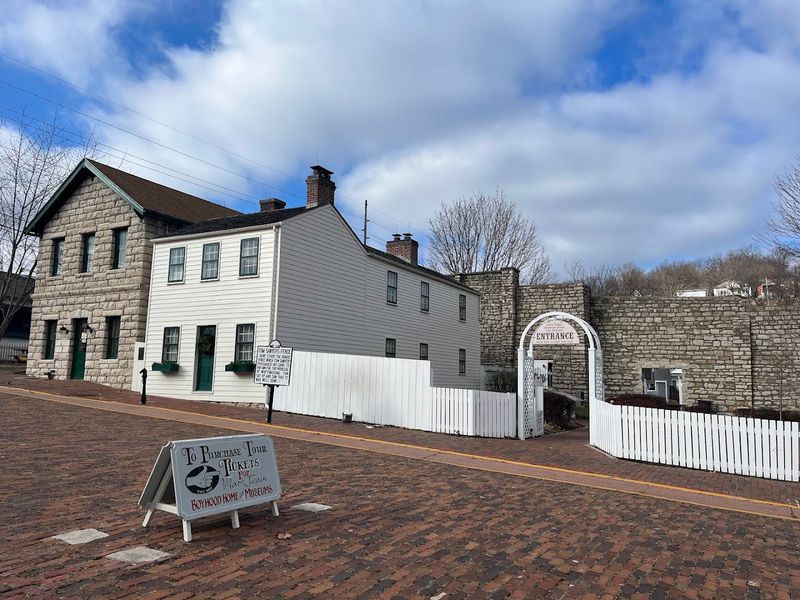
Few towns have been folded into American literature as completely as this one. Hannibal gave Samuel Clemens, later known as Mark Twain, the raw material for characters, river life, and youthful schemes that became The Adventures of Tom Sawyer and Adventures of Huckleberry Finn.
Twain was born in Florida, Missouri, but Hannibal is the place most closely tied to his childhood, and that distinction matters because it shaped his observational style. The Mississippi River, local personalities, and everyday small-town rules provided the social world he later transformed into satire, adventure, and commentary on American behavior.
What makes Hannibal especially memorable is that it did not simply produce a famous writer; it became part of his national mythology. Today the town preserves caves, houses, museums, and riverfront sites that let you connect a real mid-19th-century community with books that still define school reading lists, public memory, and the broader image of boyhood in the United States.
2. Grandview, Missouri
History can take a surprisingly rural route, and Grandview proves it. Harry S.
Truman spent important years on the family farm near Grandview, where daily work and local expectations shaped the plainspoken style that later followed him into national politics and the White House.
Grandview was not where he was born, but it became one of the places that defined him, and that nuance matters. Farm labor, bookkeeping, churchgoing, and community ties were not glamorous training grounds, yet they taught habits of persistence and directness that people later recognized in Truman’s public image.
The town’s role in his story reminds you that presidents are often packaged through campaign slogans and official portraits, while their formative settings were much less polished. In Grandview, the historical draw is not spectacle but context: a working landscape tied to a man who would make major postwar decisions after beginning in a place where chores arrived before headlines ever did.
3. Stratford, Ontario
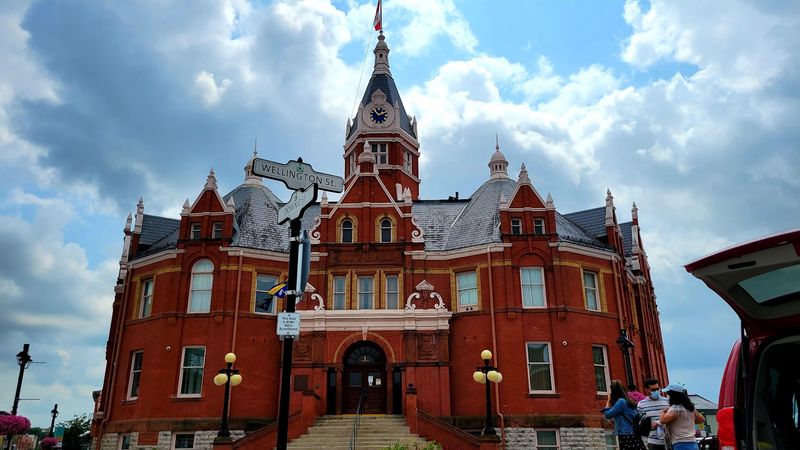
The internet age gave small towns a new route to fame, and Stratford is a textbook example. Long before arena tours and global headlines, Justin Bieber was a kid in this Ontario community, building attention through homemade videos that traveled far beyond local streets.
That timing matters because Stratford’s place in his story belongs to a major cultural shift. In earlier decades, performers usually needed record-label gatekeepers or big-city industry networks, but Bieber emerged during the YouTube era, when talent from a smaller place could move quickly from community recognition to international pop commerce.
Stratford already had cultural credibility through its Shakespeare festival, yet Bieber linked it to an entirely different entertainment machine. The contrast is part of the charm: a town known for theater and careful programming suddenly connected to digital fandom, viral discovery, and modern celebrity management, proving that a compact hometown could still produce a global pop figure without first relocating its identity to a traditional music capital.
4. Hoboken, New Jersey
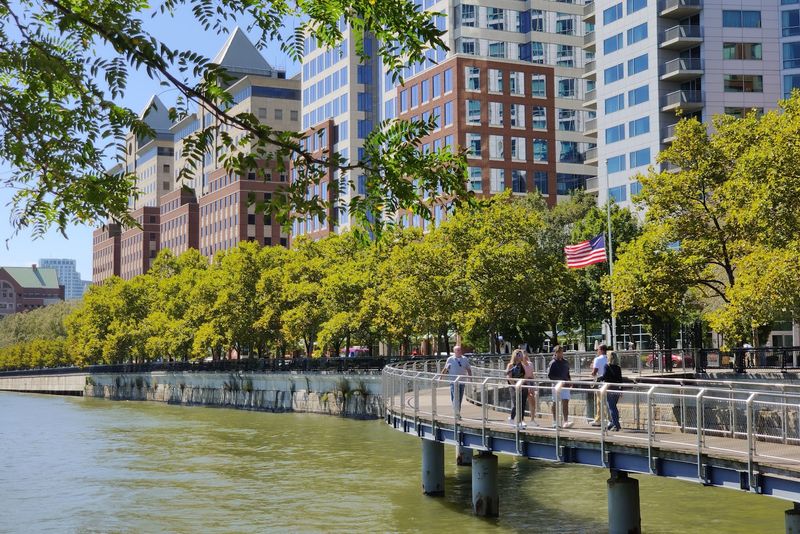
Some birthplaces arrive with built-in mythology, and Hoboken certainly has that advantage. Frank Sinatra was born here in 1915, when the city had a dense immigrant character and a working waterfront economy that was far removed from the polished glamour later associated with his career.
Calling Hoboken a small town takes a little historical flexibility, but in Sinatra’s early years it functioned more like a tight urban community than a giant metropolis. Families lived close together, ethnic neighborhoods shaped identity, and ambition had to compete with ordinary pressures, which helps explain why his rise felt both local and astonishing.
Sinatra’s connection gave Hoboken a durable cultural marker that outlasted changing industry and redevelopment. Even as the city became more tied to New York’s orbit, his legacy kept one foot in that earlier world of neighborhood loyalty, local pride, and first-generation striving, making Hoboken a reminder that fame can begin in a place where nearly every block once carried its own unwritten biography.
5. Mayfield, Kentucky
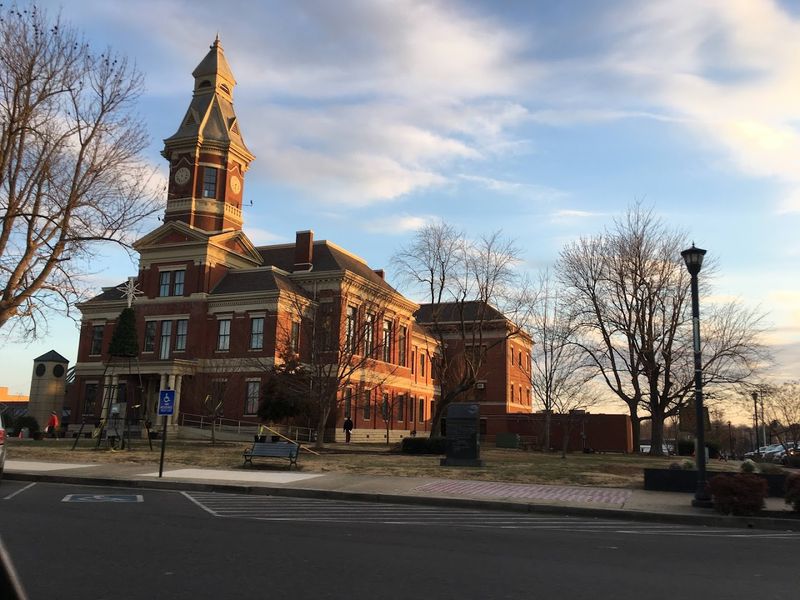
A quiet Kentucky town is not the image most people summon when they think about Hollywood stardom, which is exactly why Mayfield sticks in the memory. George Clooney spent part of his childhood here, tying one of America’s most recognizable screen personalities to a place with a much smaller public profile.
His family background helps explain the connection, since broadcasting and performance already ran through the household before movie fame arrived. Mayfield’s role is not that it single-handedly created Clooney’s career, but that it belongs to the early map of a life later associated with network television, major films, and a carefully managed public persona.
For towns like Mayfield, celebrity ties often become civic shorthand, but there is something more interesting underneath that. It shows how regional roots remain part of American fame even when careers become global, and how a town better known for local institutions and everyday routines can still claim a place in the long prehistory of modern entertainment success.
6. Abilene, Kansas
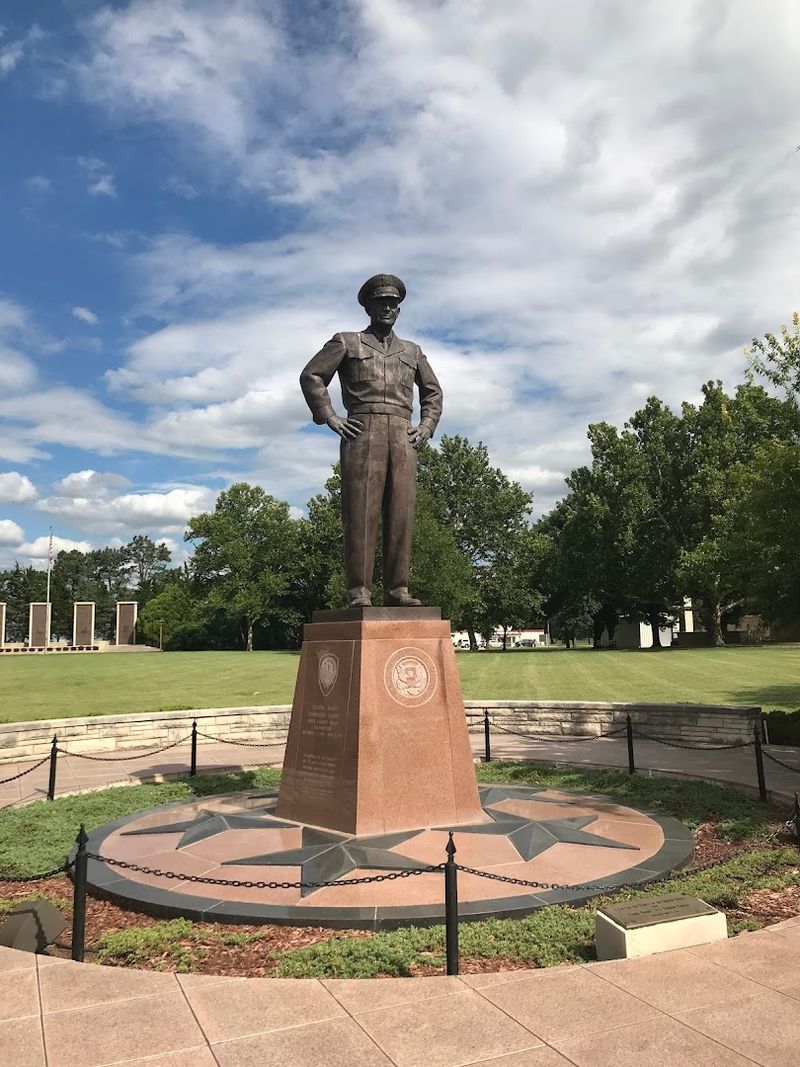
A prairie town does not usually scream global strategy, yet Abilene helped shape one of the 20th century’s most disciplined leaders. Dwight D.
Eisenhower spent his boyhood here after his family moved to Kansas, and the town became central to the public story of his character and values.
Abilene had cattle-town history before Eisenhower, but his rise gave it a different kind of national relevance. People looking back at his career as Supreme Allied Commander and later the 34th president often pointed to the habits associated with his Kansas upbringing: restraint, duty, organization, and a practical approach to big problems.
The Eisenhower Presidential Library, Museum, and boyhood home make the connection concrete rather than ceremonial. You can see how a small Midwestern setting fed a leader who dealt with war planning, interstate highways, Cold War pressures, and televised politics, which is an awfully large résumé to emerge from a town that began as a rail and prairie crossroads.
7. Tupelo, Mississippi
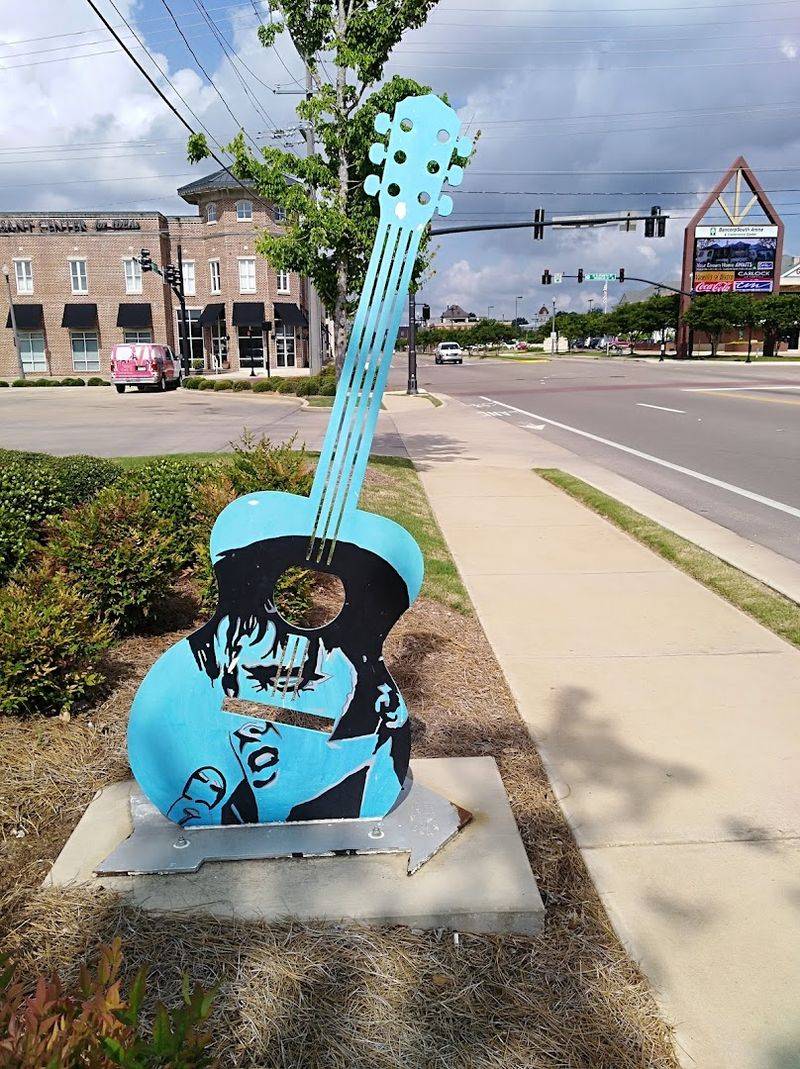
Before the spotlight found him, the future King of Rock and Roll was a boy in a Mississippi town better known for ordinary routines than pop history. Elvis Presley was born in Tupelo in 1935, and his early years there mattered because they connected gospel, country, and regional radio into one formative mix.
You can still trace that story through the modest two-room birthplace house and the museum campus that explains his family life with useful detail instead of myth. Tupelo in the 1940s was not a music capital, which makes its place in American culture more striking and, frankly, a little funny in retrospect.
A town of practical concerns helped launch a performer who would later reshape style, recording, and celebrity on an international scale. Tupelo has leaned into that legacy carefully, turning local memory into a historical attraction that links one small childhood setting to one of the biggest entertainment careers ever recorded.
Beyond Elvis Presley, the region belongs to a broader northern Mississippi cultural landscape that helped shape blues, gospel, country, and the hybrid forms that later moved into mainstream American music.
8. Winterset, Iowa
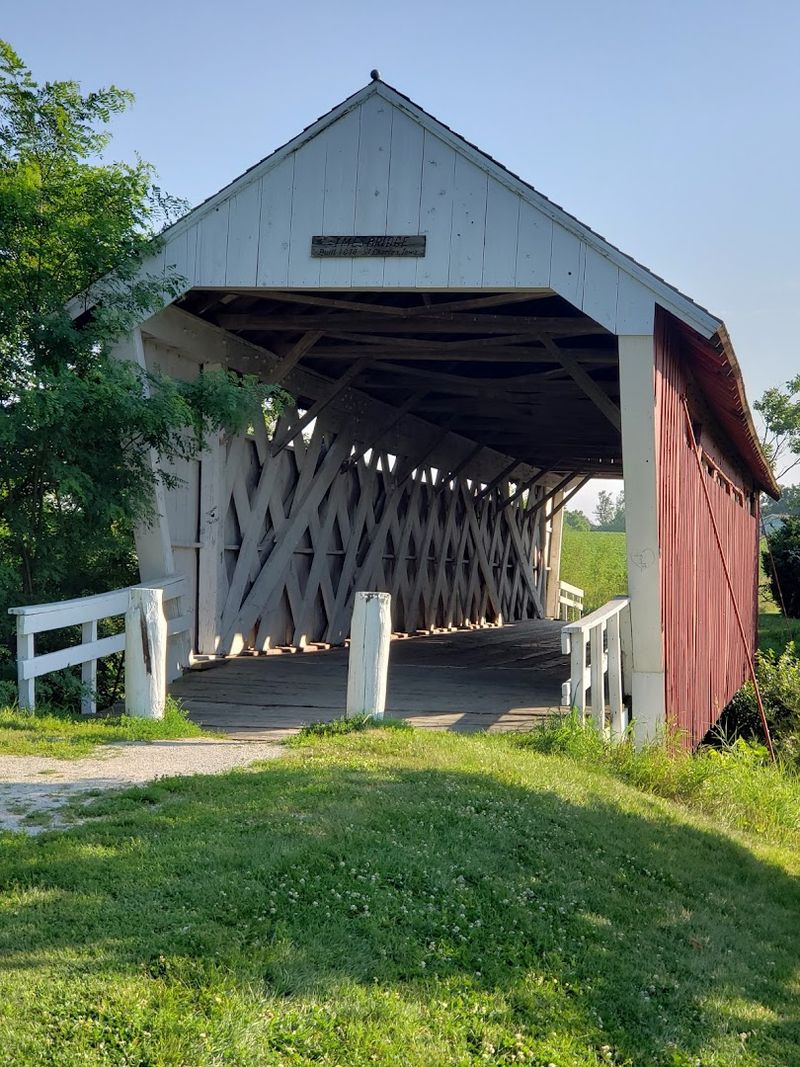
There is a certain irony in a screen legend of vast western landscapes beginning in a relatively modest Iowa town. John Wayne was born Marion Robert Morrison in Winterset in 1907, and the town has long held that fact with understandable pride and a bit of winked amazement.
Winterset is famous for its covered bridges, but Wayne gave it a second national identity rooted in film history. Although he did not spend his whole upbringing there, his birthplace became an anchor for fans tracing how an actor from ordinary beginnings turned into one of Hollywood’s defining faces during the studio era.
His career helped codify the western hero in American culture, even as the real story started far from the desert frontiers often linked to his roles. That gap between birthplace and screen persona is exactly what makes Winterset memorable: a compact Midwestern community ended up connected to decades of movie history, celebrity branding, and debates about what classic American masculinity was supposed to look like.
9. Duncan, Oklahoma
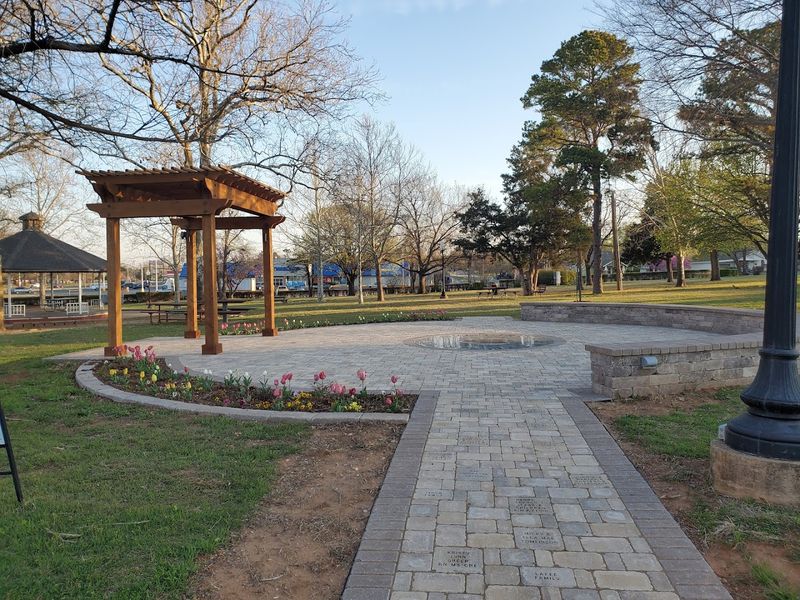
Country music has produced its share of hometown legends, but Duncan deserves extra notice for how neatly it fits the pattern. Reba McEntire grew up in this Oklahoma community, where family life, rodeo culture, and regional performance traditions fed the career of a singer who became a major entertainment figure.
Her story is not just about a talented voice appearing out of nowhere. McEntire came from a family with strong ties to the rodeo world, and that background helped shape the discipline and public poise that later carried her through music, television work, and a long run as one of country’s most durable stars.
Duncan’s importance lies in its specificity. This was a place connected to agriculture and energy, not a polished industry launchpad, which makes her rise feel grounded in local custom rather than manufactured image-making.
When people think about celebrity origins, Duncan is a useful reminder that commercial country music still draws credibility from communities where performance and everyday life often overlap.
10. McComb, Mississippi

Television royalty can begin in places that rarely expect national attention, and McComb is one of them. Oprah Winfrey spent part of her early childhood in this Mississippi town, linking a global media figure to a setting far removed from the scale of her later influence.
McComb’s role in her biography is brief compared with the cities more commonly associated with her rise, but first chapters matter. They establish family context, regional history, and the social realities of the mid-20th-century South, all of which help explain why her later success carried such symbolic force for many viewers.
The town’s connection to Oprah is compelling because it compresses two very different American stories into one frame: a small local beginning and a career that would eventually shape daytime television, book culture, interview style, and celebrity philanthropy. That is a substantial leap for any hometown to claim, and McComb remains part of the map precisely because those early years still matter when people trace how public figures are formed.
11. Laurel, Mississippi
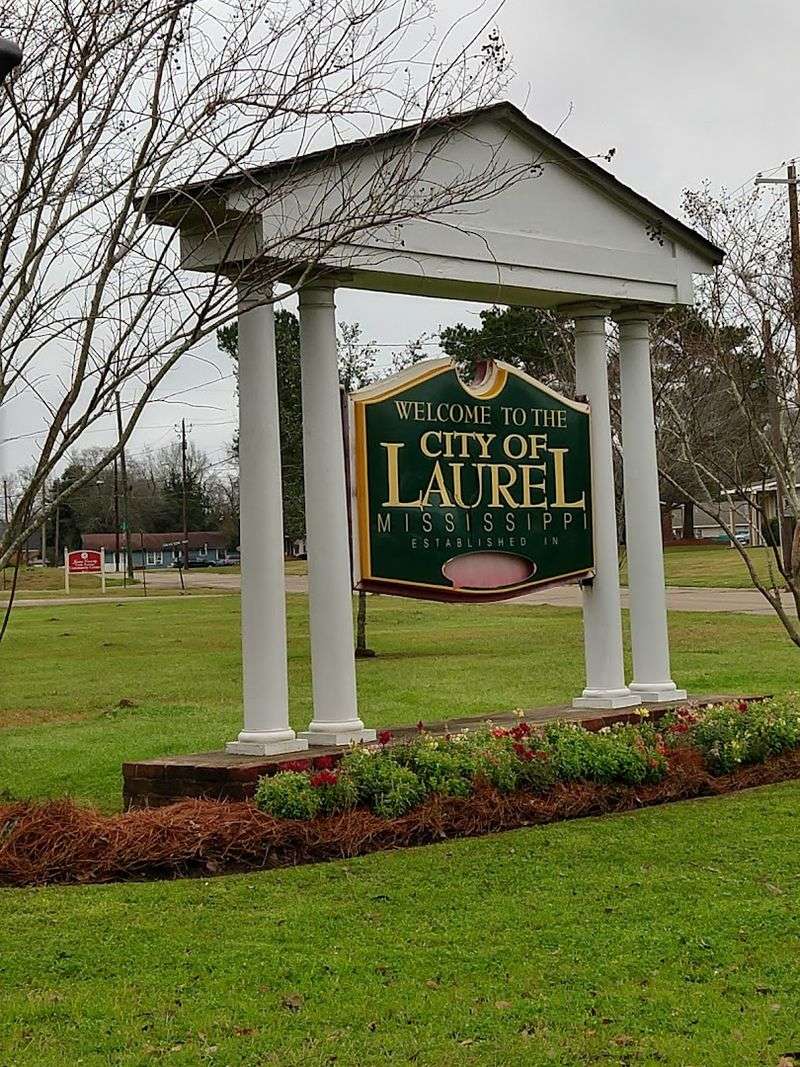
Not every famous hometown story comes from old Hollywood or presidential history, and Laurel proves the update nicely. Ben and Erin Napier turned this Mississippi town into a recognizable television setting through Home Town, making local architecture, preservation, and community identity part of national entertainment.
What makes Laurel interesting is that its fame is tied to place itself rather than only to a single performer. The show introduced viewers to historic houses, downtown storefronts, and the practical work of renovation, all while presenting small-town life as a living civic project instead of a decorative backdrop.
That approach tapped into larger cultural shifts during the 2010s and 2020s, when audiences became newly interested in restoration, local business districts, and regional craftsmanship. Laurel benefited directly from that attention, gaining tourism and a stronger public brand while also becoming shorthand for a certain kind of contemporary small-town revival.
In that sense, the town produced famous people who then made the town itself famous, which is an efficient bit of local history.
12. Roswell, New Mexico

Roswell already had an unusually crowded reputation before Hollywood entered the file. Yet the town also produced Demi Moore, whose rise in the 1980s and 1990s added a very different kind of cultural association to a place more commonly linked with one of America’s strangest tourism brands.
That contrast is what makes Roswell memorable in celebrity geography. Moore became one of the most recognizable actors of her era through major films, tabloid visibility, and a level of media attention that belonged to modern celebrity culture, while Roswell remained a comparatively small desert city with its own eccentric public image.
The result is a hometown connection that feels almost too neatly constructed, though it is entirely real. Roswell can offer visitors both pop-culture novelty and a legitimate claim to mainstream film history, which few small places manage in quite this combination.
For readers interested in how towns collect layers of identity over time, Roswell is a good case study in local branding meeting national fame from an unexpected direction.



