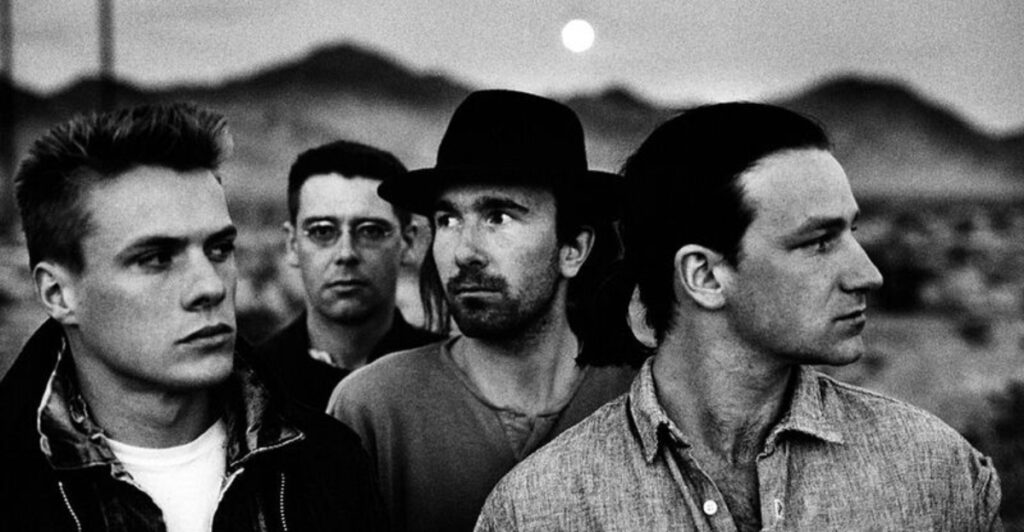
Rock music didn’t quietly evolve in 1991. It kicked open the door, rearranged the furniture, and left the rulebook in a pile on the floor.
Within a matter of months, listeners watched familiar sounds lose their grip while a new generation of artists stepped forward with different ideas about what rock could be. Big hair and glossy production no longer guaranteed success.
Instead, audiences embraced songs that felt more direct, unpredictable, and personal.
The fascinating part is that this transformation didn’t come from one band or one movement alone. Metal reached wider audiences than ever before.
Alternative acts suddenly found themselves on major charts. Established artists reinvented their identities, while newcomers proved that commercial success and artistic ambition could coexist.
Some songs became cultural landmarks almost immediately. Others gained influence over time as musicians borrowed their ideas and expanded on them.
More than three decades later, these tracks still tell the story of a year when rock music changed course. Each one captures a different piece of the puzzle, revealing how 1991 became one of the most important years the genre has ever seen.
1. Smells Like Teen Spirit
One jagged guitar riff accomplished what countless marketing campaigns could not. Nirvana’s “Smells Like Teen Spirit” transformed alternative rock from a largely underground movement into a mainstream force almost overnight.
Released in September 1991, the song arrived at exactly the right moment. Audiences had begun looking for something different, and Nirvana delivered a track that felt entirely disconnected from the polished formulas dominating much of rock radio.
Kurt Cobain’s lyrics invited interpretation rather than offering straightforward answers, while the band’s loud-quiet-loud dynamic became a blueprint for countless acts that followed.
MTV played the video relentlessly, helping the song reach listeners who might never have discovered the band otherwise. The success of “Smells Like Teen Spirit” also opened doors for numerous Seattle artists who suddenly found themselves attracting national attention.
Record labels scrambled to sign alternative bands, radio stations adjusted their playlists, and an entire industry rushed to catch up.
2. Enter Sandman
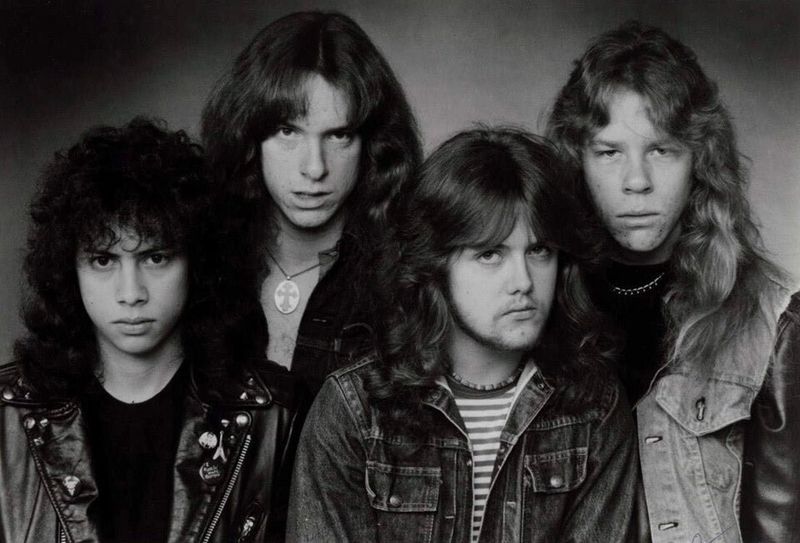
Few opening notes are recognized faster than the ones that begin “Enter Sandman.” Metallica’s breakthrough single proved that heavy music could dominate mainstream culture without softening its edge.
Released in 1991 as the lead single from The Black Album, the song marked a major turning point for both the band and heavy metal itself. Earlier Metallica records had earned devoted fans, but “Enter Sandman” introduced the group to millions of new listeners around the world.
The track balanced powerful riffs with an accessible structure, creating a combination that appealed to longtime metal fans and casual rock listeners alike.
The song’s success challenged assumptions about what could thrive on commercial radio. Suddenly, music executives realized that heavier sounds were not limited to niche audiences.
Stadiums filled, albums flew off shelves, and Metallica became one of the biggest bands on the planet.
3. Alive
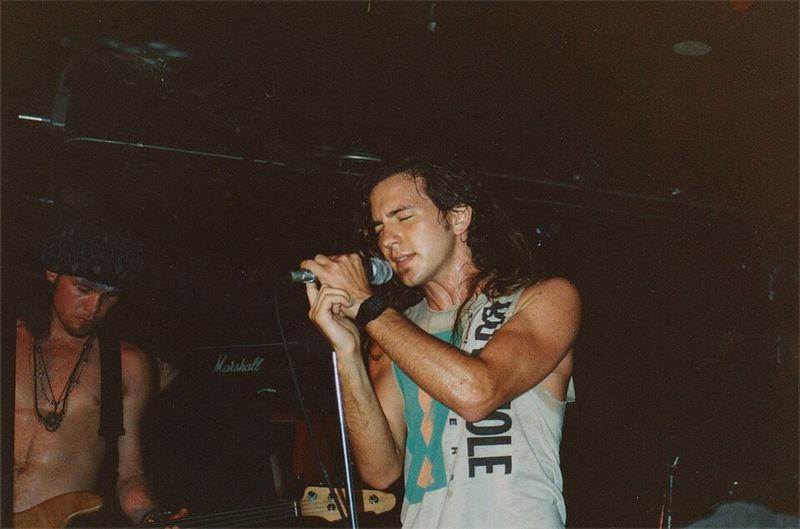
Lightning struck twice in Seattle, and Pearl Jam’s “Alive” made sure everyone noticed. Released months before the band’s debut album became a phenomenon, the song introduced listeners to a group that would become one of the defining rock acts of the decade.
At its core, “Alive” combined emotional storytelling with the kind of guitar work that encouraged audiences to turn up the volume. Eddie Vedder’s distinctive voice immediately set Pearl Jam apart from their contemporaries, while Mike McCready’s soaring solo gave the track a timeless quality.
Together, they created a song that felt both familiar and refreshingly different.
The timing could not have been better. As interest in Seattle’s music scene exploded, “Alive” helped demonstrate that the region’s artists were not all following the same formula.
Pearl Jam brought a stronger connection to classic rock influences while still embracing the raw honesty that audiences increasingly craved.
4. Losing My Religion
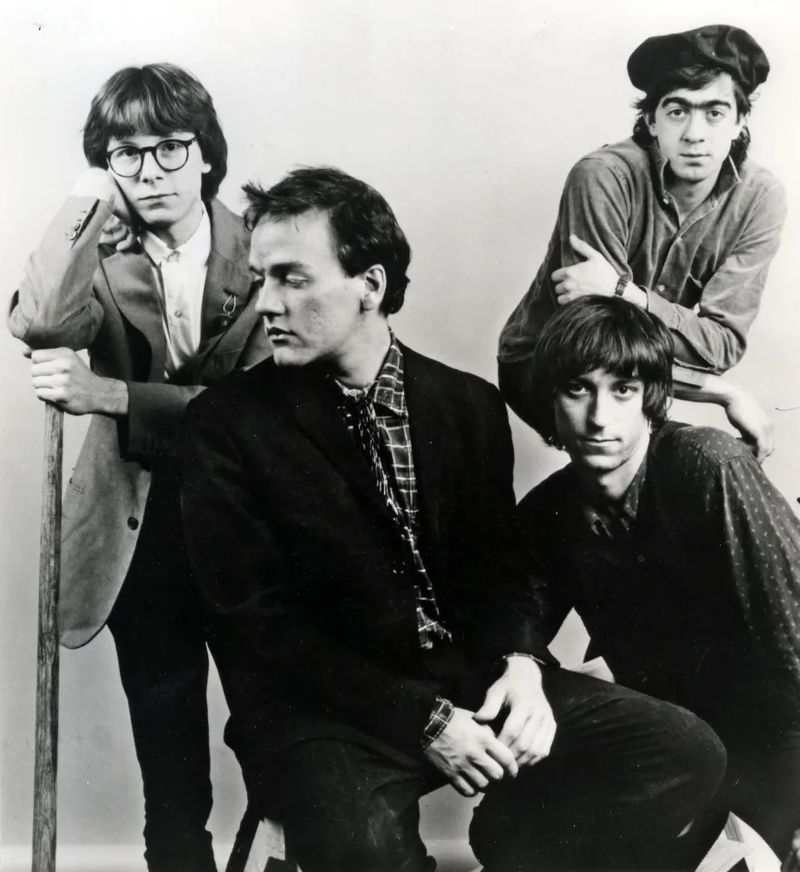
A mandolin wasn’t supposed to dominate rock radio in 1991, yet R.E.M. turned conventional wisdom upside down with “Losing My Religion.” At a time when louder guitars were capturing headlines, the band achieved one of the year’s biggest hits using an instrument rarely associated with mainstream rock success.
Released as the lead single from Out of Time, the song showcased R.E.M.’s willingness to follow creative instincts rather than industry trends. Michael Stipe’s introspective lyrics invited endless interpretation, while the unusual arrangement helped the track stand apart from everything surrounding it on radio playlists.
Instead of chasing a familiar formula, the band trusted listeners to embrace something different.
The gamble paid off in spectacular fashion. “Losing My Religion” climbed charts around the world and became R.E.M.’s most recognizable song. Its success demonstrated that alternative rock could be thoughtful, unconventional, and commercially successful all at once.
5. Outshined

Some songs announce themselves politely. Soundgarden’s “Outshined” preferred a different strategy entirely.
Powered by massive riffs and Chris Cornell’s commanding vocals, the track immediately established the band as one of the most distinctive acts emerging from Seattle.
Released from the album Badmotorfinger, “Outshined” challenged the notion that grunge was simply raw, stripped-down rock music. The song incorporated unusual rhythms and intricate musicianship while maintaining the intensity that audiences were beginning to associate with the Pacific Northwest scene.
Soundgarden demonstrated that complexity and accessibility could coexist within the same song.
Cornell’s vocal performance became one of the track’s defining features. His remarkable range helped separate Soundgarden from many of their peers, while the band’s technical precision revealed influences that extended well beyond traditional punk and alternative rock.
As grunge exploded into the mainstream, “Outshined” broadened public understanding of what the movement could encompass. Rather than fitting neatly into a category, the song expanded the category itself.
That willingness to push boundaries helped cement Soundgarden’s reputation as innovators and ensured their place among the most influential bands of the era.
6. Give It Away
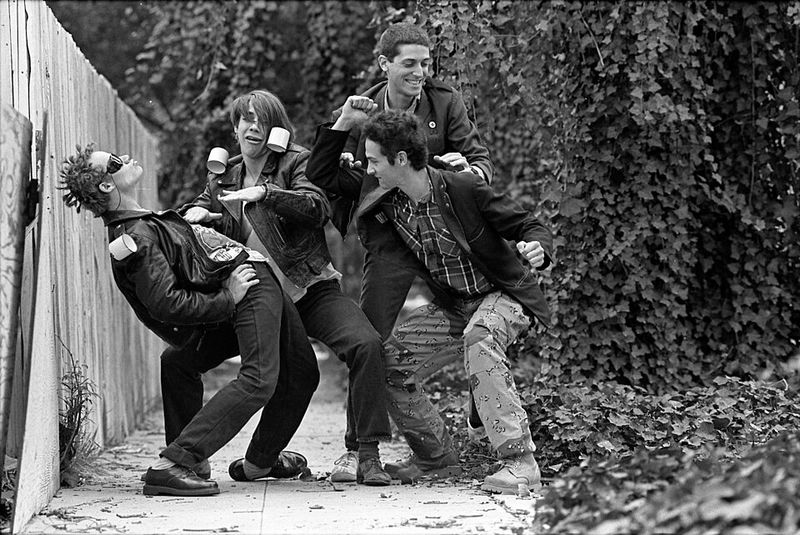
Rules about genre boundaries were quietly tossed aside when the Red Hot Chili Peppers released “Give It Away.” The band’s energetic fusion of funk, rock, and alternative influences created a sound that felt entirely its own.
Released in September 1991, the track became the breakthrough hit that introduced many listeners to the band’s unique style. Flea’s instantly recognizable bass lines provided the song’s foundation, while Anthony Kiedis delivered lyrics that emphasized generosity and connection rather than typical rock themes.
The success of “Give It Away” proved that audiences were eager for music that didn’t fit neatly into predefined categories. Alternative rock was expanding rapidly, and the Chili Peppers showed that experimentation could be both creative and commercially successful.
7. Mysterious Ways
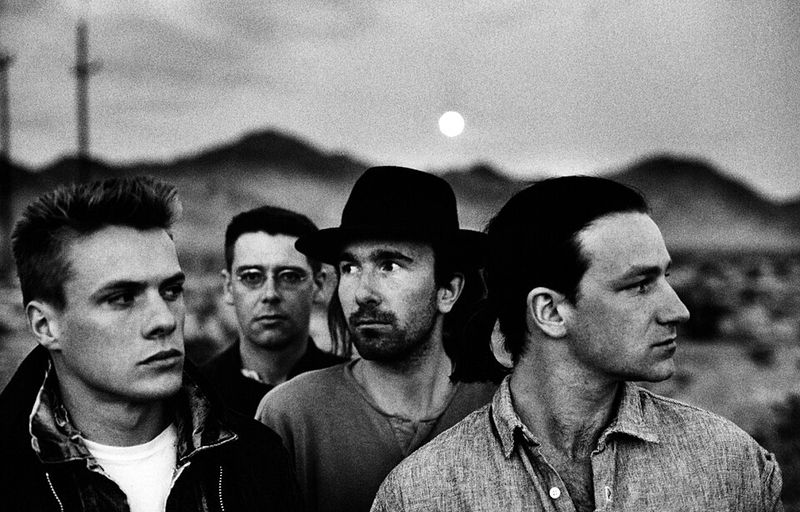
Reinvention is a risky business, especially when you’re already one of the world’s biggest bands. U2 embraced that challenge with “Mysterious Ways,” a song that revealed an entirely new side of the group’s identity.
Appearing on Achtung Baby, the track represented a major departure from the band’s earlier sound. Gone were many of the musical elements that had defined their 1980s success.
In their place came dance-inspired rhythms, layered production, and a more playful approach to songwriting.
The shift surprised fans and critics alike, but it quickly became clear that U2 had made the right decision. “Mysterious Ways” demonstrated that established artists could evolve without losing their core appeal. Instead of repeating familiar formulas, the band pushed forward into unexplored territory.
Its success encouraged other veteran acts to reconsider their own creative directions. At a moment when younger artists were transforming rock music, U2 proved that reinvention wasn’t limited to newcomers.
The song became one of the defining tracks of the Achtung Baby era and helped ensure that the band’s influence would continue well into the next decade.
8. Man in the Box

Before grunge became a household word, Alice in Chains had already begun laying the groundwork. “Man in the Box” served as an early signal that a major shift was underway.
Although originally released in late 1990, the song gained significant traction throughout 1991 as interest in Seattle’s music scene accelerated. Its combination of heavy riffs, haunting vocal harmonies, and darker subject matter distinguished the band from many of their contemporaries.
Layne Staley’s unforgettable vocal performance became one of the track’s defining strengths.
The song helped bridge the gap between metal and alternative rock, appealing to fans of both genres. That crossover appeal would become increasingly important as the decade progressed and musical boundaries continued to blur.
Alice in Chains brought a heavier perspective to the Seattle movement, demonstrating that the scene contained a remarkable variety of influences. “Man in the Box” introduced audiences to a band that would become one of the most respected names of the era. Its growing popularity throughout 1991 helped pave the way for the broader explosion of alternative rock that followed.
9. Been Caught Stealing

Not every influential rock song needs a serious expression. Jane’s Addiction proved that point with “Been Caught Stealing,” a playful and unconventional track that helped alternative rock reach wider audiences.
Released from Ritual de lo Habitual, the song stood out thanks to its quirky subject matter and distinctive musical approach. Perry Farrell’s vocal style, combined with the band’s adventurous songwriting, created something unlike anything dominating mainstream radio at the time.
The track arrived during a period when alternative music was steadily building momentum. Jane’s Addiction had already established themselves as important figures within the underground scene, but “Been Caught Stealing” introduced many casual listeners to their creativity and originality.
Its influence extended beyond commercial success. The song demonstrated that alternative rock could embrace humor, experimentation, and individuality without sacrificing broad appeal.
As the genre gained mainstream recognition, that lesson would inspire countless artists who followed. Today, the track remains one of the defining examples of alternative rock’s ability to challenge expectations while remaining highly entertaining.
10. Epic

One piano flourish helped Faith No More create a song that listeners still debate decades later. “Epic” combined rap-inspired vocals, heavy guitars, and unexpected musical twists into a package that felt genuinely groundbreaking.
Although released in 1990, the song’s cultural impact continued well into 1991 as it gained widespread exposure through radio and MTV. At a time when many genres remained separated by strict boundaries, Faith No More blended influences freely and confidently.
Mike Patton’s charismatic performance became a major factor in the song’s success. His ability to move between styles gave “Epic” an unpredictability that kept audiences engaged.
The track challenged assumptions about what heavy music could sound like and helped expand the possibilities for future artists.
Its influence can be heard in numerous bands that later incorporated elements of metal, alternative rock, funk, and hip-hop into their own music. More importantly, “Epic” demonstrated that innovation often comes from combining ideas rather than choosing a single path.
That philosophy would become increasingly common throughout the 1990s.
11. Right Here, Right Now

History unexpectedly found its way onto rock radio when Jesus Jones released “Right Here, Right Now.” Inspired by dramatic global changes occurring at the time, the song captured a sense of optimism that resonated with audiences around the world.
Unlike many rock hits of the era, the track incorporated electronic influences without abandoning its rock foundation. That combination reflected broader shifts taking place throughout popular music as artists experimented with new technologies and production techniques.
The song achieved significant commercial success on both sides of the Atlantic, helping demonstrate that alternative music could compete directly with mainstream pop. Its accessible structure and contemporary themes appealed to a wide audience while maintaining a distinct identity.
Perhaps its greatest contribution was showing that rock music could evolve alongside technological and cultural changes rather than resist them. The track helped bridge the gap between traditional rock and emerging alternative sounds, making it an important part of the genre’s transformation during the early 1990s.
12. Rusty Cage

Nothing about “Rusty Cage” suggests that Soundgarden had any interest in following established formulas. The song twists, shifts, and surprises at nearly every turn, creating an experience that remains compelling decades after its release.
Featured on Badmotorfinger, the track showcased the band’s willingness to experiment with structure and tempo. Rather than settling into a predictable pattern, Soundgarden constantly challenged listeners’ expectations.
The result was a song that felt ambitious without becoming inaccessible.
Chris Cornell’s powerful vocals anchored the composition, while the band’s musicianship highlighted just how technically accomplished they had become. Every section seemed designed to push beyond conventional boundaries, reinforcing Soundgarden’s reputation as one of rock’s most adventurous acts.
The song’s influence extended even further when Johnny Cash recorded his own acclaimed version years later, introducing it to an entirely new audience. That unusual journey speaks to the strength of the songwriting itself. “Rusty Cage” stands as one of 1991’s most daring rock recordings and a fitting reminder that the year’s transformation was driven by artists willing to take chances.
Share this story